REVIEW · RIO DE JANEIRO
Climb Sugarloaf: A Thrilling Adventure to Rio’s Postcard Peak
Book on Viator →Operated by Itaway Ecotours · Bookable on Viator
Sugarloaf is more than a postcard. This 4-hour climb up the East Face mixes a real rock section (about 15 meters) with huge Rio views, plus the included cable-car ride from Morro da Urca.
I love the easy meetup at Praça Gen. Tibúrcio and the small group size (max 6), so you’re not stuck waiting around. I also love that your guide is a certified rock-climbing pro who speaks English, Spanish, and Portuguese and provides UIAA safety gear.
One caution: this is for people who can handle exposure, since heights are part of the experience. If looking down makes you panic, skip it.
In This Review
- Key things that make this Sugarloaf climb worth your time
- Starting at Praça Gen. Tibúrcio: shoes, pacing, and what you actually bring
- The East Face rock climb: what that 15-meter section feels like
- Stop 1, Trilha do Pao de Acucar: the approach and why it sets the tone
- Summit views that make you slow down: Christ, Copacabana, Tijuca, Niterói
- Cable-car descent to Morro da Urca, then a walk back to Red Beach
- The Henrietta Carstairs connection: 1817 and why it feels adventurous today
- Price and time value: what $74.55 buys you in real terms
- Safety, languages, and staying calm when your brain wants to panic
- Who should book this Sugarloaf climb (and who should skip it)
- Should you book the Sugarloaf Mountain rock climb with cable-car descent?
- FAQ
- Where is the meeting point and when does the tour start?
- How much does the Sugarloaf climb cost?
- How long is the experience?
- What’s included in the tour?
- Is food or drinks included?
- Do I need climbing shoes?
- Is this tour recommended if I’m scared of heights?
- What is the minimum age?
- How many people are in each group?
- Is there a refund if the weather is bad?
- Is there free cancellation?
Key things that make this Sugarloaf climb worth your time
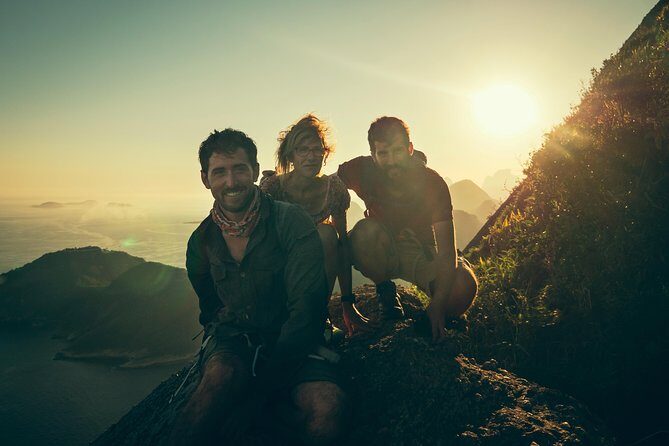
- UIAA-certified safety equipment and a licensed rock-climbing instructor on the route
- 15-meter East Face rock climbing section for a true “hands-on” Rio adventure
- Cable car descent included, taking you from the summit area down to Morro da Urca
- Big-name sights from above: Christ the Redeemer, Copacabana, Tijuca Forest, and Niterói
- Small group (max 6 travelers) for more attention and smoother pacing
- Clear shoe rules (no sandals; sport or hiking shoes only), plus optional climbing shoes
Starting at Praça Gen. Tibúrcio: shoes, pacing, and what you actually bring

Your day starts at Praça Gen. Tibúrcio, 75 in Urca (that’s the neighborhood that feeds into Sugarloaf logistics). Meet at 2:00 pm, and plan to arrive early because they only give you a 10-minute tolerance window.
This tour is built for momentum. There’s no pick-up or drop-off, so you’ll want to get there using public transportation. The meeting point being near transit matters because it keeps your afternoon stress low, especially in a city where traffic and parking can get annoying fast.
For gear, the basics are simple but strict. Wear sport or hiking shoes and leave the sandals at home. If you have climbing shoes, you can bring them, but they’re not required, which is a big deal if you’re traveling light.
Bring water (they suggest 2 liters) and a small snack plan. Light clothing plus a windbreaker or rain jacket is smart because weather around Rio’s hills can change quickly. Also pack sun protection and something for bug repellent, since you’ll be moving through a natural setting on the approach.
If you’re trying to decide how fit you need to be, think “comfortable hiker with some stamina.” They recommend strong physical fitness, and the climb part adds effort beyond a casual viewpoint stroll.
You can also read our reviews of more tours and experiences in Rio de Janeiro.



The East Face rock climb: what that 15-meter section feels like

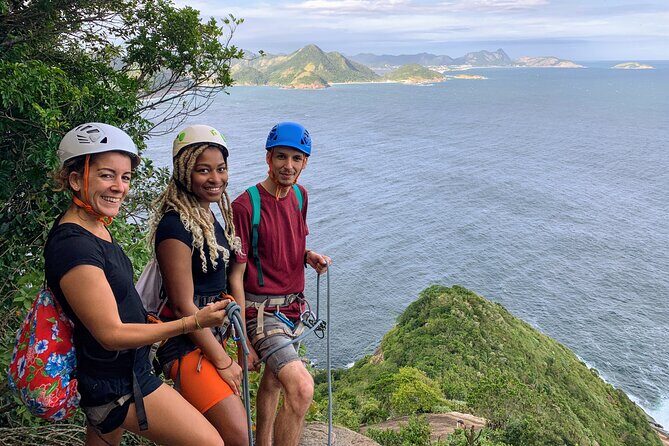
The core of this experience is the East Face route and a thrilling rock climbing segment of about 15 meters. Even if you’ve never climbed before, the point is that you’re not doing it alone. You’re guided by a professional rock-climbing instructor who brings safety technique and calm structure.
You’ll get all the necessary safety equipment, and they specify that it’s UIAA certified. That matters because it signals that the gear is built for real climbing use, not just a photo prop setup. You’re also briefed and equipped before you start the technical section, so you can focus on the next move instead of guessing what comes next.
What I like about this design is that it turns Sugarloaf from a viewpoint outing into an active skill moment. Yes, you’ll be rewarded with famous views, but you’ll also leave with the feeling of having done something physical and specific—something you can talk about beyond I saw Rio.
From the feedback I’ve seen, a steady, supportive guide is part of the win. Names like Igor and GiGi come up with the same theme: keep your breathing under control, find a rhythm, and trust the system. One climbing-highlight described the rope section as the moment that made the whole day click.
Here’s a practical expectation check: if you’re comfortable climbing stairs and doing uphill hiking, you can probably handle the effort. But if you freeze when you’re suspended or you don’t like heights, you might struggle even if you’re fit. This tour is not recommended for people scared of heights, and that warning isn’t just about fear—it’s about whether you can stay functional when your brain is screaming get away.
Stop 1, Trilha do Pao de Acucar: the approach and why it sets the tone
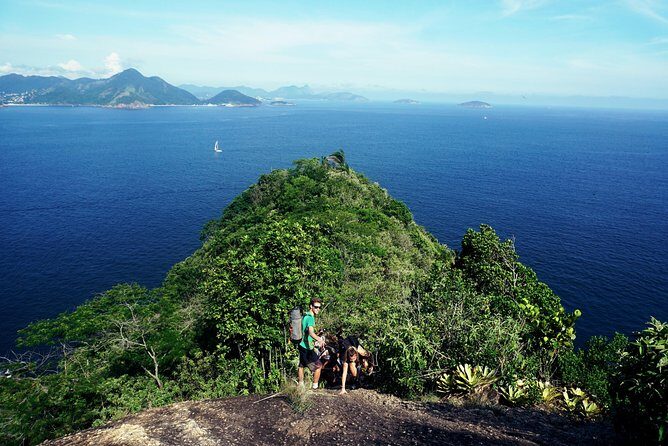
Your main land-based action centers on Trilha do Pao de Acucar, which is the trail segment that leads you into the climbing experience. This part matters because it helps you warm up physically and mentally.
Trail time is also where you’ll start picking up the “Rio from the hills” feeling. Instead of flat-city sightseeing, you’ll notice how the coastline, the forested slopes, and the city structures layer into each other. That visual context makes the summit payoff hit harder later.
Also, trail pacing matters with a small group. With a maximum of 6 travelers, the group tends to move like a unit. You’re less likely to get separated, and you’re more likely to stay on schedule for the technical section and views.
One subtle benefit: you’ll likely get a chance to ask quick questions without the pressure of a big tour bus rhythm. When the group is small, instruction can be more personal. That’s a real value if you want to learn what to do, not just get carried along.
If you want photos, this is a good moment to prep your plan. Keep your camera easy to grab, but also be realistic. During the climbing section, you’ll be focused on safety and movement, not filming your next Instagram angle.
Summit views that make you slow down: Christ, Copacabana, Tijuca, Niterói
The summit payoff is the main reason most people want Sugarloaf in their itinerary, but this trip adds something important: you earn it. After the climb segment, you’ll be rewarded with views that cover Rio’s most iconic pieces.
You can catch Christ the Redeemer Statue, Copacabana Beach, and the Tijuca Forest from above. On clear days, you’ll also see Niterói on the horizon. That combination is part of why Sugarloaf is famous—coastline, city, and green hills all in one frame.
What I like for your decision-making: these views aren’t only at the top of a cable car line where you’re shoulder-to-shoulder with crowds. Here, you’re arriving as a climber-hiker, so your attention is sharper. You’re more likely to actually look—at distances, at shoreline shape, at how the forest breaks up the urban grid.
And because you’re coming up the East Face, the perspective can feel different from a standard “ride up, stroll, ride down” approach. You’re experiencing Rio as terrain, not just scenery.
For photo timing, you’ll do best if you keep expectations flexible. The tour’s duration can vary depending on group size and the day of the week. That means your exact time at viewpoints could shift. Bring a light layer and be ready to adjust rather than waiting for a perfect minute.
Cable-car descent to Morro da Urca, then a walk back to Red Beach
The descent is built into your ticket: cable car down to Morro da Urca (Urca Mountain) is included. That’s a major value-add because it turns the day into a clean loop. You climb up, you look out, and you get a structured way down without having to reverse-engineer transport.
Once you reach Morro da Urca, the day continues with a leisurely stroll back to Red Beach. This portion is a nice mental reset. After focusing on rock movements, you’ll transition back to normal walking pace and enjoy the setting without the technical pressure.
I also like that the itinerary doesn’t end the moment you get your photos. You still have some time to move, take in the neighborhood vibe around the route, and settle into the idea that you completed a full adventure arc.
Practical tip: wear shoes you can keep on for the whole walk. If you switch to flip-flops in Rio, you’ll likely regret it when you hit uneven ground on the trail and path segments.






The Henrietta Carstairs connection: 1817 and why it feels adventurous today
This route has an old-school climbing story attached to it: it was first conquered by British adventurer Henrietta Carstairs in 1817. That’s not trivia for trivia’s sake. It gives the route a sense of lineage, like you’re following footsteps where the challenge was real even before modern gear and guided tours.
Of course, your safety today is the modern part. You still get UIAA-certified equipment and licensed instruction. But the link to 1817 helps explain why this hike feels more like an adventure than a simple sightseeing stop.
Even if you don’t care about history, that context changes your mindset. You’re not just visiting a famous mountain. You’re taking a climb that’s been used as a test of nerve and technique for a long time.
It’s also why the route feels meaningful even for people who already know Rio’s landmarks. You’ll still see Christ and Copacabana, but you’ll do it through effort and hands-on learning, not just from a viewpoint.
Price and time value: what $74.55 buys you in real terms
The price is $74.55 per person for about 4 hours. That sounds simple, but it’s worth breaking down what’s included versus what usually costs extra in Rio.
You’re paying for:
- A rock climbing instructor (speaking EN, ES, PT)
- All necessary safety equipment (UIAA certified)
- The cable car descent ticket included to Morro da Urca
You’re not paying for food and drinks, and there’s no pick-up or drop-off. But in return, you’re getting a guided activity with gear and a transport component built into the route.
For value, I’d compare this to the cost of doing a guided active experience plus separate cable car tickets. Even for a traveler who plans to buy viewpoints tickets anyway, the included cable car can reduce hassle and add predictability.
Also, the small group size (max 6) is a quiet value driver. When the group is smaller, instruction time can be more direct, and you spend less time waiting.
The tour duration can vary based on group size and the day, but “about 4 hours” is a workable block in Rio. You still have time afterward for dinner plans or beach time if you pace yourself.
Safety, languages, and staying calm when your brain wants to panic
Safety here isn’t vague. They explicitly provide UIAA certified equipment and use experienced licensed guides for rock climbing.
Language support is a practical comfort. Having a guide who speaks English, Spanish, and Portuguese means you can ask quick questions and get straight answers. When you’re in a harness or on a rope section, clarity helps your nervous system. You don’t want instructions that require interpretation or guessing.
I also love that the tone from guide experiences seems consistent: supportive and calm. Igor is described as staying steady and encouraging, even when the climb feels intense. GiGi comes up as enthusiastic and committed to getting everyone through smoothly. That kind of attitude matters because rock climbing isn’t only about strength—it’s about decision-making under stress.
Your job as a participant is simple:
- Bring the right shoes
- Wear layers that keep you comfortable
- Follow instructions closely
- Don’t rush the breath cycle when you feel exposed
If you feel shaky, slow down your mind first. In climbing, your body follows your breathing.
Who should book this Sugarloaf climb (and who should skip it)
This is best for you if you want Rio with adrenaline and a hands-on challenge. It fits travelers who like hiking but want something more specific than stairs to a viewpoint.
It’s also a solid choice for families only if kids meet the stated minimum and can handle exposure. The tour says the minimum age is 10, and minors must be accompanied by an adult. In practice, some families report that kids can rise to the challenge when supported well, but you should still be honest about your child’s comfort with heights.
You should skip this if you’re scared of heights. The rope climbing and exposure are the point of the route, and it’s not designed to be a comfort-first sightseeing day.
Fitness-wise, bring “strong physical fitness level” expectations. That doesn’t mean athlete-level cardio, but you should be ready to hike and climb for a sustained period over rough terrain.
Finally, consider timing. Confirmation happens at booking, the tour depends on good weather, and it’s not recommended when conditions are poor. When the operator cancels due to weather, you’ll be offered a different date or a full refund, which is a fair safety net.
Should you book the Sugarloaf Mountain rock climb with cable-car descent?
If you want a classic Rio icon plus an active challenge, this tour makes sense. The combination of a real rock climbing section, professional instruction with UIAA gear, and an included cable-car descent is a strong value mix. You’re not just paying for views; you’re paying for the guided path that gets you there.
Book it if:
- You’re comfortable enough with heights to focus on technique
- You want a small-group adventure (max 6)
- You want the Christ/Copacabana/Tijuca views without turning it into a sit-and-stare day
- You’re willing to wear proper shoes and carry water
Skip it if:
- Height anxiety is likely to take over
- You’d rather do Sugarloaf as a low-effort viewpoint visit
If you meet the comfort and footwear basics, you’ll likely leave feeling you did something uncommon in Rio.
FAQ
Where is the meeting point and when does the tour start?
The meeting point is Praça Gen. Tibúrcio, 75 – Urca, Rio de Janeiro – RJ, 22290-270, Brazil. The start time is 2:00 pm.
How much does the Sugarloaf climb cost?
The price is $74.55 per person.
How long is the experience?
The duration is approximately 4 hours, though it may vary depending on group size and the day of the week.
What’s included in the tour?
Included are the rock climbing instructor (EN, ES, PT), all necessary safety equipment, and the cable car descent to Morro da Urca.
Is food or drinks included?
No. Food, drinks, and extra costs are not included.
Do I need climbing shoes?
Not required. Sport or hiking shoes are required, and climbing shoes are optional if you have them.
Is this tour recommended if I’m scared of heights?
No. It is not recommended for individuals who are scared of heights.
What is the minimum age?
The minimum age is 10 years. Minors must be accompanied by an adult.
How many people are in each group?
The tour has a maximum of 6 travelers.
Is there a refund if the weather is bad?
Yes. The experience requires good weather, and if it’s canceled due to poor weather, you’ll be offered a different date or a full refund.
Is there free cancellation?
Yes. Free cancellation is available up to 24 hours in advance of the experience start time for a full refund.