REVIEW · AMAZON RAINFOREST
Manaus: Multi-Day Amazon Survival Trip with Camping
Book on GetYourGuide →Operated by Joshuas Amazon Expeditions · Bookable on GetYourGuide
You can feel the Amazon speed you up fast. This multi-day trip out of Manaus mixes boat rides on the Rio Negro with real time in the forest, including hammock camping and early-morning canoe time. The big draw is learning in the wild, not just watching it from a bus.
I like two things a lot: the hands-on jungle learning (medicinal plants, survival-style technique, and guided wildlife spotting) and the small-group feel with Portuguese or English guides. One highlight from past groups was how patient and detailed guide Markus was while explaining the activities at camp.
The main thing to consider is the camp style. You’ll be sleeping in hammocks (with mosquito nets), doing early starts, and spending nights out on the water by flashlight, so bring bug protection and expect a more rugged rhythm than a hotel tour.
In This Review
- Quick take: what’s especially good
- Rio Negro Speedboat Day 1: The Moment It Feels Real
- How the schedule keeps you from feeling rushed
- Catalao And The Meeting Of The Waters: What You Should Notice
- Trekking Into Camp: Hammocks, Nets, And Night Caiman Spotting
- A quick realism check
- Sunrise Canoe And Jungle Hike: The Learning That Makes It Worth It
- Flooded forest canoeing: where you learn to look
- Day 3 Through Day 5: How Your Choice Changes the Trip
- If you do the 3-day option
- If you do the 4-day option
- If you do the longer 5-day option
- Price And Value: What $660 Buys In Real Amazon Time
- What The Guides Actually Do (And Why It’s Personal)
- Group Size, Timing, And The Part People Forget
- What To Pack For Amazon Nights, Rain, And River Days
- Practical Etiquette And Safety Notes That Help
- Who This Trip Fits Best (And Who Might Hate It)
- Should You Book The Manaus Amazon Survival Trip?
- FAQ
- FAQ
- How long is the Manaus Amazon survival trip?
- Does the tour include pickup and drop-off in Manaus?
- Are meals included?
- What language are the guides?
- Do I sleep in hammocks?
- What are the main activities during the trip?
- What should I bring with me?
- What is not included in the price?
- Can I cancel or pay later?
Quick take: what’s especially good
- Small group (max 12) keeps the pace human and the jungle talk more useful
- Sunrise canoe turns forest-watching into something you can feel, not just photograph
- Medicinal plant and survival-style guidance gives you context while you walk
- Camp nights in hammocks are unique and simple, with mosquito nets provided
- Rio Negro highlights include Catalao and the meeting of the waters
Rio Negro Speedboat Day 1: The Moment It Feels Real
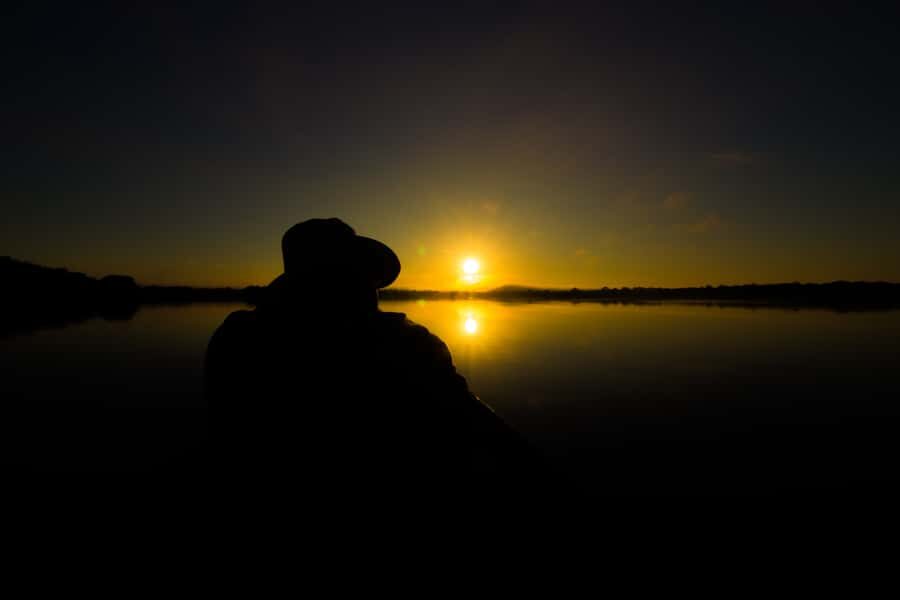
Day 1 starts with a pickup in Manaus and a transfer to Caesar port. Then you head out on the Rio Negro by speed boat, which is a smart way to get moving quickly while also settling you into river reality. The speed keeps it exciting, but the constant river motion also means you’ll want good balance and comfortable footwear.
Your first stop is Catalao, a floating village where you can see (and even feed) the giant arapaima gigas. These are the big-scaled fish people come for. The best part is that the experience feels direct and educational, not just a photo stop. Yes, you might touch one if you dare—these fish are strong, but they’re described as harmless.
From there, you hit one of the Amazon’s most famous spectacles: the meeting of the waters. Black waters from the Rio Negro meet the brown waters of the Solimões River. The colors don’t mix, and you’ll likely want your camera ready because it looks like two rivers side-by-side rather than one blended current.
How the schedule keeps you from feeling rushed
Lunch at the lodge comes after the boat highlights, and then the trip flips from sightseeing to survival basics. That shift matters. It keeps the day from feeling like a long “transport day,” and it sets up why the camping part works.
Catalao And The Meeting Of The Waters: What You Should Notice
These two stops are more than set dressing. They explain how this river system works and why people live where they do.
At Catalao, focus on the scale and the calm confidence around the arapaima. If you go in expecting danger, you’ll miss what’s actually impressive: a huge animal that’s handled carefully and respectfully. Feeding the fish is a memorable moment because it turns an image in your head into a real-size creature.
At the meeting of the waters, slow down your photos for 30 seconds. The standout feature is the contrast—dark versus brown water—and the visible boundary. Even if you’ve seen pictures before, watching it in real conditions helps you understand why the Amazon has such strong local knowledge and river traditions.
One practical note: you’ll be on the water at multiple points on Day 1, so sun protection matters. Sunglasses and a hat are worth it, and rain gear helps too.
Trekking Into Camp: Hammocks, Nets, And Night Caiman Spotting
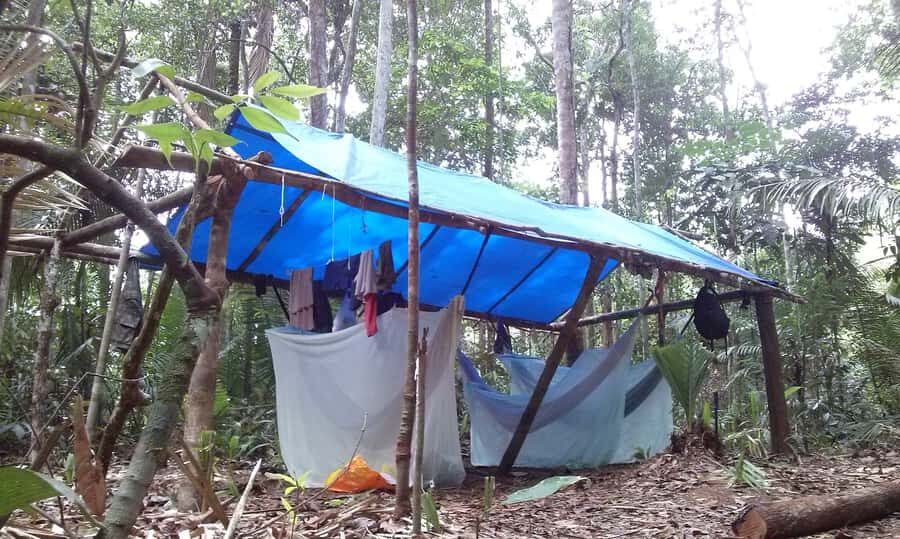
After lunch, you trek into the jungle to set up your first night’s camp. This is where the trip earns the survival label. You’re not just walking on a trail—you’re doing camp-mode activity and learning how to function in the forest environment.
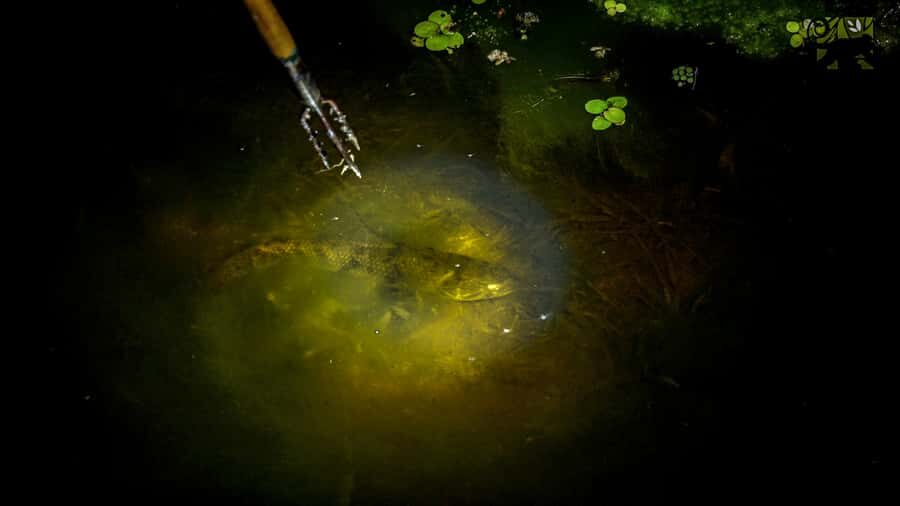
Dinner comes at camp, and then the night adventure begins. You’ll travel through the darkness of the Amazon by boat for caiman spotting. Even if you don’t see anything, the experience of moving quietly at night under guide direction is the point. The forest sounds change after sunset, and the boat experience gives you a different read on the ecosystem than daytime hikes.
Sleeping in hammocks is one of the most praised parts of the trip. You’ll get mosquito nets, which helps a lot. Still, you should plan like you’re camping: expect insects, expect humidity, and expect that your sleep will feel different than at home. Bring insect repellent and long sleeves when you can.
A quick realism check
Hammock camping can feel magical, but it also means you’ll want to pack thoughtfully. Take only what you can carry comfortably, and keep your essentials easy to reach. The trip also lists a maximum luggage limit of 25 pounds / 12 kg per person, so overpacking is a fast way to get stressed.
Sunrise Canoe And Jungle Hike: The Learning That Makes It Worth It
Day 2 starts early, with a sunrise canoe trip around 5:30 am. This is not just a cute start time. At dawn, the forest is active but not chaotic, and the light helps you see movement without the glare you get later. You get a close-up look at the forest waking up, which changes how you notice birds, leaves, insects, and small animal behavior.
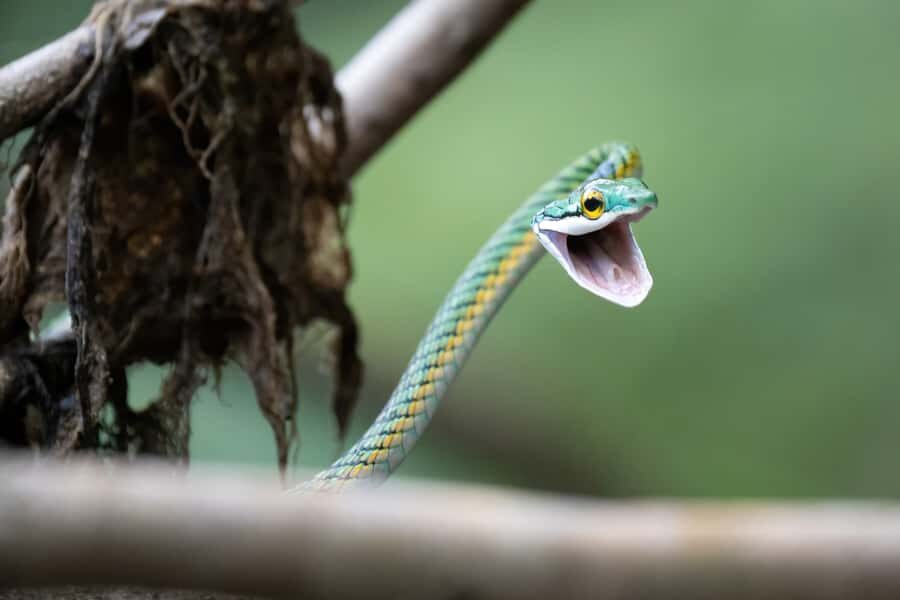
Breakfast follows at 7 am, then you move into a jungle hike from 8 am until about 11:30 am. Your guide explains medicinal plants and talks about spiders and trees. That “why this matters” layer is what turns a hike into a learning experience. You might even see monkeys, and your guide will help you connect what you’re seeing to how the forest works.
Lunch comes under the canopy, which is a big deal in this heat. Shade is a comfort upgrade, and it also helps you slow down. After lunch, you shift into flooded forest channels by canoe at around 3:00 pm.
Flooded forest canoeing: where you learn to look
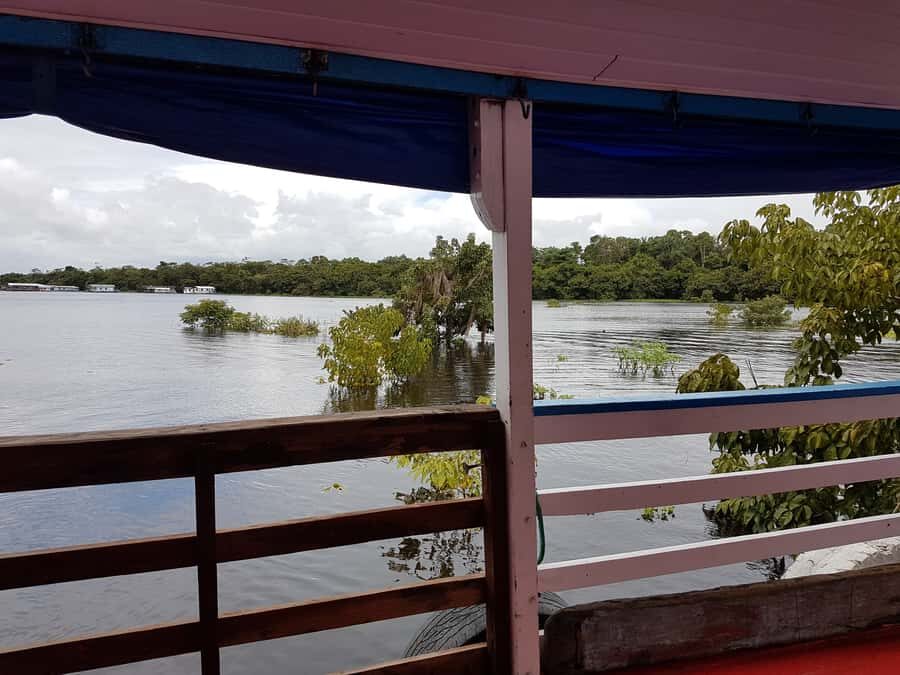
The flooded forest is a different environment than dry land. You move through channels and see flora and fauna adapted to water-covered ground. This is also where you get a chance to fish like a native—looking for piranhas. If you’re squeamish, fishing might not be your favorite part, but it fits the theme: learning local ways of using what the river provides.
At night, you go back out by boat using a flashlight. This is the Amazon night scene without a stage or a party vibe. The focus is wildlife and movement, and the flashlight approach helps you notice eyes, shapes, and reflections you’d miss in total darkness.
Day 3 Through Day 5: How Your Choice Changes the Trip
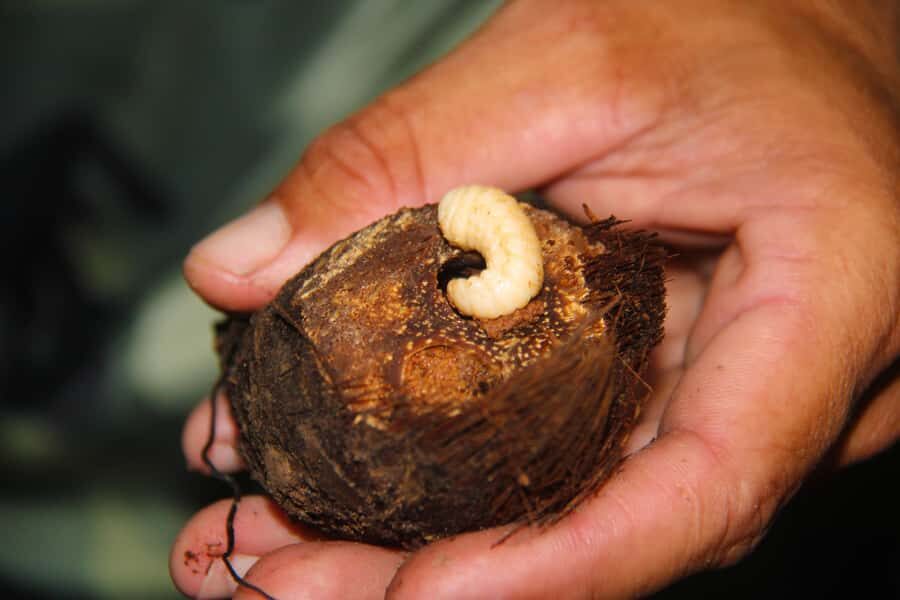
Your trip length affects what you do after Day 2. Here’s how it generally breaks down based on the longer options described.
If you do the 3-day option
After breakfast, you’ll take another nature hike to another part of the rainforest for more wildlife viewing. Then you head back to the lodge for lunch and depart for Manaus at 1:30 pm, arriving around 4:30 pm.
This option keeps things moving and gets you the core mix: river highlights, camp nights in hammocks, sunrise canoe, and guided jungle walking. It’s a good match if you want the Amazon experience but don’t want to lose two full days to logistics.
If you do the 4-day option
After lunch, you explore small channels by boat and see a wide array of colorful birds. Then you finish with fishing for dinner. After that, you return to camp.
Day 4 leans more into birds and channel navigation, which can feel like a calmer day if you’re coming off heavier hiking. The dinner fishing step also ties the day together with a practical element.
Then you depart for Manaus at 1:30 pm and arrive about 4:30 pm.
If you do the longer 5-day option
The extra time adds more channel exploration, plus a night safari. There’s also mention of a chance to spearfish during the longer option.
Day 5 also includes leaving camp to explore the region and even swimming in the river like local people. It’s a nice way to move from “camp skills” back to day-life moments, but only if you pack swimwear and towel.
Price And Value: What $660 Buys In Real Amazon Time
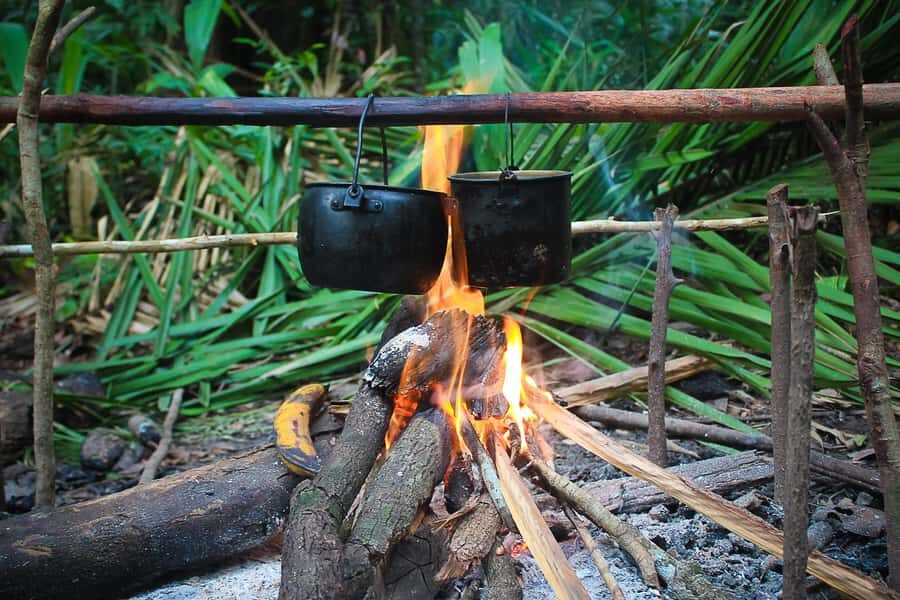
At $660 per person, this is not a cheap excursion. The real question is what you’re paying for, and the answer is “time and structure,” not just transport.
You get:
- Hotel pickup and drop-off in Manaus
- All meals (plus water during meals)
- Portuguese or English-speaking guides
- Hammocks and mosquito nets
- All tours in the program
That matters because in the Amazon, you’re paying for more than a ride. You’re paying for guides who can point out medicinal plants, read the forest, and run canoe and night boat activity safely enough to make it feel coherent. Small-group size (max 12) also helps you feel less like a number and more like you can ask questions and get straight answers.
Where the value gets even better: the itinerary includes multiple distinct environments—speed boat river time, floating villages, jungle hikes, flooded forest channels, and night wildlife runs. This isn’t one “type” of activity repeated. The mix is the point.
What The Guides Actually Do (And Why It’s Personal)
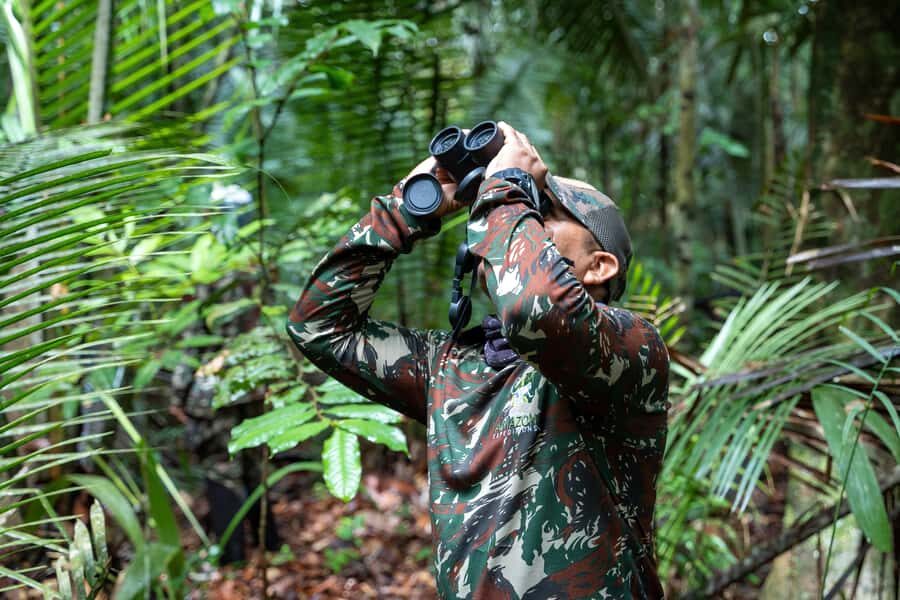
A lot of jungle tours end up feeling like someone points and you take photos. Here, the guide role is more practical.
Guides explain medicinal plants and survival-style technique during hikes. The trip also includes bushcrafting tasks at the basecamp, which gives you that learn-by-doing feeling. One group specifically praised Markus for being patient and for explaining activities in detail while answering questions.
That’s the difference between getting “information” and getting understanding. If you like asking why something works—why a plant is used, why a channel looks the way it does—you’ll get more out of the experience.
Group Size, Timing, And The Part People Forget
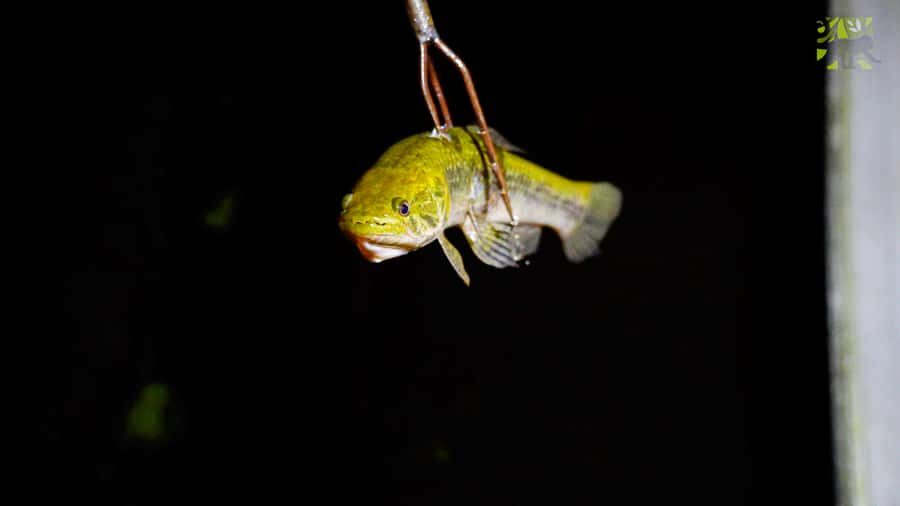
This tour runs with a small group capped at 12 participants. That keeps the vibe calmer in tight places like canoes and in dense jungle paths. It also makes it easier to match pace and attention for everyone.
Timing is another factor. You start early on Day 2 with sunrise canoe time, so don’t plan on sleeping in. And there are flight-related notes you should take seriously: if you arrive at Manaus Airport after 2 pm, you’ll only get evening activities on the first day. If you have an afternoon departure from Manaus, you’ll need a morning transfer.
Also keep an eye on luggage limits. Maximum luggage is 25 pounds / 12 kg per person, and excess luggage needs to be stored at your hotel or in the partner’s office. This is one of those details that can quietly spoil the trip if you ignore it.
What To Pack For Amazon Nights, Rain, And River Days
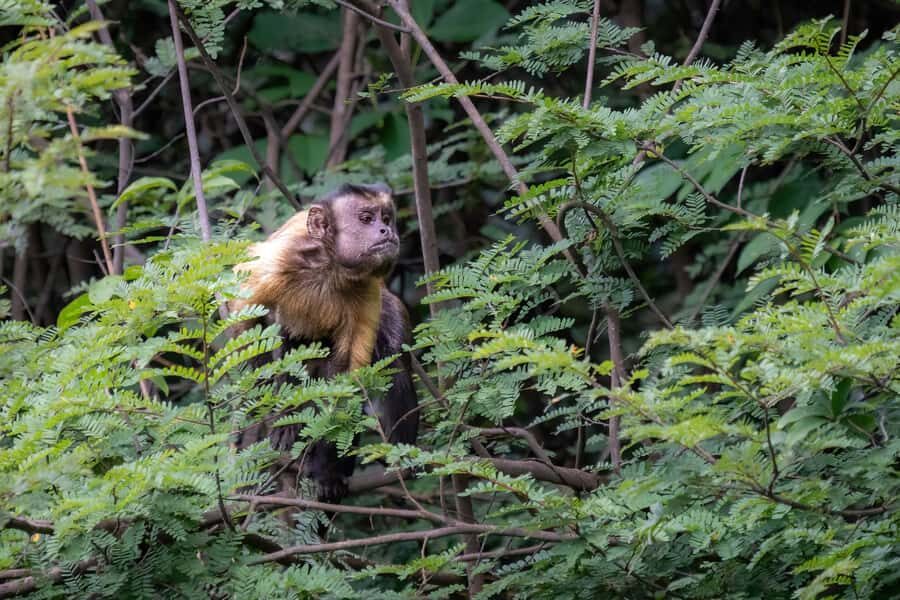
The essentials are already listed, and you should listen. In the Amazon, your comfort and safety come down to small items.
Bring:
- Insect repellent (non-negotiable)
- Sun hat, sunglasses, sunscreen
- Comfortable shoes plus hiking footwear
- Long-sleeved shirt and long pants (you’ll use them)
- Rain gear
- Swimwear and a towel (especially if your option includes river swimming)
- Quick-dry clothing and a waterproof bag
- Binoculars if you have them (helpful for birds and wildlife)
- Charged smartphone for photos
Pack smart because there’s a weight limit. Keep a change of clothes in mind too, because wet and muddy moments happen.
Practical Etiquette And Safety Notes That Help
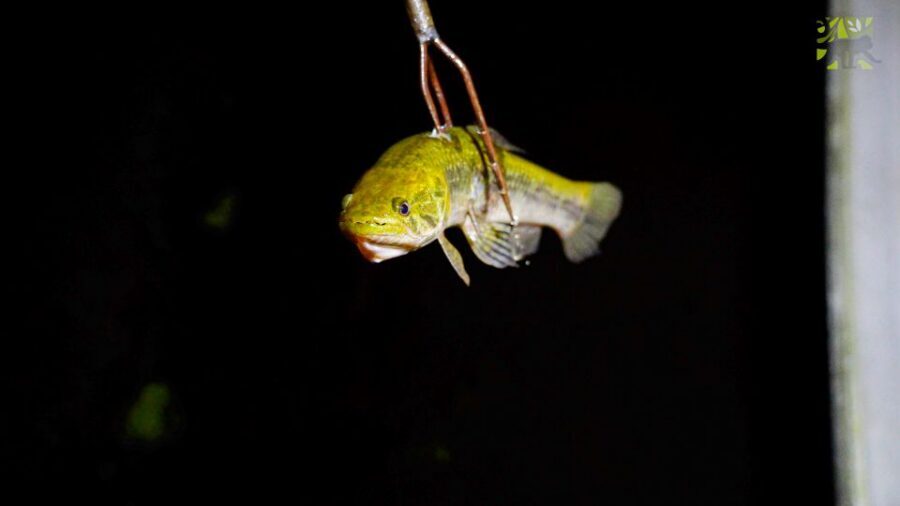
A few rules here are worth thinking about before you go.
The trip asks you to avoid giving money to community children. If you want to bring something, small gifts like toys or comic books are welcomed and encouraged. If you like the idea of sharing, plan that ahead so it doesn’t turn into awkward last-minute decisions.
On water and in the jungle, follow the guide’s instructions closely. This is a place where the best “safety plan” is not improvising.
Also note what’s not allowed: party groups, alcohol and drugs, and drinks in the vehicle. If you want a wild time, this tour is not set up for that. It’s set up for nature, learning, and quiet night wildlife searching.
Who This Trip Fits Best (And Who Might Hate It)
This tour is a strong match if you want:
- A hands-on Amazon experience with guided learning
- Jungle hikes plus canoe time at different parts of the day
- Camping that’s adventurous but still supported with nets and hammocks
- A small group and guides who can explain what you’re seeing
You might think twice if you need hotel-level comfort, hate sleeping outdoors, or get annoyed by early mornings and variable weather. Also, if you’re not comfortable with wildlife-focused night boating, it might feel like a long stretch of waiting for movement in the dark.
That said, even if you’re new to camping, the structure and included gear make it doable for most people willing to follow instructions.
Should You Book The Manaus Amazon Survival Trip?
I’d book it if you want more than a “pretty nature day.” The best reason is the mix: Rio Negro highlights like Catalao and the meeting of the waters, plus real jungle walks that come with explanations, plus sunrise and nighttime canoe-style wildlife time.
It’s also a good value for the amount of guided time you get. At $660, you’re paying for logistics, meals, transfers, a small group, and the work of guides making the jungle legible.
If your top goal is comfort, sleep in a bed, and a relaxed pace with no early mornings, you’ll be happier elsewhere. But if you can enjoy camping-style adventure and you want to learn while you move, this is the kind of Amazon trip you’ll remember for the right reasons.
FAQ
FAQ
How long is the Manaus Amazon survival trip?
The experience is described in options that include 3, 4, and a longer 5-day itinerary depending on what you book.
Does the tour include pickup and drop-off in Manaus?
Yes. You get hotel pickup and drop-off. Pickup is also available at Manaus Airport if you share your flight details.
Are meals included?
All meals are included, along with water during meals.
What language are the guides?
Guides speak either Portuguese or English.
Do I sleep in hammocks?
Yes. Hammocks and mosquito nets are included.
What are the main activities during the trip?
You’ll do a jungle hike with explanations, visit a local family in the forest, take a sunrise canoe trip, explore flooded forest channels by canoe, and fish during parts of the itinerary depending on the option. Night boating activities are included as well.
What should I bring with me?
Bring passport or ID, comfortable and hiking shoes, sun hat, sunglasses, sunscreen, rain gear, swimwear (if your option includes river swimming), insect repellent, binoculars, a waterproof bag, quick-dry clothes, and a charged smartphone.
What is not included in the price?
Not included are hotel accommodation in Manaus, travel insurance, soft drinks, alcoholic drinks, and taxi or meals in town (and a bar is not included).
Can I cancel or pay later?
Yes. It offers free cancellation up to 24 hours in advance for a full refund, and you can reserve now and pay later.