REVIEW · PAULISTA AVENUE
São Paulo: Paulista Avenue Walking Tour
Book on GetYourGuide →Operated by Gregtur Tourism · Bookable on GetYourGuide
Paulista Avenue can feel like a movie set—on foot. This 3-hour walking tour strings together 18 famous sights into one clear storyline, starting at Japan House and ending with plenty of reasons you’ll want to revisit. I like that the guide turns scattered buildings into a real sense of how the avenue evolved, and I also love the built-in pace: you’re not just rushing past photo spots.
I also appreciate the human touch from the guides. In past groups, names like Proscila, Doris, Renato, and Ilan show up with strong, practical explanations, and at least one guide (Doris) even adjusted the walk when Japan House wasn’t fully available due to construction.
The main thing to consider is that this is a walking tour designed for viewing. It’s not aimed at entering museums or ticketed attractions, so any paid entrances (if you choose to add them) are extra, and food and drinks aren’t included.
In This Review
- Key things you’ll notice on this Paulista Avenue walk
- Why Paulista Avenue is perfect to explore on foot
- Starting at Japan House: get your bearings fast
- The first stretch: Santa Catarina Hospital to Pasteur Institute
- Eduardo Kobra murals on Paulista Avenue: art that you can’t miss
- Cultural institutions: Itau Cultural Institute and beyond
- State School Rodrigues Alves and the value of civic stops
- From FIESP Building to MASP: the landmarks you came for
- Trianon Park and July 9 belvedere: pause with purpose
- Gazeta Building, Alameda Ministro Rocha Azevedo, and the in-between gems
- Augusta Street energy, Conjunto Nacional, and Livraria Cultura
- Instituto Moreira Salles: finishing with cultural weight
- What you get for the $100 price tag
- Pace, weather, and comfort: make the walk easy on yourself
- Language options and the private-group feel
- Who should book this Paulista Avenue walking tour
- Should you book this Paulista Avenue walking tour?
- FAQ
- Where does the tour start?
- How long is the walking tour?
- What’s included in the price?
- Is food or drinks included?
- Are museums and paid attractions part of the tour?
- Is this tour wheelchair accessible?
- Should I book even if the weather changes?
Key things you’ll notice on this Paulista Avenue walk
- 18 sights in 3 hours, with stops built for photos and thinking time
- Japan House as a smart starting point with local context right away
- Street art and major institutions together (including Eduardo Kobra murals)
- Smooth walking pace with frequent opportunities to pause, snack, and browse
- English, Spanish, and Portuguese live guide options for easier follow-along
- Wheelchair accessible route, operated in all weather conditions
Why Paulista Avenue is perfect to explore on foot
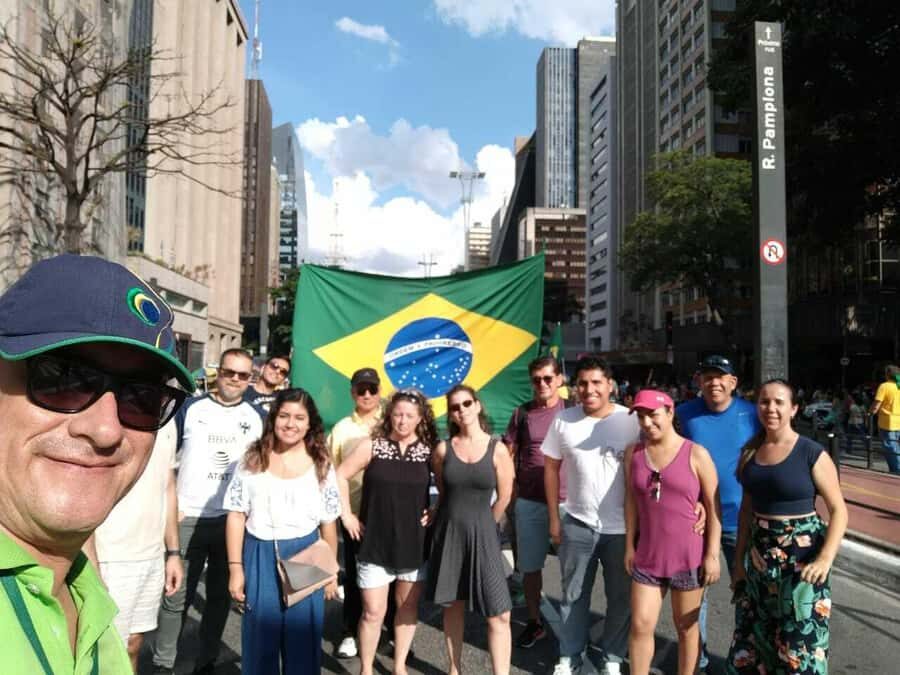
Paulista Avenue is one of those places where you don’t just see buildings—you see change. You’ll move between landmark architecture, cultural institutions, schools, hospitals, viewpoints, and art signals (including street art), all within a walk that’s organized for your eyes and your questions.
I like that the tour keeps you focused. Instead of trying to do everything in São Paulo on day one, you get a curated, walkable section of the city that helps you understand the “why” behind what’s standing there now.
Starting at Japan House: get your bearings fast
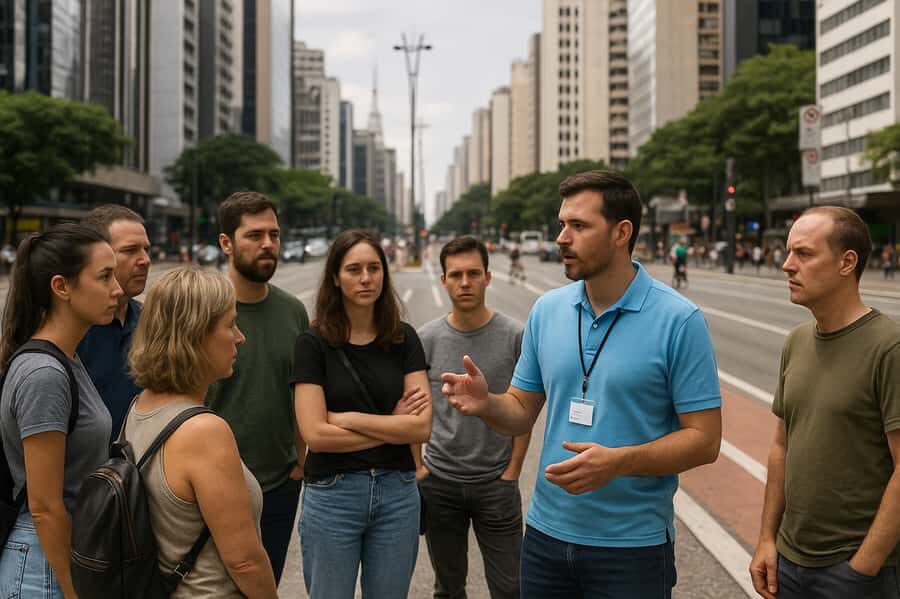
You begin at Japan House on Paulista Avenue, and your guide starts you with background so the avenue doesn’t feel like random scenery. This matters more than it sounds. With context in hand, you’ll notice patterns: what types of institutions cluster here, what kind of city life the avenue supports, and how people use the space throughout the year.
If Japan House has any limitations on a given day, there’s an encouraging sign from real tours: Doris, for example, adjusted the walk to include other parts when the space wasn’t fully available due to construction. That’s a good sign that the guide team thinks about your experience, not just the route on paper.
The first stretch: Santa Catarina Hospital to Pasteur Institute
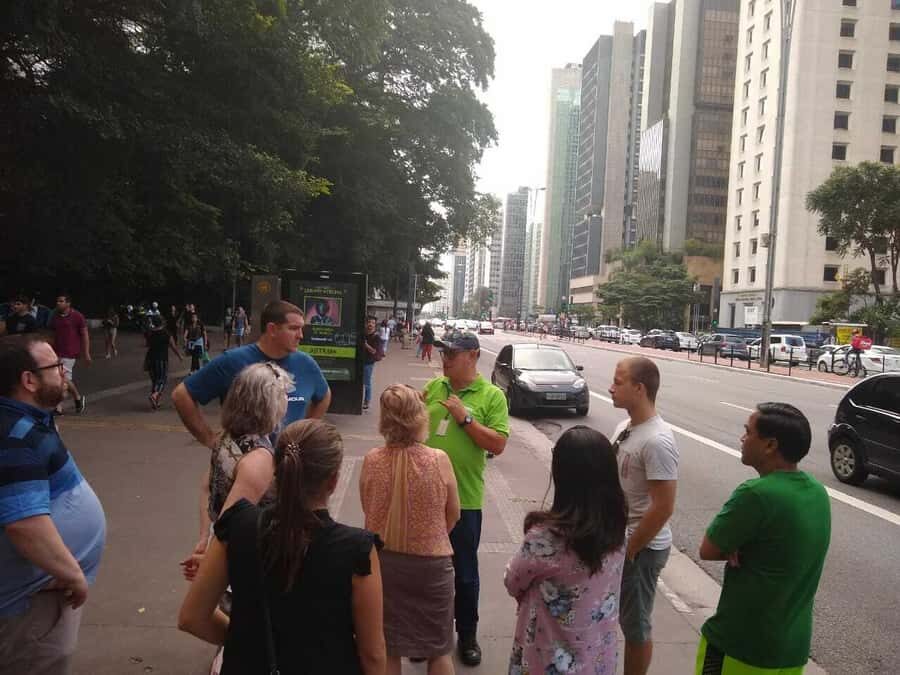
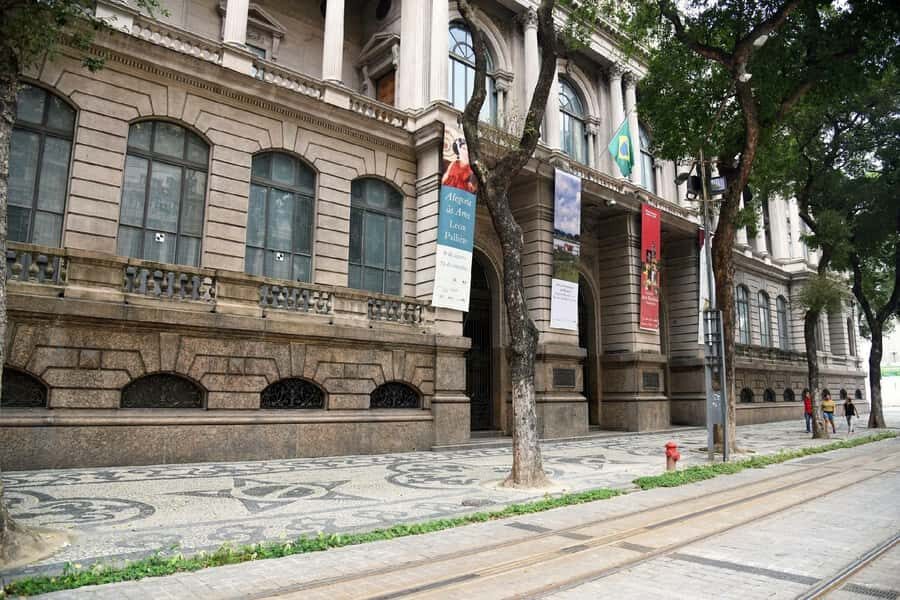
Early on, you’ll pass a set of places that show how Paulista grew beyond office towers. The walk includes Santa Catarina Hospital, Casa das Rosas, and Sesc Avenida Paulista, followed by more institutional stops like the Itau Cultural Institute and the Pasteur Institute.
Here’s what I think makes this first segment valuable: it broadens your sense of what “culture” means on Paulista. Yes, you’ll see museums later, but you’ll also see education, community-style programming, and health-related institutions. That mix gives you a more realistic picture of daily city life.
At multiple points, you’ll stop along the way for picture breaks and a moment to take it in. The tour also includes time for snacks and a bit of souvenir shopping. That sounds small, but on a 3-hour walking experience, it keeps the energy steady.
Eduardo Kobra murals on Paulista Avenue: art that you can’t miss
One of the most memorable elements on the route is the chance to see street artist Eduardo Kobra’s murals. Even if you’re not a street-art specialist, this is the kind of stop that helps you understand why Paulista is more than paperwork and commerce.
A practical tip: wear comfortable shoes and keep your camera ready, because murals and nearby architecture often make great pairs for photos. Also, consider sunglasses and sunscreen early in the walk. Paulista sun can add up fast, and the tour operates in all weather conditions, so you want to be comfortable no matter what the sky does.
Cultural institutions: Itau Cultural Institute and beyond
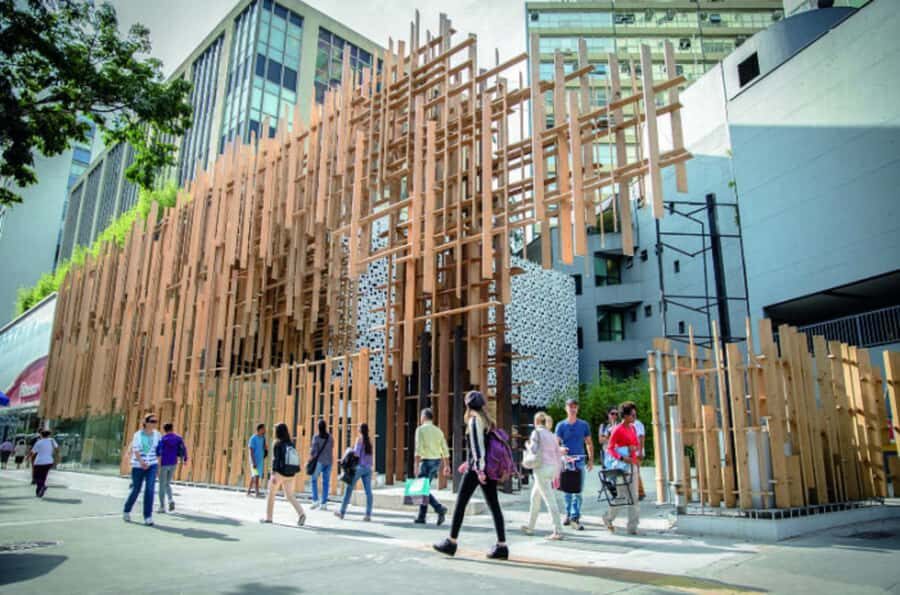
As the walk progresses, you’ll continue through a mix of major cultural and civic landmarks, including the Itau Cultural Institute and other well-known buildings along the avenue.
This section is where the guide’s explanations really start to pay off. When you have someone walking with you who can connect the dots between the different institutions, the avenue stops feeling like a list. It starts feeling like a story of planning, influence, and shifting public attention over time.
If you like getting a mental map for later self-guided visits, this is the payoff. By the time you reach the bigger-name landmarks, you’ll already know what to look for and what questions to ask.
State School Rodrigues Alves and the value of civic stops
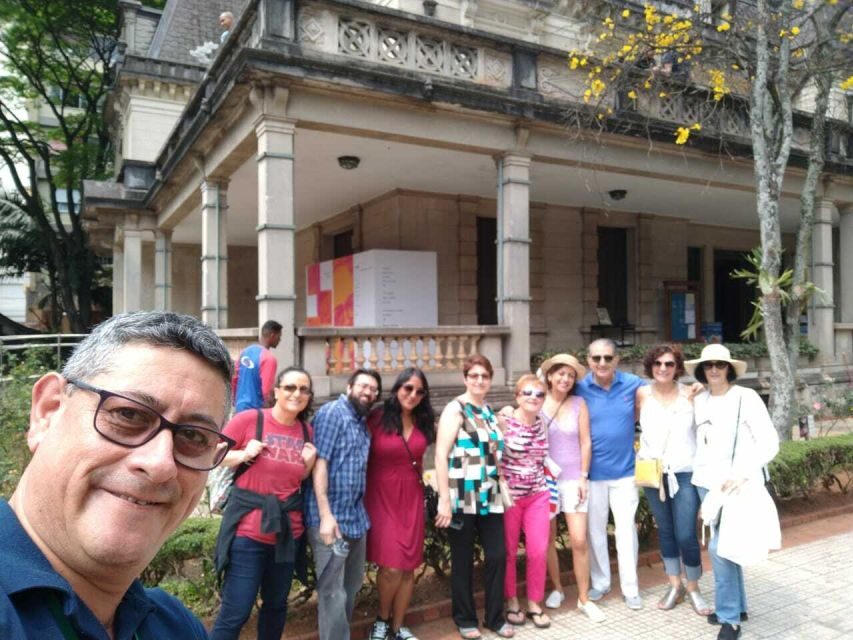
The route also includes the State School Rodrigues Alves. I like having a school on the walk because it grounds the whole experience. Paulista can feel like an adult world of offices, museums, and institutions, so seeing an education site reminds you that city life runs on more than entertainment.
This is also a good moment for you to slow down. Schools are the kind of places where you learn to look at the building’s role in its neighborhood—not just the façade. If you’re someone who enjoys how cities function day-to-day, you’ll get more from these stops than you would from a strictly “greatest hits” photo tour.
From FIESP Building to MASP: the landmarks you came for
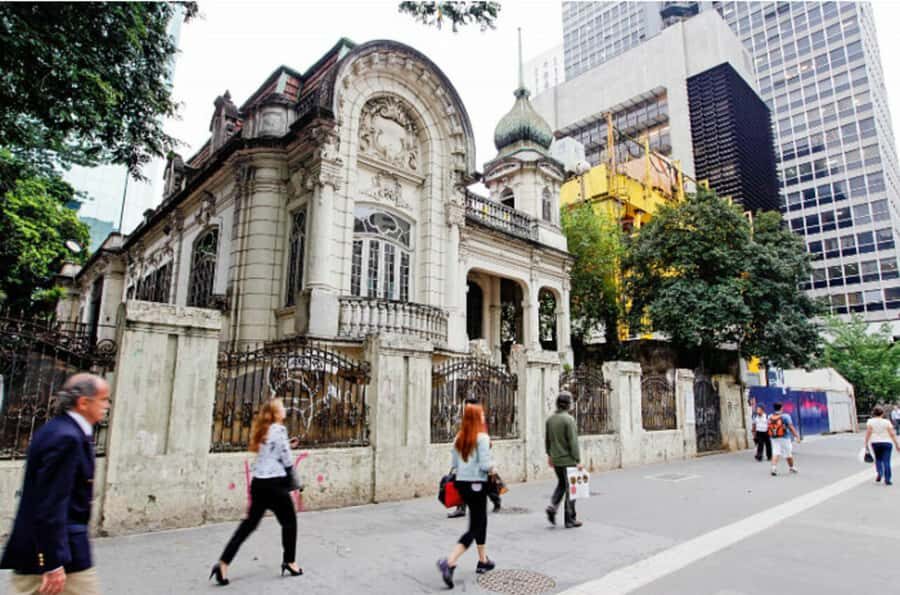
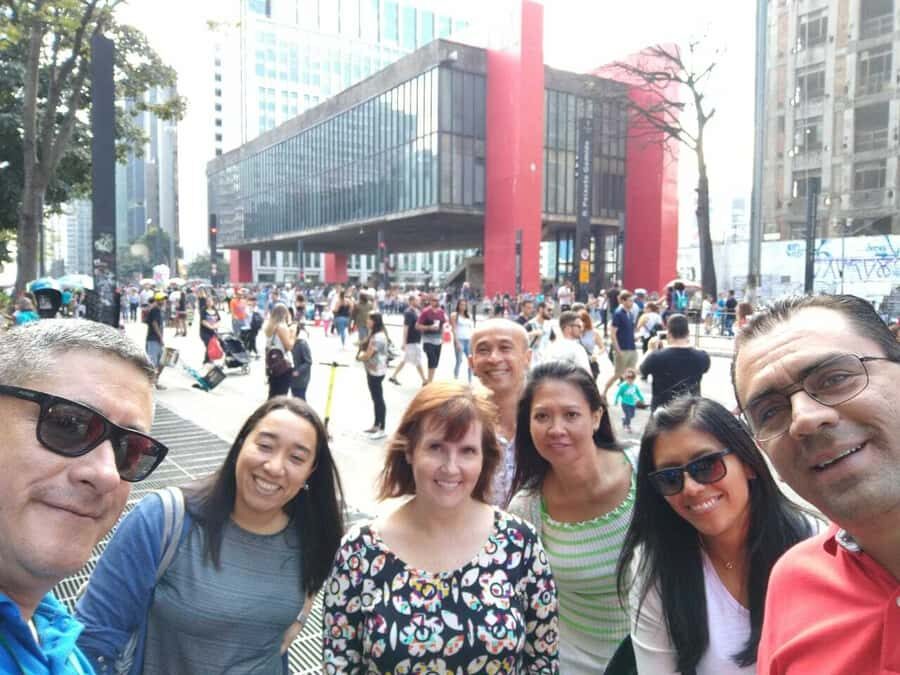
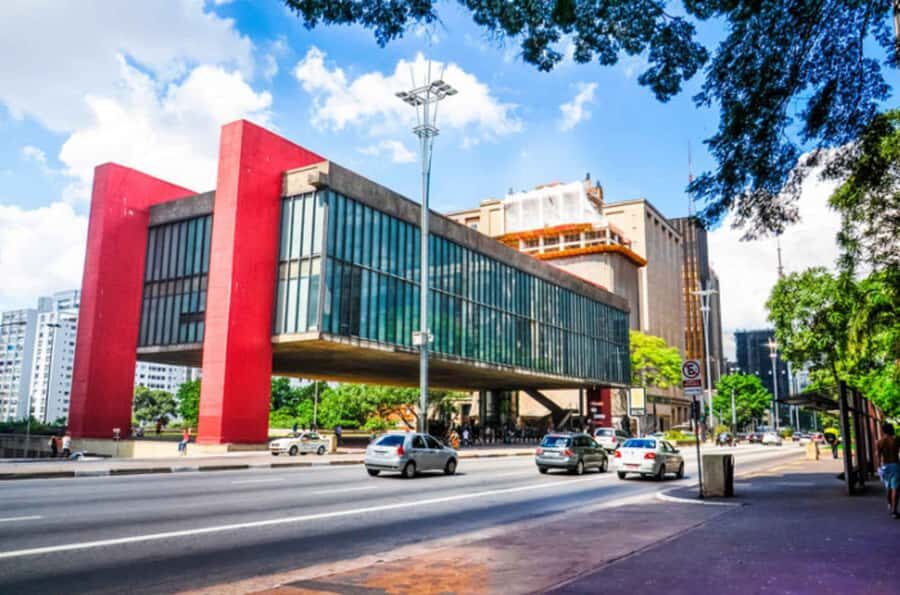
Next, the walk turns toward Paulista’s headline sights, starting with the FIESP Building and moving to São Paulo Museum of Art (MASP). These are the kind of places people recognize even if they haven’t visited yet, and the tour uses them as anchors for explanation.
When you see MASP in context, it changes. Instead of thinking of it as a standalone museum, you start to understand why it sits here—how the avenue supports public access to culture and how major institutions shape the feel of a whole district.
If you’re the type who likes to photograph big architecture, bring patience for the best angles. The tour includes stops for contemplation and pictures, so you’re not fighting your schedule the whole time.
Trianon Park and July 9 belvedere: pause with purpose
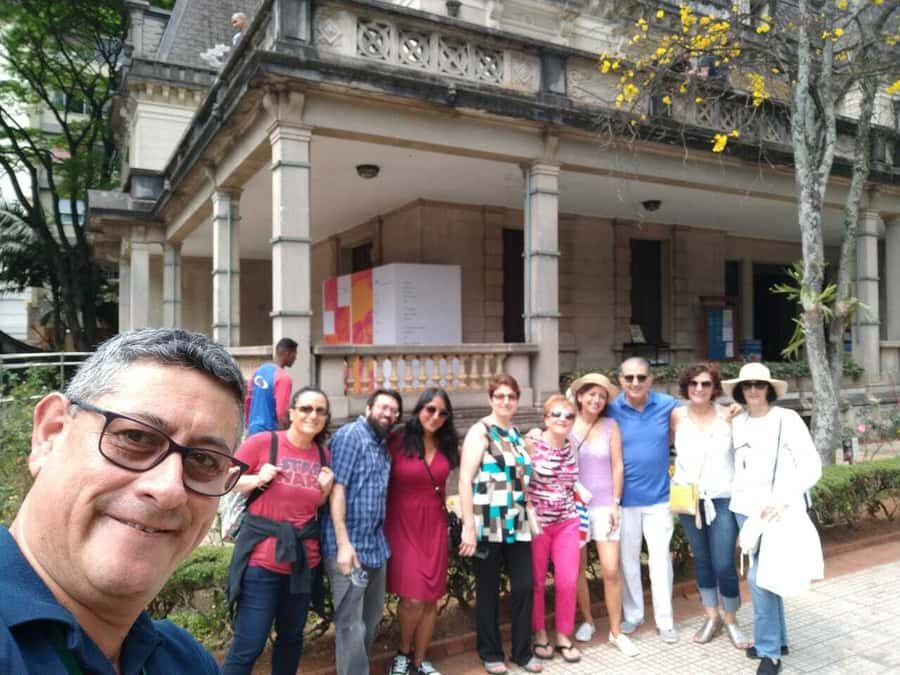
After MASP, you’ll reach Trianon Park and then the July 9 belvedere viewpoint. This is a smart shift in the route. Parks and viewpoints give your legs (and your eyes) a break from pure street-level scanning.
What’s great here is the “pause with purpose” approach. You’re not just standing still for the sake of stopping. You’re getting a different vantage on the avenue—one that helps you understand what you walked through earlier and what you’ll see next.
In practical terms: keep your sunscreen handy, and if it’s sunny, sunglasses are a must. If it’s overcast or raining, dress accordingly since the tour runs in all weather conditions.
Gazeta Building, Alameda Ministro Rocha Azevedo, and the in-between gems
The walk continues with Gazeta Building and Alameda Ministro Rocha Azevedo, then through additional architectural and residential-interest stops like Residência Joaquim Franco de Melo.
This is where your guide earns their pay. The “in-between” buildings are often what make the story believable, because they show how the avenue fits together like a real neighborhood rather than a theme park. If you’ve ever walked near major landmarks and felt lost about what you were actually seeing, this part helps fix that.
Also pay attention to how the route transitions from grand institutional buildings to other forms of built environment. That rhythm makes the walk feel coherent instead of random.
Augusta Street energy, Conjunto Nacional, and Livraria Cultura
Next comes a stretch that feels more street-level and social: Augusta Street, then Conjunto Nacional and Livraria Cultura. This section is a contrast to the museum-and-institution tone earlier in the walk.
I like these stops because they add texture. You’re not just learning about the avenue—you’re also seeing how people move through it and what kinds of everyday destinations sit beside the iconic sites.
Conjunto Nacional in particular works well as a mental landmark. Even if you don’t go inside anywhere, you’ll leave with a clearer sense of the avenue’s scale and the way major complexes can anchor lots of activity.
Instituto Moreira Salles: finishing with cultural weight
The tour wraps up with Instituto Moreira Salles, another cultural stop that makes a strong final note. It’s a good end point because it reinforces the theme you’ve been building all along: Paulista Avenue is a corridor where culture shows up in many forms, not only behind museum doors.
By the time you reach the final stretch, you’ll have seen the avenue’s range—health and education, public institutions, art signals, viewpoints, parks, and major cultural organizations. That’s why people often feel like they’ve gotten a usable overview, not just a walk with pictures.
What you get for the $100 price tag
At $100 per person for 3 hours, this tour isn’t just a casual stroll. The price includes a professional licensed guide, the walking tour itself, and all taxes and handling charges.
Is it value for money? I’d say yes if you want interpretation, not just sightseeing. Seeing 18 stops in a structured route with a guide who can explain what you’re looking at helps you understand the avenue faster than doing it alone—especially if it’s your first time in São Paulo or you only have a short time window.
A fair caution: food and drinks aren’t included, and the tour is not aimed at entering museums and sights that charge admission fees. If you plan to add paid entries afterward, budget for those separately.
Pace, weather, and comfort: make the walk easy on yourself
This is a walking tour with a smooth pace and several stops. That’s exactly the kind of structure that keeps it enjoyable—especially in a city where heat and sun can change your energy quickly.
Bring comfortable shoes, plus sunglasses and sunscreen. The tour runs in all weather conditions, so pack a light layer or rain-ready gear if the forecast looks uncertain.
Language options and the private-group feel
You can join with a live guide in English, Spanish, or Portuguese, which makes a big difference for understanding the details. And because it’s a private group, you can generally move at a pace that feels calmer than a crowded mass tour.
If you want your questions answered as you go—especially about why specific institutions are where they are—this setup tends to work well.
Who should book this Paulista Avenue walking tour
This tour is a great fit if:
- You want a first-time orientation to Paulista Avenue in a manageable 3 hours
- You like architecture, public institutions, and city culture side-by-side
- You prefer learning on foot rather than reading plaques alone
- You want a guide to connect landmarks into one storyline
It might be less ideal if you’re only interested in museum interiors or ticketed attractions, because the format is built around viewing rather than paid entry.
Should you book this Paulista Avenue walking tour?
Yes, if you want a structured walk that turns Paulista Avenue into a real sense of place. You’ll get 18 sights, guided context, multiple pause points for photos and snacks, and language support in English, Spanish, or Portuguese. The strongest reason to choose it is the guide quality—people have come away praising guides like Doris and Renato for clear, detailed historical framing.
If you’re the type who insists on museum entry tickets as the main goal, plan a couple of extra visits on your own after the tour. Otherwise, this is an efficient, enjoyable way to understand why Paulista Avenue matters—and to leave with a map in your head you can use the next time you walk the avenue.
FAQ
Where does the tour start?
The meeting point is Japan House on Paulista Avenue.
How long is the walking tour?
The tour lasts 3 hours.
What’s included in the price?
Included are a professional licensed guide, the walking tour, and all taxes and handling charges.
Is food or drinks included?
No. Food and drinks aren’t included. The tour does include stops along the way where you can refresh and enjoy the surroundings.
Are museums and paid attractions part of the tour?
The tour is not aimed at getting into museums and sights that charge admission fees. Any entrance fees would be an additional expense if you choose to add them.
Is this tour wheelchair accessible?
Yes, it’s wheelchair accessible.
Should I book even if the weather changes?
The tour operates in all weather conditions, so wear appropriate clothing. Plan for comfort in sun and possible rain, and bring comfortable shoes, sunglasses, and sunscreen.