REVIEW · CURITIBA
Scenic Train ride to historical cities of Morretes and Antonina
Book on Viator →Operated by Gray Line Brazil · Bookable on Viator
That rattling old train feels like a time machine.
This day trip pairs 19th-century railway tracks with sweeping views of the Atlantic rainforest around Serra do Mar. Two things I especially like: the sheer drama of crossing bridges and tunnels built long ago, and the way you end up with more than just a ride—you also get real time on the ground in Morretes and Antonina.
The main possible drawback is that the schedule is tight: Morretes gets good focus, but Antonina is short. Also, your language experience depends on the setup since the bilingual guide is tied to the train carriage.
In This Review
- Key highlights worth your time
- Why the Curitiba-to-Morretes train ride feels like the whole point
- Morretes walking tour: colonial streets, churches, and a craft market
- Barreado by the Nhundiaquara River: why lunch here is a big deal
- Hisgeopar mini-museum: trains, dams, and Paraná in motion
- Antonina time on foot, then the scenic Estrada da Graciosa return
- Price, language setup, and group flow (so you know what you’re paying for)
- Should you book this Morretes and Antonina train day?
- FAQ
- What time does pickup happen in Curitiba?
- How long is the tour?
- What’s included in the tour price?
- Is barreado lunch included, and what is in it?
- Will the guide speak English or Spanish?
- What railway is the train ride based on?
- How much time do you get in Morretes?
- How do you return to Curitiba and when do you arrive?
- Can I cancel for a full refund?
Key highlights worth your time
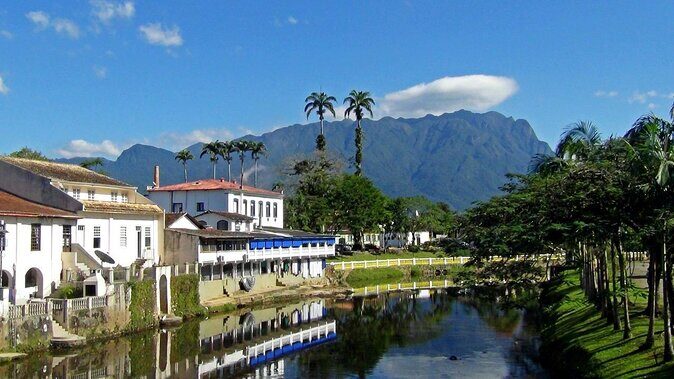
- Serra do Mar views from a historic route through canyons, waterfalls, and gorges
- Curitiba–Morretes train details: Princess Isabel era (1884), plus bridges, pontoons, tunnels, viaducts
- Morretes walking time focused on colonial streets, churches, and a craft market
- Nhundiaquara River lunch featuring Paraná’s famous barreado
- Hisgeopar (mini, moving models) including railroad scenes and Itaipu/Seven Falls concepts
- Estrada da Graciosa return route for scenery on the way back, weather permitting
Why the Curitiba-to-Morretes train ride feels like the whole point
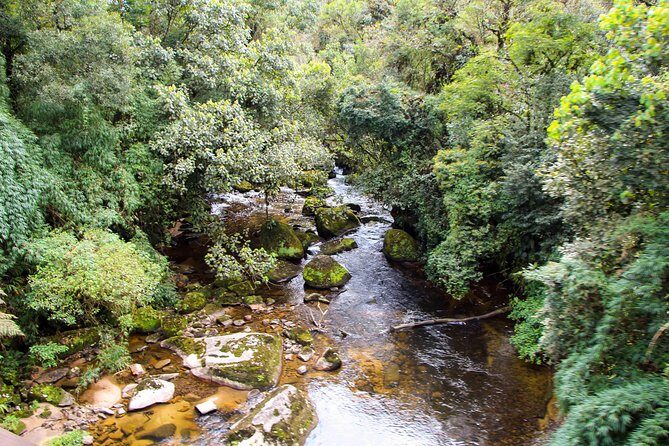
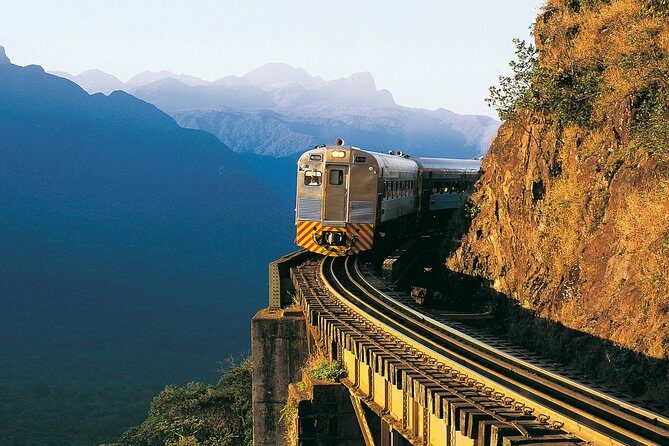
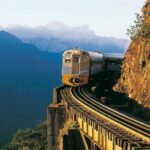
From the start, this tour is built around one thing: the old rail line. You leave Curitiba early, then head to the station in time to get on the Paranaguá–Curitiba Railway—the one with an inaugural trip credited to Princess Isabel in 1884. That’s not trivia you’ll just scroll past. When the train begins winding through the Serra do Mar region, you feel why this route mattered: it was built to cut through mountains and valleys, not to cruise along flat land.
The route is packed with engineering sights—41-plus bridges, hundreds of pontoons, and 13 tunnels and viaducts. Two named highlights you may hear referenced include Ponte São João and Viaduto do Carvalho. Translation: you’ll be looking out over deep drops and dramatic river or ravine views for most of the journey, not just at the start.
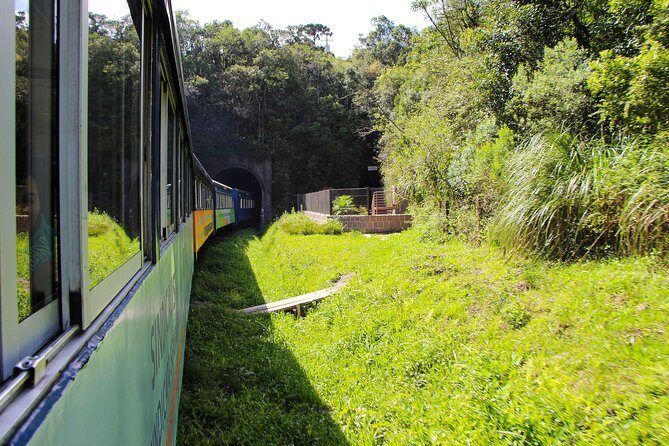
You’re also traveling through a preserved stretch of the Atlantic rainforest. The day’s scenery depends on weather, of course, but even on hazier days the mix of forest, cliffs, and water keeps things interesting. And because the tour includes a small onboard snack service—a snack plus soft drink or bottled water—you’re not sitting there hungry while the world outside does its thing.
One more practical note: group size is capped at 30, which usually means fewer people in your immediate space than on bigger bus tours. That helps when you’re trying to find a window spot and keep your day flowing.
You can also read our reviews of more tours and experiences in Curitiba.

Morretes walking tour: colonial streets, churches, and a craft market
When you arrive in Morretes, the tour shifts from moving to wandering. You get about 1 hour 30 minutes to explore the historic side, and that time is long enough to do the essentials without feeling like you’re sprinting.
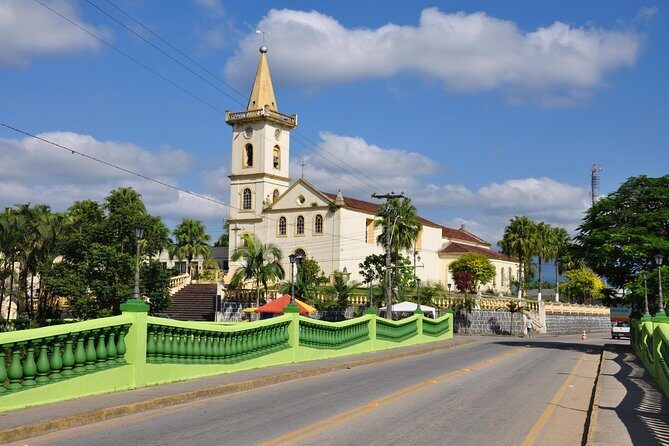
What makes Morretes a worthwhile stop is that it doesn’t feel staged as a single attraction. You’ll walk through colonial houses, visit churches, and browse the craft market. Even if you don’t buy anything, the market stops are useful because you get a sense of what people actually carry and make in the region—handicrafts and local goods shaped by the coastal culture of Paraná.
This is also a good place to reset after the train. The rail portion is visually intense, and then Morretes gives you a slower pace. The historic streets are the kind of background you can actually look at—shopfront details, church facades, and little corners that look better up close than they do in photos.
The only consideration is timing. You’ll spend a set amount of time, and then lunch and the rest of the day keep moving. If you’re the type who wants to linger in one neighborhood, go in knowing Morretes is a “good taste” stop, not a multi-hour deep dive.
Barreado by the Nhundiaquara River: why lunch here is a big deal
Lunch in Morretes is the moment many people remember, mainly because it’s Paraná’s coast flavor—barreado—not a generic “tourist lunch.” You’ll head to the Nhundiaquara River banks, where you have around 1 hour 10 minutes.
Barreado is a slow-cooked beef dish made in a clay pot. The meat is cooked for many hours—about 12 hours is the key detail—until it becomes extremely soft, to the point where it essentially falls apart. The pot is sealed using manioc flour mixed with water, so steam stays inside while the beef braises low and slow.
You’ll eat it served over rice, with sliced bananas and oranges, plus manioc flour. There’s also breaded fish on the side. It’s a pairing you might not expect, but that’s part of the charm: this is food shaped by what grows locally and by traditional coastal cooking methods.
Two practical tips so you enjoy it more:
- Beverages and dessert aren’t included, so if you want something beyond water or the included snack/drink, plan a small budget.
- Because barreado is rich and slow-cooked, pace yourself if you’re also eating fish. One plate is plenty.
This lunch is also a smart break from the sensory overload of the train ride. You sit, eat, and watch the river area instead of reading a landscape through a window.
Hisgeopar mini-museum: trains, dams, and Paraná in motion
After lunch, you’ll visit Parana Encantado HISGEOPAR for about 30 minutes. This stop is interesting because it’s not just static exhibits. The theme park uses miniature, moving models to show how Paraná’s geography and history connect.
You’ll see dozens of dolls representing colonizers and staged scenes that reflect the work system of colonization in Paraná. It’s a compact way to understand how people and industry were imagined in that period—especially helpful if you like your history explained visually instead of through long lectures.
There’s also a very direct link to why you’re here. You’ll look at models of the main highlights of the Curitiba railroad to Morretes, including a train with a locomotive. If you enjoyed the real ride, this is the “zoom out” view that helps you connect the shapes you saw from the train window to the route’s bigger picture.
Other model themes you may see referenced include Itaipu Dam (with an open/close system concept that illustrates before-and-after flooding linked to the Seven Falls idea), plus Iguazu Falls among other points.
The time is short, so don’t expect every exhibit to be explained fully. Instead, treat it like a high-signal stop: pick a couple of the models that match what you saw today and use that to build context.
Antonina time on foot, then the scenic Estrada da Graciosa return
Next comes Antonina, with about 20 minutes for a walking look at the town and its shoreline. You’ll see streets, small shops, and local sweets, including banana-based artisanal sweets—banana is a classic regional fruit, so it makes sense the town leans into it.
Here’s the tradeoff: 20 minutes is more “glance and stroll” than “explore.” If you want beaches and waterfront time, you may feel like you got a sample and then had to move on. One of the most common issues with day tours like this is not the stop itself—it’s the limited time you get to actually settle into it.
After Antonina, you ride back to Curitiba by road. The plan is to go via Estrada da Graciosa, described as one of Brazil’s most picturesque routes, with a target arrival around 4:30 p.m.. If weather turns bad, the return switches to BR-277 for safety.
One more reality check: road trips can feel bumpy and turn-heavy, especially with older pavement sections. If you’re prone to motion sickness, bring something you normally trust.
Overall, the return route is a nice way to keep the day visually connected to nature and coast-mountain transitions. Just don’t schedule anything tight right after you arrive back in Curitiba.

Price, language setup, and group flow (so you know what you’re paying for)
The price—$128.40 per person—isn’t only for the train ride. It covers a package of real costs: round-trip transfers from many Curitiba hotels, a professional tour guide (Portuguese speaking), train tickets, onboard snack service, the barreado lunch, city tours in Morretes and Antonina, Hisgeopar admission, and the road transport back.
So is it good value? In my eyes, it is if you want a full day with minimal hassle. You’re paying for coordination: you don’t need to plan rail timing, handle transfers, or figure out where barreado fits into the day. Also, the inclusions reduce “hidden costs,” except for the big missing items—beverages and dessert.
Language is the part to pay attention to. A bilingual guide is available only in the carriage during the train ride, and you choose your preferred language at purchase: Portuguese, English, or Spanish. Outside the train, the guidance is described as Portuguese-speaking. If you’re relying on English or Spanish to understand every historical moment, build your expectations accordingly.
A few more practical points that matter:
- You’ll need to provide full name, birth date, and passport number (or ID/CPF if Brazilian) for the mandatory passenger listing required by ANTT. Don’t ignore this email step.
- The group is capped at 30, which generally keeps things smoother than big coach loads.
- The tour runs around 9 hours, starting pickup around 7:00 a.m. and aiming to return about 4:30 p.m.
Should you book this Morretes and Antonina train day?
I’d book this if you want a day that feels like place + motion. The historic train portion is the headline, and the rest of the schedule supports it with real stops: Morretes streets, a Paraná classic (barreado), and Hisgeopar’s model-based context.
You might think twice if you hate tight schedules or you’re hoping for a lot of time in Antonina. Twenty minutes disappears fast, and you won’t have time to slow-walk the shoreline the way locals probably do.
If you’re traveling for the visuals and you like structured days that handle logistics for you, this is an easy win. If you’re the type who wants maximum time in fewer places, consider pairing Morretes with an extra night instead of trying to compress everything into one day.
FAQ
What time does pickup happen in Curitiba?
The tour starts with hotel pickup at around 7:00 a.m., and the schedule is then coordinated for boarding at the train station.
How long is the tour?
The total day is about 9 hours (approximately), with a return expected around 4:30 p.m.
What’s included in the tour price?
It includes round-trip hotel transfers (for most Curitiba hotels), a guide, train tickets to Morretes, onboard snacks service (snack plus soft drink or bottled water), Morretes and Antonina city visits, Hisgeopar admission, lunch (barreado), and the road transfer back to Curitiba.
Is barreado lunch included, and what is in it?
Yes. Lunch includes barreado made with beef slowly cooked for many hours in a clay pot. It’s served with rice, sliced banana and oranges, and manioc flour, and it comes with breaded fish.
Will the guide speak English or Spanish?
A bilingual guide is available only in the train carriage, and you choose the language at purchase. Available options are Portuguese, English, or Spanish.
What railway is the train ride based on?
The ride is on the Paranaguá–Curitiba Railway, inaugurated on a first trip associated with Princess Isabel in 1884.
How much time do you get in Morretes?
You get about 1 hour 30 minutes in Morretes for the historic walk, including churches, colonial houses, and the craft market.
How do you return to Curitiba and when do you arrive?
You return by van/bus along Estrada da Graciosa, expected to arrive around 4:30 p.m. If weather is adverse, the return is made by BR-277 for safety.
Can I cancel for a full refund?
Yes. You can cancel up to 24 hours in advance for a full refund, and changes within 24 hours aren’t accepted for refund eligibility.