REVIEW · AMAZONAS
Amazonas: Boat Ride with a Local Amazonian
Book on GetYourGuide →Operated by Amazon Private Tours · Bookable on GetYourGuide
Some places in Brazil teach you by surprise. This Amazon boat ride does that fast, with floating homes, giant fish, and a rare river phenomenon. You start with local food, then slide through flooded forests that only exist at certain times of the year, before ending at the point where two rivers run side by side without blending.
Two things I really like: the chance to see life built around the river, not just pass it by, and the hands-on Pirarucu experience with a rod that has no hook. One possible drawback: it is a boat-based outing, so if you want constant action on land, plan for a good amount of time on the water, and keep seasonal limits in mind.
You’re also in a small group of up to 5, which matters here. Less crowd noise makes it easier to hear what your English/Spanish guide is explaining, and it’s simpler when the boat needs to slow down for smaller channels. Just know it can get wet, and the 3-hour timing can stretch depending on weather and traffic.
In This Review
- Key things worth knowing before you go
- Starting with lunch that actually fits the trip
- What makes the lunch a smart move
- The giant water lilies and the lake pause
- A small tip that helps
- Floating village life on logs that last
- What to expect on this section
- Pirarucu fish farm: huge freshwater monsters
- The hands-on moment: play with a rod without a hook
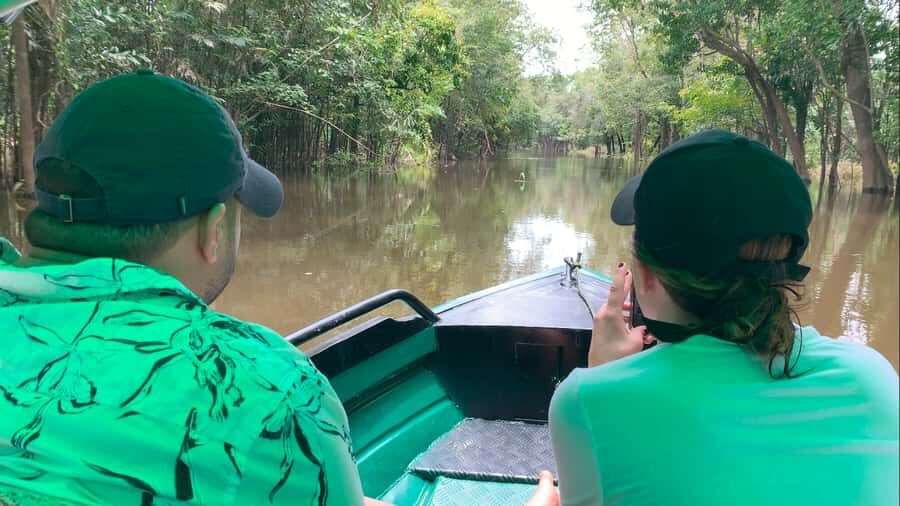
- Navigating Igapó, the flooded forest
- Why I think this section is valuable
- The meeting of the rivers: different water, side by side
- How to frame it for your photos (and your brain)
- Price and what $80 gets you in real terms
- One caution about expectations
- Logistics that matter: wet weather, pickup timing, and season
- Season affects the route
- Who this small-group ride fits best
- Should you book the Amazonas boat ride with a local Amazonian?
- FAQ
- What is included in the lunch on this tour?
- How long is the tour, and is that fixed?
- Do I need to buy tickets to the Pirarucu fish farm?
- Is the tour wet?
- How does pickup work if my hotel is not listed?
- What season timing affects the itinerary?
Key things worth knowing before you go
- Flooded forest navigation (Igapó) gives you a real sense of how the Amazon changes season to season.
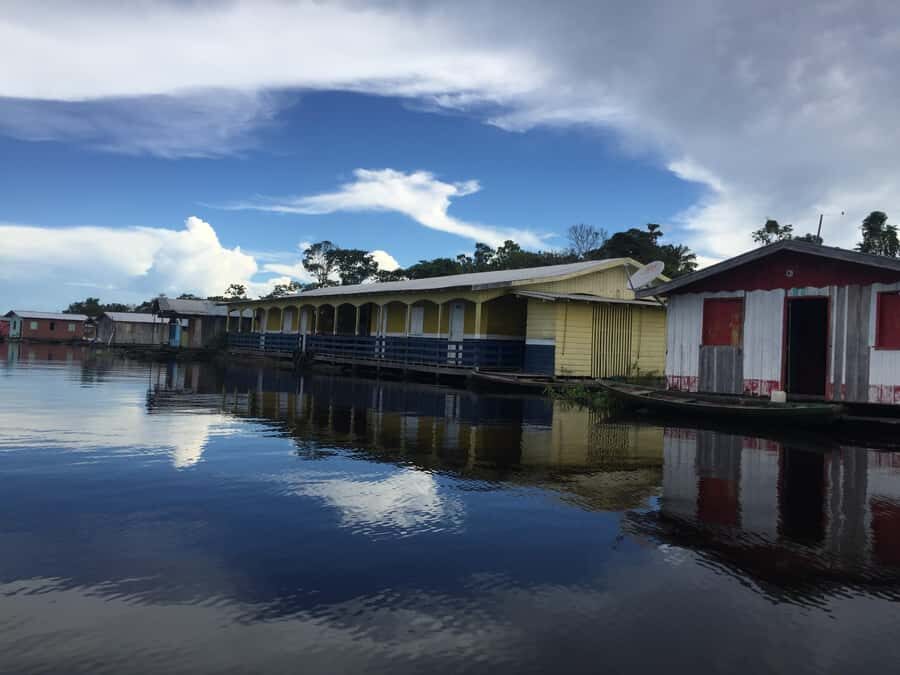
- A floating village of hundreds of homes shows how communities are literally built on the river.
- The Pirarucu fish farm focuses on the world’s largest freshwater fish, sometimes reaching over 2 meters.
- The highlight moment is the meeting of two rivers with different colors and temperatures that run without mixing.
- The guide’s explanations turn the scenery into a story, especially with a hands-on temperature comparison.
Starting with lunch that actually fits the trip
This tour is built around a practical idea: eat first, then go. You begin with a buffet lunch with local food, plus soda or juice. It’s the kind of meal that helps you handle boat movement and makes the day feel like something more than a quick sightseeing hop.
After lunch, you’re not rushing straight into “look and go.” You have time to settle your stomach, grab water, and get ready for the boat ride. That’s especially helpful because the itinerary includes time on the water through flooded areas and can get damp.
What makes the lunch a smart move
I like that the lunch is included and timed to the tour. You’re less likely to burn time finding food in Manaus, and you’re more likely to start the main experience fresh. If you’re picky, a buffet style usually helps—at least you can build a plate that works for your taste and energy level.
The giant water lilies and the lake pause
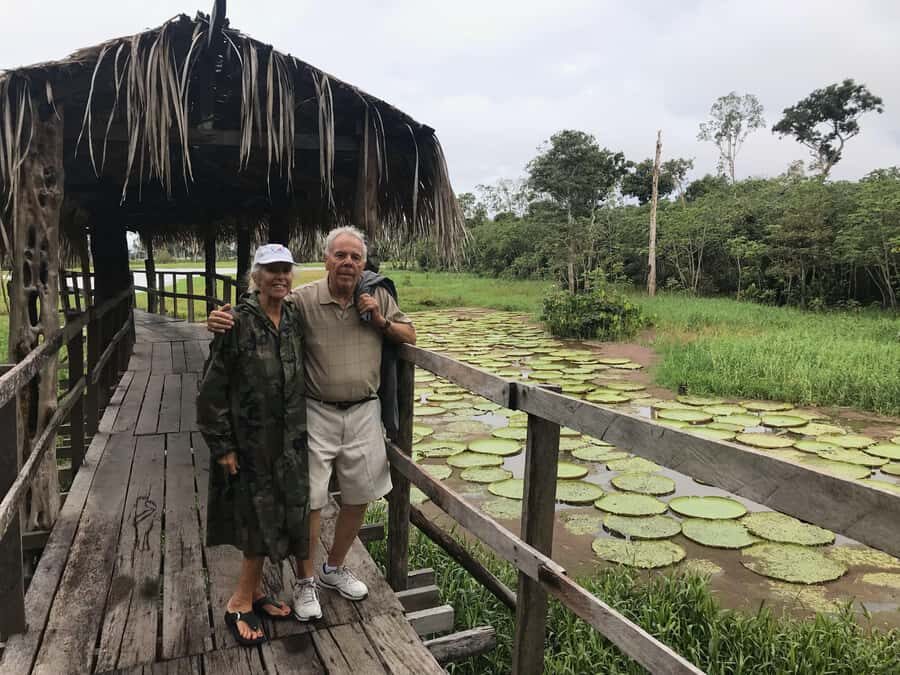
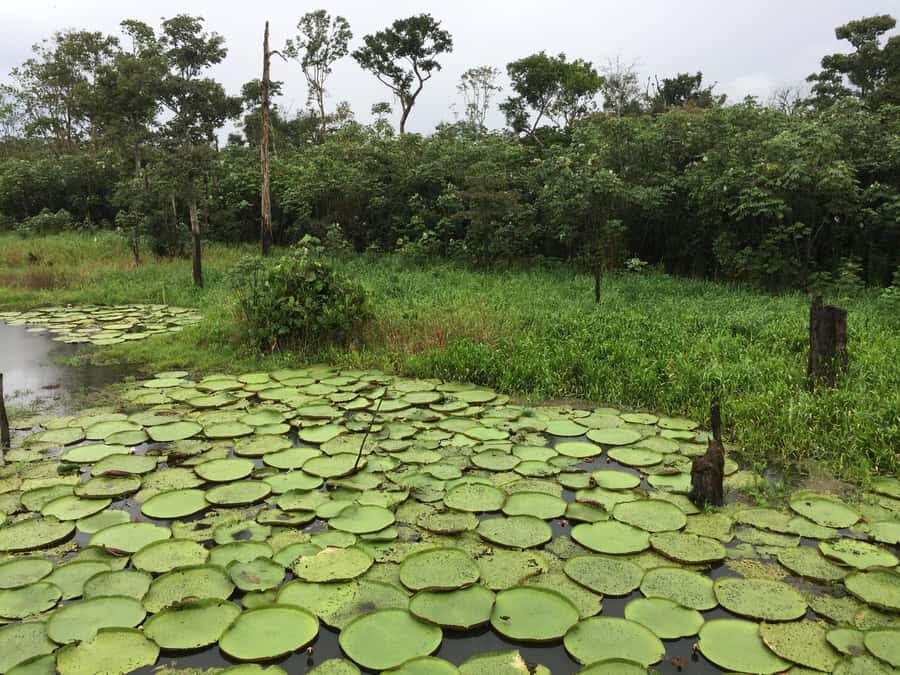
One of the first nature stops is a lake where you can see giant water lilies. This is not a quick photo-op only. It’s a slower moment that helps you understand the water level that drives everything else you’ll see.
In the Amazon, “dry season” and “wet season” aren’t just calendar words. The rivers start rising around November, reach their peak around June, and that change affects whether you can reach certain spots. Water lilies and flooded areas are part of the visual proof of that cycle.
A small tip that helps
If you get motion-sensitive, this is a good time to sit back and let the boat glide while you watch. Giant lilies are the kind of detail that reward a calmer pace.
Floating village life on logs that last
Next comes one of the most memorable sights: a floating village with hundreds of houses. These homes are built on logs of a local tree that can last over 50 years in the water. That detail matters. It means the community isn’t just “temporary on the river.” It’s engineered for river life.
You’ll see how the village sits above changing water levels, and you’ll get a real sense of how infrastructure can adapt instead of fighting the river. From a travel-value point of view, this is one of the best “authentic” elements of the day because it shows normal daily life rather than a staged performance.
What to expect on this section
This part of the ride is visual and observational. You’re moving through the village on the boat, so you’re not walking a long loop. It still feels close because the houses are right there, and the boat slows enough to take it in.
Pirarucu fish farm: huge freshwater monsters
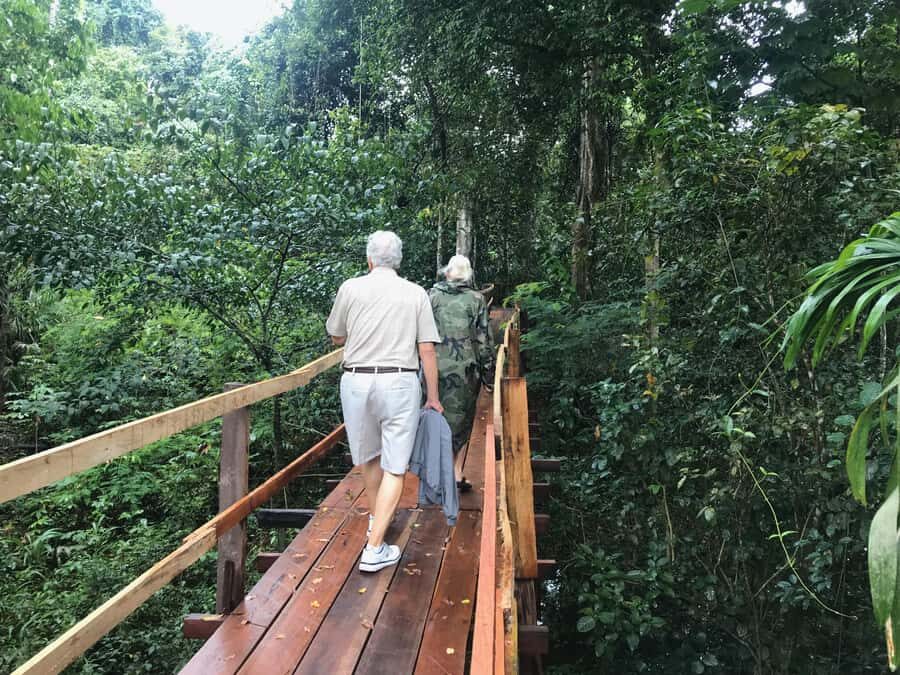
Then you hit the Pirarucu section, and this is where the tour turns from scenic to hands-on.
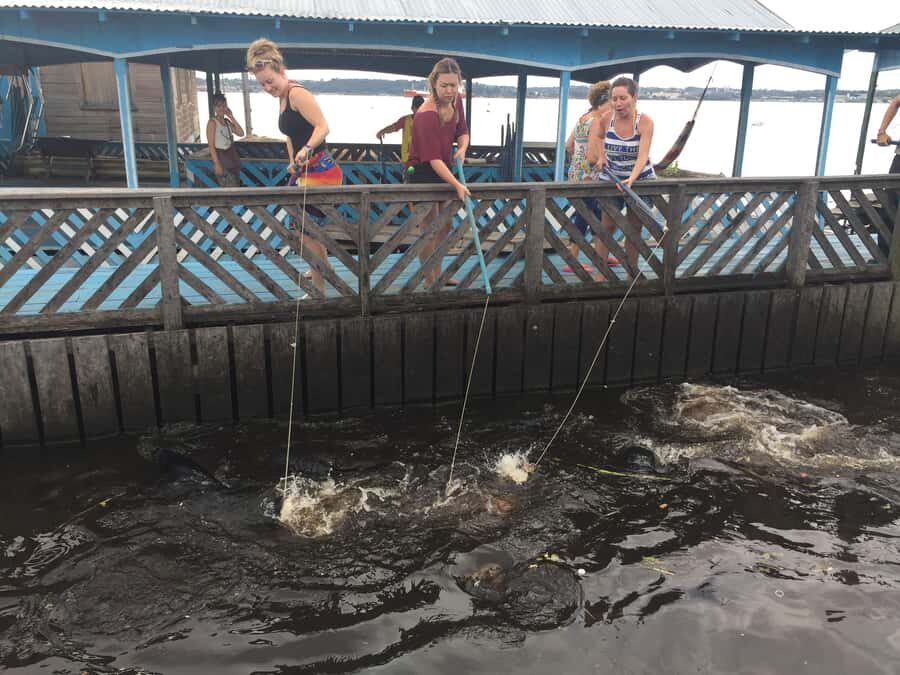
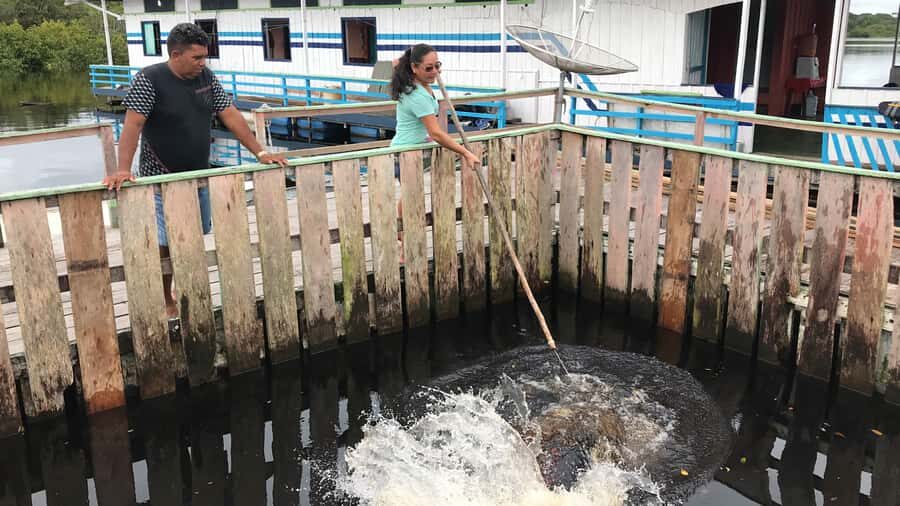
You visit a floating Pirarucu fish farm featuring the biggest freshwater fish in the world of this type, reaching over 2 meters long and weighing up to 200 kilos (when conditions and individual fish size allow). The scale is the point. These are not “small river fish” stories—they’re the kind of numbers that make your brain do a double-take.
The hands-on moment: play with a rod without a hook
The highlight is playing with Pirarucu using a fishing rod without a hook, so the fish aren’t harmed. You use the rod to interact while the guide manages safety and technique. The goal is fun and curiosity, with the added shock of feeling the fish’s power when it bites.
I like this part because it’s not just looking at animals behind glass. You get a controlled interaction that stays focused on respect. Still, it’s a fish farm setting—so expect a bit of activity, and listen carefully to your guide.
Navigating Igapó, the flooded forest
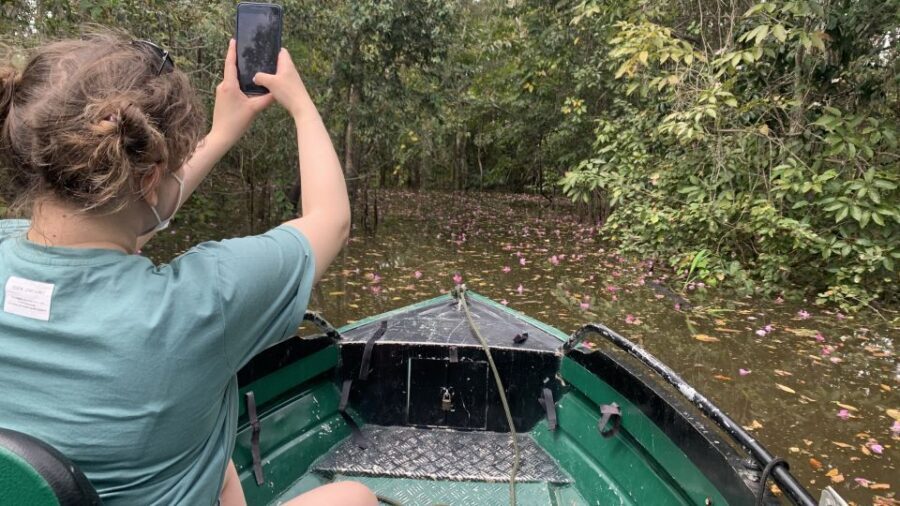
After the fish farm, the boat ride moves into Igapó, the flooded forest area. “Seasonal” is key here: Igapó forms when water rises and covers parts of the forest floor, creating a watery world where trees and branches are part of the navigation route.
This is where you start seeing the Amazon as a living system you enter briefly, not just a scenic backdrop. The boat moves through channels and flooded trunks, and your guide’s explanations help connect what you see to why it changes across the year.
Why I think this section is valuable
The flooded forest is the “real Amazon” feeling most people come to Brazil for. But it also has a practical side. In dry season, some activities or routes may be limited, and you may not reach every stop. If you want the full range of Igapó-style scenery, time your trip for when the river level is higher.
The meeting of the rivers: different water, side by side
Now for the phenomenon that makes this tour worth bookmarking: the meeting of two rivers.
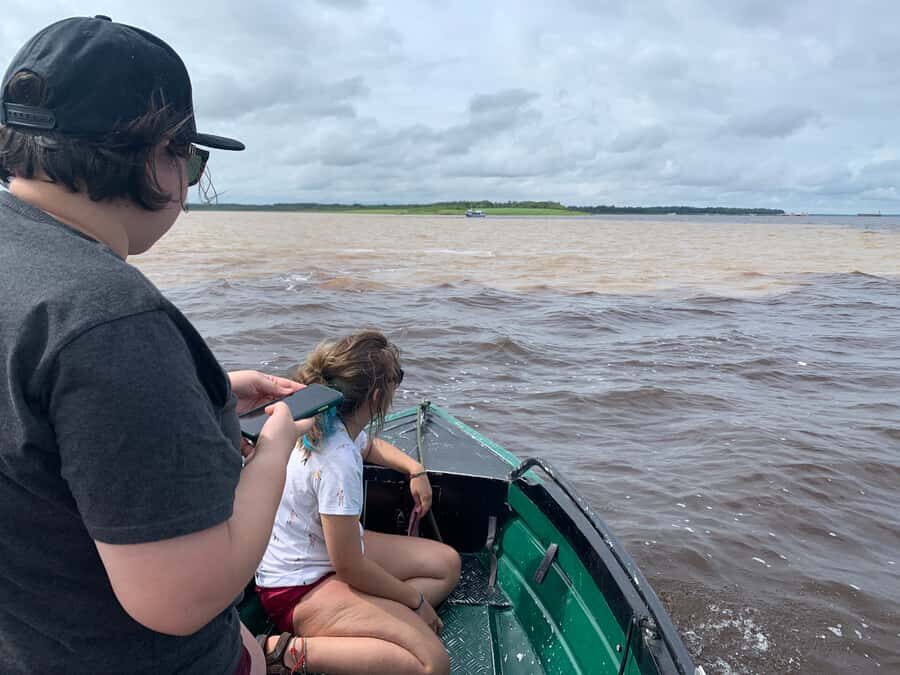
You’ll stand in a place where two rivers—often different in color, velocity, temperature, and density—run alongside each other without mixing. It’s not a dramatic waterfall scene. It’s more like watching nature draw two lines that refuse to merge.
Even better, you’re invited to touch the waters as you move from one side to the other. That temperature difference is the kind of “wow” you feel immediately, because your body becomes the measuring tool.
How to frame it for your photos (and your brain)
If you’re thinking about pictures, try to capture the boundary line between the two currents. But also slow down and watch without the camera. This is one of those moments where the details are subtle until you realize what’s happening.
Price and what $80 gets you in real terms
At around $80 per person for about 3 hours, you’re paying for a bundled experience: hotel pickup and drop-off, lunch, guide, and key entrances like the fish farm.
To judge value, ask what you’d pay separately in Manaus:
- A small-group guide and boat time are hard to replicate on your own without planning.
- Lunch with soda or juice saves hassle and time.
- The Pirarucu farm entrance and the structured interaction are central to what makes this tour different.
Is it worth it? For most people who want the Amazon as more than a quick photo, yes. The 3-hour format also helps: it’s short enough to fit into a travel schedule without feeling like a full-day commitment.
One caution about expectations
One review complaint fits a real possibility: if you expect nonstop land activities, this can feel like a long boat ride plus lunch. If you like nature, movement, and “seeing how people live on the river,” you’ll probably love it. If you want a tour full of breaks and walking stops, adjust your expectations.
Logistics that matter: wet weather, pickup timing, and season
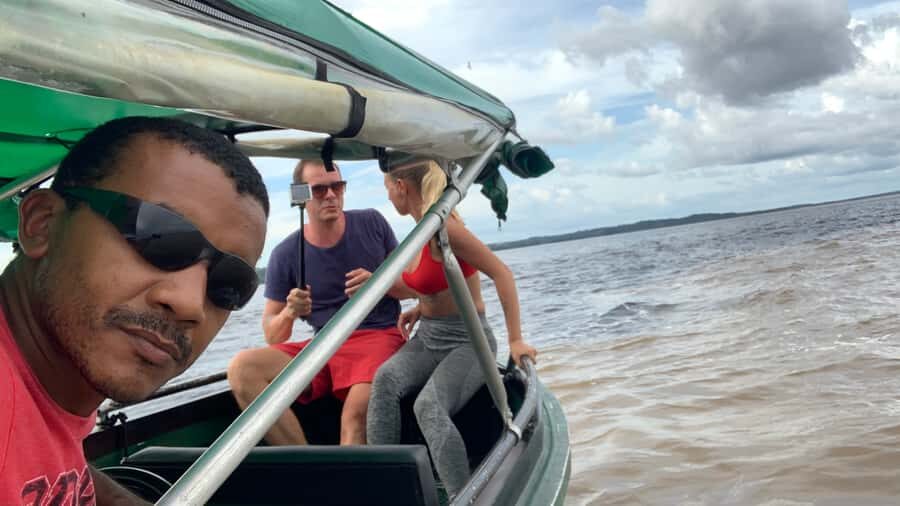
As a boat ride, you should assume you might get wet. Light rain gear or quick-dry clothing helps. Also, if the weather is rough or roads are busy, the tour duration can shift because getting to and from Manaus takes time.
Pickup is part of the package, but details matter:
- If your hotel is on the list, you’re picked up directly.
- If it’s not, you’ll likely need an Uber to meet near the Amazonas Theater downtown Manaus at 12pm.
- They use WhatsApp to coordinate pickup.
Season affects the route
Rivers rise from November to June, and during the dry season some activities may not be available and some places can’t be reached. If you’re traveling in a drier month, ask what’s reachable before you assume the same stops will run at full strength.
Who this small-group ride fits best
This is ideal if you want:
- A short, high-impact taste of the Amazon around Manaus
- A guided explanation of flooded ecosystems and river behavior
- Hands-on interaction with Pirarucu using a rod without a hook
- A calmer group setting (max 5), which makes the tour feel personal instead of rushed
It also suits people who like balance: a mix of food, village life, wildlife interaction, and a real natural phenomenon. If you’re traveling with limited time but want something more authentic than a city tour, this fits nicely.
If you’re traveling with mobility limits, it’s good to know the tour is listed as wheelchair accessible, and the group is small enough that operators can usually plan movement more carefully.
Should you book the Amazonas boat ride with a local Amazonian?
I’d book it if your goal is a compact Amazon experience with real river-life scenes and at least one “you can’t fake this” moment: the two rivers meeting without mixing, plus the Pirarucu interaction.
Skip it or rethink if you mainly want land-based activity, big walking routes, or constant novelty every minute. This tour rewards patience. You spend time on water, and the payoff is understanding what the river system is doing in real time.
If you can travel during the river-rising months (closer to the wet period), you’ll likely get the best chance for the full Igapó feel. And if you’re the kind of traveler who enjoys small-group attention and listening to a guide who can explain what you’re seeing, this is a strong value use of about three hours.
FAQ
What is included in the lunch on this tour?
You start with a lunch buffet with local food, and it includes soda or juice.
How long is the tour, and is that fixed?
The duration is listed as 3 hours, but it may vary due to traffic and inclement weather.
Do I need to buy tickets to the Pirarucu fish farm?
No. Entrance to the fish farm is included, along with mineral water and pickup/drop-off.
Is the tour wet?
Because it’s a boat ride, you may eventually get wet, so plan for that.
How does pickup work if my hotel is not listed?
If your hotel isn’t on the list, you’ll need to take an Uber and meet near the Amazonas Theater downtown Manaus at 12pm.
What season timing affects the itinerary?
The rivers start rising around November and reach the top around June. During the dry season, some activities may not be available and some places may not be reachable.