REVIEW · SAO PAULO
São Paulo: Liberdade Street Food Tour
Book on GetYourGuide →Operated by Concrete Jungles Walking Tours · Bookable on GetYourGuide
Liberdade is where São Paulo’s immigrant stories show up on a plate. This São Paulo: Liberdade Street Food Tour mixes street snacks with real neighborhood context, from the Japanese community’s long roots to today’s mix of cultures you can literally taste. I especially love the small group vibe—10 people or fewer makes it easy to ask questions while you eat.
The second thing I like a lot is how the food choices connect to history, not just hunger. You’ll try items like Japanese pastel and onigiri, plus something Korean like choux au craquelin, and you’ll hear the why behind it as you walk. One thing to consider: you’ll be eating multiple snacks in a short window, so if you’re picky or hate trying new flavors, this style may feel like a lot.
In This Review
- Key points
- Liberdade food tastes like migration, not a theme park
- Your meetup at Banco Bradesco Prime (and how not to miss it)
- Why Liberdade matters: Japanese São Paulo outside Japan
- The 105-minute food walk: 3 main snacks that set the theme
- Japanese pastel and onigiri: the fast, flavorful start
- Takoyaki or tempura: warm comfort with a sauce or crunch
- Korean choux au craquelin: the dessert pivot that doesn’t feel random
- The architecture walk: what you notice after your second bite
- Drinks that keep the pace: sugarcane juice, water, and a final sip
- “Small group” isn’t a buzzword here: 10 people changes everything
- Price and value: $60 for snacks plus a story-walk
- Who this tour suits best (and who should think twice)
- A quick word on guides: energy and clear explanations
- Should you book the Liberdade Street Food Tour?
- FAQ
- FAQ
- How long is the São Paulo: Liberdade Street Food Tour?
- What’s the group size?
- What language is the tour guide speaking?
- What foods and drinks are included?
- What happens on weekdays if you’re expecting takoyaki or tempura?
- Where do I meet the tour?
- Where does the tour end?
- What should I bring?
- Is the tour starting time strict?
Key points
- A 2-hour, timed route that starts at Banco Bradesco Prime and ends at Restaurante Kazu
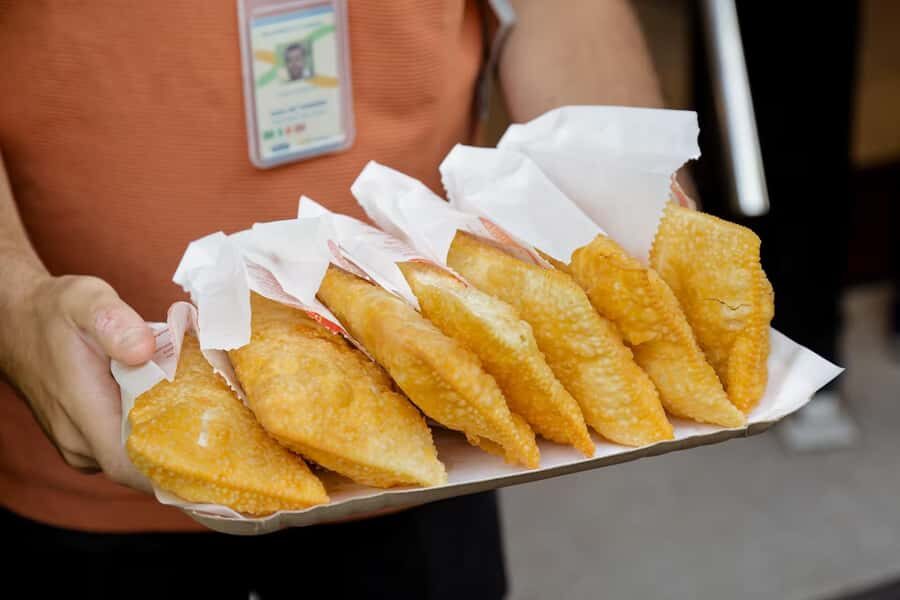
- 3 main snacks plus drinks, including Japanese pastel and onigiri, Korean choux au craquelin, and a hot snack like takoyaki/tempura (or empanadas on weekdays)
- English live guide with a history-forward approach to Liberdade
- Max 10 participants, so you’re not stuck behind a crowd while you stop at food vendors
- Built-in neighborhood walk for architectural beauty and everyday life in Liberdade
- Bring sunscreen and an umbrella, and plan to arrive early because the tour starts strictly on time
Liberdade food tastes like migration, not a theme park
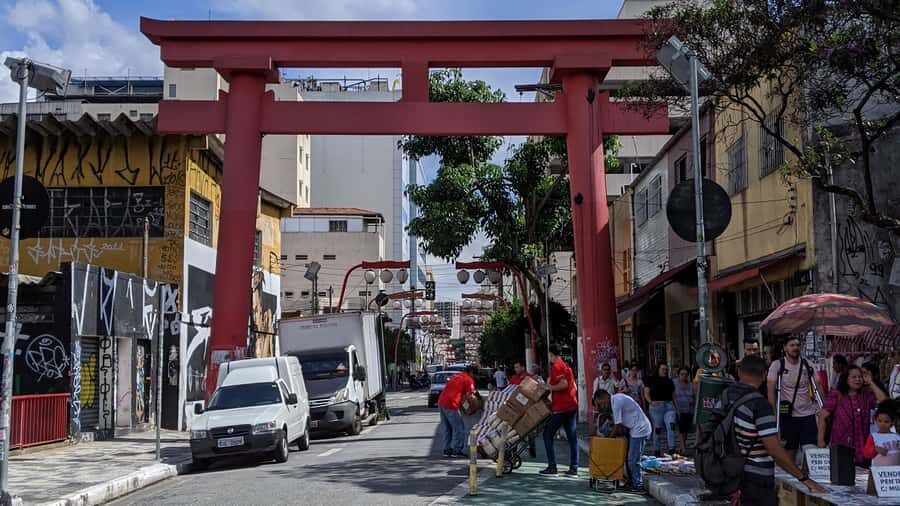
Liberdade has a way of confusing first-time visitors—in a good way. You’ll see a neighborhood shaped by waves of immigration, then you’ll notice how that story got translated into markets, signs, and snack food you can grab with one hand. That’s what makes this tour different: it treats street food like a map.
I like that the tour keeps the energy friendly and fun while still giving you context. You’re not stuck in a lecture. You snack, then the guide ties what you ate to who came here and why that influence became part of daily life.
And the best part? The food isn’t one-country-only. You’re sampling flavors from Japan, Brazil, Argentina, and Korea, which matches Liberdade’s real mix of communities.
You can also read our reviews of more food & drink experiences in Sao Paulo


Your meetup at Banco Bradesco Prime (and how not to miss it)
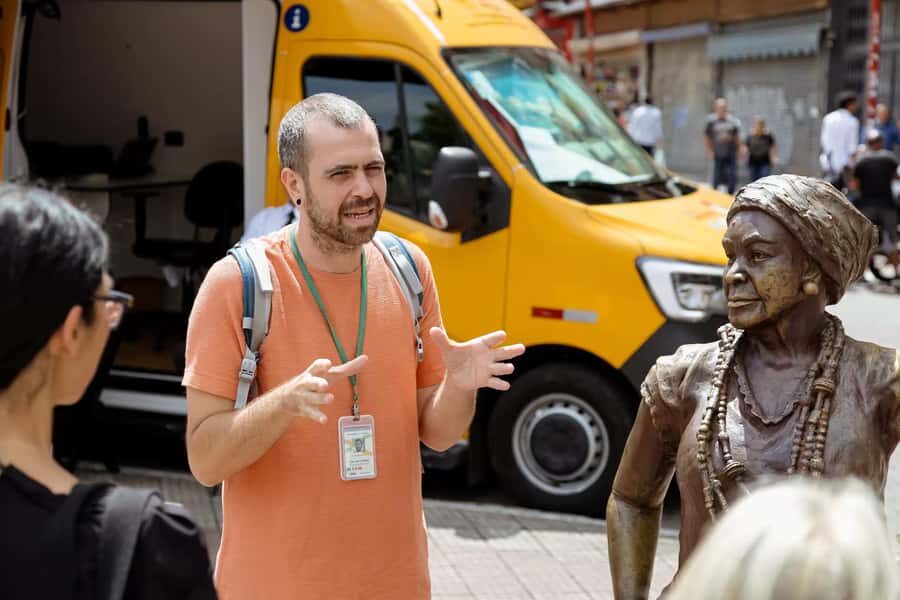
You meet outside the big Red Bradesco Bank at Liberdade Square, right by Banco Bradesco Prime. It’s a clear landmark, which matters because the tour starts strictly on time. The guide isn’t looking for late arrivals, and once the walk begins, joining late won’t be possible.
So here’s my practical advice: arrive a bit early, take 60 seconds to orient yourself, then wait comfortably. If you’re coming from somewhere else in São Paulo, give yourself buffer time because the meeting point is in the middle of the neighborhood’s activity.
Also note the vibe of the group size. With up to 10 people, you can usually keep close enough to hear the guide without playing guess-the-story over other people’s shoulders. That’s not guaranteed on bigger tours.
Why Liberdade matters: Japanese São Paulo outside Japan
Liberdade is often described as São Paulo’s Japanese neighborhood, and for a reason. São Paulo is home to the largest Japanese community outside Japan, and Liberdade became the center of Japanese immigration in the city about a century ago. Even before that, the area had a different role—part of it was once a military district—so you get layers rather than a single storyline.
The tour explains how a neighborhood can change over time while still holding onto identity. It’s not just about food being “Japanese-style.” It’s about how Japanese migrants shaped the local streets and markets, and how later migration waves added even more cultural influence.
That’s where the tour’s format shines. You’re learning history while your taste buds keep the pace. Instead of trying to remember facts, you remember flavors and the stories attached to them. It’s a smart way to turn an afternoon walk into something that sticks.
The 105-minute food walk: 3 main snacks that set the theme
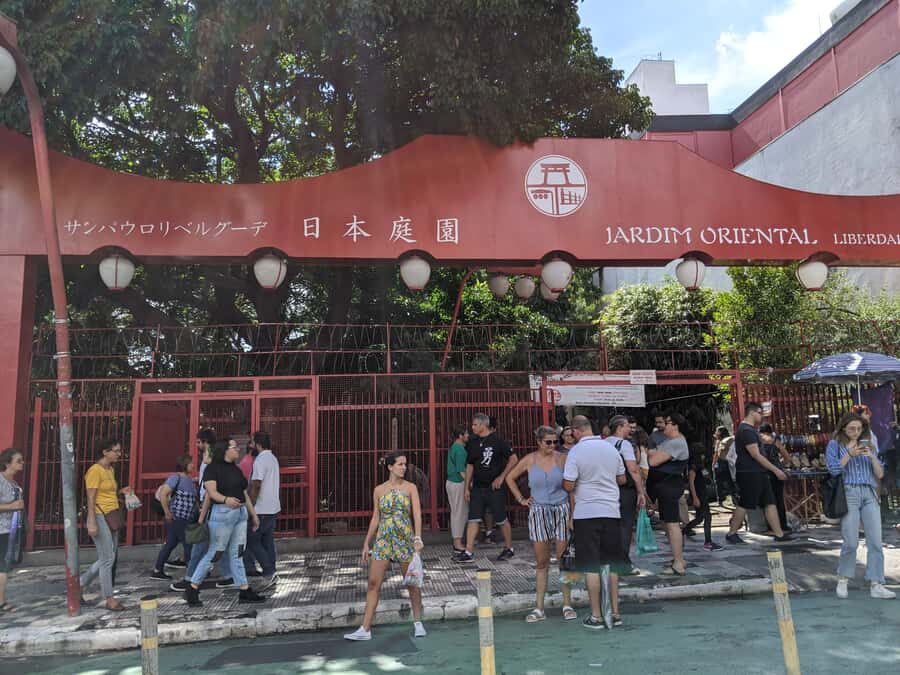
The core of the tour happens in Liberdade with a guided food-and-walk block of about 105 minutes. You’ll be eating enough to feel satisfied, but the tour is structured so you’re not stuck sitting for long stretches. You move through the neighborhood, stop to taste, and keep walking.
The snack plan is built around specific items, so you know what you’re getting:
- Japanese Pastel & Onigiri
- A traditional hot snack: Takoyaki or Tempura
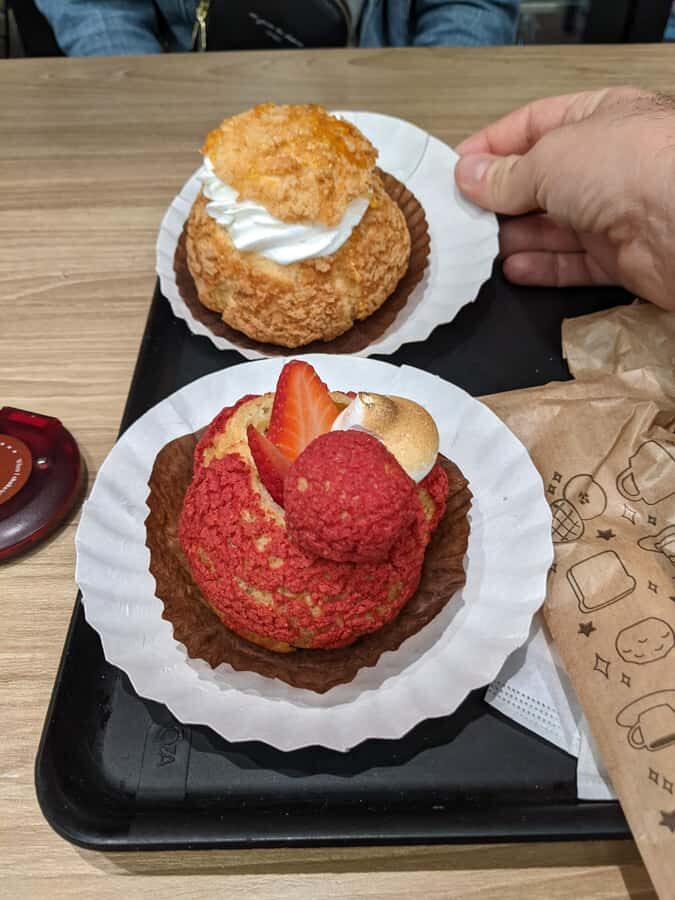
- Choux au Craquelin (Korean)
On top of that, you get drinks that keep things from getting too heavy in the heat. The tour includes 1 bottle of water, 1 sugarcane juice, and a final soft drink or coffee.
This mix also means you can compare techniques. Pastel is about crunch and filling. Onigiri is about comfort and portability. Takoyaki/tempura shifts you toward hot savory bites. Then the Korean choux au craquelin gives you a different texture and sweetness rhythm before you finish.
Japanese pastel and onigiri: the fast, flavorful start
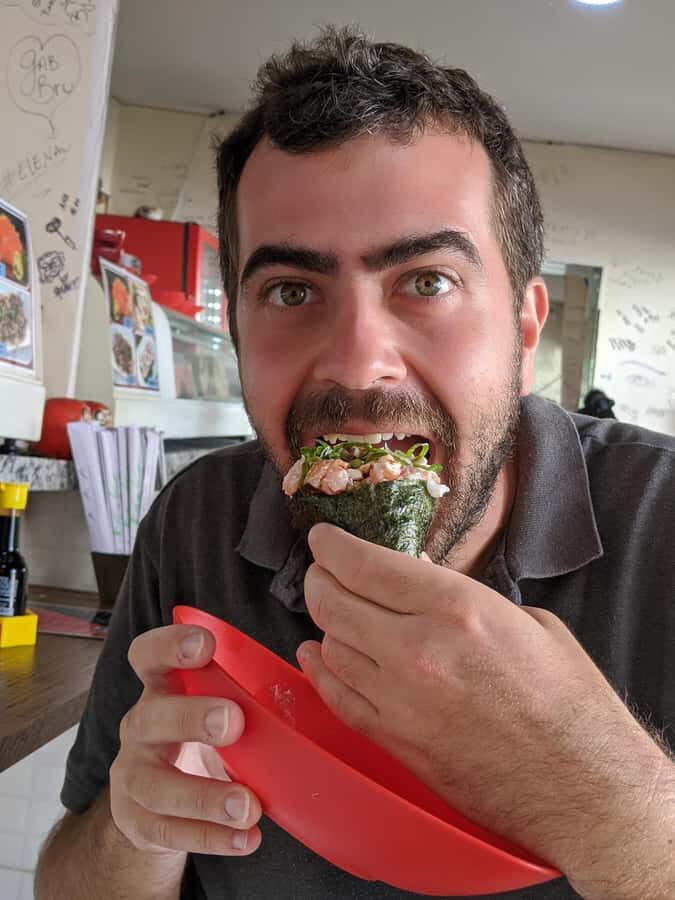
Japanese pastel typically gives you the first “wow” moment because it’s handheld, crispy, and easy to share—perfect for a street-food tour. Onigiri adds something different: a rice-based snack that’s simple but satisfying, with a more filling feel than the pastry.
What I like about this pairing is that it covers two sides of Japanese snack culture. One is comfort food that feels like street convenience; the other is more of a staple that travels well and works as a meal component.
A few more Sao Paulo tours and experiences worth a look


Takoyaki or tempura: warm comfort with a sauce or crunch
For the next stop, you’ll try traditional takoyaki or tempura. The tour frames these as part of the neighborhood’s Japanese influence, and the food itself reinforces that message—savory, hot, and designed for street eating.
There’s a small detail that matters if you’re coming on a weekday. On weekdays, the hot snack might be replaced with Argentinian empanadas. That doesn’t make the tour weaker; it makes it more flexible, and it reflects how Liberdade’s snack culture isn’t locked into one tradition.
Korean choux au craquelin: the dessert pivot that doesn’t feel random
Most street-food tours go heavy on savory. This one includes choux au craquelin, a Korean sweet with a more bakery-style texture. The timing here is key: it gives your palate a reset before the final stretch and closing drink.
If you like dessert that’s not just sugary filler, this is the kind of item that gives you a different mouthfeel—light but not empty, sweet but not a sugar bomb.
The architecture walk: what you notice after your second bite
After you snack, the tour shifts into walking mode—spotting places with architectural beauty and learning what kinds of people live in the area.
I like this part because it helps you build a mental picture of Liberdade beyond the food stalls. You start noticing storefronts, building details, and street layout in a way you wouldn’t if you were just passing through. Food tells you what’s important; the street walk tells you why it’s there.
It also makes the tour feel more balanced. You get the fun of eating, then you earn the payoff of understanding the neighborhood’s physical character—how history shaped what you see today.
Drinks that keep the pace: sugarcane juice, water, and a final sip
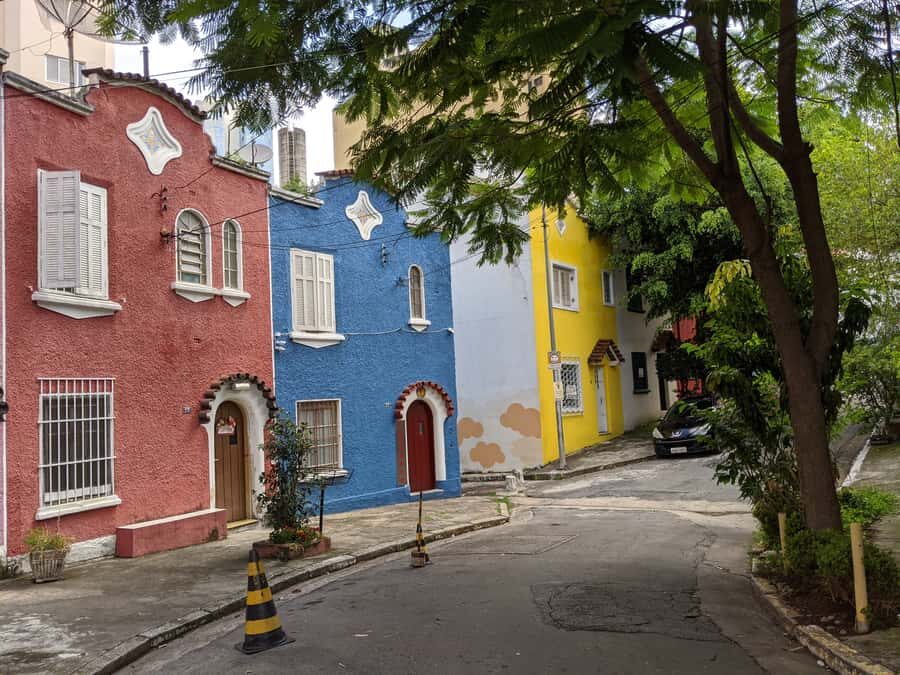
Street food tours can get tricky in São Paulo heat. This itinerary helps by including drinks that keep you moving:
- 1 bottle of water
- 1 sugarcane juice
- 1 final soft drink or coffee
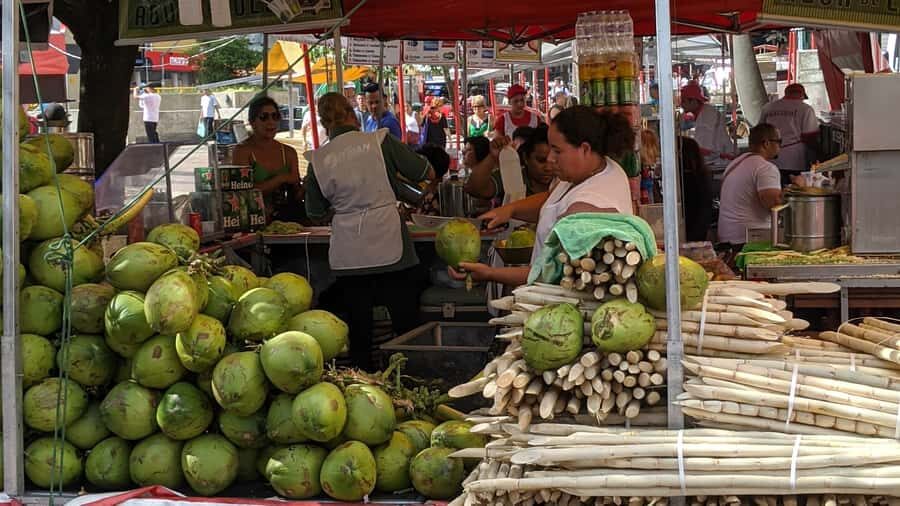
The sugarcane juice is a standout because it’s a classic local-style thirst quencher that also feels aligned with the idea of tasting beyond one cuisine. You don’t just have sweet; you have something cool and refreshing that resets your palate between bites.
And the final drink matters too. It’s a built-in landing pad at the end, so you’re not frantically trying to find a café as the tour ends.
“Small group” isn’t a buzzword here: 10 people changes everything
The tour limits the group to 10 participants. That’s not just a comfort detail—it’s a quality factor.
In a small group, the guide can actually check in. Questions are easier. The pacing feels calmer. And when you’re eating street food, you benefit from speed plus clarity: you want to hear what you’re tasting and where it fits before you move on.
One more practical point: this tour sounds like it’s designed to keep you from feeling rushed even though you’re eating several items. That matches the overall tone from the strongest feedback: people tended to describe it as fun, filling, and well paced.
Price and value: $60 for snacks plus a story-walk
At $60 per person for about 2 hours, the real question is value: what are you buying?
You’re paying for:
- Multiple planned tastings (3 main snacks)
- Drinks (water, sugarcane juice, and a final drink)
- A guided walk with history of the neighborhood
- A small group size that makes the experience feel hands-on
- English-language interpretation
If you were to buy all these items individually across different vendors, you’d still be hunting for selection, dealing with different prices, and missing the context that helps you understand why these foods matter. Here, the guide does the sorting for you—so you get variety without turning the afternoon into a scavenger hunt.
Also, note what isn’t included: additional food or beverages. That’s normal for tours like this, but it means you should treat the included snacks as the core meal plan.
Who this tour suits best (and who should think twice)
This tour is a great fit if you want:
- A history + food afternoon, not just eating
- Variety across Japan, Brazil, Argentina, and Korea
- A guide-led walk where you understand what you’re seeing
- A manageable pace with a small group
It may not be ideal if:
- You’re very sensitive to trying new foods (street snacks mean you’re sampling things you didn’t pick yourself)
- You have limited appetite for tasting multiple bites in a short time
There’s also one more consideration from the overall tone of feedback: the food is the highlight, but taste is personal. One person felt that the food wasn’t good for their preferences. In other words, this is a tasting tour—go with curiosity, not a must-happen shopping list.
A quick word on guides: energy and clear explanations
The strongest feedback consistently points to the guide experience. Names that show up include Giulano / Giuliano / Juliano—and descriptions match a common theme: friendly, energetic delivery and the ability to connect snack choices to neighborhood history and culture.
That matters because street food tours live or die on interpretation. If the guide can explain the connection between past immigration and today’s markets, you leave with more than a full stomach—you leave with context that makes the neighborhood feel less random.
Should you book the Liberdade Street Food Tour?
If you’re in São Paulo and you want an afternoon that feels both fun and meaningful, I’d book this. You’re not only getting a guided walk—you’re getting a structured way to taste Liberdade’s culture through food from multiple communities, then connect it to how the neighborhood became what it is today.
Book it if you:
- Like eating while learning
- Enjoy trying street snacks
- Want a small group experience in an active neighborhood
Think twice if you:
- Prefer choosing your food à la carte
- Don’t want to try unfamiliar items
- Need a very quiet, low-energy tour (this is a walking-and-tasting style)
FAQ
FAQ
How long is the São Paulo: Liberdade Street Food Tour?
The tour duration is 2 hours, with about 105 minutes of guided time in Liberdade for the walking and food tastings.
What’s the group size?
It’s a small group limited to 10 participants.
What language is the tour guide speaking?
The live tour guide speaks English.
What foods and drinks are included?
You get 3 main snacks including Japanese Pastel & Onigiri, plus either traditional takoyaki or tempura (on weekdays it might be replaced with Argentinian empanadas), and choux au craquelin (Korean). Drinks include 1 bottle of water, 1 sugarcane juice, and a final soft drink or coffee.
What happens on weekdays if you’re expecting takoyaki or tempura?
On weekdays, the tour might replace the traditional takoyaki or tempura with Argentinian empanadas.
Where do I meet the tour?
You meet outside the big Red Bradesco Bank in the middle of Liberdade Square at Banco Bradesco Prime.
Where does the tour end?
The tour finishes at Restaurante Kazu.
What should I bring?
Bring sunscreen and an umbrella.
Is the tour starting time strict?
Yes. The tour starts strictly on time, and once it starts, joining late won’t be possible.