REVIEW · RIO DE JANEIRO
Climb Rio de Janeiro: Rock Climbing Tailored for All Levels
Book on Viator →Operated by Itaway Ecotours · Bookable on Viator
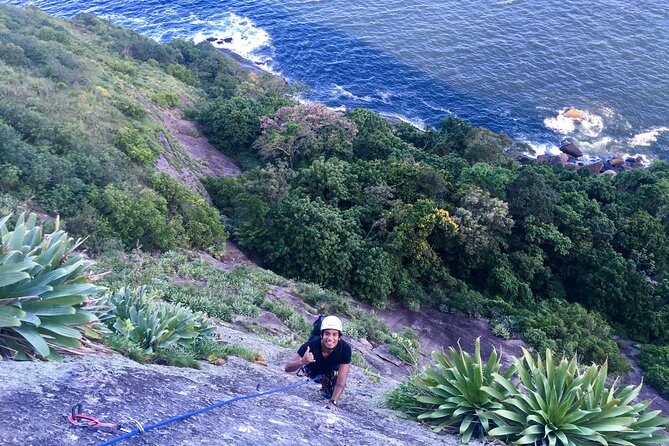
Rio’s rock is the real deal. This climb mixes world-famous views with real instruction at your pace. You’ll tackle granite walls at Sugar Loaf from a spot most people only see from below.
Two things I really like: first, the climbing route is matched to your prior experience, so you’re not guessing or getting thrown into the wrong difficulty. Second, the tour runs as a small-group setup with just two people per instructor, which means more time for coaching and fewer gaps in safety and technique.
The main thing to consider is the weather. This experience depends on good conditions, and if it’s canceled due to poor weather you’ll need to switch dates or take a full refund.
In This Review
- Key points before you go
- Climbing Rio’s granite with a small-group instructor
- How Itaway matches your route to your level (so you don’t guess)
- Urca meeting point: start easy, get to the good part faster
- Sugar Loaf climbing for up to two hours: what it feels like
- Multi-pitch vs. top-rope: choose the right kind of challenge
- Equipment and rope systems: what’s included and why it matters
- Morning or afternoon: picking the best time to climb
- What to expect during your 3-hour session
- Price and value: is $127.42 worth it?
- Who should book this climb (and who might reconsider)
- The weather reality in Rio (and how to plan around it)
- Should you book Climb Rio de Janeiro with Itaway Ecotours?
- FAQ
- How long is the climb?
- Where does the tour start and where do you return?
- Can beginners participate?
- How do they decide which route I should do?
- What climbing types are offered?
- Is gear included?
- Do you offer morning and afternoon tours?
- What should I bring, and is tipping expected?
- What happens if the weather is bad or I need to cancel?
Key points before you go
- Route-matched climbing based on your past experience, so beginner and advanced options both make sense
- Up to two hours of climbing on Rio’s iconic rock near Sugar Loaf
- Small-group coaching with two people per instructor for hands-on feedback
- Top-rope for first-timers and multi-pitch options as skills progress
- Gear included (shoes, harness, helmet, belay/rappel device) so you can travel lighter
Climbing Rio’s granite with a small-group instructor
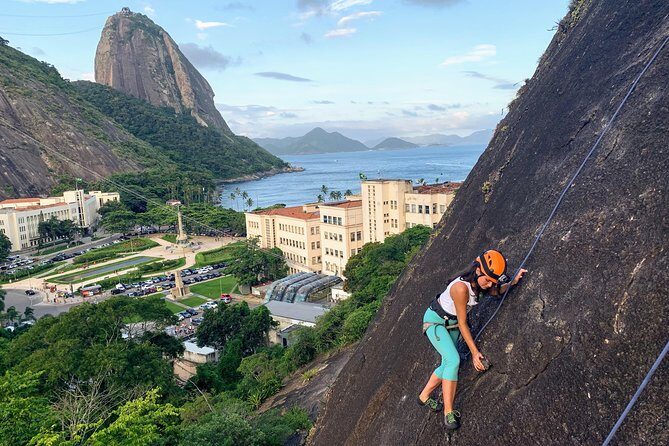
Rio de Janeiro has plenty of tours that point and smile. This one is different because you’re actually doing the work: learning how to move on rock, set yourself up safely, and climb with confidence. You get that “I’m up there” feeling fast, but without the chaos of large groups.
The small-group format matters more than it sounds. With just two climbers per instructor, you’re not waiting around for your turn while someone else gets coached. Instead, you get the kind of feedback that helps you correct small issues early—stance, body position, how you handle the rope system, and how you manage fear when the wall feels steeper than you expected.
And the location is hard to beat. Urca is already a dramatic area, and if your climbing plan includes Sugar Loaf Mountain, the payoff is huge: you’re working on the kind of rock that made Rio famous to climbers long before it became an Instagram backdrop.
You can also read our reviews of more tours and experiences in Rio de Janeiro.



How Itaway matches your route to your level (so you don’t guess)
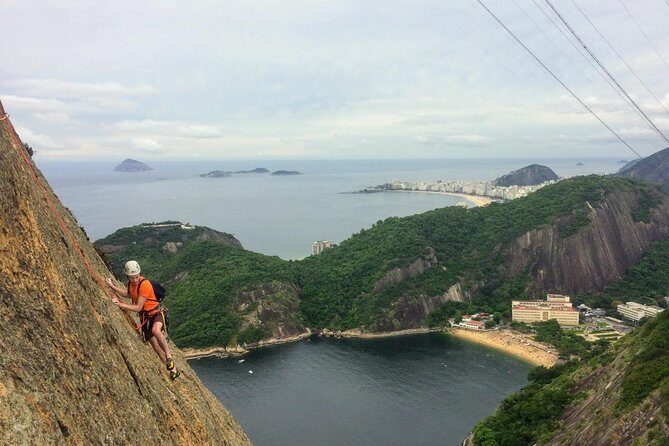
The tour is designed around a simple idea: don’t make you “figure it out” on the spot. An Itaway Agent will determine your chosen route based on your past rock climbing experience.
That means the plan should feel like it belongs to you. If you’re brand new, you can choose a safer on-ramp with top-rope climbing. If you’ve climbed before, you can opt for multi-pitch routes that fit intermediate or advanced ability.
This part is where a lot of climbing tours either shine or miss. When route planning is sloppy, you either spend the session tied up with basic tasks while everyone else climbs, or you end up in a challenge that’s way beyond your comfort level. Here, you’re asked to select the option that best aligns with your skill level, and the route is then based on what you’ve done before.
Urca meeting point: start easy, get to the good part faster

You’ll meet at Praça Gen. Tibúrcio, 75 in Urca (Rio de Janeiro). The location is described as near public transportation, which is a practical win if you’re staying somewhere in the city and don’t want to burn time coordinating taxis.
From there, the session is structured so you’re not just handed equipment and pointed toward a wall. You’ll get the basics that keep everything smooth: how to wear the harness, how the belay or rappel device works (because you’ll use it as part of climbing and lowering), and how anchor building and rope setup fit into the plan.
In other words, the Urca start feels like training that leads to actual climbing—not a lecture. And because you’re starting in the same area where the views are already excellent, the whole experience has that “we’re really doing this in Rio” momentum.
Sugar Loaf climbing for up to two hours: what it feels like
The highlight is straightforward: up to two hours of rock climbing at Rio’s Sugar Loaf Mountain. That time on rock is what you’re paying for, and it’s long enough to feel progress, not just a quick demo.
The session is set up around your ability. Depending on the selected style, you might work different types of routes, but the goal stays the same: get you climbing with correct technique and safe systems. You’ll also get practice with key parts of the process—especially the parts that help first-timers feel secure.
If your plan includes Sugarloaf climbing, you also receive a cable car descent ticket to Morro da Urca. That’s a useful detail because it helps smooth the logistics of getting back down and keeping energy for the rest of your afternoon or morning.
A small consideration: two hours climbing can still be tiring, especially if you’re new. Plan your day so you’re not rushing straight into something intense right after.
Multi-pitch vs. top-rope: choose the right kind of challenge
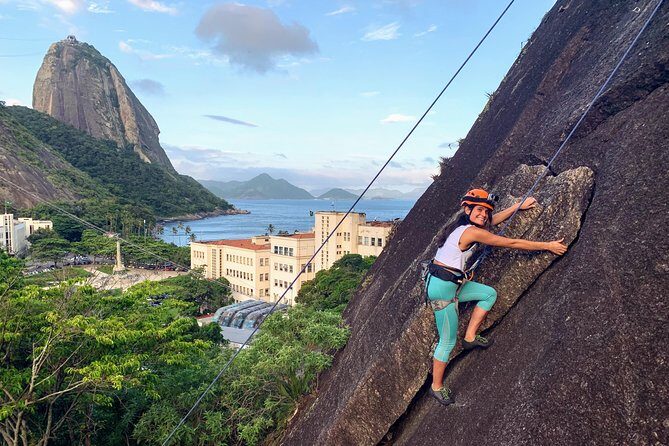
You have options, and that’s a big part of the value here. The tour offers multi-pitch climbing for advanced, intermediate, and beginner levels, plus top-rope for first-time climbers and beginners.
Here’s how to think about it:
- Top-rope is the safer on-ramp. You’re attached to a rope system above, so you can focus on learning movement and technique without the added mental load of lead-style decision making.
- Multi-pitch is more committing. You’re moving through multiple sections of a route. Even if you’re not aiming for an “advanced” level, the multi-pitch structure can still be offered for beginner or intermediate climbers depending on what’s appropriate for your experience.
So which should you choose? If this is your first time climbing outside or your last outdoor climb was a long time ago, top-rope will usually feel like a confidence builder. If you already climb outdoors and understand how rope systems work, multi-pitch can feel like the fun next step because it adds variety and pacing.
The best part is that the route itself is tied to what you’ve done before. That should keep the challenge in the sweet spot: hard enough to be memorable, controlled enough to stay comfortable.






Equipment and rope systems: what’s included and why it matters
One of the most practical parts of this climb is that you’re not stuck hunting gear. You get individual equipment: climbing shoes, a harness, a helmet, and a belay/rappel device. You also get collective climbing equipment like ropes, quickdraws, and anchor-building gear.
That coverage is more than convenience. Good climbing depends on using the right gear and setting it up correctly. When you don’t have to manage rentals, sizes, or compatibility, you spend your attention where it belongs: climbing and learning.
The instructor-led side also matters. A certified bilingual rock climbing instructor is included, so you can get clear communication in the language that makes you fastest at learning—especially during safety checks and while you’re switching between tasks like climbing and belaying.
In the coaching style, there’s a consistent theme from the named guides connected with this operator: they aim to help you feel secure while still pushing you to improve. If you’re nervous as a first-time outdoor climber, that coaching approach is exactly what you want.
Morning or afternoon: picking the best time to climb
You can choose either a morning or an afternoon tour to fit your schedule. That’s not just flexibility for your calendar—it can also help you manage how your body feels in heat and how your brain handles timing.
Afternoon climbing can be great if your mornings are booked with sightseeing. It also matches well with the rhythm of doing something active, then settling into a meal later. In the feedback, one guide-led session was described as a sporty afternoon in Rio, with solid instruction and great views near beach and Sugarloaf.
Morning can be ideal if you want energy early and prefer finishing with the rest of the day still open. Either way, plan to bring enough water and snacks for before/after, since those aren’t included.
What to expect during your 3-hour session
The experience runs about 3 hours. Even with a fixed time box, climbing sessions can feel different depending on how much time is spent on instruction versus actual climbing.
Here’s what you can reasonably expect from the structure:
- You meet in Urca, get oriented, and meet your instructor(s).
- You go through safety basics and how the rope system works for your chosen climbing style.
- You practice the climbing and handling sequence so you’re not learning while hanging from the wall.
- You spend the bulk of the time on rock—up to two hours of climbing at Sugar Loaf when that’s part of your route.
- You return to the meeting point at the end.
The pace should feel intentional. The inclusion of both individual and collective gear suggests the session is built for smooth execution. And because it’s private for your group, you’re not competing with random schedules and interruptions from other participants.
Price and value: is $127.42 worth it?
At $127.42 per person for about 3 hours, this isn’t the cheapest activity in Rio. But it also isn’t priced like a generic sightseeing stop.
Here’s what you’re getting for the money:
- A certified bilingual instructor
- All key climbing gear, including shoes, harness, helmet, and a belay/rappel device
- Rope-and-anchor setup equipment like quickdraws and anchor-building gear
- Up to two hours of climbing time at Sugar Loaf (when that route is included)
- A cable car descent ticket to Morro da Urca if you climb Sugarloaf
When you factor in instructor time, safety systems, and the cost and hassle of getting properly matched climbing gear, the price starts to make more sense. This is a “learn and do it safely” style experience, not a self-guided scramble.
If you’re comparing against a cheaper climb that doesn’t include gear or coaching, the difference often shows up in comfort and clarity. Here, the small instructor-to-climber ratio is a quiet value driver. You get attention while you climb, not just before you start.
Who should book this climb (and who might reconsider)
This is designed to be broad. “Most travelers can participate” is the guidance, and there’s a plan for different ability levels.
You’ll probably love it if:
- You’re a beginner who wants a structured first outdoor climb with top-rope options
- You have some climbing background and want a route that matches what you’ve already done
- You want big Rio views without giving up on real safety and instruction
- You prefer a smaller group, because it usually means less waiting and more feedback
You might reconsider if:
- You’re extremely weather-dependent about your schedule. The experience requires good weather and can shift or refund if conditions are poor.
- You’re looking for a passive “look at the scenery” activity. This is hands-on. You’ll work.
If you’re confident that you want to climb and you’re flexible about timing, this is a strong match.
The weather reality in Rio (and how to plan around it)
This is the only big unknown you can’t fully control. The experience requires good weather. If it’s canceled due to poor weather, you’ll be offered a different date or a full refund.
So plan like a climber: keep expectations realistic. If your Rio schedule is packed with nonrefundable events, consider leaving a little buffer.
Also, because the session can include time outside for instruction and movement, dress for the weather you get. Wear shoes you can stand in comfortably while you organize gear. Bring a layer for after. And do not underestimate water needs, since snacks and bottled water aren’t included.
Should you book Climb Rio de Janeiro with Itaway Ecotours?
I’d book this if you want a guided climb that respects your level, gives you actual time on rock, and keeps the group size small. The standout strength is the combination of route selection based on your prior experience plus the coaching that focuses on making you feel secure while you learn.
Before you go, ask yourself two things:
- Do you want to spend part of your Rio trip actively climbing, not just watching from ground level?
- Are you okay with weather being a factor?
If both are yes, this climb is a practical way to get a real connection to Rio’s rock and views—without turning the day into a gear-rental scavenger hunt.
FAQ
How long is the climb?
The experience is about 3 hours. You can get up to two hours of rock climbing during that time.
Where does the tour start and where do you return?
You start at Praça Gen. Tibúrcio, 75 in Urca, Rio de Janeiro. The activity ends back at the meeting point.
Can beginners participate?
Yes. There are top-rope options for first-time climbers and beginners, and multi-pitch options can also be matched to beginner levels depending on your experience.
How do they decide which route I should do?
An Itaway Agent determines the chosen route based on your past rock climbing experience. You’ll select the tour option that best aligns with your skill level.
What climbing types are offered?
The tour includes top-rope for first-timers and beginners, and multi-pitch climbing options for advanced, intermediate, and beginner levels.
Is gear included?
Yes. You’ll receive climbing shoes, a harness, a helmet, and a belay/rappel device. Rope, quickdraws, and anchor-building equipment are also provided.
Do you offer morning and afternoon tours?
Yes. You can choose a morning or an afternoon tour to match your schedule.
What should I bring, and is tipping expected?
Snacks and bottled water are not included, and tips for guides are typical at about 10–20% of the trip cost.
What happens if the weather is bad or I need to cancel?
The experience requires good weather. If it’s canceled due to poor weather, you’ll be offered a different date or a full refund. You can cancel for a full refund up to 24 hours before the experience starts.