REVIEW · RIO DE JANEIRO
Rio: Favela Walking Tour of Rocinha with a Resident Guide
Book on GetYourGuide →Operated by Gregtur Tourism · Bookable on GetYourGuide
Rio’s real streets start on day one. This Rocinha favela walking tour pairs a resident guide with time in community spaces, so you get more than sightseeing—you get context. I like the way the guide routes you through alleys and stairs, with quick chats at local businesses that make the neighborhood feel lived-in, not staged.
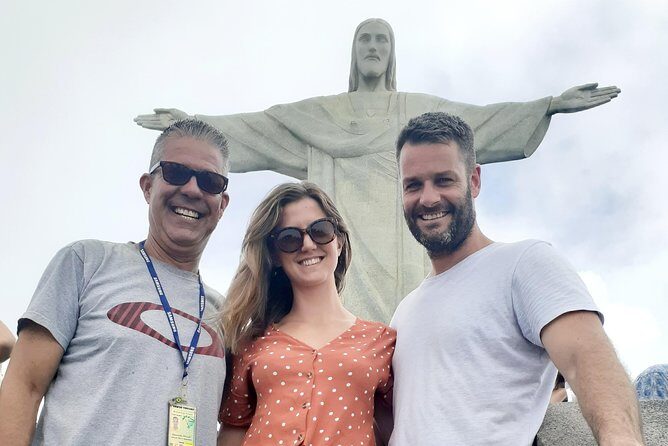
My favorite add-on is the moto-taxi ride up the hill. In a short burst, you trade walking for a view that reaches toward the Christ statue and across toward the beaches. One consideration: you are on your feet for about 3 hours, including steep stair-and-street walking, so you’ll want to plan for the physical side.
In This Review
- Key points to know before you go
- What You Really Get From a Rocinha Favela Walking Tour
- Price and Logistics: Is $106 Good Value?
- Meeting at Cardeal Arcoverde: How to Start Smoothly
- The 3-Hour Walking Plan: Markets, Capoeira, Murals, and Real Stops
- Craft fair and street markets
- Capoeira performers
- A resident’s house visit
- Painted murals and social works
- The Moto-Taxi Ride Up Rocinha: Views That Change the Scale
- Food: You’ll Find Local Bites After the Walk
- Small Group Size: Why Up to 8 People Matters Here
- Who This Tour Suits Best
- Should You Book This Rocinha Favela Walking Tour?
- FAQ
- How long is the Rocinha walking tour?
- Where is the meeting point for the tour?
- What time should I arrive at the meeting point?
- Is the tour in English?
- How large is the group?
- What is included in the price?
- Is hotel pickup and drop-off included?
- Are food and drinks included?
- What will I see during the tour?
- Can I cancel for a refund?
Key points to know before you go
- Resident-guide perspective that focuses on how the community works, not just what it looks like
- Small group (up to 8 people) for easier conversations with locals
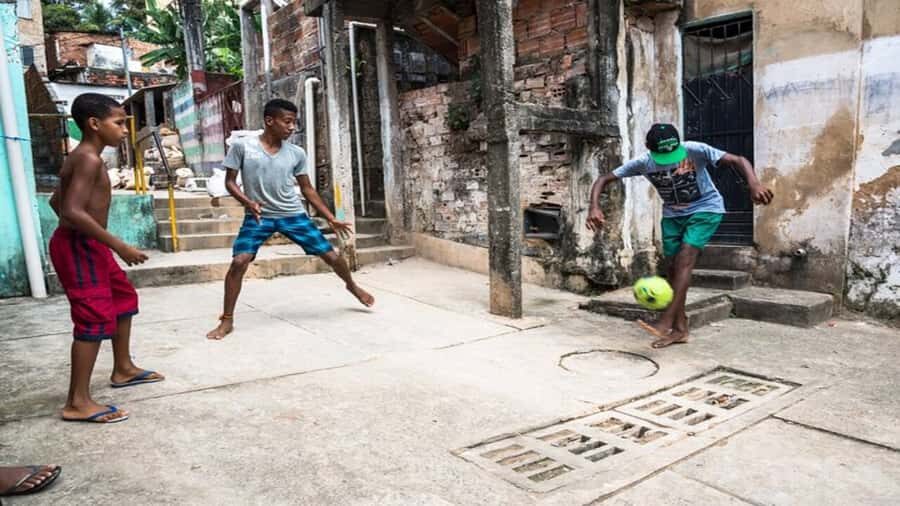
- Craft fair, street markets, capoeira, murals along the way, so you see everyday culture and art
- A guided visit to a resident’s house, with a human-scale look at daily life
- Moto-taxi ride to the top of Rocinha for big-picture views, including Christ the Redeemer and the coastline
- Local food is optional since it’s not included, letting you choose what fits your tastes
What You Really Get From a Rocinha Favela Walking Tour
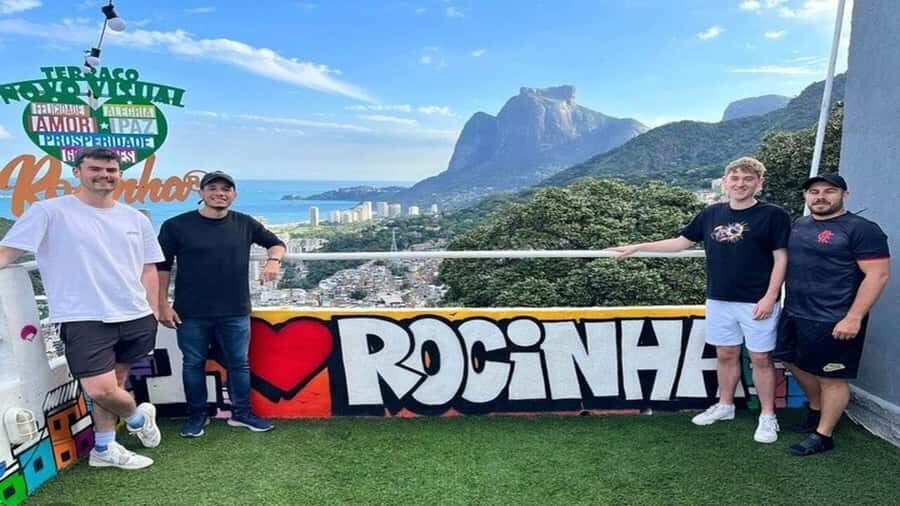
A tour like this works because it doesn’t treat Rocinha as a single viewpoint. Instead, you move through the neighborhood the way people do—small businesses, community spots, and street performance—guided by someone who lives there and understands what matters day to day. You’ll spend time chatting with locals, and that simple act changes everything about how you read the streets.
I also like that it’s a socially conscious setup. Most of the payment goes to the resident guide who hosts the visit and provides support. That means your money goes toward the community experience you came for, not just a standard sightseeing package.
The tour’s tone is practical, too. You’re not just walking past things. You stop, you look, and you ask questions. One guide name that stands out from past guests is Erik, who has been described as kind and very informative about life in the favela. That matters, because good guiding here is about respect and context—not ticking boxes.
You can also read our reviews of more walking tours in Rio De Janeiro



Price and Logistics: Is $106 Good Value?
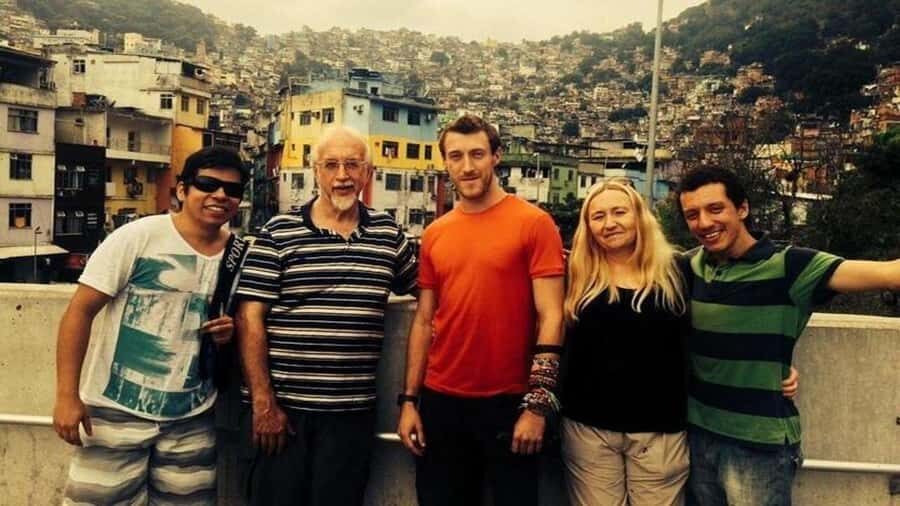
At $106 per person for 3 hours, this isn’t a bargain-basement tour, but it does include the parts that usually cost extra. You get subway/Metro tickets, a licensed bilingual private tour guide, all taxes and handling, and a moto-taxi ride up to the top of Rocinha.
That package makes the price easier to swallow. The Metro ticket inclusion sounds small, but it’s one less planning step. The big value driver is the moto-taxi plus the guided time in the neighborhood. A short ride up the hill can be the difference between seeing Rio from street level versus understanding how the neighborhood relates to the wider city.
It’s also a small group, capped at 8 participants. That matters for conversations. When you’re in a crowd, you end up watching. When you’re in a small group, you can actually ask things and get answers.
Meeting at Cardeal Arcoverde: How to Start Smoothly
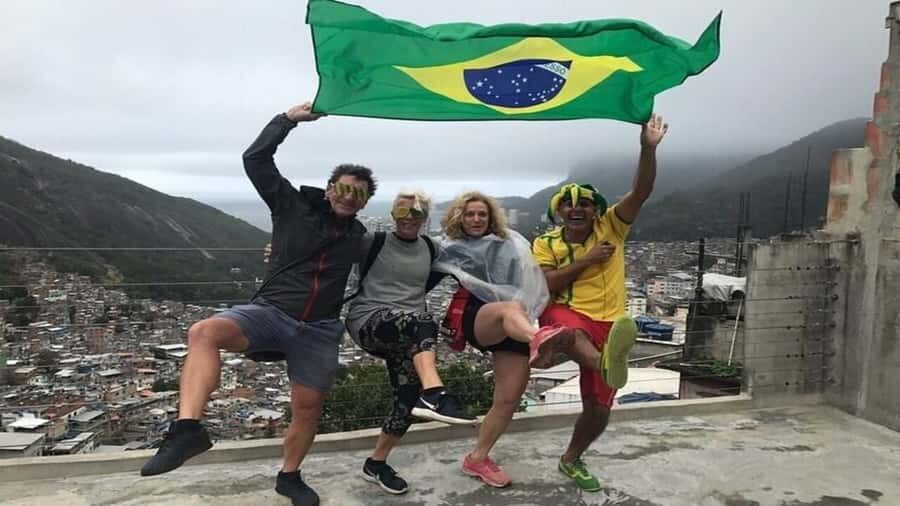
You meet at Subway Cardeal Arcoverde—Exit A. Plan to arrive at least 10 minutes early, because you’ll be taking the subway to Rocinha as part of the experience. No hotel pickup is included, so if you’re staying far from the Metro, add commute time to your plan.
This is the kind of tour where timing helps your day. If you’re rushed at the start, you’ll feel it while you’re climbing stairs later. A calm arrival gives you a better first hour, and the rest of the tour flows more naturally.
Also keep in mind the tour guide is bilingual and available in English, Spanish, and Portuguese. So even if your Portuguese is limited, you won’t be left guessing what you’re seeing.
The 3-Hour Walking Plan: Markets, Capoeira, Murals, and Real Stops
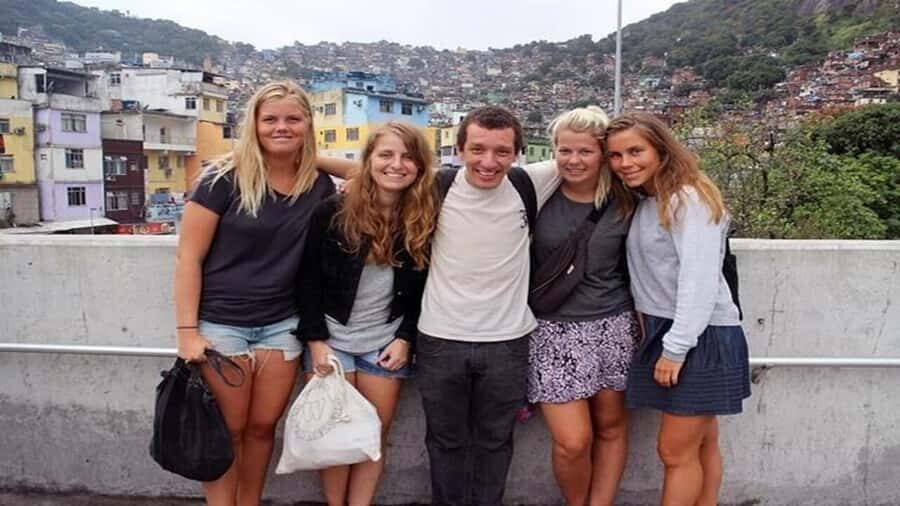
This tour is built around variety. You’ll move through a mix of everyday community spaces and cultural moments, usually in short, stop-and-go segments that keep things interesting and conversational.
Craft fair and street markets
One of the first things you’ll likely experience is a craft fair and street markets. This is where you get a feel for local creativity and day-to-day commerce. Pay attention to what people are doing, not just what they’re selling. The guide’s job here is to connect the dots—what you’re seeing, who it serves, and how the community has shaped those spaces.
A practical tip: be ready for normal street conditions. You’re not in a closed museum space, so expect real movement, real sounds, and interactions happening at human speed.
You can also read our reviews of more guided tours in Rio De Janeiro






Capoeira performers
Next you’ll see capoeira performers. Capoeira isn’t just a performance clip; it’s tied to rhythm, skill, and community. With a guide, you’ll be able to understand why that kind of street culture shows up in neighborhoods like this—and how it functions as more than entertainment.
Look for the way people watch and participate. If you’re curious, this is a good moment to ask what you should look for and what it means in context.
A resident’s house visit
Then comes a visit to a resident’s house. This part is powerful because it switches the lens from public space to private daily life. You’re not just observing the neighborhood; you’re being shown how someone lives inside it.
Keep your expectations respectful. A home visit isn’t a photo op checklist. Go in with a calm attitude, and follow the guide’s pacing.
Painted murals and social works
You’ll also spend time with painted murals and see social works supported by the community. Murals can be political, personal, or simply community storytelling, and having a guide prevents you from misreading the meaning. Social works add another layer: you get to see how residents try to solve problems and support each other.
For me, this section is where the tour stops being sightseeing and becomes interpretation. You start connecting the art to the daily realities around it.
The Moto-Taxi Ride Up Rocinha: Views That Change the Scale
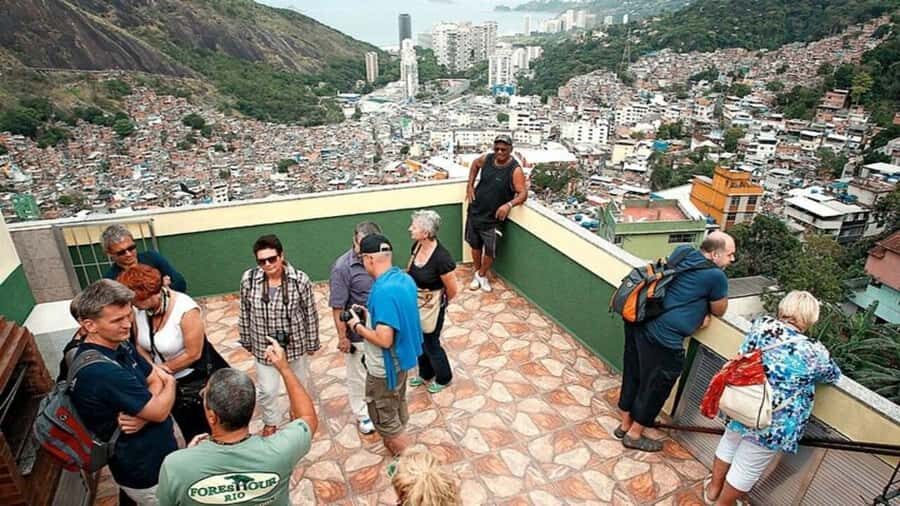
The tour’s highlight is the moto-taxi ride up to the top of Rocinha hill. It’s short, but it changes your perspective fast—distance suddenly makes sense. From up there, the guide helps you orient toward key Rio landmarks, including the Christ statue and beaches.
If you’re the type who likes big-city views, this delivers. You also get a meaningful contrast: you’re coming from tight alleys and community spaces, then lifting to a wider view of the city. That contrast helps you understand how Rio’s geography presses in on everyday life.
For a small practical note: if you have concerns about riding in a moto-taxi, keep an eye on your comfort level early in the tour. This is a core included part of the experience, so it’s not something you can treat as optional once you’re already moving.
Food: You’ll Find Local Bites After the Walk

Food and drinks are not included, but the tour nudges you toward typical local food afterward. That’s useful, because it gives you control. You can stop where it feels right, with recommendations from your guide, rather than being pushed into a pre-set meal.
Since you’ll be walking for 3 hours, it’s smart to think ahead about your appetite. If you’re someone who gets hungry quickly, plan for a post-tour snack or meal the same day while you’re still in the area.
Small Group Size: Why Up to 8 People Matters Here
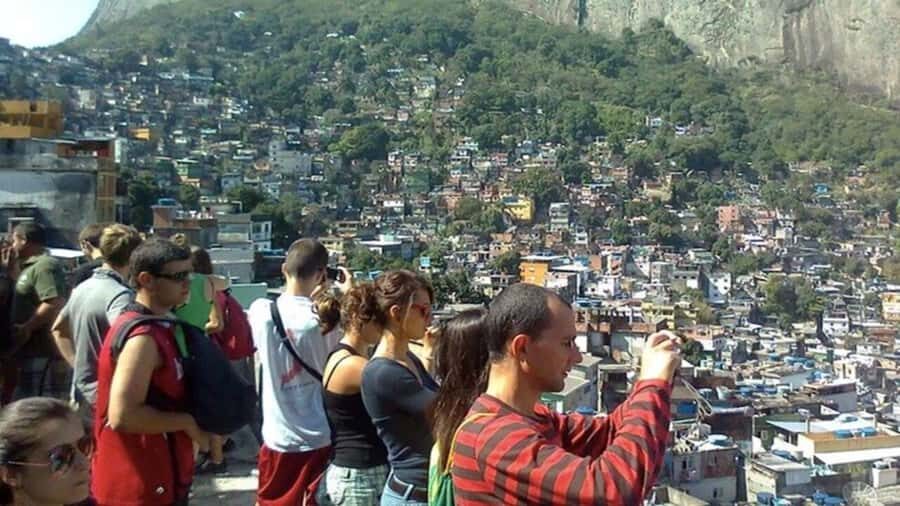
A lot of tours claim they’re friendly. This one has a hard cap: up to 8 participants. In Rocinha, that difference is real. With fewer people, you get space to ask questions, and the guide can tailor pacing to the group.
It also keeps the experience more human. You’re not bouncing between stops like a herd. You’re moving as a group where conversations can actually happen—especially at businesses and during community moments like capoeira and murals.
If you want an honest, respectful tour with real interaction, this is a better fit than a large bus-style schedule.
Who This Tour Suits Best
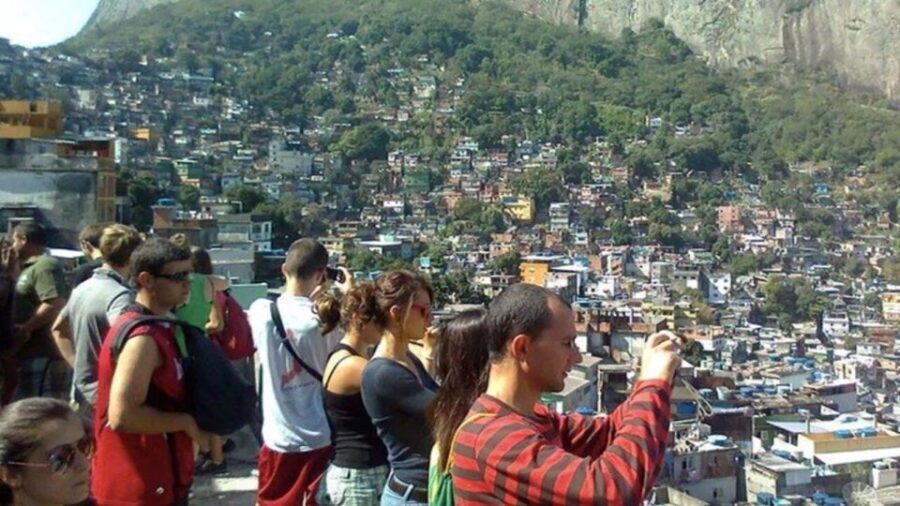
This tour is best for you if you want more than a viewpoint. I think it fits travelers who enjoy learning how communities function, who like asking questions, and who appreciate local culture—markets, crafts, street music, murals, and social initiatives.
It also suits you if you’re open to guided interpretation. You’ll get the most by paying attention and letting the resident guide frame what you see.
Where it may be a poor fit is if you want minimal walking. The tour includes labyrinthine alleys and stairs, and it runs for 3 hours. If stairs are a deal-breaker for you, you may want to pick a different Rio day plan.
Should You Book This Rocinha Favela Walking Tour?
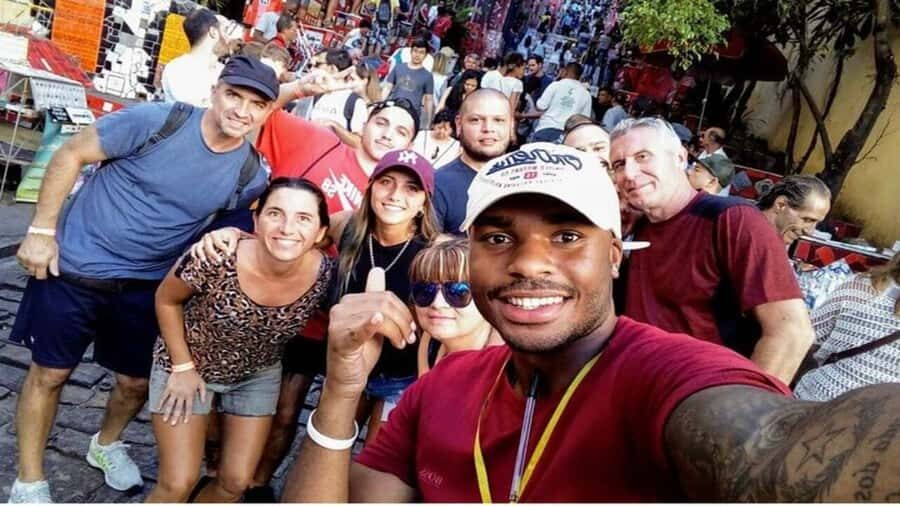
If you’re choosing between a standard Rio highlight tour and something with sharper context, I’d lean toward this one. The mix of craft fair, markets, capoeira, murals, a resident’s house, plus the included moto-taxi ride to the hilltop gives you more than one angle at a time.
The value is also there: Metro tickets + guide + moto-taxi + taxes are included in the price. And the social focus matters, since most payment supports the resident guide who hosts you.
One last check before you book: confirm you’re comfortable with 3 hours of walking and stairs. If that’s manageable, this is a strong way to see Rocinha through the eyes of someone who lives there—while still ending the tour with a real Rio view from the top.
FAQ
How long is the Rocinha walking tour?
The tour lasts 3 hours.
Where is the meeting point for the tour?
Meet at Subway Cardeal Arcoverde (Exit A).
What time should I arrive at the meeting point?
Plan to arrive at least 10 minutes early before taking the subway to Rocinha.
Is the tour in English?
Yes. The live guide is available in English, Spanish, and Portuguese.
How large is the group?
The group is small, limited to up to 8 participants.
What is included in the price?
Included items are subway/Metro tickets, a licensed bilingual private tour guide, all taxes, and a moto-taxi ride up to the top of Rocinha hill.
Is hotel pickup and drop-off included?
No, hotel pickup and drop-off are not included.
Are food and drinks included?
No. Food and drinks are not included, though you may want to taste local food after the tour.
What will I see during the tour?
You’ll visit places tied to local life and culture, including a craft fair, street markets, capoeira performers, a resident’s house, painted murals, and social works. You’ll also take a moto-taxi ride for views.
Can I cancel for a refund?
Yes. There is free cancellation up to 24 hours in advance for a full refund.