REVIEW · RIO DE JANEIRO
Rio de Janeiro: Favela Santa Marta Tour with Resident Guide
Book on GetYourGuide →Operated by Favela tour Santa Marta Turismo Comunitário e Social · Bookable on GetYourGuide
A real favela guide changes everything. This Santa Marta tour in Rio is led by Gilson Fumaça, a long-time resident and community tourism leader, so the day feels less like sightseeing and more like learning how life, resilience, and neighborhood projects fit together. You’ll walk local paths, stop for big viewpoints, and visit community spaces with social and environmental goals, all with a guide who knows the place from inside.
I especially love how the tour connects personal story with community education, from Gilson’s own journey to the work done through Instituto Gilson Fumaça. I also like that you get moments beyond history—there’s time for everyday favela life, a visit that’s tied to the famous Michael Jackson filming history, and even a chance to pause at places locals use. One possible drawback: the route involves walking and stairs, and it’s not suitable for wheelchair users or people with mobility impairments, so come with solid shoes and a realistic pace.
In This Review
- Key Points You Should Know Before You Go
- Why Santa Marta with Gilson Fumaça Feels Different
- Meeting at R. São Clemente and Getting Oriented Fast
- Cable Car to First Views: How the Day Starts With Rio’s Big Picture
- Walking Through Santa Marta: Viewpoints, a Favela Scene, and Cultural Stops
- Instituto Gilson Fumaça and the Projects That Explain the Community
- Michael Jackson Square: Pop-Culture History With Local Meaning
- Gilson’s Family Home and the Architecture of Daily Life
- Local Restaurant Stop: A Breather in the Real Tempo
- Price, Time, and What You’re Actually Paying For
- Who Should Book This Tour (and Who Might Prefer Another Option)
- Should You Book Favela Santa Marta With Gilson Fumaça?
- FAQ
- How long is the Favela Santa Marta tour?
- What does the tour cost?
- Where do I meet the tour?
- Who guides the tour?
- What languages are available?
- Is bottled water included?
- Are there any viewpoint stops during the tour?
- Does the tour include any cultural or community project visits?
- Is this tour suitable for wheelchair users or people with mobility impairments?
- What kind of safety information do you get?
- Is there free cancellation, and can I reserve without paying right away?
Key Points You Should Know Before You Go
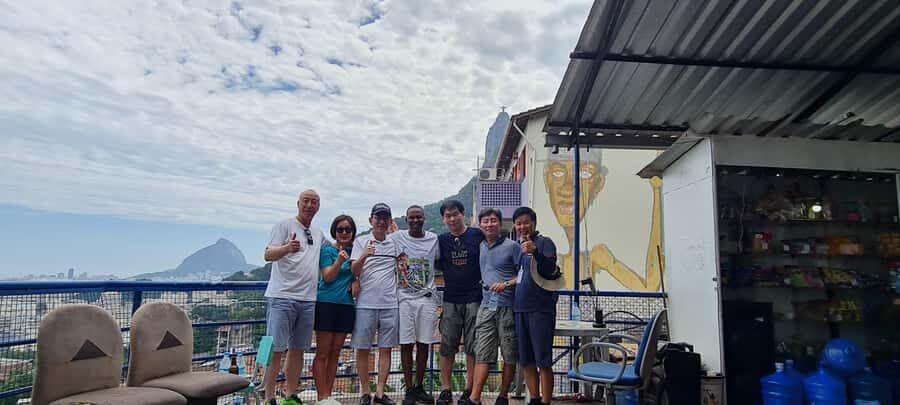
- Gilson Fumaça leads as a resident guide, not an outside operator with a script
- Community-first purpose: social, cultural, and environmental projects tied to the neighborhood
- City views are part of the day: cable car ride plus viewpoint photo stops
- Real-life moments, including local leisure (like football and kids’ activities, depending on timing)
- Michael Jackson history on the route, connected to Gilson’s community links
- A home visit adds context, including stories from Gilson’s family and the neighborhood’s architecture
Why Santa Marta with Gilson Fumaça Feels Different
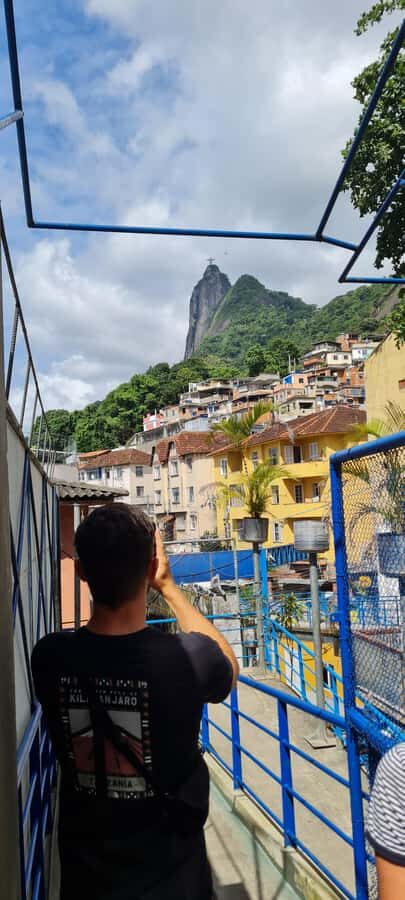
If you’ve been in Rio long enough to hear the same stereotypes repeated, this tour is built to correct them—with facts, stories, and people. Gilson Fumaça is from Santa Marta and has been involved in community tourism since a tourism project phase led to local guides forming the agency in 2010. That local origin matters because it changes the tone. You’re not being shown a “product.” You’re being introduced to a place that has its own strengths, challenges, and ongoing plans.
What you’ll notice right away is the mix of scales. One minute you’re hearing about day-to-day life in tight streets and in a community that has fought for space and opportunity. The next you’re hearing how Santa Marta gained attention through major global pop-culture events—like the visit of Queen Elizabeth II in 1968 and the Michael Jackson music video filming in 1996, They Don’t Care About Us. It’s a reminder that global headlines and local reality can intersect, even when the world assumes favelas are only about problems.
And while the tour has structure, it’s not cold. The guiding style is community-based, and the goal is clear: education, inclusion, and sustainability through local projects. That’s why the “vibe” people talk about isn’t about drama. It’s about being treated as someone who came to learn, not someone there to take photos and disappear.
You can also read our reviews of more guided tours in Rio De Janeiro

Meeting at R. São Clemente and Getting Oriented Fast
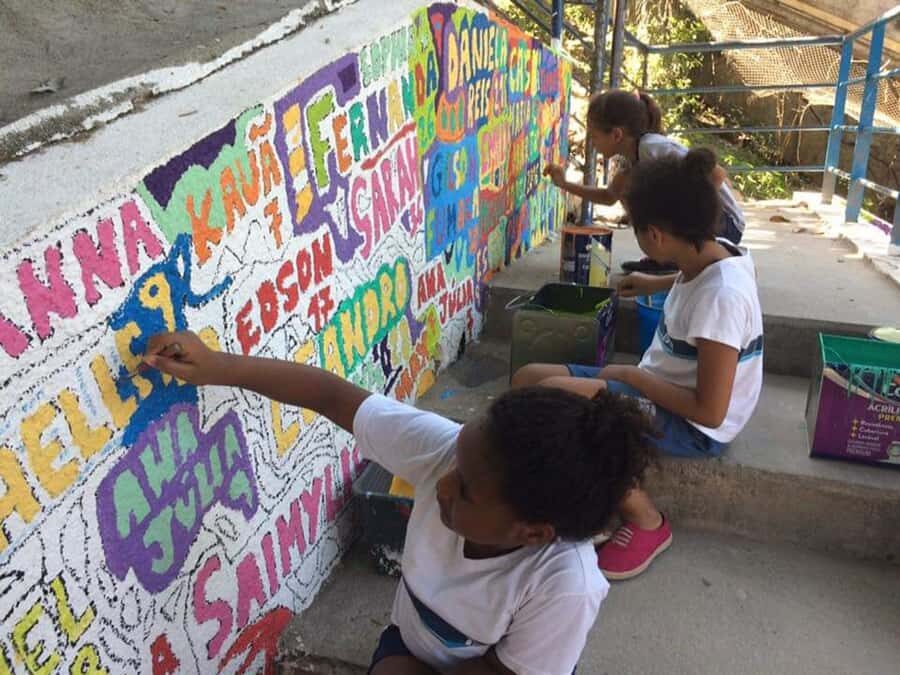
The tour starts near R. São Clemente, 320 (Tourist Information), with pickup options depending on what you book. From there, the day moves quickly into orientation. You’ll get a short safety briefing early—important not because anyone wants to scare you, but because the area has its own rhythms and you’ll be moving through real neighborhood spaces.
This is also where the “how to behave” part becomes clear: you’re entering someone’s community, so you’ll want to keep your questions respectful and your camera use considerate. The best tours like this set expectations early, and this one does.
From the start, you’re guided at a pace that supports conversation. You’ll be able to ask about what you’re seeing: local culture, economic development, and what’s changed over time. If you’re the type who wants more than a few photo stops, this is a good fit.
Cable Car to First Views: How the Day Starts With Rio’s Big Picture
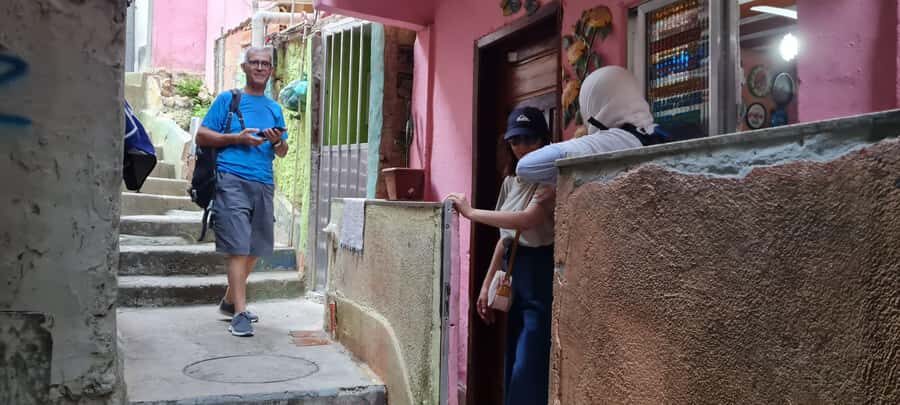
One of the smartest parts of this itinerary is the cable car stop. It helps you start the day with perspective—both literal and mental. You’ll get city views that frame where Santa Marta sits in Rio, and it gives you an easy win early: that feeling of understanding the geography instead of just walking it.
Right after, there’s a viewpoint photo stop. Even if you’ve seen postcard Rio before, the angle from inside this context is different. You’re looking at the city while also understanding that the neighborhood isn’t a separate world. It’s part of Rio—connected by roads, history, and people’s daily work.
Practical tip: treat this like your chance to slow down and take notes. When Gilson starts linking what you see to stories—like the timeline of attention Santa Marta received in the late 1960s and 1990s—you’ll have better mental anchors.
Walking Through Santa Marta: Viewpoints, a Favela Scene, and Cultural Stops
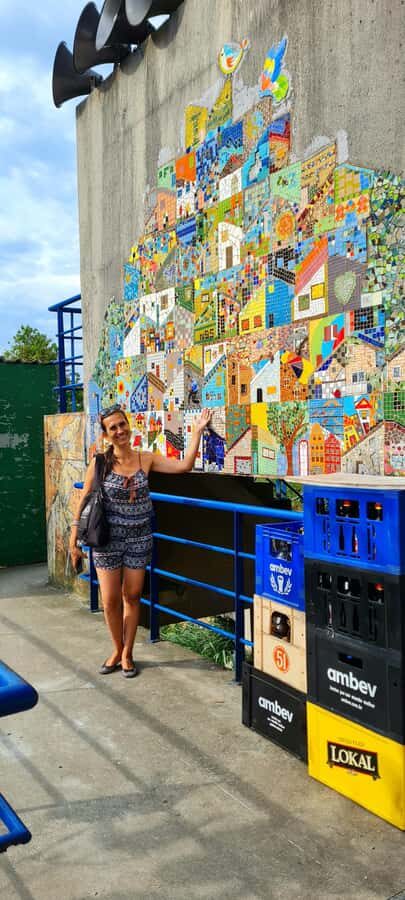
The walking portion is where the tour stops being “Rio tourist view” and turns into neighborhood reality. Along the route, you’ll have short stops for photos and scenic viewing, including a stop at R. da Paciência, 4. This segment includes a mix of sightseeing and a brief visit connected to local context, so you’re not just walking from one viewpoint to another.
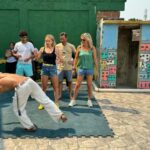
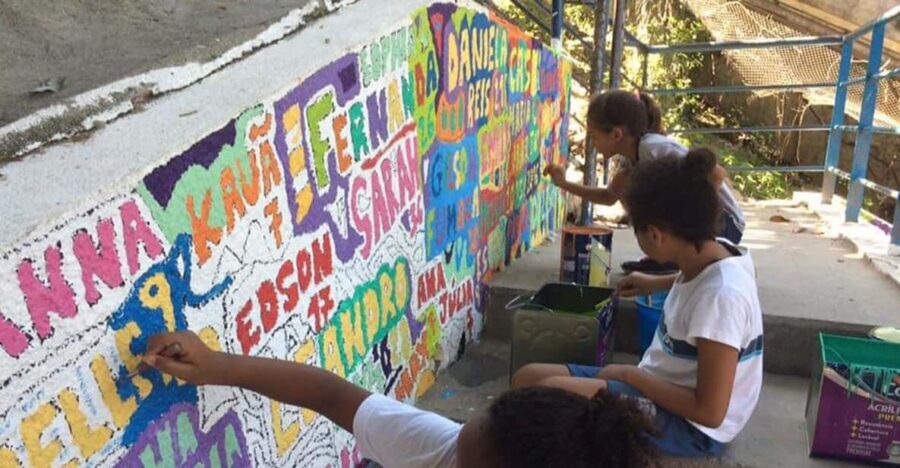
Then comes the Favela Scene visit. This is one of those stops that helps you understand how community identity gets expressed in public space. It’s not only about “what it looks like.” It’s about how people communicate, build pride, and keep moving even with serious structural challenges.
From the feedback you’ll read online, this is also the part where people stop expecting a documentary and start feeling like they’re participating in a living neighborhood. The tour is designed with cultural and social purpose, so even short stops tend to come with explanation: why a project exists, what problem it addresses, and what kind of future the community wants.
One consideration: because the area is real and on foot, it can mean uneven steps and heat. If you’re visiting during hotter parts of the day, plan water use and pacing. Wear shoes you trust.
Instituto Gilson Fumaça and the Projects That Explain the Community
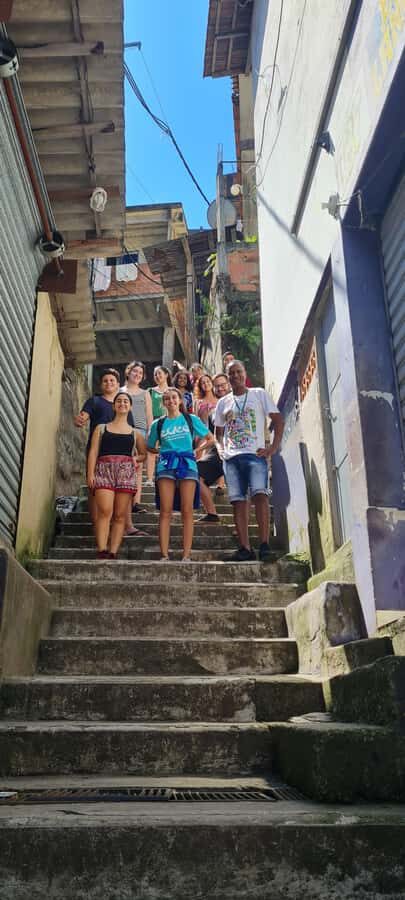
The heart of this experience isn’t the views. It’s the reason the views matter. The tour includes visits connected to education and community development, including the Instituto Gilson Fumaça.
This is where the tour’s purpose turns concrete. You’re not just told that the community runs projects—you’re pointed toward the specific kinds of learning and inclusion happening there, including educational and language initiatives, plus environmental efforts connected to how the neighborhood grows and stays viable.
This is also why the tour is priced like it is. $27 per person for about 2 hours to 150 minutes isn’t a bargain in the sense of a “quick photo walk,” but it is good value for what’s included: a live local guide with cultural authority, bottled water, and the time to visit community spaces where your presence supports ongoing work. If you care about where tourism money goes, you’ll appreciate that this is structured as social and community tourism created by residents.
If you’re worried a favela tour will feel like exploitation, focus on this part of the day. The point here is inclusion: the tour is built to generate impact and to let residents tell their own story.





Michael Jackson Square: Pop-Culture History With Local Meaning
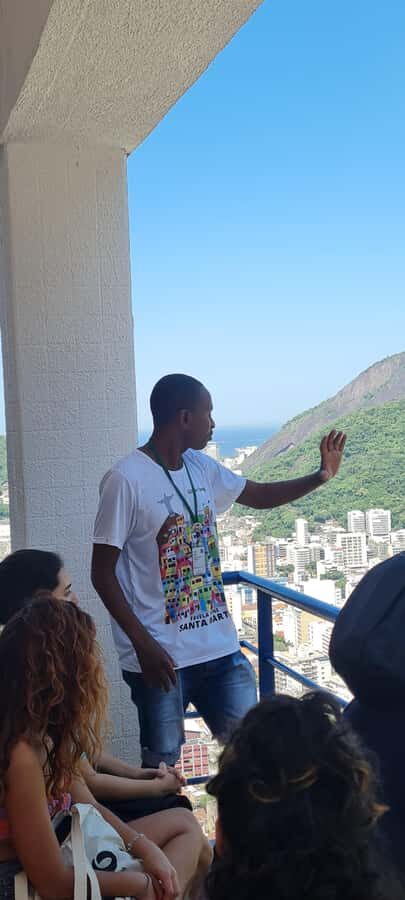
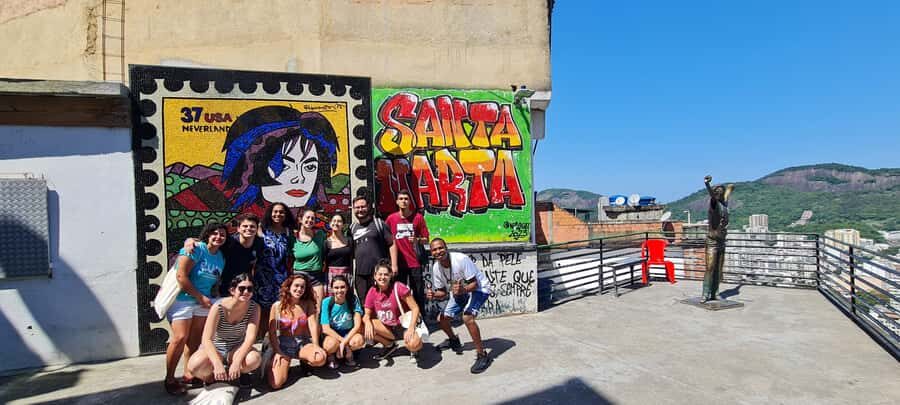
If you want one memorable thread that ties global media to Santa Marta’s identity, it’s the Michael Jackson Square stop. You’ll get a break here with free time and shopping.
More than that, Gilson’s connection to the Michael Jackson history is part of why this stop hits. The tour description ties Santa Marta’s filming history to Gilson’s community role, and his personal background is used to explain what that attention meant locally. It’s a rare chance to connect a famous cultural moment to the people who lived the reality around it.
This section works well even if you’re not a hardcore Michael Jackson fan. You’ll likely find yourself asking different questions: How does the community handle outside attention? What changes, and what doesn’t? Who benefits, and who just lives through it?
And because it’s a break, it also gives you a chance to reset before the final neighborhood experience elements.
Gilson’s Family Home and the Architecture of Daily Life
One of the most praised parts of this tour is the chance to meet Gilson’s family and see his home context. The tour includes a visit connected to Gilson’s mother, Maria Helena, whose home has a special collection: more than 400 clocks. That detail isn’t just quirky. It communicates personality, history, and the everyday life behind the headlines.
You’ll also learn how the home is set up today, with three floors and a second-floor system tied to local hosting, plus a rooftop social area used for food and drinks with a view that includes Cristo Redentor and Pão de Açúcar. That rooftop angle matters because it’s another perspective shift: you’re not looking at Rio from a hotel postcard spot. You’re looking at it from inside the neighborhood.
This is also where you’ll feel the tour’s human focus. Gilson is described as a community leader who’s known by many in Santa Marta, and the home visit brings the story down to a level where it’s easier to understand people, not just places.
Practical advice: go with the mindset of a respectful visitor. Ask before taking photos. If you’re offered a chair, use it. If you’re given time to look around, take it. This is the part of the day where your behavior matters most.
Local Restaurant Stop: A Breather in the Real Tempo
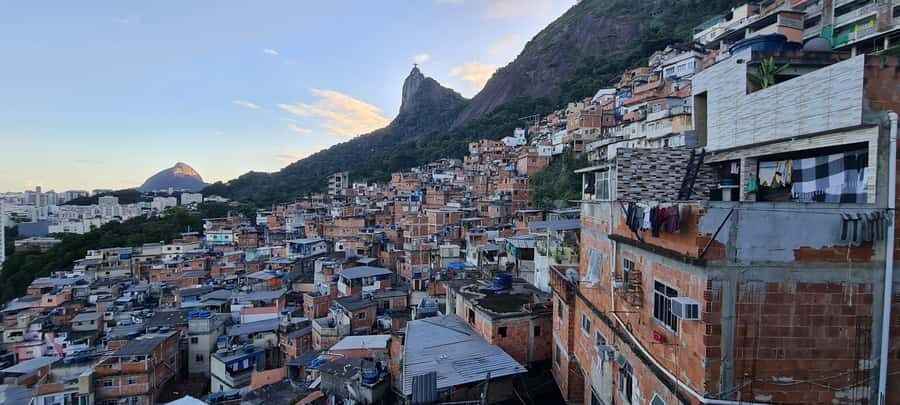
Between viewpoint moments and community visits, there’s a local restaurant visit (about 20 minutes). This matters more than it sounds. A favela tour is active—your brain is processing new information, and your body is moving. This break gives you a reset so the rest of the experience doesn’t feel like a rush.
It also keeps things honest. You’re not only seeing community projects. You’re seeing daily rhythms: food, conversation, and normal downtime. If you want a tour that doesn’t treat the neighborhood like a theme park, this “normal moment” helps.
Price, Time, and What You’re Actually Paying For
At $27 per person for around 2 hours to 150 minutes, this tour is clearly positioned as value through meaning, not through luxury. You get:
- A local resident guide who’s tied into the community for decades
- Built-in viewing time via the cable car and photo stops
- Visits connected to education, inclusion, and sustainability efforts
- Bottled water
- Time for breaks and a bit of local shopping at Michael Jackson Square
The big question is whether it feels worth it for you. If you want a quick stamp-and-go Rio activity, you might feel it’s too slow. But if you want the kind of experience that changes how you look at Rio—where you learn from someone who grew up there—this price starts to make sense.
The other “value” piece is safety and comfort through structure. The tour includes a safety briefing and is led by someone who knows the neighborhood relationships and context. That reduces the odds you’ll feel lost or unsure. You’ll still need common sense, but the tour gives you a framework.
Who Should Book This Tour (and Who Might Prefer Another Option)
This tour is a great match if you:
- Want a resident-led perspective on Rio beyond beaches and classic viewpoints
- Care about social projects, education, and community development
- Like guided history, but also want real-life context
- Prefer tours where conversation is part of the itinerary
It’s not a great match if you:
- Need wheelchair accessibility or have mobility restrictions (it isn’t suitable for wheelchair users)
- Struggle with walking and stairs, especially in heat
- Prefer very low-intensity sightseeing with minimal movement
Also, consider your comfort with asking questions. The tour works best when you engage respectfully. If you’re quiet and prefer passive viewing, you can still enjoy it, but you may miss some of what makes the guide’s storytelling powerful.
Should You Book Favela Santa Marta With Gilson Fumaça?
I’d book this tour if you’re planning a Rio trip and want to understand the city as more than one postcard. The big selling point is not a single landmark—it’s the fact that Gilson Fumaça connects personal history, community education, and everyday life into one clear story.
If you come prepared for walking, you’re open to learning, and you want tourism with social purpose, this feels like one of the most honest experiences you can add to Rio. If mobility is a concern, or if you’re expecting an easy, flat stroll, skip it and choose something designed for your needs.
FAQ
How long is the Favela Santa Marta tour?
The tour lasts about 2 hours to 150 minutes, depending on the starting time.
What does the tour cost?
The price is listed as $27 per person.
Where do I meet the tour?
The meeting point is near R. São Clemente, 320, Tourist Information, though it may vary depending on the option you book.
Who guides the tour?
The experience is led by Gilson Fumaça, a resident guide from Santa Marta, through Favela Tour Santa Marta Turismo Comunitário e Social.
What languages are available?
The live tour guide is available in English, Spanish, and Portuguese.
Is bottled water included?
Yes, bottled water is included.
Are there any viewpoint stops during the tour?
Yes. You’ll take a cable car ride, then stop at viewpoints for photos.
Does the tour include any cultural or community project visits?
Yes. The tour includes visits connected to education and community projects, including Instituto Gilson Fumaça, as well as other local cultural stops like Favela Scene.
Is this tour suitable for wheelchair users or people with mobility impairments?
No. It is not suitable for people with mobility impairments or wheelchair users.
What kind of safety information do you get?
There’s a safety briefing at the start of the tour.
Is there free cancellation, and can I reserve without paying right away?
Yes. Free cancellation is available up to 24 hours in advance for a full refund, and you can reserve now and pay later.
If you’d like, tell me your travel dates and what your biggest priority is (views, history, culture, or community projects), and I’ll suggest a best-time-of-day plan for fitting this into a Rio itinerary.