REVIEW · RIO DE JANEIRO
Rio de Janeiro: Favela Santa Marta Top Tour with Local Guide
Book on GetYourGuide →Operated by Favela Top Tour · Bookable on GetYourGuide
Santa Marta has a way of changing your map of Rio. This tour sends you through real alleys with a community guide, plus iconic stops like Michael Jackson Square and a local samba moment. It is built to feel like you are visiting a neighborhood, not collecting postcards.
What I like most is the direct connection: the guide is from Santa Marta, and you are welcomed in a known, local way rather than wandering with strangers. I also love that it’s not only viewpoints and photos; you get culture (samba) and the stories behind how Santa Marta shows up in major media, including filming locations like Fast & Furious 5.
One consideration: this is walking time in a working community, with uneven paths and a home visit, so it is not for everyone—especially if you need wheelchair access (it is not suitable) or you want a low-foot-movement, bus-only plan.
Key points before you go
- Community-led guides: expect residents like Mario, Luis, or Marco to show you the place they live.
- Michael Jackson Square context: it’s famous, but the guide frames it as part of daily Santa Marta life.
- Samba roda with locals: music is not staged for tourists; it’s part of community rhythm.
- Film-location stops: Santa Marta’s role in Fast & Furious 5 is part of the story.
- Stops tied to projects: you’ll visit social initiatives such as Santa Horta and the residents’ association.
In This Review
- Why Santa Marta With a Community Guide Feels Different
- What You’re Paying For: The Value Behind $28
- Praça Corumbá to the View Stops: Getting Your Bearings Fast
- Michael Jackson Square: Pop Culture, But With Place-Based Meaning
- Samba Roda and Fast & Furious 5 Stops: Art as Storytelling
- A Visit to a Guide’s Home: Safe, Human, and Not a Stage
- Football With Community Kids: Fun That Feels Real
- Santa Horta and Residents’ Association: Where Hope Gets Practical
- Mirante Dona Marta, Tram Ticket, and the 3-Hour Plan
- What to Bring and What Rules to Follow in Santa Marta
- Price and Logistics You Should Know Before You Go
- Who Should Book This Santa Marta Tour
- Should You Book Favela Top Tour?
- FAQ
- How long is the Rio de Janeiro Favela Santa Marta top tour?
- Where do I meet for the tour?
- Is the tram ticket included?
- What is included in the tour?
- Is transfer included?
- What languages are the guides?
- What should I bring?
- Is smoking allowed?
- Is the tour suitable for wheelchair users or babies?
Why Santa Marta With a Community Guide Feels Different
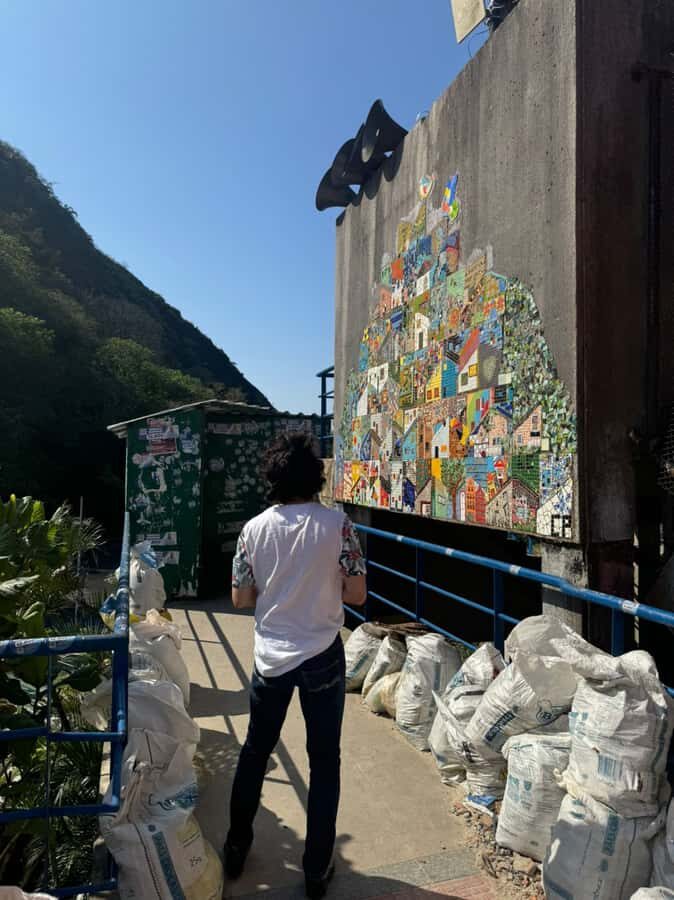
Favela Top Tour is community-based tourism from Santa Marta residents. That matters because you are not just seeing a favela from the outside—you are learning how people there describe their own world.
I like that the experience is designed around a guide you can trust locally, including a visit to a local resident’s home. In the best moments, you’ll notice how many small details you miss without someone who knows the area’s social rules and relationships.
Also, it’s priced in a way that feels made for actual access. At $28 per person for about 3 hours, you’re paying for guide time, multiple stops, and community-impact visits—not just for a short photo loop.
What You’re Paying For: The Value Behind $28
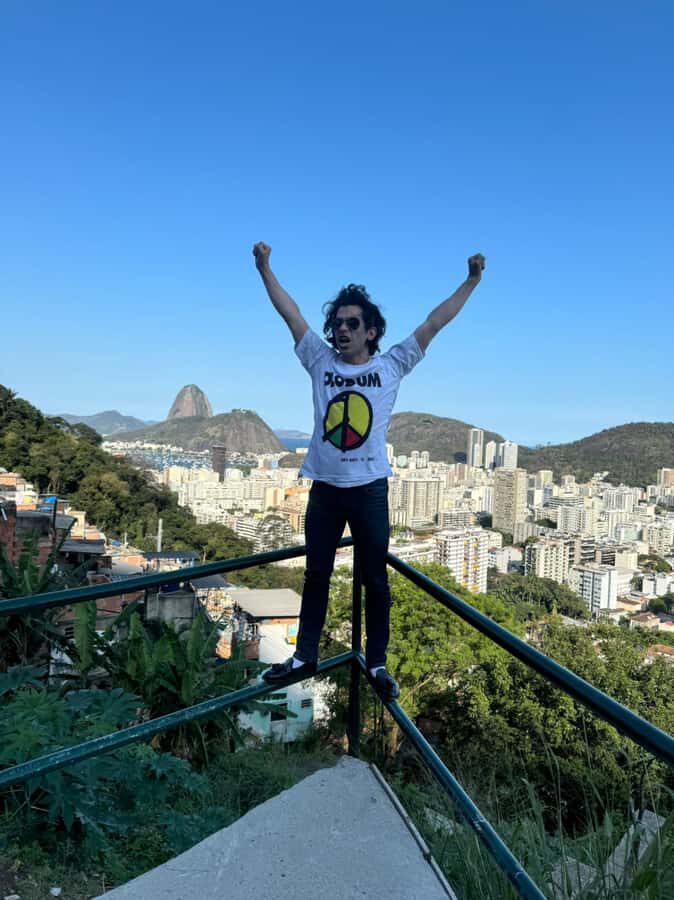
This is not a “big bus, big view” type of tour. You’re paying for a guided walk that connects you to Santa Marta’s everyday life, including culture, viewpoints, and visits connected to local initiatives.
A lot of the value comes from what’s included: tram ticket, entry to key view stops (including Mirante Dona Marta), and visits linked to the community’s organization. Plus, there’s a guided visit to the Michael Jackson statue, and time set aside for local shopping and social-project stops.
I also appreciate the “direct support” angle: the tour is built to support the local economy and social projects inside Santa Marta. You’ll see evidence of that in how the guide talks about initiatives like Santa Horta (organic gardens) and the residents’ association.
You can also read our reviews of more guided tours in Rio De Janeiro



Praça Corumbá to the View Stops: Getting Your Bearings Fast
Most favela tours start with nerves. Here, the structure helps you get oriented quickly: you meet at the Tourist Information Stand, then the tour follows a short transfer (about 25 minutes by the plan).
Early on, you’ll go toward a viewpoint with a photo stop (around 10 minutes). Even if you’ve already seen Rio from Corcovado or Sugarloaf, this view gives a different read on the geography—how hills and neighborhoods stack together in the South Zone.
The pacing also matters. From that first viewpoint, you roll into the iconic Michael Jackson stop, which acts like an easy “anchor” before the tour becomes more conversation-heavy and neighborhood-specific.
Michael Jackson Square: Pop Culture, But With Place-Based Meaning

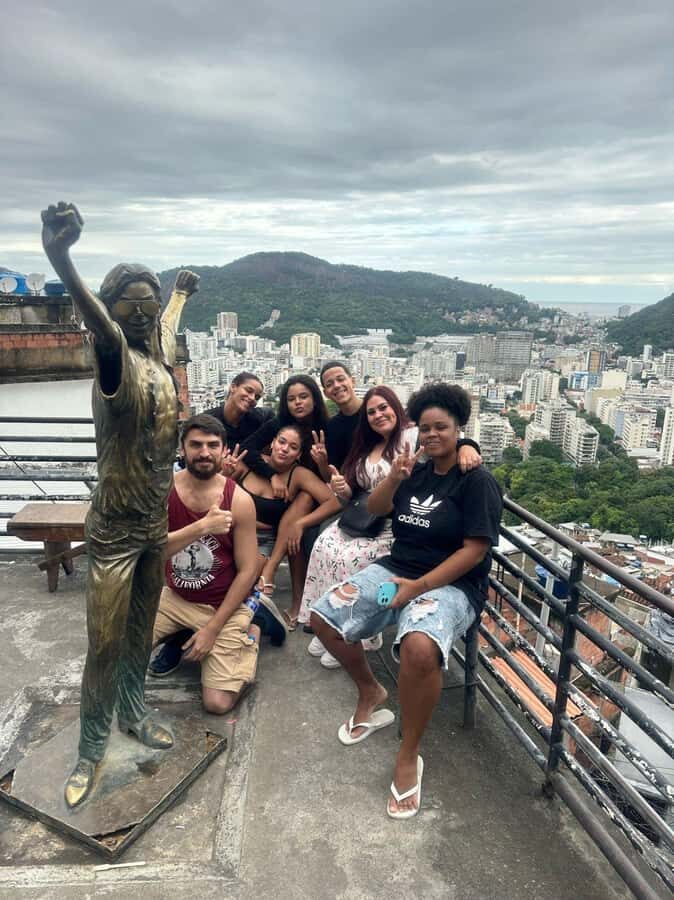
Michael Jackson Square is one of the most recognizable stops in Santa Marta. You’ll visit the statue and get a guided walkthrough, then do a short walk (about 15 minutes) around the area tied to the music video “They Don’t Care About Us.”
What I like is the framing: the stop is famous, but your guide connects it to the real location and what it meant for the community to become part of international pop culture. You’re not just taking selfies—you’re hearing how residents see the spotlight.
If you’re a film-and-music person, this is a strong moment. Reviews also mention how well the guides answer questions, so if you want context on why this spot became so well-known, ask early.
Practical note: it’s a standing-and-walking stop, so wear shoes you’re comfortable in. Bring your camera, but be ready to pause for stories, not just shots.
Samba Roda and Fast & Furious 5 Stops: Art as Storytelling

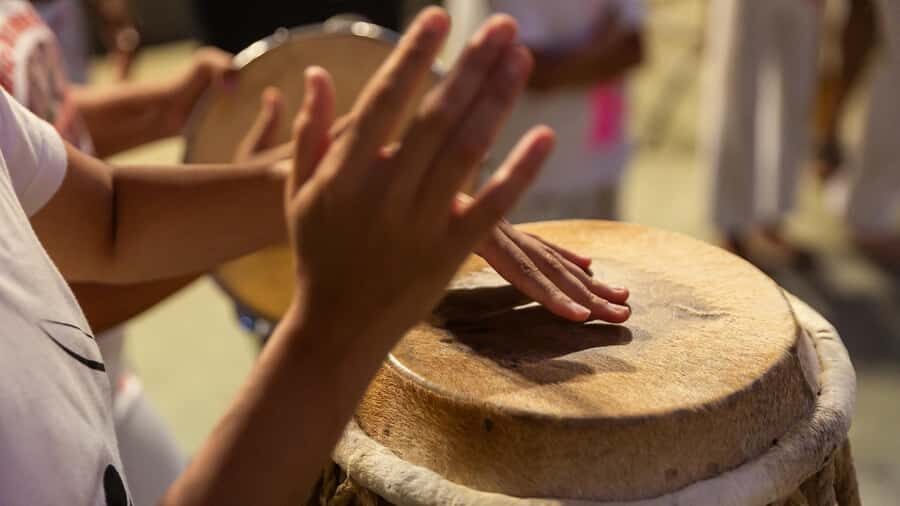
Santa Marta’s culture is not treated like a souvenir. After the big icon moment, the tour turns into time with living music—there’s a roda de samba performed by locals.
This is one of the best parts for me because samba isn’t presented as a performance detached from daily life. It comes with real explanation from the guide and with local musicians representing how samba shows up in the community’s identity.
Then you’ll hit other filming-related locations, including spots connected to Fast & Furious 5. The point isn’t just that a movie crew visited; your guide uses those places to explain how Santa Marta became a backdrop and what that brought with it.
If you like street-level storytelling, you’ll probably love this section. If you prefer sightseeing with minimal conversation, you might need to adjust your expectations and let the guide lead.
A Visit to a Guide’s Home: Safe, Human, and Not a Stage

A major selling point here is the home visit—handled in a way that aims to feel secure because the guide is known in the community. In several guide experiences (people like Mario, Luis, and Marco come up often), guests describe feeling welcome because the guide’s presence is respected locally.
I love the human part of this stop. You see the place, you hear how life works at home, and you get practical answers to real questions—how people spend time, what matters, and how residents interpret outsiders’ attention.
There’s also an important cultural shift in perspective. Once you’ve seen a home from the inside, it’s harder to treat Santa Marta like a generic “photo subject.” You start thinking like a visitor who understands context.
One consideration: this is not a museum visit. You’re moving through a real neighborhood home environment, so keep your expectations flexible and respectful.





Football With Community Kids: Fun That Feels Real
One of the most memorable moments on this tour can be the chance to join a casual football match with children from the community. The vibe is friendly and light, and it’s framed as a genuine, everyday type of exchange rather than a choreographed activity.
This is where the tour earns its “beyond tourism” reputation. You get movement, laughter, and a quick reminder that Santa Marta’s youth have their own routines and joy, even when the broader world only sees headlines.
If you do this stop, keep it simple: participate if invited, follow the guide’s lead, and don’t turn it into a forced moment. You’ll likely have a better experience by watching first and then joining.
Santa Horta and Residents’ Association: Where Hope Gets Practical
The tour includes visits linked to social projects and community organization. One specific initiative you’ll hear about is Santa Horta, which turns former dump sites into organic gardens. It’s described as a source of income, healthy food, and environmental education.
That’s a big deal because it gives you more than “this is hard.” You see how residents respond with systems they build themselves. The tour also includes a stop at the Residents’ Association, which helps explain how community leadership and decisions get made on the ground.
From guide storytelling, you may also hear about community efforts like clean-up initiatives. That matters because it shows the day-to-day work that people do beyond crisis narratives.
If you’re someone who wants to understand how communities create change without waiting for outsiders, this section is a highlight.
Mirante Dona Marta, Tram Ticket, and the 3-Hour Plan
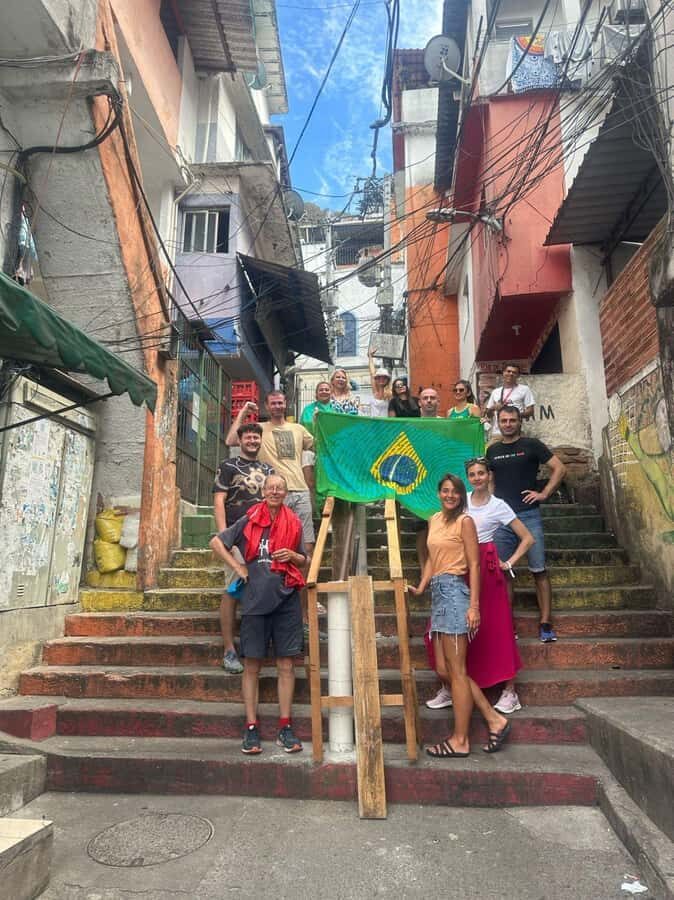
You’ll spend about 150 minutes (around 3 hours) moving between key points. The plan includes time for viewpoints, guided stops, and cultural moments, plus included transit via a tram ticket and visits to set locations like Mirante Dona Marta.
What I like about this timing is that it’s long enough to feel like a real walk—without turning into an exhausting all-day marathon. Still, you should expect a steady pace and time outdoors.
The biggest value here is continuity. You’re not hopping randomly. The route connects (1) recognition spots like Michael Jackson Square, (2) views like Mirante Dona Marta, and (3) inside-the-community stops like samba, home time, and project visits.
If you get tired easily, pace yourself and drink water. The tour asks you to bring water and to wear comfortable shoes for a reason.
What to Bring and What Rules to Follow in Santa Marta

Pack for Rio heat and active walking. Bring comfortable shoes, a hat, sunscreen, water, and your camera if you want photos at viewpoints and the Michael Jackson statue.
There are simple rules too. Smoking is not allowed, so plan for that if you smoke on day trips.
Also, keep your mindset right. This is a real neighborhood. If questions come up about safety, daily life, or challenges, answer with curiosity and accept that your guide will steer the conversation in a way that respects community boundaries.
For language: tours run with guides in English, Portuguese, and Spanish. In practice, you might hear a mix depending on your guide and the group, and that’s part of the lived reality of the place.
Price and Logistics You Should Know Before You Go
This tour is listed at $28 per person for about 3 hours. For me, the value is strongest when you treat it as a cultural guided walk with real community stops, not a “shortcut to a viewpoint.”
A few practical points from the plan:
- Transfer time is part of the day (about 25 minutes), but transfer isn’t listed as included, so follow the meeting instructions closely.
- The itinerary includes a shopping stop (about 10 minutes), which is a chance to buy small items directly from the community businesses—if you want.
Since it’s a guided experience, the meeting point is key: you start at the Tourist Information Stand.
Finally, it’s not suitable for every traveler. It’s not suitable for wheelchair users, and it’s not for babies under 1 year.
Who Should Book This Santa Marta Tour
I think this tour fits best if you want Rio with context. If you’re the type who hates surface-level sightseeing and you’d rather learn from people who live there, you’ll probably love this format.
It’s also a good pick if you’re curious about how global media (like the Michael Jackson connection and Fast & Furious 5 filming locations) intersects with daily life in Santa Marta.
From the reviews, guides such as Mario, Luis, and Marco are often praised for making guests feel safe and cared for, and for answering lots of questions. That’s usually a sign the experience is built for conversation, not just walking.
If you want a quiet, minimal-interaction tour with step-by-step landmarks and no home or cultural stops, you might find the style a little too human. Decide based on how you like to travel.
Should You Book Favela Top Tour?
Yes, if you want a 3-hour Santa Marta experience led by residents, with real culture (samba), real stories (including home and community life), and stops tied to social projects like Santa Horta. The price is hard to beat when you factor in the guide access, multiple included sites (including Mirante Dona Marta and the tram ticket), and the community support angle.
Hold off if you need fully accessible routes or a low-walking plan. And if you hate tours where you’ll be answering and asking questions, this one may feel more intense than a standard sightseeing loop.
FAQ
How long is the Rio de Janeiro Favela Santa Marta top tour?
It lasts about 150 minutes, which is roughly 3 hours.
Where do I meet for the tour?
You meet at the Tourist Information Stand.
Is the tram ticket included?
Yes. The tram ticket is included.
What is included in the tour?
The tour includes a guided tour by a local resident, the Michael Jackson statue visit, visits to local social projects, a tram ticket, Mirante Dona Marta, and the Residents’ Association.
Is transfer included?
No. Transfer is listed as not included.
What languages are the guides?
The tour offers live guides in English, Portuguese, and Spanish.
What should I bring?
Bring comfortable shoes, a hat, a camera, sunscreen, and water.
Is smoking allowed?
No. Smoking is not allowed.
Is the tour suitable for wheelchair users or babies?
It is not suitable for wheelchair users. It is also not suitable for babies under 1 year.