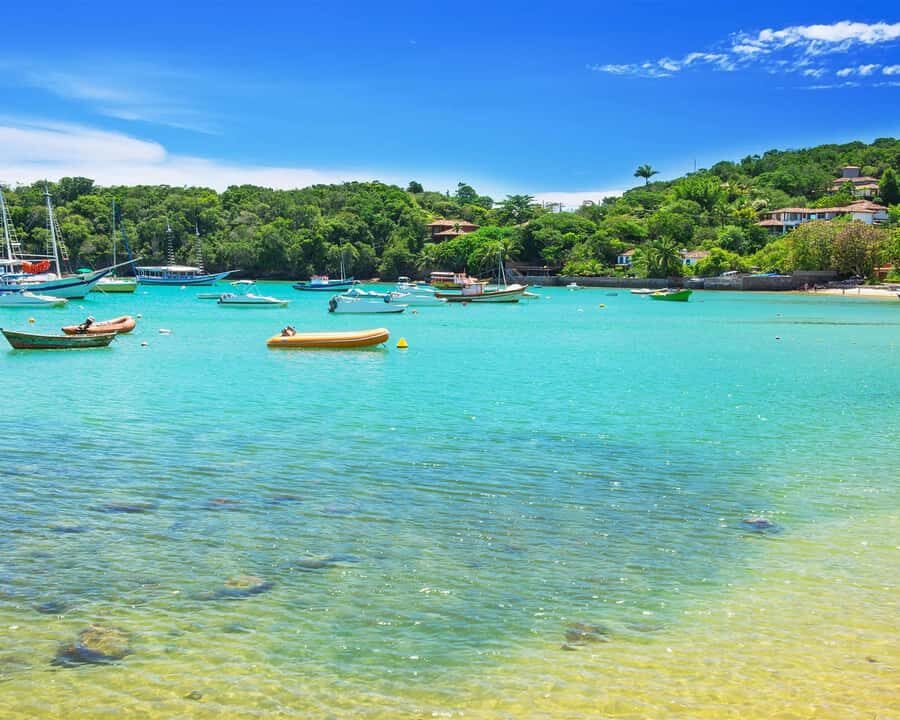
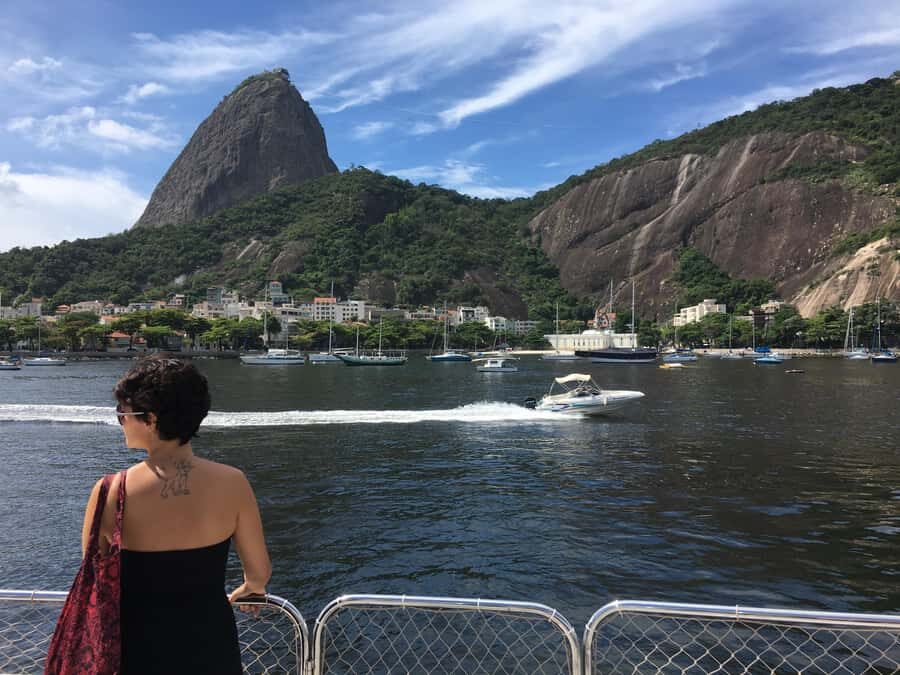
Lagoon colors make the early start easier. This day tour strings together quiet beaches, history on Ilha Grande, and two famous lagoon stops that feel made for slow swimming. I especially like how the pace alternates between shore time and boat time, so you get variety without the stress of planning.
Two big wins for me: Lagoa Azul for its easy, pool-like swimming, and Freguesia de Santana for its old settlement feel, including the Church of Santana built in 1843. The main drawback to consider is that this is a shared, long day—expect possible crowding and uneven language detail, especially if you’re picky about a calm, quiet boat experience.
In This Review
- Key Things That Make This Tour Worth Your Time
- From Rio to Angra: why a 7:00 am start works
- Cais de Santa Luzia: the traditional gateway you’ll pass through
- Aracatibinha Beach: small sand, clear water, and a calmer vibe
- Freguesia de Santana: church history plus real island remnants
- Praia de Japariz: fishermen life and the mainland connection
- Lagoa Verde: the green-water highlight where tide changes the view
- Lagoa Azul: the natural pool stop built for easy swimming
- Lunch after the boat ride: plan around sea motion
- Price and logistics: what you’re paying for, and what can cost extra
- Group size, language, and the pace of a shared boat day
- Who this day trip fits best (and who should choose differently)
- Should you book this Angra dos Reis and Ilha Grande day tour?
- FAQ
- What is the duration of the tour?
- What time does the tour start?
- Where does the tour start?
- How long is the transfer from Rio to Angra dos Reis/Ilha Grande?
- Is lunch included?
- Is snorkeling equipment included?
- Is the boat ride included?
- Are there extra fees to pay on the day?
- What about life jackets on the boat?
- Will the tour run in bad weather?
Key Things That Make This Tour Worth Your Time
- Small, calm Aracatibinha Beach: golden sand, clear water, and a tucked-away feel
- Freguesia de Santana’s preserved remnants: church, abandoned cemetery, mansions, slave quarters, and underground channels
- Japariz fishing community stop: a local link between the islands and the mainland
- Lagoa Verde tide effects: greenish shallow waters change the shoreline depending on the tide
- Lagoa Azul natural pool: sandy bottom, blue water, and tons of fish activity close to the surface
From Rio to Angra: why a 7:00 am start works
This is a full day. You start at 7:00 am, and the round trip includes about 2 hours 30 minutes of transfer time to reach Angra dos Reis and the island area. That sounds long because it is long, but it’s also what makes the day efficient: you’re using the daylight window for multiple stops instead of just one beach.
The tour is built around a boat day. Once you’re on the water, you’re mostly not doing more land logistics. The tradeoff is patience: you’re committing to an early departure and a tight schedule that can feel like a “keep moving” itinerary.
If you get car-sick, plan for it. Lunch is served after the boat ride because the swing can make some people uncomfortable. So, yes, your stomach gets a little planning help.
Cais de Santa Luzia: the traditional gateway you’ll pass through
Your day begins at the Cais de Santa Luzia complex in Angra dos Reis. It’s one of the most traditional starting points for visitors heading to islands and schooner-style tours, so you’re walking into the familiar rhythm of regional trips.
After check-in and boarding, the day becomes very water-focused. You’ll spend time moving between stops rather than wandering a single town. If you like an organized flow—rather than a DIY scramble—this structure fits.
One small but important detail: the meeting time you reserve for is indicative. You’ll get the actual boarding information via WhatsApp the day before. If you like to be ready early, confirm it so you don’t stress that morning.
Aracatibinha Beach: small sand, clear water, and a calmer vibe
Aracatibinha Beach is simple and quiet. It’s surrounded by large rocks and preserved native forest, and you get a small strip of golden sand with calm, transparent water. For a group tour stop, it has a surprisingly “don’t rush me” feel.
The best part is how tucked-away it is. Tourists passing by on boats often don’t notice the beach much, so it can feel less crowded than more famous stops. For swimming, that matters: fewer waves, clearer water, and an easier time floating or wading.
The limitation is time. You’re there for about 1 hour, so plan your priorities fast. If you want photos, do them right away, then use the rest of the hour just to relax and get your sea time in.
Freguesia de Santana: church history plus real island remnants
Freguesia de Santana is a peninsula area in Ilha Grande known for multiple beaches and for being where settlement began. Your stop focuses on a part of the peninsula where the island’s history is visible in what’s still standing—and what’s been left behind.
I like this stop because it’s not just scenery. You can see the Church of Santana (built in 1843) and remnants of older occupation like an abandoned cemetery, mansions, slave quarters, and underground water channels. That makes the area feel anchored in people and place, not only postcard photos.
Here’s the practical thing to know: this is a private property, so your access is restricted. You can visit the sands, the area close to the churches, and trails in the region. The upside is that it helps keep the area from turning into a theme-park free-for-all. The downside is you can’t roam wherever you want, so don’t plan on long, wandering detours.
Also remember: this is a beach-and-history stop, not a museum. You’ll want comfortable shoes if you plan to walk near ruins and trails.
Praia de Japariz: fishermen life and the mainland connection
Praia de Japariz is a “you’re here for the route” stop, but it’s more interesting than it sounds on paper. It’s where schooner and speedboat trips commonly pause for about 1 hour.
Japariz is inhabited by a small community of fishermen and traders. They maintain intense communication with the mainland—especially with Angra dos Reis and Conceição de Jacareí. That makes the stop feel like a working shoreline rather than only a sightseeing set.
It’s also a useful pause point. You get a break in the day’s rhythm before you head to the lagoon highlights. Just don’t expect a long, deep exploration here; think of it as a brief look at how island life connects outward.
Lagoa Verde: the green-water highlight where tide changes the view
Lagoa Verde is one of the standout stops on the northwest coast of Ilha Grande. It’s known for shallow, calm water with a typically green look, and it’s close to Enseada de Araçatiba.
The big practical detail is the tide. With normal or high tide, the islet is separated from Ilha Grande. At very low tide, you can sometimes see a narrow strip of sand and rocks connecting them. That changes your experience depending on when you arrive.
This is also a place associated with greenish corals. The shallow depth and transparent water can make marine life visible from near the surface. In plain terms: you’re more likely to spot sea activity without needing deep snorkeling.
Downside: because it’s shallow and dependent on tide conditions, it’s not always the same “picture-perfect” setup. If you’re visiting for the exact look you saw in photos online, you’ll want flexibility.
Lagoa Azul: the natural pool stop built for easy swimming
Lagoa Azul is the other “wow” stop, a natural pool between two islets in the historic region of Freguesia de Santana. The water tends to be blue, with a sandy bottom and some rocks.
This area is close to other beaches in the region, including places like Grumixama, Baleia, and Freguesia Sul and Norte. On a day like this, that proximity matters because you’re surrounded by options for photos and viewpoints even if you only stop briefly at the main lagoon.
The nickname is part of the fun. It’s linked to a classic 80s movie reference involving actress Brooke Shields, which makes the spot feel lightly playful compared with the more “serious” history of Freguesia de Santana.
For swimming, Lagoa Azul is popular because it feels pool-like. The natural pool setup makes it easier to enjoy calm water without constant waves pushing you around. If you want to see fish close to the surface, this is typically the stop where that energy shows up.
Lunch after the boat ride: plan around sea motion
Lunch is included, and it’s served after the boat ride. That timing isn’t random. Some people can feel uncomfortable during boat motion, so the schedule tries to reduce that problem.
The included lunch itself may not be a highlight for everyone. One key takeaway from the on-the-ground experience is that you should treat lunch as functional, not “destination dining.” If you’re picky about food, bring a snack you like so you’re not stuck hoping the buffet hits perfectly.
Also, drinks aren’t included with lunch beyond what’s listed. If you like to stay hydrated, you’ll likely want water on hand during the walking parts. The tour notes also suggest bringing snacks and water for consumption during the walk, which is exactly the kind of tip that saves your mood.
Price and logistics: what you’re paying for, and what can cost extra
At $101.85 per person for a roughly 14-hour day, you’re paying for organization: AC vehicle transport, a guide, a boat ride, and lunch. For a tour that hits multiple island areas in one day, that’s the core value.
But the real price check is the extras. Not included:
- a marina fee of R$ 25 per person
- professional photography service (if you want it)
- full snorkeling equipment
- drinks and snacks on the boat
- drinks and dessert at lunch
So, while the listed rate looks straightforward, budget a little more for the most common add-ons. If you want snorkeling gear, ask what’s available and how much it costs on the day.
Also consider this: the tour is usually described as maximum 45 travelers, and the boats undergo mandatory Navy inspection for safety. In real life, shared-day tourism can still feel crowded at the wrong moments, especially in peak season. If personal space matters a lot, choose a time of year with less demand and be realistic about shared-transport tradeoffs.
Group size, language, and the pace of a shared boat day
This is a shared tour with a cap stated at 45 travelers, and it’s meant to stay within legal limits. Boats are different sizes depending on operations, and during high season the provider prioritizes larger capacity vessels.
Still, pay attention to two experience factors:
1) How the boat feels (music volume, time on board, and whether the vibe is more party than serene)
2) How the guide communicates in your preferred language
Some people love the lively energy and move with the day. Others want more quiet, more explanation, and more consistent translation. If you’re in the second group, don’t assume the English detail will match your expectations. Even if a guide is friendly, you might get shorter explanations for certain language groups when the group is mixed.
There’s also a scheduling factor you can control: meeting point choice. To avoid up to 2 extra hours of bus travel from multiple hotel stops, you should select the last meeting point if possible. That’s one of the simplest “do this and thank yourself later” moves you can make.
Who this day trip fits best (and who should choose differently)
This tour is a good match if you want:
- Multiple beaches and lagoons in one day without planning
- boat time that maximizes sea views and swimming chances
- an easy day where the transport is handled and lunch is included
It’s also a strong fit for people who care about water quality and calm swimming pockets. Lagoa Verde and Lagoa Azul are the payoff stops.
Consider skipping or adjusting expectations if you:
- hate crowds or tight boat seating
- need detailed English narration the whole time
- want a quiet, low-music, slow-living experience
If that’s you, you might prefer a smaller-group or private option. Your best chance of getting the vibe you want is controlling the group size.
Should you book this Angra dos Reis and Ilha Grande day tour?
I’d book this if your priority is water time plus at least two major swimming lagoons, and you don’t want to spend your vacation hours figuring out island transfers. Lagoa Azul and Lagoa Verde are the kind of stops that make the long day feel worth it.
I’d think twice if you’re very sensitive to loud music, mixed-language explanations, or tight quarters on a shared boat. This is still a shared-day format, and you’ll feel it.
If you do book, do two things to stack the odds in your favor: pick the last meeting point to reduce bus delays, and plan for extra costs like the marina fee and any snorkeling gear you want.
FAQ
What is the duration of the tour?
The tour runs for about 14 hours.
What time does the tour start?
The start time is 7:00 am.
Where does the tour start?
The tour begins at Cais de Santa Luzia in Angra dos Reis, and the exact meeting point details are sent before the day (via WhatsApp). If no address is provided, the standard meeting point is used.
How long is the transfer from Rio to Angra dos Reis/Ilha Grande?
The transfer takes about 2 hours 30 minutes.
Is lunch included?
Yes, lunch is included. Drinks and dessert at lunch are not included.
Is snorkeling equipment included?
Full snorkeling equipment is not included.
Is the boat ride included?
Yes, the tour includes a boat ride.
Are there extra fees to pay on the day?
Yes. A marina fee of R$ 25 per person is not included.
What about life jackets on the boat?
Lifeguards are provided for emergency situations. If you want to use a life jacket for recreational purposes during the tour, there is an additional fee.
Will the tour run in bad weather?
The tour usually runs even in bad weather, and is only cancelled in exceptional situations when the Navy of Brazil does not authorize the ship to leave.