REVIEW · RIO DE JANEIRO
Favela Tour The Original, Rocinha & Vila Canoas since 1992
Book on GetYourGuide →Operated by FAVELA TOUR · Bookable on GetYourGuide
Rio’s hills tell a different story.
This Favela Tour pairs a practical walking route with clear explanations of how daily life works in Rocinha and Vila Canoas, plus panoramic lookouts over Rio from the route to and from the neighborhoods. It’s designed to change your assumptions, not to shock you.
What I like most is the tone: friendly, socially inclusive, and not voyeuristic. You’re guided through residential and commercial streets, you meet local projects (including a school supported by the tour), and your visit supports those educational efforts.
One thing to consider: the experience depends on language demand and on-the-day logistics. On one Italian booking, the plan shifted and the group wasn’t taken into Rocinha due to a dispute over a fee, which created frustration—so build in flexibility and confirm expectations before you go.
In This Review
- Key things that make this tour worth your time
- Why this favela tour works when other tours fail
- The 3-hour flow: pickups, local bar, and a walk you can actually follow
- Rocinha: the largest favela in Brazil, explained street-by-street
- Vila Canoas: why the second favela matters
- The craft center and local projects: what to look for besides the scenery
- The school visit that turns opinions into understanding
- Guides: clear English and the ability to explain what you’re seeing
- Views over Rio: why the panoramas aren’t just a bonus
- Price and value: $33 for a 3-hour, transportation-included walk
- A practical reality check: safety, tone, and one known hiccup
- Who should book this tour, and who should skip it
- Tips to get the most from your Favela Tour
- Should you book the Favela Tour Original (Rocinha & Vila Canoas)?
- FAQ
- Which favelas does the tour visit?
- How long is the Favela Tour?
- Where are the pickup and drop-off locations?
- Is the tour mostly walking?
- What languages are offered?
- What should I bring or prepare before going?
Key things that make this tour worth your time
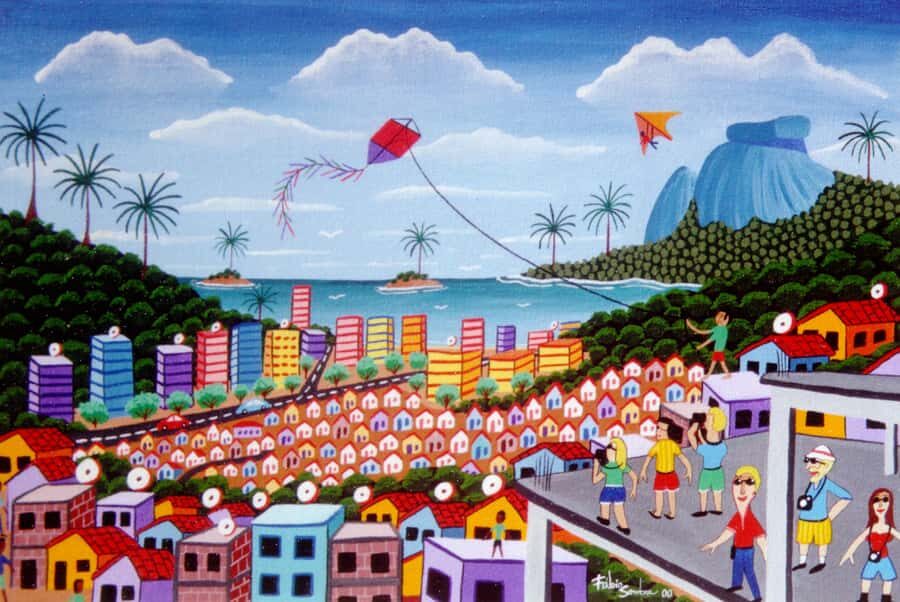
- Rocinha + Vila Canoas, not just a quick photo stop: you walk through both residential and commercial areas.
- School visit with tour support: you get a real, concrete look at education projects.
- Panoramic Rio views during the route: the sightseeing isn’t separate from the story.
- A guide-led experience in multiple languages: English, French, Spanish, Italian, Portuguese are offered.
- Designed to be respectful and community-benefiting: the goal is understanding, not rubbernecking.
- A tour that starts as soon as you get into the vehicles: the learning begins before the first steps.
Why this favela tour works when other tours fail

If your idea of favelas is mostly built from TV headlines, you’ll arrive with a mindset that needs adjusting. This tour is built around that exact problem: it doesn’t treat the hills like a spectacle. Instead, it frames favela life as part of Rio’s broader social story—contrasts, paradoxes, and all.
I also like how direct the approach is. You’re not asked to be quiet and mysterious; you’re welcomed and guided through the neighborhood, with a real explanation of how things are organized and why certain places exist where they do. That matters, because understanding comes from context, not from staring.
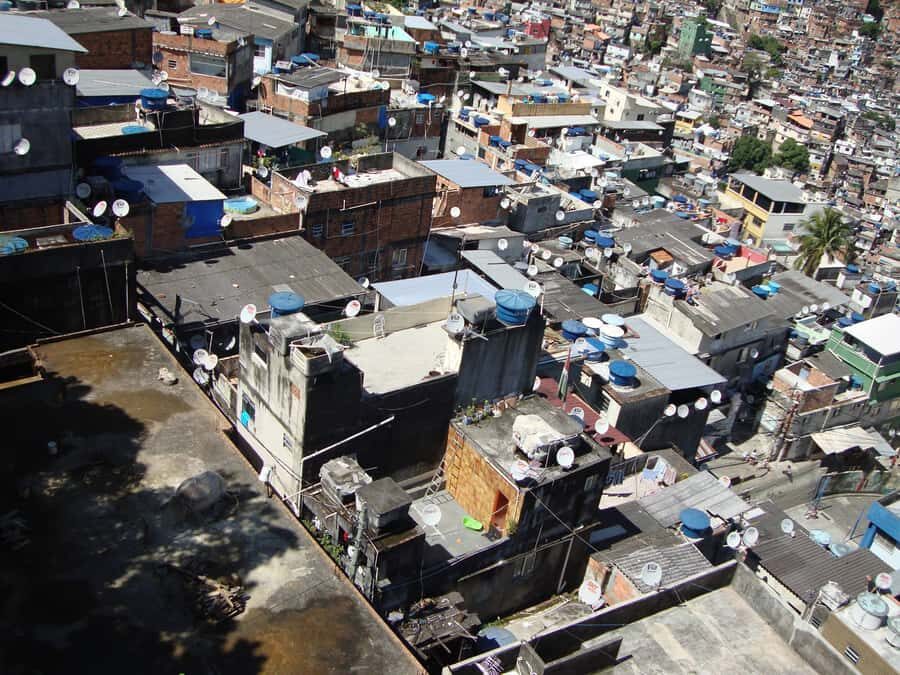
The other big win is the walking. A favela isn’t something you fully grasp from one viewpoint. You get close enough to see the complex architecture, the day-to-day commerce in local lanes, and the mix of community spaces that make the place function.
You can also read our reviews of more tours and experiences in Rio De Janeiro.



The 3-hour flow: pickups, local bar, and a walk you can actually follow
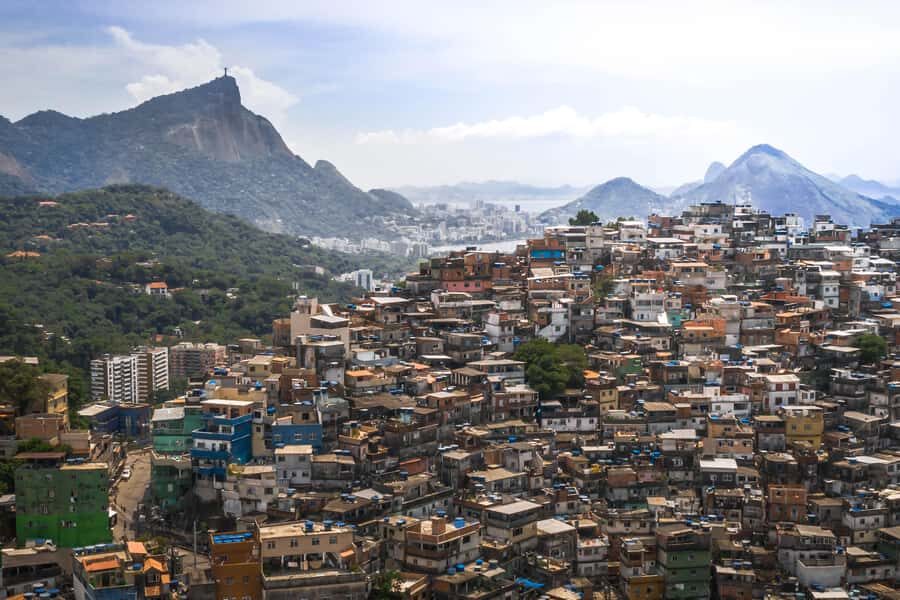
This tour is short on paper—3 hours—but it doesn’t feel rushed if you’re ready to walk. Most of your time is on foot: about 2.25 hours walking, with additional time for transit and guided context. That pacing helps you absorb what you’re seeing without losing the thread.
You’ll usually be picked up from hotels in Rio’s South Zone, with several common options offered: Leblon, Copacabana Beach, Ipanema, and São Conrado. In practice, the tour focuses on meeting from hotels (and many people set their meeting point near the beachfront areas). Then the tour’s explanation begins right away when you get into the vehicles—so you’re not “waiting for the tour” to start.
A stop at a local bar is part of the experience before you head into the neighborhood walking route. It functions as a warm-up: you get orientation, you hear guiding themes, and you can settle into the rhythm of the day. From there, the tour moves into Rio’s viewpoints on the way and then down into the streets.
Finally, the tour returns you to drop-off points in São Conrado, Ipanema, Leblon, and Copacabana Beach. It’s set up for convenience in the areas most visitors stay, which helps the tour feel like a day plan—not an all-day mission.
Rocinha: the largest favela in Brazil, explained street-by-street
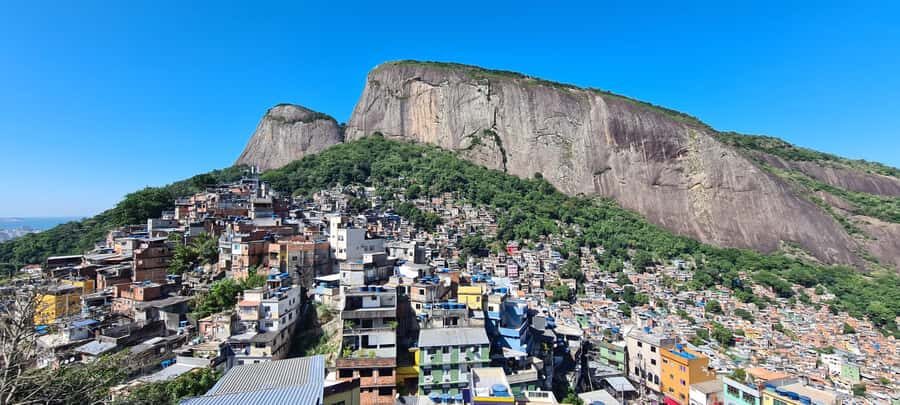
Rocinha is the big name people recognize, and it lives up to that role. From a distance it can look “picturesque,” but closer up, the reality is more complex: you’ll see dense architecture, active local commerce, and the way people move through the neighborhood’s everyday spaces.
The tour doesn’t treat Rocinha like a single attraction. You walk through alleyways that connect residential life with commercial activity. That’s key for your understanding—because a favela isn’t only housing. It’s also work, schools, small businesses, and services that keep daily life going.
Your guide also explains how Rocinha fits into the wider fact that Rio has close to 1,000 favelas. Many are on former public land on hillsides, and today they house roughly 20% of Rio’s population. When you hear that scale, Rocinha stops feeling like an exception and starts looking like a major part of the city.
Panoramic views show up on the way as well. These are useful because they help you map the geography in your head—where the hills are, how the streets climb and thread, and why certain neighborhoods look the way they do from below.
Vila Canoas: why the second favela matters
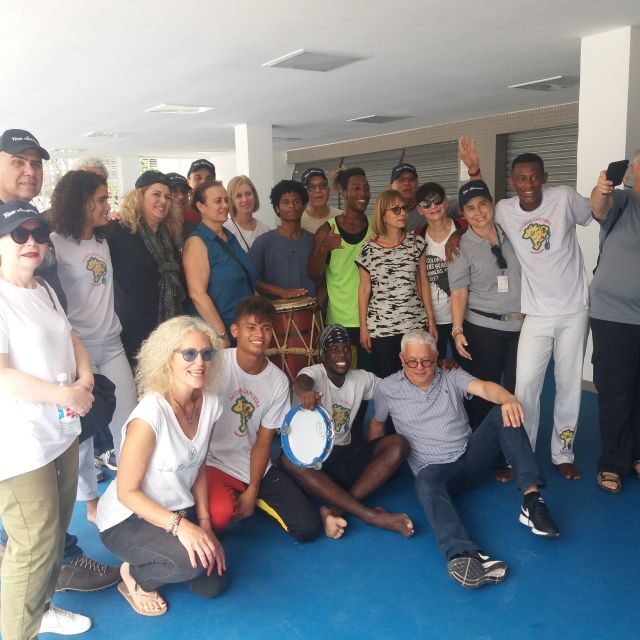
If Rocinha is the headline, Vila Canoas is the reminder that favelas aren’t one story. Visiting a second neighborhood is what helps your perspective stay honest. You’ll compare how community areas are laid out and how daily life plays out in a different pocket of the hills.
The walk includes areas that mix residences and commerce again, but with a different character. You’ll see how local projects show up in small-scale places—things that often don’t register in a distant viewpoint. The goal here is comparison, not just coverage.
This is also where the tour’s “not voyeuristic” tone becomes more important. The second favela is where some tours lose respect or turn into a checklist. This one keeps the focus on explanation, walking, and community spaces.
The craft center and local projects: what to look for besides the scenery
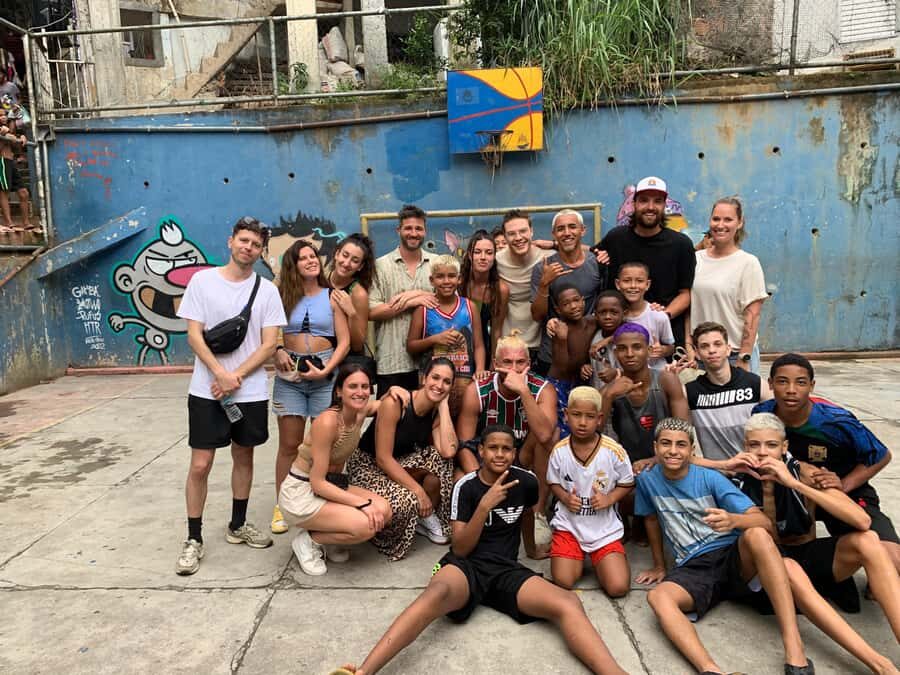
One of the strongest parts of this experience is the chance to visit practical, community-facing spaces. You’ll stop at a handcraft center, which is useful for two reasons. First, it gives you something real to observe beyond street views. Second, it’s an example of local economic life that doesn’t depend on tourism, even though tourists can choose to support it.
You’ll also see other local projects, which helps prevent the tour from becoming a single-issue story. Favela life is shaped by many forces at once—community organization, education, and ongoing efforts to improve conditions.
And yes, the tone stays respectful. The tour is designed so you don’t feel like an intruder. Instead, you’re guided as a visitor who should behave normally and pay attention to the context the guide provides.



The school visit that turns opinions into understanding
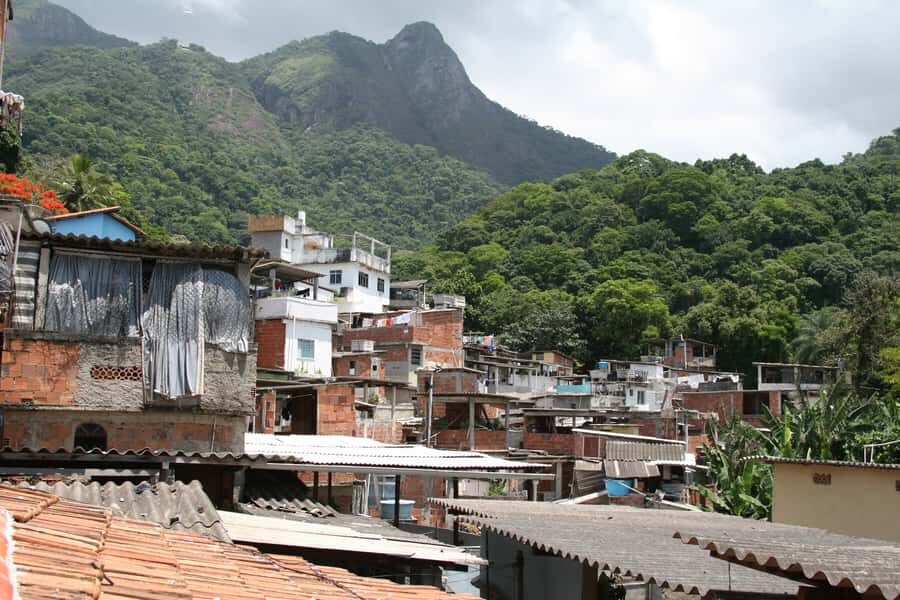
If there’s one stop that people point to repeatedly, it’s the local school. In the experience you’ll see how education is part of the tour’s mission—and the tour helps finance that school. That’s a tangible connection you can carry out of Rio: it’s not only “seeing problems,” it’s seeing a place where improvement is already happening.
This is also where the value of the tour’s structure becomes clear. You don’t just learn in theory. You walk through places where people spend time, and where decisions about the future are supported.
In at least one highlighted account, the school visit is described as the tour’s standout moment—so if you’re on the fence about whether a favela tour can be meaningful, this is a big reason to consider it.
Guides: clear English and the ability to explain what you’re seeing
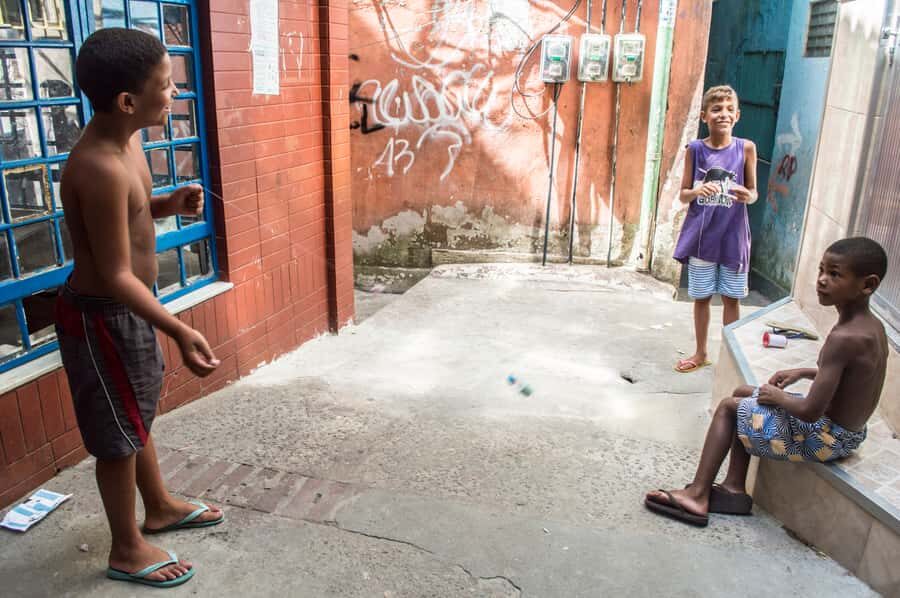
The tour’s quality depends heavily on the guide, and the feedback you’ll find is consistent: strong guides make it feel safe, clear, and grounded. Some accounts mention guides with very strong English—helpful if you’re not fluent in Portuguese.
You may be guided by people like Mateo, who is praised for offering perspective and insight into Brazil’s culture. Another account specifically calls out Francesco, describing him as knowledgeable and highly capable at explaining the history of the favelas and more. With guides like that, the walk turns into something you can process afterward instead of forgetting by the next day.
Multi-language support is also a real part of the offer: tours can be available in Italian, English, Spanish, French, and Portuguese. That matters because nuance is lost when translation isn’t handled well.
Views over Rio: why the panoramas aren’t just a bonus
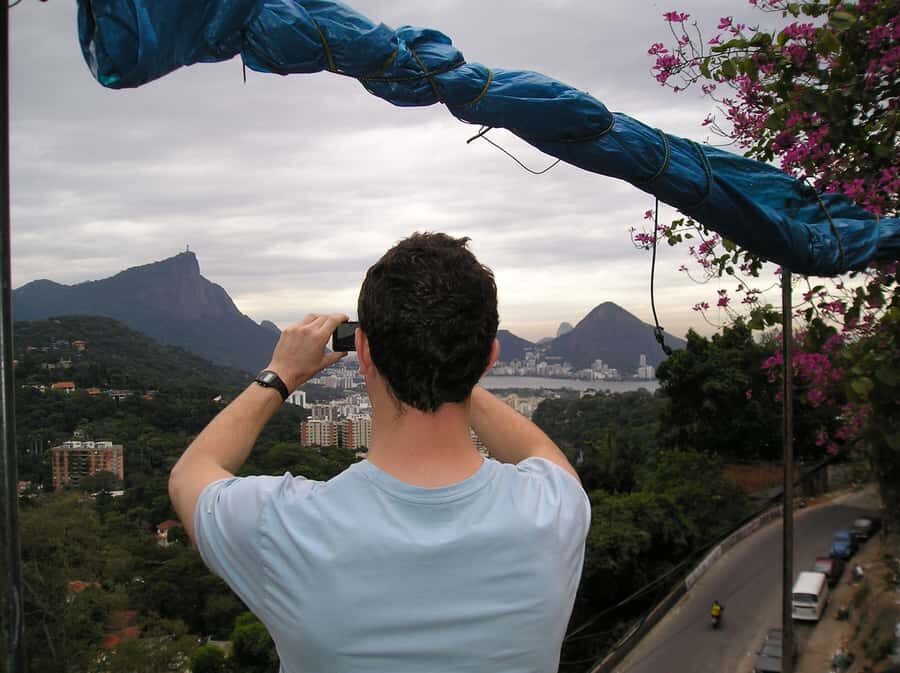
The panoramic views are not random extras here. They help you understand the geography that shapes favela life. When you see the hills and the city spread out, the hills don’t look like a confusing backdrop. They look like the place people built homes and communities on challenging terrain.
These viewpoints also give you a breather during the walk. You can look, reset your orientation, and then keep moving with the guide’s explanation still fresh.
If you like tours that mix “story + views” without turning it into a sightseeing bubble, this one works. The skyline moments support the main message, not compete with it.
Price and value: $33 for a 3-hour, transportation-included walk
At about $33 per person for a 3-hour outing, the price looks simple on the surface. The real question is what you’re paying for—and here you’re getting more than a walk.
You’re paying for:
- round-trip transportation from most hotels in the South Zone,
- a live guide in multiple languages,
- a walking route that includes two different favelas,
- and access to community spaces like a handcraft center and a school supported through the tour’s efforts.
So the value isn’t just time. It’s context, and that’s what changes how you interpret what you see in Rio. With this kind of tour, you’re also buying a safer framework—going with an organized team instead of trying to DIY.
Still, keep expectations realistic. It’s not a private tour, and the pace depends on language needs and group dynamics. If you need guaranteed access every time in a specific language, build flexibility.
A practical reality check: safety, tone, and one known hiccup
The tour is built around the idea that favelas are safer than many people believe, but it’s also clear that you should only visit on an organized tour. That’s not about fear; it’s about respect, guidance, and knowing the local context.
The tone is repeatedly framed as welcome and non-judgmental. You’re told not to treat the place like an exhibit, and the tour is set up so you contribute to local educational projects while you’re there.
One possible drawback is that language-specific demand and day-of logistics can change what happens. In one Italian booking, after payment, there was a message indicating the Italian slot no longer had places for that turn, and the plan shifted. Separately, there’s an account where the guide chose not to enter Rocinha due to disagreement about a fee, and the group had to return another day.
That doesn’t mean the tour is consistently chaotic. But it does mean you should plan with common sense: confirm expectations ahead of time, and if you’re traveling in a group with tight schedules, leave some breathing room.
Who should book this tour, and who should skip it
This tour fits best if you want a sharper understanding of Brazil beyond beaches and postcard views. If you care about socioeconomic contrasts, real community projects, and how places function when you’re not looking from a distance, you’ll get a lot out of it.
I’d also recommend it if you’ve always wondered what a favela tour should be like when it’s done respectfully. The emphasis on learning, welcoming behavior, and school support is exactly the kind of structure that makes the experience worthwhile.
Skip it if you hate walking, or if you want a tour that never changes due to language availability. If you’re the type who gets stressed by last-minute adjustments, you may prefer a more predictable itinerary.
Tips to get the most from your Favela Tour
Come ready to walk. Comfortable shoes matter more than you think, because the tour is mostly on foot for a big stretch.
Bring extra money for small things you may want along the way, like drinks, snacks, or buying local handcrafts. That’s part of the practical side of visiting community-run spaces.
Finally, bring the right attitude. The tour works best when you’re curious and respectful. Think of it as learning from a neighborhood, not shopping for images of it.
Should you book the Favela Tour Original (Rocinha & Vila Canoas)?
I’d book it if you want an experience that’s grounded in real explanation, includes community projects, and gives you time on the ground in two neighborhoods. The combination of Rocinha + Vila Canoas, the school stop, and the city views makes this more than an excursion—it’s a way to interpret Rio’s social landscape with better information.
I’d be careful if your schedule is rigid or your language requirement is fixed to one specific slot. With multi-language operations and real-world day-of logistics, a little flexibility is smart.
If you want to understand Brazil in Rio without shortcuts, this is a solid bet.
FAQ
Which favelas does the tour visit?
The tour visits Rocinha and Vila Canoas.
How long is the Favela Tour?
The tour lasts 3 hours.
Where are the pickup and drop-off locations?
Pickup is available from Leblon, Copacabana Beach, Ipanema, and São Conrado. Drop-off is in São Conrado, Ipanema, Leblon, and Copacabana Beach.
Is the tour mostly walking?
Yes. It is mostly a walking tour, with about 2.25 hours on foot included in the 3-hour total.
What languages are offered?
Tours are available in English, French, Spanish, Italian, and Portuguese.
What should I bring or prepare before going?
Come ready to walk, and bring extra money for drinks, snacks, or buying local handcrafts.