REVIEW · PUERTO IGUAZU
From Argentina: Iguazu Falls Brazil Side & Itaipu Dam
Book on GetYourGuide →Operated by Gray Line Argentina · Bookable on GetYourGuide
You can pack big water views and big power engineering into one day. This tour hits the Brazilian side of Iguaçu Falls and then takes you to Itaipu Dam, with panoramic stops that feel made for photos. The best part is the variety: rainforest waterfalls in the morning, Paraná River powerhouse later.
I love how the Brazilian Falls portion is built around the main walkway and viewpoints, including the wide 1,200-meter gateway for a sweeping panorama. I also like that you get an organized, timed visit to Itaipu, one of the world’s biggest hydroelectric projects, not just a quick drive-by.
One drawback to consider: the day runs tight. You’ll have limited time in the park, and if anything runs late, the schedule can feel rushed.
In This Review
- Key Things to Know Before You Go
- A Full Day Built Around Two Icons: Iguaçu Falls and Itaipu
- Morning Pickup: Leaving Puerto Iguazú Early, Getting There Smoothly
- Entering Iguaçu National Park on the Brazilian Side
- The Brazilian Falls Walkway: Panoramas That Actually Help You Orient
- Timing Reality: How 3 Hours Can Feel in Real Life
- Lunch Break: Not Included, But You’ll Have a Window
- Itaipu Dam Visit: Why This Stop Feels Meaningful
- Making the Most of the Dam: How to Think About What You’re Seeing
- The Van, the Guide, and the Small-Group Size (Good and Bad)
- Price and Value: Is $90 a Good Deal?
- Documents and Cross-Border Reality (Do This Before You Go)
- Who This Tour Suits Best—and Who Should Think Twice
- Should You Book This Tour?
- FAQ
- How long is the tour?
- What does the tour cost?
- Where is the pickup and return point?
- Is the lunch included?
- Are Iguaçu National Park entrance fees included?
- Is the Itaipu Dam admission fee included?
- How big is the group?
- What documents do I need for Brazil?
Key Things to Know Before You Go
- Brazilian Falls focus: You’ll specifically visit the Brazilian side, including views tied to Salto União (the Devil’s Throat)
- Panoramic viewpoints: The route includes a long gateway walkway and a lift option tied to the flow back to the bus
- Tight timing: The park visit is about 3 hours, so plan your pace (and your photo stops)
- Itaipu Dam engineering visit: You’ll tour the hydroelectric plant area with a structured 2-hour stop
- What’s not included: Entrance fees for the national park and Itaipu admission are not included in the stated price
- Small group comfort: Group size is capped at 10 participants, which generally makes coordination easier
A Full Day Built Around Two Icons: Iguaçu Falls and Itaipu

This is the kind of day trip that works if you like to see the headline attractions without spending two full days. You get Iguaçu National Park on the Brazilian side first, then switch gears to Itaipu Hydroelectric Power Plant on the Paraná River. Done right, it feels like two different worlds: misty nature in the morning, mega-engineering later.
The tour’s value isn’t just that it’s “two attractions.” It’s the way they’re sequenced. The falls are the natural draw, and the dam visit is the logic check—why this region is so famous not only for water, but also for how humans harness it.
You can also read our reviews of more tours and experiences in Puerto Iguazu.



Morning Pickup: Leaving Puerto Iguazú Early, Getting There Smoothly

The day starts with pickup from Puerto Iguazú hotels on the Argentine side. Pickup times vary by where you stay, roughly 7:20 a.m. to 8:00 a.m., and the itinerary begins fast after that. The meeting/pickup point listed is Av. Tres Fronteras 149-101.
Why this matters: with Iguaçu, timing is everything. You’ll want daylight for the viewpoints and enough time to move through the park route without turning your day into a sprint. Early departure usually helps you avoid the most chaotic parts of the flow, especially around the main viewing areas.
One thing to watch: this is a cross-border day involving logistics and document checks. Even if the ride is organized, Brazil’s entry rules can be a factor depending on your citizenship and documents.
Entering Iguaçu National Park on the Brazilian Side

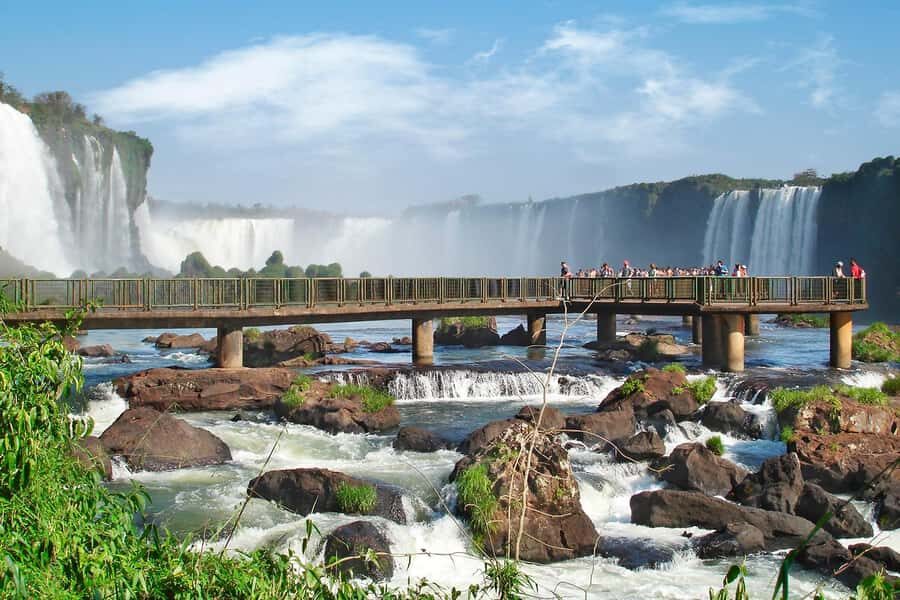
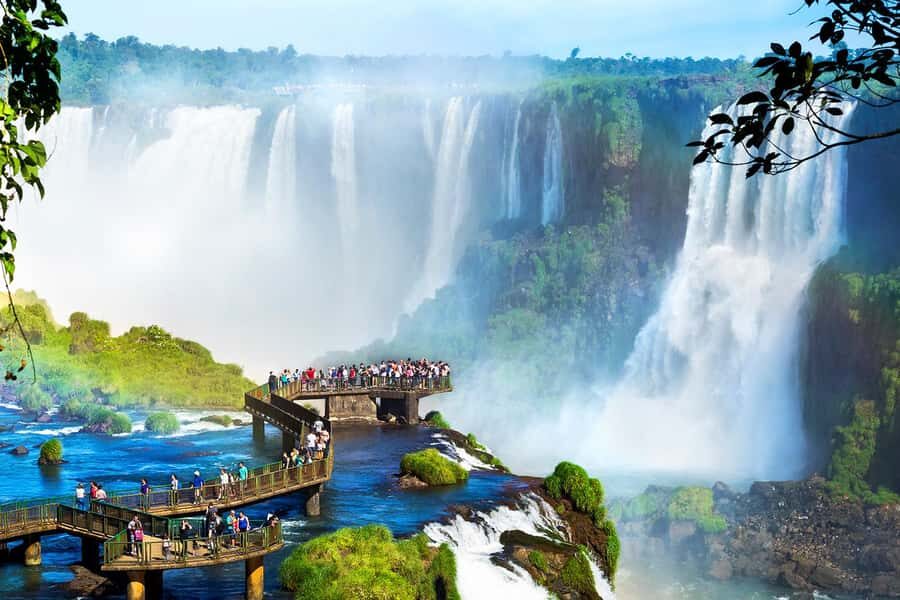
Once you’re set up at the park, you have about 3 hours for the Brazilian Falls visit. The tour centers on the classic gateway walkway: a 1,200-meter route designed for long panoramic views as the falls come into sight.
I like this approach because it’s practical. Instead of bouncing randomly between spots, you’re guided through a main corridor of viewpoints where your best moments are already built in. You also avoid the classic mistake of wandering too far with not enough time to come back for the big views.
You’ll be seeing a system, not just one waterfall. The tour framing highlights that Iguaçu Falls are made up of 275 waterfalls. On the Brazilian side, the key named ones include Floriano, Deodoro, Benjamin Constant, and Salto União, which is the one many people associate with the Devil’s Throat area.
The Brazilian Falls Walkway: Panoramas That Actually Help You Orient
This is where the tour earns its keep. The Brazilian Falls portion is designed to give you a wide, understandable view—so you can quickly grasp what you’re looking at.
The standout feature is the long gateway and the way it supports panoramic viewing. When you see the falls in one broad frame, the “oh wow” moment lands fast. And because you’re on the Brazilian side, you get a viewpoint relationship that feels different from the Argentina side: your brain gets a new map of the same water system.
Here’s a tip that helps: as you walk, pause early enough to orient yourself. Spend a few minutes figuring out where the named segments feel like they connect. Later, when you’re near the more intense viewing spots, you’ll have less mental scrambling and more time enjoying the spray and sound.
Timing Reality: How 3 Hours Can Feel in Real Life
The falls portion is about 3 hours, which sounds generous until you’re factoring in walking, viewpoint stops, and the simple fact that Iguaçu is an “every step has a photo” place.
If you’re the type who stops every few minutes, you may feel the clock more than you expect. If you move with purpose and keep your stops purposeful, 3 hours can feel like the right length—enough time for the big viewpoints without turning the day into a blur.
After the falls, you’ll have access to the panoramic lift, which helps get you back toward the return flow. The tour notes that the lift reaches the bus that takes you back to the gateway. That’s helpful if you want to save energy for Itaipu after lunch.
A practical note: bring patience for mist. Even when it’s not raining, the falls area can leave you damp. Plan clothing accordingly so you’re not spending the dam visit feeling chilled.
Lunch Break: Not Included, But You’ll Have a Window
You’ll have a stop for lunch during the transition from the falls toward Itaipu. Food and beverages are not included, so you’ll need to plan for spending a little extra.
This matters for budgeting. If your trip timing is strict and you’re hungry, you’ll want to eat early in the window rather than waiting until you’re starving. And if you have dietary preferences, keep it simple and choose food you’re confident will be available where they stop.
Think of lunch as a reset button: water, snack, quick restroom, then back on the van feeling ready for the next “wow”—the dam.
Itaipu Dam Visit: Why This Stop Feels Meaningful
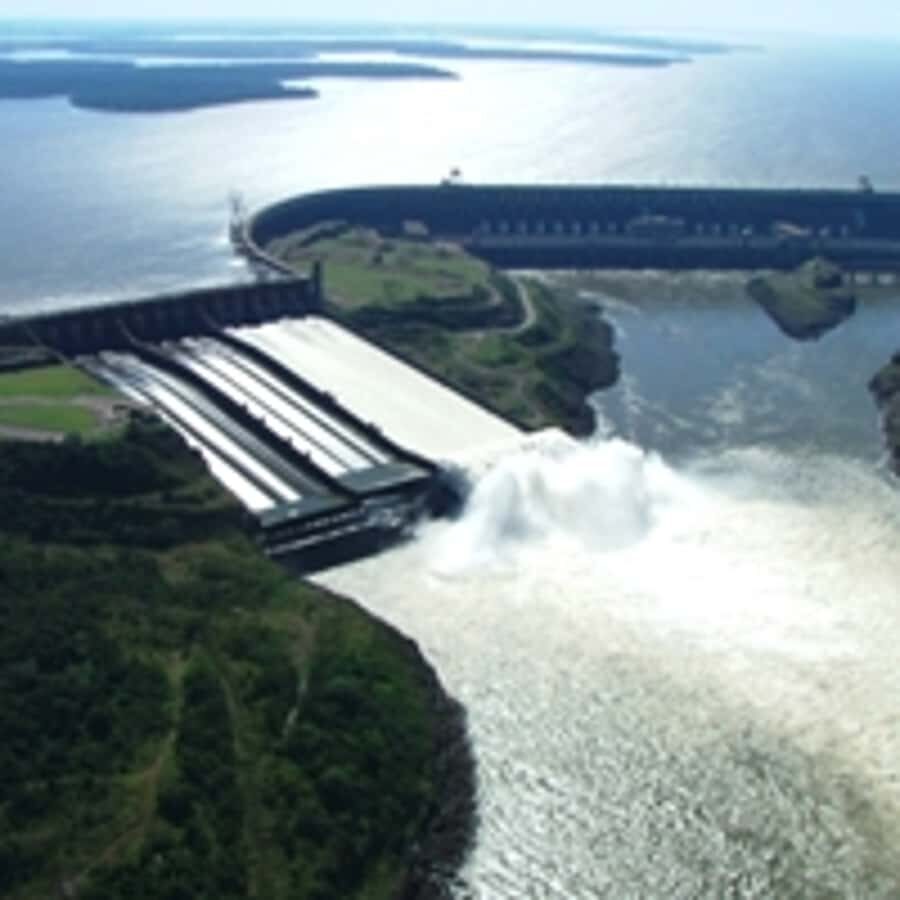
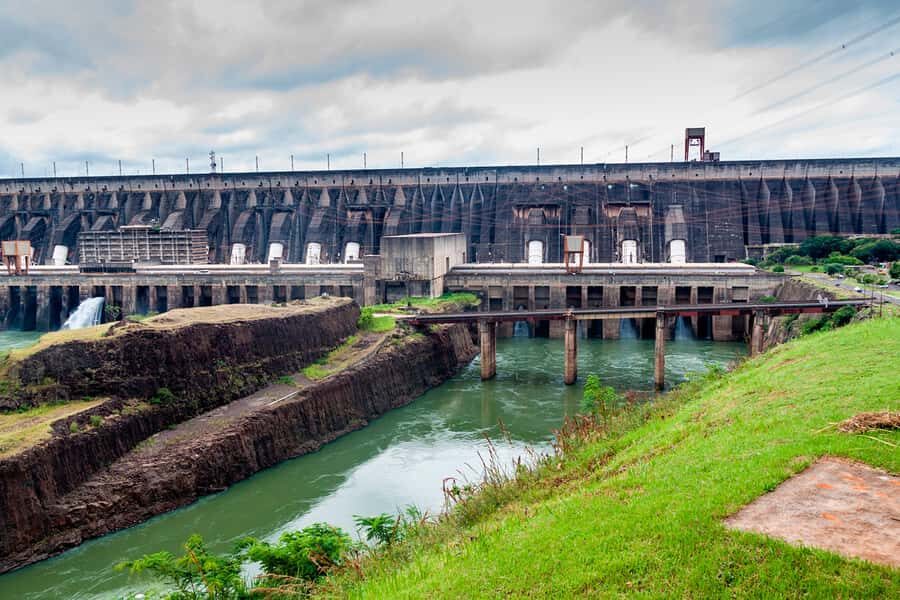
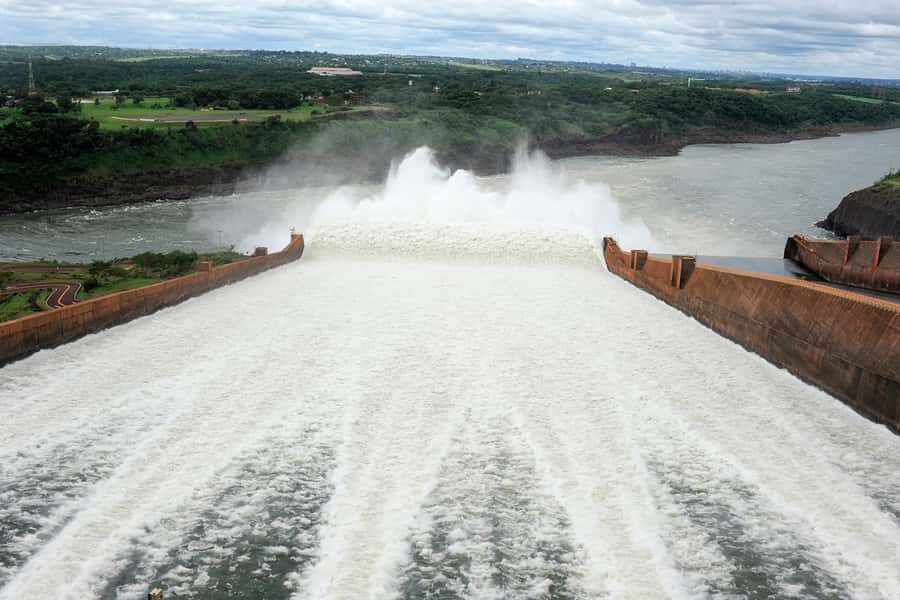
After lunch, the tour continues to Itaipu Hydroelectric Power Plant, with a 2-hour visit. Itaipu is described as the largest in operation in the world, built as a binational development by Brazil and Paraguay on the Paraná River.
What makes the dam stop more than a sightseeing checkbox is the scale. The tour information highlights an installed capacity of 12 million and 600 thousand kW, with 18 generating units of 700,000 kW each. It also frames the impact: the plant supplies 90% of Paraguay’s electricity and about 25% of Brazil’s demand.
And yes, it’s also famous for engineering prestige. The tour notes it was chosen by the American Society of Civil Engineering (ASCE) as one of the Seven Wonders of the Modern Technological World.
Making the Most of the Dam: How to Think About What You’re Seeing
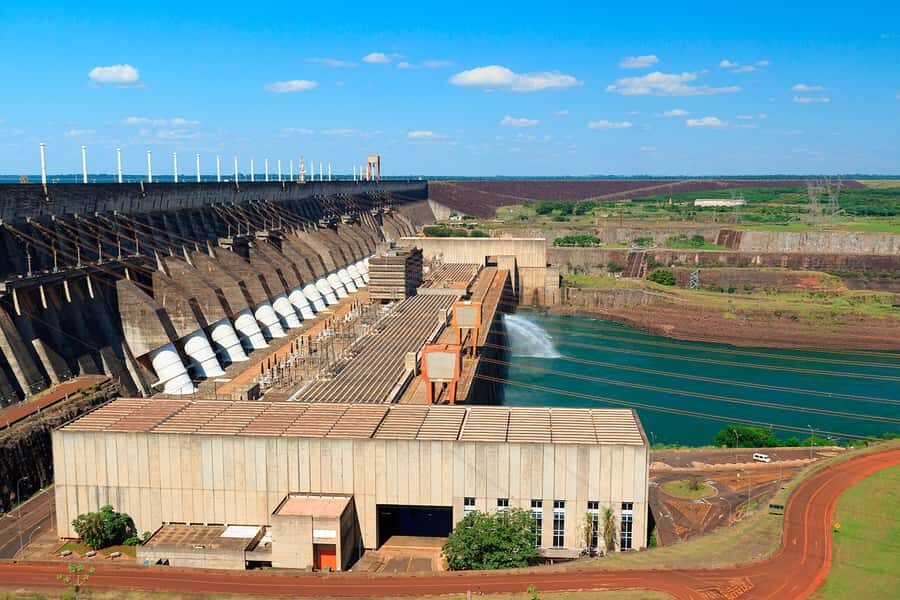
When you’re standing around major infrastructure like this, it’s easy to think only in terms of size. But try thinking in terms of function and context: water becomes power here at massive scale. That mindset makes the visit stick.
The tour is billed as a panoramic visit—so you can expect to focus on viewing and structured observation rather than a full technical deep lab experience. Two hours is enough time to see the main story, absorb the visuals, and still return to the van before you hit fatigue.
If you like photos, take a moment to step back and get broader angles before you zoom in. Big structures photograph best when you can include the scale around them, not just the closest details.
The Van, the Guide, and the Small-Group Size (Good and Bad)
This is a small group tour with a cap of 10 participants, which generally helps with smoother movement. Smaller groups tend to mean fewer delays from indecision and less waiting around in crowds.
You’re told to expect a Spanish- and English-speaking guide. In practice, what matters most is whether the guide is able to explain what you’re seeing as you go. With Iguaçu and Itaipu, you’re not just riding—you’re trying to make sense of viewpoints, names, and the flow of how the day connects.
A practical way to protect yourself: have your questions ready. If something feels unclear—timing, where to stand for the best view, how the lift/bus flow works—ask quickly when you’re still in motion. Don’t wait until the next stop.
Price and Value: Is $90 a Good Deal?
The price is listed at $90 per person for an 8-hour experience, including round-trip transfers from Puerto Iguazú hotels (Argentinian side). You’re also getting guided components and the Brazilian side falls visit plus the panoramic Itaipu dam visit.
Here’s where the value math gets real: major fees are not included. That includes Iguassu National Park entrance, Itaipu Dam admission, plus lunch and drinks. So the all-in cost will be higher than $90 once you add what you must pay on-site.
Even so, it can still be good value if:
- you want a single-day plan that covers both big hitters
- you’d otherwise have to piece together transport on your own
- you prefer a guide to handle the flow between stops
- you like small-group pacing
If you’re comfortable organizing transport across the area and you’re confident you can manage the timing yourself, you might find cheaper DIY options. But for most people doing their first visit, this bundled format is the easiest route.
Documents and Cross-Border Reality (Do This Before You Go)
Brazil entry rules are a key consideration for this kind of day trip. The tour notes specific guidance based on citizenship.
- If you’re traveling with passports from Australia, Canada, or the United States and visiting Brazil, visa requirements start April 10, 2025 for entry. You can apply via an electronic visa portal: https://brazil.vfsevisa.com/
- If you’re from MERCOSUR countries, you must present ID.
- If you’re from other countries, you must present a passport.
- If minors join the tour, the documentation must include a photograph.
This stuff isn’t glamorous, but it can save your day from chaos. Double-check your document validity and the right document type before you show up for pickup.
Who This Tour Suits Best—and Who Should Think Twice
I’d book this if you:
- want a one-day itinerary that hits both the Brazilian Falls and Itaipu
- like structured pacing but still want time at the main viewpoints
- prefer small-group logistics (max 10)
- don’t mind paying extra for entrance fees and lunch
I’d think twice if you:
- hate feeling rushed and need lots of time to roam at your own tempo
- dislike surprises around fees (because park and dam admissions are not included)
- are very dependent on clear English/Spanish explanations and hate guessing what you’re seeing
Given the complexity of the day, having a little flexibility helps. Build buffer into your mindset, not just your schedule.
Should You Book This Tour?
Book it if you want the efficient route: Brazilian side waterfalls + Itaipu Dam in one organized day, with transfers handled and a small group keeping things civilized. It’s a solid choice for first-timers who want the big sights without the headache.
Skip it or research carefully if you’re trying to avoid any risk from tight timing or if you need a very consistently bilingual guiding experience. Also, budget for the park entrance and Itaipu Dam admission fee so the total cost doesn’t catch you off guard.
If your goal is to see the signature views and still have a complete day’s story to tell, this is a good plan.
FAQ
How long is the tour?
The tour duration is listed as 8 hours.
What does the tour cost?
The price is listed as $90 per person.
Where is the pickup and return point?
Pickup and return are listed at Av. Tres Fronteras 149-101, with round-trip transfers from Puerto Iguazú hotels on the Argentine side.
Is the lunch included?
No. Food and beverages are not included.
Are Iguaçu National Park entrance fees included?
No. Iguassu National Park entrance fee is not included.
Is the Itaipu Dam admission fee included?
No. The Itaipu Dam admission fee is not included.
How big is the group?
The tour is a small group limited to 10 participants.
What documents do I need for Brazil?
You’ll need to follow the tour’s guidance by citizenship: MERCOSUR travelers must present ID; other countries require a passport; and people from Australia, Canada, and the United States have visa requirements starting April 10, 2025. Minors need documentation with a photograph.