REVIEW · STATE OF SAO PAULO
From São Paulo: Private Tour of Atlantic Forest & Valleys
Book on GetYourGuide →Operated by Gregtur Tourism · Bookable on GetYourGuide
Rainforest hiking outside São Paulo resets your senses. This private 8-hour trip runs to the Serra do Mar State Park where you earn big overlooks over the coast and São Vicente, then finishes with the history-walk of Calçada do Lorena. I also love how the guide ties the trail to the ecology around you, and one possible drawback is that this is still a hiking day. It’s not a good fit if you have mobility limits, so wear proper shoes and plan for uneven ground.
I like that you’re not stuck in a crowd. It’s a private setup with pickup inside São Paulo limits, plus a licensed guide who can work in Portuguese, Spanish, and English. On guided days led by people like Denis or Danilo, the talk doesn’t feel like a lecture; it’s more like you’re walking with a local who knows what to look for and when.
In This Review
- Key things to know before you go
- Serra do Mar State Park: an easy escape from São Paulo
- The 9-kilometer old paved trail: pace, footing, and timing
- Coast and São Vicente viewpoints: when the sky cooperates
- Atlantic Forest plants and animals: what your guide actually helps you notice
- Calçada do Lorena: a trade-route story you can walk on
- Food, rain, and comfort: how to prep so the day feels good
- Price and value: what $333 per person really buys you
- Who should book this day trip, and who should skip it
- Should you book the Private Tour of Atlantic Forest & Valleys?
- FAQ
- How long is the tour from São Paulo?
- Where does the hike start and end?
- How long is the walking portion?
- What difficulty level should I expect?
- Are meals included?
- What languages are available for the guide?
- Is this tour suitable for mobility impairments?
Key things to know before you go
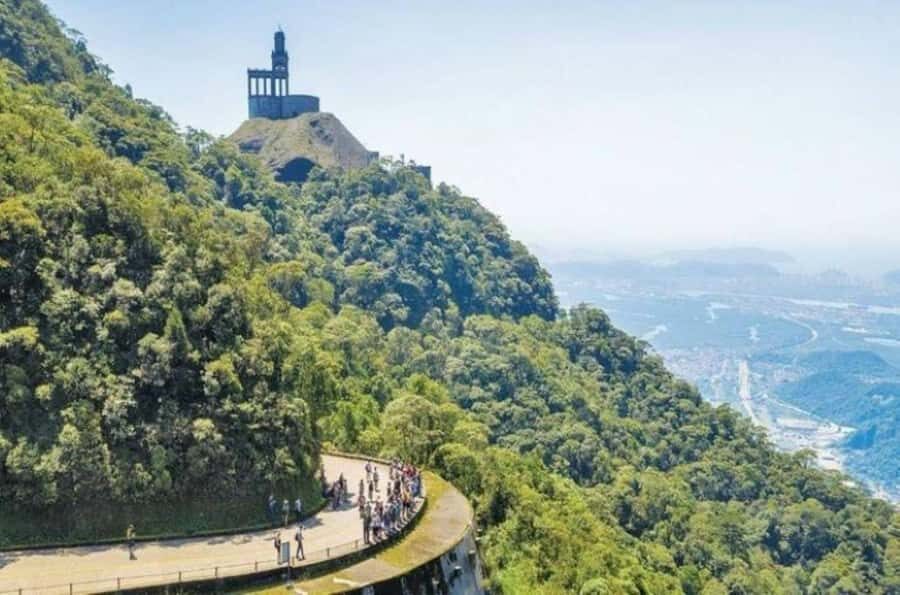
- Serra do Mar State Park viewpoints: Coast and São Vicente views are the payoff on clear days
- Atlantic Forest on foot: A loop-style day with about 5 hours of walking on an old paved route
- 9-kilometer trail, real-world variation: Some days can run longer depending on conditions and how you return
- Two historical walking layers: Natural history out in the forest, then the trade-route story on Calçada do Lorena
- Picnic supplies included: You get support for a break, but meals and drinks are on you
Serra do Mar State Park: an easy escape from São Paulo
The best part of this outing is how fast the mood changes. You’re leaving São Paulo behind with round-trip transport, and you’re at Serra do Mar State Park quickly—about a 50-minute drive from downtown. In practical terms, that means you don’t spend half your day stuck in traffic. You arrive with enough daylight and energy for the hike, not just to “get there.”
The park sits within the Atlantic Forest region—an ecosystem famous for its mix of plant life, steep terrain, and humidity-driven detail. Even before you hit the trail, your guide’s orientation sets you up to notice things that you’d normally walk past. Think: how this mountain range runs along Brazil’s south and southeast coast (about 1,500 kilometers), and why the region matters ecologically.
Then there’s the second layer: the trip isn’t only about nature. You’ll also touch the human history that shaped the coastline connection, and that’s a smart pairing. When you hike in mountains above the water, it’s natural to ask: why build routes here, who used them, and what did trade look like before cars?
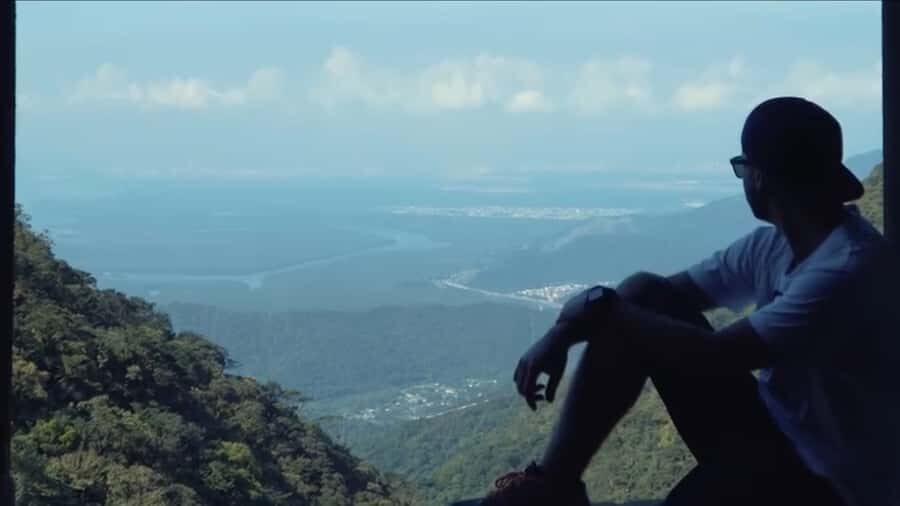
Clear-day views are a big reason people choose this day trip. You may be able to see the coast and nearby cities, including São Vicente, which is tied to the first Portuguese settlement in Brazil. If the weather is cloudy or foggy, you’ll still get the forest experience. You just trade horizon views for a closer look at what’s happening at your feet and around you.
One more thing I appreciate: the walk starts and ends at the main entrance. That keeps things predictable. You’re not trying to figure out where you’ll land in the end.
The 9-kilometer old paved trail: pace, footing, and timing
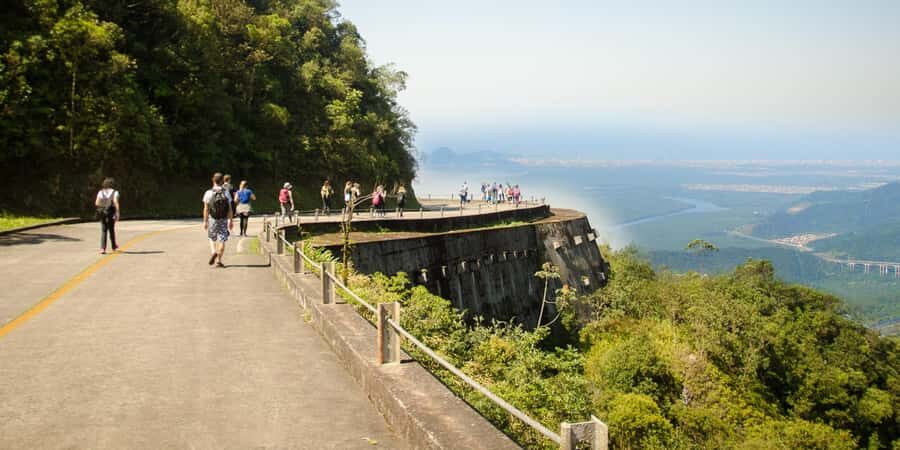
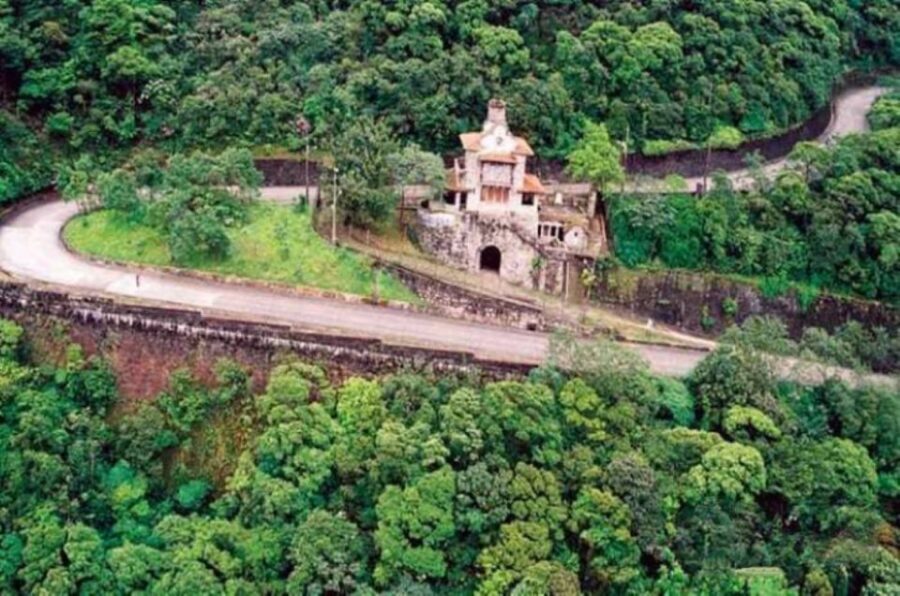
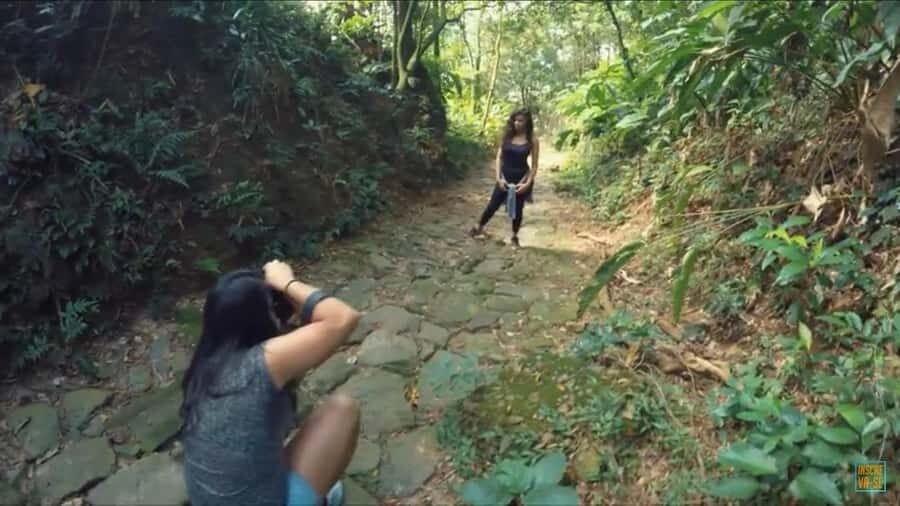
The core of the day is a rewarding trek on a trail that totals about 9 kilometers. You should expect roughly 5 hours of hiking, plus time for stops, photos, and the guide’s explanations. The route follows an old paved road with a winding line through the forest. That matters more than it sounds: a paved base can feel less chaotic than pure dirt paths, but the ground can still be uneven, slippery, or wet depending on weather.
This hike is described as light to medium difficulty. Translation: it’s not a technical climb with ropes, but it’s not a flat stroll either. You’ll be on your feet for hours, and the forest conditions can make every step feel slower than it looks on paper. Bring comfortable shoes that can handle muddy or wet patches. If you arrive in flimsy footwear, your feet will start negotiating with you by the first hour.
One detail worth noting: hike lengths and return options can vary with the day. In one case, the hiking felt closer to 15 kilometers. So don’t treat the 9-kilometer number like a strict rule. Your guide may adjust based on trail conditions and route choices.
Rain happens here. One guided day ran rainy from start to finish. That can sound like a bummer, but it’s also part of why the Atlantic Forest feels so alive. With mist and rain, you often get more activity in the understory—plants and surfaces look different, and the air feels heavier with that “forest smell” you only get when the leaves are soaked.
If you want a simple self-check: plan to move steadily, take short breaks when offered, and don’t sprint between viewpoints. Most of the value comes from hearing what the guide points out while you’re walking, not from rushing to finish.
Coast and São Vicente viewpoints: when the sky cooperates
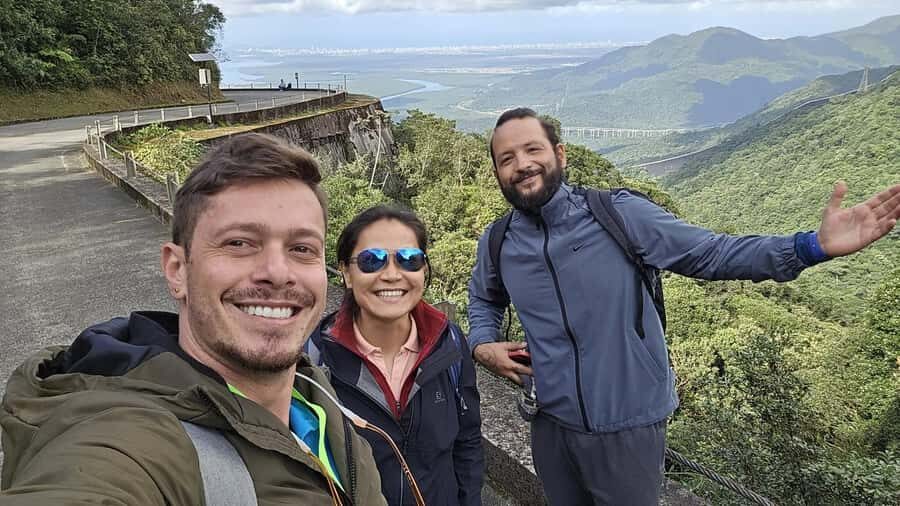
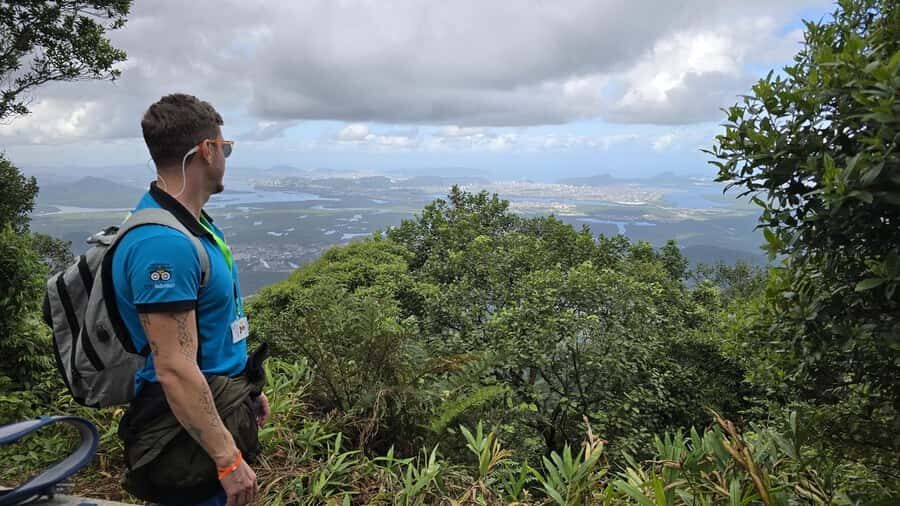
This tour offers one of those “earn the view” setups. On clear days, you can catch splendid coast views and see the surrounding cities, including São Vicente. That’s the kind of viewpoint that makes the effort feel obvious, because you’re looking outward after climbing into the park’s higher ground.
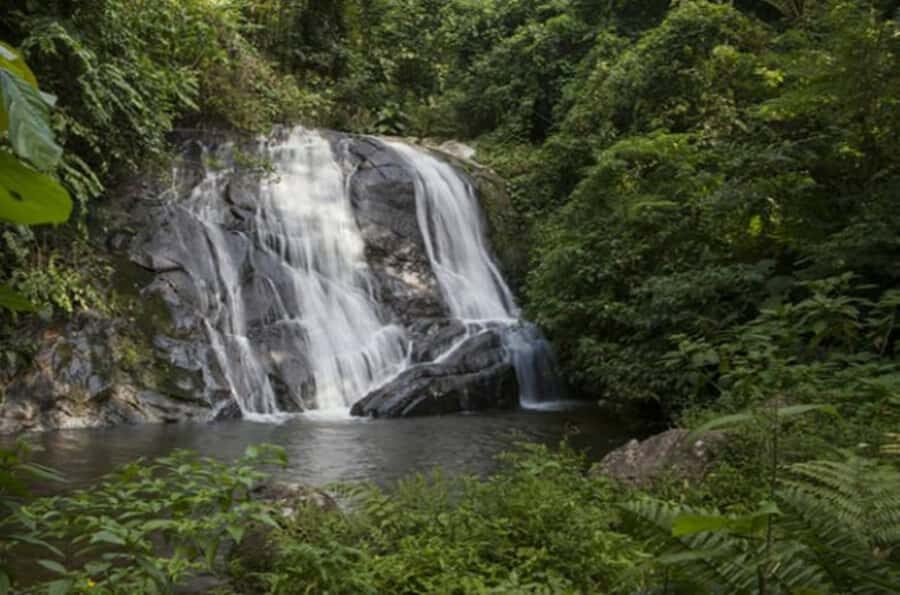
But don’t make the mistake of thinking the day is only worth it for horizon shots. In fog or rain, you might not see far. One of the most important takeaways is that the forest experience holds up even when the skyline disappears. You still get the sound of water—rushing falls and trickling streams are part of what your guide will steer you toward—and you still get a front-row seat to how Atlantic Forest life grows.
Here’s how to get the best from your camera and your eyes, even with weather changes:
- Keep your lens cap where you can grab it quickly. Mist makes people hesitate.
- Look for layers: big shapes in the canopy and small details at eye level.
- Listen for water movement; it’s often closer than you think.
The payoff is real. But it’s not just the view that matters. It’s the feeling that the park is physically connected to the coast below. Standing up in the trees, you understand how a mountain range can guard and shape what happens along the shoreline.
Atlantic Forest plants and animals: what your guide actually helps you notice
This is where I think the guide earns their fee. The Atlantic Forest can feel like “just trees” if you’re left on your own. With a good guide, it becomes readable. You learn what’s common, what’s special, and what to look for in the way leaves, flowers, and animal activity show up through the day.
Guides like Denis have a reputation for connecting ecosystem talk to what you’re seeing right now—flora, fauna, and how the region’s protection shapes what survives. Another guide, Danilo, is noted for mixing history and São Paulo context with the natural side, plus making sure you’re supported with snack and food recommendations.
So what does that mean for you on the trail?
- You’re less likely to miss small but interesting signs of wildlife.
- You get explanations for why certain plants grow the way they do in this environment.
- You hear practical context: how the region’s protected status matters, and what makes this area a precious environmental heritage.
Also, the rhythm of the route helps. Because you’re walking slowly along a paved, winding path, you can pause often enough to look closely. You’re not sprinting through one photo stop and then marching on with no time to absorb.
If you’re a nature person, you’ll appreciate how this trip doesn’t treat the forest like scenery. It’s treated like a living system. If you’re not, you’ll still come away with a clearer sense of what makes the Atlantic Forest different from other Brazilian biomes.
Calçada do Lorena: a trade-route story you can walk on
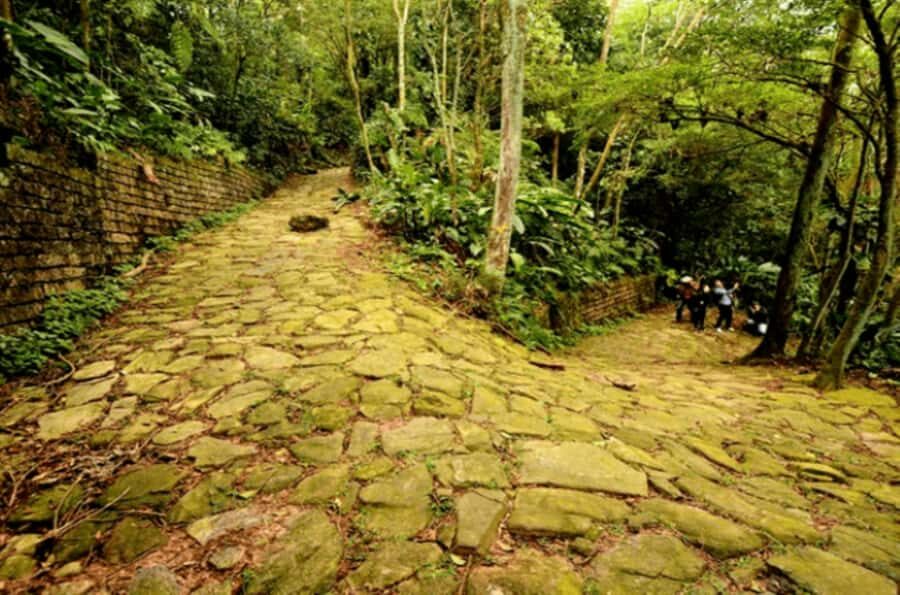
The hike doesn’t end at the forest. At some point you’ll head to Calçada do Lorena, described as the first paved path in Brazil that helped boost trade and production between São Paulo and the coast. That’s a fascinating shift from ecosystem talk to human movement—because mountains and forests weren’t just nature obstacles. They were part of the logistics of settlement, goods, and economic growth.
Walking it gives you something a museum label can’t. You feel the purpose of a road. Even if you’re not focused on old stones, you start thinking about where people went, how long it took, and what “connected to the coast” meant in real life.
Your guide should also frame it in the bigger story of São Paulo and Brazil, including connections to independence-era narratives. This part works especially well if you like travel that gives you one “wow” for your eyes and another “wow” for your brain.
And yes, it pairs nicely with the rainforest. After hours among rushing falls, trickling streams, and dense vegetation, the paved path can feel like a time machine. It reminds you that the coast-to-inland connection has always been a major theme here.
Food, rain, and comfort: how to prep so the day feels good
Meals and drinks are not included, so you’ll want to think like a hiker even if it’s a day trip. The good news: picnic supplies are included. That helps a lot because it removes one planning headache. Still, you should bring what you need for hydration and personal comfort since drinks aren’t included.
Comfort comes down to three items:
- Comfortable shoes that handle wet, uneven ground
- Layers you can adjust if the air gets cool in mist
- A basic rain-ready mindset, because some outings run rainy the whole time
The trail ranges from light to medium, but weather changes everything. Rain can make steps feel slower and footing less forgiving. That doesn’t ruin the day; it just changes the pace. The best approach is to assume the park will look and feel different on wet days, and that’s okay.
What about the walking time versus the full 8 hours? The day is built around drive time plus hike plus guided stops. You won’t be rushing to finish in two hours. You’re set up for a full outing where the trail itself is the main attraction.
Finally, this trip is a private group experience. That means you’re more likely to get support at the right moments: pace adjustments, extra time to ask questions, and help choosing what to do if weather blocks a viewpoint. In one memorable moment, a guide went out of the way to help find vegetarian food recommendations when the group finished faster than expected. Even if you don’t need that kind of extra help, it signals how the day is handled.
Price and value: what $333 per person really buys you
At $333 per person for an 8-hour private tour, you’re paying for more than transportation. You’re buying three things that usually cost extra when you DIY:
- A licensed guide who can connect ecology and history to the route you’re walking
- Entrance and admission fees included
- Round-trip transportation from any address in São Paulo, plus taxes, tolls, and parking fees
If you tried to build this yourself, you’d still face the same realities: getting out to Serra do Mar State Park, paying park access, and managing a multi-hour hike without local context. And if you add the history piece of Calçada do Lorena, that’s harder to do well on your own unless you’re already a strong researcher.
So where does the value land? For me, it’s in the “time saved” and “meaning added.” You’re not just walking a trail. You’re learning why it matters, what to look for, and how the landscape and human routes connect.
The private format also matters. You can ask questions in Portuguese, Spanish, or English. Your guide can tailor the pacing. Your group stays together. That’s often worth it when you want a day that feels personal rather than like a checklist.
Who should book this day trip, and who should skip it

This tour is a great match if you want:
- A nature outing that also teaches you something about São Paulo and Brazil
- A guided Atlantic Forest hike with real stops and explanations
- A private day trip that starts and ends cleanly from within São Paulo
It’s less of a fit if:
- You have mobility impairments or need step-free access
- You’re not comfortable walking for about 5 hours on uneven or wet ground
- You prefer a purely relaxed sightseeing day with minimal hiking
If you’re coming to Brazil for the first time and want one day that gives you both ecosystems and context, this works. If you already know you want hiking but also want historical grounding, it works. If you’re mainly chasing beaches and city life, you might find the forest-heavy schedule a bit intense.
Should you book the Private Tour of Atlantic Forest & Valleys?
I’d book this if you’re the type of traveler who likes your days to have a shape. This one has a clear arc: forest entry, a long rewarding walk, coastline and São Vicente viewpoints on clear days, then a historical path that links São Paulo to the coast.
You should also book if you care about guidance quality. The strongest praise from real tour experiences points to guides like Denis and Danilo who mix ecosystem and history smoothly and respond to the group with practical care. That’s the kind of difference you feel when you’re on the trail, not just after you get home.
If weather is a worry for you, it shouldn’t be a dealbreaker. Rain can hide the distant view, but it doesn’t remove the core experience: walking through a living Atlantic Forest and learning what to notice. And since you get picnic supplies, you can focus on the hike instead of hunting down snacks.
One last practical note: free cancellation up to 24 hours in advance and reserve now, pay later can make sense if your plans in São Paulo are still shifting. If you want one strong nature-and-history day, this is a solid choice.
FAQ
How long is the tour from São Paulo?
The tour duration is 8 hours, including round-trip transportation and time on the trail.
Where does the hike start and end?
The walking trail starts from the park’s main entrance and finishes at the same place.
How long is the walking portion?
The walk is about 5 hours, on a trail totaling about 9 kilometers.
What difficulty level should I expect?
The walking trail ranges from light to medium difficulty.
Are meals included?
No. Meals and drinks are not included, though picnic supplies are included.
What languages are available for the guide?
The live tour guide can speak Portuguese, Spanish, and English.
Is this tour suitable for mobility impairments?
No. It is not suitable for people with mobility impairments.