REVIEW · RIO DE JANEIRO
Ginga Tropical Show – Brazilian Rhythms
Book on Viator →Operated by Gray Line Brazil · Bookable on Viator
Rio’s dance show is pure motion. Ginga Tropical Show mixes regional Brazilian music, dancers, and live drumming so you feel the energy the second you walk in. It’s designed like a whirlwind tour of Brazil’s social-dance culture—without needing a guidebook or a college course.
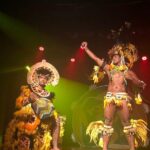
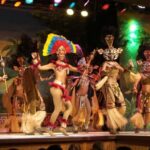
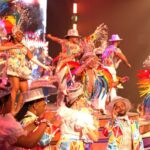
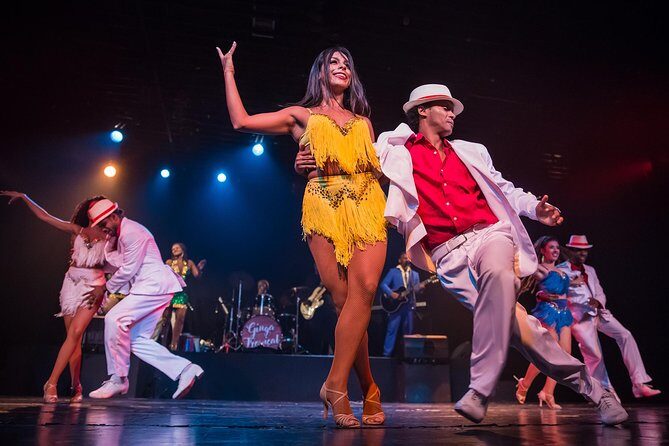
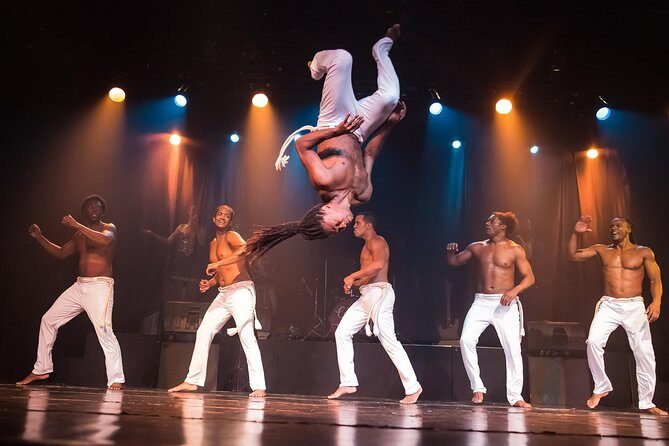
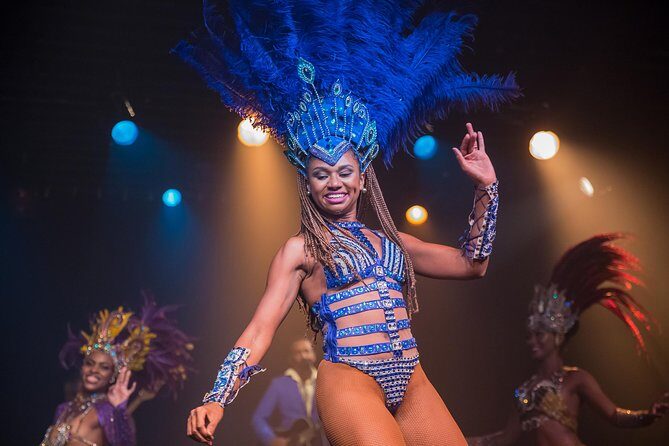
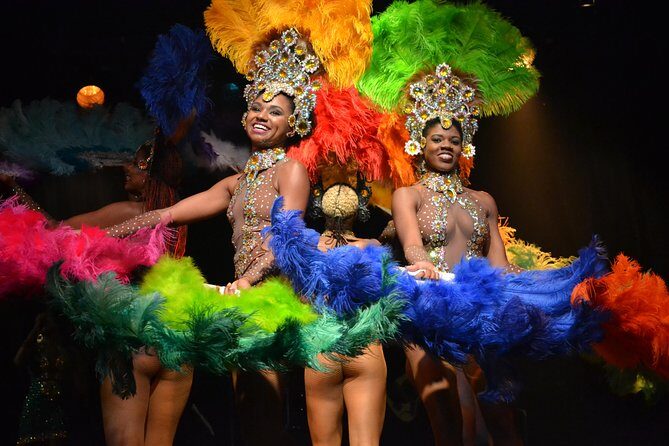
I love two things most: the way the performance jumps across styles like samba and bossa nova alongside forró, lambada, and capoeira, and the fact that folklore and rituals from different regions get acted out onstage. I also like the costumes, which go full Carnival mode right when you think the show can’t get louder or more fun.
One possible drawback to keep in mind: the venue is in a mall theater, and seating can be tight. A few experiences reported uncomfortable setups (even overbooking), so if you hate plastic chairs or you’re going with mobility issues, plan accordingly and arrive early if there’s any pre-show time.
In This Review
- Key things to know before you go
- A Rio samba show that moves through Brazil’s regions
- Price and what you actually get for $97.82
- Hotel pickup, traffic reality, and making the start time
- Getting to Centro Cultural Veneza and the mall theater setup
- Inside the show: samba, bossa nova, forró, lambada, and capoeira
- Folklore stories and ritual reenactments that make it more than a dance lesson
- Audience participation, live drumming, and why the last act is the best act
- Optional Brazilian barbecue dinner: a fun add-on, with one big planning note
- Who should book this show in Rio, and who should think twice
- Should you book Ginga Tropical Show?
- FAQ
- How long is the Ginga Tropical Show experience?
- Is hotel pickup and drop-off included?
- What if I choose the ticket-only option?
- What dances and music styles will I see?
- Is dinner included?
- What is the cancellation deadline for a full refund?
Key things to know before you go
- Multiple Brazilian regions in one show: Amazon, Pampas, Lapa, and Bahia show up through dance stories and rituals.
- A real mix of styles: samba, bossa nova, forró, lambada, capoeira, and more are part of the program.
- Carnival costumes, full-on energy: the show ramps up as live drums hit and dancers pull you into the rhythm.
- Small group setting: the tour is capped at 40 people, which helps the logistics.
- Hotel pickup/drop-off can be included: if you choose it, you’ll be collected from most Rio South Zone hotels.
- Dinner is optional and can vary: if you add the Brazilian barbecue buffet, double-check what service looks like on your date.
A Rio samba show that moves through Brazil’s regions
If you want a night that feels like Rio in a bottle, this is the kind of show that does it. You’re not just watching a set piece. You’re watching different kinds of Brazilian social dance—plus folklore scenes—connected into one fast-moving program. Think of it as cultural variety with a heartbeat.
The show’s structure is built around both music and story. You’ll see dancers and musicians move through styles tied to different places in Brazil, from dance forms that feel street-level and communal to performances that look like athletic display. And right when the atmosphere tips toward Carnival, the cast goes all in with costumes and live drumming.
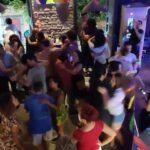
Another reason I’d put this on your short list: it’s not trying to be highbrow. It’s trying to get your body involved. The final moments are designed for participation—people are invited onto the stage, and that’s where the room’s energy really flips.
A few more Rio de Janeiro tours and experiences worth a look
Price and what you actually get for $97.82
At $97.82 per person, this isn’t a throwaway ticket. You’re paying for several things that add up in a real city: a performance with live music and dancers, a professional guide, and (if you select it) hotel pickup and drop-off from Rio’s more central South Zone hotels.
Here’s the value logic I use: if all you wanted was a generic tourist show, you’d find cheaper. If you want one night that gives you a survey of Brazilian dance styles—samba, bossa nova, forró, lambada, capoeira—and you also want context about what dance halls meant in Rio, then the price starts to make sense.
It also helps that the tour is capped at 40 travelers, so you’re less likely to feel like a herd. That said, a few bad experiences were reported around seating comfort and overbooking. So while the show itself can be excellent, do yourself a favor and pick a smart night to go—one where you’re not already running late.
Hotel pickup, traffic reality, and making the start time
This tour is built around convenience. You’re picked up from a central Rio hotel area and taken to the show venue, then returned afterward. In practice, the timing can matter a lot, because Rio traffic is not a gentle creature.
The basic rhythm is: pickup → drive to the theater → show → drop-off. The drive portion can be longer if you’re early on the route. One experience described nearly an hour on the bus if you’re the first pickup, so build in patience. If you’re sensitive to delays, try to avoid this as your first event after a long travel day.
Departure timing is also something to confirm. The exact pickup time is set during reconfirmation, not instantly. One booking noted a pickup around 7:50 with a show starting around 9:30, ending near 11:00. Use that only as planning texture, not a guarantee—but it tells you the show is a proper evening program, not an early dinner-and-done thing.
If you’re choosing the ticket-only option, you won’t get pickup. You’ll go to the ticket office with your reservation name and voucher number (more on that below).
Getting to Centro Cultural Veneza and the mall theater setup
The venue connection here is important. Your ticket option and your timing depend on where you’re meeting and how you’re confirmed.
For ticket pickup (ticket-only), the address given is:
Centro Cultural Veneza, Avenida Pasteur, 184, Botafogo, Rio de Janeiro.
For the show itself, the experience runs at a theater connected to Centro Cultural Veneza and described as being in/at Fashion Mall Theater. So yes: this is the kind of performance you can do without wandering Rio street blocks at night. That’s a real advantage if you prefer your evenings structured.
The trade-off is space. A mall theater can mean tighter seating and less dramatic sightlines than a big standalone auditorium. Some people also felt the theater could use improvements with acoustics and A/C. You don’t need to panic—just show up prepared for the room conditions. If you’re hot-natured, bring light layers you can manage easily.
Also note: the show is designed to be interactive, so even if your seat is fine, you might end up moving more than you expected later in the program.
Inside the show: samba, bossa nova, forró, lambada, and capoeira
The heart of the experience is the dance and music mix. You’ll see dancers and musicians perform multiple Brazilian styles, including:
- Samba
- Bossa nova
- Forró
- Lambada
- Capoeira
- Plus other regional dances and performance segments tied to different Brazilian traditions
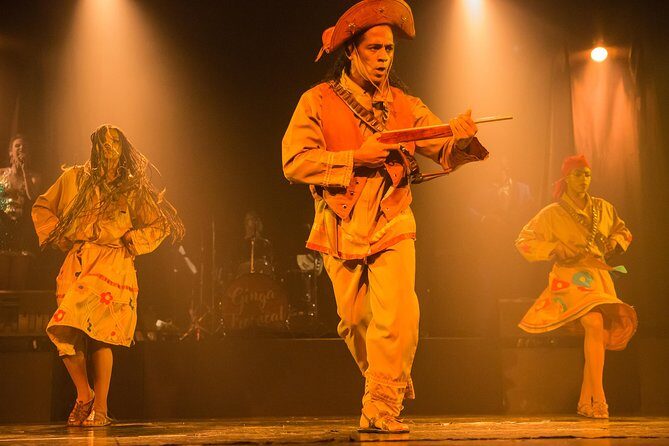
The program is described like a rhythmic tour through places and cultural references, including scenes connected to the Parintins festival and regional dance forms such as Carimbó, Xaxado, Frevo, and Maculelê. You’ll also see reenactments of folklore and rituals, including mystic ritual elements tied to Bahia, plus dance forms associated with Lapa and the Pampas.
A practical way to think about this: you’re getting multiple entry points into Brazilian culture. If you came for samba, you’ll get samba (and it’s the kind of finale that gets people on their feet). If you came for rhythm and athletic movement, capoeira and the physicality of the performances are the payoff. If you came wanting variety, forró and lambada bring different textures and body language to the mix.
One more detail I like: the show includes context about why dance halls mattered in Rio’s history. That’s not just trivia. It turns a pile of dances into something you can remember as a cultural pattern: people gathering, moving, expressing identity, and building community through music.






Folklore stories and ritual reenactments that make it more than a dance lesson
It’s easy to dismiss dance shows as entertainment only. This one adds a layer of storytelling by including folklore and ritual reenactments from different regions.
You’ll see performance sections framed around cultural references from places like the Amazon and the Pampas, and ritual-inspired segments tied to Bahia. The point is not to treat it like a museum exhibit. It’s more like taking the audience through emotional snapshots—how music and dance can carry belief systems, celebrations, and regional identity.
That matters for your enjoyment because you stop thinking, Okay, this is cool choreography, and start thinking, Oh—this is how people in different parts of Brazil express themselves. It also helps if you’re traveling with kids or with people who usually tune out at shows. Story plus movement keeps attention.
If you’re the type who likes explanations, you should feel good about having a guide attached to your experience. The show is where the action happens, but the guide’s role is to help the pieces connect in your head.
Audience participation, live drumming, and why the last act is the best act
The most memorable moments tend to be when the show turns from watching into joining. You’ll see invitations for the audience to get onstage, plus moments where drummers and dancers set the rhythm so you can copy what they’re doing.
If you’ve ever been to a performance where the audience stays passive the entire time, you’ll appreciate the difference here. The drumming isn’t just background music. It’s the engine. When it hits full force, dancers shift into a more participatory mode, and that’s where you’ll see people smiling, laughing, and moving even if they swore they wouldn’t.
Some groups are also described as being taught dance steps for styles like samba. You don’t need experience. The whole point is that the cast makes it easy for non-dancers to join without feeling put on the spot.
Do one thing for your own comfort: wear shoes that let you move quickly. Even if you’re planning to stay seated, the show’s pacing and the crowd flow can pull you into the action later.
Optional Brazilian barbecue dinner: a fun add-on, with one big planning note
If you add the optional dinner, it’s described as a Brazilian barbecue-style buffet with a variety of barbecued meats, local specialties, seafood, and salads. Dessert is included, and drinks are available for purchase.
In other words: it’s not just a tiny plate of food. It’s a proper buffet meal before or alongside the show, depending on the date’s schedule.
Here’s the planning note that keeps you from getting surprised: there were cases where dinner didn’t match the expected service. Some people reported the show moving to a mall theater and the dinner portion not happening, followed by a dinner refund request. That doesn’t mean it will happen to you—but it does mean you should treat the dinner option as something worth confirming right before your night out.
My practical advice: if you care about the dinner, don’t show up hungry. If the dinner is important, keep your confirmation details handy and ask your operator what the timing will look like on your exact day. That keeps the night fun instead of stressful.
Who should book this show in Rio, and who should think twice
This tour is a great fit if you want a single evening that covers a lot of Brazilian dance styles. It’s also a strong choice for first-timers who don’t want to research where to find samba, capoeira, and other regional dances separately.
It’s especially good for:
- People who like high-energy performances
- Travelers who want audience participation
- Families with kids age 6 and up (there’s a minimum age of 6)
- Anyone who wants context about Rio’s dance culture, not just steps
I’d think twice if:
- You are very sensitive to seating comfort and close quarters
- You need perfectly predictable logistics with no risk of crowding
- You’re counting on the dinner option as a fixed part of your schedule without any flexibility
If you’re the cautious type, choose a night when you’re not rushed, and don’t schedule a hard-to-make second event immediately afterward.
Should you book Ginga Tropical Show?
I’d book it if you want a fun, culturally flavored night with live music and dancers that actually moves. The show’s mix of samba, bossa nova, forró, lambada, and capoeira gives you variety you can feel in your muscles, and the guide context helps it stick beyond the curtain call.
Skip it (or at least choose ticket-only with your eyes open) if you’re the kind of traveler who hates uncertainty around timing or seating. There have been reports of cancellations/no-shows and overbooking/comfort issues, so build in patience. For most people, this is still a memorable Rio experience—and one that makes a great first taste of Brazil’s dance culture.
FAQ
How long is the Ginga Tropical Show experience?
The show is listed as lasting about 2 to 3 hours.
Is hotel pickup and drop-off included?
Hotel pickup and drop-off are included if you select the option. The pickup is described as being from most Rio South Zone hotels.
What if I choose the ticket-only option?
If you choose ticket only, you’ll go to the ticket office with your reservation name and voucher number. The address is Centro Cultural Veneza, Avenida Pasteur, 184, Botafogo, Rio de Janeiro.
What dances and music styles will I see?
The show includes authentic Brazilian music and dance styles such as samba, bossa nova, forró, lambada, and capoeira, along with traditional folklore and ritual-inspired reenactments from different regions.
Is dinner included?
Dinner is not included in the standard experience. There is an optional upgrade for a Brazilian barbecue dinner buffet, plus dessert and drinks for purchase.
What is the cancellation deadline for a full refund?
You can cancel up to 24 hours in advance for a full refund. Canceling less than 24 hours before the start time is not refunded.