REVIEW · VILA DO ABRAAO
Ilha Grande: Private Historic Walking Tour with Natural Pool
Book on GetYourGuide →Operated by Ilha Grande Hiking · Bookable on GetYourGuide
Ilha Grande looks different when you walk it. This private tour pairs forest trails with stops tied to the island’s past, then gives you a chance to cool off in sea or a natural pool setting.
I especially like the licensed local guide angle: you get real storytelling, not a generic script. And I love the calm add-ons, like birdwatching and ocean-sight pauses that slow the whole pace down.
One thing to plan for: there are no changing rooms, and the activity rules list swimming as not allowed—so treat the water time as cool-off time, not a full swim plan.
In This Review
- Key things to know before you go
- Ilha Grande on Foot: Why This Tour Feels More Local
- Meeting at São Sebastião: The Tour Starts With a Purpose
- Forest Trails, Ocean Pauses, and Birdwatching Time
- Ilha Grande’s History: Ruins, Prison Eras, and a Focused Story
- The Natural Pool or Sea Stop: Cool Off Without a Swim
- Private Guide Benefits: Getting the Most From 150 Minutes
- What to Bring (So the Day Stays Easy)
- Price and Logistics: What You’re Paying For
- Who This Tour Suits (and Who Should Rethink It)
- Should You Book This Tour?
- FAQ
- How long is the Ilha Grande Private Historic Walking Tour with Natural Pool?
- Is this tour private?
- What languages are available?
- Is swimming allowed during the water stop?
- What should I bring for the tour?
- Is the tour suitable for mobility impairments or wheelchair users?
Key things to know before you go
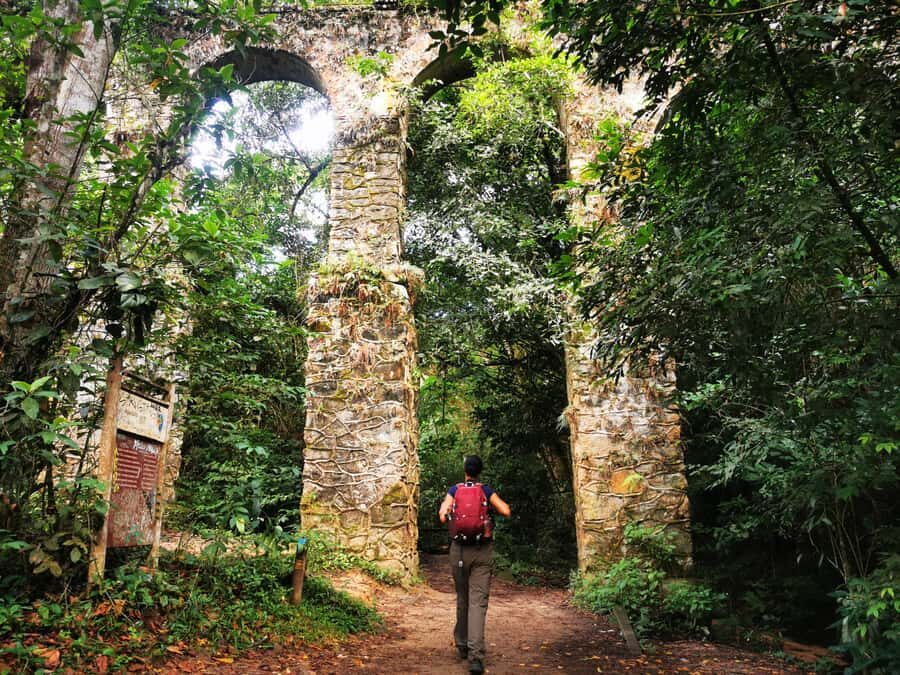
- Private guide, real attention: You’re not sharing the day with strangers pulling you along.
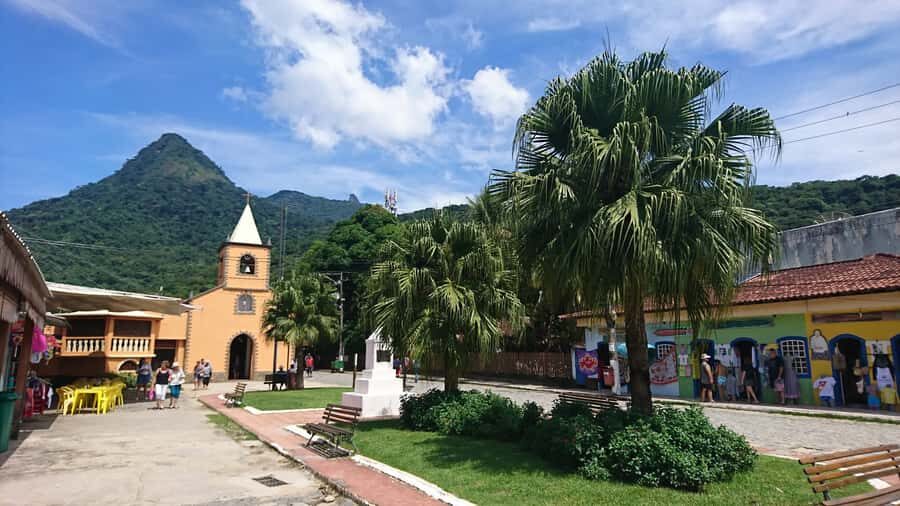
- Start at São Sebastião: The tour kicks off right in front of the historic church.
- Unpaved forest walking: Expect a guided trek on dirt and well-marked paths.
- Bird time is part of the deal: You’ll have chances to watch birds and hear their songs.
- Water stop, but rules matter: You can get in, but swimming is listed as not allowed.
- Practical packing matters: No changing rooms means what you bring (and wear) counts.
Ilha Grande on Foot: Why This Tour Feels More Local
If you only hit beaches on Ilha Grande, you miss the quieter layer: the Atlantic rainforest feel, the small viewpoints, and the way local history shows up in everyday corners. This tour is built to mix those parts in a tight 150-minute window, so you get variety without needing a full day’s commitment.
What I like most for your time on the island is the pacing. You’re not doing a grind of nonstop steps. You’re walking through lush forest stretches, then slowing down at ocean and bird moments, then ending back where you started so you can keep exploring on your own.
The value for many people is that the guide does the connecting work: how the island looks now, how people used it before, and which plants or birds are worth focusing on. It’s the kind of structure that helps you actually notice things, not just pass through them.
You can also read our reviews of more tours and experiences in Vila Do Abraao.

Meeting at São Sebastião: The Tour Starts With a Purpose
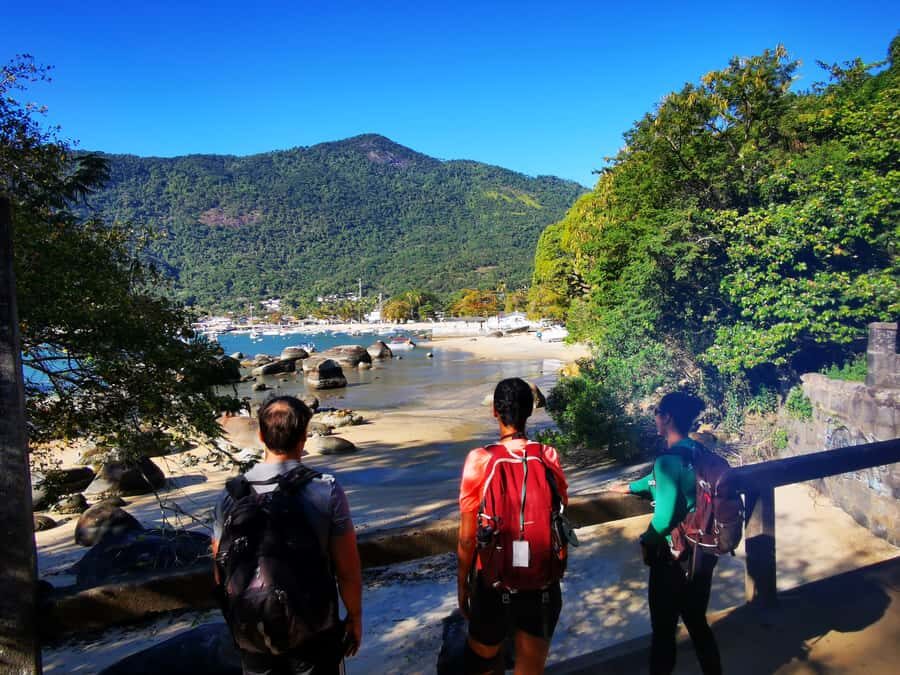
The tour begins in front of the historic church of São Sebastião. That matters more than it sounds. A strong opening landmark is what turns a hike into a story you can follow, and it also sets expectations: this isn’t only a nature walk.
From there, you head onto unbaved trails through the forest. You’ll be on paths that feel more “walking in the island” than “tour bus stop with a viewpoint.” In practical terms, it also means your shoes matter—comfortable, grippy footwear keeps you confident when the ground is uneven.
If you’re coming with questions, this is the moment to ask. The best guides (like the ones named Rodrigo and Bruno in guide feedback) tend to build momentum early, so the history and the nature observations start working together rather than feeling like two separate halves of the day.
Forest Trails, Ocean Pauses, and Birdwatching Time
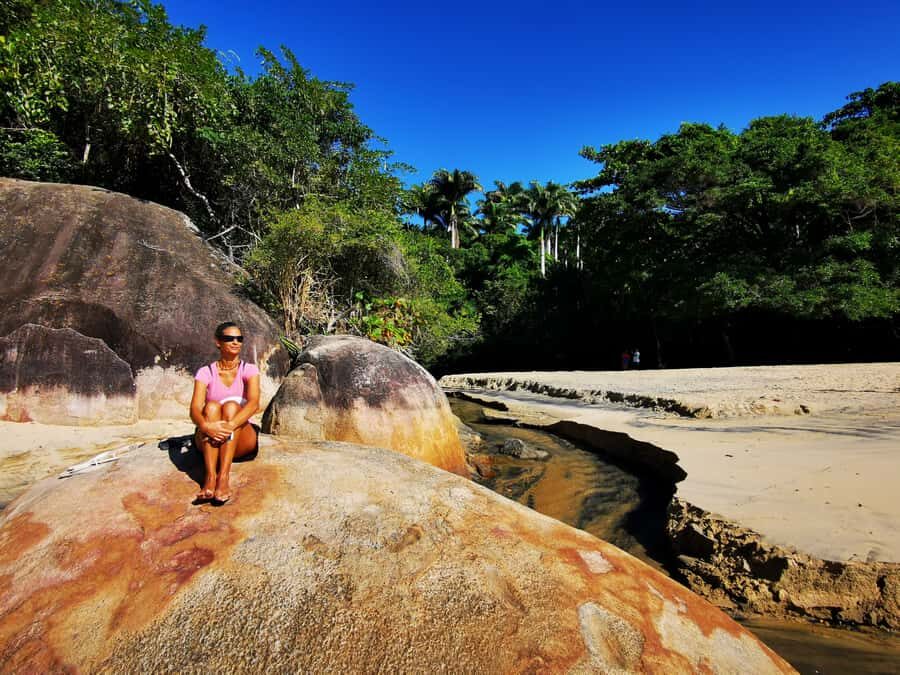
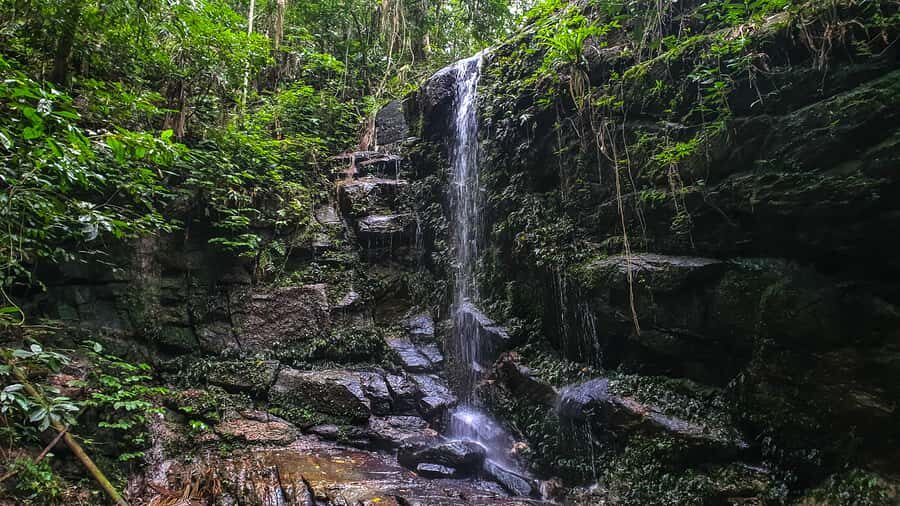
This is the part you’ll feel the most. The tour includes short guided forest walking, and you also get stops for calm ocean contemplation. Think of it like a nature-and-scenery rhythm: walk, pause, look, listen, then move again.
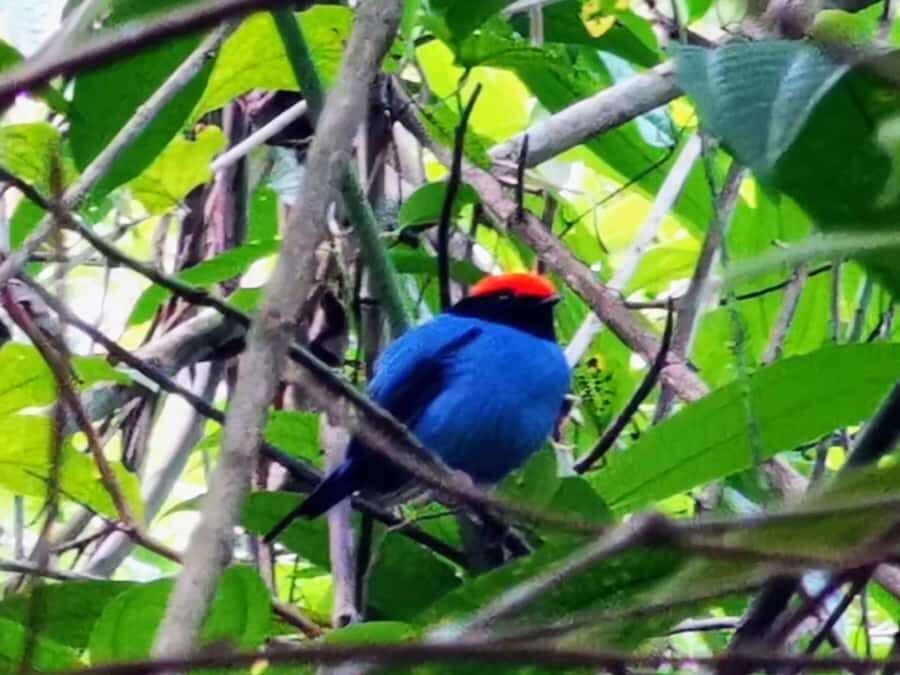
Birdwatching is a real theme here. Some guides have shared binoculars, and you’ll likely get time to track birds and hear the songs in between the viewpoints. If birds are your thing, this is a tour that won’t treat them as a random bonus—it builds in attention for them.
A small practical note: the forest soundscape can be one of the best parts of the experience, but it also means you’ll want to keep your phone use light. Put it away at the right moments so you can hear what the guide is pointing out.
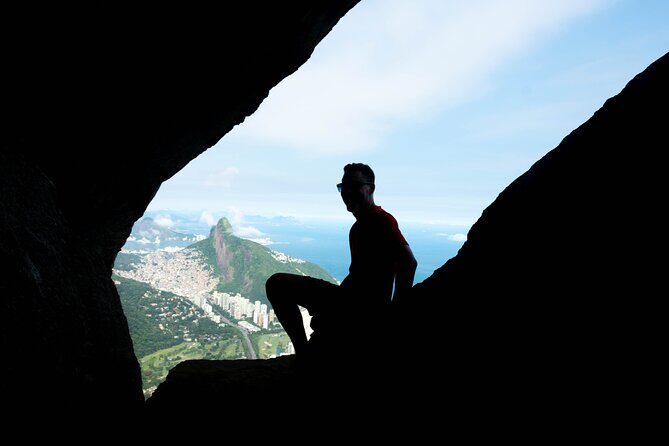
And yes, you’ll likely see ocean views more than once. Even when you’re not at the beach itself, you get those sightlines that help you understand how Ilha Grande’s coast shapes the hikes.
Ilha Grande’s History: Ruins, Prison Eras, and a Focused Story
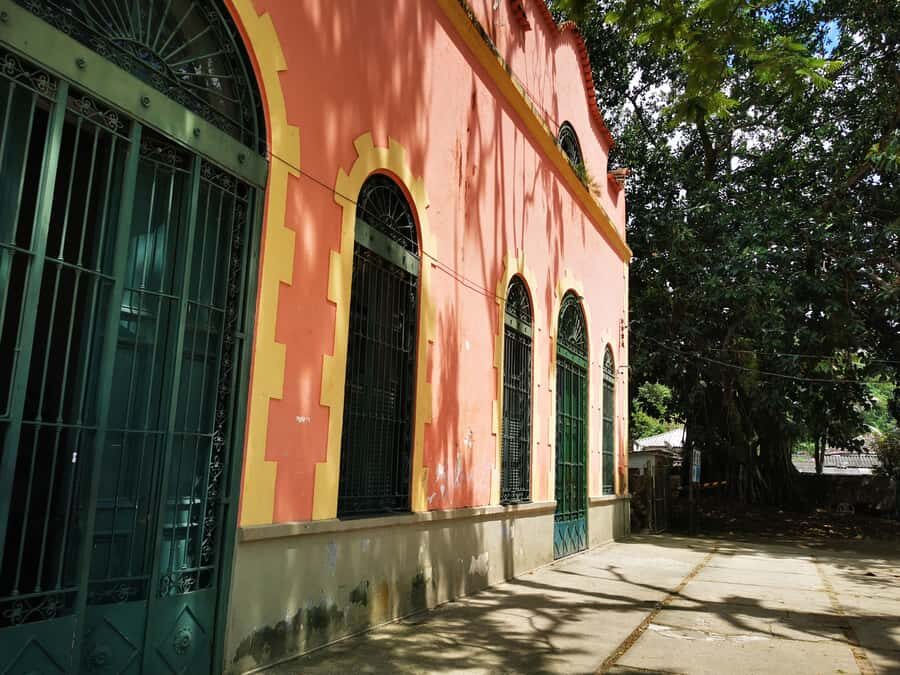
The tour promises historic ruins and island history, and your guide will connect the dots as you walk. Just know the history presented here has a clear structure, with emphasis on major phases. One guide’s history framing that matches your likely experience centers on three periods: the island’s native presence, later the psychiatric hospital era, and then the prison era and its review.
That focused approach can be a strength if you like stories that have clear chapters. You’ll come away with a better sense of why the island developed the way it did, not just random facts.
The possible downside? If you expect a sweeping, ultra-detailed timeline of everything that ever happened on Ilha Grande, this tour may feel short on that. The time is limited, so the history stays selective. For the price, you should go in with the mindset of: you’re getting a guided overview plus context, not a full academic course.
Either way, the best part is that you’re not reading history on a page. You see it next to the island’s real setting—forest paths, coastal views, and historic landmarks—which makes the story land in a more physical way.
The Natural Pool or Sea Stop: Cool Off Without a Swim
This is the “yes, do this” moment. The tour includes a water experience: a stop where you can swing in the crystal-clear waters of the sea or take a refreshing dip in a natural pool.
Then comes the rule that you should respect: swimming is listed as not allowed. That means you should plan for water contact—cool off, wade, maybe splash—but don’t assume you can treat it like a swimming session.
Here’s how to make that work smoothly:
- Wear swimwear under your clothes, since there are no changing rooms.
- Bring something easy to put on quickly afterward (a dry layer helps).
- Expect steps or uneven edges leading into the water area, since the tour involves forest trails and a nature setting.
If you love water time, this stop still delivers. But go in prepared for a cautious approach. The reward is the temperature drop and the feeling of doing it in a quiet natural spot, not the checklist of swim laps.
Private Guide Benefits: Getting the Most From 150 Minutes
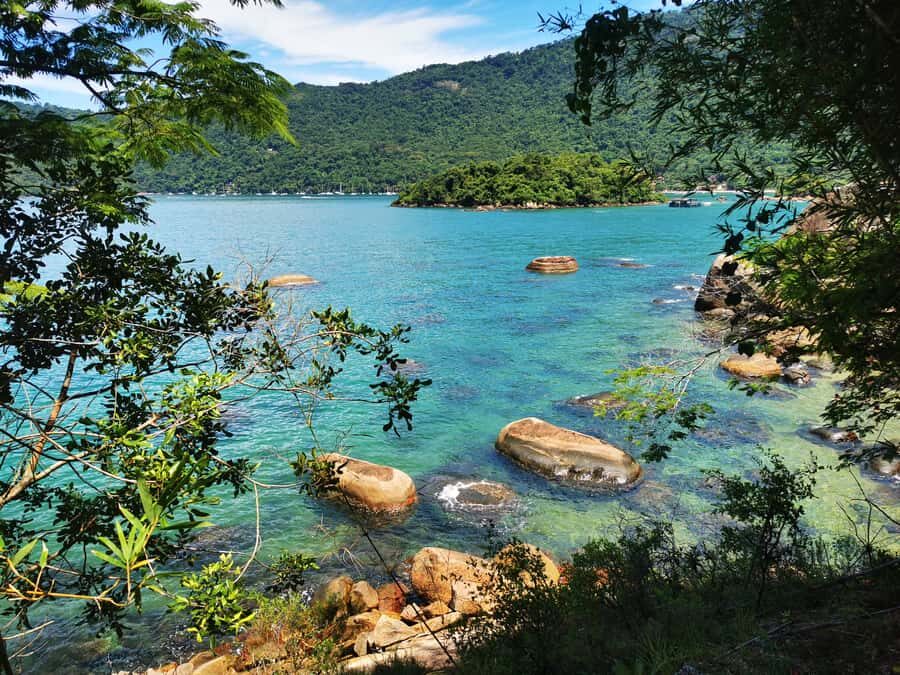
A private group is the difference-maker for a tour like this. When it’s just you and your guide, you can:
- keep the pace comfortable,
- ask follow-up questions,
- and spend a little extra time on what you care about most (birds, viewpoints, or the history segments).
You’ll also notice guide personality can shape the day. In feedback, different guides have been praised for different strengths—Rodrigo for connecting history and nature, Bruno for bird-focused moments and passionate storytelling, and Matheo for mixing history with ecology and geology-style explanations (plus the language flexibility of English and French, in at least one case).
That variety is useful for you because it means you can choose what matters in your head before you meet: do you want more nature, more ruins, or more bird time? A good guide will steer the day that way within the tour’s time box.
One more practical point: since the walking is on trails, a private guide helps you avoid the common mistake of rushing. You’ll naturally slow down when your guide is waiting to show you something.
What to Bring (So the Day Stays Easy)
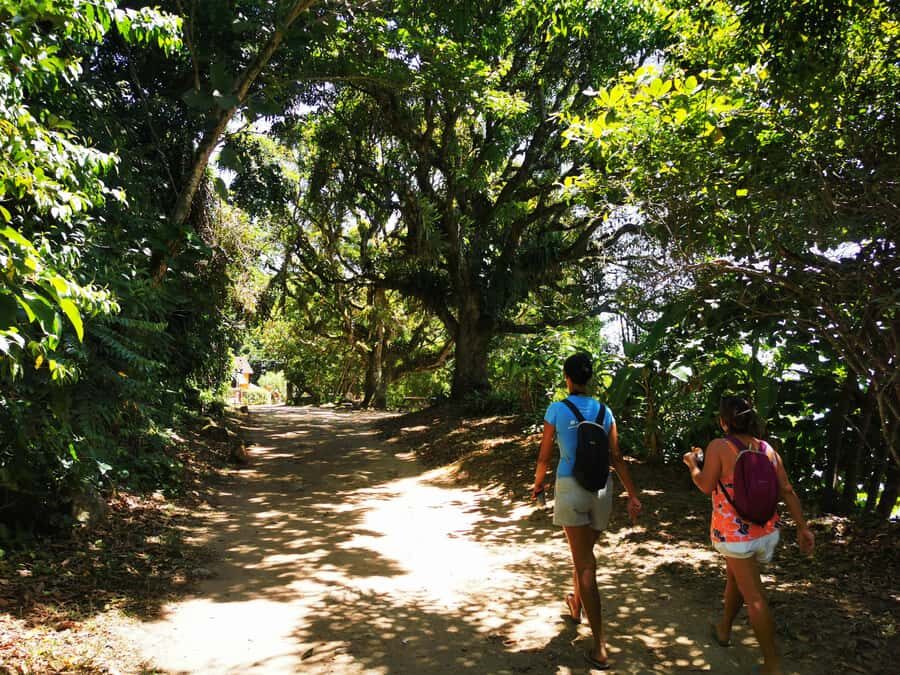
This tour asks for a simple but specific packing list, and it’s worth taking it seriously. There are no changing rooms, you’re walking on uneven ground, and there’s water time.
Bring:
- Comfortable shoes for unpaved paths
- Hat for sun
- Swimwear (for the sea/pool stop)
- Camera for birds, viewpoints, and historic stops
- Snacks and water (the tour doesn’t say it provides them)
- Sunscreen and insect repellent
If you want extra comfort, I’d add one more thing: a small light layer for after the water stop. Even in tropical places, conditions can shift fast once you’re wet and walking again.
Also: if you have binoculars, bring them. Not because you’re required to—because bird time can be better when you can focus without squinting.
Price and Logistics: What You’re Paying For
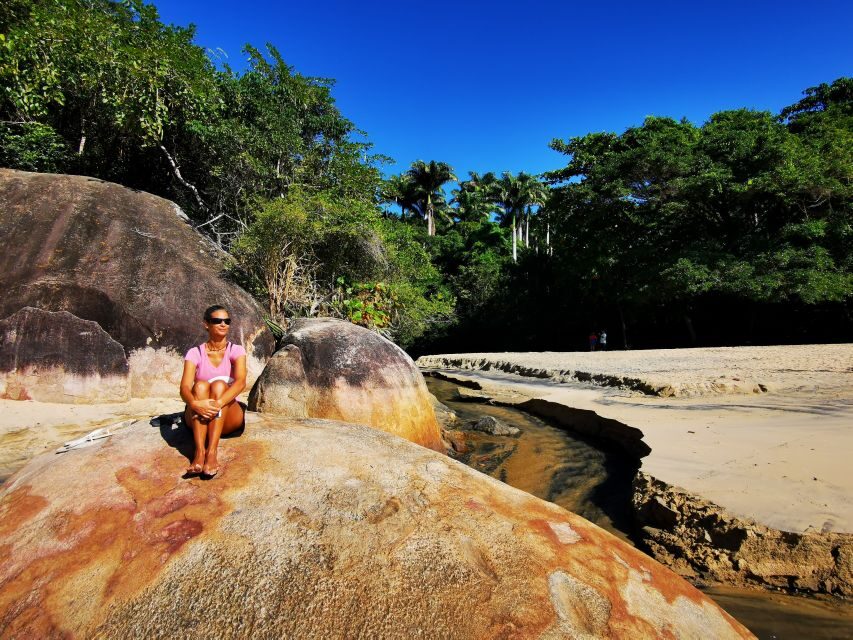
At $156 per person for about 150 minutes, you’re paying for three things you can feel immediately:
- A licensed local guide
- Private attention (not a group bottleneck)
- A mixed itinerary that includes both history and nature, plus a water stop
If you tried to stitch this together yourself—finding the right routes, lining up a guide, and managing timing—you’d likely spend more time and risk less satisfying results. The structure of the tour is doing work for you.
That said, the history portion is time-limited by nature. If history is your main goal, make sure your expectations match a focused overview tied to specific island eras. If you want birds, ocean views, and a gentle but scenic walk, this is where the value feels strongest.
One logistics note from real-world pacing: the tour duration is listed as 150 minutes, and some days can run closer to about two hours depending on how long people linger at viewpoints and in water. That’s normal for outdoor tours—just don’t plan a super tight connection right after without breathing room.
Who This Tour Suits (and Who Should Rethink It)
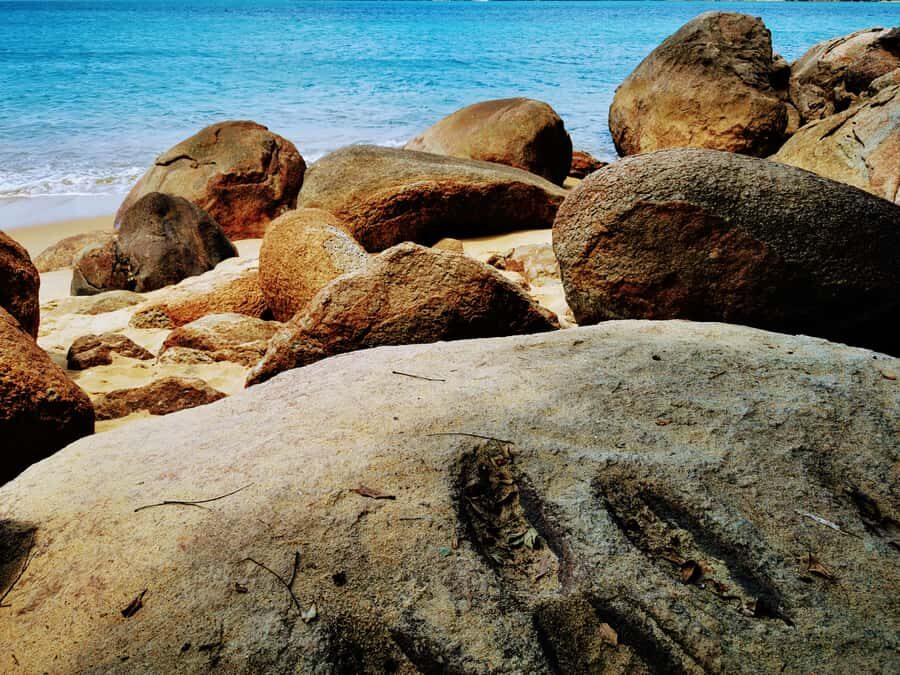
This tour fits best if you like:
- walking on forest and coastal paths,
- history that’s tied to real locations,
- and nature moments like birds and ocean views.
It’s also a good match if you want a guide to translate what you’re seeing—why a place matters, what kind of wildlife to watch for, and how the island’s story connects to its landscape now.
It’s not suitable for people with mobility impairments or wheelchair users. Unpaved trails, uneven ground, and a coastal water stop mean this is a “feet-first” experience.
If you’re someone who dislikes being in and out of water under strict rules, or if you strongly need changing-room comfort, this might not be your easiest fit. The water part is part of the concept, and there’s no back-up setup.
Should You Book This Tour?
I’d book it if you want a focused, guided mix of Ilha Grande history and nature in a short time block, especially if birdwatching and ocean pauses sound appealing to you. The private guide format helps you slow down and actually notice things, and the São Sebastião start gives the day a clear beginning.
I’d hesitate if you’re expecting a long, ultra-detailed historical lecture across many eras, or if the lack of changing rooms plus the rule that swimming isn’t allowed would be a deal-breaker for your comfort.
Bottom line: this tour is best as a “smart taste” of Ilha Grande—forest walking, guided context, and a refreshing natural water moment—without committing your whole day.
FAQ
How long is the Ilha Grande Private Historic Walking Tour with Natural Pool?
The duration is listed as 150 minutes.
Is this tour private?
Yes. The group type is private, with an undivided licensed local guide.
What languages are available?
The live guide is available in English and Portuguese.
Is swimming allowed during the water stop?
The activity information lists swimming as not allowed. The tour includes time at a natural pool or sea setting for cooling off, but you should expect limits on swimming.
What should I bring for the tour?
Bring comfortable shoes, a hat, swimwear, a camera, snacks, sunscreen, water, and insect repellent.
Is the tour suitable for mobility impairments or wheelchair users?
No. It is not suitable for people with mobility impairments or wheelchair users.