REVIEW · RIO DE JANEIRO
Pantanal of Rio de Janeiro
Book on GetYourGuide →Operated by Viajecom Io Turismo Viagem e Intercâmbio · Bookable on GetYourGuide
A nature tour that feels like Rio’s back door. This Pantanal of Rio de Janeiro experience takes you by boat through the islands of the archipelago, with Gigóia Island as the big stop, where wildlife sightings are the whole point. You get river and mangrove scenery, plus the best kind of sightseeing: quiet, up-close animal watching.
I love the mix of motion and patience here. The boat ride does the hard work for you, and on land you slow down just long enough to actually notice caimans, capybaras, and other regional animals rather than just passing by them.
One thing to consider is logistics around the boat payment and timing. The boat fee is paid directly to the captain (R$ 60 cash), and some communication can be late or incomplete about when things start, so you’ll want to arrive at the meeting point on time and keep your phone handy.
In This Review
- Key Things to Know Before You Go
- A Rio Nature Break on the Water
- Boat Time: How the Archipelago Tour Really Works
- Gigóia Island: Where the Wildlife Time Happens
- The View Factor: Pedra da Gávea and Mangroves
- Barra da Tijuca Beach: Optional, But Nice to Have
- Price and Value: The Boat Fee Catch
- Meeting Point at Jardim Oceânico: Easy to Find, Still Don’t Be Late
- The Guide Factor: Trilingual Support That Helps You Stay Present
- What to Pack for This 3-Hour Rio Escape
- Who This Tour Fits Best
- Should You Book the Pantanal of Rio de Janeiro Tour?
- FAQ
- Where do we meet for the Pantanal of Rio de Janeiro tour?
- How long is the tour?
- What languages is the guide available in?
- Is there a trilingual tour guide?
- How do I pay for the boat?
- What islands are visited?
- What animals can I expect to see?
- Is Barra da Tijuca beach included?
- What is the cancellation policy?
- Is reserve now, pay later available?
Key Things to Know Before You Go
- Boat through the archipelago: the tour is built around island-to-island travel, not a bus route.
- Gigóia Island is the main stop: it’s the largest island and where the walking and wildlife time happen.
- You’re watching real semi-wild animals: caimans and capybaras are part of the plan, plus other local wildlife.
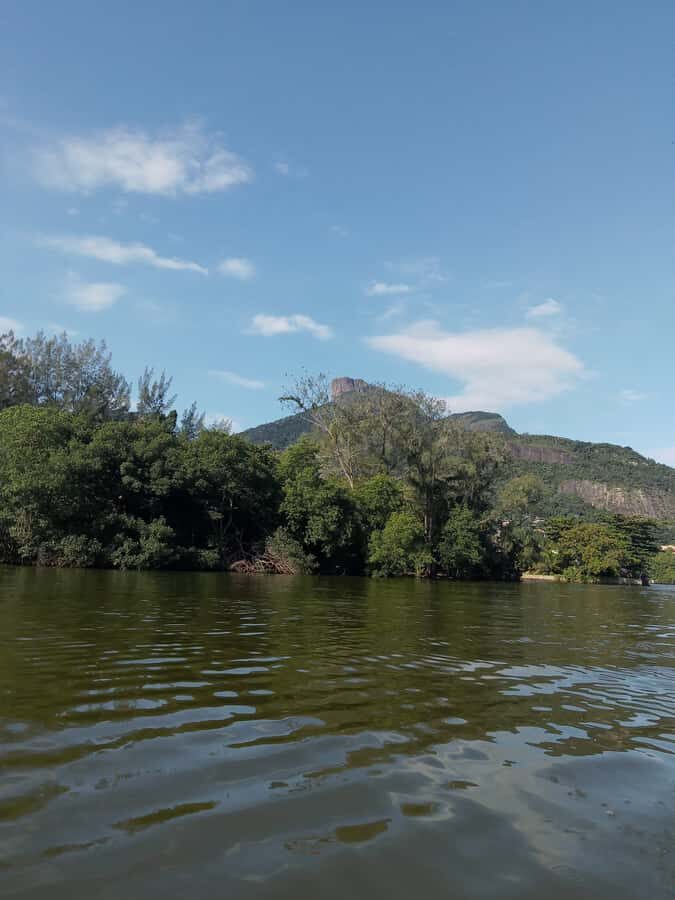
- Pedra da Gávea is part of the view: you’ll enjoy lookout-style scenery where stone meets water.
- Barra da Tijuca beach is optional: you can add beach time if you want a softer finish.
- Language support is built in: the guide works in English, Portuguese, and Spanish.
A Rio Nature Break on the Water

If you only do the classic Rio hits, this tour is a smart counterweight. It’s not built around a monument or a photo stop. It’s built around habitat. You trade crowds for boats, islands, mangroves, and the kind of animal sightings that feel more natural than staged.
The setting matters. This is Rio, but it’s also a river-world. Mangroves break up the shoreline into small channels and shadowy edges where animals hang out. That’s why the boat is more than transport. It’s how you get close to the places where caimans and capybaras actually spend their time.
I also like that it keeps the day short. With a duration of 3 hours, you can do this and still keep your evening open for Copacabana or a low-key meal. It’s a good match for travelers who want something different without losing half a day to a long itinerary.
You can also read our reviews of more tours and experiences in Rio De Janeiro.



Boat Time: How the Archipelago Tour Really Works
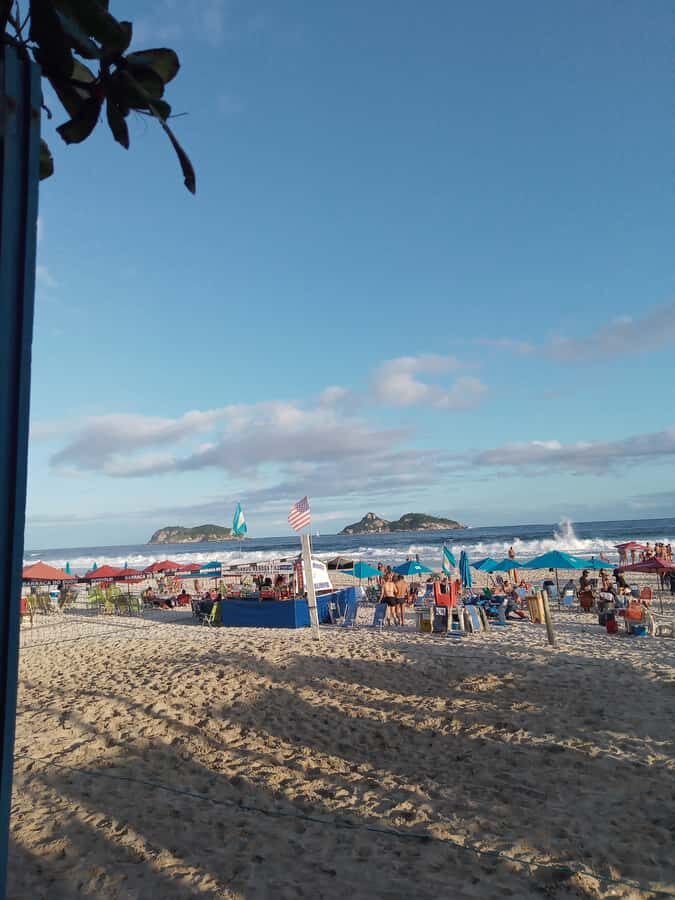
The experience starts with a simple goal: get you onto the water and moving through the islands. You’ll be taken by boat through the islands of the archipelago, and the largest island is Gigóia Island. In practice, this means your schedule is mostly shaped by the water route and the time spent at the main island.
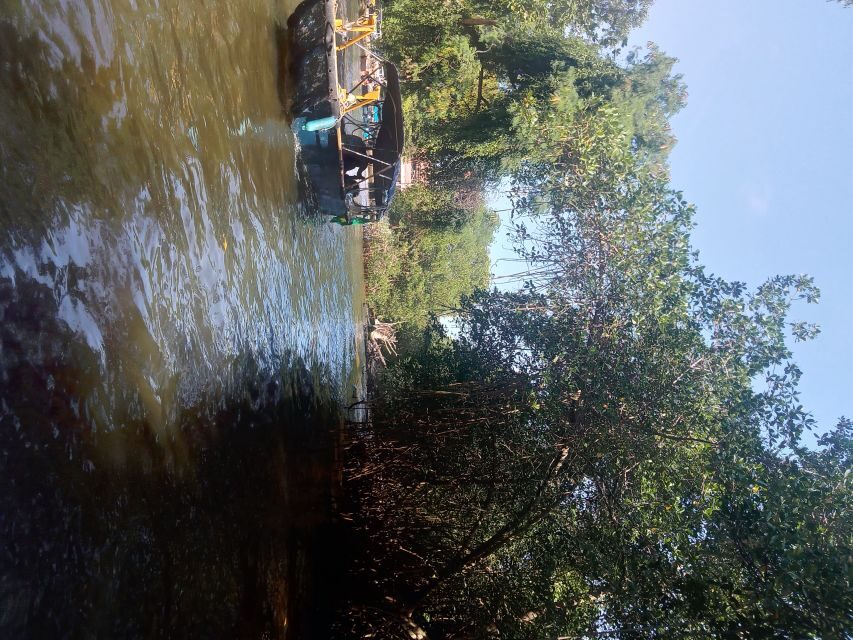
You’ll want to treat the boat ride like part of the attraction. You’re not just being transported to one point. You’ll see the way river meets mangrove and how the shoreline changes from one patch of islands to the next. That shifting scenery helps the whole time feel active, not stuck waiting.
If you’re sensitive to sun or wind, plan accordingly. Even if the route is not long, the water can make it feel cooler than you expect, then warm up quickly once the boat is in open sun. Bring sunglasses and something light for sun protection.
Gigóia Island: Where the Wildlife Time Happens
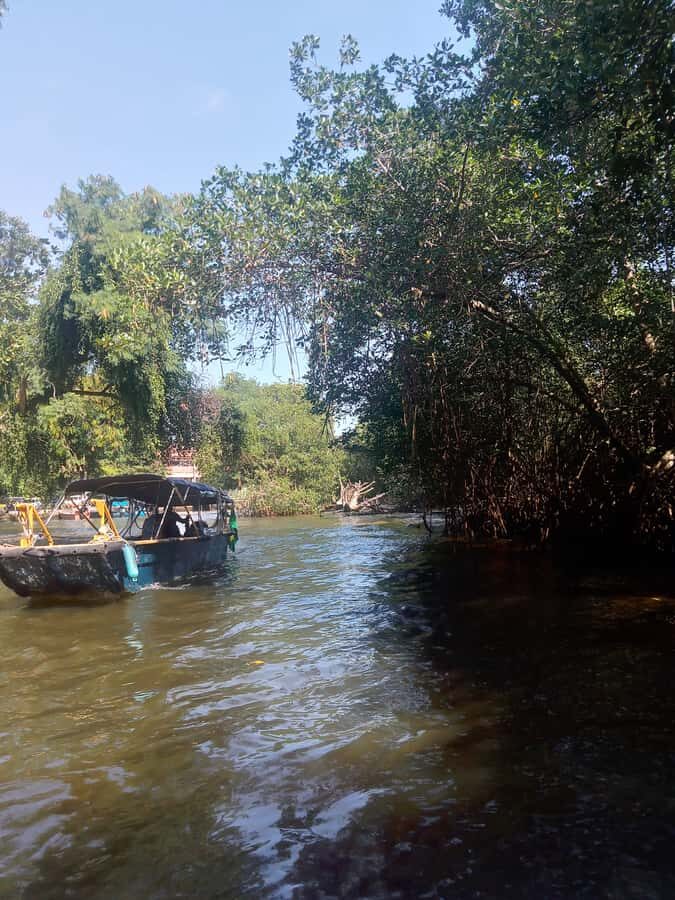
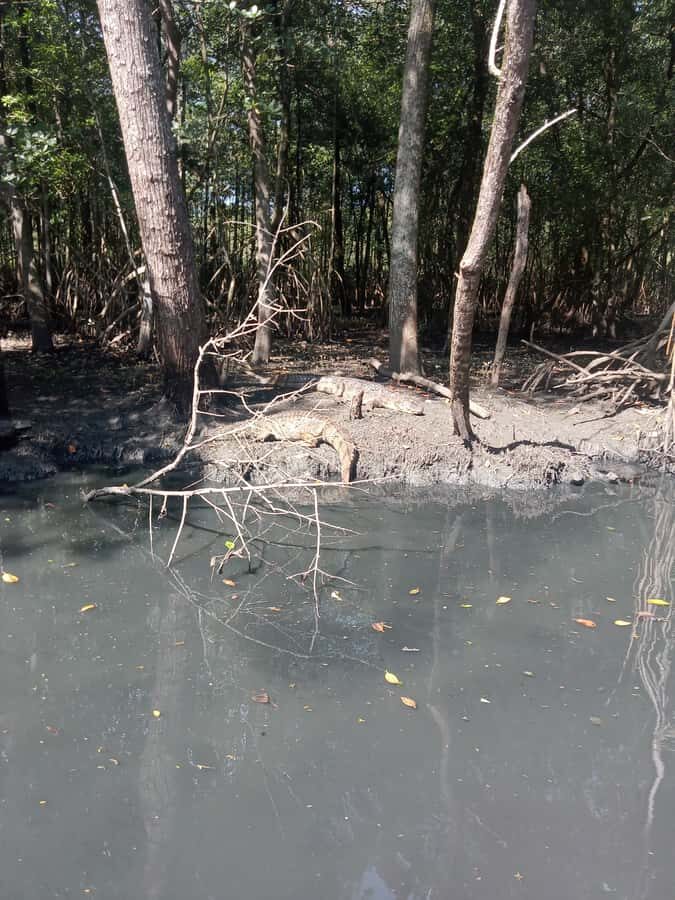
Gigóia Island is the star of the show. This is where you go for the walk and the time to look for animals in their environment. The tour is set up to meet caimans and capybaras, and the island setting gives you a decent chance to spot them without turning the outing into a frantic chase.
Here’s what I think makes this stop work for most people: it’s not only about seeing animals, it’s about how they shape the pace of the visit. When you’re on an island like this, you naturally start scanning banks, edges, and low spots where animals might come up to breathe or move along the waterline.
You’ll also likely see other signs of island life, since this is a real ecosystem, not a controlled zoo environment. That’s why patience helps. You don’t need to strain for perfect views; sometimes the best sightings come from simply staying calm and looking where the habitat makes sense.
A small practical tip: if you want a smoother return, keep an eye out for food options on the island during the downtime. There are restaurants on-site, and some travelers use water transport options back toward the metro afterward. Budget a little extra if you choose that route.
The View Factor: Pedra da Gávea and Mangroves
One of the more memorable parts is the scenery overlap: river, mangrove, animals, and the Pedra da Gávea area in the background. That mix is unusual in Rio. You usually think of the city as hills, beaches, and viewpoints. Here you get an in-between world where the city’s stone mass becomes a distant landmark across water.
This view is also useful because it helps you understand the geography. You’re seeing how waterways cut through vegetation, and how the island edges relate to the big rock formations of the region. Even if you’re not a map person, after you’ve been out a bit, the area starts to click.
If you’re a photographer, the lighting can be interesting. Mangroves create darker frames, while water and sky reflect light. You can get shots that feel more “Brazil in motion” and less like a single viewpoint postcard.
Barra da Tijuca Beach: Optional, But Nice to Have
The tour includes Barra da Tijuca beach as an optional add-on. I like this structure because it gives you a choice based on your energy level. If you want a straightforward wildlife-and-water outing, you can skip the beach extension. If you want a softer ending and a chance to stretch your legs on sand, it’s there.
Barra da Tijuca isn’t always on the top of everyone’s Rio list. So the value here isn’t just the beach. It’s seeing it as part of a different day. Instead of going there directly from the city, you connect it to the island-water world first, then transition into beach time.
Pack the basics if you choose the beach option: a small towel, water, and something to protect your phone or camera. Even a short beach stop can turn into a longer stay once the sun hits.



Price and Value: The Boat Fee Catch
The advertised price is $32 per person, and the tour includes the guided experience (an accredited trilingual guide) plus the planned island visits. But there’s a key cost detail: the boat fee is paid directly to the captain.
Here’s the part that matters for your budgeting:
- The boat payment is R$ 60 cash to the captain.
- Credit or debit card payment is possible, but there’s 5% more tax.
So what’s the real value? If you go into it expecting only one lump sum, you’ll feel the sting when you reach the captain. If you go into it prepared for the separate boat payment, the cost makes more sense because you’re paying for the water route, the captain, and the real island setting that you can’t easily recreate on your own.
In other words: the tour feels like a bargain if you treat it as a guided nature boat outing, not as a single-price all-inclusive package. Also, a 3-hour duration helps value. You’re paying for a short, focused experience rather than a long day with lots of buffer time.
Meeting Point at Jardim Oceânico: Easy to Find, Still Don’t Be Late
The meeting point is in front of Jardim Oceânico subway station, exit A. That’s helpful because it’s a clear landmark. It also means you can plan your arrival without hunting for a pickup in traffic.
Still, plan like time is real. One review detail that’s worth taking seriously is that communication about timing can be imperfect, and the guide may arrive late. That doesn’t mean the tour is a mess, but it does mean you should not wait until the last minute to show up. Give yourself a little cushion at the metro stop so you can get oriented and confirm you’re in the right place.
If you’re traveling with a tight schedule, set a reminder for the meeting time and keep your phone ready for messages. Rio has plenty of movement, and last-minute confusion is avoidable.
The Guide Factor: Trilingual Support That Helps You Stay Present
This tour includes an accredited trilingual tour guide who works in English, Portuguese, and Spanish. That matters more than people think. When you’re on a boat and walking in a natural setting, you don’t want the guide to be explaining basics. You want them pointing out what you’re actually seeing and helping you understand animal behavior and the environment.
In one notable case, the guide name Ione is mentioned, with praise for being friendly and not rushing anyone. That matches what you want on a nature outing. If you feel you’re being pulled forward too fast, you miss the quiet moments when animals become visible.
A calm pacing also helps you do the main thing well: look. The best wildlife moments rarely happen during the busiest footstep moments. They happen when you slow down and stay watchful.
What to Pack for This 3-Hour Rio Escape
You don’t need to overthink it, but a few items will make the experience more comfortable:
- Water and a small snack if you get hungry fast
- Sunglasses and sunscreen for the boat ride and island walking
- A light layer for wind on the water
- Comfortable shoes with grip for uneven island paths
- A dry bag or sealed phone pouch if the water gets splashed
If you’re adding Barra da Tijuca beach, add a towel and something basic for sun protection.
Who This Tour Fits Best
This is a strong choice if you want:
- a short nature outing that still feels like an adventure
- animal sightings without a full-day commitment
- a different side of Rio away from the main tourist corridor
- a guided experience with English/Portuguese/Spanish support
It’s also a good option if you’re traveling with someone who wants wildlife, but you still want an itinerary that stays manageable.
On the other hand, it might not satisfy your expectations if you want a packed, multi-stop itinerary where you’re constantly moving from one big attraction to the next. This tour’s power is in the environment and animal time, not in adding many separate sights.
Should You Book the Pantanal of Rio de Janeiro Tour?
Book it if you like nature more than museums, and if you’re excited by the idea of sharing space with wildlife in a real river-island habitat. The short 3-hour format is ideal when you want something memorable without draining your whole day.
You should be a little cautious if you’re the type who needs very tight timing and crystal-clear starting details. Arrive early, confirm your meeting point at Jardim Oceânico exit A, and keep the boat payment setup in mind so there are no surprises.
If you go with the right mindset, this is the kind of Rio experience that feels like you found a quieter corner of the city’s world: river and mangroves, island walks, and the chance to see caimans and capybaras close enough to make you look twice.
FAQ
Where do we meet for the Pantanal of Rio de Janeiro tour?
You’ll meet in front of Jardim Oceânico subway station, exit A.
How long is the tour?
The duration is 3 hours.
What languages is the guide available in?
The live guide offers English, Portuguese, and Spanish.
Is there a trilingual tour guide?
Yes, the tour includes an accredited trilingual tour guide.
How do I pay for the boat?
The boat payment is made directly to the captain: R$ 60 cash. Card payments are possible, but there is 5% more tax.
What islands are visited?
You’ll visit the archipelago islands, with Gigóia Island being the largest.
What animals can I expect to see?
The tour includes the chance to see caimans and capybaras, plus other regional animals.
Is Barra da Tijuca beach included?
Barra da Tijuca beach is optional.
What is the cancellation policy?
Free cancellation is available up to 24 hours in advance for a full refund.
Is reserve now, pay later available?
Yes, you can reserve now and pay later according to the activity options listed.