REVIEW · PARATY
Paraty: Historic Centre Walking Tour & Cachaça Tasting
Book on GetYourGuide →Operated by Filtro dos Sonhos Tour Paraty · Bookable on GetYourGuide
Paraty history walks right beside you. This 90-minute guided walk through the Historic Centre turns alleyways and old buildings into a clear story of colonization, trade cycles, and even Freemasonry—then it ends with a free Cachaça Gabriela tasting. I like how the guide connects details you’d otherwise miss (like the town’s unusual influences), and I like that you get a proper food-and-drink payoff at the end. One catch: the streets can be slippery, so you’ll want grippy shoes.
You’ll start at Largo de Santa Rita, in front of Santa Rita’s Church, and you’ll move at a steady walking pace for about 1.5 hours. The tour runs in English, Portuguese, or Spanish, and it can run as private or small groups, which makes questions feel normal instead of rushed.
What really sets this tour up is the range of topics: Paraty’s original peoples, colonization, the town’s Freemasonry influence, and the cycle of gold, sugarcane, coffee, and pau brasil. If you show up wearing comfortable footwear with traction and expect a guided “story walk” more than a checklist, you’re going to get a lot out of it.
In This Review
- Key Highlights You’ll Feel Immediately
- Strolling Paraty’s Historic Centre, One Story at a Time
- Meeting at Santa Rita Church and Getting Oriented Fast
- The Freemasonry Angle: Why It’s More Than a Side Fact
- Colonization, Trade Cycles, and Paraty’s Real Growth Story
- Architecture Clues You’ll Notice After the Tour
- Cachaça Gabriela Tasting: What You’re Drinking and Why It Matters
- Price and Value: $19 for a Guide and a Tasting
- Practical Notes: Slippery Streets, Footwear, and Who It Fits
- Who Should Book This Tour (and Who Might Skip It)
- Should You Book Paraty Historic Centre Walking Tour & Cachaça Tasting?
- FAQ
- How long is the Paraty Historic Centre walking tour?
- Where do I meet for the tour?
- What languages are available?
- What’s included in the price?
- Are drinks and food included?
- What is Cachaça Gabriela made with?
- Is there a bar stop during the tour?
- Is the tour suitable for people with mobility impairments or hearing issues?
- Can I cancel for free or use reserve and pay later?
Key Highlights You’ll Feel Immediately
- Historic Centre on foot: a tight 90 minutes that still feels complete
- Freemasonry explained plainly: not just facts, but why it mattered
- Cachaça Gabriela tasting included: white cachaça blended with honey, clove, and cinnamon
- Paraty’s big identity themes: colonization, original peoples, and the trade cycle story
- Guides who stick with your questions: Thiago is repeatedly praised for staying engaged
- Slippery-street ready: comfortable, anti-slip shoes are a must
Strolling Paraty’s Historic Centre, One Story at a Time
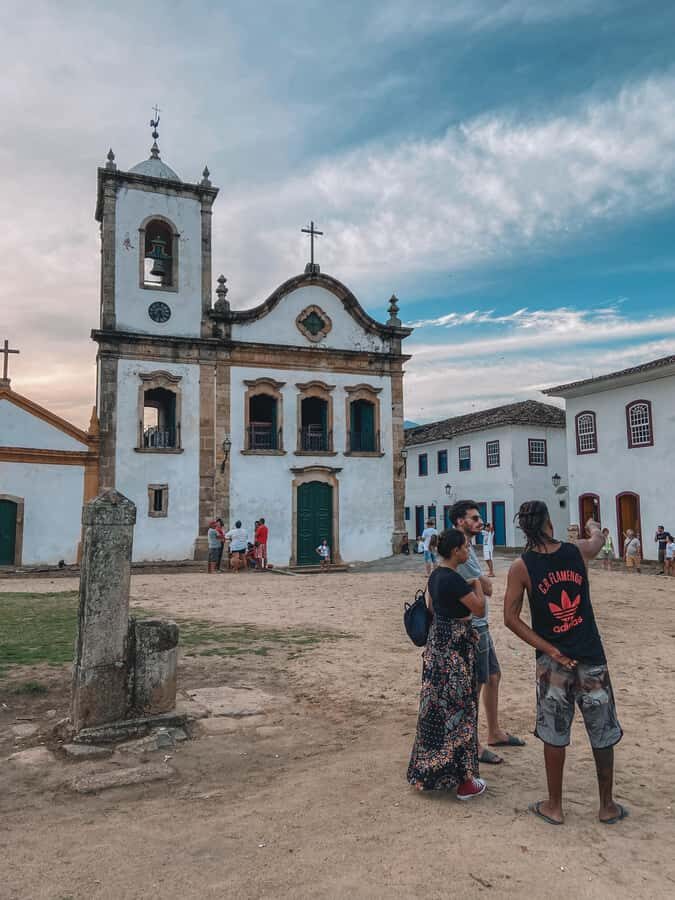
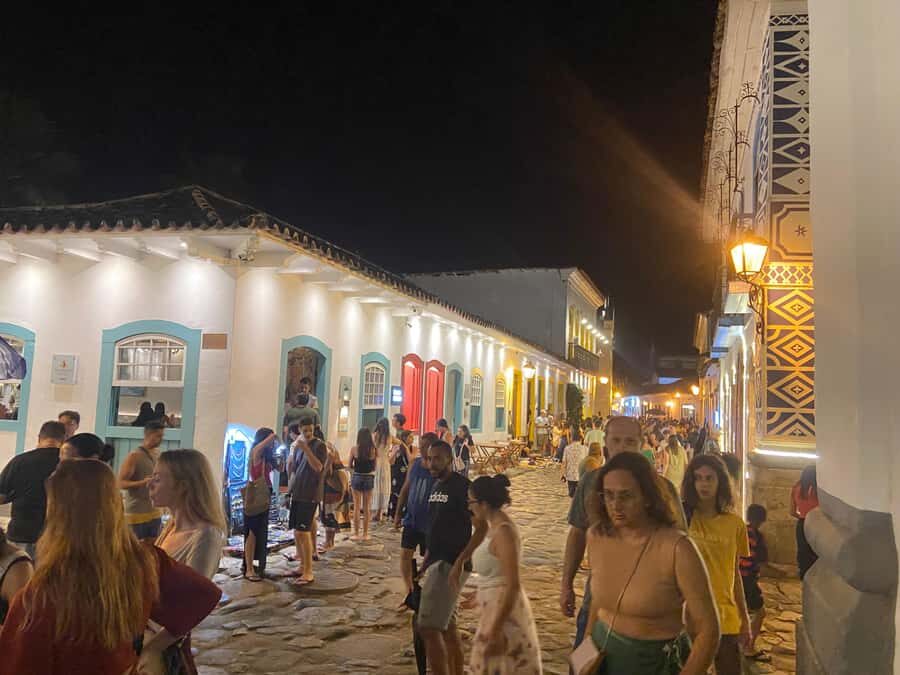
Paraty’s Historic Centre is the kind of place where it’s easy to walk in circles unless someone points out what you’re actually looking at. This tour solves that problem fast. Instead of “here’s a building,” you get a guided explanation of how Paraty grew, how different influences showed up in the town, and why certain details connect to bigger historical patterns.
I also like that the tour treats architecture and town layout as clues. When a guide connects street feel and building character to the town’s past, you start spotting logic in the design—rather than just admiring pretty scenery. That’s a big deal in compact areas like Paraty’s centre, where your time is limited but your curiosity can run wild.
And then there’s the payoff. A tasting isn’t just a gimmick here. Cachaça Gabriela is framed as a local delicacy tied to Paraty’s cultural identity, so it feels like the tour’s final chapter rather than an extra stop you have to squeeze in.
You can also read our reviews of more walking tours in Paraty



Meeting at Santa Rita Church and Getting Oriented Fast
You’ll meet right in the centre, in front of Santa Rita’s Church (at Largo de Santa Rita). That’s convenient because you’re starting where most people naturally want to be anyway. It also helps you get your bearings quickly—Paraty is walkable, but the streets can feel twisty until you understand the basic flow.
The tour lasts about 90 minutes, so it’s a “do it once you arrive” kind of experience. If you want a head start on what to explore later—churches, viewpoints, and the general vibe of the older town—this timing helps. It also means you’re not stuck out all afternoon if you have plans for the coast, beaches, or an evening stroll.
Group size matters for a walk tour, and this one offers private or small groups. That typically makes the explanations easier to follow and gives you space to ask follow-up questions. If you’re the type who likes context—why something happened, not just what it is—you’ll likely enjoy that format.
The Freemasonry Angle: Why It’s More Than a Side Fact
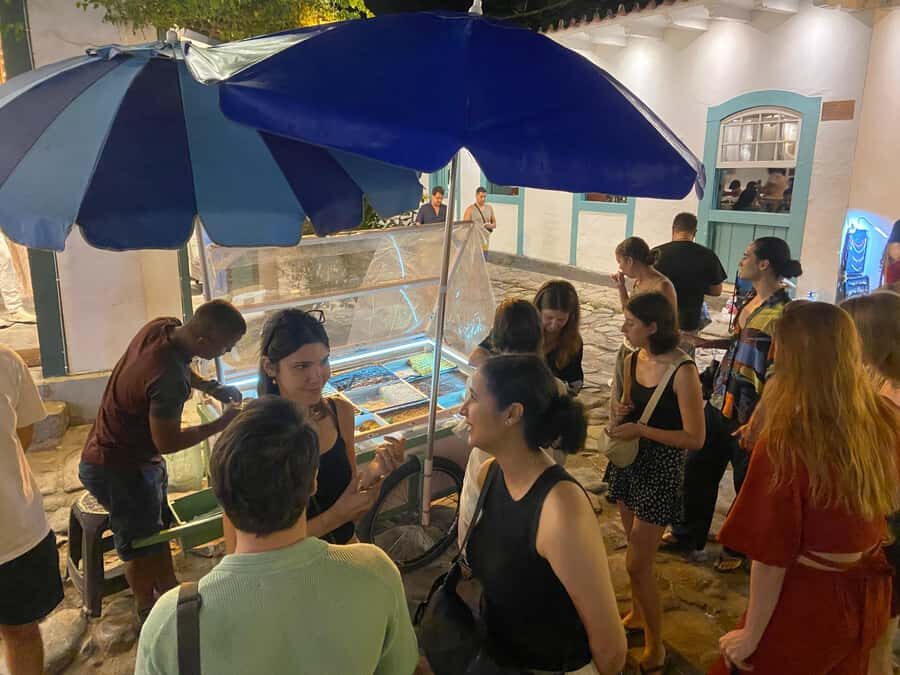
One of the standout themes is the influence of Freemasonry on Paraty’s development. The best part of this isn’t the label—it’s the way it’s used to explain the town’s evolution. Many tours mention Freemasonry as trivia. Here, it’s presented as something that helped shape how Paraty functioned and how certain ideas landed in the community.
This theme shows up alongside other big story pieces: the history of colonization and original peoples, plus Paraty’s role in the broader cycle of gold, sugarcane, coffee, and pau brasil. Put together, those topics help you understand Paraty as more than a pretty historic set-piece. It becomes a trading and cultural crossroads, with local institutions and European-style influences mixing in the background.
If you’re a history person, you’ll like this. If you’re not, you might still enjoy it because the tour appears designed to keep the explanation human and connected to everyday streets. Several guides (including Thiago) are praised for being passionate and for answering questions, so don’t be shy about asking what a detail means.
Colonization, Trade Cycles, and Paraty’s Real Growth Story
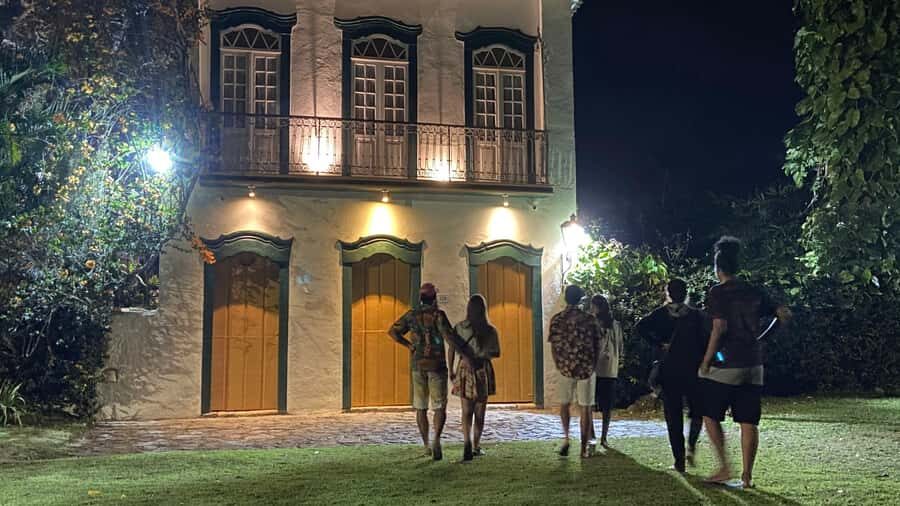
Paraty’s story isn’t one straight line. It’s a shift from early influences to the economic pull of valuable commodities—and then to the cultural layer those exchanges left behind. This tour covers that arc in a way that’s meant to click while you’re walking.
You’ll hear about colonization and original peoples, and then how the town connects to the cycle of gold, sugarcane, coffee, and pau brasil. Those names aren’t just vocabulary. In a place like Paraty, they explain why wealth moved, why certain buildings and institutions appeared, and why the town mattered enough to draw attention.
I like when a walking tour treats the economic story as part of the streets you’re seeing. It turns “old town” into “old town with a reason.” You’ll also come away with a better sense of what to look for when you continue exploring on your own afterward—because you’ll know what themes the town is built to represent.
Architecture Clues You’ll Notice After the Tour
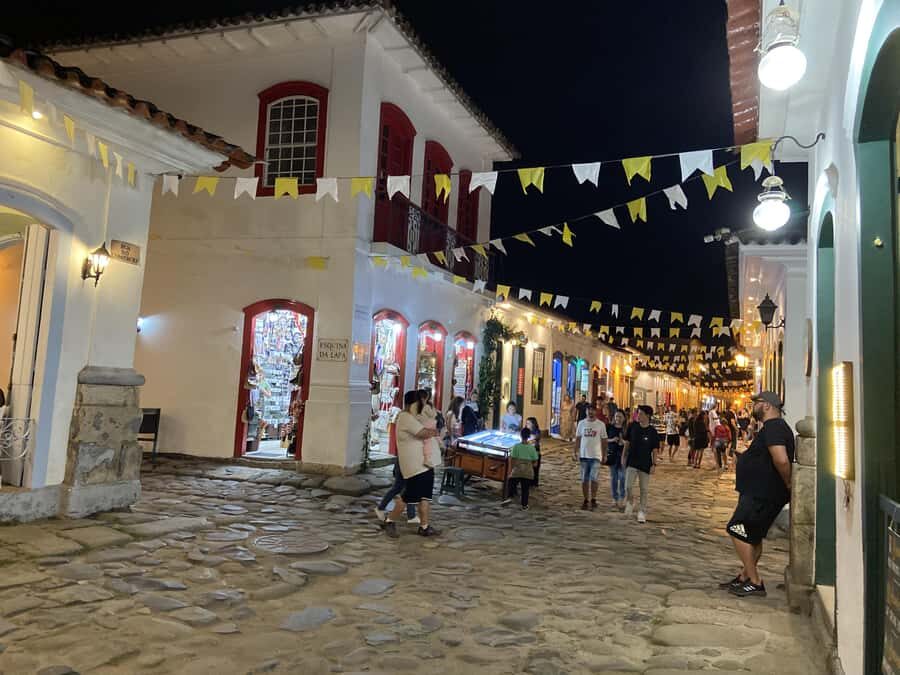
Even without a long list of landmark stops, you’ll likely start noticing patterns during the walk. The tour focuses on history, architecture, and curiosities in Paraty’s centre—so expect explanations tied to what you can see right there in front of you.
The tricky part in historic centres is that the most interesting details often hide in plain sight. Doorways, street alignments, and the way buildings relate to each other can look random until someone gives you the backstory. Here, the guide uses the bigger narrative—colonization, trade cycles, and Freemasonry influence—to give those visual clues meaning.
One practical tip: plan for time in daylight. There’s a valid consideration that older architecture can be harder to appreciate once it gets dark. If you can, choose a start time that gives you enough light to see the texture of the streets and buildings as the guide points things out.
You can also read our reviews of more food & drink experiences in Paraty

Cachaça Gabriela Tasting: What You’re Drinking and Why It Matters
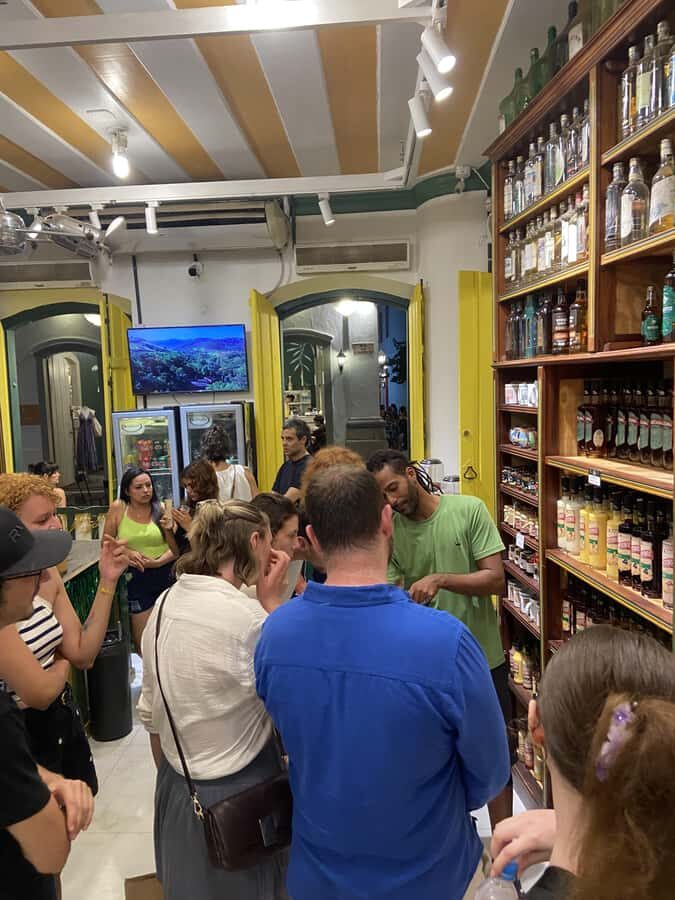
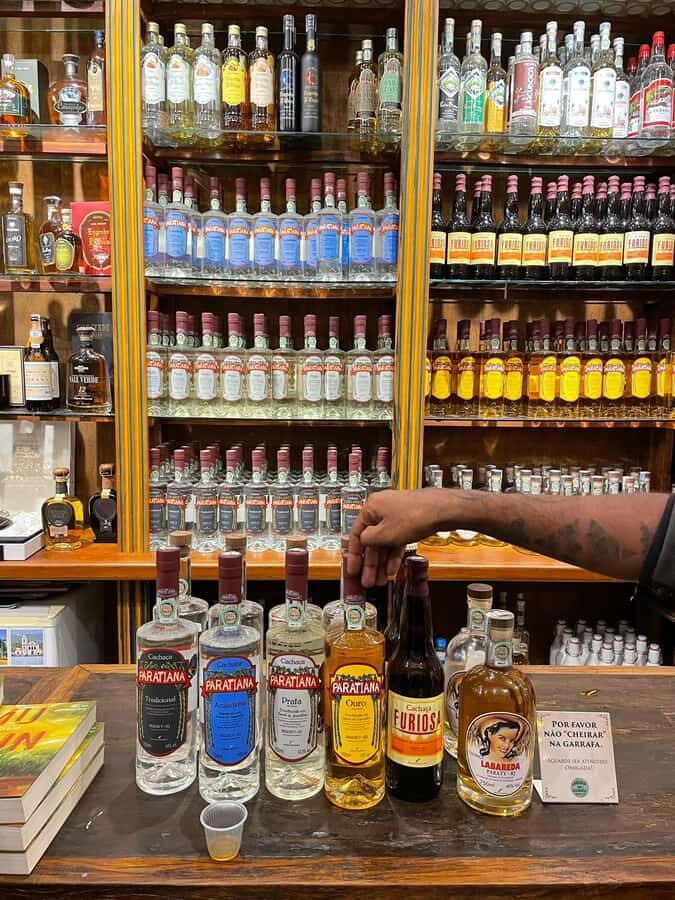
The end stop is the free tasting of Cachaça Gabriela. This is Paraty’s signature twist, and it’s created in local context: it’s named in honor of Jorge Amado’s famous work Gabriela, Cravo e Canela.
The flavor profile is sweet and spiced. You’ll taste a mixture built from white cachaça plus honey, clove, and cinnamon. That combination matters because it explains why this isn’t just “strong alcohol.” It’s a dessert-leaning, aromatic cachaça that feels like part of the region’s food culture, not a random shot at the end.
Also, the tasting timing is smart. By the time you reach it, you’ve already learned enough about Paraty’s cultural identity to understand why this product is framed as special and local. It feels like closing a story, not starting a new one.
Price and Value: $19 for a Guide and a Tasting

At $19 per person for about 90 minutes, the value is mainly in two parts: a guided walk through the Historic Centre and a free tasting of Cachaça Gabriela. If you’ve ever tried to self-tour historic centres, you know the gap between wandering and actually learning. Paying for a guide closes that gap quickly—especially when the guide connects street details to historical themes.
One cost point to keep in mind: drinks and food are not included. There’s also a stop at a local bar for a short wine tasting window, but since drinks aren’t included, you should expect to pay if you want to participate beyond what’s covered. The good news is you’re not forced to spend extra just to finish the core experience.
So think of it like this: you’re buying a guided orientation to Paraty’s older centre plus the one local tasting that’s included. Everything else is optional.
Practical Notes: Slippery Streets, Footwear, and Who It Fits
This tour is straightforward, but it’s not for everyone. The historic streets can be slippery, so you’ll want comfortable shoes with anti-slip traction. Flip-flops and smooth soles are asking for trouble here, especially on older stone.
The tour isn’t suitable for people with mobility impairments, and it’s also not listed as suitable for hearing-impaired people. Age limits are stated as well (not suitable for people over 70, with the list also including people over 75). If any of these apply, it’s worth choosing a different style of experience that matches your pace and needs.
Good to know for pet owners: your pet is welcome. That can be a big deciding factor in places where many tours are strict.
Finally, come prepared to walk and listen. This isn’t a long bus-and-photo stop kind of tour. It’s designed for people who like information while moving—short explanations, then you’re back out in the streets.
Who Should Book This Tour (and Who Might Skip It)
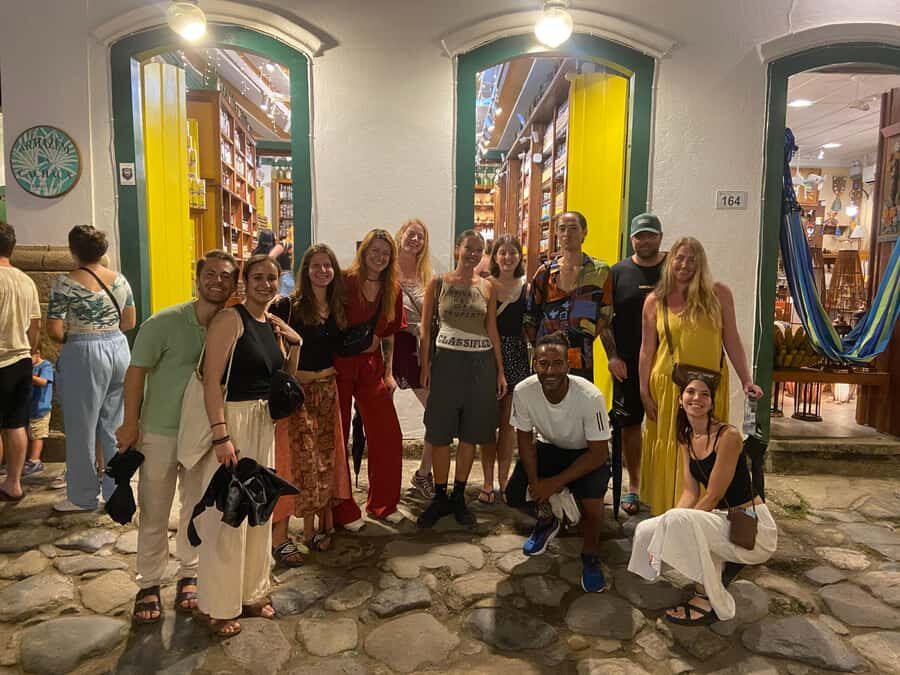
I’d recommend this tour if you want a fast, guided way to understand Paraty’s centre without spending the whole day reading signs. It’s especially good for first-timers who want context for what they’ll see later. If Freemasonry, trade cycles, and the “why” behind town development sound interesting, you’ll likely enjoy how the guide connects those dots.
It’s also a solid pick if you want a built-in local tasting at the end. The Cachaça Gabriela profile (white cachaça with honey, clove, and cinnamon) is distinct enough that it feels like a real Paraty experience rather than a generic stop.
You might skip it if you need a very slow, low-impact walk, if you’ll struggle with slippery streets, or if you’re looking for a purely scenic tour with minimal talking. Also, if you only want quick photos and zero explanation, you may feel slightly impatient during the history-focused parts.
Should You Book Paraty Historic Centre Walking Tour & Cachaça Tasting?
Book it if you want your first hours in Paraty to make sense. The 90-minute format is long enough to learn the main themes—colonization, original peoples, Freemasonry influence, and the trade cycle story—yet short enough to keep your day flexible. The included Cachaça Gabriela tasting is a real bonus, and it’s tied to local culture in a way that feels purposeful.
If you’re deciding between this and self-guided wandering, I’d choose the guided option. Paraty rewards slow attention, but a guide helps you do that attention with less guesswork. Just remember: bring grippy shoes, and if you want to fully enjoy the architecture details, aim for a start time that still has light.
FAQ
How long is the Paraty Historic Centre walking tour?
The tour runs for 90 minutes.
Where do I meet for the tour?
You meet in front of Santa Rita’s Church (Largo de Santa Rita).
What languages are available?
The tour is offered in English, Portuguese, and Spanish.
What’s included in the price?
The price includes a 90-minute guided walking tour with a professional local guide and a free tasting of Cachaça Gabriela.
Are drinks and food included?
No. Drinks and food are not included.
What is Cachaça Gabriela made with?
It’s a sweet mixture of white cachaça with honey, clove, and cinnamon.
Is there a bar stop during the tour?
Yes, the tour includes a stop at a local bar for a tasting period (wine tasting for about 20 minutes). Drinks aren’t included, so you may need to pay if you choose to have something there.
Is the tour suitable for people with mobility impairments or hearing issues?
No. It’s not suitable for people with mobility impairments, and it’s also not listed as suitable for hearing-impaired people.
Can I cancel for free or use reserve and pay later?
There is free cancellation up to 24 hours in advance for a full refund, and reserve now & pay later is offered.