REVIEW · RIO DE JANEIRO
Rio de Janeiro: Favela Jeep Tour to Rocinha and Capoeira
Book on GetYourGuide →Operated by ParaViajantes · Bookable on GetYourGuide
Rocinha isn’t a postcard. It’s a living neighborhood with its own rules, rhythm, and resilience, and this tour is built to help you understand that in a hands-on way. I like that you get guided access into Rocinha plus capoeira as part of the cultural conversation, not just as a quick photo stop.
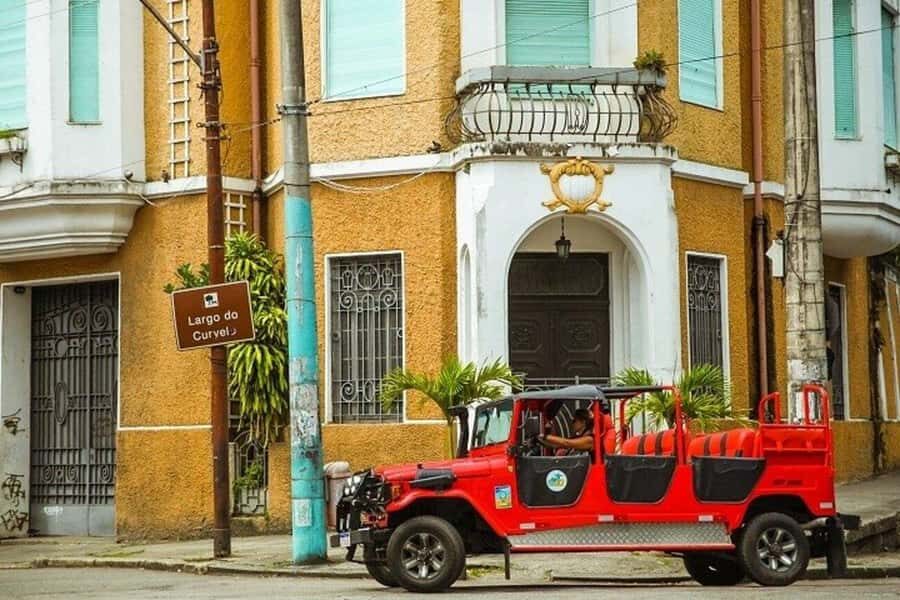
Two things I really appreciate: you visit local shops, so your money supports people right where you’re standing, and the tour includes roundtrip transport from your hotel so the day stays focused. One consideration: this is physically demanding and weather-dependent, and the vehicle can vary (jeep vs van), so confirm what your day will look like before you go.
In This Review
- Key Things to Know Before You Go
- Why Rocinha and Capoeira Belong in the Same Tour
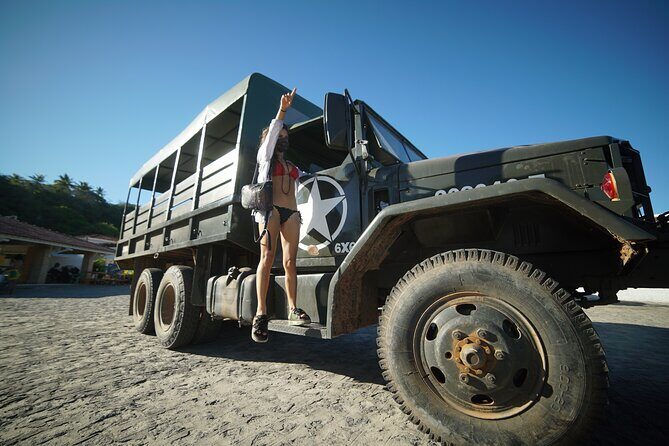
- Start Smooth: Hotel Pickup and the Jeep-or-Van Reality
- Entering Rocinha: Daily Life, Culture, and Hard Realities
- The Capoeira Circle: Learn the Moves, Feel the Culture
- Crafts and Local Stops: What Spending Locally Really Does
- Timing and Route: Why the Day Can Feel Short (or Long)
- Accessibility, Comfort, and Who Should Skip This
- Price and Value: Is $65 a Good Deal?
- The Biggest Pros (and the One Thing to Watch)
- Who This Tour Is For
- Should You Book? My Call
- FAQ
- How long is the Rocinha and capoeira tour?
- Is hotel pickup and drop-off included?
- What’s the group size?
- Will I visit Rocinha specifically?
- Is capoeira part of the tour?
- What languages are the guides?
- What should I do if the weather is bad?
- Is the tour suitable for everyone?
Key Things to Know Before You Go
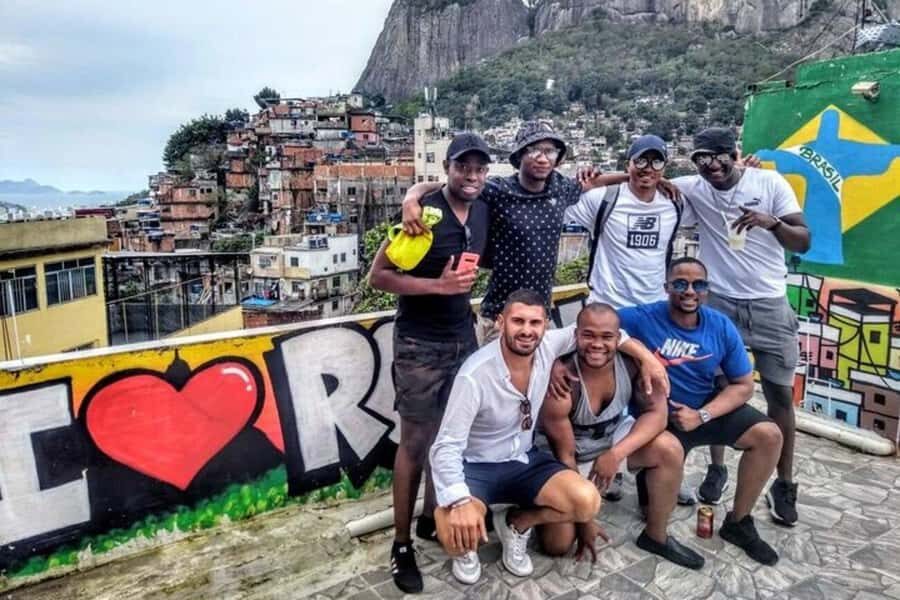
- Small-group focus (up to 10): The goal is an intimate experience so you can actually ask questions.
- Rocinha, explained by a guide: You’ll hear about everyday life, customs, and the community’s history and culture.
- Capoeira circle included: You get to see and learn about this traditional Brazilian art form and its role in local identity.
- Local shopping to support commerce: You’re encouraged to spend at neighborhood stores, which keeps tourism money circulating locally.
- Vehicle type depends on demand: You might travel by jeep or van, depending on how many people sign up that day.
Why Rocinha and Capoeira Belong in the Same Tour

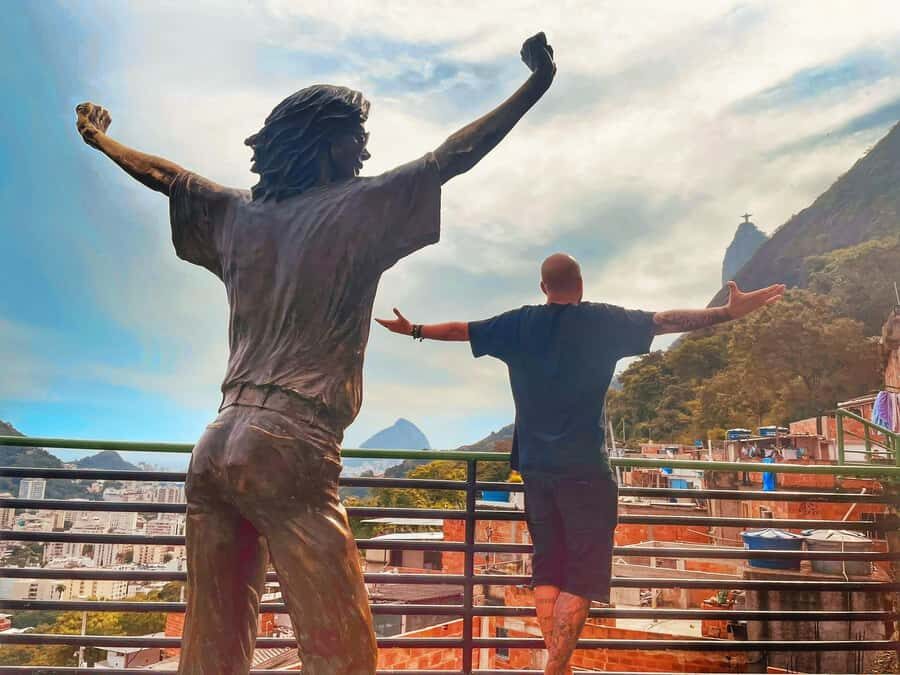
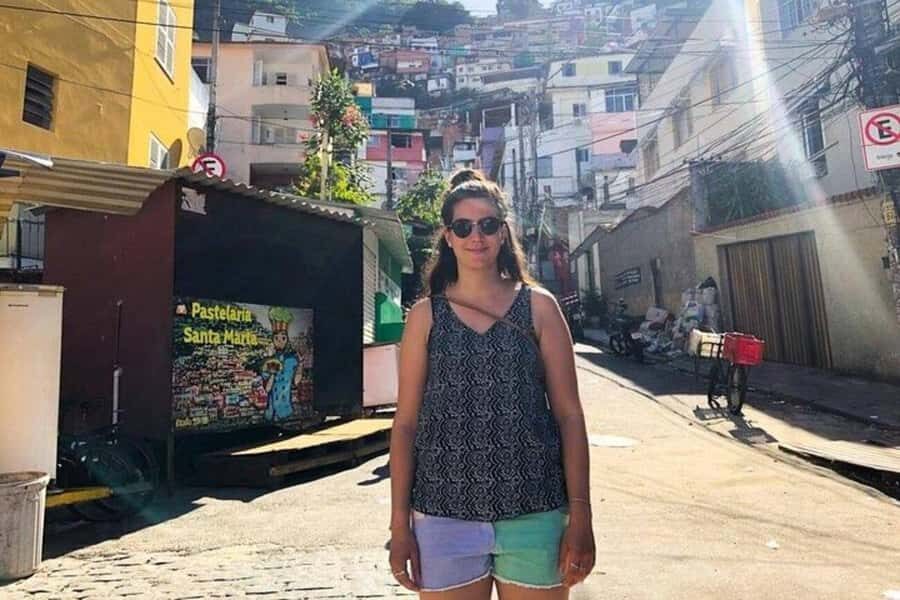
If you want Rio beyond beach views, this is a practical way to get context fast. Rocinha is the largest favela in Latin America, and a guided visit helps you connect what you see—homes, streets, crafts, and community spaces—with the bigger story of how people live and organize day to day.
Capoeira adds an important layer. It’s not just a performance. It’s movement, music, and community knowledge passed down over generations. Seeing a capoeira circle inside the social atmosphere of Rocinha makes the culture feel less like an abstract “Brazil thing” and more like something people actually use to stay connected.
You can also read our reviews of more tours and experiences in Rio De Janeiro.



Start Smooth: Hotel Pickup and the Jeep-or-Van Reality
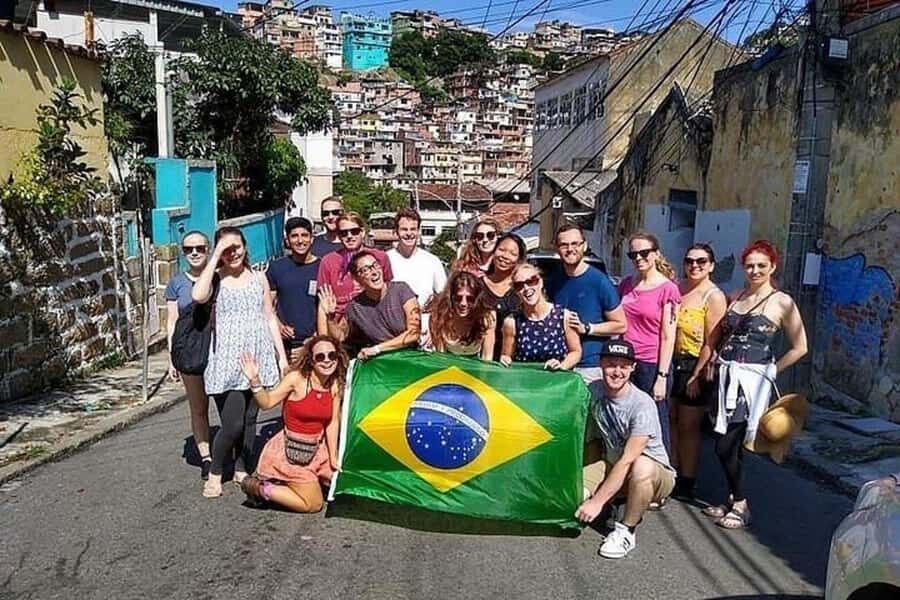
The tour is designed to take stress off your shoulders. You’ll have roundtrip transportation from your hotel in Rio, and the guide will look for you at the start point. That matters because Rocinha is not the kind of place you should try to navigate casually on your own.
One detail to keep in mind: the ride may be by jeep or van depending on demand. On paper, this is a small-group experience (up to 10 participants) with a live guide in English or Spanish. In real life, vehicle changes can affect the feel of the day—comfort, sightlines, and how quickly you can get in and out.
My advice: when you confirm, ask a simple question—What vehicle will we use that day?—so you’re not surprised once you’re there.
Entering Rocinha: Daily Life, Culture, and Hard Realities

The heart of the tour is your visit to Rocinha to learn about residents’ customs and everyday rhythms. You’ll also hear the hardships people face, which is essential context. Without that, it’s easy to treat the neighborhood like a spectacle. A good guide keeps it human: what daily life looks like, what people value, and how community culture shows up in normal routines.
You can also expect stops that highlight craft and local culture—basically, the everyday economy and creativity that keep people connected. If you’re the type who likes asking “How does this work?” this is where your curiosity pays off.
That said, be mentally prepared for the fact that this is not a sanitized version of Rio. The whole point is to understand real life here, which can feel intense. If you go in with respect and patience, the tour becomes far more meaningful.
The Capoeira Circle: Learn the Moves, Feel the Culture

Capoeira circles have a logic you can sense even if you don’t know the rules yet. The music sets the pace. The players respond to each other through movement—more dialogue than fighting.
On this tour, you’ll visit a capoeira circle and learn about the tradition. For first-timers, the biggest value is watching how people interact in the circle: the rhythm, the role of music, and the way the group participates. It’s not a staged “show” so much as a cultural practice.
Important practical note: because the day depends on conditions, you should treat the capoeira experience as something to be aware of, not something to assume without asking. If capoeira is a must for your trip, ask your guide how the capoeira part will work on your specific schedule—especially if weather or routing changes.
Crafts and Local Stops: What Spending Locally Really Does

One of the strongest parts of this experience is the focus on local economy. Your tour includes time that supports neighborhood commerce—visiting local stores and boosting local spending.
Here’s the practical part: when tourism money stays in the community, it tends to get reinvested locally—into supplies, jobs, and daily income. That turns your visit from watching into participating in something that can keep local businesses going.
You don’t need to buy a lot. But if you’re going to shop, do it with intent:
- Choose small, reasonably priced items if you’re unsure.
- Ask what something is and how it’s made.
- Treat purchases like respect, not charity.
Even if you’re not a souvenir person, you’ll likely enjoy the crafts and conversations more than you’d expect. This is one of those tours where you learn things you can’t get from a generic “sights of Rio” checklist.



Timing and Route: Why the Day Can Feel Short (or Long)
The experience is listed as 4 hours, but timing can shift in the real world. Weather matters, and so does the flow of pickup, navigation, and neighborhood stops.
Plan for a day that feels active. Comfortable shoes matter, and a bit of flexibility helps. Also, pay attention to how the return works. The tour includes hotel drop-off, but you may still find yourself doing more walking than you expect, including downhill segments on the way back. If you’re hoping to minimize physical effort, ask your guide about the return plan early so you can prepare.
And if you’re sensitive to stairs, slopes, or long stretches of uneven ground, keep this in mind: the tour is not suitable for pregnant women or people with back problems.
Accessibility, Comfort, and Who Should Skip This
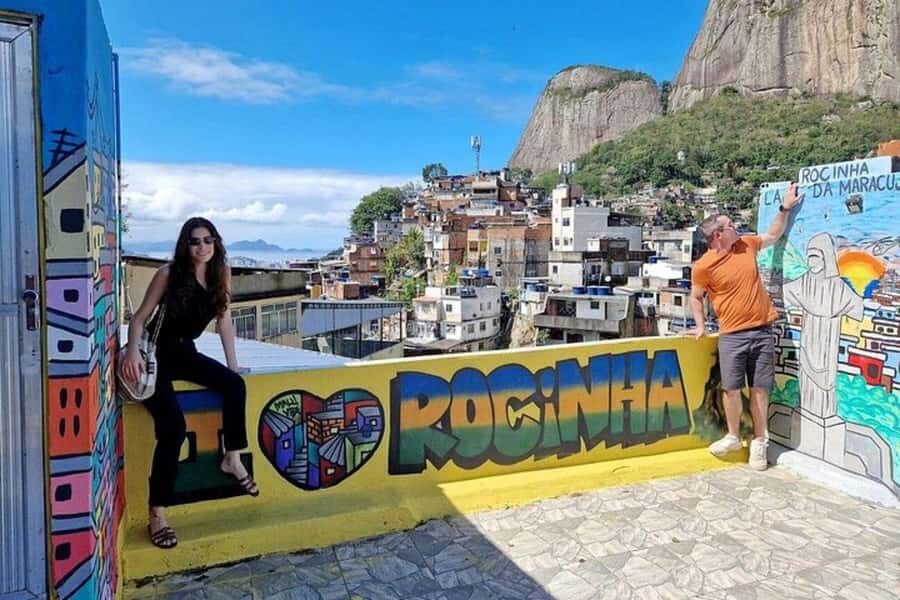
This is a neighborhood visit with real terrain. That doesn’t mean you have to be in peak athletic condition, but it does mean you should be honest about your body and your limits.
The tour is marked not suitable for:
- Pregnant women
- People with back problems
If that affects you, skip it. If you have minor mobility issues, it’s still smart to ask the operator what the route involves in your specific case, because vehicle type (jeep vs van) and routing can change how much you walk.
Also consider language comfort. The guide can be English or Spanish. If you’re comfortable only in one language, confirm that your guide matches your preferred language.
Price and Value: Is $65 a Good Deal?
At about $65 per person for a 4-hour small-group tour, you’re paying for more than transport. You’re paying for guided context inside a neighborhood that you wouldn’t want to explore blindly, plus the capoeira circle component and entry/access associated with the visit.
Where the value lands for most people:
- You get roundtrip pickup and a structured visit, so you lose less time figuring things out.
- You get cultural learning (capoeira) plus community context (history, daily life).
- You get local commerce support built into the experience.
Where it can feel thin:
- If the vehicle day-of ends up less comfortable than expected (and vehicle type can change with demand).
- If the cultural portions feel shorter than you hoped, which can happen when schedules shift.
My “value check” for you: if you want a meaningful neighborhood experience with guided explanation and capoeira, the price can feel fair. If you’re mainly after a quick scenic ride or you’re expecting everything to run like a strict museum itinerary, you might feel disappointed.
The Biggest Pros (and the One Thing to Watch)

This tour’s best moments tend to come from three places: understanding Rocinha through a guide, seeing capoeira in a real community setting, and supporting local commerce with your visit.
The main watch-out is mismatch risk on the day—especially around what you’ll experience exactly. Vehicle type can vary (jeep vs van), and while capoeira is part of the plan, conditions can affect how much of that program you get. Another practical variable is guide language quality and how much time the group has for questions, which can affect how engaging the explanation feels.
So, here’s my straightforward advice: go in with respect, come ready to ask questions, and treat the schedule as flexible rather than rigid.
Who This Tour Is For
This is a strong fit if you:
- Want Rio context beyond the classic tourist route
- Like cultural experiences with explanation, not just photos
- Enjoy conversations and learning how people actually live
- Are comfortable with a guided neighborhood visit and real-world conditions
It’s not a great fit if you:
- Need a fully predictable, museum-style timeline
- Have mobility or back issues
- Prefer low-emotion sightseeing that avoids hardship context
Should You Book? My Call
I’d book this if your goal is to understand Rio’s neighborhoods with guidance, and if you care about cultural experiences like capoeira more than checking off a generic activity list. The hotel pickup and hotel drop-off reduce stress, and the local shopping component makes your visit matter.
But don’t book on autopilot if capoeira is your top “must.” Ask how the capoeira stop will work on your day, and ask what vehicle you’ll use. If you’re sensitive to uneven terrain, or you fall into the not-suitable categories, skip it.
If you want an authentic neighborhood day with a guide and real cultural context, this is one of the more practical ways to do it.
FAQ
How long is the Rocinha and capoeira tour?
The tour duration is listed as 4 hours.
Is hotel pickup and drop-off included?
Yes. Roundtrip transportation from your hotel in Rio de Janeiro is included.
What’s the group size?
It’s described as a small group with a limit of 10 participants.
Will I visit Rocinha specifically?
Yes. The experience centers on visiting the Rocinha community, including entry/admission for Favela da Rocinha.
Is capoeira part of the tour?
Capoeira is included, with a visit to a capoeira circle where you learn about the traditional Brazilian martial art.
What languages are the guides?
The live tour guide can speak English and Spanish.
What should I do if the weather is bad?
This experience requires good weather. If it’s canceled due to poor weather, you’ll be offered a different date or a full refund.
Is the tour suitable for everyone?
No. It’s not suitable for pregnant women or people with back problems.