REVIEW · RIO DE JANEIRO
Rio de Janeiro: Lapa and Santa Teresa with Tram Ride
Book on GetYourGuide →Operated by Tangol · Bookable on GetYourGuide
Rio’s tram up the hill turns a normal afternoon into a story. This half-day tour strings together some of Rio de Janeiro’s most recognizable sights, starting with the Santa Teresa bondinho and ending in one of the city’s best-known cafés.
I especially like the Arcos da Lapa views and the way Santa Teresa feels like a world of its own. You get hands-on context as you move through neighborhoods that look close on a map, but feel completely different on foot.
One thing to think about: the tour price is $200 per person, and food isn’t included, so plan on spending extra if you want to sample the café menu at the end.
In This Review
- Key things to know before you go
- Bondinho Tram from Centro to Santa Teresa: the ride that sets the tone
- Arcos da Lapa and Parque das Ruínas: big architecture, then art and viewpoints
- Santa Teresa streets and the Selarón Steps: color, craft, and downhill momentum
- Lapa to Cinelândia via Passeio Público: from street life to grand downtown boulevards
- Confeitaria Colombo finish: classic bites in an Art Nouveau setting
- Price and value: is $200 for 4 hours worth it?
- Who this tour suits best (and who might want to skip it)
- Should you book this Lapa and Santa Teresa tram tour?
- FAQ
- How long is the Rio de Janeiro Lapa and Santa Teresa tram experience?
- Where is hotel pickup available?
- What’s included for transportation during the tour?
- Is food included in the tour price?
- What are the main stops on the route?
- What languages does the guide speak?
- Is Confeitaria Colombo open on Sundays?
- Can I cancel for a full refund, and can I pay later?
Key things to know before you go
- Bondinho tram ticket included for the ride between Centro and Santa Teresa
- Arcos da Lapa and Santa Teresa streets let you see Rio in two very different moods
- Selarón Steps are the photo stop that also works as a quick culture crash course
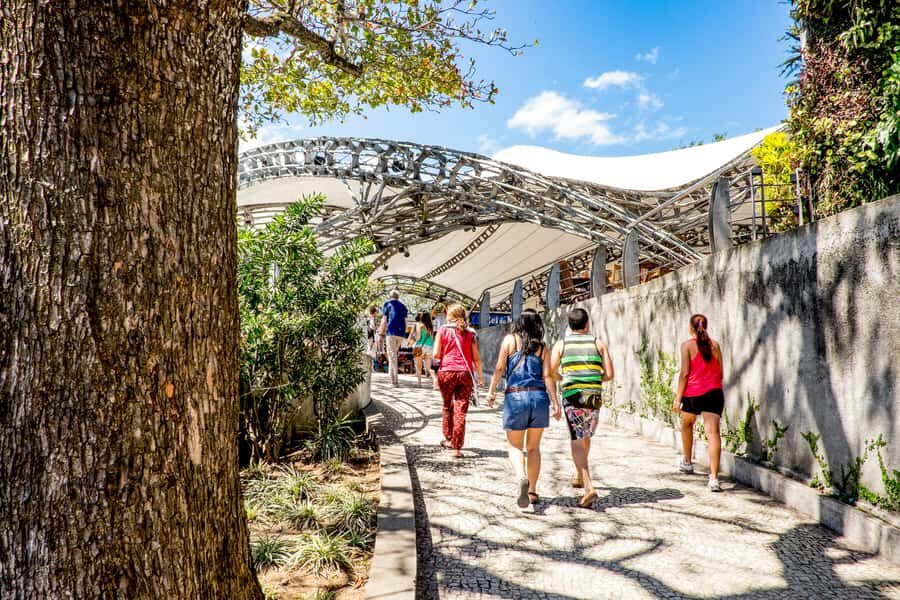
- Ruins Park (Parque das Ruínas) adds art and viewpoint time, not just sightseeing
- Confeitaria Colombo makes a historic finish, but it’s closed on Sundays
Bondinho Tram from Centro to Santa Teresa: the ride that sets the tone

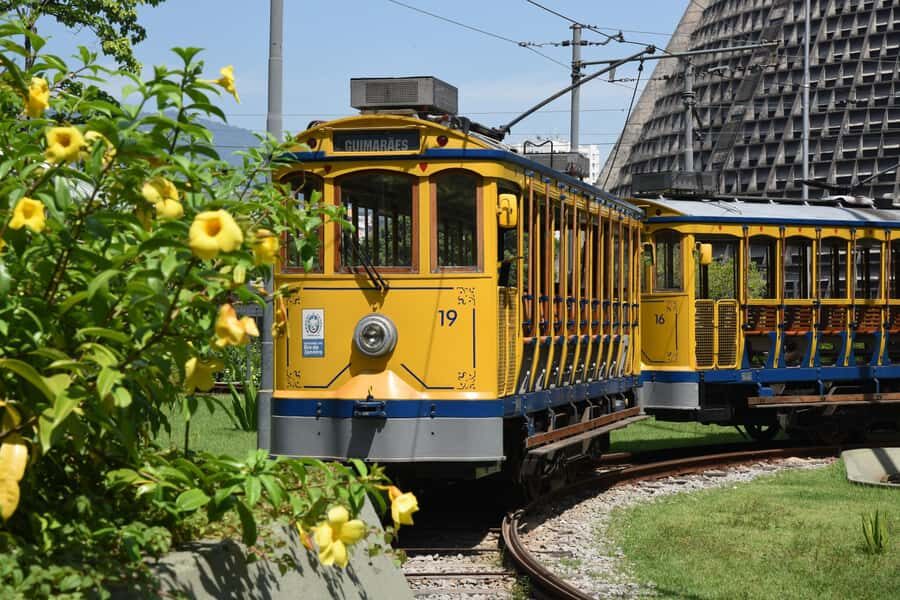
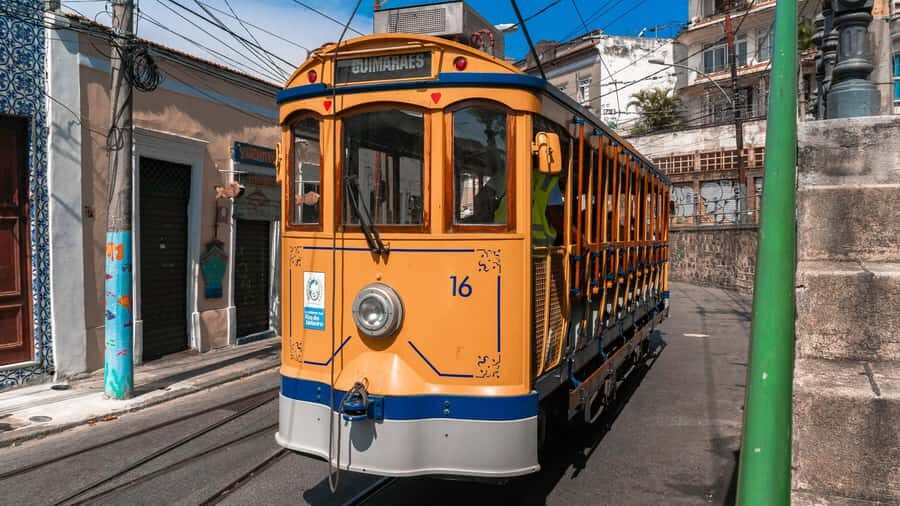
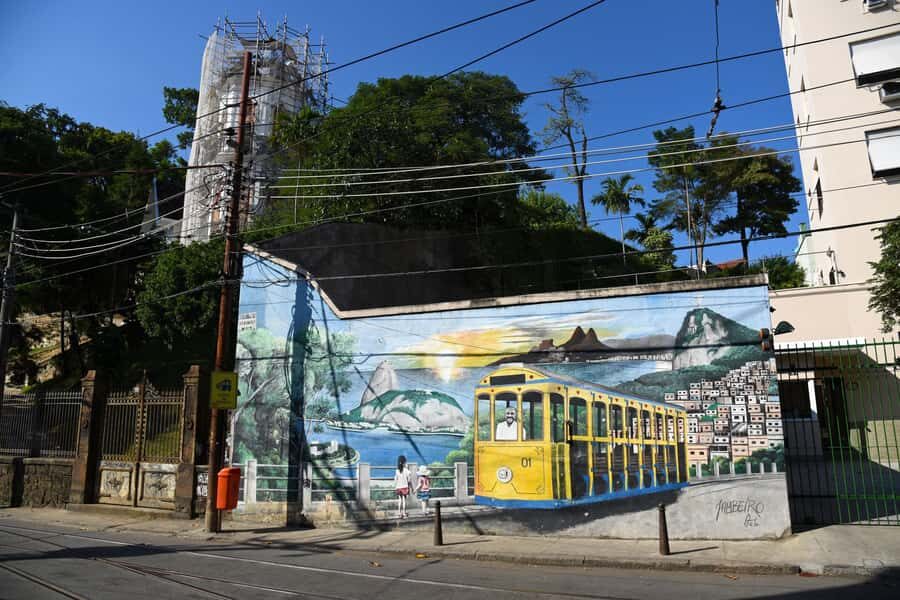
I like this tour because it starts where most visitors feel a little lost: Downtown Rio. From the Centro area, you board the iconic Santa Teresa tram, the bondinho, and you immediately get the rhythm of the city—steep streets, dramatic angles, and neighborhoods that cling to hills.
The tram ride matters more than it sounds. Santa Teresa sits above the city center, so on your own you’d waste time figuring out buses or struggling with taxis on narrow roads. Here, you get a direct route and a guided explanation of what you’re passing. If you’re the type who prefers to understand the city while you’re moving, this is a good match.
On the other hand, the tram and the uphill geography mean you should dress with walking in mind. The route includes cobblestones and stairs later on, so comfortable shoes are not optional. Also, keep your expectations realistic for a short 4-hour window: you won’t “do everything,” but you will see enough to connect the dots between Lapa, Santa Teresa, and central Rio.
If you’re choosing between languages, note that the guide offers Portuguese, English, and Spanish. One past experience on this route flagged that English clarity can vary depending on the guide. So if English is your only option, it’s still worth going—but I’d also be prepared to ask follow-up questions when you want specifics.
You can also read our reviews of more tours and experiences in Rio De Janeiro.



Arcos da Lapa and Parque das Ruínas: big architecture, then art and viewpoints
After the tram starts climbing away from the flat city, you’ll pass by Arcos da Lapa, the historic Lapa Aqueduct. It’s not just a postcard structure. Standing near it (and looking at it from the right angles as you travel through the area) helps you understand why Rio built grand stone works here in the first place, bridging the geography instead of fighting it.
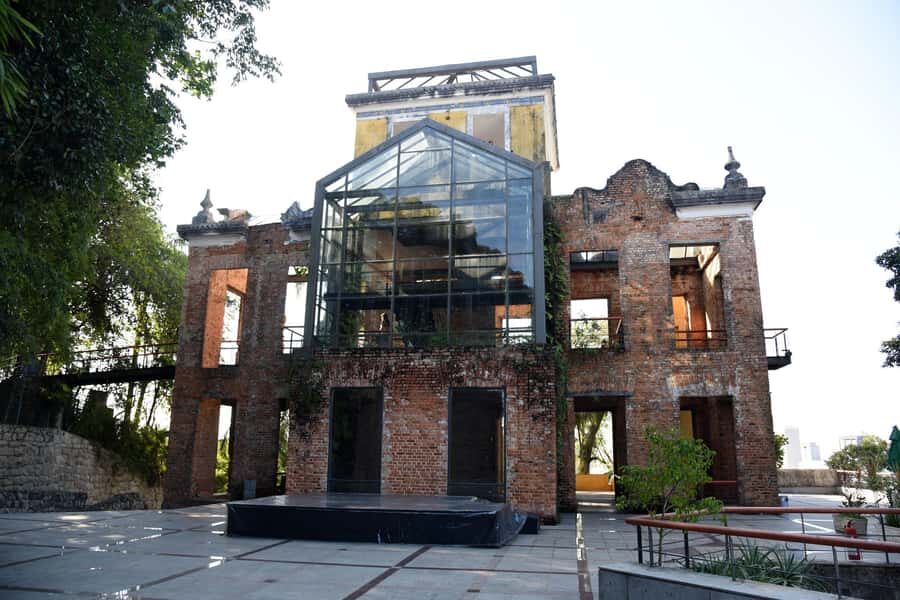
From there, the tour includes time at Ruins Park, known as Parque das Ruínas. This stop works because it blends two things people often separate: city sightseeing and local creative spaces. You’re not just looking at ruins; you’re in a public park setting where art is part of the story.
What I find useful is how Ruins Park supports the “Rio in layers” feeling. Santa Teresa’s charm is partly about narrow streets and artist energy, but the city’s wider story is also here—older structures, repurposed spaces, and viewpoints that help you picture Rio’s layout. The info on this stop also points out panoramic views, including Sugarloaf Mountain, which is one of those moments that makes the day feel worthwhile even if you only have a half day.
A practical note: Ruins Park and the surrounding area can mean some extra walking on uneven ground. If you’re traveling with limited mobility or you’re sensitive to stairs, it’s worth planning carefully before you book.
Santa Teresa streets and the Selarón Steps: color, craft, and downhill momentum
Santa Teresa earns its reputation. Once you’re off the tram, the streets have that artsy, hillside vibe people compare to Montmartre in Paris: small lanes, crafts, and a neighborhood that feels calmer than Downtown but still very much Rio.
As you walk, the guide’s job is to turn the scenery into meaning. You’re moving through the kinds of spaces where it’s easy to take photos and forget to notice details. With a guide, you can slow down just enough to understand what you’re seeing—how the neighborhood evolved, why it’s known for creativity, and how it connects back to the rest of the city.
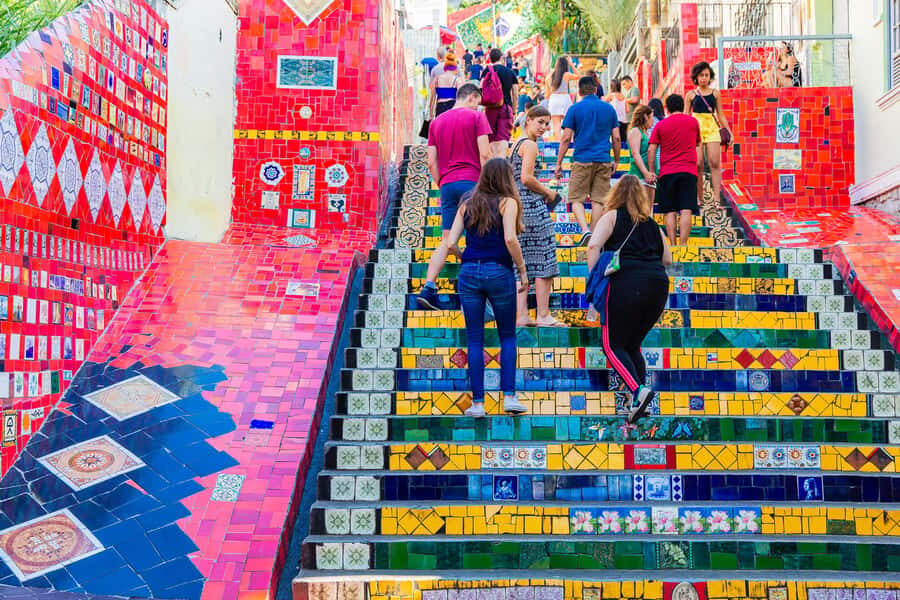
Then comes the day’s signature descent: the Selarón Steps. The staircase is famous for its mosaic tiles, but what makes it effective on a tour is timing. It’s a natural transition point—your body is already moving downhill, your eyes are already adjusting to street-level life, and suddenly the tour shifts from hillside charm into the louder, more chaotic energy of Lapa.
Selarón Steps also give you an easy way to read the city visually. The mosaics are a kind of language: you’ll see repeated colors and patterns that look different depending on where you stand. It’s the kind of stop where you can get quick photos and still feel like you experienced something bigger than a single monument.
The only consideration here is stamina. You’re not just looking—you’re descending and walking. If your day is already packed with other Rio sights, keep this as your main “neighborhood” experience rather than stacking it with something too demanding right before.
Lapa to Cinelândia via Passeio Público: from street life to grand downtown boulevards
After the steps, the tour moves through Lapa, a neighborhood known for its nightlife and energy. Even if you’re visiting earlier in the day, you’ll feel the way Lapa lives after dark. It’s a good counterpoint to Santa Teresa’s hillside slow pace.
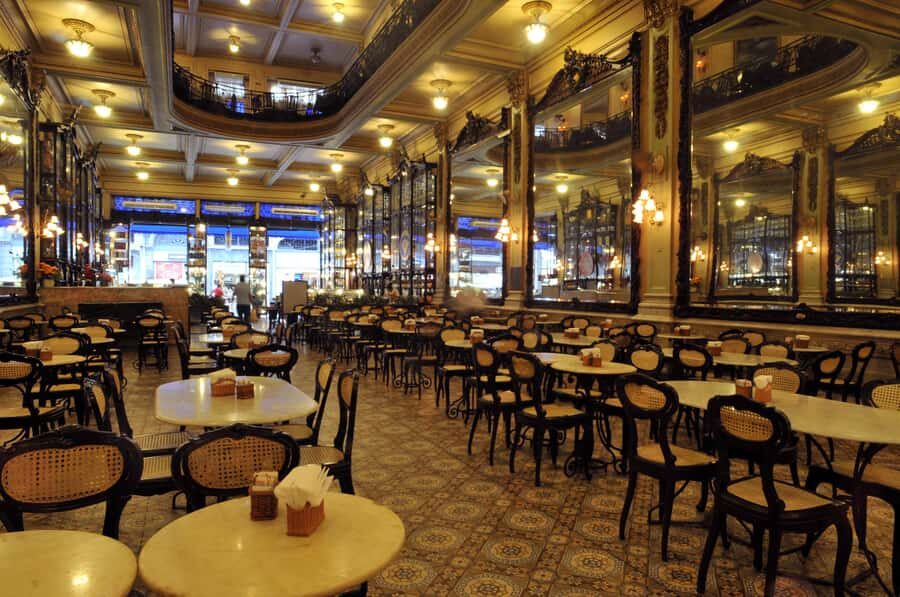
Next up is Passeio Público, described as South America’s oldest public park. This matters because it adds perspective. When you only experience Rio through beaches and modern landmarks, you miss how long the city has been shaping public spaces and social life. A park like this is a bridge between eras.
Then you head into Cinelândia, a central hub where architecture takes over. This is where the tour becomes more about structure and scale: big buildings, broad surroundings, and landmarks like the Theatro Municipal and the Biblioteca Nacional. If you like “city geometry,” this part is satisfying. The streets feel planned and ceremonial compared to the tight lanes of Santa Teresa.
One small caution: Cinelândia can feel like more of a walk-and-look zone than a sit-and-relax zone. If you’re hoping for lots of time to browse or linger, you may wish you had more than the half-day schedule. Still, the payoff is that you connect neighborhood personality (Lapa and Santa Teresa) with downtown Rio’s institutional identity (Cinelândia).
Confeitaria Colombo finish: classic bites in an Art Nouveau setting
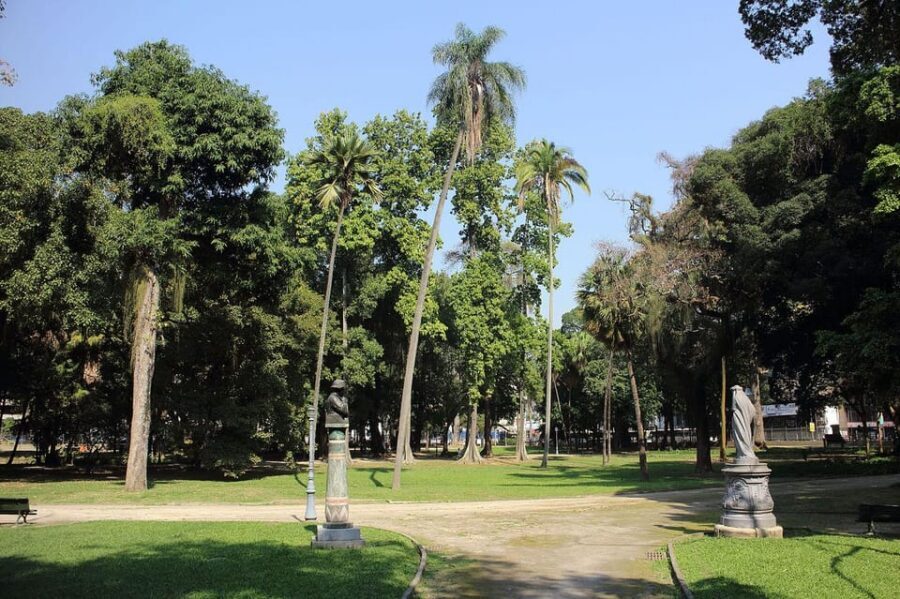
The tour ends at Confeitaria Colombo, one of Rio’s best-known historic cafés. This stop is more than a break. It’s a chance to experience Rio’s café culture in a space that looks and feels old-world—especially because the décor includes Art Nouveau elements and stained glass details.
You’ll also have an opportunity to taste typical Brazilian treats on your own terms. The tour information highlights favorites like coxinha de frango (little chicken thigh) and brigadeiro. Since food and beverages aren’t included, this is where the day’s value shifts back to you: if you want a full meal, budget for it; if you only want a sweet or a snack, you can keep it lighter.
Another key fact: Confeitaria Colombo is closed on Sundays. If your schedule lands on a Sunday, confirm what the tour does instead, so your day doesn’t end with a locked door.
Also, if you’re sensitive to crowds at popular cafés, go in expecting a scene. It’s a famous stop, so even at the end of a guided route, you may not have the place to yourself.



Price and value: is $200 for 4 hours worth it?

At $200 per person for a 4-hour tour, you’re paying for more than sightseeing time. You’re also getting:
- Hotel pickup and drop-off (from Copacabana, Leme, Ipanema, Leblon, and Barra da Tijuca)
- A Portuguese/English/Spanish speaking guide
- A ticket for the Santa Teresa tram
That package can be good value if you’d otherwise spend money and time on transport. Rio can be tricky for short visits because distances and traffic can eat your day. This tour reduces the logistical burden, and it replaces guesswork with a clear route.
Where the price can feel less attractive is exactly where you’ll notice the gaps: food and beverages aren’t included, and the café stop may tempt you into spending more than you planned. In other words, the tour covers the guided experience; it doesn’t cover your lunch.
So I treat this as a “buy the structure, then manage your spending” kind of tour. If you want a guided half-day that stitches together multiple neighborhoods without fuss, $200 makes sense. If you’d rather build your own route with only one or two stops, you may find you can do it cheaper—just not with the same convenience.
Who this tour suits best (and who might want to skip it)
I think this tour fits well if you want a concentrated Rio taste that includes both iconic sights and neighborhood character. It’s also a good choice if you like:
- Using a short day efficiently
- A guide to connect architectural and cultural context
- Photo-worthy landmarks without needing to plan transit
You might want to consider another option if you:
- Have limited mobility or struggle with stairs and cobblestones
- Want a long café sit-down experience (this is still a 4-hour tour)
- Are extremely cost-sensitive and don’t plan to buy anything at Confeitaria Colombo
Should you book this Lapa and Santa Teresa tram tour?

Book it if you want a smooth half-day that covers the heavy hitters: bondinho tram, Arcos da Lapa, Ruins Park, Selarón Steps, and a downtown finish at Confeitaria Colombo. The included pickup and tram ticket make it feel more “handled for you,” which is valuable in Rio.
Skip it (or shop around) if you’re only after one landmark, or you already know you won’t want any food or café purchases. Also double-check the day of the week if your schedule includes Sunday, since Confeitaria Colombo closes then.
If you like your city days organized but not rushed, this is a solid way to connect hillside Santa Teresa with central Rio in one go.
FAQ
How long is the Rio de Janeiro Lapa and Santa Teresa tram experience?
It lasts 4 hours.
Where is hotel pickup available?
Pickup and drop-off are included for hotels in the South Zone (Copacabana, Leme, Ipanema, Leblon) and Barra da Tijuca.
What’s included for transportation during the tour?
You’ll have a ticket for the Santa Teresa tram (bondinho).
Is food included in the tour price?
No. Food and beverages are not included.
What are the main stops on the route?
The tour includes Centro, the Arcos da Lapa, Ruins Park, Selarón Steps, Passeio Público, Cinelândia with landmarks like the Theatro Municipal and Biblioteca Nacional, and it ends at Confeitaria Colombo.
What languages does the guide speak?
The guide speaks Portuguese, English, and Spanish.
Is Confeitaria Colombo open on Sundays?
No, Confeitaria Colombo is closed on Sundays.
Can I cancel for a full refund, and can I pay later?
Yes. You can cancel up to 24 hours in advance for a full refund, and you can reserve now and pay later.