REVIEW · RIO DE JANEIRO
Rio de Janeiro Nature Secrets ‘The Eco Citytour’
Book on GetYourGuide →Operated by Jungle Me · Bookable on GetYourGuide
Rio’s green side is worth the detour. This Eco Citytour is a smart way to see a lot of Rio’s nature in one day without signing up for steep hikes, and I especially love ending at Prainha, a protected beach tucked by green mountains.
You’ll ride between ecosystems that feel totally different—from rainforest viewpoints to mangrove wetlands—with a bilingual guide (English/Portuguese) who helps you understand how the whole system works. One heads-up: wildlife sightings are never guaranteed, even though you may spot caimans, capybaras, and monkeys.
In This Review
- Key things to know before you go
- Why this Eco Citytour fits people who want Rio’s nature
- Picking up in the South Zone: what the logistics mean for your day
- Dois Irmãos Park: your first big view of Leblon and Ipanema
- Vista Chinesa and Taunay Waterfall: rainforest scenery without the strain
- Mirante das Canoas: the short stop that can sell the whole day
- Barra da Tijuca lunch break: plan for eating on your own
- Marapendi Park mangroves and lagoons: the best place for wildlife chances
- Prainha Beach Park: the protected, secluded beach moment
- Roncador Outlook: coastline views plus the sleeping giant legend
- The walking level: what low-impact really means for you
- What to bring (and what not to bring)
- Guides and the question-answer style you should expect
- Price and value: is $69 a good deal for this kind of day?
- Who should book Rio Nature Secrets Eco Citytour
- Should you book it?
- FAQ
- How long is the Eco Citytour?
- How much does it cost?
- What’s included in the price?
- Is food or drinks included?
- Is there hiking on trails?
- Are wildlife sightings guaranteed?
- Where does pickup and drop-off happen?
- Is it suitable for children or wheelchair users?
Key things to know before you go
- 7 attractions in one 9-hour loop across the city’s south, north, and west zones
- 4 different nature parks: Tijuca Forest areas, mangroves/lagoon habitat, and Prainha beach park
- Easy walking only: low-impact paths, about 15 minutes per stop, no trail hiking
- Real wildlife chances in wetland areas like Marapendi (but not promised)
- Big-view payoff at viewpoints like Dois Irmãos and Roncador Outlook
- Prainha is the payoff beach: secluded, protected, and surrounded by mountains
Why this Eco Citytour fits people who want Rio’s nature
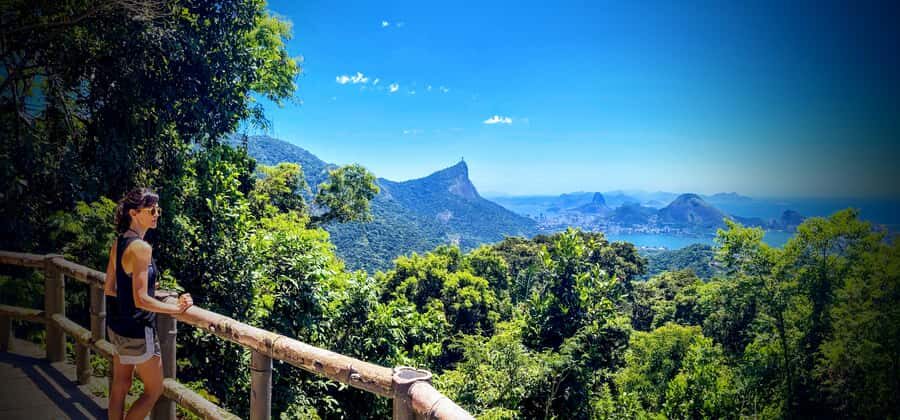
This tour is built for the day when you want Rio’s outdoors without turning your vacation into a leg-day event. The route strings together rainforest lookouts, waterfalls, wetlands, and a quiet beach in a way that feels efficient rather than rushed. You’re seeing how the city connects to the Atlantic forest and coastal ecology, not just snapping photos from one viewpoint.
At $69 per person for a 9-hour outing, the value comes from what’s included: round-trip transportation from designated South Zone hotels, a bilingual guide, and insurance. In Rio, cutting down on long transfers and figuring out where to go next is half the battle. The day is also realistic: you’ll do low-impact walking, not hiking, which makes it a good choice if you’re fit but not trying to conquer trails.
The vibe also matches the content. You get viewpoints with panoramic rewards (Dois Irmãos, Roncador), then you get the quieter stuff where the details matter (waterfalls, mangroves, lagoon edges). And yes—Prainha is the moment that makes people remember the day.
You can also read our reviews of more tours and experiences in Rio De Janeiro.



Picking up in the South Zone: what the logistics mean for your day
Pickup and drop-off happen from a long list of designated hotels/hostels in the South Zone. That matters because you avoid the “where do we meet?” headache and you also avoid burning time crossing the city on your own.
If your accommodation isn’t on the list, the tour operator says you’ll be offered a nearby location. Translation: don’t assume pickup is always exactly at your front door—confirm your stop after booking.
Also note the no big luggage rule. If you’re carrying a normal backpack, you’re fine. But large bags can complicate group transport, so travel light if possible.
Dois Irmãos Park: your first big view of Leblon and Ipanema
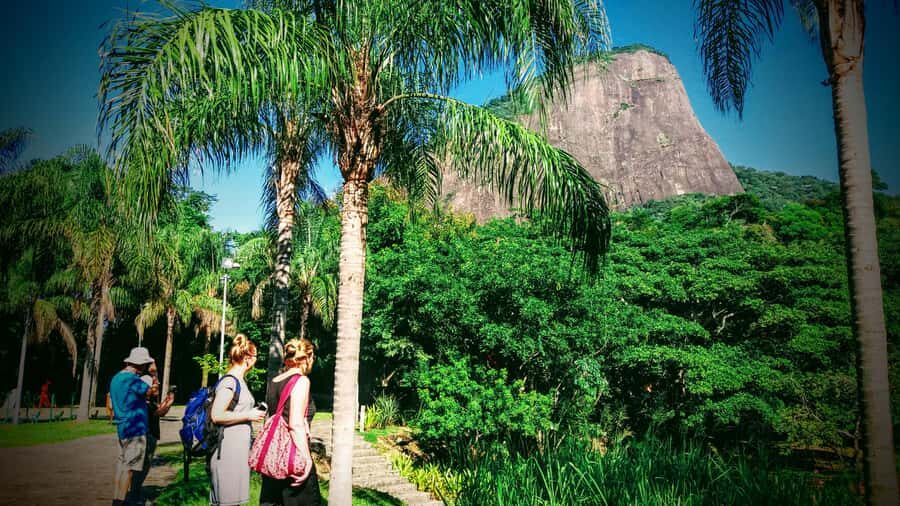
The day begins at Parque Natural Municipal Dois Irmãos (the route description ties it to Dois Cariocas and Sergio Bernardes/Alfredo Sirkis). You’ll stop for photos and get a guided look at the area. The payoff here is the overlook—an early sense of the city’s layout and how the coast meets steep green terrain.
What I like about starting with a view is that it gives you a reference point. After this, the rest of the day makes more sense: you’re not just traveling to random scenic stops. You’re moving across Rio’s natural zones in an order that helps you understand how the city’s hills shape weather, habitats, and access points.
This is also where you’ll likely get your first taste of the rhythm: short, guided stops with time for photos, then moving on.
Vista Chinesa and Taunay Waterfall: rainforest scenery without the strain
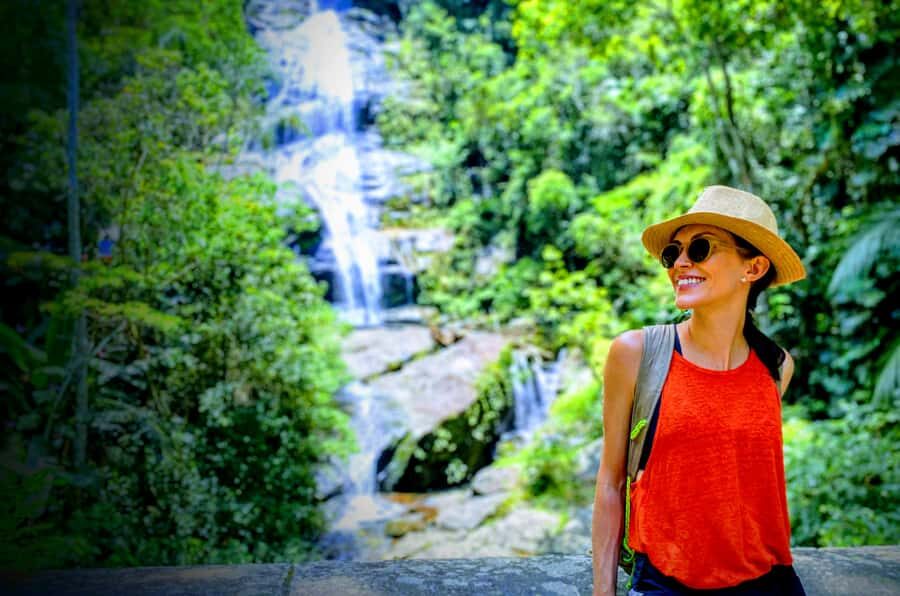
From there you’ll spend time in the Tijuca Forest National Park area, including Vista Chinesa (the Chinese View summit) and Cascatinha Taunay (Taunay Waterfall).
Vista Chinesa works like a nature-classroom from a viewpoint. You look out, the guide puts the pieces together, and you start connecting what you’re seeing to the broader ecosystem around Tijuca. It’s a good spot for bird-eye geography: you can often spot how ridges break up views and how dense growth can hide what’s below.
Then comes Taunay Waterfall. Waterfall stops always feel different from viewpoint stops because you’re suddenly dealing with sound and humidity. Even if you don’t get long walks, the guided context helps you understand why water matters in the rainforest: it shapes plant growth, animal movement, and micro-habitats.
One practical note: because this tour avoids hiking, the waterfall experience is more about the guided stop and the short walk segments. You’re not arriving for a full trek. You’re arriving to see it and understand it.
Mirante das Canoas: the short stop that can sell the whole day
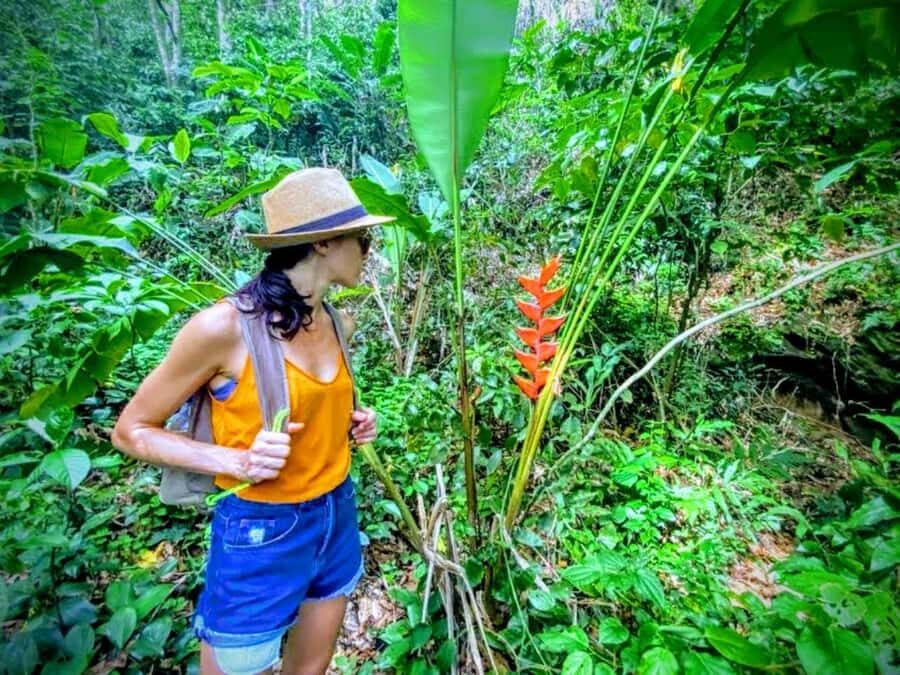
Next up is Mirante das Canoas, another viewpoint stop. It’s listed as a shorter time slice, but this is exactly where a good guide earns their keep. Even a quick stop can feel meaningful if you know what you’re looking for—how the coastline and rainforest edge interact, how the terrain folds, and why the view is worth the trip.
For people who love photography, this kind of viewpoint stop is the “quick win.” You’ll get enough time to frame shots and then move on without turning the day into a waiting game.



Barra da Tijuca lunch break: plan for eating on your own
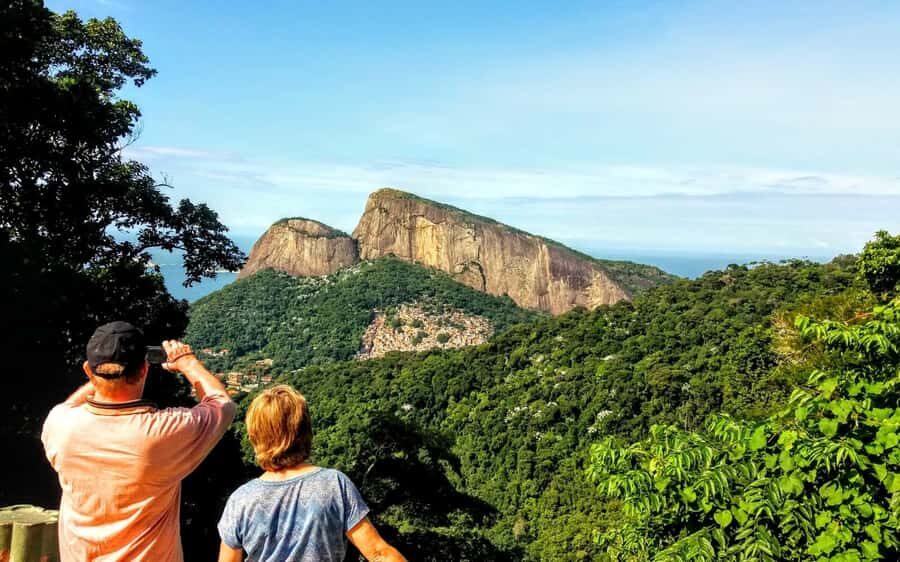
The itinerary includes Barra da Tijuca for lunch time (listed as a 1-hour break). Food and drinks are not included, so treat this as your scheduled window to eat at your own pace.
This is also a useful reset. After the rainforest and viewpoint sequence, you get a breather—bathroom break, snack, hydration, and a chance to slow down before the wetlands and beach stops.
If you’re the type who gets hangry, bring snacks to be safe. The tour encourages bringing snacks as part of what to pack, and it makes sense for a day that moves from stop to stop.
Marapendi Park mangroves and lagoons: the best place for wildlife chances
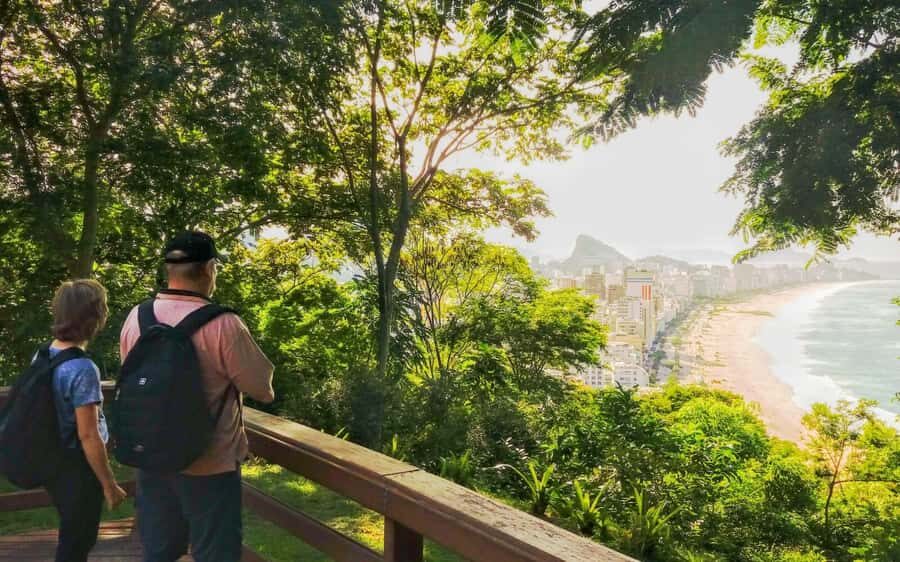
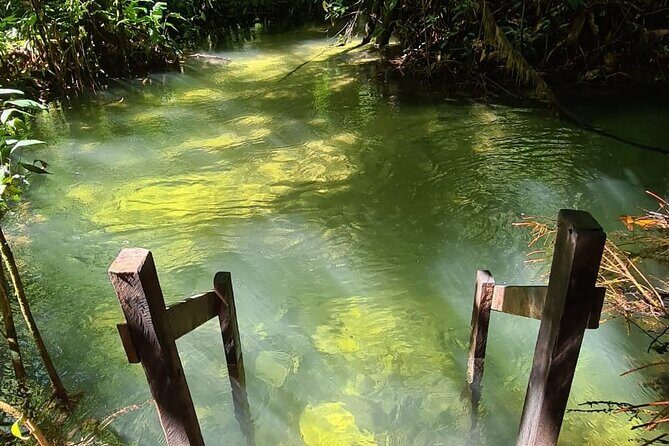
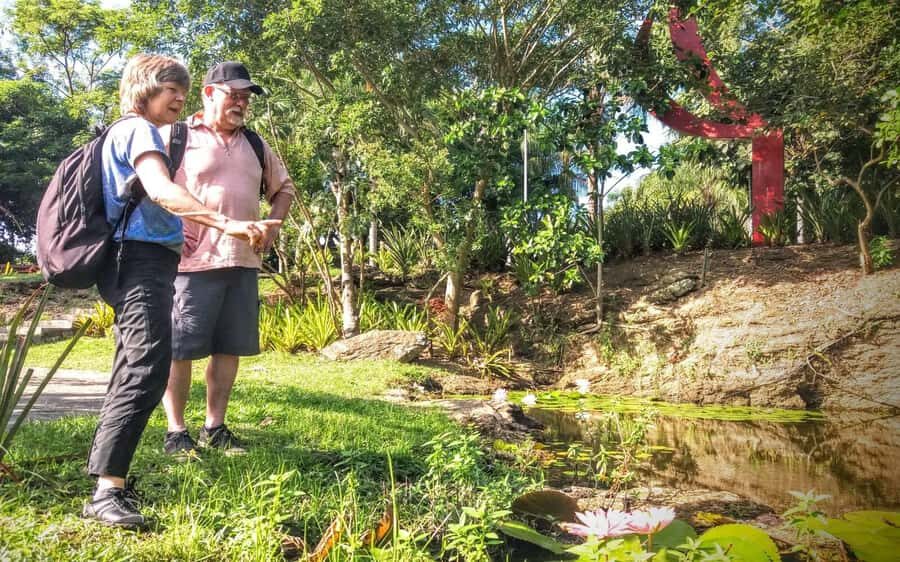
Now you get to Parque Natural Municipal Marapendi, described as a mangrove and lagoon area. This is one of the most interesting segments because it’s where the tour shifts from “scenery” to “habitat.”
Mangroves and lagoons are living systems. The guide’s job here is to help you notice patterns: where water sits, how shorelines work, and why those conditions attract animals. It’s also the part of the day that comes with the strongest wildlife potential.
The highlight list calls out possible sightings like caimans and capybaras, and the tour timing is built around being there long enough to look. You’re also told animal sightings are not guaranteed, so keep expectations realistic. Still, if you like the thrill of maybe-seeing something wild—this is where the odds are better.
Practical move: stay patient and keep your distance. Wetland wildlife doesn’t hang around for photos, and getting too close is how people ruin the moment for everyone.
Prainha Beach Park: the protected, secluded beach moment
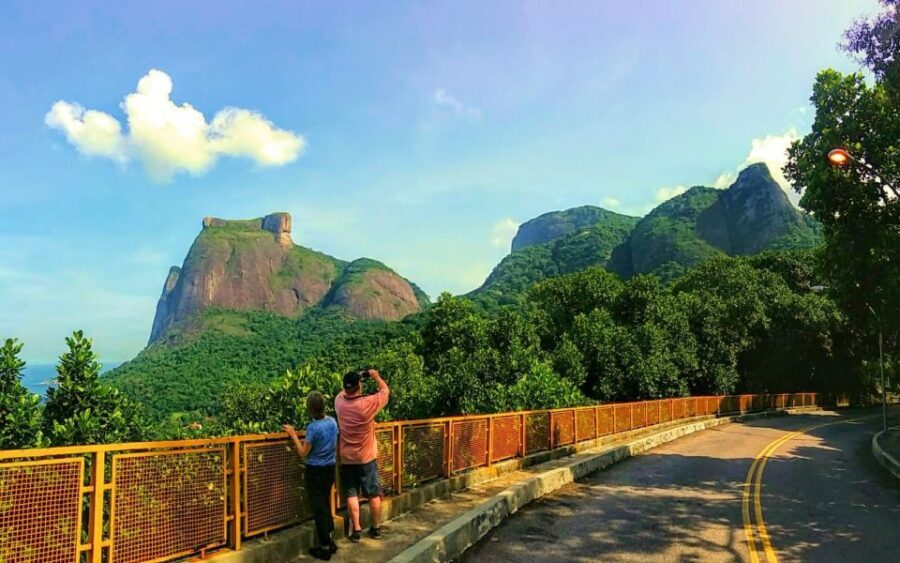
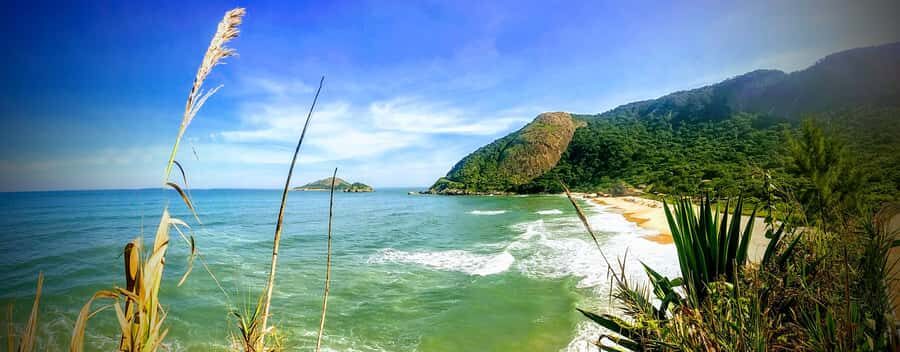
Then you reach Prainha Beach Park, a small secluded beach surrounded by green mountains. This is the part that feels like the reward for doing the morning’s viewpoints and rainforest stops.
Prainha is popular with surfers and it’s protected, which tends to make it feel calmer and more contained than bigger city beaches. The guide also ties it back to the surrounding environment, which makes a beach stop feel more like part of the ecosystem instead of just a scenic break.
You’ll have time for a cocktail as part of the stop, and you also get the low-impact walking segments described for the tour. If you pack swimwear and a towel, you’ll be set in case there’s a moment when you can enjoy the water (even briefly).
Even if you don’t go in, the setting is worth it: mountains on one side, beach below, and that mix of sea air and rainforest feel.
Roncador Outlook: coastline views plus the sleeping giant legend
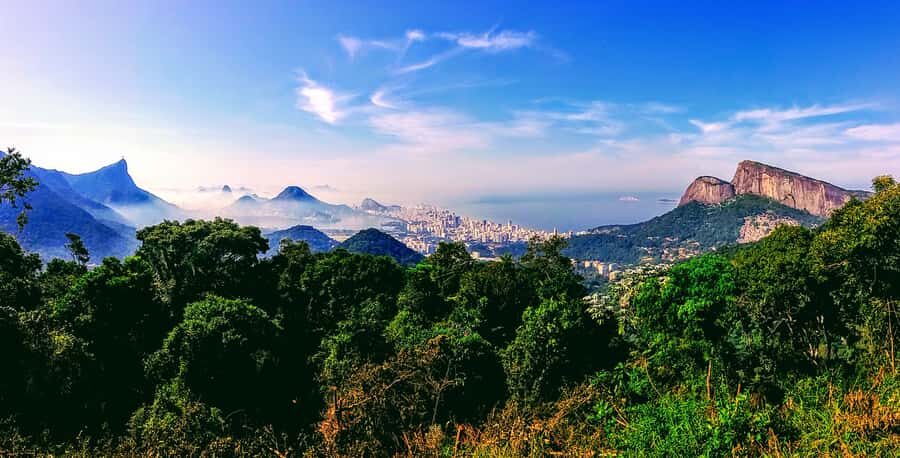
To close the loop, you’ll visit Roncador Outlook, where you can see Rio’s coastline and learn about the sleeping giant legend. This kind of ending works because it brings the whole day together.
After forests, waterfalls, and wetlands, you finally land on the big ocean view. It’s like putting the final label on a mental map: here’s how the coast sits beneath all those ridges you saw earlier.
This is also a great stop for photos at the end of the day—when the light can feel different and you’re less likely to be rushed by the earlier schedule.
The walking level: what low-impact really means for you
The tour keeps things friendly for non-hikers. There’s no trail hiking. You’ll do low impact walking, about 15 minutes on paths at each attraction.
That doesn’t mean it’s “effortless.” Paths can be uneven and you’ll be walking in outdoor heat and humidity. But the good news is you won’t face a long continuous trek. You’ll have stops, guidance, and breaks, and the pacing is built around short segments.
If you have knee issues or trouble with uneven ground, still plan carefully. Closed-toe shoes are listed for a reason.
What to bring (and what not to bring)
This day trip is simple, but you’ll enjoy it more if you show up prepared. Bring:
- Hat, sunscreen, and water
- Insect repellent
- Comfortable clothes and closed-toe shoes
- Snacks
- Swimwear and a towel (handy for Prainha)
- A few layers if you get cool inside the transport after sun exposure
And don’t bring:
- Luggage or large bags (the tour rules say they’re not allowed)
Guides and the question-answer style you should expect
The tour format gives the guide plenty of “teachable moments.” The stops are short enough that your questions matter, and the guide uses them to connect the scenery to how the ecosystem functions.
From past experiences described with guides like Gustavo and Tito, the common theme is that they’re good at staying polite, professional, and accommodating—and they’re able to explain things without making it feel like homework. One of the best signs is strong English delivery, because it makes conversations feel natural rather than clunky.
So if you like to ask why something grows here, how the habitats connect, or what to watch for in wetland areas, this tour style fits you.
Price and value: is $69 a good deal for this kind of day?
Let’s break down value in plain terms.
You’re paying for:
- Hotel pickup/drop-off within the South Zone
- Transportation during the day
- A bilingual guide in English and Portuguese
- Insurance
- Access to 7 attractions and 4 nature parks in a single outing
What you’re not paying for:
- Food and drinks (so you’ll need to budget for lunch on your own)
- Transportation from outside the South Zone (if you’re farther away)
For a 9-hour day that mixes major viewpoints with nature settings like Marapendi and Prainha, $69 can feel fair—especially when you factor in how much easier it is to let someone handle the driving and timing. If you’re staying in the South Zone and want a guided nature day, it’s a strong way to spend your time without turning it into a DIY scheduling project.
Who should book Rio Nature Secrets Eco Citytour
This tour is a great fit if:
- You want Rio’s nature variety in one day (rainforest, waterfalls, wetlands, secluded beach)
- You don’t want steep hiking, but you’re okay with short walks on paths
- You like learning from a guide as you go, especially when nature explanations connect to what you see
- You want big views plus quieter habitats
It’s less ideal if:
- You need wheelchair accessibility (the tour is listed as not suitable)
- You’re traveling with a young child under 4
- You expect guaranteed animal sightings (they’re possible, not assured)
- You’re counting on food to be included for the whole day
Should you book it?
If you’re spending limited time in Rio and you want the city’s green side without doing heavy hiking, I’d book this. The route is efficient, the walking is manageable, and Prainha is worth the effort even if you’ve seen other beaches in Rio.
But book with the right mindset: this is about nature, viewpoints, and ecosystem context—not about forcing wildlife to show up. If you want a comfortable day where you can enjoy scenery, learn a lot, and still make it back to your hotel, Rio de Janeiro Nature Secrets The Eco Citytour is a solid choice.
FAQ
How long is the Eco Citytour?
The tour runs for 9 hours.
How much does it cost?
It’s priced at $69 per person.
What’s included in the price?
Transportation (from designated South Zone hotels), a bilingual English/Portuguese guide, and insurance are included.
Is food or drinks included?
No. Food and drinks are not included, though lunch time is built into the day.
Is there hiking on trails?
No hiking on trails. You’ll do low-impact walking on paths, about 15 minutes at each attraction.
Are wildlife sightings guaranteed?
No. Animal sightings are not guaranteed, even though the itinerary is designed for nature viewing like caimans, capybaras, and monkeys.
Where does pickup and drop-off happen?
Pickup and drop-off are from designated hotels and hostels in the South Zone area. If your exact place isn’t available, you’ll get a nearby location.
Is it suitable for children or wheelchair users?
Children under 4 can’t participate, and the tour is not suitable for wheelchair users.