REVIEW · RIO DE JANEIRO
Rio de Janeiro: the biggest favela tour in Rio, lest go!
Book on GetYourGuide →Operated by Rio tours & activities · Bookable on GetYourGuide
Rio shows itself from the favela.
What makes this tour different is the wall-painting storytelling and the big hilltop views that connect the favela to the rest of Rio. I like that you get hands-on stops for food and arts at a local market, plus murals with history you can actually look at and talk about. I also like the human scale moments, like spending time inside a local house for coffee. One drawback to plan for: it’s a lot of steps and walking, so comfy shoes matter.
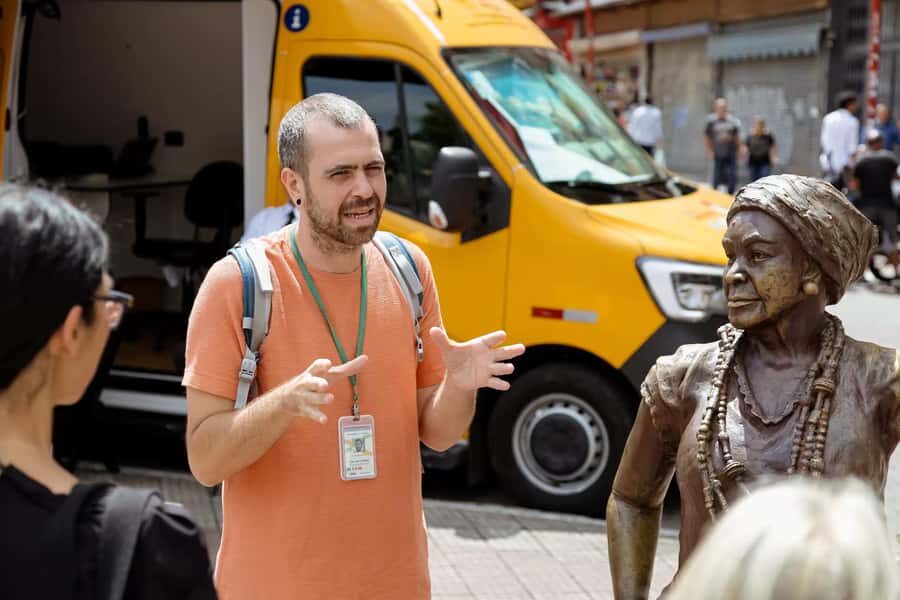
This is built around respectful visiting. You start at the bottom, get clear instructions on how to behave in the community, then you move through the neighborhood with stops for street art, local life, and a climb toward wide-open panoramas. In at least one case, the guide was named Jefferson and was a resident who introduced people along the way, which is exactly how you want this to feel: not like a show, but like being treated like a person.
If you want a typical Rio-photo-day with zero “real-life” context, this may not be your match. But if you’re curious, patient, and ready to follow the guide’s lead, this tour can change how you read Rio’s headlines.
In This Review
- Key things that make this tour worth your time
- From Rua Sá Ferreira into real neighborhood life
- The 15-minute scooter start and the motorcycle option
- Market photos, street artists, and the real Rio of food and crafts
- Mural walls: history you can walk past
- Coffee inside a local house: the human “how life really is”
- Hiking up for the views: Ipanema to Sugarloaf
- The art gallery for kids: art as opportunity, not just decoration
- Soccer and Brazilian music at the top
- Price: is $80 good value for this kind of access?
- Safety and comfort: how to have a good experience without being awkward
- Who this tour is best for (and who should skip it)
- Should you book this favela tour?
- FAQ
- Where is the meeting point for the tour?
- What languages are the tour guides?
- How much does it cost, and how long is it?
- What should I bring?
- Is the motorcycle ride included?
- Do I need cash during the tour?
- Is the tour suitable for everyone?
Key things that make this tour worth your time
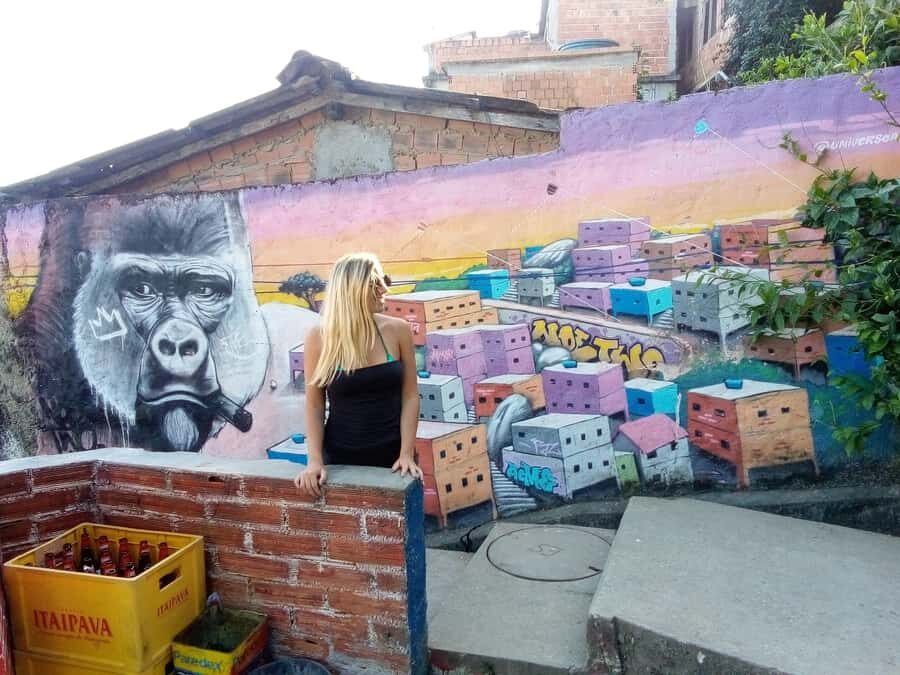
- Mural-and-history stops that turn graffiti and painted walls into a readable story
- Local market for food and arts, with time to photograph market scenes and creators
- A local-house coffee moment, where daily routine feels normal and human
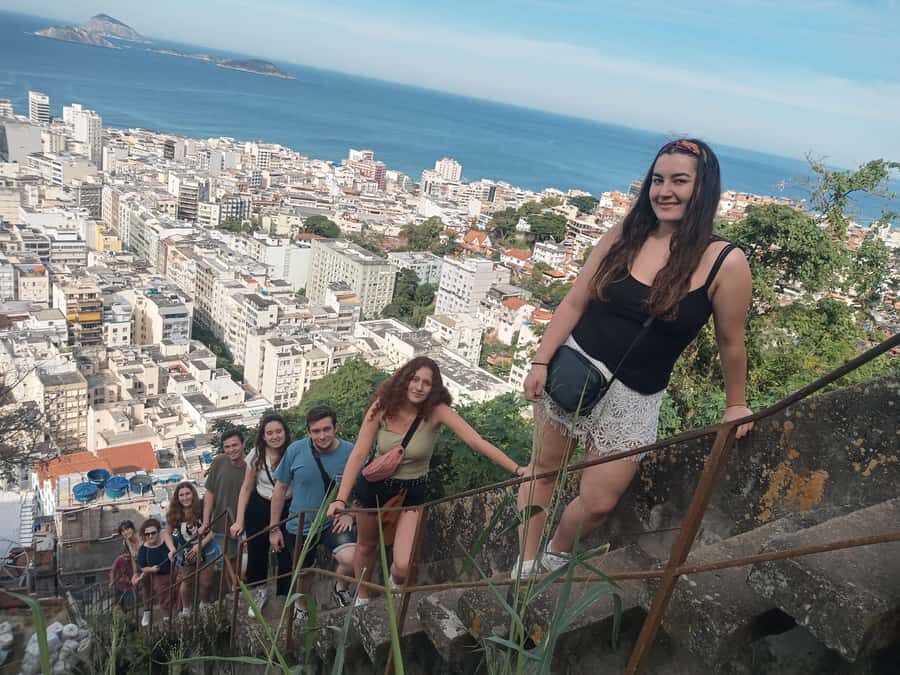
- Hilltop climb with huge sightlines across Ipanema, Leblon, Rodrigo de Freitas, Copacabana, and Sugarloaf
- Art gallery time for kids, tied to a local who teaches them to paint
From Rua Sá Ferreira into real neighborhood life

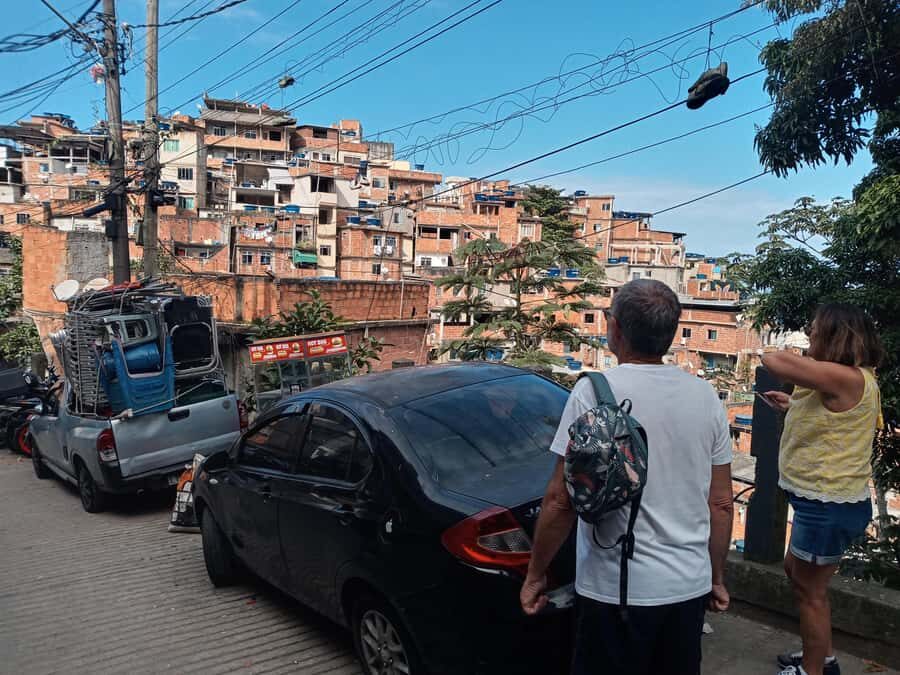
The whole experience starts in a place that’s easy to miss if you’re sticking only to postcards. You meet at the corner of Avenida Nossa Senhora de Copacabana and Rua Sá Ferreira, at Rua Sá Ferreira, 38. From there, you head in, and the tour quickly sets expectations: you’re not arriving as a tourist who just wants quick pictures. You’re arriving as a visitor who needs to respect the community while you explore.
That matters more than you might think. In a favela, your behavior affects how people experience your presence. This tour builds that into the flow with an early history stop plus instructions on how to act—simple things like how to move, how to ask, and how to keep the focus on learning instead of staring. It’s the difference between a trip that feels respectful and one that feels invasive.
You’ll also get a clearer sense of how the neighborhood connects to the wider Rio map. The view stops later on do a great job of tying it all together, but the feeling starts earlier, when you realize you’re walking through a real living area, not a staged “attraction.”
You can also read our reviews of more tours and experiences in Rio De Janeiro.



The 15-minute scooter start and the motorcycle option
Right after you begin, there’s a short scooter segment (about 15 minutes). It’s basically the transition moment—enough to get you from the meeting point area into the local rhythm, but not so much that you skip the walking and the neighborhood context.
Then there’s the motorcycle option. The plan is for about five minutes, straight to the middle of the favela. That can be fun, but it also changes the pacing. If you’re the type who gets carsick easily or hates tight rides, you may prefer to skip it and just keep moving on foot with the group.
Important practical note: the tour data lists moto taxi as not included. So if your choice involves extra motor-transport cost beyond what’s bundled, be ready for that possibility. In any case, don’t treat this as a thrill ride; it’s more like a quick jump to shorten walking time so you can spend longer seeing what’s actually important.
Market photos, street artists, and the real Rio of food and crafts
One of my favorite parts of this kind of tour is when it goes beyond architecture and shows daily culture. Here, that happens at local market stops, where you’re encouraged to look carefully and take photos of food and arts. You’re not just snapping a random street scene. You’re getting time to see the market world—vendors, makers, and the creative energy that lives in normal everyday spaces.
The murals and painted walls are the visual backbone of the trip, but the market stops are the practical backbone. Markets explain what people buy, what they share, and what they take pride in. You also get the chance to photograph real moments—hands at work, bright products, and street-level color—without the sterile feel of a souvenir shop.
And because the tour is guided, you’re less likely to miss what you’re looking at. You can ask questions, and you’ll get context for why certain artists are important. That’s a key value point: you’re paying for interpretation, not only access.
Mural walls: history you can walk past
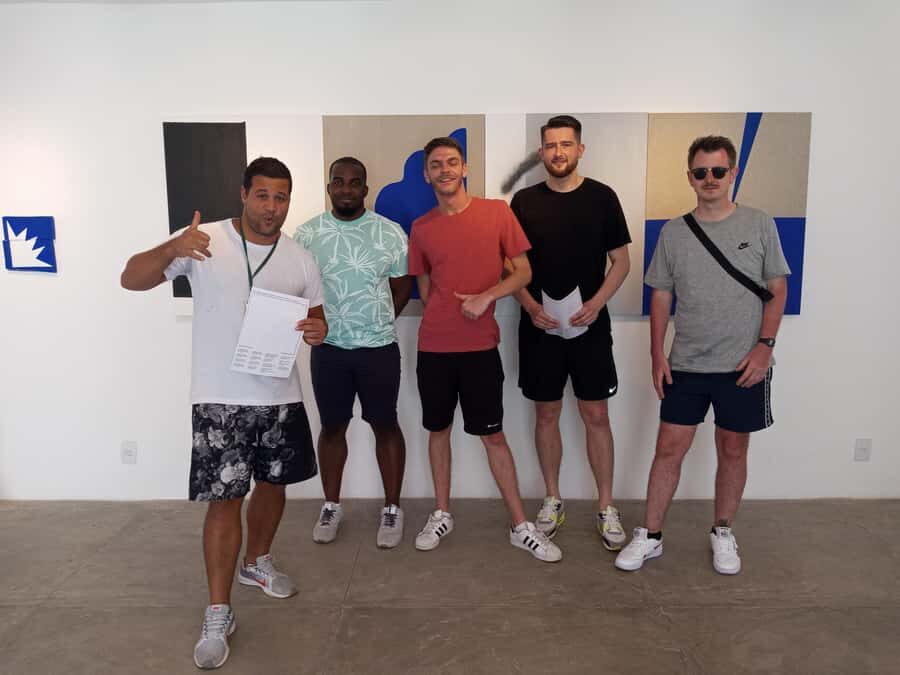
This tour’s visual theme is the wall paintings inside the favela—painted with history and passion. You’ll do more than look at the murals like background. You’ll have stops built into your walk where you can slow down, understand what you’re seeing, and connect it to what the guide tells you about the neighborhood’s story.
Graffiti and mural art can be controversial when it’s just treated like decoration. Here, it’s framed as communication: memory, identity, and messages that belong to the place. That’s why this feels more meaningful than typical city-street sightseeing. You can literally walk the narrative path, stop, learn, then move on again.
Practical tip: bring your phone camera charged and ready, because the walls give you constant photo opportunities. The only thing to watch is crowding—keep your distance and let people continue their daily rhythm. A good guide helps you find angles without turning the moment into chaos.
Coffee inside a local house: the human “how life really is”
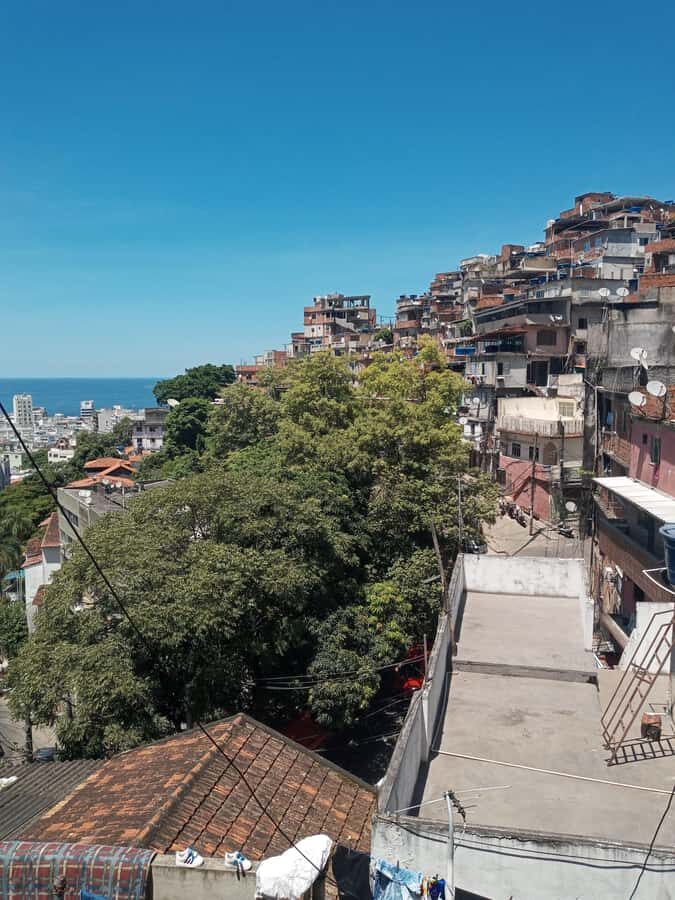
One of the best ways to understand a place is to see what happens when tourists are not expected. This tour includes time to experience life inside a local house and have some coffee. That’s not just a drink stop. It’s a culture stop.
You’re getting a small window into routine: how a home feels, how conversation flows, and how hospitality works when you’re welcomed as a respectful guest. Even if you’re only there briefly, it changes your mental picture from view-only sightseeing to real-life context.
This is also where the tour’s behavior rules matter most. In a home, you can’t be casual in the wrong way. You’ll want to be calm, listen, and follow the guide’s cues—because your guide is making sure the interaction stays kind and appropriate for everyone involved.



Hiking up for the views: Ipanema to Sugarloaf
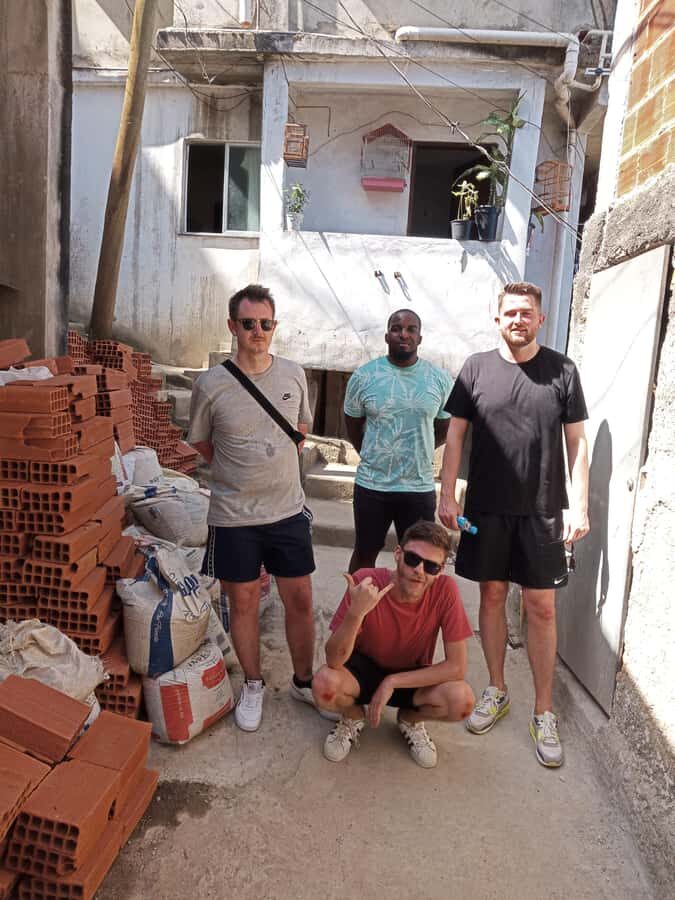
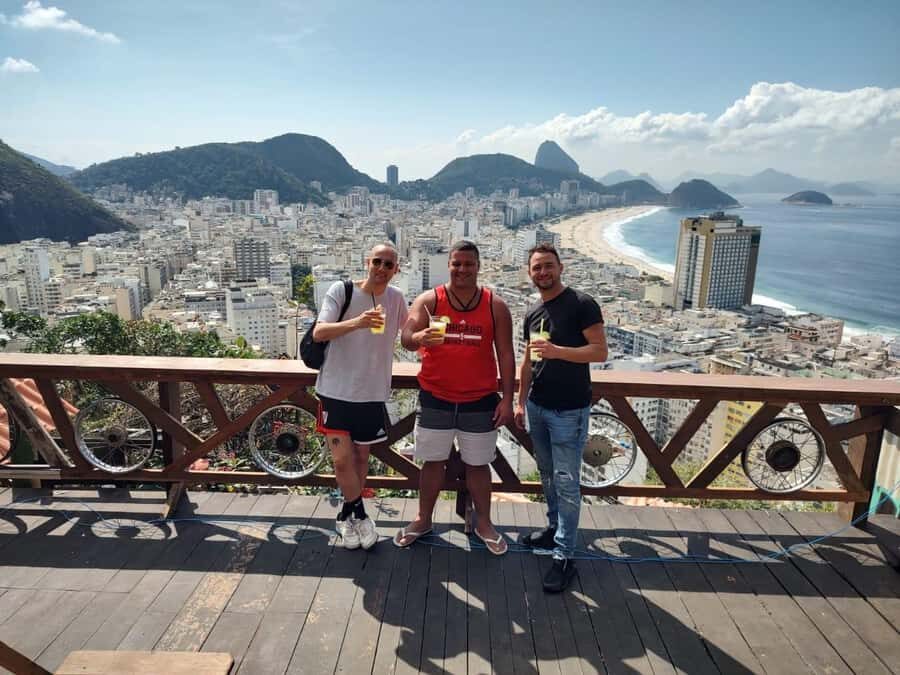
Then comes the climb. You hike to the top of the hill to see panoramic views across major Rio landmarks. The list is impressive, and you’ll see it step-by-step rather than from a single “lookout only” angle.
From up there, you can look toward:
- Ipanema and Leblon
- Flamengo club
- Rodrigo de Freitas lake
- Christ the Redeemer
- the jungle areas
- and, on the other side, Copacabana Beach and Sugarloaf
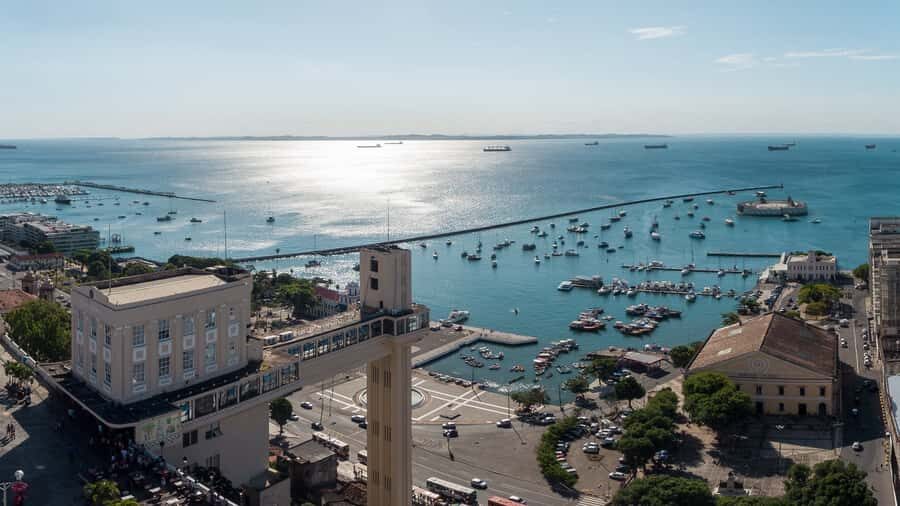
This is where the tour pays off visually. If you’ve spent your Rio time in traffic-choked viewpoints, this offers something more personal. It’s not just a photo backdrop. It’s a literal skyline connection between the favela and the city around it.
But let’s be honest: it’s a hike with a lot of steps. A review highlighted that comfortable shoes are worth it because the climb is real. I’d take that seriously. Wear sports shoes and plan for some effort, even if you’re an active walker. Pace yourself and don’t try to “win the stairs.” Your view will still be there when you arrive.
The art gallery for kids: art as opportunity, not just decoration
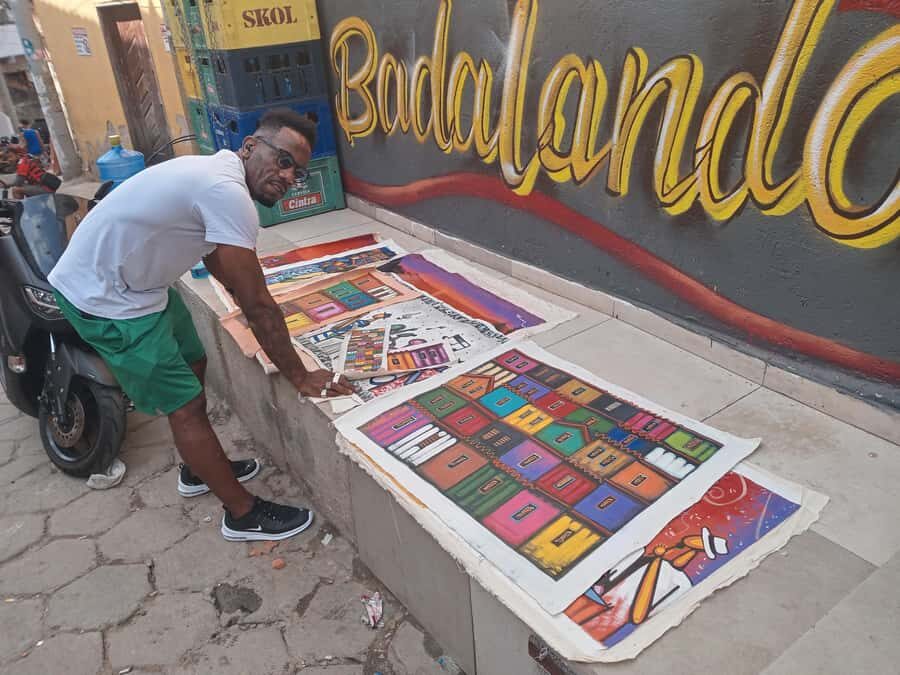
After the viewpoints, you’ll visit a gallery tied to a famous local who teaches kids how to paint. The aim is practical and hopeful: helping kids learn, express themselves, and have a better life.
This section matters because it reframes what a favela tour can do. It’s not only about hardship or only about street spectacle. It’s about how community-driven efforts build future options. Even if you’re not an art person, the fact that painting is being taught and supported gives the trip a human purpose.
If you like photography, you’ll likely find visual details here too, but your best focus is on understanding what the program is trying to do. Ask questions if your guide makes that possible. Keep it respectful—this is education space, not a stage.
Soccer and Brazilian music at the top
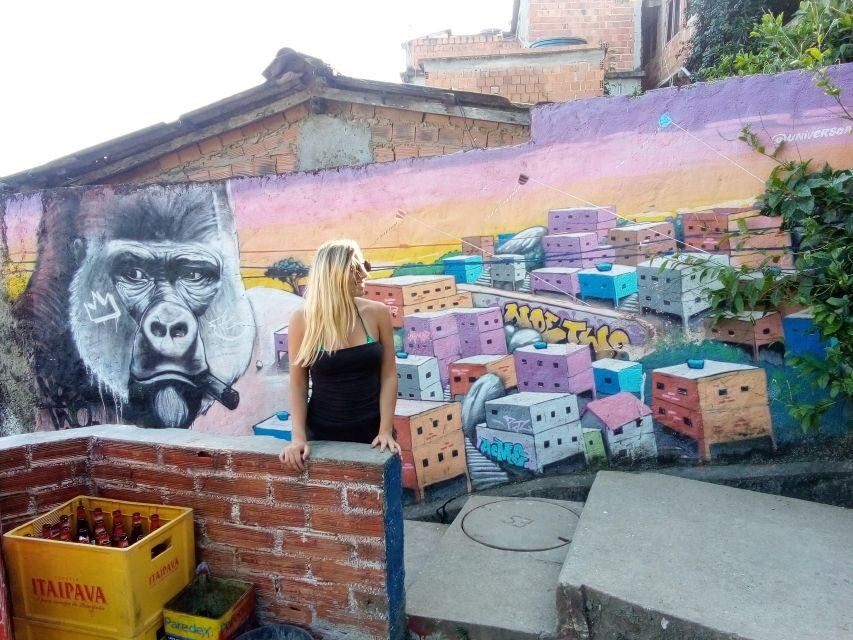
Depending on the day, there’s an option to play some soccer with locals during the tour. If you enjoy friendly games, this is a great way to break the “tour group” feeling and connect in a simple, universal way. Don’t expect a formal match. Think more like a shared moment—quick, fun, and guided by the pace of the neighborhood.
At the end, you can also enjoy Brazilian music and an aperitif vibe at the top of the favela. The plan mentions drinks, appetizers, and music, which can turn the climb into a celebration rather than an effort-only task. That said, food and drinks are listed as not included, so if you want beer, cocktails, or snacks, budget for it. The tour still earns its value through access and context even if you choose to keep spending light.
The finish is at the meeting point, Rua Sá Ferreira, 38, so you’re not stuck figuring out the logistics afterward.
Price: is $80 good value for this kind of access?
At $80 per person for a multi-day offering, you’re paying for three things at once: local access, a guided interpretation of murals and neighborhood history, and time built into the day for market stops, a local-house coffee moment, and the hilltop viewpoints. That’s very different from a generic “see Rio from here” tour.
The extra costs to plan for are clear:
- You should bring cash to pay the local guide (10 USD listed).
- Food and drinks aren’t included, even though you may have the chance to get them during the day.
- Motorcycle transport is optional, while moto taxi is not listed as included.
So if you arrive with comfortable shoes and a bit of cash, the price can feel fair for what you’re getting: a narrative walk, not a checkpoint crawl. The best value comes if you’re the type who asks questions, respects the rules, and uses the guide to understand what you’re seeing.
If you’re expecting an all-inclusive package where you only show up, eat pre-paid food, and move on, this may feel pricier. But if you want a guided cultural experience with major Rio viewpoints and real community moments, $80 can be a solid deal.
Safety and comfort: how to have a good experience without being awkward
This tour is designed around safe, respectful visiting. The important part is that the guide sets the expectations early, and your job is to follow them. One review experience emphasized that visitors were welcomed politely with respect, even when passing people involved in the neighborhood’s more complicated realities. That kind of welcome usually comes from trust plus correct behavior.
So here’s how you make this tour feel good for everyone:
- Follow your guide’s instructions about where to stand and when to move.
- Keep your camera use thoughtful. Don’t block paths.
- Be calm and polite inside the home and gallery spaces.
- Bring breathable clothing for the walk and sports shoes for the climb.
And one more factor: it’s listed as not suitable for pregnant women. That’s likely due to steps and walking demands. If you have mobility limits, you should ask your operator how the route works before booking.
Who this tour is best for (and who should skip it)
You’ll probably love it if you:
- want a Rio experience that goes beyond beaches and sugar-coating
- like street art when it comes with context
- enjoy meeting locals through guided conversation
- don’t mind walking with some hill effort
- can handle a day where you learn and photograph, but also behave thoughtfully
You might want to skip it if you:
- want an easy, mostly flat sightseeing day
- dislike the idea of interacting with real community spaces like homes
- have mobility concerns or are pregnant
Should you book this favela tour?
I think it’s a great choice if you’re here to understand Rio, not just collect photos. The reason is simple: the tour connects mural art, local life, coffee in a house, and big hilltop views in one flow, and it does so with a guide-led emphasis on respect.
Book it if you:
- can wear sports shoes and handle steps
- are comfortable bringing a small amount of cash
- want an authentic, community-minded day
Skip it if you’re looking for a low-effort, purely scenic tour with no emphasis on community context.
If you do book, come curious, move respectfully, and keep your expectations human. That’s when a favela tour becomes more than a checklist item.
FAQ
Where is the meeting point for the tour?
The meeting point is at the corner of Avenida Nossa Senhora de Copacabana and Rua Sá Ferreira. The exact address is Rua Sá Ferreira, 38.
What languages are the tour guides?
The tour guide speaks English, Portuguese, and Spanish.
How much does it cost, and how long is it?
The price is $80 per person. The experience is listed as lasting 3 days.
What should I bring?
Bring breathable clothing and sports shoes, since there are many steps and lots of walking.
Is the motorcycle ride included?
Getting on the motorcycle is an option, but moto taxi is listed as not included. If you want the motorcycle option, plan for the possibility of extra cost.
Do I need cash during the tour?
Yes. You should bring cash to pay the local guide for 10 USD.
Is the tour suitable for everyone?
It is not suitable for pregnant women.