REVIEW · RIO DE JANEIRO
Rio de Janeiro: Tijuca National Park & Botanic Garden Tour
Book on GetYourGuide →Operated by Rio Carioca Tours & Service · Bookable on GetYourGuide
Rio changes pace in a real rainforest. This guided tour trades city streets for Tijuca National Park, one of the largest urban forests, and it delivers big views from Vista Chinesa. I also like how the stops are practical and varied, but you should know the plan can shift if Tijuca access is disrupted, and the Botanical Gardens entry may be an extra payment on the day.
After the forest, you’ll head to the Botanical Gardens for a slow, visual reset. You’re looking at 7,000+ species of plants, with lots of bromeliads and orchids, and you’ll get there with hotel pickup and drop-off, which matters in Rio traffic.
In This Review
- Key things that make this tour worth your time
- Tijuca in 4 hours: why this half-day format works
- Tijuca National Park: an urban rainforest with a replanting story
- Vista Chinesa viewpoints: the moment the city finally shows up
- Taunay Waterfall: the cool, short nature break
- Mayrink Chapel with its pink facade: history you can spot
- Wildlife spotting rules that keep the experience respectful
- Botanical Gardens: 7,000+ species and a calmer pace
- Price and value: what $65 buys you (and what it doesn’t)
- How to time your day in Rio: traffic and weather reality
- Languages and guide style: what you can expect from the experience
- Who this tour is best for
- Should you book this Tijuca & Botanical Gardens tour?
- FAQ
- How long is the tour?
- What does the tour include?
- Is the Botanical Gardens entry included?
- What is the tour price?
- What areas do you pick up from?
- What languages are offered for the live tour guide?
- Is the tour wheelchair accessible?
- What should I bring?
- Is there free cancellation?
Key things that make this tour worth your time
- Tijuca is an urban national park with a reforestation mission started back in 1861 by Emperor D. Pedro II
- Vista Chinesa is your payoff stop, designed for panoramas and photo angles
- Taunay Waterfall + Mayrink Chapel give you nature and history in the same half-day
- You might spot wildlife, but you keep a respectful distance and never feed animals
- Botanical Gardens focus is plants, not crowds, covering 7,000+ species, including bromeliads and orchids
- Hotel pickup reduces friction, with pickup commonly from Leblon, Ipanema, Copacabana, Flamengo, Centro, or the cruise port
Tijuca in 4 hours: why this half-day format works
You don’t need a whole day to feel the shift from Rio’s noise to real greenery. This tour is built around a tight 4-hour window, with guided stops that hit the most noticeable points in the Tijuca area and then wrap with a Botanical Gardens visit.
That timing is especially useful if you’re juggling a full itinerary (beach time, Christ the Redeemer, Sugarloaf, or just getting over jet lag). Also, the tour includes hotel pickup and drop-off, so you’re not spending your energy figuring out buses, taxis, and parking.
The trade-off is that you’ll feel the schedule. This isn’t a slow, all-day hike where you wander until you find the perfect view. If you love taking long detours, plan for a little tightness.
You can also read our reviews of more tours and experiences in Rio De Janeiro.



Tijuca National Park: an urban rainforest with a replanting story
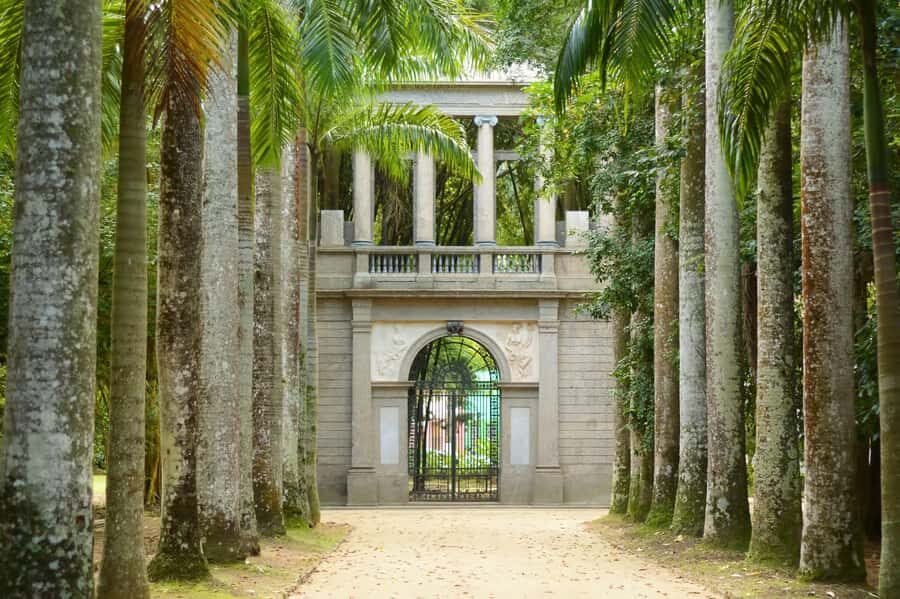
Tijuca National Park is one of those places where you look around and think, how is this inside a giant city? The reason is part conservation history. The park began in 1861, when Emperor D. Pedro II helped create the park to reforest land devastated by sugar cane and coffee plantations.
Walking through Tijuca with a guide helps you read the forest. You’re not just looking at green. You’re learning why the forest exists in this form and what it supports now—everything from small mammals to birds and reptiles.
The tour also calls out what to do around wildlife: observe from a distance and do not feed animals. I like that rule because it protects both you and the animals. It also keeps the experience real, instead of turning it into something staged.
If you’re the type who wants more than scenery—if you like understanding how a place got built back into health—Tijuca’s background adds weight to the walking.
Vista Chinesa viewpoints: the moment the city finally shows up

The best part of a rainforest tour is when you rise above it. Vista Chinesa is that moment. From this viewpoint, you get the kind of perspective that makes the forest feel connected to Rio rather than separate from it.
Even with just a short stop, the viewpoint is where you’ll probably notice depth: layers of vegetation, gaps that open into city views, and the sense that you’re at a height where the urban sprawl meets the forest canopy.
And it’s not just about what’s close. The tour also sets you up for distant skyline moments, including a far view of Pedra da Gávea and the statue of Christ the Redeemer. You’re not going to be touring those monuments up close here, but it’s a smart bonus: the rainforest becomes a frame for iconic Rio landmarks.
If you’re traveling in wet or misty conditions, you might lose some clarity. In that case, still go—because even when the view is softer, the contrast of cloud cover over the forest is its own mood.
Taunay Waterfall: the cool, short nature break
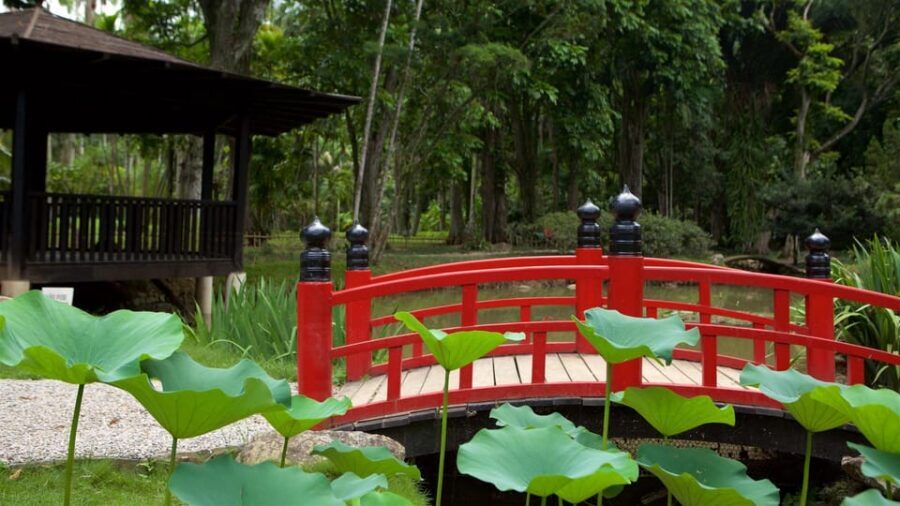
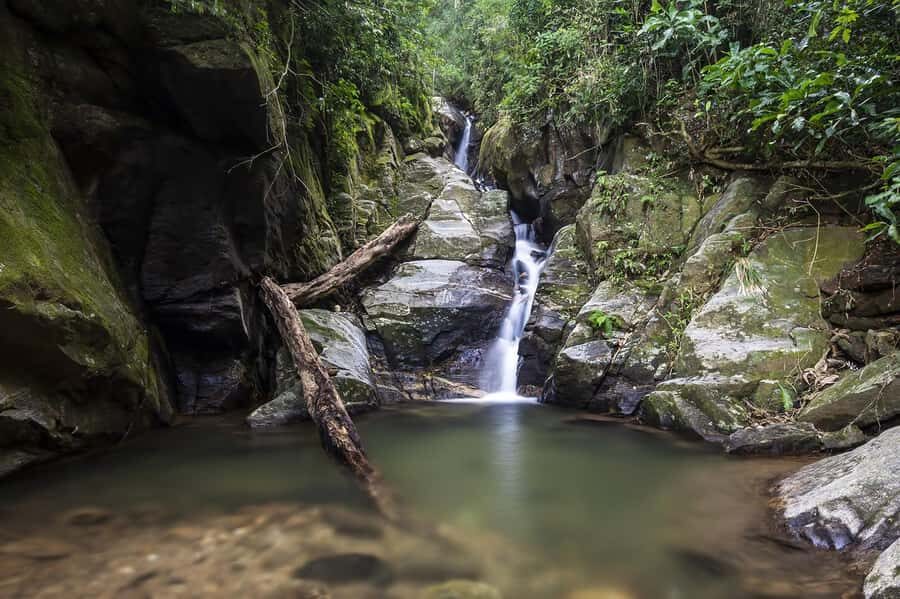
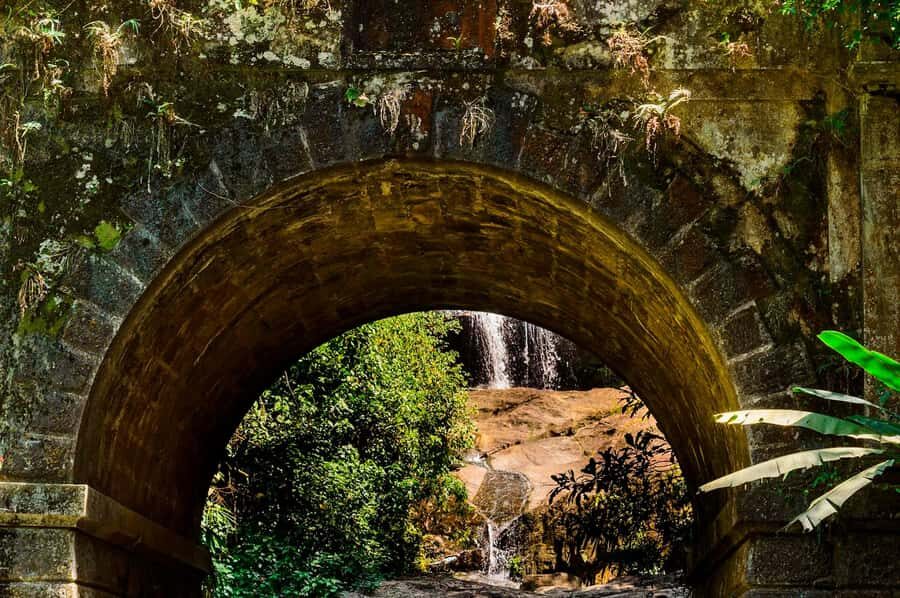
Taunay Waterfall is one of those stops that keeps the tour from becoming purely viewpoint-based. It gives you a sound cue and a chance to feel the rainforest atmosphere in motion.
You’ll get the waterfall as a cascading stop during your forest time, which breaks up the walking. Practically, it’s also a good moment to pause, take photos that don’t rely on skyline visibility, and reset your senses if the path is busy.
The one consideration: if rain is falling, expect slippery ground and a generally slower experience. One traveler noted that rain made appreciation harder, which makes sense. Bring shoes that handle wet surfaces well, and treat the walk like a careful hike, not a casual stroll.
Mayrink Chapel with its pink facade: history you can spot
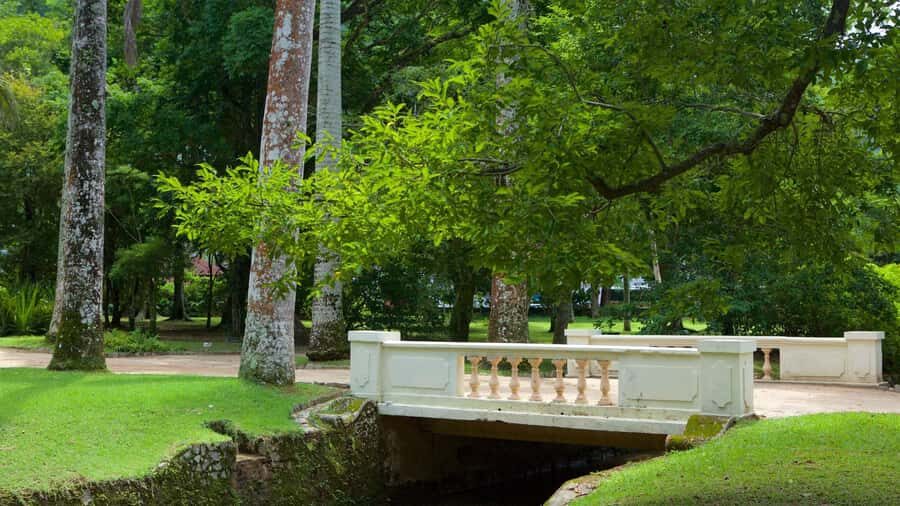
One of the reasons I like this tour is that it doesn’t ignore human history inside the natural setting. Mayrink Chapel adds that layer with its distinctive pink facade, which you can usually spot even before you’re close.
What works here is the contrast. You’re moving through a dense forest environment, and then you suddenly have this small, historic structure. It changes the tone of your photos, and it gives you something more specific to aim for than scenery.
This is also a good reminder that Tijuca isn’t just a protected space. It’s a lived-in landscape with stories layered over time, including the kind of sites that make a place feel both wild and human.



Wildlife spotting rules that keep the experience respectful
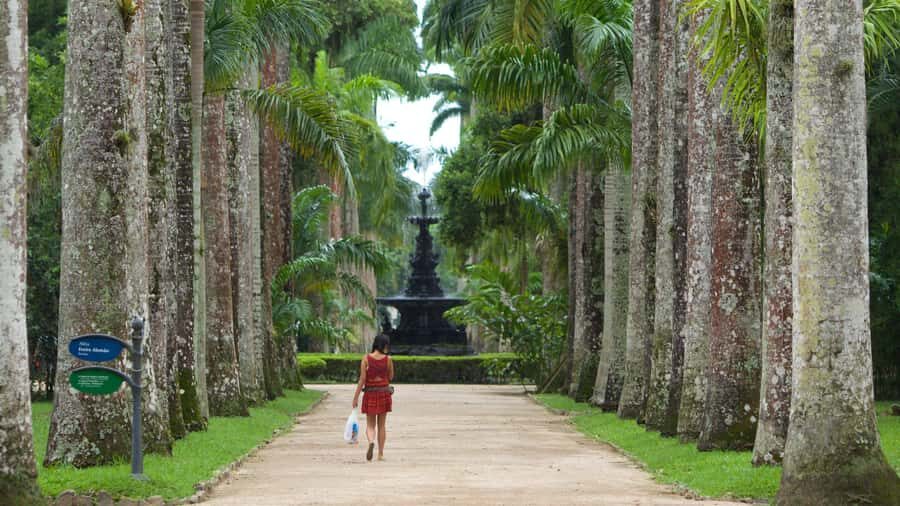
Tijuca is home to animals, including squirrels, monkeys, porcupines, foxes, armadillos, plus butterflies, birds, and reptiles. The key is how you behave around them.
The tour guidance is straightforward: don’t feed the animals, and keep your distance. I treat that as a win for you and for them. You get to watch without crowding, and you reduce the chance of your trip turning into a stressful scramble.
Also, wildlife sightings are never guaranteed. If you go in expecting certainty, you’ll get annoyed. Go in expecting chances. When an animal appears, you’ll enjoy it more because you didn’t rely on it.
Botanical Gardens: 7,000+ species and a calmer pace
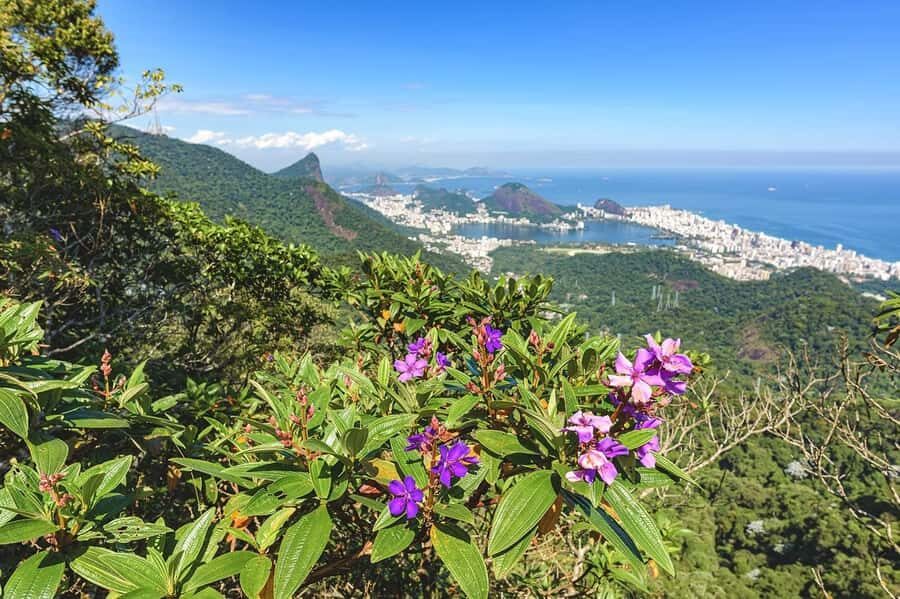
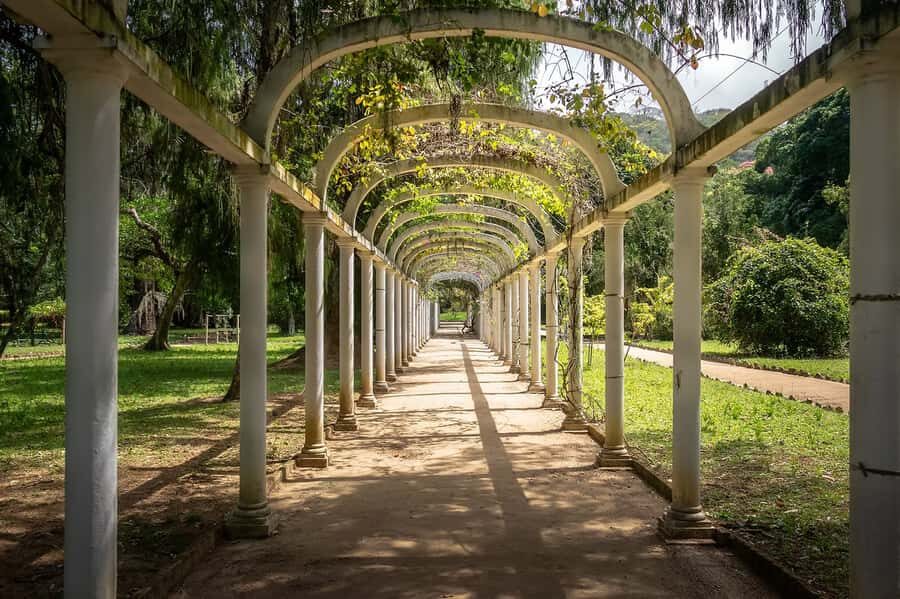
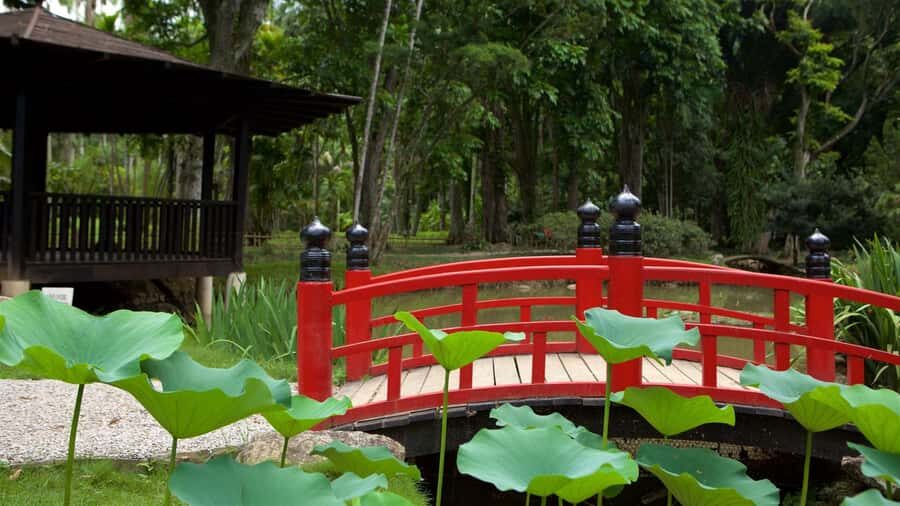
After the forest stops, you shift into a different kind of Rio. The Botanical Gardens portion is slower in feel, more about plant shapes and labels than views.
Here’s what makes it genuinely valuable: you’re looking at over 7,000 species of plants, including bromeliads and orchids, plus native Brazilian flora. That number is more than trivia. It means you’re likely to see lots of distinct textures and growth forms—plants that look like they belong in different continents.
One important practical point: the tour includes entry to Tijuca National Park, but it does not include Botanical Gardens entry. That means you may need to pay on site. A traveler specifically called out the confusion when they expected it to be included. So I’d treat this as a must-check before you arrive, especially if you’re budgeting tightly.
If you like gardens, you’ll probably appreciate this section because it lets you stand still for a bit and process what you just saw in the rainforest.
And if weather or access changes happen with Tijuca, the Botanical Gardens can become more central to your day. In at least one case, a guide adjusted when Tijuca couldn’t be visited, and the day still delivered a strong garden tour.
Price and value: what $65 buys you (and what it doesn’t)
This tour costs $65 per person and runs about 4 hours. For that price, you get:
- Hotel pickup and drop-off
- A tour guide
- Entry ticket to Tijuca National Park
What you do not get:
- Food and drinks
- Botanical Gardens entry
So is it good value? Usually, yes—because the hotel transfer component is real money and real hassle in Rio. Tijuca entry is also included, which removes one variable.
The only place you might feel the price sting is if you were hoping the Botanical Gardens ticket was already wrapped into the tour price. Since it’s not included, the total can creep up depending on what you pay at the gate.
My advice: treat the $65 as the cost of the guided forest + transfers, then treat the Botanical Gardens entry as a separate, expected add-on. That mindset keeps the budget tidy.
How to time your day in Rio: traffic and weather reality
Rio runs on time unpredictability. Even if the itinerary is fixed, travel can shift. The tour notes that in high season, tours can take longer because of traffic and crowds.
That matters for you because the 4-hour window is tight. If you hit a heavy traffic day, you’ll want to be mentally ready for a slightly later start or a faster pace once you’re inside the parks.
Weather is the other big factor. Rain can make walking and views harder. I’d pack for wet conditions even if the morning looks bright:
- Water
- Sunglasses and sunscreen
- Sun hat
- Weather-appropriate clothing
One small but important tip: you’ll be asked to meet your driver/guide in the hotel lobby 10 minutes before pickup. In a city where delays happen, showing up early helps you stay on schedule.
If you use a wheelchair or need reduced mobility support, notify in advance so the team can plan the right approach. The tour is listed as wheelchair accessible, but advance notice helps avoid last-minute stress.
Languages and guide style: what you can expect from the experience
The tour guide is available in English, Portuguese, Spanish, German, French, and Italian. That’s helpful if you want explanations about the forest history and plant life, not just a series of photo stops.
From the feedback, the guides are often described as friendly and the timing can feel solid. The one complaint that pops up is when things go off plan—like rain making it harder to appreciate views, or when park access isn’t available—followed by extra pay for the garden. The takeaway for you is simple: come with flexibility. This tour is built around nature and that means weather and access can be variables.
Who this tour is best for
This is a good fit if you want:
- A first taste of Tijuca without committing to a full hiking day
- Guided context about conservation and plant life
- Viewpoints plus one historic stop (Mayrink Chapel)
- Easy logistics with hotel pickup
It’s less ideal if you want hours of free time in each area. You’ll be guided from stop to stop, and if you fall in love with one trail, you might want more hours to explore on your own later.
It also works well for couples and solo travelers who want a guided structure but still want the day to feel grounded in nature.
Should you book this Tijuca & Botanical Gardens tour?
I think you should book it if your goal is a well-paced, guided introduction to Tijuca and the Botanical Gardens in just 4 hours, with hotel pickup doing the heavy lifting. The value is strongest when you care about the big anchors: Tijuca’s reforestation story, Vista Chinesa views, Taunay Waterfall, and Mayrink Chapel’s pink facade.
Skip or rethink it if you can’t handle an extra on-site cost for the Botanical Gardens entry, or if you’re the type who needs guaranteed access to every single forest stop regardless of rain or operational changes. In those cases, you’d be happier with a longer, more flexible plan.
If you go with the right expectations—nature first, views as the bonus, and plant time as your calm finish—this tour is a smart way to experience Rio’s green side without eating your whole day.
FAQ
How long is the tour?
It lasts 4 hours.
What does the tour include?
You get hotel pickup and drop-off, a tour guide, and an entry ticket to Tijuca National Park.
Is the Botanical Gardens entry included?
No. Botanical Gardens entry is not included and you may need to pay for it on site.
What is the tour price?
The price is $65 per person.
What areas do you pick up from?
Pickup is available from most hotels in Leblon, Ipanema, Copacabana, Flamengo, and Centro areas, plus the cruise port.
What languages are offered for the live tour guide?
The guide is available in English, Portuguese, Spanish, German, French, and Italian.
Is the tour wheelchair accessible?
Yes, the tour is listed as wheelchair accessible. You should notify in advance if you have reduced mobility or wheelchair use.
What should I bring?
Bring sunglasses, a sun hat, sunscreen, water, and weather-appropriate clothing.
Is there free cancellation?
Yes. You can cancel up to 24 hours in advance for a full refund.