REVIEW · RIO DE JANEIRO
Rio de Janeiro – Wine Tasting of Brazilian Wines
Book on GetYourGuide →Operated by Cave Nacional Restobar · Bookable on GetYourGuide
Three Brazilian sips beat my usual wine tour. In Botafogo, Cave Nacional turns a short stop into a focused look at Brazilian wine, from how it’s made to what you should look for next. If you want something different from the usual tastings, this one keeps you in Brazil’s glass.
What I like most is that this place is all about Brazilian wines—over 200 labels from different regions—so you’re not sampling a random mix of countries. And the experience is led by sommelier Karina, who makes the learning part feel friendly instead of formal, like you’re chatting with someone who truly enjoys sharing.
One thing to consider: you’re paying $39 for a tight 1-hour format with tastings and food included, but any extra drinks (or bottles to take home) are extra, so decide ahead of time how much you want to spend.
In This Review
- Key things to know before you go
- Cave Nacional in Botafogo: why this wine bar works
- Your 60-minute plan: sparkling first, then talk, then tastings
- What this format does for you
- The 20-minute Brazil winemaking lesson you can use later
- Your three 60 ml Brazilian wine tastings: how to taste smarter
- How I’d taste these three pours
- What you’ll probably learn fast
- Bruschettas pairing: simple food, intentional matching
- Price and value: is $39 a good deal?
- What costs extra (and how to plan)
- When this tasting is a great fit (and when it isn’t)
- Who might want to skip it
- Logistics that matter: meeting point, language, and getting there
- Should you book Rio de Janeiro Brazilian Wine Tasting at Cave Nacional?
- FAQ
- What is included in the Cave Nacional wine tasting?
- How long does the experience last?
- Where do I meet for the tasting?
- Do I need to pay for extra drinks or food during the session?
- Is transportation included?
- What languages are offered during the experience?
- Is the experience suitable for children?
- Is it easy to cancel if plans change?
Key things to know before you go
- All-Brazil lineup: more than 200 wine labels from Brazilian regions, so everything connects back to Brazil.
- 20-minute talk, not a lecture marathon: you get the story quickly, then you get to taste.
- Sommellier-led tastings: 3 wines chosen for you, served in 60 ml pours so you can compare.
- Sparkling welcome included: you start with a 100 ml glass of Brazilian sparkling wine.
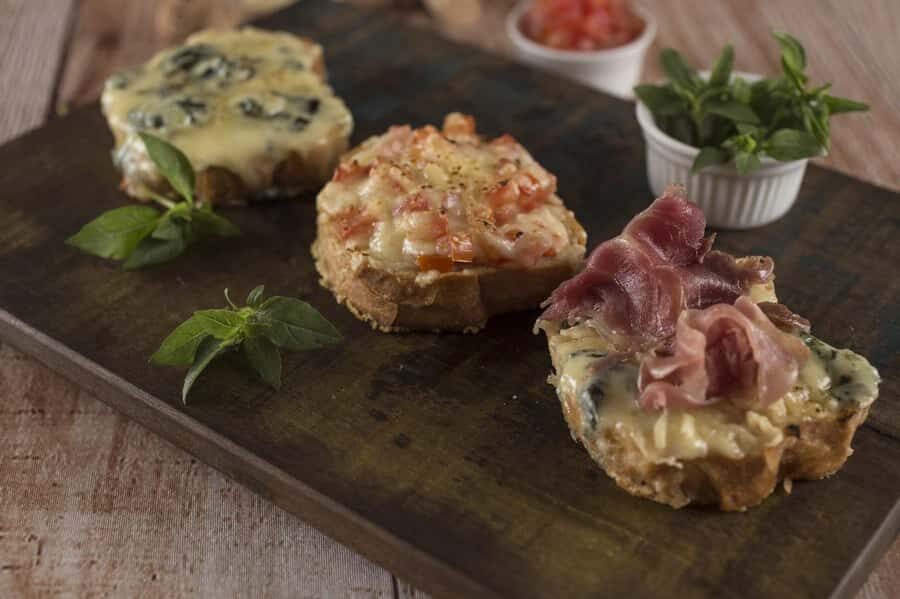
- Food is part of the plan: 3 bruschettas are selected to pair with what you taste.
Cave Nacional in Botafogo: why this wine bar works
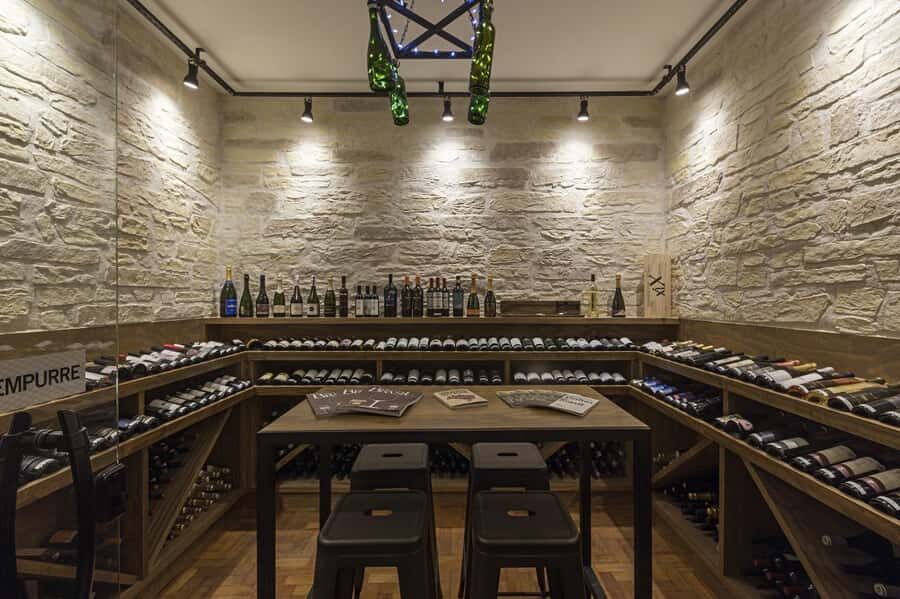
Cave Nacional Wine Bar sits in Botafogo, and the vibe is what you want for a tasting: relaxed, cozy, and easy to talk in. This isn’t a big showroom wine experience. It feels like a place built around one simple idea—Brazil makes wine worth paying attention to.
The biggest practical win here is focus. You’re stepping into a bar dedicated exclusively to Brazilian wines, with a selection reported at 200+ labels. That means the sommelier can guide you through comparisons that actually make sense. Instead of bouncing between unrelated styles from different countries, you’re learning how Brazil’s regions shape taste—so your brain has a thread to follow.
And yes, it’s also a place where the host’s personality matters. Karina’s energy is a big part of why this experience lands. She keeps it fun, and she doesn’t make you feel lost if you don’t know wine jargon.
You can also read our reviews of more food & drink experiences in Rio De Janeiro



Your 60-minute plan: sparkling first, then talk, then tastings
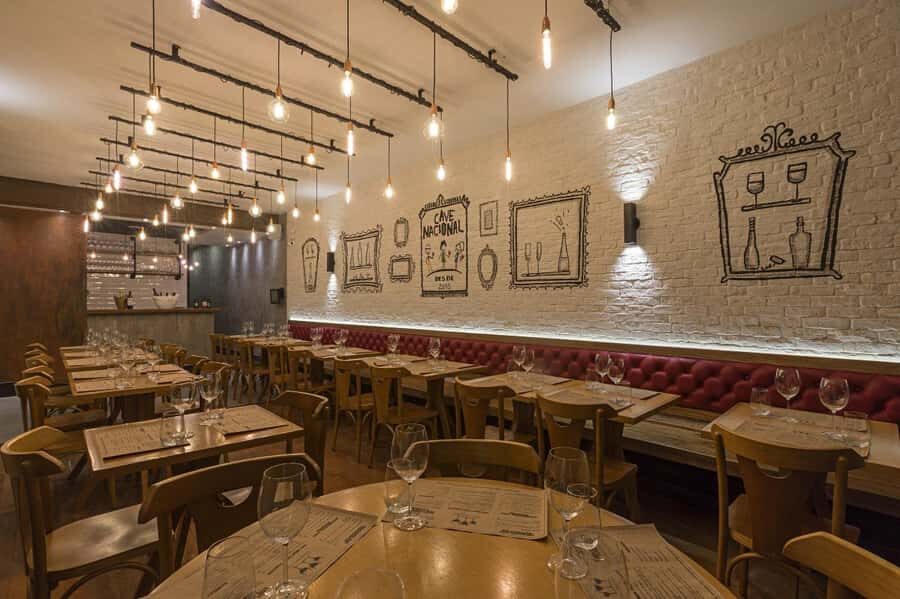
This experience runs about 1 hour total, and it’s structured to keep you moving from learning to tasting without dragging. You start with a welcome glass of sparkling wine (100 ml). It’s a smart opener. Sparkling sets the palate, and it signals right away that Brazilian wines aren’t just for dinner tables—they’re for starting.
Then comes the 20-minute portion with the sommelier. After that, you shift into tastings: three wines, each poured as a 60 ml sample. That 60 ml size is enough to notice flavors, acidity, and weight, but it’s also controlled enough that you can compare across all three.
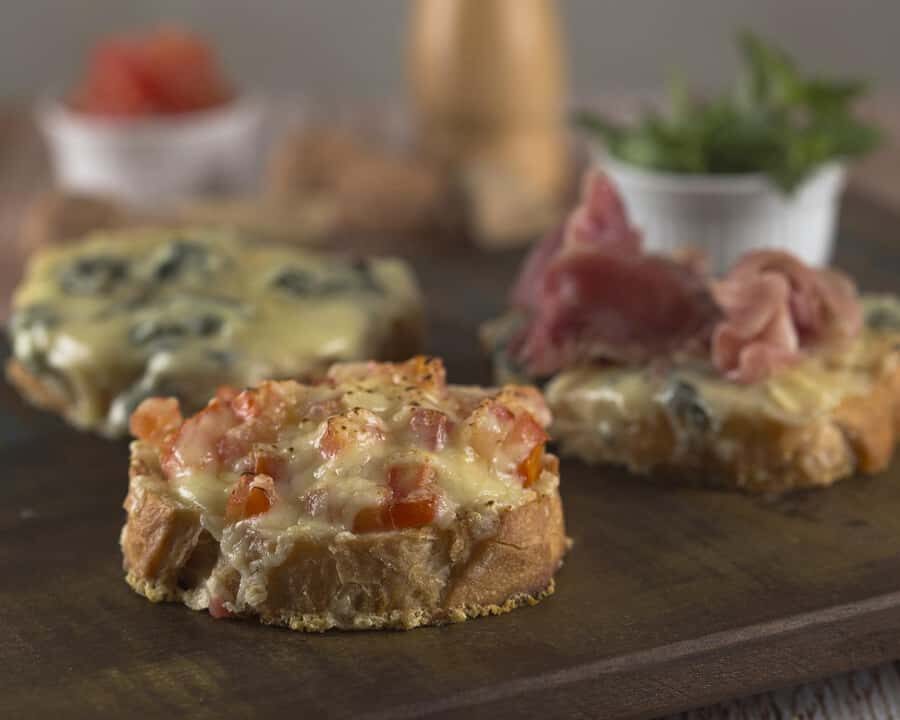
Finally, the bruschettas arrive as pairing support. These aren’t random add-ons. The chef selects them to match the wines in your flight, so each bite helps you understand what the wine is doing.
What this format does for you
If you’re short on time in Rio, a 1-hour experience is the sweet spot. You get structure and guidance, but you’re not committing an entire evening. You also avoid the common tasting problem: “I drank three glasses, but I can’t remember what I liked and why.”
Because you taste in sequence, you’ll start picking up patterns. For example, you may notice differences in how Brazilian styles feel on the tongue—lighter and crisp versus more rounded, for instance. That’s how you build taste memory fast.
The 20-minute Brazil winemaking lesson you can use later
The sommelier’s talk is built around the history of winemaking in Brazil, and it’s short enough to stay practical. You’re not stuck listening for an hour while nothing lands. Instead, the goal is to give you a framework for what you’re tasting.
Here’s what that matters for in real life: when you understand how wine developed in Brazil—especially how regions and styles evolved—you stop treating Brazilian wine like a surprise lottery. You begin to approach it like a choice.
In a well-run tasting like this, the talk usually does three things:
- Explains where styles come from (region context).
- Helps you connect “taste” to “process” (why certain flavors show up).
- Gives you vocabulary you can actually use next time you order.
And the fact that Karina is focused on Brazilian wines specifically matters. She’s not trying to be a generalist who covers everything. She can pick the right details because the whole room is oriented to Brazil.
If you like learning in a social setting—asking a question, hearing a story, and then tasting what they’re describing—you’ll probably enjoy this format.
Your three 60 ml Brazilian wine tastings: how to taste smarter
The heart of the experience is the flight: three Brazilian wines, each served at 60 ml. That portion size is ideal for comparison. You can look at the wine, smell it, taste it, and still move on without feeling like you’re drowning your palate.






How I’d taste these three pours
Here’s a simple method that fits what’s provided:
- Take a breath after the first swirl. Notice aroma first.
- Sip slowly and ask yourself: does it feel crisp, medium, or fuller?
- Then try the bruschetta pairing and see how the bite changes the wine.
You don’t need to be a wine expert. You just need a rhythm. The sommelier’s guidance helps you with the “what” while you handle the “how does it taste to me.”
What you’ll probably learn fast
Because the flight is chosen specially for you, you should walk away with at least a couple of clear takeaways:
- One wine that feels like it “hits” your preferences.
- Another that you might not have picked on your own but now understand.
- A sense of what Brazilian wine tastes like across styles, not just one example.
Also, the cellar component gives the experience more substance than a standard tasting. You can step into the cellar and take a look around the storage and the behind-the-scenes side of the operation. It’s a small add-on, but it makes the tasting feel more real.
Bruschettas pairing: simple food, intentional matching
Let’s be honest: a lot of wine tastings include snacks that feel like an afterthought. Not here. You get 3 bruschettas, selected by the chef to pair with the three wines.
That pairing changes how you experience the wines. Bruschetta—typically bread with toppings that bring salt, acidity, and savory notes—often plays well with different wine textures. Even if you don’t care about food theory, you’ll notice something practical: a pairing can soften a wine’s edges or make flavors pop.
If you like to eat while you learn, you’ll probably appreciate that the tasting isn’t just liquids. You get a mini meal structure. And based on how people describe the food experience, the bruschettas land as genuinely enjoyable, not “included because we have to include something.”
Price and value: is $39 a good deal?
At $39 per person for about 1 hour, this is priced like a focused tasting experience, not a casual bar deal. The value comes from what you actually get in the package.
Included:
- 20 minutes with the sommelier
- 100 ml sparkling wine
- 3 wines (60 ml each)
- 3 bruschettas
That combo matters because you’re getting both education and consumption, plus food pairing. If you compare to the cost of buying three drinks at a normal bar without any guided context, the math starts to make sense fast—especially in a specialty setting dedicated only to Brazilian wines.
Also, the bar’s reported 200+ labels hint at something important: you’re not tasting in a place with a limited menu. You’re in a shop where Brazilian wine is the main event, so your flight is part of a larger system of choices.
What costs extra (and how to plan)
You can order additional drinks and food on-site, and bottles to take home cost extra. Transportation isn’t included either, so build that into your day.
My practical advice: go in with a spending mindset. If you’re likely to want a bottle after tasting, remember that you’ll be paying retail-style prices for it. If you’re only here for the experience, treat the included pour count as your evening plan.
When this tasting is a great fit (and when it isn’t)
This is a good match if you:
- Want Brazilian wine in a short, guided format
- Like structured tastings with food pairing
- Prefer learning from someone focused on one country rather than a general wine pitch
- Are in Rio and want an activity that doesn’t require a half-day commitment
It’s also a solid option for couples, solo travelers, and friends who enjoy discussion with a host. English and Portuguese are available, so you won’t feel stuck if your language is limited.
Who might want to skip it
If you’re only looking for a loud nightlife stop, this may feel too calm. Also, it’s not suitable for children under 18, so it won’t work for families traveling with kids.
And if you’re the type who hates guided anything, the 20-minute talk will be part of the deal. For most wine lovers, though, that talk is the reason the tasting feels worth it.
Logistics that matter: meeting point, language, and getting there
You meet at Cave Nacional Wine Bar. You’ll want to plan your own transportation since it isn’t included. If you’re basing yourself somewhere far from Botafogo, just factor that travel time into your day so you don’t feel rushed at the start.
One nice practical detail: it’s listed as wheelchair accessible. English and Portuguese are both offered, which helps if you’re traveling with mixed language comfort.
Should you book Rio de Janeiro Brazilian Wine Tasting at Cave Nacional?
Yes, I’d book it if you want a guided, compact introduction to Brazilian wine in Rio. The strongest reasons are simple: the bar’s exclusive Brazilian focus, the 3-wine flight with food pairing, and the fact that Karina and the team treat the session like a real experience rather than a sales stop.
I’d hesitate only if you’re expecting a long, sprawling wine journey. This is one hour. You’ll learn enough to guide your next order, not enough to become an oenology student.
If you’re choosing between “a tasting somewhere” and “a Brazil-focused tasting with a sommelier,” pick the Brazil-focused one.
FAQ
What is included in the Cave Nacional wine tasting?
It includes a 20-minute lecture with the sommelier, a 100 ml glass of sparkling wine, three Brazilian wine tastings (60 ml each), and three bruschettas selected for pairing.
How long does the experience last?
The total duration is about 1 hour.
Where do I meet for the tasting?
You meet at Cave Nacional Wine Bar.
Do I need to pay for extra drinks or food during the session?
Additional drinks and food can be ordered, but they are not included and must be paid separately. Bottles to take home are also charged separately.
Is transportation included?
No, transportation is not included.
What languages are offered during the experience?
The host or greeter provides English and Portuguese.
Is the experience suitable for children?
No, it is not suitable for children under 18 years.
Is it easy to cancel if plans change?
Free cancellation is available up to 24 hours in advance for a full refund.