REVIEW · SOUTHEAST REGION BRAZIL
Rio: Favela Tour Imersion in Babilônia and Chapéu Mangueira
Book on GetYourGuide →Operated by Rolé com o cria · Bookable on GetYourGuide
Rio’s hills teach you how to see the city.
This favela walk with guide Eric gives you real context about daily life in Babilônia and Chapéu Mangueira, not just photos and quick stops. I especially loved how the tour blends marvelous viewpoints with a calm, human-scale pace, and how Eric’s way of explaining culture makes the place feel understandable. One thing to note: getting to the community starts with a climb up Ladeira Ary Barroso, and you’ll need to handle that on foot or via local transport that’s not included.
You also get the kind of details that make the city click: the trail through Babilônia, the sights down to different points of Rio, and even stops that include plants, birds, and deactivated bunkers. At the end, you head to Chapéu Mangueira for time at Bar do David, famous for food and drinks and also recognized with major awards. The possible drawback is simple: the walking is part of the experience, and the tour is not a good fit if you have mobility limits or are traveling with someone who can’t do a hilly route.
In This Review
- Key things you’ll remember
- Meeting at Windsor Leme and starting with Ladeira Ary Barroso
- Why Eric’s favela-born perspective changes everything
- Morro da Babilônia: trail views, street food stops, and the easy pace
- Trilha do Morro da Babilônia: old bunkers and nature breaks
- Chapéu Mangueira: photo stops with a cultural center
- Bar do David: why the food stop feels like part of the lesson
- Price and logistics: what $47 really buys you
- What to bring, what to watch out for
- Who should book this favela tour in Rio
- Should you book this Rio favela tour?
- FAQ
- Where do I meet for this tour?
- How long is the tour?
- What languages are available with the guide?
- Is this a private group tour?
- Do I need transport to reach the favela areas?
- Is food included in the price?
- Are drinks included?
- Are there age limits?
- Is it wheelchair accessible or suitable for mobility issues?
- Are drones allowed?
Key things you’ll remember
- Eric the guide: big local connections, strong English, and a friendly approach that helps you feel welcome and safe.
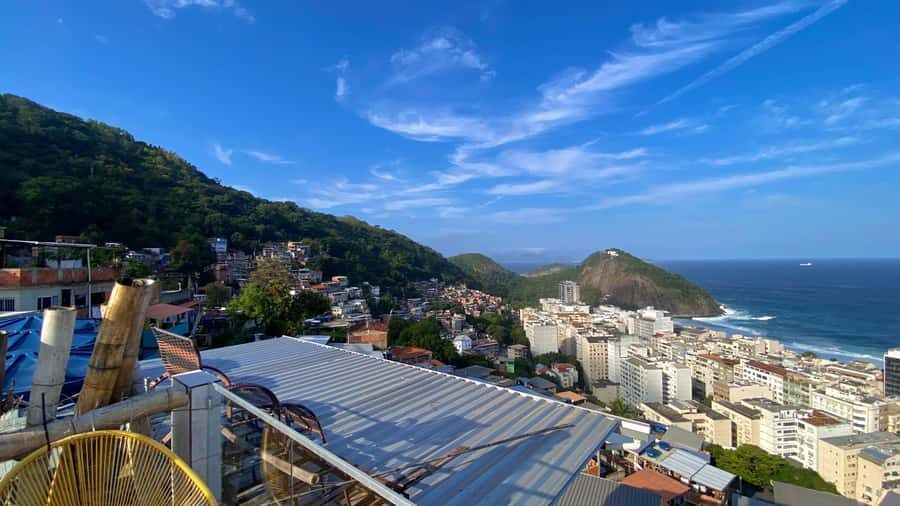
- Viewpoints that feel earned: photo stops around Babilônia and Chapéu Mangueira with wide looks over Rio.
- Favela life, not just scenery: you’ll learn routines, culture, and how the area has appeared in novels and movies.
- Babilônia trail walk: easy pace, time for street food, and stops tied to nature and old structures like deactivated bunkers.
- Bar do David stop: a well-known pub for regional food and drinks, including a spot where people talk about awards.
Meeting at Windsor Leme and starting with Ladeira Ary Barroso
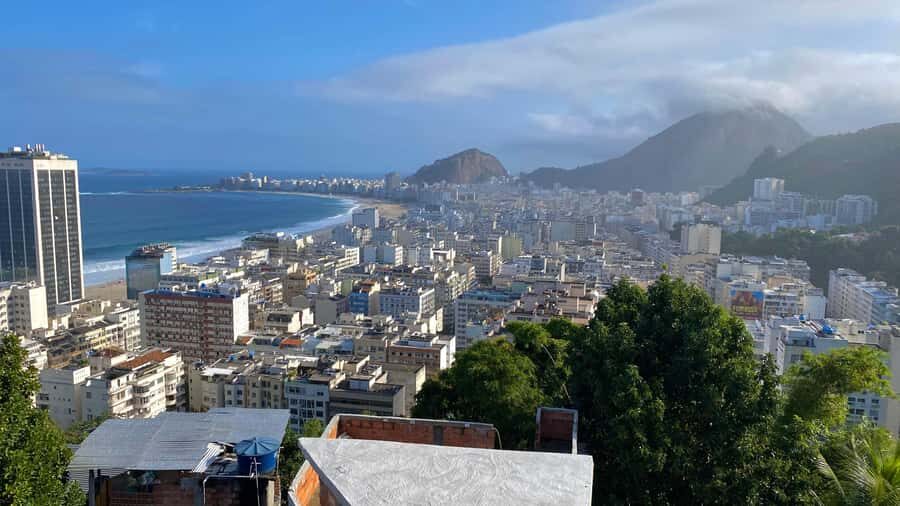
The day starts at the Windsor Hotel in Leme, near Posto 1. It’s an easy meeting point if you’re already basing yourself around Copacabana/Leme, and it makes the logistics feel straightforward before the tour even begins.
From there, you’ll move toward the bottom of Ladeira Ary Barroso Slope. This is where the tour’s character shows: you’re not starting with a bus drop-off and a quick look. You’re starting with the hill itself, either by walking or using a local ride such as moto-táxi or van. That choice matters because it changes your energy level for the rest of the route. If you walk it, you’ll arrive feeling like you earned the first viewpoints. If you take local transport, you’ll conserve energy for the trail and the photo stops later.
Even before Babilônia, you’ll get guided context while you’re moving—how the community sits in the wider city and what you’re going to notice on the ground once you reach the streets and slopes above.
Why Eric’s favela-born perspective changes everything
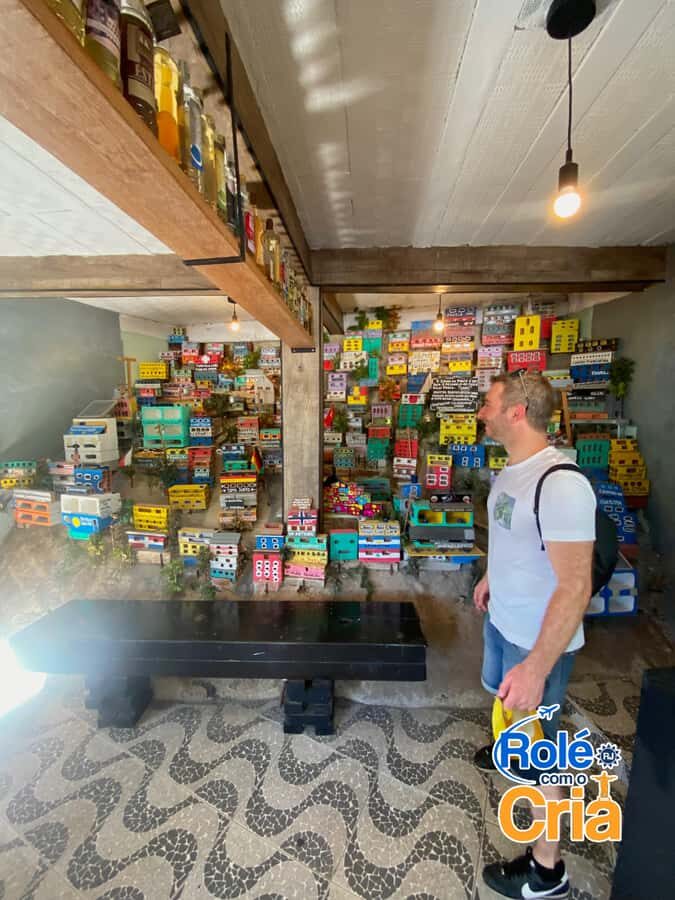
A lot of tours say they explain a place. This one actually leans on the guide being born and raised in the favela community. With Eric, the focus is on lived reality—how routines work, how culture expresses itself, and how history shapes daily life.
What I like about this approach is that it makes your questions feel normal. You’re not watching from the outside; you’re learning the logic of the neighborhood while you’re walking through it. You also get a sense of how the community is more than a headline: there’s social life, local traditions, and a rhythm to the area that you start recognizing as you go.
The tour also touches on how the community has shown up in novels and movie scenes. That detail matters because it explains why certain spots feel familiar to people who’ve seen Rio portrayed in media. Instead of treating that as trivia, you connect it back to real streets, real routines, and real community pride.
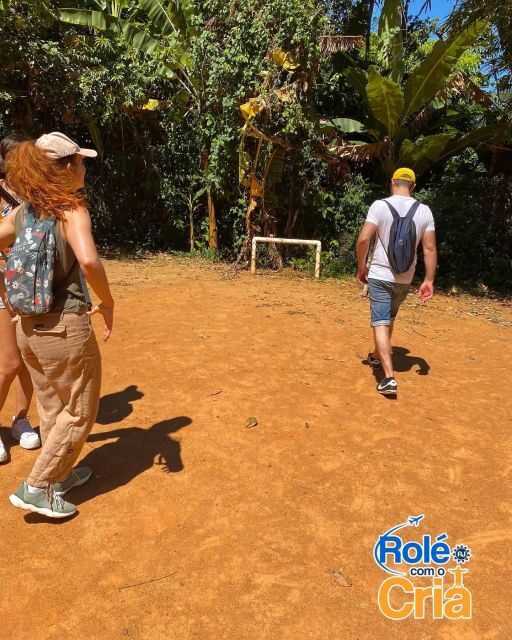
And in the reviews, Eric’s role comes through strongly: people describe him as attentive to their wishes and quick to build trust. One highlight that stands out is that he’s organized time for a bit of local football with visitors, which turns the walk from spectator mode into shared energy.
Morro da Babilônia: trail views, street food stops, and the easy pace
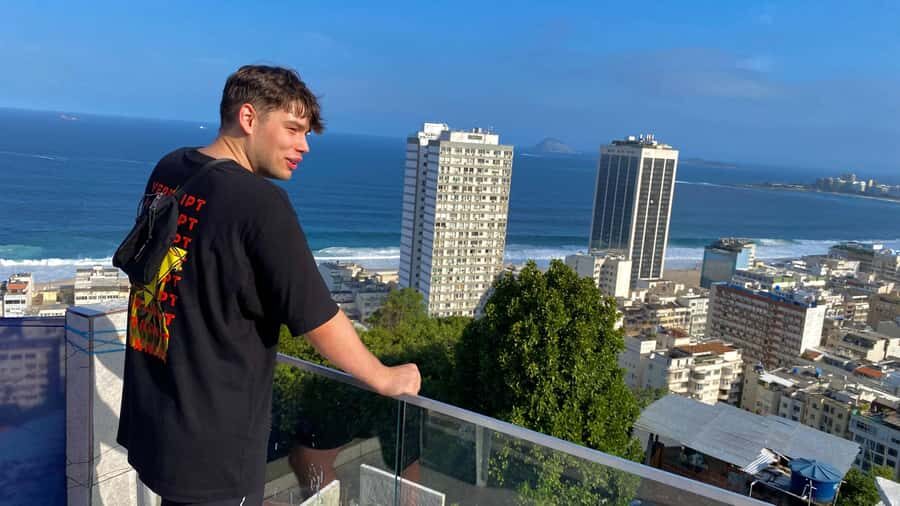
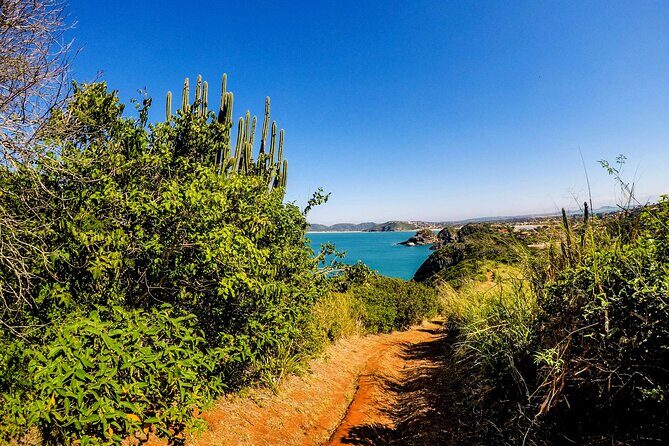
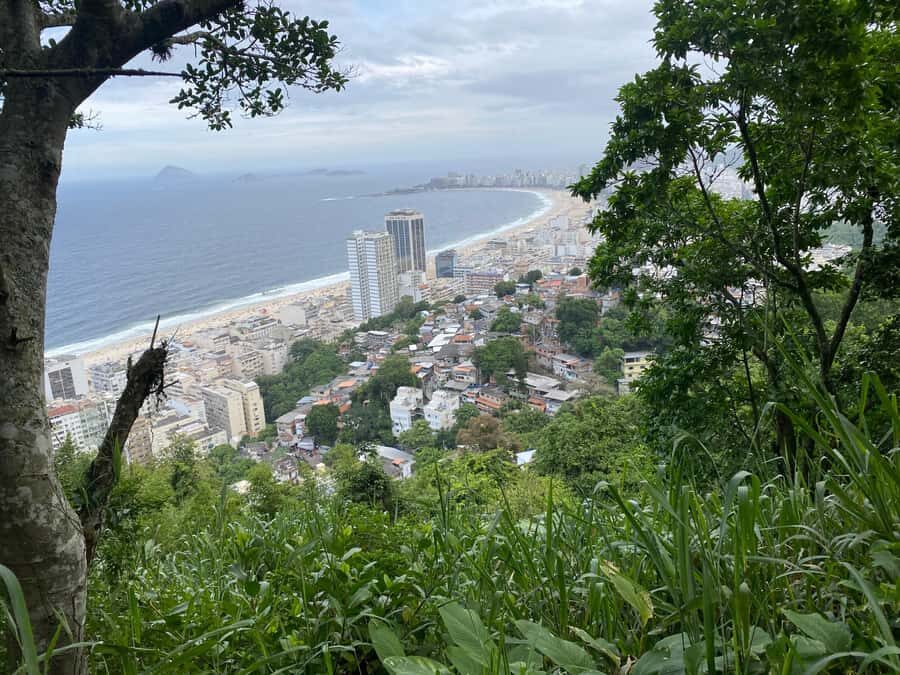
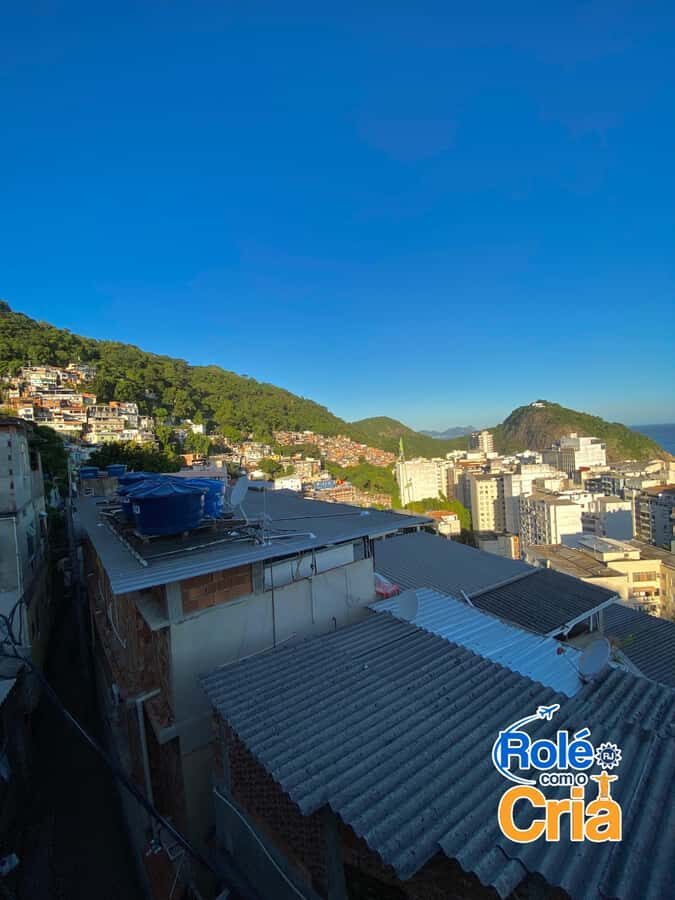
Once you reach Morro da Babilônia, the tour shifts into a slower, more scenic mode. You’re guided as you walk, and you’ll get photo stops that let you frame Rio from the angles most visitors don’t see.
This part is designed to be friendly for different ages, and the walking is described as easy. That doesn’t mean it’s flat. It means the route is manageable and you’re given time at viewpoints. The goal is to let you look, ask, and reset rather than rush from one photo to the next.
A standout here is the combination of sights and small moments on the street. You can expect a street food stop, which is one of those practical ways to learn a place. Rather than trying to force a full meal, you get a taste—something you can handle while still keeping your focus on the walk and the stories from your guide.
You’ll also learn what to notice along the way. The tour includes reference points tied to nature as well as community space: birds and plants show up during parts of the trail, and that changes your mindset from city-view mode into “this is an ecosystem people live inside” mode.
Trilha do Morro da Babilônia: old bunkers and nature breaks
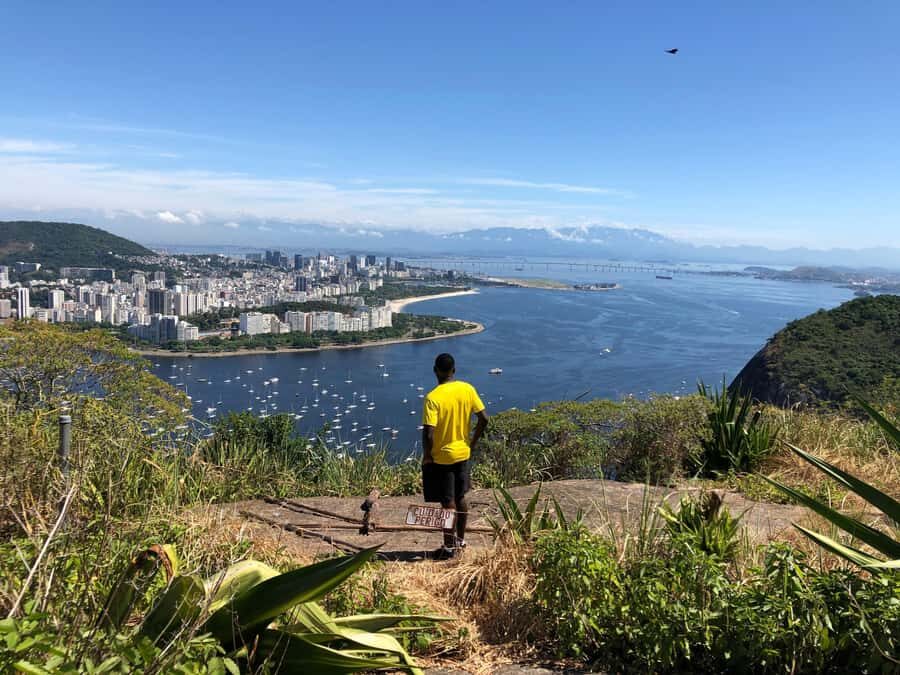
The Trilha do Morro da Babilônia portion is where the tour becomes more than sightseeing. You’ll still get views and guided explanations, but you’ll also encounter the physical layers of the neighborhood—places with history you can see.
One detail specifically mentioned is deactivated bunkers. Seeing old military-style structures from within the neighborhood context gives you a different kind of understanding. It’s not just a historical footnote; it shows how the area has been shaped over time and how the community has adapted around structures left behind.
This is also the part of the tour where the birds and plants matter. It’s a small thing, but it helps you slow down. You start noticing that the hills aren’t only a backdrop—they’re a living environment. And if you’re the kind of person who loves “what am I looking at?” moments, your guide’s explanations will keep the walk engaging.
Because this is still a walking segment with photo stops, you’ll want to keep your camera ready but not glued to your face. The best photos come when you take a second to understand the view first—then frame it.
Chapéu Mangueira: photo stops with a cultural center
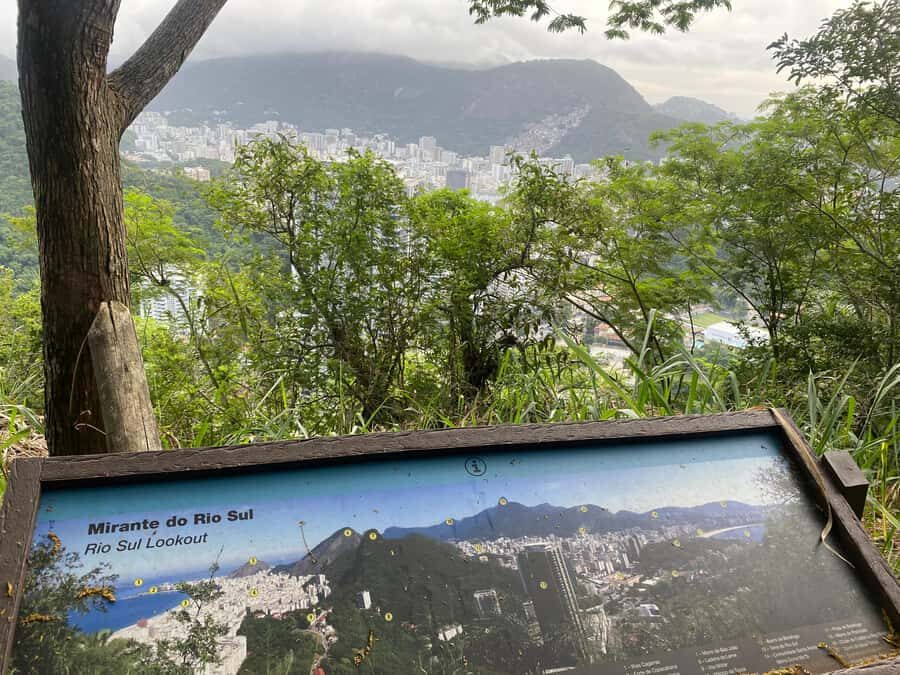
After Babilônia, you shift to Chapéu Mangueira for more viewpoints and guided context. The stop length is shorter than the longer trail segments, but it still feels like a full chapter of the story rather than a quick drive-by.
What you’re looking for here is how the community identity expresses itself in everyday life. Your guide ties the cultural routine you’re hearing about back into the street scenes you’re seeing. Even when you’re standing still for photos, you’ll get context that helps you understand what you’re seeing beyond the visual.
Chapéu Mangueira is also where the tour connects to the food-and-community side of the day. Instead of ending with one more viewpoint and rushing back down, you end with time for a real pause at a local favorite.
Bar do David: why the food stop feels like part of the lesson
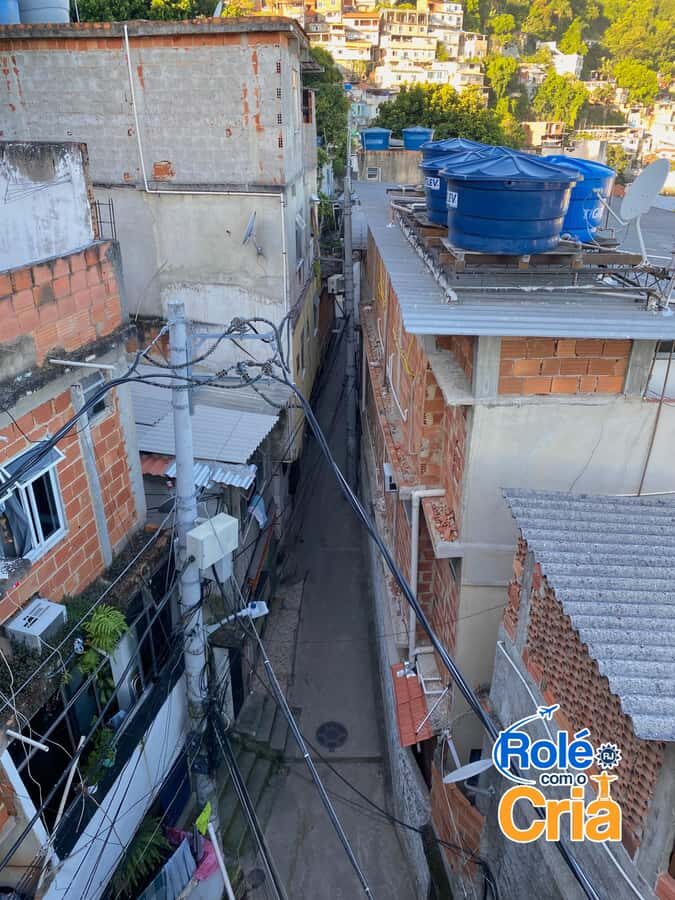
The final stretch takes you to Bar do David in Chapéu Mangueira. This is a famous pub for regional food and drinks, and it’s been elected the best pub from Brazil once (based on the information provided).
Even if you don’t eat much, this is a smart ending to a walking tour. Your body wants a reset, and your brain benefits from switching from “street learning” to “social space.” A bar like this works like a community meeting point. You can talk with staff, watch the vibe shift, and enjoy a break that feels local rather than tourist-y.
Important practical note: food and drinks are not included in the tour price. But if you budget for it, it’s often worth it. Consider it part of how you participate. You’re not just buying something; you’re supporting the place your guide is taking you to.
If you want to make this segment go smoothly, pace yourself in the earlier parts of the walk so you actually enjoy the meal and drink instead of just rushing through them. This is also where you’ll get time that feels more relaxed, including time for shopping if you’re interested in small regional items.
And based on what people say about Eric, there’s usually a friendly, unforced feel to this stop. That matters because it helps the end of the tour feel like closure instead of an arranged handoff.
Price and logistics: what $47 really buys you
At $47 per person for a 3-hour experience, the value is best understood by what’s included. You get a local guide and a walking tour. You do not get transport to the community (beyond what your group arranges at the start), and you do not get food or drinks.
So, is it a good deal? If you compare it to a standard half-day walking tour, yes—because you’re also paying for someone who can navigate social context and explain life on the ground. That’s the real product here: interpretation by a guide who lives the neighborhood’s reality.
The part that can surprise you is transport to and from the slope access. You can walk it, or you can use local transport like moto-táxi or van, which is not included. If you’re tired before the tour even begins, add a little extra budget and plan for that first climb.
The duration also helps. Three hours is long enough to cover multiple sections—Babilônia’s trail and views, then Chapéu Mangueira and the bar stop—but not so long that you feel trapped in constant motion.
Bottom line: think of the $47 as paying for guidance and access to the route, then budget separately for optional transport and whatever you choose to eat and drink at the end.
What to bring, what to watch out for
The tour is outdoors and active, so pack like you’re walking hills in Rio. Comfortable shoes are non-negotiable. Sunglasses and sunscreen help a lot, since you’ll spend time in open view areas during photo stops. A camera is useful, but remember: the stories matter as much as the shots.
There are also clear rules: smoking is not allowed, and drones are not allowed. You’ll also want to keep in mind that unaccompanied minors are not allowed.
On the safety/comfort side, the guidance you’ll get from the guide is part of the experience. You should follow instructions about where to walk and when to take photos. The overall feel—especially in the reviews—is that Eric helps people feel welcome and safe.
One more practical caution: the tour is not suitable for pregnant women, people with mobility impairments, or wheelchair users. If any of that applies, you’ll likely have trouble with the uphill walking segments and the uneven nature of hillside streets.
Who should book this favela tour in Rio
Book it if you want more than a viewpoint. You’ll enjoy it most if you like conversations, guided context, and walking that includes both history and everyday life.
It’s also a good choice if you want an end-of-tour payoff. Many city tours fade out. Here, you finish at Bar do David, with time for regional food and drinks, so you leave with a full memory: the views, the stories, and the taste of the place.
From the feedback, families seem to do well too, and kids can handle the experience because the walk is described as easy and there are no restrictions of age. Still, if you’re traveling with little ones, plan your pace and bring snacks only if that matches your comfort and the guide’s guidance.
Skip it if you want zero walking. This tour is built around being on foot up and through hillside streets, with photo stops along the way.
Should you book this Rio favela tour?
Yes, if your priority is understanding as much as sightseeing. Eric’s local perspective, the structure of the walk from Babilônia to Chapéu Mangueira, and the ending at Bar do David combine into a morning/afternoon that feels grounded in real community life.
It might not be for you if mobility is a concern, or if you want a tour where everything happens by vehicle. The hill segments are part of the point, and you’ll need appropriate footwear and energy.
If you’re willing to walk, listen, and budget for optional transport plus food at the end, this is a strong value way to see Rio from the inside out.
FAQ
Where do I meet for this tour?
You meet in front of the Hotel Windsor Leme, near Posto 1 on Praia do Leme.
How long is the tour?
The tour lasts about 3 hours.
What languages are available with the guide?
The live guide speaks Portuguese and English.
Is this a private group tour?
Yes, it’s listed as a private group.
Do I need transport to reach the favela areas?
To get to the favela, you need to walk or use local transport such as moto-táxi or van. Local transport is not included.
Is food included in the price?
No. Food is not included, though there is a food stop at Bar do David.
Are drinks included?
No. Drinks are not included.
Are there age limits?
The tour is described as easy and with no restrictions of age, but unaccompanied minors are not allowed.
Is it wheelchair accessible or suitable for mobility issues?
No. It’s not suitable for people with mobility impairments or wheelchair users, and it’s also not suitable for pregnant women.
Are drones allowed?
No, drones are not allowed on this tour.