REVIEW · RIO DE JANEIRO
Rio de Janeiro: Tijuca National Park Tour
Book on GetYourGuide →Operated by Urban Jungle · Bookable on GetYourGuide
Rio’s jungle walk starts before you finish coffee. I like how this tour turns the city into a quick reset: Tijuca National Park feels like a different world in only a few hours. I also love the mix of big moments and small details, from waterfalls to Gruta dos Morcegos cave, with guides like Thalles and Dudu who point out plants and animals as you go.
There’s one catch: this is real hiking. You’ll want good shoes and you should expect uneven paths plus steep bits, and it’s not a fit for wheelchair users.
In This Review
- Key highlights worth your morning
- Tijuca National Park: the urban jungle escape you can fit in
- Pickup and timing: from 7:30 AM to around early afternoon
- Sector A viewpoints: why the first stops matter
- The rainforest walk: Cascatinha Taunay to Cachoeira das Almas
- Center of Visitors and A Floresta: context without heavy lectures
- Gruta dos Morcegos cave: the stop that changes the whole mood
- Wildlife spotting, photography, and the guides who set the pace
- What to bring (so the hike feels good, not stressful)
- Price and value: is $79 per person a fair deal?
- Who should do this tour (and who should skip it)
- Final call: should you book the Tijuca tour?
- FAQ
- FAQ
- How long is the Rio de Janeiro Tijuca National Park tour?
- What time is pickup, and where does it start?
- Is transportation included?
- What language is the guide?
- What are the main stops during the visit?
- Are photos and videos included?
- Is lunch included in the price?
- What should I bring?
- Is the tour accessible for wheelchair users?
- Can I cancel for a refund?
Key highlights worth your morning
- Hotel-area pickup across many neighborhoods so you don’t waste daylight getting there
- Cascatinha Taunay and Cachoeira das Almas for waterfall time without long travel days
- Inside Gruta dos Morcegos cave stop that adds variety beyond just walking
- Wildlife spotting built into the pacing, from birds to monkeys, coatis, and even butterflies
- A guide who slows you down with context, not just directions
- Photos and videos included, useful when your hands are busy taking in the views
Tijuca National Park: the urban jungle escape you can fit in
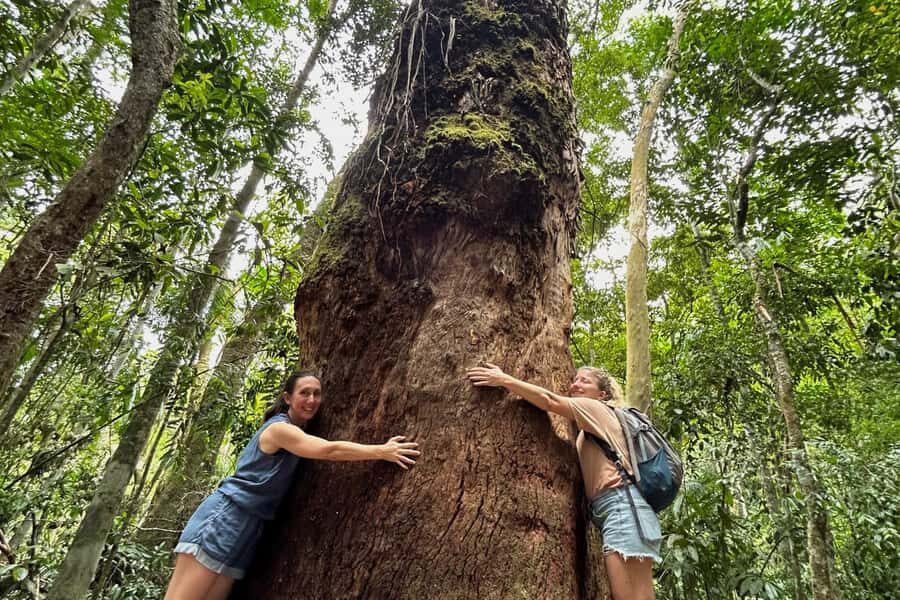
Tijuca National Park is the reason Rio can feel dramatic even when you stay close to town. This tour leans into that idea: you leave the streets behind, ride into the forest, then spend a focused half-day on the trails.
What makes it special is the texture. You’re not just checking a single viewpoint and calling it a day. You move through rainforest paths, stop at scenic overlooks, and reach waterfall areas. Then you add a cave visit, which breaks up the day and gives you a different kind of nature experience—cooler, quieter, and more shaded.
I also like the human side. The guides in this program tend to explain what you’re seeing in plain language—plants, animals, and how the rainforest works here. You’ll often hear small, fun details that make the place feel alive, not like a photo backdrop.
The price is also fair for what you get: hotel pickup, transportation, a bilingual guide, and photos/videos included, plus multiple major stops instead of one long ride.
You can also read our reviews of more tours and experiences in Rio De Janeiro.



Pickup and timing: from 7:30 AM to around early afternoon
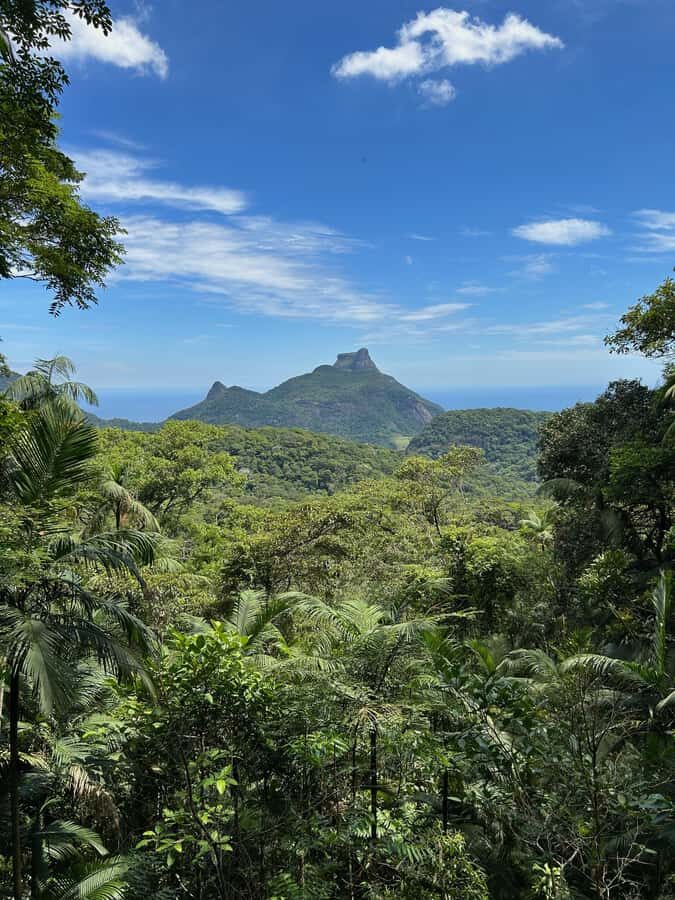
This tour runs as a true morning-to-midday plan. Pickup starts at 7:30 AM from a long list of neighborhoods, including places like Flamengo, Botafogo, Ipanema, Copacabana, Lapa, Jardim Botânico, Leblon, Santa Teresa, and Urca. If you’re staying in one of these areas, you should spend less time figuring out transit and more time in the park.
After pickup, you transfer to the national park’s Sector A area. There’s a short stretch where the group heads toward the forest with stops along the way. Then the main guided block runs in the heart of the park for about 3 hours, typically from 8:15 AM to around 12:15 PM.
By 12:15 PM to 1:00 PM, you’re usually back at your drop-off location. That matters in Rio, because afternoons often turn into a mix of heat, crowds, and traffic. This tour works like a smart “use the best light” plan: you get nature first, then you can still enjoy the city later.
Sector A viewpoints: why the first stops matter
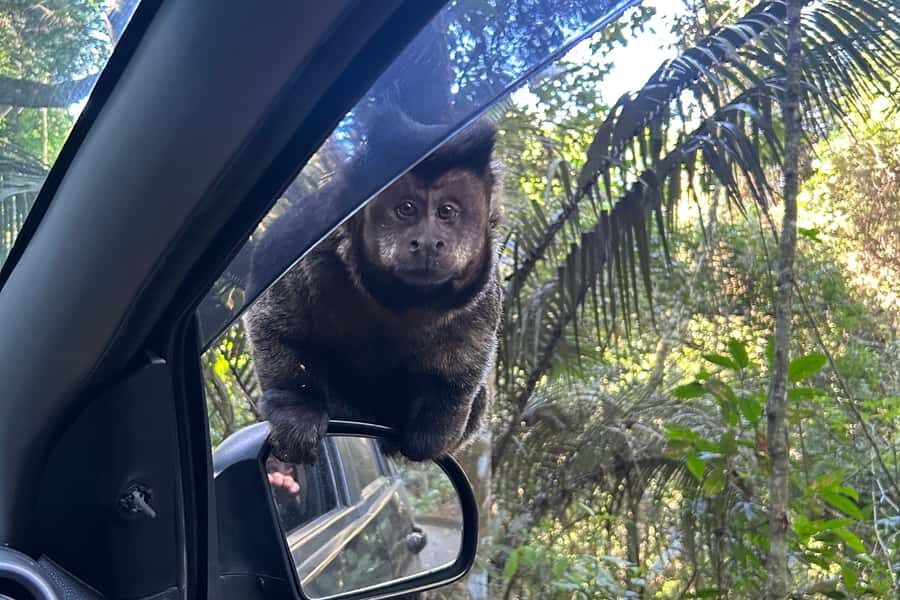
The early part of the tour isn’t just travel—it’s setup. As you climb away from the city, you’ll pause at viewpoints. These stops help you understand what you’re walking into: the scale of the rainforest and how steep Rio’s terrain is.
It’s also where you get your orientation fast. Once you see the broader terrain, the later details—waterfalls tucked into ravines, trail cuts through dense green, cave entrances—make more sense. This is the difference between a walk that feels random and one that feels connected.
One practical consideration: viewpoints can be exposed. Bring weather-appropriate clothing, and keep an eye on wind or sudden rain. Even when the rainforest looks calm, weather can change once you’re higher up.
The rainforest walk: Cascatinha Taunay to Cachoeira das Almas
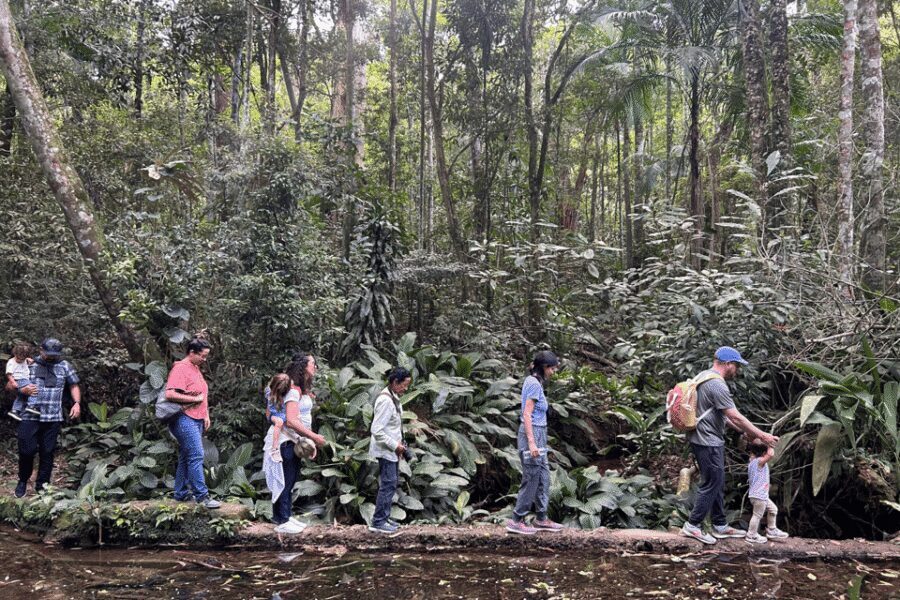
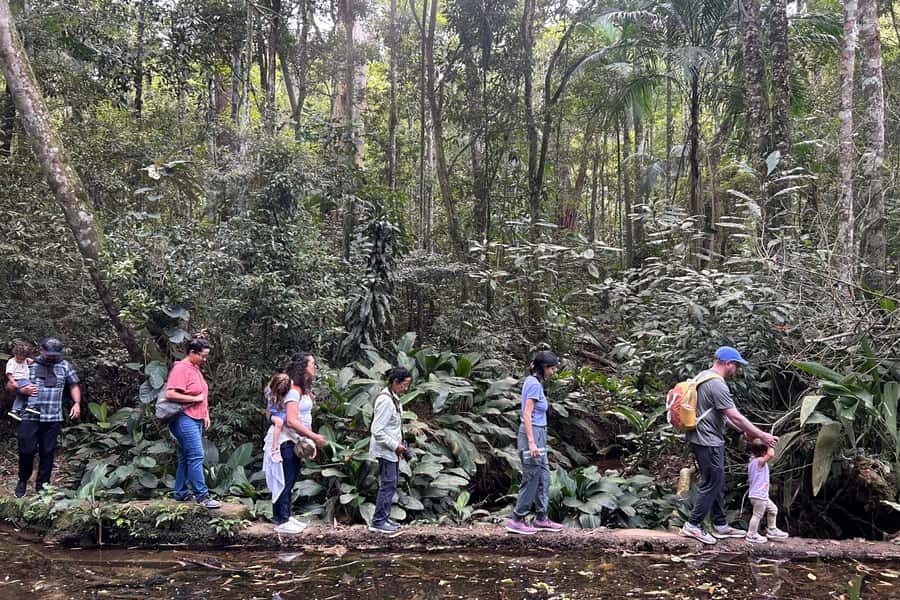
This is the core of your morning: guided hiking through the rainforest with several waterfall stops. Two waterfalls anchor the experience: Cascatinha Taunay and Cachoeira das Almas.
Cascatinha Taunay gives you an early payoff. It’s a chance to feel the rainforest atmosphere right away—wet stone, green canopy, and that sound of water that makes the area feel alive. Then the route continues deeper, building toward the other waterfall zone.
Cachoeira das Almas keeps the momentum. The hike is designed to stay enjoyable rather than punishing. Based on the way guides lead the group, you can expect a pace that’s flexible enough to stop for explanations and photos, but still active. Some parts can be steeper than they look, so your shoes matter more than your confidence.
What I’d watch for: wildlife shows up when you slow down. The best moments tend to come when the guide stops talking, scans the understory, and points out something moving—birds, insects, and sometimes mammals. On this kind of route, even a “small” sight can feel like a highlight because the setting is so different from the street life of Rio.
Center of Visitors and A Floresta: context without heavy lectures
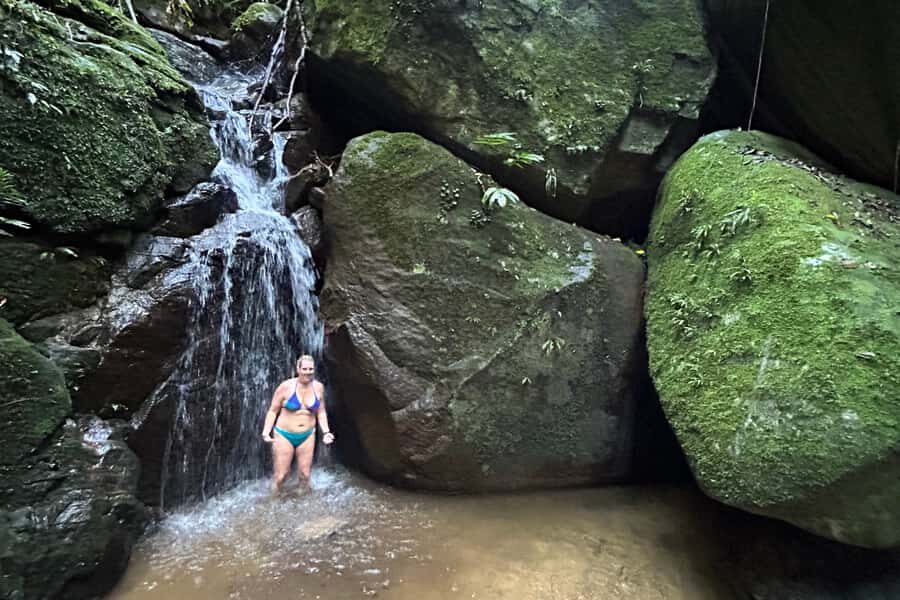
You’ll also make time for the Center of Visitors and the heritage building called Restaurante A Floresta. This isn’t the kind of stop where you’re stuck watching a screen. It’s more like a chance to connect what you’re seeing to why it exists.
Why it’s valuable: Tijuca’s rainforest story is not just about beauty. It’s also about how this forest recovered and how people relate to it. Even when you’re not reading every sign, the guide’s explanations help you notice details you’d otherwise miss—leaf shapes, plant adaptations, and how water moves through the area.
A Floresta adds a different kind of atmosphere. Heritage buildings in a rainforest setting can feel like a bridge between past and present land use. It’s also a good pause point if you’re managing energy and want a moment off the trail.
The main drawback here is time balance. If you’re hoping to spend every minute chasing waterfalls, these stops can feel like short detours. But they do improve the whole experience because you finish the hike understanding the place, not just photographing it.



Gruta dos Morcegos cave: the stop that changes the whole mood
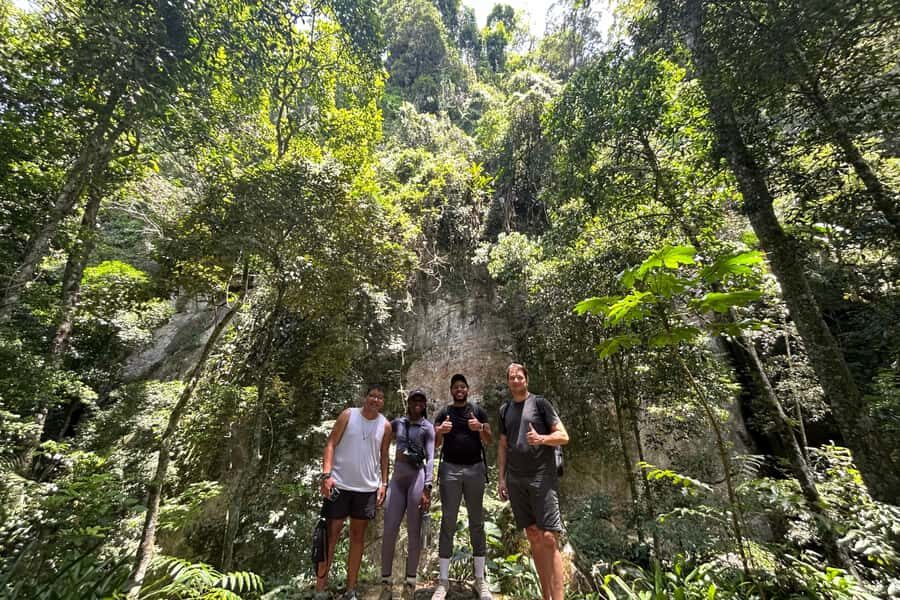
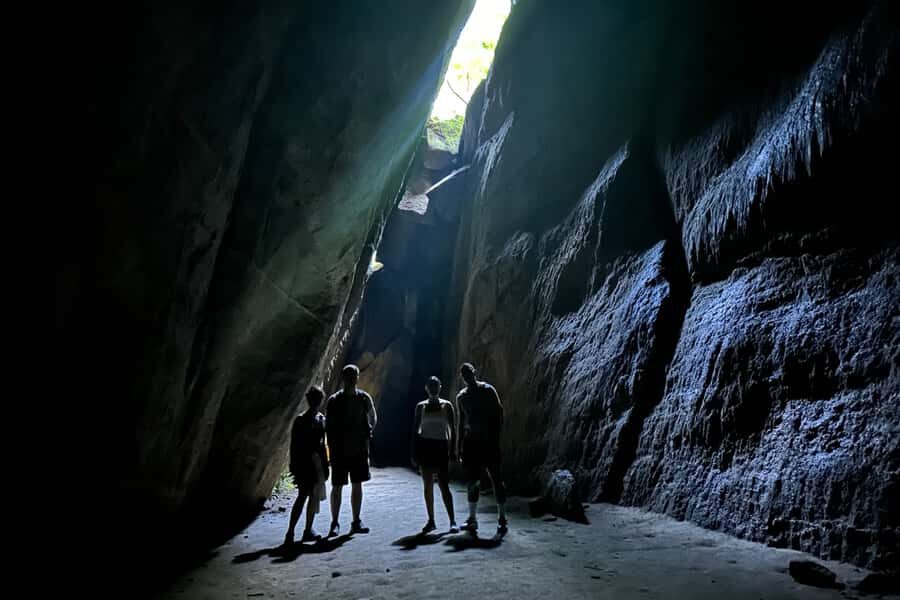
Then comes one of the most memorable shifts of the day: Gruta dos Morcegos, where you go inside a cave.
A cave is never just a box to tick. It changes your senses. Light drops fast, surfaces feel different, and the air can feel cooler and more enclosed than the rainforest trails. Even if you’re not a spelunking fan, this stop gives your morning variety and makes the tour feel more complete.
What to do practically: keep your phone or camera ready, but also remember you’re in a darker environment. The guide’s photos and videos can be a big help here, since you won’t always want to juggle gear while watching your footing and staying aware of the group.
One more point: caves can mean slippery patches and uneven ground. Wear shoes with grip and take the first few steps slow. It’s usually not a technical climb, but you still want sure footing.
Wildlife spotting, photography, and the guides who set the pace
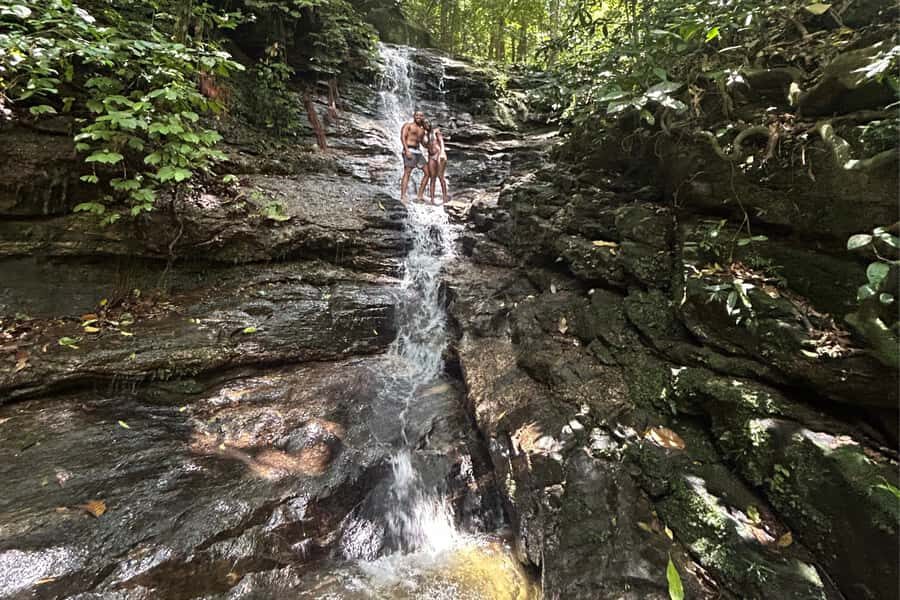
In rainforest travel, the guide can make or break the day. This tour’s best moments often come from how the guide reads the environment: where to look, when to pause, and what to point out.
From the experience style shared by guides you may meet—like Thalles, Samuel, Sylvio, Alex, and Dudu—the focus tends to be on active observation. You might spot ants, birds, monkeys, and coatis, and the group can get excited about colorful insects and butterflies, including sightings like blue morpho butterflies. There have also been mentions of hummingbirds and a green vine snake, which tells you the guides aren’t just scanning trees from a distance. They’re helping you notice what’s there.
This is also where the photos/videos included become more valuable than you might think. If you’re on a trail with constant movement, it’s hard to capture everything. Getting professional-style photos and videos can save you time later when you’re sorting hundreds of imperfect shots.
Should you expect guarantees? No. Rainforest wildlife is never scheduled. But with this tour’s pacing and the guides’ habit of pointing things out, you’ll get more chances than if you walked alone.
What to bring (so the hike feels good, not stressful)
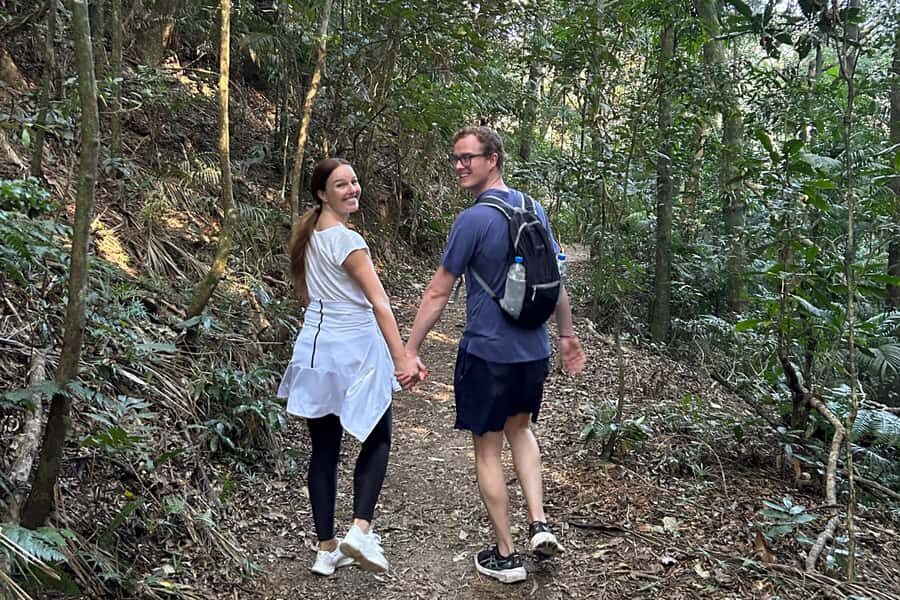
This tour is comfortable when you pack smart for the rainforest. Here’s what you should plan around:
- Hiking shoes with solid grip (not flip-flops or slick sneakers)
- At least 2 liters of water per person
- Quick snacks like sandwiches, protein bars, or nuts
- Weather-appropriate clothing for sun, humidity, and sudden rain
- Camera or smartphone so you can capture viewpoints, waterfalls, and cave moments
- Personal identification and any travel documents you need
- Extra money for tips and lunch since lunch and drinks aren’t included
One small but real tip from guide-style feedback: mosquito repellent can be worth bringing. In the rainforest, it’s better to be proactive.
If you like traveling light, this tour still asks for basics. That water amount isn’t optional. You’ll be happier if you carry it early rather than waiting for a refill that might not happen on the exact schedule you want.
Price and value: is $79 per person a fair deal?
At $79 per person, the value depends on how you travel. This isn’t just a scenic walk on your own; it bundles several things that usually cost extra when you piece it together.
You’re paying for:
- Hotel pickup and drop-off across many neighborhoods
- Transportation into the park area
- A bilingual local guide (English, Portuguese, Spanish, French are offered)
- Photos and videos included
- Multiple major stops: waterfalls, visitor center, heritage building, and a cave
If you’d otherwise need to rent a car, figure out local transport timing, or hire separate guidance for wildlife and history, $79 starts to make more sense. The half-day schedule also helps: you’re buying time efficiency, not just access to a place.
The biggest cost you should expect on your side is food and drinks. Lunch and drinks are not included, so plan a meal after you get back—or bring something small and expect you’ll still need lunch later.
Who should do this tour (and who should skip it)
This tour suits you if you want:
- A structured half-day that feels adventurous but not overly technical
- Rainforest scenery with specific stops like waterfalls and a cave
- A guide-led experience where wildlife spotting has real attention
- A plan that starts early to avoid wasting an afternoon
It may not suit you if:
- You use a wheelchair (not suitable)
- You’re visually impaired (not suitable)
- You have very limited tolerance for uneven outdoor walking, since the route includes hiking and cave ground
If you’re traveling with teens who like animals or adults who want nature without a full-day commitment, it’s a good match.
Final call: should you book the Tijuca tour?
I think you should book if you want rainforest rewards with logistics handled. The combination of waterfalls + viewpoints + cave makes it feel more than a casual stroll, and the included guide and transport are what keep it from turning into a stressful morning.
Before you go, be honest about your hiking comfort. Bring the right shoes, pack water and snacks, and accept that wildlife is a bonus, not a guarantee.
If you’re short on time in Rio but still want a genuine nature hit, this is a strong way to spend a morning.
FAQ
FAQ
How long is the Rio de Janeiro Tijuca National Park tour?
The duration is about 270 minutes, with a guided time in the park and transportation before and after.
What time is pickup, and where does it start?
Pickup begins at 7:30 AM from multiple neighborhood options across Rio de Janeiro.
Is transportation included?
Yes. You’ll have transportation throughout the day, including transfers to and from the national park area.
What language is the guide?
The tour offers a live guide in English, Portuguese, Spanish, and French.
What are the main stops during the visit?
You’ll visit Cascatinha Taunay waterfall, the Center of Visitors, Cachoeira das Almas waterfall, the Restaurante A Floresta heritage building, and Gruta dos Morcegos cave, plus additional viewpoints and waterfalls.
Are photos and videos included?
Yes. Photos and videos are included as part of the tour.
Is lunch included in the price?
No. Lunch and drinks are not included.
What should I bring?
Bring hiking shoes, at least 2 liters of water per person, quick snacks, weather-appropriate clothing, and your camera or smartphone. You should also bring personal identification.
Is the tour accessible for wheelchair users?
No. It is not suitable for wheelchair users.
Can I cancel for a refund?
Yes. You can cancel up to 24 hours in advance for a full refund.