REVIEW · RIO DE JANEIRO
Samba Night in Pedra do Sal with 1 free caipirinha
Book on GetYourGuide →Operated by DiCria e-Bike Tour · Bookable on GetYourGuide
Pedra do Sal turns Rio into a dance floor. This 4-hour samba night in Pequena África starts at Largo de São Francisco da Prainha and mixes two unforgettable stops: the UNESCO site of Cais do Valongo and the street-samba energy of Pedra do Sal. With guides like Bruno leading the way, you also get real context on how African culture shaped Rio’s music and religion before the drums take over.
What I like most is the pairing of Cais do Valongo with live music afterward. You don’t just hear about history; you walk it, connect it to today, and then you move to samba right in the same cultural current. I also love that the vibe is built around the actual Monday-night street scene at Pedra do Sal—locals dancing, live drums, and the kind of relaxed participation that makes you want to join in.
One thing to consider: this is an active night with walking and dancing, and it’s not suitable for wheelchair users or people with mobility impairments. If you want a calm, seated, low-motion evening, this won’t match your pace.
In This Review
- Key things to know before you go
- Pedra do Sal on a Monday: why this samba night feels different
- The 7:30 PM start at Largo de São Francisco da Prainha
- The Saúde walking portion: history you can actually follow
- Cais do Valongo (UNESCO): a port that shaped everything
- Arriving at Pedra do Sal: the samba night payoff
- The caipirinha welcome: included, and a nice warm-up
- Polaroid souvenir: an optional extra worth considering
- Price and value: what $42 buys for a real neighborhood night
- Who should book this samba night (and who might want something calmer)
- Small practical tips that actually help
- Should you book Samba Night in Pedra do Sal with a free caipirinha?
- FAQ
- How long is the Samba Night in Pedra do Sal tour?
- What time does the tour start, and where do I meet?
- What’s included in the price?
- Is pickup from my hotel included?
- Are meals included?
- What languages is the guide available in?
Key things to know before you go
- Monday-night street samba at Pedra do Sal with live drums and locals dancing
- UNESCO stop at Cais do Valongo, a former slave port with lasting cultural impact
- Pequena África walking tour that explains the roots of samba and Afro-Brazilian traditions
- 1 welcome caipirinha included to kick off the night (flavors may vary)
- Bring comfy shoes because you’ll be on your feet for a guided walking portion
Pedra do Sal on a Monday: why this samba night feels different
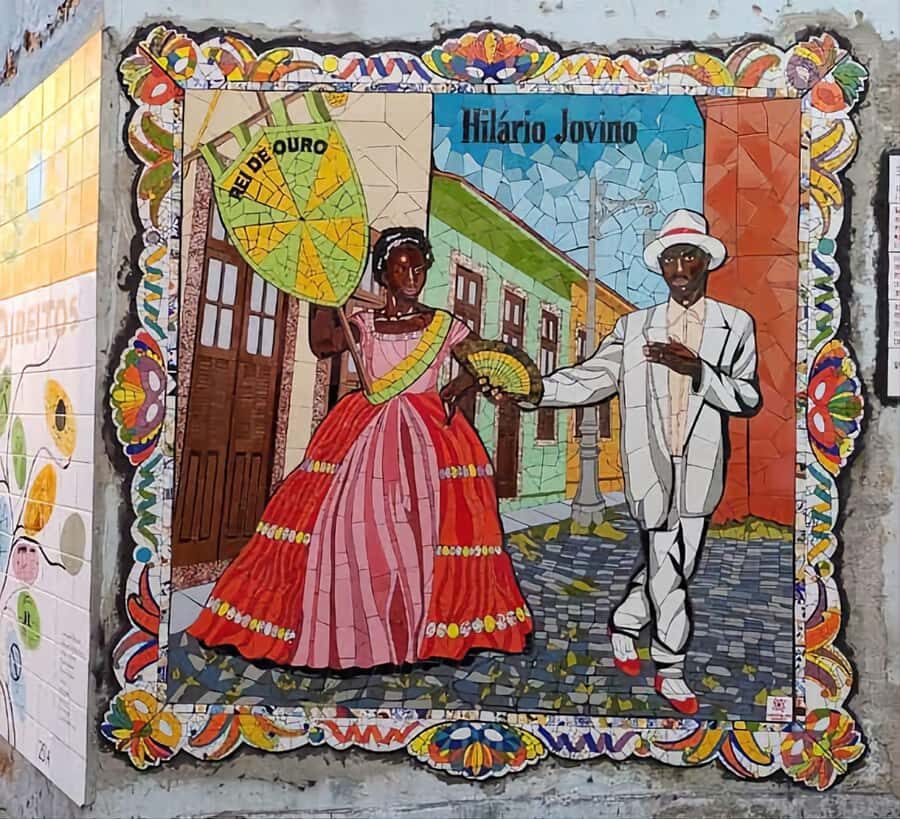
If you’ve seen samba in a show setting, you already know the music can be great. What you’re getting here is something else: a night that grew from community life. Pedra do Sal is known as the birthplace of samba, and on Monday nights it turns into a street party where the rhythm is part of everyday identity, not just performance.
That changes how you experience Rio. Instead of treating music like entertainment you watch from the outside, you feel it as a shared practice. The guide frames it all around African influence in Rio—especially in music and religion—so the dancing doesn’t feel random. It feels connected. Even if you’re not a dancer yet, you’ll probably start moving once the drums and crowd energy sync up.
You can also read our reviews of more evening experiences in Rio De Janeiro



The 7:30 PM start at Largo de São Francisco da Prainha
The tour begins at 7:30 PM at Largo de São Francisco da Prainha. This matters more than it sounds. Evening light changes the feel of the streets, and it also sets the stage for when the samba scene starts building energy.
From the start, you’re placed in the legendary port area of Rio—the kind of location where stories have layers. That’s important for this particular tour. The night isn’t only about music. It’s about understanding how the city’s port history connects to Afro-Brazilian culture and why neighborhoods like Pequena África (Pequena África / Little Africa) carry meaning well beyond a single evening.
If you’re the type who likes to arrive a few minutes early, do it here. The meeting is at the main square close to Pedra do Sal, and you’ll want time to get your bearings before the group settles.
The Saúde walking portion: history you can actually follow
After meeting up, the night includes about 2 hours of guided walking in the area around Saúde, in the heart of Pequena África. This part is where you get your bearings, and where the guide turns the streets into a lesson you can keep in your head.
You’ll be moving through neighborhoods tied to African roots in Rio, and you’ll hear how traditions survived, shifted, and stayed present through generations. The tour description emphasizes learning about the resilience of the Afro-Brazilian community from your guide, and that theme is helpful because it keeps the history from turning into just dates on a wall.
Practical angle: this is when comfortable shoes matter. You’ll be on foot with a group, and you’ll likely want your camera out for street art. The tour also suggests sun protection, which is smart even at night if you’ve been walking earlier in the day or you catch some warm late-evening air.
Cais do Valongo (UNESCO): a port that shaped everything
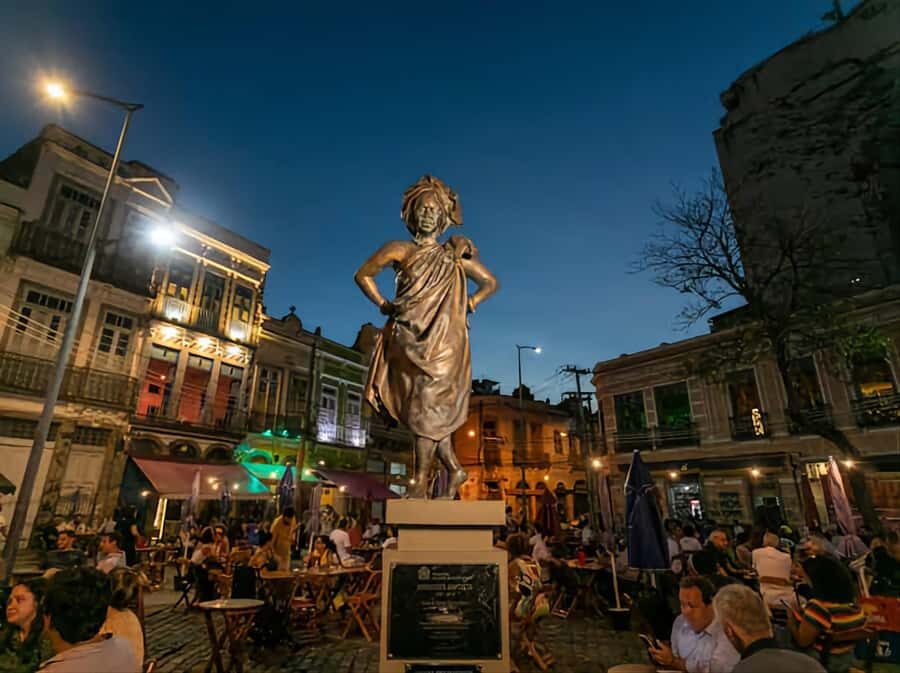
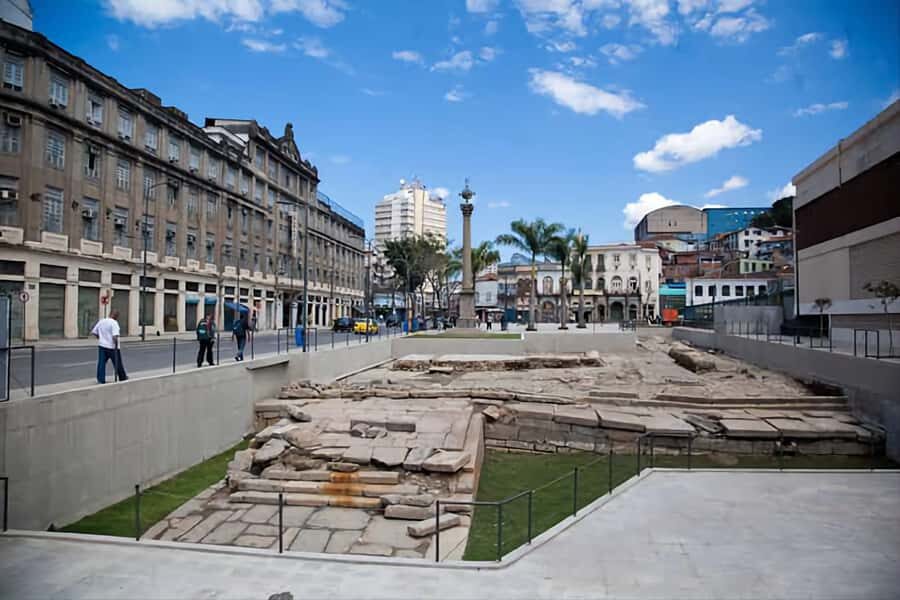
The highlight stop for context is Cais do Valongo, a UNESCO World Heritage site and a former slave port. This isn’t a quick photo stop where you move on immediately. It’s a meaningful stop designed to connect Rio’s present culture to the port’s past.
Here’s why this matters to you: when samba and Afro-Brazilian religious traditions show up in Rio’s music and rhythms, it’s not abstract. It’s the result of real people, real communities, and real survival through brutal history. The guide explains the influence of African culture on Rio’s music and religion, and the port setting gives that explanation weight.
Be ready for a slightly heavier tone during this portion. It’s not meant to be scary, but it is meant to land. If you’re expecting a pure party-only experience, you’ll want to adjust your mindset for this segment: think of it as the “why” that makes the later “wow” make sense.
Arriving at Pedra do Sal: the samba night payoff
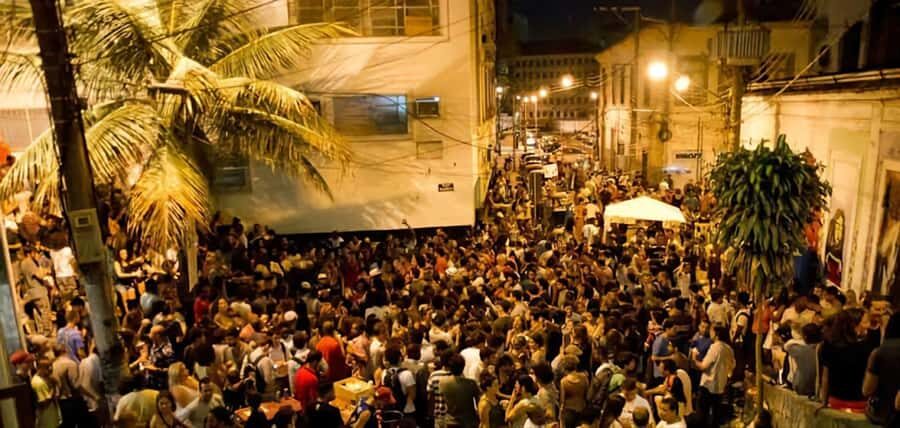
Once you reach Pedra do Sal, the tour shifts into what you came for: the live samba night. The description calls it the birthplace of samba, and on Monday nights it’s known for real street samba, not a staged performance.
What you can expect:
- Live drums driving the rhythm
- Locals dancing, not just visitors watching
- Cold drinks and a street atmosphere you don’t replicate in a theater
This is the point where your understanding from earlier stops starts to click. When the guide has already talked about African cultural influence and community resilience, the dancing feels like participation in a living tradition. You’re not just learning; you’re joining the celebration.
Also, the tour is explicitly built around you being ready to dance. You don’t need to be good at samba to try. The key is the willingness to move with the music and let the crowd energy carry you.






The caipirinha welcome: included, and a nice warm-up
To start the night the right way, every guest gets 1 welcome caipirinha included. That’s a small detail with a real effect on the experience. It takes the edge off that first moment of meeting up, and it makes the transition into the Pedra do Sal party feel more natural.
In the provided information, there’s also mention of caipirinhas in flavors like kiwi and maracuyá (passion fruit), plus lime. You can’t assume every batch will match those exact flavors, but the general idea is that it’s more interesting than a single standard drink.
So what’s the practical takeaway for you? If you want to enjoy the night without stressing about what to buy, this inclusion helps. You can focus on the music and the walking-guide context instead of planning food and drink during the event.
Polaroid souvenir: an optional extra worth considering
If you want a keepsake, there’s an optional souvenir: 1 Polaroid photo for an extra $20. This is the kind of add-on that can be fun after a night that’s all about street energy. It won’t replace your photos on your phone, but it gives you that instant, physical memory.
If you’re the kind of person who rarely buys souvenirs, skip it. If you like tangible mementos and you know you’ll want a photo from the exact moment the group is in the samba flow, it’s an easy splurge.
Price and value: what $42 buys for a real neighborhood night
At $42 per person for about 4 hours, this tour sits in a price range that makes sense for what you’re getting: guided walking, two significant stops tied to Afro-Brazilian culture, and a live samba experience, plus a welcome caipirinha.
You’re not paying just for dancing. You’re paying for:
- A structured way to experience Pequena África
- A guided visit to Cais do Valongo (UNESCO)
- Access to the Monday-night street samba setting at Pedra do Sal
- A drink included so the party start feels effortless
Not included are meals and hotel pickup/drop-off. That means the value depends on your plan for dinner. The simplest approach is to eat earlier or eat something light before you meet. That way, you’re not mentally negotiating food while the drums start up.
Who should book this samba night (and who might want something calmer)
This tour is a great match if you want:
- Culture with action, not just sightseeing
- A guide-led connection between African influence and Rio’s samba and religion
- A Monday-night experience at Pedra do Sal that feels like a local habit
It’s also a solid choice for small groups who like conversation and explanation as you walk. The tour is described as a guided walking tour, and the review comments you provided highlight guides who stay attentive and make people comfortable while the party ramps up.
It may not suit you if:
- You need a low-walking, low-movement evening
- You require wheelchair-friendly access (this one is not suitable)
- You prefer a quiet, seated attraction over drums, dancing, and street energy
If you’re somewhere in between—curious about the history but unsure about the dancing—don’t overthink it. You can participate at your comfort level. The goal is to let the rhythm bring you in.
Small practical tips that actually help
Here’s how to set yourself up for a smoother night.
- Wear comfortable shoes. The walking portion is part of the experience, and Pedra do Sal is a place where you’ll likely stay on your feet once the music starts.
- Dress for comfort more than fashion. You’ll move, and you’ll want to enjoy yourself without constantly adjusting clothes.
- Bring a camera. The tour notes suggest you’ll want to capture vibrant street art, and that’s one of the easiest “bonus memories” from walking Pequena África at night.
- Expect to dance. Even if you’re not a dancer, plan to sway, step, and join in where you can.
- Think about dinner timing since meals aren’t included.
Should you book Samba Night in Pedra do Sal with a free caipirinha?
I think this is a strong book if you want Rio in a way that feels like it belongs to people, not just to tourists. The combination is the selling point: Cais do Valongo gives the historical weight, and Pedra do Sal gives the lived music culture that grew from it. Add in the included welcome caipirinha, and the whole night runs like a single experience instead of separate activities glued together.
Book it if you’re open to walking, learning a bit as you go, and letting the samba night do what it does best—pull you into the rhythm.
Skip it if you want a quiet evening, have mobility constraints, or you’d rather pay for a purely staged show than participate in a real Monday street-samba atmosphere.
FAQ
How long is the Samba Night in Pedra do Sal tour?
The tour duration is 4 hours.
What time does the tour start, and where do I meet?
The start time is 7:30 PM, and the meeting point is Largo de São Francisco da Prainha, close to Pedra do Sal.
What’s included in the price?
It includes a walking tour of Rio’s Little Africa, visits to Cais do Valongo and Pedra do Sal, a live samba music experience, and 1 complimentary caipirinha.
Is pickup from my hotel included?
No, hotel pickup and drop-off are not included.
Are meals included?
Meals are not included.
What languages is the guide available in?
The tour guide is available in English, Spanish, and Portuguese.