REVIEW · RIO DE JANEIRO
Rio de Janeiro: Botanical Garden Guided Visit
Book on GetYourGuide →Operated by Gray Line Brazil · Bookable on GetYourGuide
A garden tour in Rio can feel like a break from traffic. This one is built around the Botanical Garden’s biggest sights, plus wildlife spotting and a calm Japanese Garden. I especially like the mix of famous garden landmarks—the Fountain of the Muses and the Avenue of Royal Palms—and the chance to slow down at the water lilies. The main drawback to plan for is that the exact departure time only gets confirmed after reconfirmation, so you’ll want to stay flexible.
You’ll be picked up in the Zone Sul area and taken up to the park at the foot of Corcovado, with Christ the Redeemer watching from above. Once inside, the park’s scale is real: 140 hectares, thousands of plant types, and historical stops that make the walk feel more than just pretty paths. If you’re short on time in Rio and want everything efficiently, a guided visit like this helps you hit the right places without wandering in circles.
In This Review
- Key things I’d circle before you go
- From Zone Sul pickup to Corcovado’s foot: getting in the right frame of mind
- A garden founded in 1808: why the scale matters on a guided walk
- Fountain of the Muses and the Avenue of Royal Palms: the perfect start
- Lago Frei Leandro and the Victoria water lilies: where the pace slows
- Old gunpowder factory: the strange history stop that makes the garden feel real
- Wildlife spotting without the stress: capuchins, marmosets, and birds
- The Japanese Garden: serenity you can actually feel in your feet
- Price and value at about $83 per person for 4 hours
- What to pack and how to time your expectations
- Who this Rio Botanical Garden guided visit suits best
- Should you book this Botanical Garden guided visit?
- FAQ
- How long is the Rio de Janeiro Botanical Garden guided visit?
- What’s included in the price?
- Is food included?
- Where does pickup happen?
- What time does the tour start?
- What language is the live guide?
- Do I need to wait somewhere specific for pickup?
- What should I wear or bring?
- Is the tour wheelchair accessible?
- Is cancellation allowed after booking?
- Can I book now and pay later?
Key things I’d circle before you go
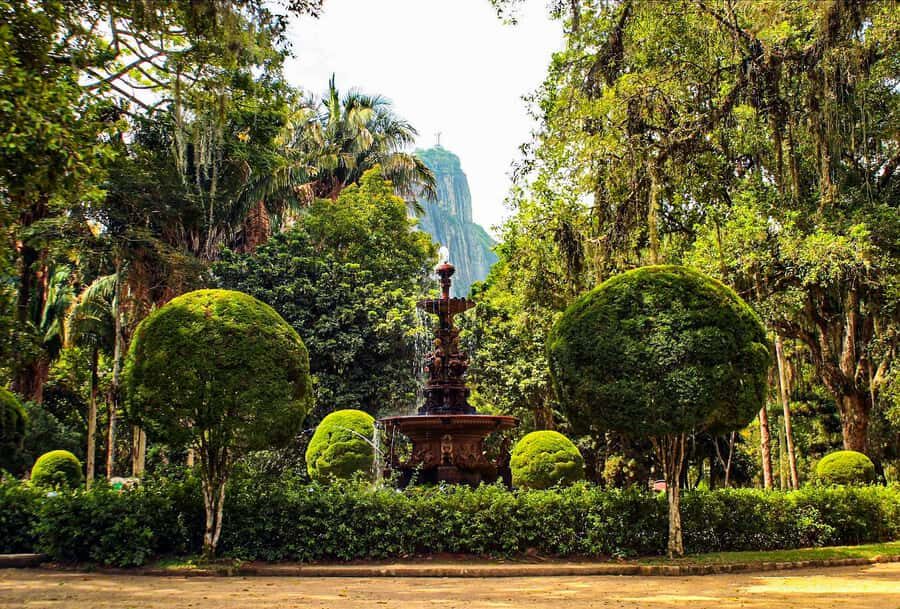
- Corcovado-at-the-foot setting: The Botanical Garden sits below Christ the Redeemer, so the surroundings feel instantly “Rio.”
- A historic walk: You’ll pass standout monuments, including an old gunpowder factory and the Fountain of the Muses.
- Palms, then ponds: The Avenue of Royal Palms leads you into quieter zones like Lago Frei Leandro.
- Victoria water lilies: The pond stop is designed for those slow, photogenic moments.
- Wildlife that tolerates people: Keep an eye out for capuchin monkeys, tufted-eared marmosets, and lots of birds.
- A Japanese Garden mood reset: After brighter botanical highlights, this section is all about serenity.
From Zone Sul pickup to Corcovado’s foot: getting in the right frame of mind
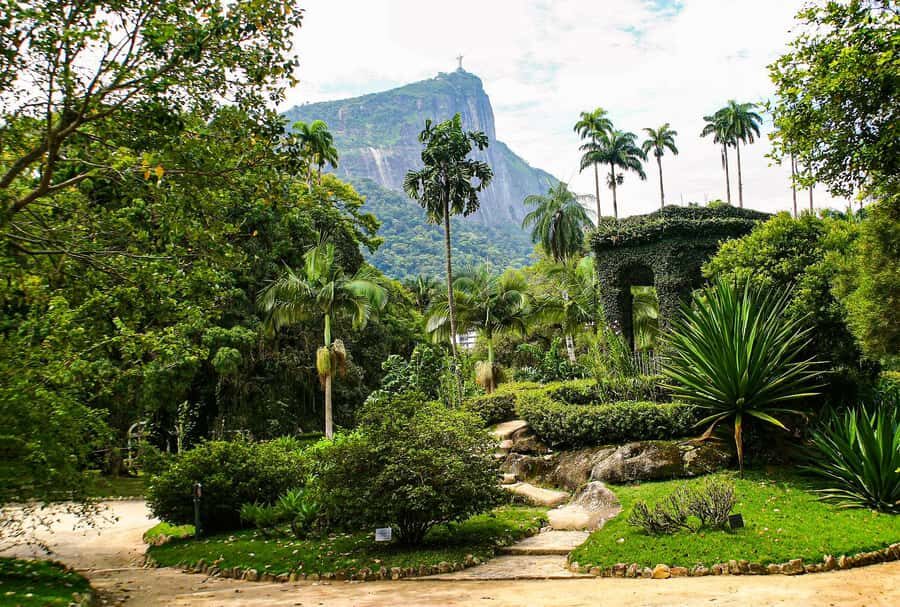
This tour starts with round-trip transfers from many hotels in São Conrado, Leblon, Ipanema, and Copacabana. That matters, because the Botanical Garden isn’t on a flat, walk-everywhere corner of town. With pickup handled, you can focus on timing your photos and not losing energy to transit.
You’ll go to the Botanical Garden in Zone Sul at the foot of Corcovado Mountain. That location is a big part of the appeal: you’re in a plant world, but the skyline context stays in your peripheral vision. If you’ve got Corcovado on your Rio list already, this gives you a softer, greener angle on the same area.
One small practical note: the specific departure time is set after reconfirmation. I recommend you confirm close to your travel day and plan to wait in the hotel lobby. If your hotel isn’t listed, you’ll need to contact the provider so they can tell you the closest pickup spot and time.
You can also read our reviews of more guided tours in Rio De Janeiro


A garden founded in 1808: why the scale matters on a guided walk
The Rio de Janeiro Botanical Garden was founded in 1808 by King João VI of Portugal. It’s not just a nice place to stroll; it’s a research-focused park built around serious plant collections. With 140 hectares and more than 6,000 different species of tropical and subtropical plants, you’d have a hard time choosing what to see if you go completely on your own.
A guide helps you match “big” with “useful.” Instead of trying to absorb everything at once, you’re steered to the sights that represent the garden’s variety. The park also includes 900 varieties of palm trees, so the experience naturally leans into textures and forms you might not know to look for.
And yes, Christ the Redeemer sits above the park, so the garden feels framed. It’s an odd pairing in the best way: a grand Brazilian icon overhead, and then botanical calm below your feet.
Fountain of the Muses and the Avenue of Royal Palms: the perfect start
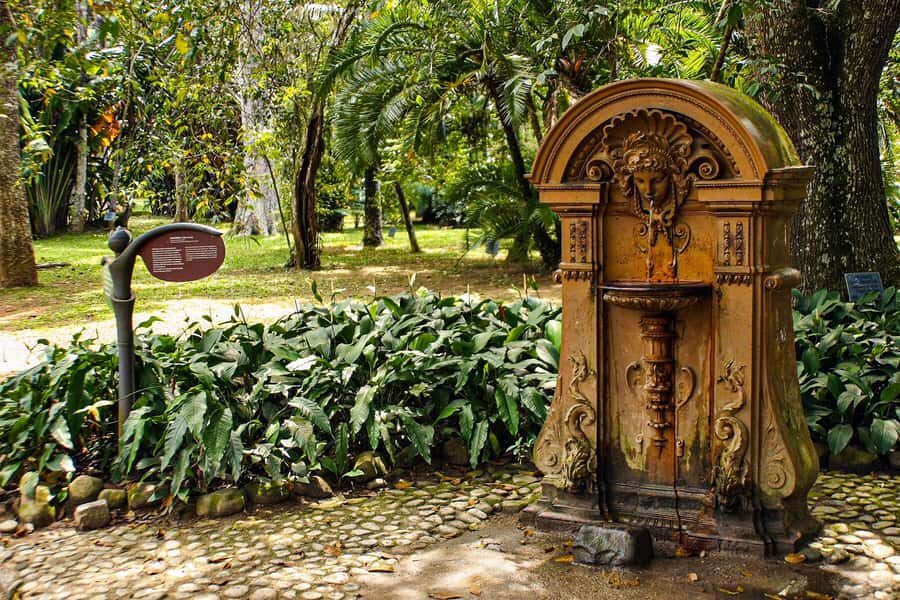
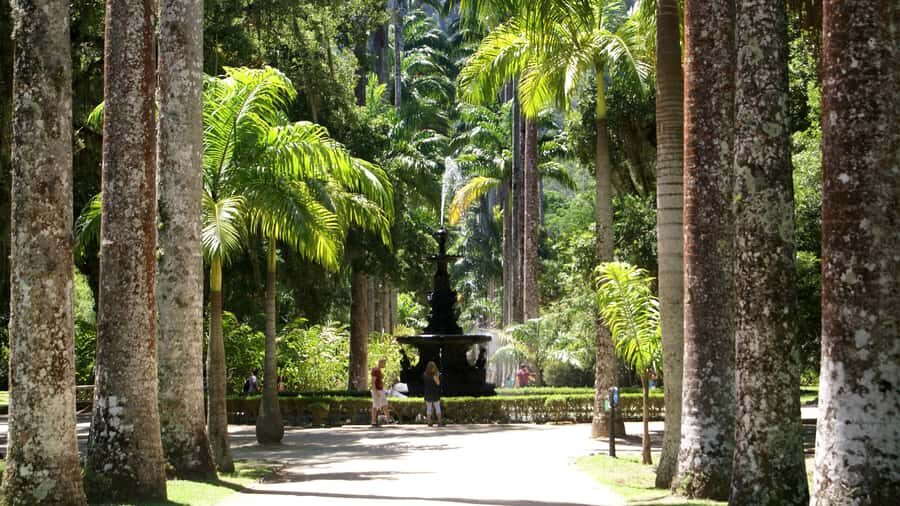
If you want a tour that builds momentum, this is it. The Fountain of the Muses is one of those classic “stop, look, and reset your eyes” moments—something artistic and photogenic right when you’re getting your bearings. It’s also a quick introduction to the garden’s historic and artistic side, not only the plants.
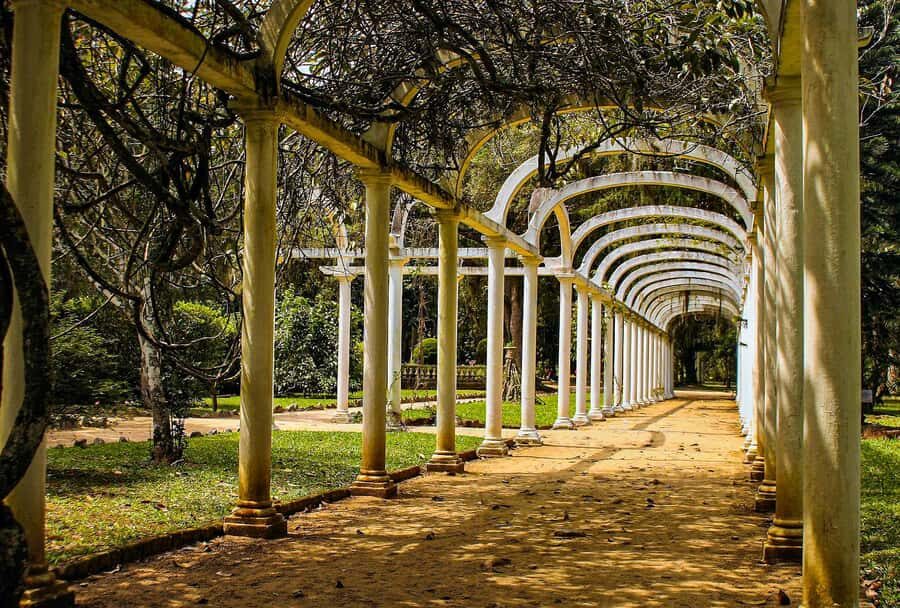
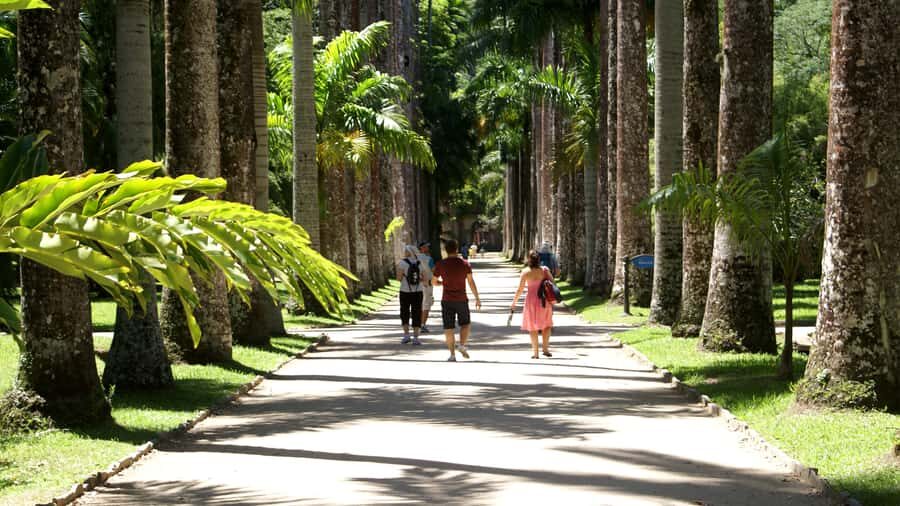
Then comes the Avenue of Royal Palms, where the garden shifts from landmark to rhythm. Palm collections can be impressive, but on your own you might not know what’s special about what you’re seeing. With a guide’s context, the avenue becomes more than a straight path of greens. You start noticing differences in structure, height, and how the palms set the mood of the walkway.
I like this pairing because it solves two problems at once: early beauty plus early orientation. When your feet are still fresh, that’s when you want the tour to lock in the “this place makes sense” feeling.
Lago Frei Leandro and the Victoria water lilies: where the pace slows
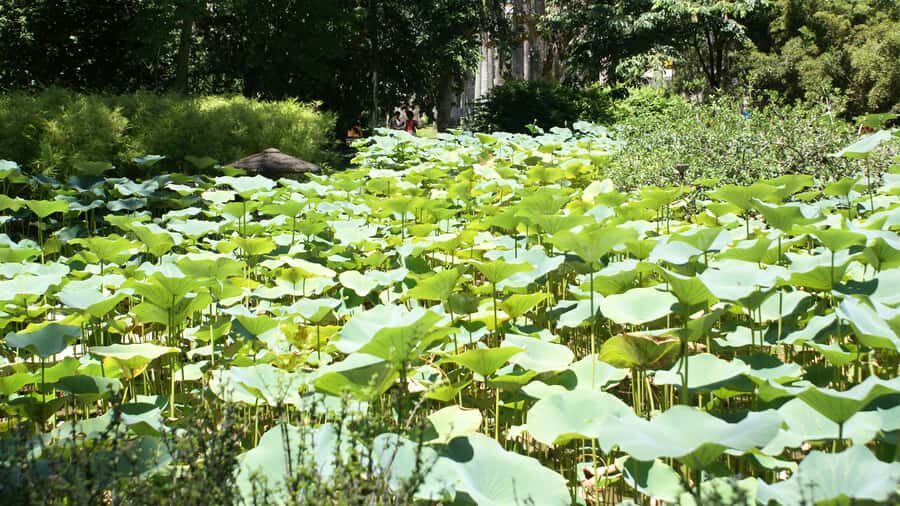
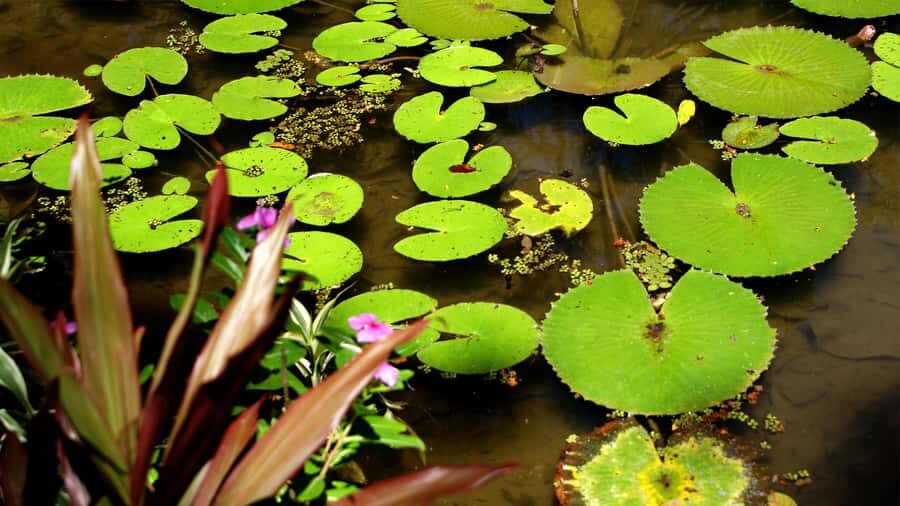
One of the most memorable stops is the pond at Lago Frei Leandro, with Victoria water lilies. A pond moment in a tropical garden can be surprisingly powerful. The leaves are large, the setting is calmer, and it’s a natural break from looking upward at treetops and structures.
This stop also acts like a breathing space. After walking through avenues and architectural landmarks, you get a chance to slow down, look closely, and wait for the right light. If you’re traveling with people who like photos, this is usually a good place to capture something different from the usual city shots.
Practical tip: bring sunglasses and be ready for glare on water. Light clothes help too, since this is still Rio and you’ll likely feel the sun during outdoor walking.
Old gunpowder factory: the strange history stop that makes the garden feel real
Not all “garden tours” include something like an old gunpowder factory. Here, you’ll see this historical structure as part of the park’s monuments of artistic, historic, and archaeological significance. It’s a reminder that botanical gardens often exist at the intersection of science, empire, and changing eras—not just flowers and shade.
That background helps you connect the research element of the park to something tangible. The gunpowder factory is a contrast stop: sudden texture, older story, different mood. It’s also the kind of detail a guide can explain in a way that makes you look again instead of just passing through.
If you care about history but don’t want a museum-only day, this is a smart compromise. You get a narrative moment inside a place that’s otherwise peaceful and outdoorsy.





Wildlife spotting without the stress: capuchins, marmosets, and birds
This is the part I think many people underestimate: the garden has animals that have become accustomed to humans. Keep an eye out for capuchin monkeys and tufted-eared marmosets. You’ll also have a chance to see more than 140 species of birds.
The key is to watch without turning it into a chase. A guided visit helps because your guide can point out what to look for and where attention matters. In a place this size, knowing what might actually appear in front of you saves time and makes wildlife spotting feel fun instead of frantic.
I also like that the tour doesn’t sell wildlife as a guaranteed checklist. Instead, it’s positioned as “look for” animals and birds during your walk. That keeps expectations realistic, and it lets you enjoy the garden even if you don’t catch every sight.
The Japanese Garden: serenity you can actually feel in your feet
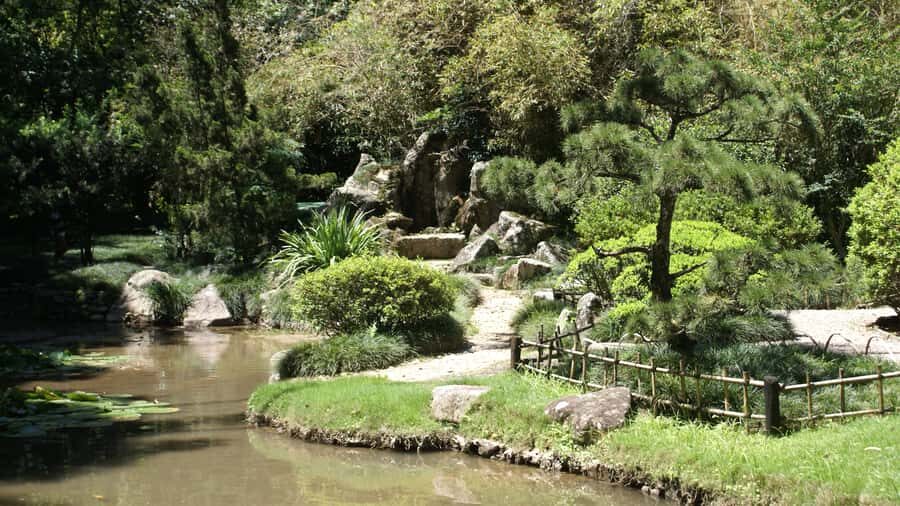
After palms, ponds, and historical stops, the Japanese Garden is a mood shift. The highlight here is serenity, and that’s not just marketing language. In practical terms, it’s where you tend to walk slower, stop more often, and take in the calmer layout.
This section gives your brain a different kind of visual input. Instead of scanning lots of plants in quick succession, you’re nudged toward a quieter perspective. If you’re the type who likes structure, symmetry, or just a place to sit and reset, this stop is worth protecting your energy for.
It’s also a nice way to close the tour. When you’re done, you’ll leave with a full range of experiences: history, science-adjacent context, wildlife moments, and then calm.
Price and value at about $83 per person for 4 hours
At $83 per person for a 4-hour guided visit, you’re paying for three big things: the guide, the entrance ticket, and the round-trip transfers from many Zone Sul hotels. That package can be good value if you want to reduce planning work and maximize your time inside the park.
Where the math gets better is exactly what a guided tour solves: selection. The Botanical Garden is huge, and the guide’s job is to point you to the best stops—like the Avenue of Royal Palms, Lago Frei Leandro, the gunpowder factory area, and the Japanese Garden—without forcing you to figure everything out by yourself.
If your travel style is more “wander freely and read signs,” you might not feel the need for a guide. But if you’d rather trade a little cost for clarity and a smoother flow through the park, this price feels more reasonable.
Also, food isn’t included. That’s not a dealbreaker, but it means you should plan on water and any snack strategy before you go. The tour is short enough that you can usually handle it without a full meal.
What to pack and how to time your expectations
The tour is outdoors and includes walking. Light clothes, sunscreen, and sunglasses are recommended, and I agree with the logic: you’ll be exposed to sun at parts of the garden, and the pond areas can be bright.
The pace is designed around seeing multiple highlights in about four hours. So don’t expect a slow, half-day “I’ll just wander” experience. Instead, think of it as a curated walk that gives you the garden’s top moments and helps you enjoy the in-between.
If you’re sensitive to heat, aim to keep water on your radar even if the tour itself doesn’t include drinks. Rio afternoons can get warm, and you’ll enjoy the Japanese Garden more if you don’t feel overheated when you arrive.
Who this Rio Botanical Garden guided visit suits best
This tour is a great fit if you want a balanced Rio day: not only views of Christ the Redeemer, but also plant variety and calm walking. It works well for people who like nature but also want a guide to explain what they’re seeing—especially around palms, monuments, and the pond stop.
It’s also worth it if you prefer guided structure because you’re tight on time. Four hours is enough to hit several signature parts without feeling exhausted, especially with transfers handled.
If you’re traveling in a group with mixed interests—someone wants history, someone wants photos, someone wants quiet—this itinerary tends to cover those bases.
Should you book this Botanical Garden guided visit?
I’d book it if your priority is getting the highlights—Fountain of the Muses, Avenue of Royal Palms, Victoria water lilies at Lago Frei Leandro, the old gunpowder factory, and the serene Japanese Garden—inside a tight four-hour window. The guided format makes the park feel navigable instead of overwhelming, and the transfers remove a lot of everyday hassle.
Two things to keep in mind before you commit: first, reconfirm the departure time so you’re not waiting around uncertain hours. Second, be aware that cancellations can happen, and refund situations may vary from case to case, so read your confirmation details carefully when you finalize your plans.
If you want a smart, gentle nature break in Rio—close to Corcovado, full of plant science flavor, and sprinkled with real wildlife interest—this is a solid bet.
FAQ
How long is the Rio de Janeiro Botanical Garden guided visit?
It lasts 4 hours.
What’s included in the price?
You get round-trip transfers from most hotels in São Conrado, Leblon, Ipanema, and Copacabana, a professional guide, and an entrance ticket to the Botanical Garden.
Is food included?
No. Food and drinks aren’t included.
Where does pickup happen?
Pickup is included from most hotels located in São Conrado, Ipanema, Leblon, or Copacabana.
What time does the tour start?
The specific departure time is determined upon reconfirmation. You should confirm before your day of travel.
What language is the live guide?
The guide is available in Spanish, English, Portuguese, German, and French.
Do I need to wait somewhere specific for pickup?
Yes. Wait for your guide in the hotel lobby of your selected hotel.
What should I wear or bring?
Light clothes, sunscreen, and sunglasses are recommended.
Is the tour wheelchair accessible?
Yes, it is wheelchair accessible.
Is cancellation allowed after booking?
There is free cancellation up to 24 hours in advance for a full refund.
Can I book now and pay later?
Yes. You can reserve now and pay later to keep your plans flexible.