REVIEW · RIO DE JANEIRO
Sugarloaf Mountain Climbing Trail
Book on Viator →Operated by Companhia da Escalada · Bookable on Viator
Sugarloaf Mountain climbing turns Rio into a hands-on adventure. I love the mix of hiking trail, rocky shore scrambling, and the short protected vertical climb with ropes and a helmet. You’ll also get standout views as you pass key waypoints like Pedra Filosofal, at about 350 meters.
The big heads-up: this is not a casual stroll. You should feel comfortable with exposed rock and heights, and you’ll need moderate fitness for the long ascent and climbing sections, including the roughly 20-meter vertical part.
Key takeaways before you go
- Trail, rocky shores, and easy climbs: you’re moving the whole time, not just “stopping for photos.”
- A short, more vertical climb (~20 meters): safety gear is used throughout that section.
- Certified guides and secure setup: climbing equipment is included, and guides handle the route.
- Pedra Filosofal is on the route: you’ll pass the famous 350 m-high landmark.
- Cable car descent is included: part of the way down is by cable car, and the rest is on foot.
- Private activity: only your group participates, so the pacing feels more comfortable.
In This Review
- Sugarloaf Climbing From Urca: Why This Feels More Real Than the Cable Car
- Start Time, Meeting Point, and the 4-Hour Flow You Should Expect
- The Upward Route: Trail, Rocky Shores, and Easy Climbs That Keep You Moving
- The 20-Meter Vertical Section: Where the Gear Makes the Difference
- Summit Views and Why Pedra Filosofal Is More Than a Name
- Descent by Cable Car to Morro da Urca (Plus Trail): The Smart Way to End
- Price and Value: What $62.78 Really Buys You
- Who This Climb Is For (and Who Should Consider Another Activity)
- Book It or Pass? My Simple Decision Guide
- FAQ
- What is the duration of the Sugarloaf Mountain Climbing Trail experience?
- Where is the meeting point for the tour?
- What time does the tour start?
- Is prior mountaineering experience required?
- How hard is the climb?
- What is included in the price?
- Are snacks included?
- Is the activity private?
- What if weather is bad?
- What is the cancellation policy?
Sugarloaf Climbing From Urca: Why This Feels More Real Than the Cable Car
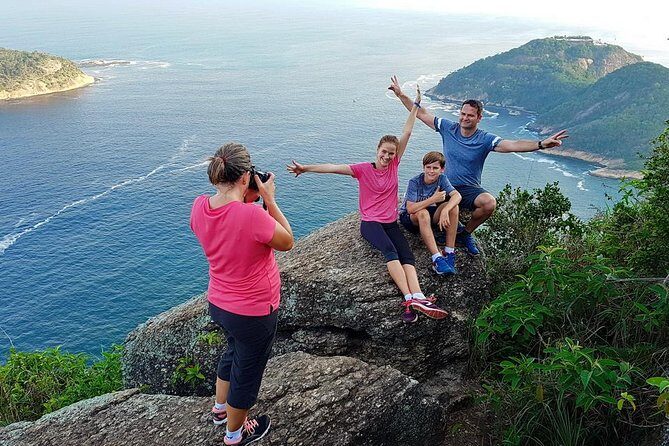
Sugarloaf Mountain is already iconic from the city and from the beaches, but climbing it changes your sense of scale fast. On this route you get a long pull upward, plus hands-on sections over rock, so the summit doesn’t feel like a destination you merely reached. It feels like something you earned.
What I really like is the structure: this isn’t “mountaineering training.” You don’t need prior climbing experience. The guides handle the trickier spots, and the climb is broken up into manageable chunks—mostly trail and easy climbs—then a short segment that’s more vertical and requires proper safety setup.
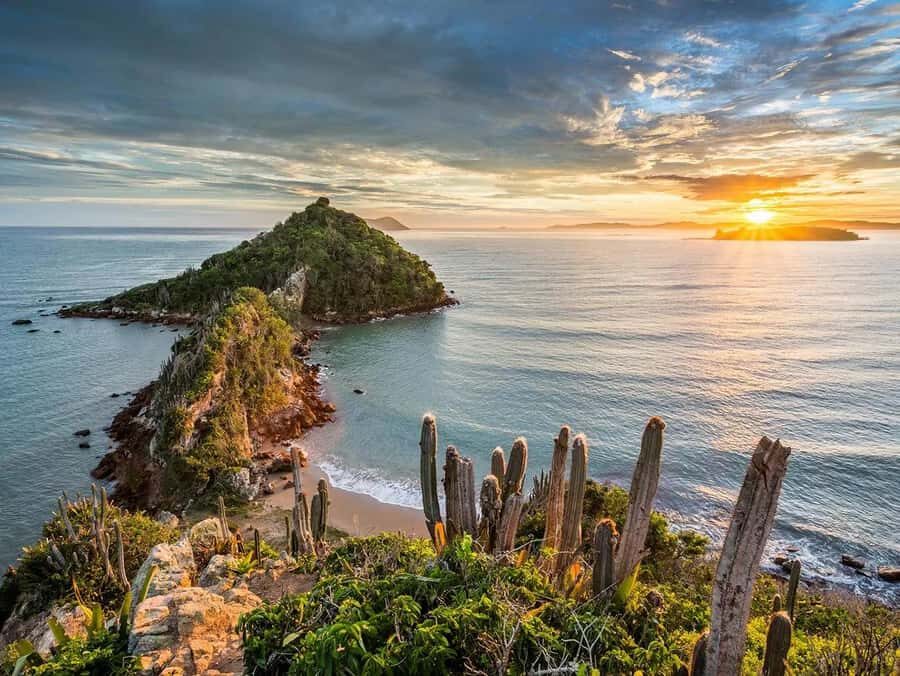
You’ll also travel through a section of Sugarloaf’s coastline where the views aren’t just pretty. They’re instructive. You’ll see how the headland lines up with Rio’s bay, how the light shifts as you gain height, and how the famous landmarks fit together as you move along the route. Even if you’re not a “views person,” you’ll understand why Sugarloaf is so photographed once you’ve worked for the angle.
Start Time, Meeting Point, and the 4-Hour Flow You Should Expect

The meeting point is Av. Pasteur, 520, in Urca. That matters because you’ll start in the right place for Sugarloaf access without wasting time crossing the city.
Tours run daily, and your start window is 1:00 PM to 3:00 PM. In practice, the activity usually lasts about 4 hours from start to finish, though the exact timing can shift based on group size. You’re not rushed, and that is a big deal on a climb with exposed sections. Slow and steady is part of the safety rhythm.
Here’s how the timing generally feels:
- You set out in the early afternoon, hike and climb upward in segments.
- You reach the summit area, rest, and take in the view.
- You descend with a combo of cable car and trail, then finish back at the meeting point.
That “combo descent” is one of the smartest practical details. It gives you recovery without turning the day into a full-on suffering contest. You still get the satisfaction of climbing, but you don’t have to re-climb everything on the way down.
You can also read our reviews of more tours and experiences in Rio de Janeiro.



The Upward Route: Trail, Rocky Shores, and Easy Climbs That Keep You Moving
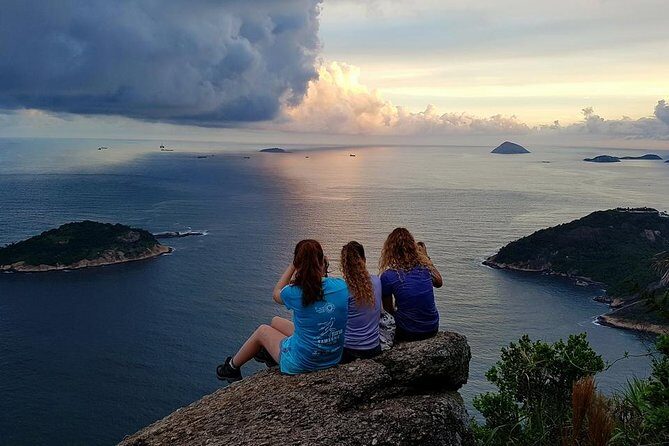
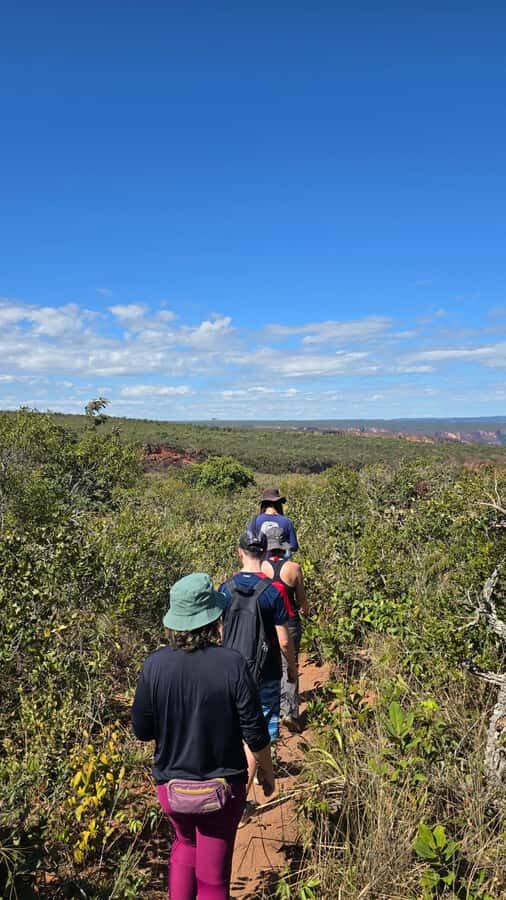
Your ascent is a blend of surfaces. You’ll spend time on a trail, then work through stretches that are more like climbing over rocky shores. Portions are described as easy climbs, so the route is designed to be approachable as long as you’re reasonably fit and steady on your feet.
The route passes by Pedra Filosofal, a landmark around 350 meters high. That’s useful for you in two ways. First, it breaks up the climb mentally. Second, it helps you picture where you are on Sugarloaf rather than just guessing how much vertical gain is left.
One review note that matches the feel of the day: the climb involves a lot of hiking on exposed rock, but it should not feel chaotic or unsafe when you’re following your guide and using the equipment. This is the key advantage of going with guides who know the route well—you’re not left to figure out handholds while thinking about your camera.
If you’re planning your day around this, keep it simple: you’ll get the best experience if you treat it like a true activity block. Don’t stack another demanding plan immediately after. You’ll come back tired, not wrecked—but still tired.
The 20-Meter Vertical Section: Where the Gear Makes the Difference
The most “technical-feeling” part is a short stretch of more vertical climbing, about 20 meters. This isn’t endless technical wall time. It’s short, and the important part is that it’s set up with the safety system the guides use for this route.
What’s included here is exactly what you want: ropes, chairs, and a helmet, plus the climbing equipment for the activity. You’re not asked to bring anything for the climb itself. The guide team also handles the process, which matters because the vertical section is where people often panic—not because they can’t do it, but because they don’t know what’s expected.
If you’re nervous about heights, be honest with yourself. This experience can still be exciting even when you’re careful, but it’s not for faint hearts. One person even described it as not easy and not for beginners or people afraid of heights, while still saying they had a great time once they trusted the setup.
The goal for you on that section is simple: move when told, focus on the immediate next step, and let the safety system do its job. When you do that, the vertical climb turns from scary into memorable.
Summit Views and Why Pedra Filosofal Is More Than a Name
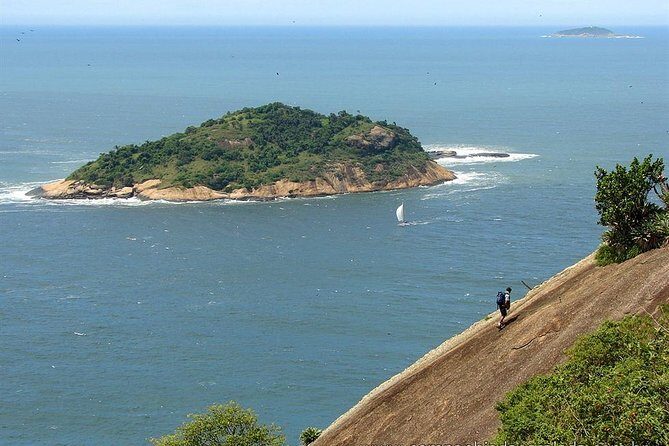
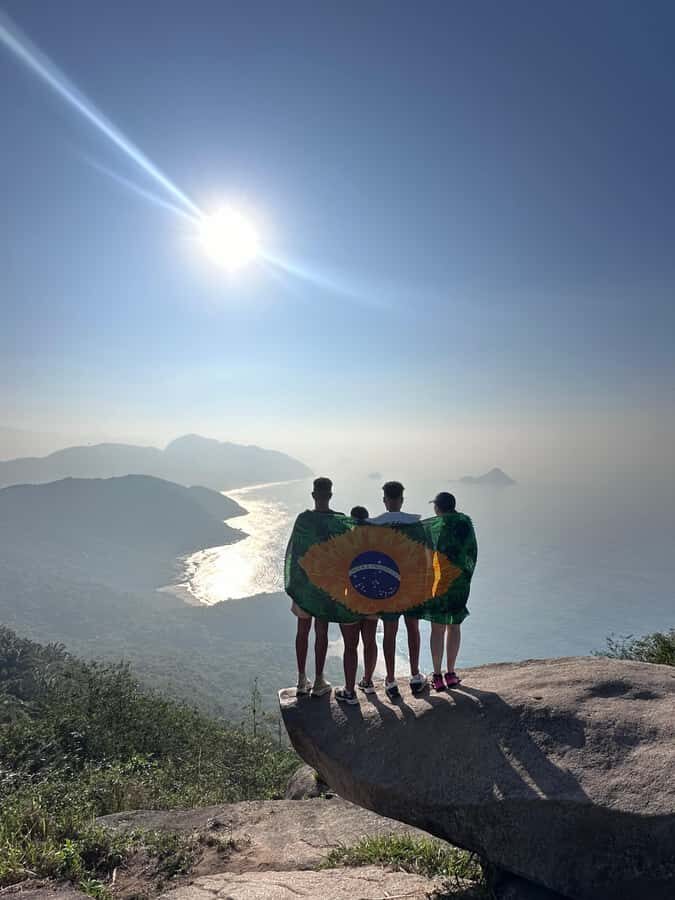
Reaching the summit is the obvious payoff, but the route’s standout moment is how the view evolves as you pass major points. You’ll spend time hiking and climbing over rock, and then you’ll break the horizon open as height increases.
Pedra Filosofal isn’t just a famous feature on a map. Passing it at about 350 meters makes the day feel like a guided story with checkpoints. You’re not only climbing toward an end point—you’re moving along a known line that reveals Rio in layers.
On the summit, you’ll get a well-deserved rest. This matters more than you’d think. A climb that lasts roughly four hours includes effort, breath control, and brief moments of attention on footing. Resting at the top helps you turn the climb into something more than physical labor. You’ll have time to actually look.
One practical tip: bring sunglasses and keep your phone secure. At altitude, the light can be sharp, and you don’t want to be fumbling with gear when your hands might still be a little sweaty. You’ll enjoy the summit more if you keep the “photo plan” simple.
Descent by Cable Car to Morro da Urca (Plus Trail): The Smart Way to End
The descent is split into two parts. You’ll go down partly by cable car (and it’s free of charge as part of the included experience), then partly by trail back out toward the finish.
This is a rare kind of arrangement that makes value feel obvious. Many active tours make you repeat the hardest work on the way down. Here, the cable car portion helps you recover without taking away the “I did the work” feeling. You still get the final leg on foot, so you keep the natural flow of the day.
It also helps with crowds and pacing. The cable car segment smooths out the vertical drop, and the trail segment gives you a more relaxed finish while the guides keep everyone together.
Expect to feel the difference between going up and coming down. Going down is easier on the legs than climbing, but the trail parts can still require careful steps—especially if your shoes aren’t grippy enough. Wear footwear with good traction. This is not a flip-flop day.






Price and Value: What $62.78 Really Buys You
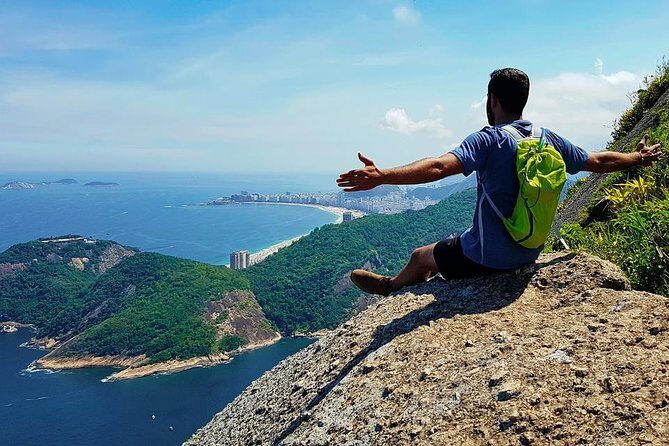
At $62.78 per person for a roughly 4-hour private guided climb, the price makes more sense when you look at what’s included. You’re getting:
- Climbing equipment
- A certificate from the Brazilian Association of Mountain Guides
- A guided route handled with ropes and safety gear
- Cable car descent from Sugar Loaf to Morro da Urca included
You’re also paying for risk management. The short vertical section alone is exactly the kind of part where good instruction is worth real money. This isn’t just “someone showing you the mountain.” It’s a guided activity with gear and a safety system, plus the guides’ familiarity with the area.
What you should budget beyond the listed price: snacks are not included. I suggest bringing a small snack you can tolerate while moving. Also plan water. The tour is about motion, not sitting around, so a tiny food boost can help your energy at summit rest time and during the descent.
Another practical note: this activity is often booked about 22 days in advance on average. That’s a sign that good weather and limited time windows matter. If you’re locking in your Rio dates, I’d avoid waiting too long.
Who This Climb Is For (and Who Should Consider Another Activity)
This experience fits best if you meet three conditions:
- You have moderate physical fitness.
- You’re willing to handle a long ascent and some exposed rock footing.
- You don’t require technical mountaineering skills. The guides supply the climbing support.
You’ll likely enjoy it if you want your Rio day to feel different from standard sightseeing. It’s not a passive “look at the view” outing. It’s active, guided, and structured, with real moments where your effort changes your perspective.
Who might struggle:
- If you’re strongly afraid of heights, the exposed rock and the vertical segment may be too much, even with safety gear.
- If you want an easy workout, this isn’t it. The climb includes sustained uphill work and climbing sections.
One of the best parts is the “first-time friendly” angle for climbing. Multiple details point to this being accessible without prior experience. You just need willingness and steadiness, and you follow the guide.
If you’re traveling with time pressure, note that the activity ends back at the meeting point, and starts only in a specific daily window. You’ll want to protect that afternoon block in your schedule.
Book It or Pass? My Simple Decision Guide
Book this climb if you want a guided activity where your effort directly rewards you with top-tier views, and you’re okay with exposed rock and a short vertical challenge. The included climbing equipment and certified guidance reduce the uncertainty, and the cable car descent keeps the day from dragging into an exhausting grind.
Pass (or consider another option) if you’re mostly looking for an easy, low-stress sightseeing experience. The route isn’t designed to be gentle, and the vertical segment—about 20 meters—means you should have a clear sense of your comfort level with heights.
If you can handle moderate fitness and you want a genuine change from typical Rio tours, this is one of the more memorable ways to experience Sugarloaf.
FAQ
What is the duration of the Sugarloaf Mountain Climbing Trail experience?
It lasts about 4 hours on average, depending on group size.
Where is the meeting point for the tour?
You meet at Av. Pasteur, 520 – Urca, Rio de Janeiro – RJ, Brazil.
What time does the tour start?
The start time is between 1:00 PM and 3:00 PM (daily). The stated opening hours run Monday through Sunday in that window.
Is prior mountaineering experience required?
No prior mountaineering knowledge is required. You do need reasonable physical conditioning for the ascent and climbing sections.
How hard is the climb?
It includes hiking and climbing over rocky shores, plus a short stretch of more vertical climbing of about 20 meters. It’s not for people who are faint of heart or afraid of heights.
What is included in the price?
Included: use of climbing equipment, cable car descent from Sugar Loaf Mountain to Morro da Urca (free of charge), certification by the Brazilian Association of Mountain Guides, and the activity is private and secure.
Are snacks included?
No. Snacks are not included.
Is the activity private?
Yes. It’s a private activity, so only your group participates.
What if weather is bad?
This experience requires good weather. If it’s canceled due to poor weather, you’ll be offered a different date or a full refund.
What is the cancellation policy?
Free cancellation is available up to 24 hours in advance for a full refund. If you cancel less than 24 hours before the start time, the amount paid is not refunded.