REVIEW · RIO DE JANEIRO
Tijuca Forest w/ Chinese View,cascatinha Taunay,horto waterfall and parque laje
Book on Viator →Operated by Trip In Rio · Bookable on Viator
Cloudy shade, waterfall sounds, and tea history. This half-day walk through Tijuca National Park mixes major viewpoints with real rainforest time, starting at Vista Chinesa and finishing with Parque Lage tucked into the Atlantic Forest. I like that it’s not just scenery; you also get the story behind the lookout, including the Chinese tea-planting links tied to the area.
Two things I especially like are the mix of views that are worth the climb and the chance to slow down, since you can usually linger at each stop as you go. One possible drawback: the Vista Chinesa segment includes a steep climb at the end, so you’ll want decent shoes and a bit of stamina, even though the approach is easy and paved.
In This Review
- Key things to know before you go
- How this Tijuca Forest day really works
- Vista Chinesa: tea, Chinese influence, and a payoff view
- Emperor’s Table: the clever name behind a complicated past
- Cascatinha Taunay: the stone-arch bridge and the waterfall moment
- Horto waterfall time: plan for a second water hit
- Parque Lage: forest close to Rio’s big sights
- Wildlife and plants: what you can realistically expect
- What $88.21 buys you (and what it doesn’t)
- Pace, comfort, and the one steep climb you should plan for
- Who this tour suits best
- Should you book this Tijuca Forest tour?
- FAQ
- How long is the tour?
- How much does it cost?
- Is admission charged at the stops?
- What’s the group size?
- What’s included in the price?
- Are snacks or bottled water included?
- What happens if weather is bad?
Key things to know before you go
- Most admissions are free at the main stops, so your money goes mostly to guide time and transport.
- Easy-to-paved access, then a steep finish at Vista Chinesa makes pacing important.
- Cascatinha Taunay has both history and a real waterfall payoff, not just a photo stop.
- Parque Lage sits inside forest (52 hectares) but stays close to Rio’s big sights like Jardim Botânico and Cristo Redentor.
- Small-group feel with a maximum of 14 people helps keep the day relaxed.
How this Tijuca Forest day really works
This tour is designed for a half-day rhythm: drive up into the Tijuca National Park zone, stop at a high viewpoint for big city-and-forest views, then move into the greener heart where waterfalls and wildlife sightings can happen. With about 4 hours total, it’s long enough to feel like an escape, but short enough that you’re not losing your whole day to transit and stair-burn.
The value piece here is smart. You’re paying $88.21 per person for a local guide plus transport support, and the main sights listed don’t charge admission. That means the cost mostly buys your time, pacing, and context. You’re not stuck bouncing between paid attractions; you’re learning how this place links ecology and Rio’s past.
Group size stays capped at 14, and the tour notes also include transport for convenience (with car/jeep mentioned for larger groups). That matters because Tijuca is steep and spread out. Getting there efficiently usually makes the difference between a fun day and a day that feels like logistics.
You can also read our reviews of more tours and experiences in Rio de Janeiro.



Vista Chinesa: tea, Chinese influence, and a payoff view
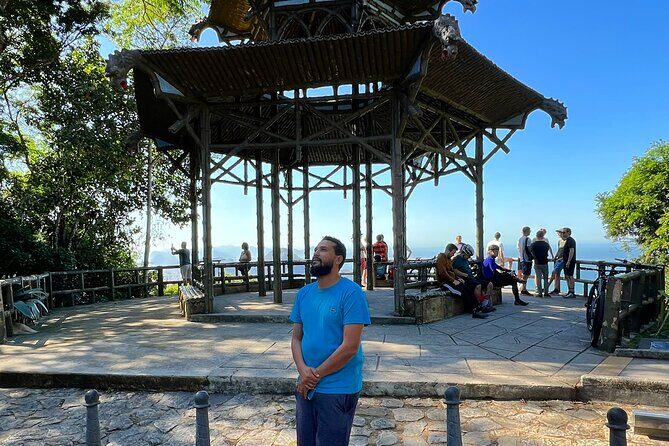
Vista Chinesa (Chinese View) is one of those Rio stops that makes you understand why people keep returning. The lookout was built in the early twentieth century in honor of Chinese presence and imported tea cultivation in Brazil. Even if you don’t know the details yet, you’ll feel it when the trail opens onto wide views over the southern zone of Rio—green, deep, and busy with life below.
You’ll start with an easy, fully paved access trail. Then comes the part to plan for: the last stretch is a demanding, steep climb to reach the lookout itself. It’s short, but it’s real. If you’re the type who hates feeling out of breath, take your time on the ascent and use your guide as your pace-setter.
Why I like this stop: it’s not only a scenic viewpoint. It’s also a practical orientation point. You look out and suddenly Rio’s layout makes more sense—where neighborhoods sit, how the city meets the forest, and why this area is so important for the city’s water story.
One more plus: reviews tied to this experience mention wildlife moments like monkeys moving through the trees near the viewpoints. Wildlife isn’t guaranteed, but this is the kind of habitat where you might catch it if you’re alert and quiet for a minute.
Emperor’s Table: the clever name behind a complicated past
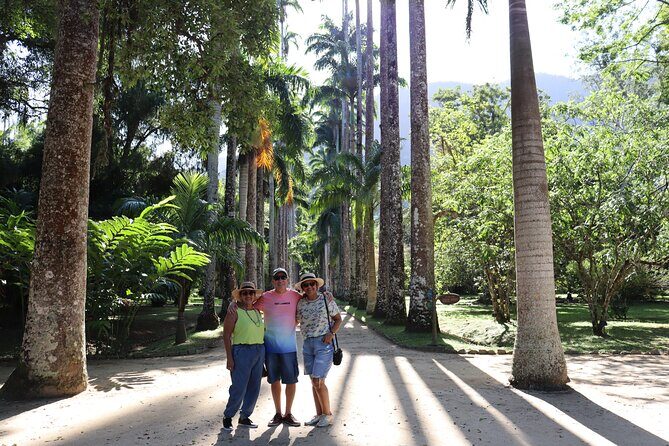
Right after Vista Chinesa, the tour shifts into another layer of meaning at Emperor’s Table. It’s connected to the old Botanic Garden and Alto de Boa Vista by a cantilevered road opened with influence from the Baron of Bom Retiro. The story goes right to the point: workers were hired who were brought from China (Macau) to develop the rice crop. When that effort didn’t pan out, they were reportedly used to help build the road instead.
Whether or not you remember every historical detail, the takeaway is clear: this is a place where Portuguese-Brazilian rule, botany, and Chinese labor history overlap in a very specific local way. A map from 1844 recorded a building called Casa dos Chinas, which the tour links to remnants of that early phase.
The name Emperor’s Table also has a physical clue. A pavilion built later—described as copying bamboo in mortar—served as a rest place during the walks of the Royal Family. You get a short stop here, around 30 minutes, but it’s the kind of stop that makes your brain work in a good way: you’re not just looking; you’re connecting people to place.
Practical tip: because this is a viewpoint-with-context stop, it’s worth asking your guide to point out what you’re looking at. The guide energy often makes the difference between hearing facts and actually using them.
Cascatinha Taunay: the stone-arch bridge and the waterfall moment
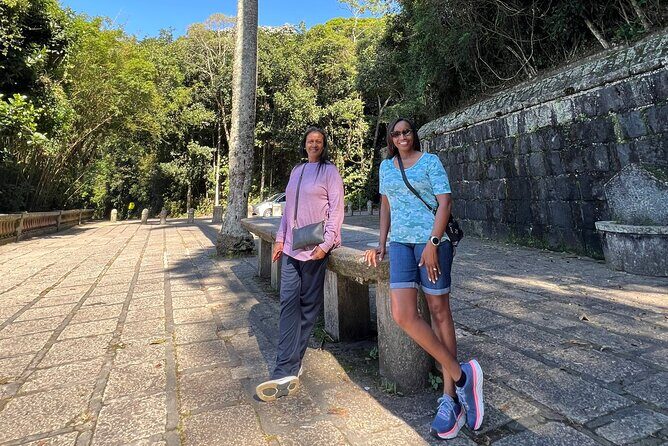
Cascatinha Taunay is the heart-and-center nature stop—an honest waterfall experience paired with imperial-era storytelling. The waterfall here is described as formed by the Tijuca River waters plus the Conde River and other tributaries. In other words, it’s not a tiny trickle for quick photos; it’s part of a larger water system.
The history component is tied to engineer Job de Alcântara, who was commissioned in 1860 to construct a beautiful stone bridge in a Roman arch format in front of the cascade. That bridge matters because it signals how Rio’s rulers and engineers once treated Tijuca as both a natural resource and a royal retreat zone.
There’s also an artistic angle. In 1817, Nicolas Antoine Taunay built a small house near the cascatinha and painted the waterfall. He hosted meetings for the court, and later the Taunay house was demolished in 1946. The site then became home to an old Cascatinha restaurant, now described as being refurbished to house a café and a new restaurant.
Why this stop is worth your time: you get sound, mist, and a break from the long high-view moments. And the guide can turn this from a walk to a meaning-making stop, using the bridge and the Taunay story to show how culture and ecology moved together here.
Time-wise you’ll spend about 1 hour at Cascatinha Taunay. That’s enough to walk in slowly, find your angles, and still not feel rushed. Still, if you’re sensitive to slippery ground near waterfalls, watch your footing and keep your pace steady.
Horto waterfall time: plan for a second water hit
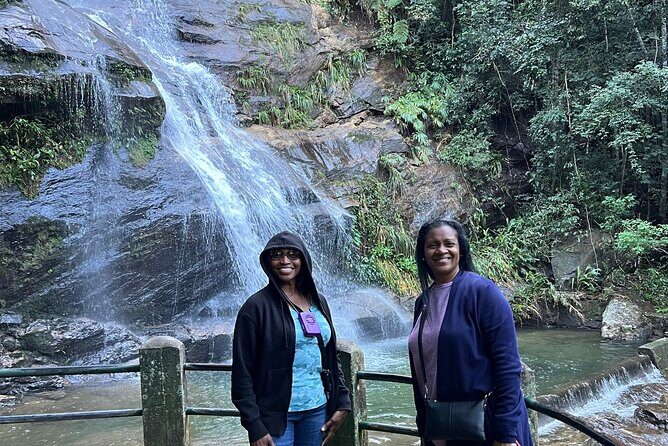
Your tour title includes Horto waterfall, and in a Tijuca day, that usually means you’ll get more than one chance to experience water in the forest. Even if you treat this as your secondary waterfall payoff, it helps break up the day: viewpoint first, rainforest later, then more water before you head to Parque Lage.
Because your details about the Horto segment aren’t spelled out with a specific trail description, I’d keep your expectations practical: treat it as part of the rainforest routing, bring your senses to it, and use any extra minutes your guide offers to compare the feel of each water moment.






Parque Lage: forest close to Rio’s big sights
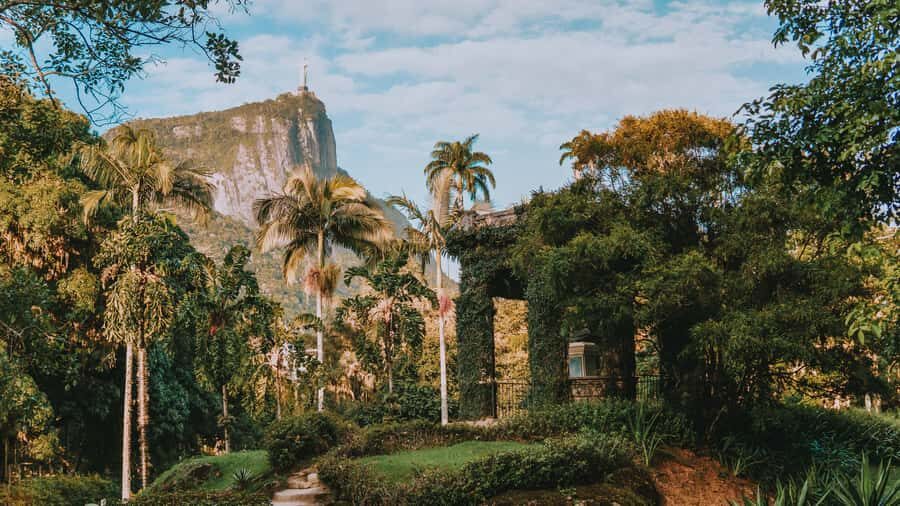
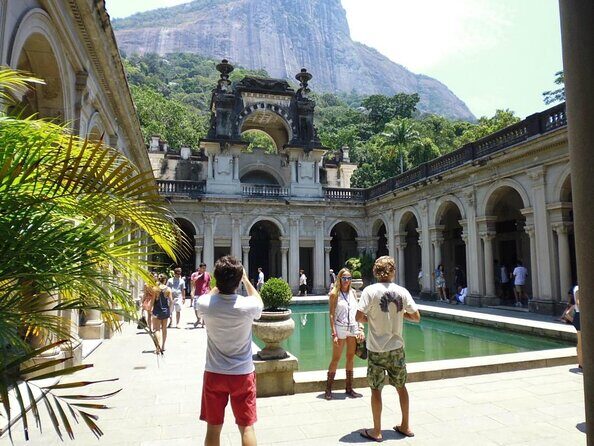
Parque Lage is where the day often changes tone. It’s described as being in the Jardim Botânico neighborhood, near major landmarks like Jardim Botânico and Cristo Redentor. You’re still in Tijuca National Park territory, surrounded by Atlantic Forest, and the park covers 52 hectares of forest.
This is the kind of place where you get to slow down. Rather than only climbing to viewpoints, you can wander in shade, listen for birds, and appreciate the way Rio’s famous areas sit near protected forest. Reviews tied to this experience mention a particularly great guide-led walk through the forest and even time to have a drink in the old mansion area.
The tour time here is about 50 minutes. That’s enough to enjoy the atmosphere without turning it into a long hiking project. And it’s a strong match for people who want nature but don’t want the day to feel like training for a mountain race.
Wildlife and plants: what you can realistically expect
Tijuca is one of those places where you can’t predict every animal sighting, but you’re in habitat that makes wildlife more likely than in most city parks. Based on the kinds of sightings mentioned in feedback—like monkeys swinging through the trees and toucans appearing—you can hope for something interesting if you stay observant.
Here’s the practical mindset I recommend: don’t rush every stop into a photo sprint. If your guide is talking, keep listening. Then when the talk pauses, take 10 slow seconds to scan the canopy and tree edges. Even if you miss a highlight animal, paying attention tends to reward you with smaller wins: insects, birds, and unusual leaf shapes.
For flora, the key value is learning to notice how this forest is shaped by both natural water and human history. The viewpoints and waterfall stops connect you to plant life as a system, not just a pretty background.
What $88.21 buys you (and what it doesn’t)
Let’s get straight to value. At $88.21 per person for about 4 hours, you’re paying for:
- A tour guide
- Transport convenience (car or jeep mentioned for larger groups; transport for up to five people is noted)
- Time at multiple major Tijuca stops
You’re not paying for paid admissions at these listed spots. Vista Chinesa, Emperor’s Table, Cascatinha Taunay, and Parque Lage are all listed as admission ticket free.
What you still need to bring:
- Snacks and bottled water are not included
So if you think you’ll get hungry on a warm day, pack something simple. Even water is smart. You don’t want to spend your waterfall time rationing thirst.
Pace, comfort, and the one steep climb you should plan for
This is a park, not a mall. Even with paved access at Vista Chinesa, you’re going to do some uneven footing and stairs or steep sections. The tour is described as having easy access leading to the lookout, but the climb to the viewpoint is steep and demanding.
My advice:
- Wear shoes with good grip.
- Bring a light layer if you cool off in shade.
- Use your guide’s pace. In small groups, you often can go a little slower without holding everyone hostage.
If you’re traveling with older family members or someone with mobility limits, the steep climb is the big question mark to assess first. The rest of the tour has comfortable framing, like free viewpoints and a mostly wander-friendly Parque Lage stop, but Vista Chinesa still matters.
Who this tour suits best
I think this fits best if you want:
- Nature plus history in the same half-day
- A guide-led route that saves you from guessing at timing
- The chance for wildlife sightings without committing to a full-day hike
It also works well if you’re already doing Rio’s classics nearby, since Parque Lage’s location in the Jardim Botânico area keeps you close to other sights like Jardim Botânico and Cristo Redentor.
If your ideal day is only a beach and only flat walking, this probably won’t match. But if you want forest air, waterfalls, and viewpoints with stories attached, it’s a strong fit.
Should you book this Tijuca Forest tour?
If you want a half-day that feels like Rio’s nature world without spending your whole day on transportation, I’d say yes—especially for the free admission stops and the way the route combines Vista Chinesa views, Cascatinha Taunay’s waterfall-and-bridge history, and Parque Lage’s forest break.
Skip or rethink it if:
- You hate steep climbs and steep stairs even for a short segment.
- You don’t want to manage basic needs like snacks and water on your own.
- Weather is questionable, since the experience requires good weather to run well.
Overall, this is a practical, history-aware rainforest outing with enough variety to keep the day interesting and relaxed.
FAQ
How long is the tour?
The tour is about 4 hours (approx.).
How much does it cost?
It costs $88.21 per person.
Is admission charged at the stops?
The stops listed show admission ticket free.
What’s the group size?
The experience has a maximum of 14 travelers.
What’s included in the price?
A tour guide is included, along with transport support (car or jeep mentioned for more than 5 people, and transport for up to five people for convenience).
Are snacks or bottled water included?
No. Snacks and bottled water are not included.
What happens if weather is bad?
The tour requires good weather. If canceled due to poor weather, you’ll be offered a different date or a full refund. You can cancel up to 24 hours in advance for a full refund.