REVIEW · LENCOIS
Trekking the valley of the pat 3 days/ GUIDE TUTY CHAPADA DIAMANTINA
Book on Viator →Operated by Guia tuty na chapada Diamantina · Bookable on Viator
Pati Valley feels like wild Brazil, on foot. This 3-day trek with guide Tuty connects Chapada Diamantina National Park to the quieter upper valley, with baths, snacks, and nights hosted by local families. It’s the kind of trip where the views are real, the walking is the point, and you learn why this place matters.
I love the day-by-day rhythm that mixes hard walking with “stop and breathe” moments, like the Cachoeira dos Cristais bath and snack. I also love how the route gives you real biology and bird life to look for along the Trilha dos Tropeiros.
One consideration: this is for people with moderate fitness, and Day 2 includes crossing a quartzite cave using a flashlight, so bring steady footing and a calm mindset for tight, darker moments.
In This Review
- Key highlights you’ll care about
- Lençóis to Vale do Pati: what makes this trek worth the effort
- Meet Tuty: small group, attentive guidance, real safety
- Day 1: Chapada Diamantina National Park, Cachoeira dos Cristais, and first views into Pati
- Stop for a real reset: Cachoeira dos Cristais
- Into Vale do Pati: Trilha dos Tropeiros
- Night in upper Pati: D. Raquel or Mr. Wilson
- Day 2: Morro do Castelo, a quartzite cave crossing, and Funis Waterfall
- Why the cave crossing matters
- Trail lunch with a view
- Second night at upper Pati hosts
- Day 3: Rio Preto to Cachoeirão do Pati and the Empire viewpoint
- Wildlife and plants on the final day
- Food, baths, and what “staying with locals” really means here
- Pace, gear, and fitness: the honest reality of moderate trekking
- Price and value: what $421.82 covers in real life terms
- Weather can change the plan: stay flexible
- Should you book Vale do Pati with Tuty?
- FAQ
- Where does the trek start?
- What time does the tour begin?
- How long is the Vale do Pati trek?
- What fitness level do I need?
- How many people are in the group?
- Who is the guide for this experience?
- Where do you stay at night during the trek?
- What major feature is included on Day 2?
- What if the weather is bad?
- What’s the cancellation window for a full refund?
Key highlights you’ll care about
- Small group size (max 10): easier pace control and more personal attention.
- Waterfall breaks that feel earned: snack + swim at Cachoeira dos Cristais, then another relaxation moment at Funis Waterfall.
- Day 2 quartzite cave crossing: Morro do Castelo at 1470 meters, crossed with a flashlight for a dramatic valley viewpoint.
- Upper Pati lodging with local hosts: you sleep at the home of natives (D. Raquel or Mr. Wilson) and eat farm-based dinners.
- Wild Chapada cues on the trail: saw-footed hawks, plus the red-tie hummingbird endemic to Chapada.
- Guide Tuty’s flexibility: he adapts to the group’s profile and needs, not a one-size-fits-all script.
Lençóis to Vale do Pati: what makes this trek worth the effort
Lençóis is a great base because it’s close enough to move fast, but far enough that you feel like you’re getting away from everything. This trek takes you from the bigger national park feel into the Vale do Pati region—where the scenery is quieter, more open, and less “tour-machine.”
What I like most is that the trip isn’t just “walk from point A to point B.” You get repeated moments where the day turns from effort into experience: short trail snacks, baths, and viewpoints that actually justify the climb. You’re not rushing through the best parts.
Also, it’s led by Guia tuty na Chapada Diamantina—a native guide who’s known for adjusting pace and making sure you’re comfortable on the trail. That matters a lot in Chapada, where conditions can change and your energy can shift faster than you think.
You can also read our reviews of more tours and experiences in Lencois.
Meet Tuty: small group, attentive guidance, real safety
This is a maximum 10 travelers kind of tour. That small group size is more than a comfort perk. It helps your guide manage timing, spacing, and the small course changes that pop up on the trail.
Tuty’s value shows up in three practical ways:
First, he’s attentive and communicative—especially when it comes to what you should bring and how to plan. In places like the Pati region, being prepared saves you energy, and your day goes smoother.
Second, he’s flexible with the route and pacing. If the group needs a different approach, he doesn’t seem like he’s married to a rigid script. That’s a big deal for mixed groups with different speeds.
Third, safety is handled in a calm way. The terrain is demanding, and he guides with confidence. You’re going to feel better when someone knows where the ground is tricky and why.
Day 1: Chapada Diamantina National Park, Cachoeira dos Cristais, and first views into Pati
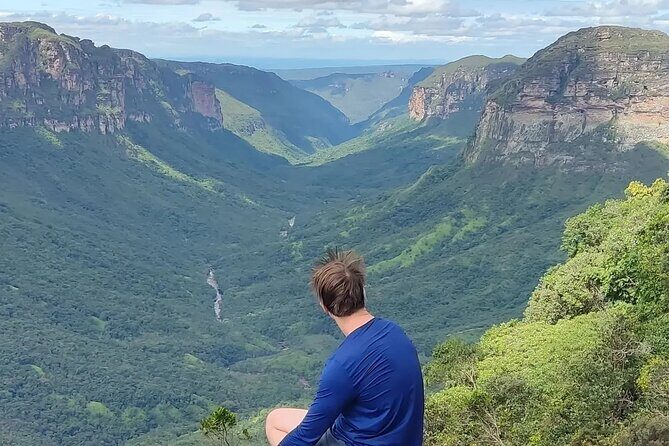
Your day starts early, with pickup at Av. Sete de Setembro, 34 – Lençóis, BA. Start time is listed as 7:00 am, and then you’ll leave by car at 8:00 am after breakfast to begin the Pati trail toward Guinea.
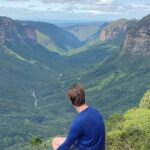
From the start, you’re moving through the broader Chapada area, including Gerais do Vieira—wide, undulating stretches with rivers and waterfalls scattered through them. This is the part of the trek where you start building that mental map: where the valleys sit, how the water cuts through rock, and how your day will likely feel.
Stop for a real reset: Cachoeira dos Cristais
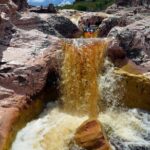
At the waterfall Cachoeira dos Cristais, you’ll take a trail snack and have time for a delicious bath. This is not a quick splash stop. It’s a planned recovery point that lets you cool down and recharge your legs before continuing.
Practical tip: if you want photos here, keep your camera/phone strategy simple. Water + wet rock = accidents happen fast.
Into Vale do Pati: Trilha dos Tropeiros
Next you’ll continue along the Trilha dos Tropeiros, where the view opens toward the Serra do Sincorá. This stretch is the kind of terrain where you’ll notice the plant life because the guide points out what’s happening up on the slopes.
You can expect to see details like:
- rupestrian field vegetation
- insectivorous plants
- orchids
- evergreens known as Paepalanthus
The trail can also bring saw-footed hawks, often in pairs. Seeing wildlife in Chapada is never guaranteed, but having a guide who knows what to watch for improves your odds.
Night in upper Pati: D. Raquel or Mr. Wilson
You end Day 1 with lodging at the home of natives in the upper Pati—listed as D. Raquel or Mr. Wilson. Dinner is described as delicious, using farm ingredients. That’s exactly what you want after Day 1: food that feels restorative, not something that leaves you hungry or heavy.
Day 2: Morro do Castelo, a quartzite cave crossing, and Funis Waterfall
After breakfast, Day 2 turns more intense—in the best way. You’ll climb Morro do Castelo and reach the top at about 1470 meters.
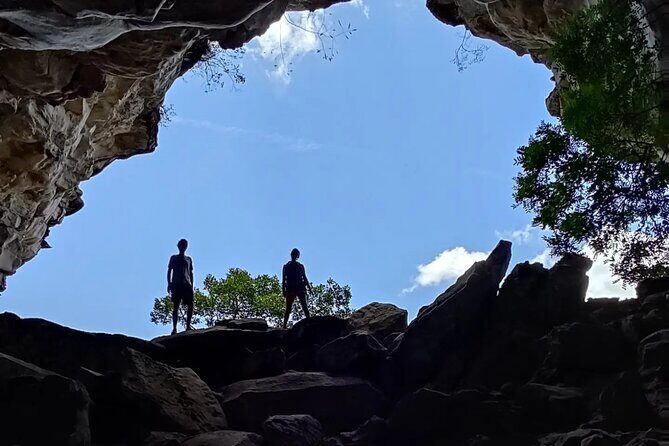
This day includes one of the most memorable technical moments in the whole trek: a quartzite cave that you cross with a flashlight. The tour description is clear that you’ll use a flashlight for the crossing, which means you should treat this as a “slow and careful” segment, not a quick stroll.
Why the cave crossing matters
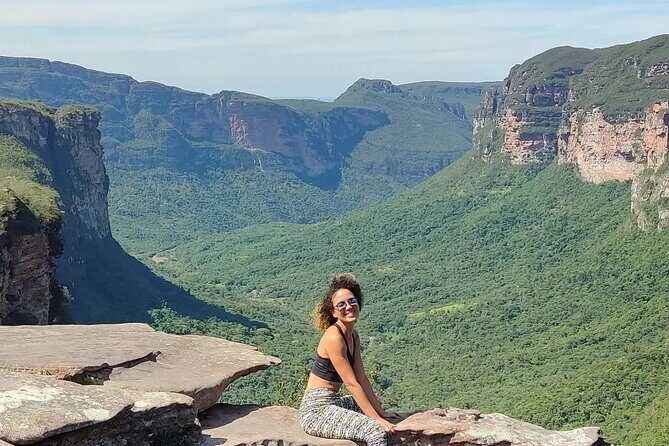
It’s easy to think of a cave as just a dramatic photo stop. Here, it’s more than that. That route leads you to an observation point of Pati de Baixo, so the effort pays off with a wide valley view.
If you don’t love darkness or tight spaces, you still have to approach it calmly. The reward is the perspective: after the cave, the valley feels bigger, deeper, and more layered.
Trail lunch with a view
At the observation point, you’ll have your trail lunch in a spectacular place. This is one of those meals where you’ll remember it because the setting makes it feel like a prize.
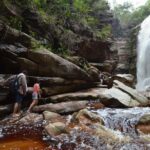
Then you’ll head back and end the day with recovery: bath and relax at Funis Waterfall. After a cave crossing and a climb, that waterfall time makes the day feel balanced.
Second night at upper Pati hosts
You return for dinner and accommodation at the home of natives (again listed as D. Raquel or Mr. Wilson). You’ll be glad for the consistency here—same kind of hospitality, same base, and less travel time.
Day 3: Rio Preto to Cachoeirão do Pati and the Empire viewpoint
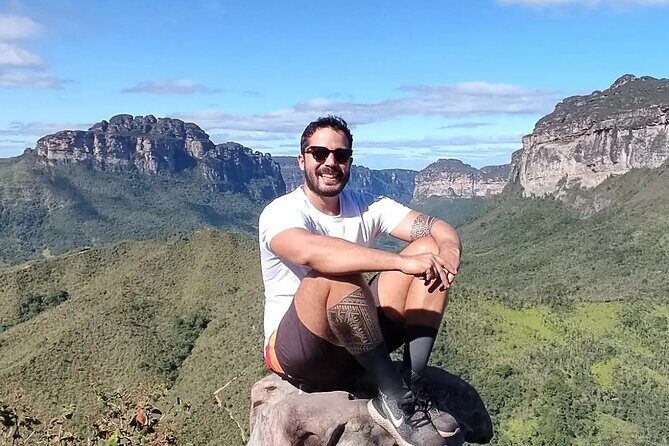
Day 3 starts with breakfast, then you pass through the beautiful general areas of Rio Preto until you reach a privileged spot: Cachoeirão do Pati.
This is the “wow” finish. The view extends to the ascent of the Empire, with a feeling of space that’s hard to describe until you’re standing there. It’s the kind of viewpoint where your photos won’t fully capture the scale, and you stop trying to compete with your own memory.
Wildlife and plants on the final day
One of the special parts here is the mention of wildlife you can look for:
- the hummingbird with a red tie, endemic to Chapada
- a fern described as prehistoric
That detail might seem small, but on a trek it becomes the difference between scenery you see and nature you notice. A good guide helps you slow down enough to actually take it in.
After the day’s walk and viewing, you’ll have dinner and accommodation again at the home of natives. From there, the activity ends back at the meeting point.
Food, baths, and what “staying with locals” really means here
This trek includes real downtime where the trip supports you, not just asks you to endure it.
You’ll have:
- a trail snack on Day 1 near Cachoeira dos Cristais
- a trail lunch on Day 2 at the viewpoint after the cave crossing
- dinner with farm ingredients during your nights in upper Pati
- coffee mentioned at a snack point in the experience you’re reviewing, which fits the pattern of “warm-up breaks” on long days
And you’ll also have baths at key waterfalls:
- Cachoeira dos Cristais on Day 1
- Funis Waterfall on Day 2
Those baths aren’t just fun. They help your body handle the second day. Chapada trekking is often cumulative: Day 2 feels heavier if you skip recovery Day 1.
As for lodging, it’s specifically described as staying at the home of natives (upper Pati, D. Raquel or Mr. Wilson). That tends to mean simple, lived-in comfort. Don’t expect a hotel-style setup—expect a warm welcome and a base that keeps you fed and ready for the next walk.
Pace, gear, and fitness: the honest reality of moderate trekking
You should have moderate physical fitness for this tour. “Moderate” here likely means you’re comfortable walking several hours on uneven ground, handling climbs, and staying focused when rocks get slick.
Two moments particularly demand attention:
- the cave crossing on Day 2 using a flashlight
- the steep, rocky valley access days where views come after effort
So what should you do to feel good?
- Wear shoes with grip you trust on wet stone.
- Bring a head/hand light approach if you can—because a cave crossing is part of the itinerary, and you’ll want to feel prepared.
- Plan to keep your pace steady. The best trekking days don’t happen when you sprint between stops.
Also, the group size stays small, so your guide can adjust. That’s helpful if you’re not a fast walker. But it also means communication matters: tell your guide if you’re feeling tight, tired, or cautious.
Price and value: what $421.82 covers in real life terms
This tour is listed at $421.82 per person for about 3 days. That price looks like a trekking package price, and it basically behaves that way.
Here’s what you’re paying for, based on what’s included in the experience design:
- a guide (Tuty) with on-trail route knowledge and safety focus
- car transfer from Lençóis toward the start of the Pati trail
- multiple trail food moments: snack and lunch, plus dinner each night
- lodging at local homes in upper Pati (D. Raquel or Mr. Wilson)
- waterfall time for baths at planned spots
- time in major Chapada viewpoints: Morro do Castelo area, Pati de Baixo observation, Cachoeirão do Pati
I’d call this good value if you want the full experience: walking + viewpoints + local-host nights, without having to organize the logistics yourself.
Where value can drop for some people: if you’re hoping for a luxury hotel setup or very light walking. This is nature-first. The comfort is real, but it’s not “hotel and room service” comfort.
Weather can change the plan: stay flexible
The tour states it requires good weather. That’s important in Chapada because trails and waterfall areas can get dangerous when conditions shift.
If the trek is canceled due to poor weather, you’ll be offered a different date or a full refund. That’s exactly what you want to see for an outdoor trek.
If you’re planning other activities in the region, keep some buffer time. It makes the whole trip feel less stressful.
Should you book Vale do Pati with Tuty?
If you like trekking that feels personal, not crowded, book it. The small group size, the guide Tuty’s flexibility, and the mix of waterfalls, viewpoints, and local-host nights make this a strong match for people who want authenticity without chaos.
I’d especially recommend it if:
- you want to walk the famous Vale do Pati route with a guide who points out biology and wildlife
- you enjoy waterfall breaks and don’t mind a packed day with meals built into the trail
- you want a trek that balances effort with recovery, not one long grind
Skip it only if you know you can’t handle uneven ground, climbs, and the Day 2 cave crossing with flashlight conditions.
In short: if your idea of a great trip is earning your views on foot, this one fits.
FAQ
Where does the trek start?
The meeting point is Av. Sete de Setembro, 34 – Lençóis, BA, 46960-000, Brazil.
What time does the tour begin?
The start time is listed as 7:00 am at the meeting point.
How long is the Vale do Pati trek?
It’s listed as 3 days (approx.).
What fitness level do I need?
You should have moderate physical fitness.
How many people are in the group?
The group has a maximum size of 10 travelers.
Who is the guide for this experience?
The provider is Guia tuty na chapada Diamantina (guide Tuty).
Where do you stay at night during the trek?
You lodge at the home of natives in the upper Pati, listed as D. Raquel or Mr. Wilson.
What major feature is included on Day 2?
Day 2 includes climbing Morro do Castelo, reaching a quartzite cave at about 1470 meters, and crossing it with a flashlight toward the observation point of Pati de Baixo.
What if the weather is bad?
The experience requires good weather. If it’s canceled due to poor weather, you’ll be offered a different date or a full refund.
What’s the cancellation window for a full refund?
You can cancel up to 24 hours in advance for a full refund. If you cancel less than 24 hours before, the amount paid is not refunded.