REVIEW · SANTAREM
8day expedition of scenic beauty and Amazon traditional culture on Tapajós River
Book on Viator →Operated by Vivalá | Turismo Sustentável no Brasil · Bookable on Viator
Tapajós feels unreal, even after you see it. This 8-day river-and-community trip balances Tapajós river time with beach sunsets, plus hands-on moments like walking to the Vovó Samaúma tree and learning Carimbó steps. One drawback to plan for: it’s not a sit-on-a-bus vacation—there are long outdoor stretches, including trail walks.
I like that the trip is built around community-based tourism, not just sightseeing. You’re hosted in riverside territories and fed real local food, including a night with piracaia on the beach and home-style lunches at Dona Maria’s and Dona Maria do Socorro’s houses.
One more consideration: the routes and views on the river can vary with river level, so expect a trip that adapts. If you hate unpredictability, come with a flexible mindset.
In This Review
- Key things I’d circle before you book
- Tapajós River beauty that doesn’t feel like a theme park
- Value and fit: what $1,095.72 really buys you
- Day 1 at Ocazum Pousada: arrive, reset, and get grounded
- Day 2: sailing toward Alter do Chão, then beach sunset time
- Day 3: from Alter do Chão to Tapajós National Forest, landing in Maguari
- Day 4: the Vovó Samaúma trail and a home lunch at Dona Maria’s
- Day 5: Carimbó practice, crafts, and real beach downtime in Maguari
- Day 6: rubber trees, rubber making, and medicinal herbs with Jamaraquá hosts
- Day 7: Igarapés in Jamaraquá and a slow farewell to the river communities
- Day 8: a quick handicraft shop and the trip back to Santarém
- What community-based tourism feels like here—and how to be respectful
- Practical planning notes before you go
- Should you book this Tapajós expedition?
- FAQ
- What is the duration and start/end of the Tapajós expedition?
- How much does the trip cost?
- What’s included in the price?
- Are drinks included?
- When should I book my return flight?
- Is this a private tour?
- Can I get a refund if I cancel?
Key things I’d circle before you book
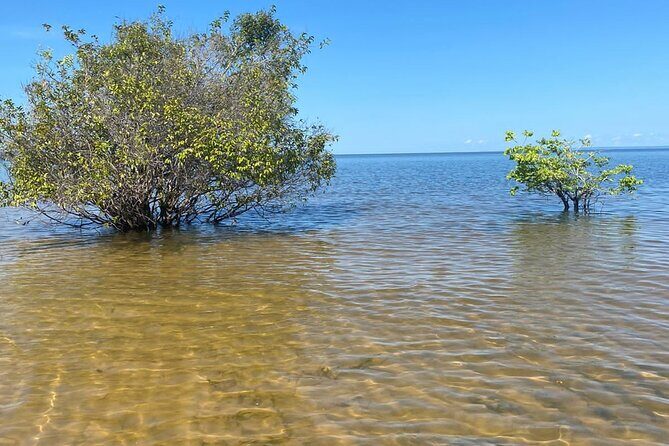
- Tapajós river days that change with water levels, so it’s never the exact same scenery twice
- Community stops in Maguari and Jamaraquá, with meals and workshops led by local hosts
- Physical time + beach time, including the trail to Vovó Samaúma and relaxed afternoons at the river
- Carimbó by practice, not just watching, from a workshop to an evening performance
- Rubber and medicinal herbs lessons, tied to what people still know and use
Tapajós River beauty that doesn’t feel like a theme park
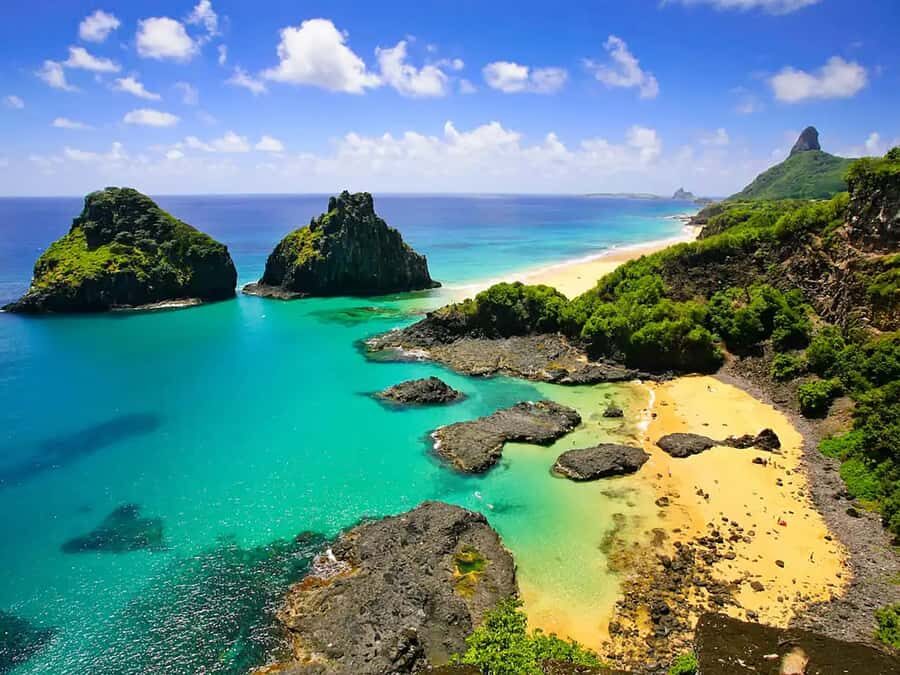
The Tapajós River has a way of making you pause. The program takes you out on the water early, then brings you back for beach time at Alter do Chão, which is famous for its freshwater sands. It’s a different kind of Amazon experience than the one-note “forest only” trips.
What I like is how the schedule uses time wisely. You’re not stuck indoors or constantly in transit. You sail, watch the light shift over the river, then end days with beach sunsets at Maguari and Alter do Chão. That rhythm matters because the Amazon is a place you feel with your whole day—not just with a camera.
And the “river level” point is real. Since the Tapajós changes by season, your boat ride isn’t guaranteed to follow one fixed picture-perfect route. In practice, that means you get small surprises, not the same postcard every time.
You can also read our reviews of more tours and experiences in Santarem.
Value and fit: what $1,095.72 really buys you
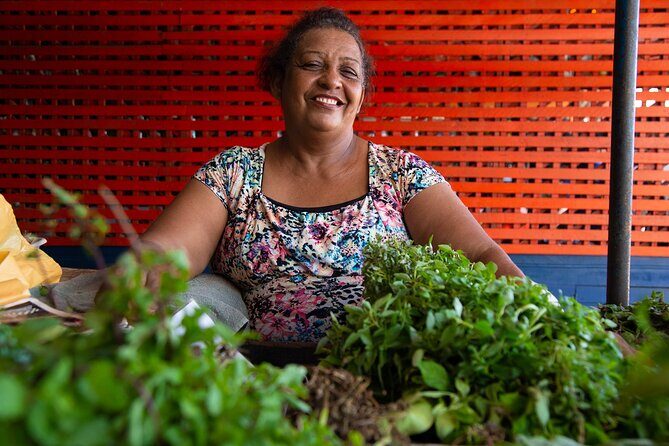
At $1,095.72 per person for 8 days, this is not a budget “grab a cheap flight and wing it” type of trip. But it’s also not priced like a luxury resort getaway, either. You’re paying for logistics and for a specific kind of access: staying in community areas and doing guided walks and workshops.
Here’s what you get that adds real value:
- Travel insurance for the whole itinerary
- Meals: 7 breakfasts, 6 lunches, 6 dinners
- Activities and local entry as noted across the days
- A private tour/activity, meaning your group doesn’t mix into someone else’s day
The biggest “value” feature is what those inclusions enable. With breakfast, lunch, and dinner covered, you can focus on the experiences without constantly making decisions. And with insurance included, you’re not left handling that piece solo.
Who this suits best:
- You want a more human Amazon visit, with time in riverside communities (Maguari and Jamaraquá)
- You enjoy hands-on cultural moments like the Carimbó workshop and the crafts session
- You’re okay trading a few comforts for genuine access—boat days, trail walks, beach evenings
Who might hesitate:
- If long walks and outdoor hours drain you fast, you’ll want to think carefully. Several days include multi-hour trails.
Day 1 at Ocazum Pousada: arrive, reset, and get grounded
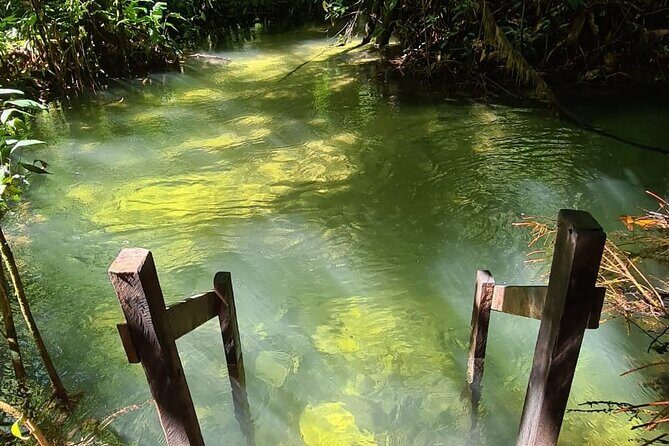
The trip starts at Ocazum Pousada, close enough that you’re only in a taxi for a short ride from Santarém Airport. Check-in is available after 2pm, and your arrival is timed for midday, so you have a half-day to settle in.
Day 1 is intentionally light. You can explore the natural beauty and local cuisine at your own pace. This matters in the Amazon, where you don’t want your first day to be a forced rush. I’d treat this as a day to get comfortable with the setting: sounds, heat, and the slower tempo that comes with river life.
Practical note: drinks aren’t listed as included. So if you’re the type who likes a cold drink with dinner, keep that in mind when you plan spending.
Day 2: sailing toward Alter do Chão, then beach sunset time
After breakfast, you set sail on the Tapajós. The program highlights that the views and routes change with the time of year and river level, which is exactly how nature works here. This keeps the experience from feeling scripted.
Alter do Chão is your main stop on Day 2. You return in time to watch the sunset at the beach, then dinner and the evening are yours. That open block is a gift. You’re not being marched from one point to another. You can wander, grab your own pace, and feel the atmosphere of the area.
One small strategy: treat the sunset as the anchor moment. If you build your own evening around that, you’ll feel like you got something special even if you don’t plan every minute.
Day 3: from Alter do Chão to Tapajós National Forest, landing in Maguari
Day 3 shifts from Alter do Chão to the river-and-forest side. You check out after breakfast, then sail along the paradisiacal beaches of the Tapajós. Lunch is included, and the program keeps the energy moving without turning the day into a sprint.
The real transition happens when you land in Maguari, inside the Tapajós National Forest. That location is a big part of the trip’s personality. Instead of only “visiting” nature, you’re living near it for multiple nights, which changes how the days feel.
At night, the trip adds a memorable food moment: a special dinner with piracaia on the beach. This is the kind of detail that makes a trip stick in your head. It’s not a vague cultural dinner; it’s tied to the river and the setting.
Day 4: the Vovó Samaúma trail and a home lunch at Dona Maria’s
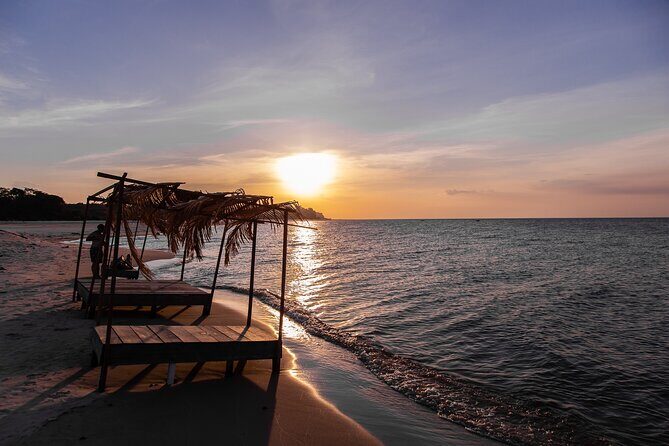
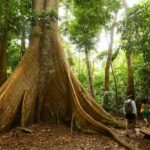
In the morning, you head out for a trail walk to the Vovó Samaúma, described as a millenary tree. A walk like this does more than check a box. It gives you a sense of scale—the Amazon isn’t a backdrop; it’s a living timeline.
After the walk, lunch is at Dona Maria’s house. That’s one of the program’s strengths: you’re not just learning about culture; you’re eating with the people who live it. Meals become part of the exchange.
Then you end the day with a sunset at Maguari beach before dinner. The pattern matters here. You’re not only “doing” the forest. You’re also resting in the same environment—letting the day shift from active to calm.
Day 5: Carimbó practice, crafts, and real beach downtime in Maguari
Day 5 has two modes: activity and freedom.
You start with a morning off to enjoy Maguari village’s beaches. That open time is smart. After trail time, you need a reset. Plus, the Tapajós is the point—if you don’t give yourself time to enjoy it, you miss the emotional payoff.
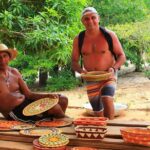
After lunch, there’s a handcrafts workshop, followed by a chance to learn Carimbó dance. This is where the trip earns its credibility. Carimbó isn’t treated as a show you watch from a distance. You practice it, which turns culture into something you participate in.
In the evening, after dinner, there’s a Carimbó performance. So you get both sides: learn the basics and then see how it looks in full form. It’s one of those schedules that makes the cultural connection feel stronger.
Day 6: rubber trees, rubber making, and medicinal herbs with Jamaraquá hosts
Day 6 walks you into Jamaraquá. You begin with a trip to the neighboring community and learn about rubber trees and the rubber making process. This is “traditional knowledge” in a practical sense: what people harvested, how they processed it, and why it mattered.
Then you return for a homemade lunch at D. Maria do Socorro. After lunch comes a medicinal herbs workshop. That’s another valuable angle. Instead of only cultural rituals, you get knowledge related to daily life and local wellbeing.
The day finishes with late afternoon beach time back in Maguari. I like this pacing because it prevents the cultural lessons from turning into a lecture marathon. You learn, you eat, you walk—then you relax.
Day 7: Igarapés in Jamaraquá and a slow farewell to the river communities
Day 7 is both a repeat and a change.
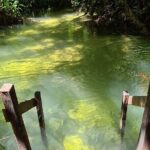
You go back to Jamaraquá for a special walk that includes streams called igarapés. This is one of the most “Amazon-real” experiences available in a program like this: smaller waterways, quieter nature, and a pace that lets you notice details.
The rest of the day is leisure back in Maguari, with time to walk around, enjoy, and say goodbye to the communities. This matters more than people expect. A good expedition doesn’t treat community relationships like a one-night stop. The farewell time gives your brain a chance to process what you felt and learned.
If you’re the type who collects moments, build one small ritual: take a slow walk at your own pace on Day 7 and don’t fill every second with tasks. You’ll remember the quiet more than any photo.
Day 8: a quick handicraft shop and the trip back to Santarém
On the final day, you have breakfast, then a quick visit to the handicraft shop before leaving Santarém in an exclusive van at 10am for the airport. It’s compact and efficient.
This timing connects to a key traveler tip: your arrival is midday and check-in is after 2pm, so you should book your return flight for departure from 2pm. It’s not just schedule trivia. It keeps you from stressing about delays and getting stuck with a too-tight connection.
What community-based tourism feels like here—and how to be respectful
This trip is explicitly community-based, and that shows in what you do: you sleep in community areas, eat with local hosts, and join workshops that reflect daily life and knowledge systems. That’s the difference between watching culture and being in contact with it.
It’s also not presented as charity. The program’s goal is to support traditional people and impulse community economies, while operating in territories focused on preserving biodiversity. In practical terms, that means your spending has a clearer path than a generic “tour bus” model.
How you can make the relationship better:
- Treat meals and workshops as shared time, not entertainment
- Ask questions when you’re invited to, and accept when answers are simple
- Keep your energy steady. Multi-hour walks and outdoor time are part of the rhythm here
Practical planning notes before you go
A few details from the structure of the trip can help you prepare:
- You’ll move by boat and on foot. Expect days with several hours of walking and trail time, plus river sailing.
- Beach time is a feature, not a bonus. You’ll spend time at beaches in Alter do Chão and Maguari, including sunset moments.
- Some evenings are at leisure. Day 2 explicitly includes leisure time after dinner, so plan for flexibility.
- Drinks aren’t included. Build a small budget for water and soft drinks, since meals are covered but drinks are not.
- Arrivals and departures are time-sensitive. The day 8 van departure at 10am and flight guidance (return after 2pm) are your real anchors.
Should you book this Tapajós expedition?
Book it if you want a Tapajós trip that spends real time with people and not only with trees and water. The mix of Carimbó practice, visits to Maguari and Jamaraquá, and hands-on learning about rubber making and medicinal herbs is exactly what makes this feel like more than a checklist.
Skip it or rethink it if you need a very low-activity pace. There are trail days that take up big chunks of time, and you’ll be outdoors a lot. Also, since the river route varies with water level, you’re choosing experience over strict predictability.
If you want a “once-in-a-while” Amazon trip that feels grounded in community life, this one is a strong match. If you’re chasing pure comfort, choose a different style.
FAQ
What is the duration and start/end of the Tapajós expedition?
It runs for 8 days (about 7 nights). It starts at Ocazum Pousada near Alter do Chão, and it ends at Santarém International Airport – Maestro Wilson Fonseca.
How much does the trip cost?
The price is $1,095.72 per person.
What’s included in the price?
The tour includes travel insurance for the whole itinerary, plus breakfast (7), lunch (6), and dinner (6). Admission tickets are also listed as included or free on specific days.
Are drinks included?
No. Drinks are not included.
When should I book my return flight?
Arrival is scheduled for midday, and check-in is after 2pm. For the return flight, you should book departure from 2pm, since the group leaves for the airport at 10am on the last day.
Is this a private tour?
Yes. It’s described as a private tour/activity, meaning only your group participates.
Can I get a refund if I cancel?
Yes. You can cancel up to 6 days in advance for a full refund. Canceling 2–6 days before gives a 50% refund. If you cancel less than 2 days before, there is no refund.