REVIEW · SANTAREM
Alter do Chão FLONA Jamaraquá Tour
Book on Viator →Operated by Alter do Chão - Selvagem Tours · Bookable on Viator
Jamaraquá feels like a portal into the Amazon. On this FLONA Jamaraquá tour from Alter do Chão, you ride the Tapajós River to beaches, lakes, and the Jamaraquá community—then you get a guided nature walk that can take you up to the giant Samaúma tree. It’s an easy day on paper, but it feels like you’re stepping into a real rainforest rhythm instead of just snapping photos and leaving.
What I like most is the mix of water time and on-the-ground time. You get photo-worthy beach breaks at spots like Cajutuba/Aramanai and Maguari, plus a community stop where you can learn about the rubber era and buy local crafts made from rubber. The second big win for me is the way the crew keeps things comfortable and social, whether you’re on a small fast boat or a larger wooden ship with a bar.
One possible drawback: the main forest walk is not a stroll. The famous Jamaraquá Trail is 9.1 km for about 3–4 hours, and your pace (plus how the group moves) can affect timing on the way back. If you’re not into a longer hike, there’s also a shorter 3 km forest trail option.
In This Review
- Key highlights you should know before you go
- Entering FLONA Jamaraquá from Alter do Chão: what the day really feels like
- The boats and crew: comfort, safety, and how the trip stays easy
- The morning run south on the Tapajós: lakes, beaches, and Tapajós water clarity
- Cajutuba, Aramanai, Santo Domingo coves, and Maguari dunes: where the photos happen
- Jamaraquá community time: fruit picnic, crafts, and a human connection to the forest
- The Jamaraquá Trail to the Samaúma tree: what to expect and who it suits
- Native lunch and sunset canoe: the day’s payoff
- Overnight 2-day option: campfires, piracaia, and sleeping near the river
- Price and value: why $98 can feel fair in this part of the Amazon
- Who should book this FLONA Jamaraquá tour, and who should reconsider
- Should you book Selvagem Tours FLONA Jamaraquá from Alter do Chão?
- FAQ
- How long is the FLONA Jamaraquá tour?
- Where does the tour start?
- What time does the tour run?
- What’s included in the price?
- Is lunch included?
- Can I camp overnight?
- How long is the Jamaraquá Trail?
- What languages are available?
Key highlights you should know before you go
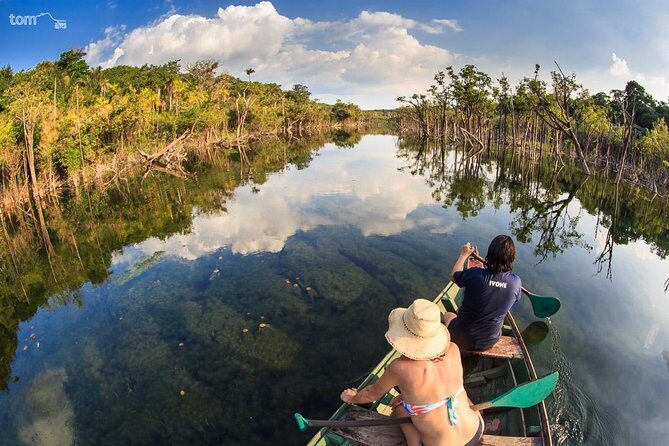
- Tapajós River route with scenic lake-and-beach stops like Jacundá Lake, Mureta Lake, and the Jurucuri area
- Rubber-era history at Pindobal beach, including remains from that important period
- Fruit-and-beach “wild picnic” in Jamaraquá (with watermelon, pineapple, banana, passion fruit, orange, apple, and coconut)
- Guided Jamaraquá Trail to the Samaúma tree (9.1 km, about 3–4 hours) with local guides
- Sunset finish on the stream by canoe, with calm water and big sky time
- Overnight 2-day option with camping by campfire, piracaia fish roasted in the wild, and starry nights
Entering FLONA Jamaraquá from Alter do Chão: what the day really feels like
Alter do Chão is one of those places where the “Amazon” isn’t a vague postcard idea. Here, the rainforest connects directly to beaches, river curves, and daily life around the water. This tour leans hard into that reality by using boat travel as the backbone of the experience. Instead of rushing from stop to stop by land, you watch the river corridor change as you go.
The FLONA Jamaraquá piece matters because it puts you in the Tapajós National Forest zone where you can see how people and ecosystems overlap. You’re not only walking; you’re also learning, with an emphasis on local context and how the landscape supports life—fauna, flora, and the human history tied to rubber.
You’ll also get multiple “texture changes” in one day: bright beach water, shaded forest trail, and then the quieter stream canoe at sunset. It’s a good reminder that this region isn’t just one kind of scenery.
You can also read our reviews of more tours and experiences in Santarem.
The boats and crew: comfort, safety, and how the trip stays easy
Selvagem Tours runs the experience out of Alter do Chão (from the CAT tourist information center on the beach). You may board either a fast boat (up to 11 passengers) or a larger wooden boat that can host up to 70.
That difference is important for your comfort. On the fast boats, you tend to get a more personal feel: smaller group size, leather seats, safety equipment, and sum covers for shade. The tour also includes live commentary on board the fast boat, which helps the scenery stay meaningful instead of just pretty.
On the larger wooden ships, the vibe shifts toward “stay comfortable for hours.” There are lounge spaces, ambient areas, and executive suites. You also get extras like a full bar (on the larger ships), plus equipment such as a kayak and stand-up board, depending on the ship setup. If you like having the option to hang out on board, that’s a real advantage on a long river day.
Across both styles, the crew is part of what you’re paying for: punctuality, organization, and helpful service come up again and again in the company’s own track record. One guest experience that stuck with me is how smoothly the crew handled a small group with mixed languages by keeping the day moving and still making sure everyone felt included.
The morning run south on the Tapajós: lakes, beaches, and Tapajós water clarity
Your day starts with a southbound journey along the river. The route is built for variety, not speed.
You pass Jacundá Lake, then Mureta Lake and a beach stop where you can take pictures and enjoy the river’s clear water. These early stops can be a gentle warm-up. You’re not yet doing the long trek, so it’s a chance to settle in, stretch legs on sand, and get your bearings.
Then comes Jurucuri Lake and historic Pindobal beach. This isn’t just another photo stop. You’ll learn about the rubber history of the Amazon and see remnants tied to that era. For many people, this is where the tour becomes more than a fun day outdoors. Rubber shaped economies and migration across the Amazon, and the physical traces you’ll see at Pindobal help make that history feel tangible.
Practical note: because water levels can change naturally, the operator notes that attractions and specific locations can be adjusted while still maintaining tour quality. In real river-country travel, flexibility is not a bug; it’s how the day stays possible.
Cajutuba, Aramanai, Santo Domingo coves, and Maguari dunes: where the photos happen
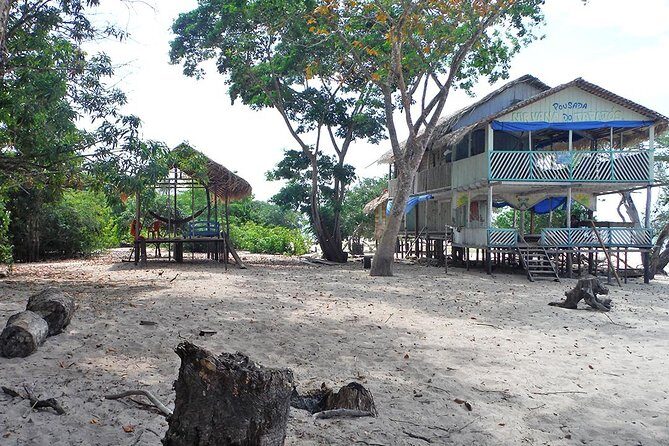
After the Pindobal area, the itinerary shifts to classic beach-and-photo territory: Cajutuba with a first stop at beaches of Cajutuba/Aramanai. This is your chance to swim and reset your energy.
Then you continue toward Santo Domingo coves and the beautiful dunes of Maguari, with a second stop designed for photos. The dunes are the kind of setting that makes you feel like you’re seeing something rare in a very specific way—sand, river air, and rainforest behind it. Even if you don’t care about Instagram, you’ll likely care about the calm, clear water and the way the light hits the sand.
The key thing here is pacing. These beach stops are built to give you a breather before the Jamaraquá-focused portion of the day. If you’ve ever been on a tour where you feel rushed through everything, this approach is a better match for how the environment works.
Jamaraquá community time: fruit picnic, crafts, and a human connection to the forest
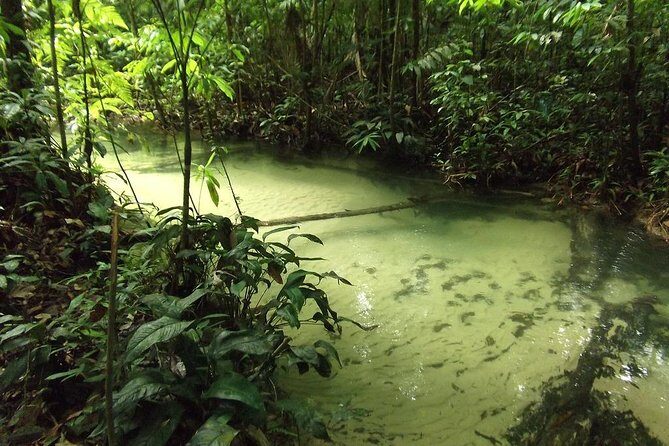
Eventually the tour reaches FLONA Jamaraquá, and the experience becomes more intimate. You head to the Jamaraquá stream area with crystal-clear water and lots of fish—exactly the kind of setting where you feel the forest is alive, not just “out there somewhere.”
A delicious picnic follows, built around fresh local fruits: watermelon, pineapple, banana, passion fruit, orange, apple, and coconut. Even if you’re not a “food tour” person, this matters because it ties the day to what’s locally available. You’re not being fed generic snacks that could be anywhere.
Next you walk to a local craft store where you can buy rubber artifacts produced by natives at very affordable prices. This is worth your attention for two reasons:
1) you’re supporting the community directly, and
2) it links back to the rubber-era context you learned earlier at Pindobal.
That through-line—history at Pindobal, rubber crafts later—makes the day feel smarter. You’re not collecting random stops; you’re collecting connected understanding.
The Jamaraquá Trail to the Samaúma tree: what to expect and who it suits
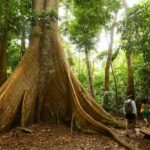
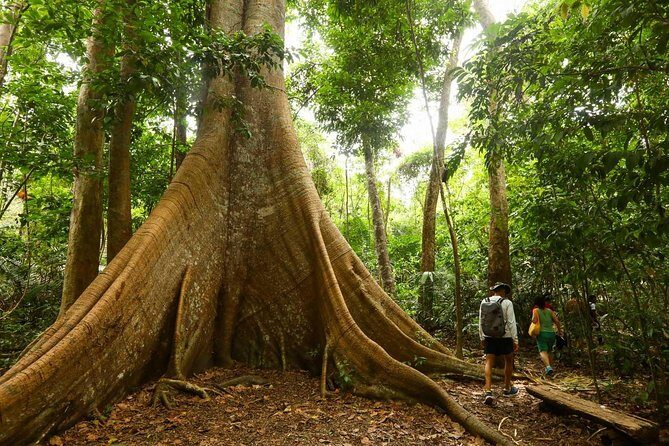
This is the headline activity. The famous Jamaraquá Trail runs 9.1 km for about 3–4 hours with local guides, visiting the immense Samaúma tree.
If you’re the type who likes nature walks with a story, this is the kind of trek that rewards you. The guides help you observe fauna and flora of the region, and the route includes a Tapajós River viewpoint that can turn into an education moment—how the forest and river work together.
But be honest with your fitness and expectations. 9.1 km through forest terrain is not “light hiking.” It also comes with an important timing reality: your group’s pace affects how late you return to Alter do Chão. One traveler’s experience highlighted that when the longer walk runs long, it can delay the overall return and feel exhausting. That doesn’t mean the trail is bad; it means you should choose the length that fits your body and your day.
If you want a more relaxed option, there’s also a 3 km trail through the forest (about 1.5 hours). For some people, that’s the best way to balance rainforest time without feeling wiped out.
Native lunch and sunset canoe: the day’s payoff
After the active portion of the day, you’ll enjoy native cuisine in Jamaraquá. The program describes a true “do you remember your grandmother’s food” style meal, with fish, wild chicken, and other local delicacies.
One caution for planning: the materials list both native lunch as part of the experience and also mark lunch as not included in the standard inclusions list. That means you should confirm what’s covered in your exact booking. Don’t stress it, just verify so you’re not surprised.
After you eat, the tour shifts into the most relaxing mood of the day: sunset on a serene canoe trip in the stream. This is where the pace slows, you float through water surrounded by forest, and the whole experience becomes about quiet and light instead of action and effort.
Then you return to Alter do Chão by sailing under a starry sky. That night-sky finish is not a small detail. In a place where you spend the whole day in nature, it helps the day land gently instead of ending abruptly.
Overnight 2-day option: campfires, piracaia, and sleeping near the river
If you want more than one day of rainforest rhythm, the 2-day version adds camping and extra night experiences. The tour option includes campfire time and a soundtrack of nocturnal animals, with a couple of possible settings:
- camping in the forest, with campfire
- camping on the beach, with campfire and a piracaia meal (fish roasted in the wild), plus starry sky time
- sleeping on a boat, or staying in a straw house called Nirvana do Tapajos
The next day includes a return to Alter do Chão after a delicious native lunch and a visit to Pindobal beach again.
For value, this is where your money starts feeling more like “experience” and less like “transport.” Two days gives you breathing room. You’re less likely to feel like you’re doing everything on fast-forward, and night in the forest (or on the beach) is a different world than daytime sightseeing.
Price and value: why $98 can feel fair in this part of the Amazon
At $98.01 per person, this tour is priced like a serious day out, not a budget sightseeing shuffle. The value mostly comes from logistics and what’s included:
- boat transport along the river corridor
- beverages such as water, ice, beer, and sodas
- light refreshments
- live commentary on fast boats
- a wild fruit picnic on a desert beach setting
- sunset time in a desert beach context
- guided trail components with local guides
Even with lunch listed as not included on the basic inclusions line, the overall experience still stacks up because you’re paying for multi-stop river travel plus guided nature time. In a region like this, getting from one meaningful spot to another takes real time and real boat power.
Also, the tour has an overall rating of 4.8 with 98% recommended, which you can treat as a quick reliability signal. In plain terms: the operation seems to hold up.
Who should book this FLONA Jamaraquá tour, and who should reconsider
Book it if you want a day in the Amazon that mixes nature with human context. The route through lakes and beaches plus the rubber-era learning at Pindobal plus the Jamaraquá Trail to the Samaúma tree is a solid “meaningful day” recipe.
You should also book it if you like comfortable boat travel and clear pacing. The company’s operating style emphasizes punctual starts, well-allocated time, and a crew that handles the day without chaos.
Reconsider if long walking is a deal-breaker. If the 9.1 km trail sounds like too much, pick the shorter 3 km option (when offered in your group setup). Also, if you’re the type who hates timing uncertainty, remember the tour notes that water-level changes can adjust stops and localities.
Should you book Selvagem Tours FLONA Jamaraquá from Alter do Chão?
Yes, if you’re aiming for a genuinely practical Amazon ecotour: boat access to multiple beach-and-forest settings, a guided trek to the Samaúma tree, and a stream canoe sunset that actually feels like a reward. For $98, you’re buying the whole package of transport plus guiding plus a structured day.
I’d especially lean toward booking if you want both sides of the region: history and ecology. The rubber-era stop at Pindobal and the rubber crafts later in Jamaraquá give the day a through-line that’s more satisfying than a list of random attractions.
One last piece of advice: decide your trail length mindset before you go. If you want the full Jamaraquá Trail, go in ready for real hiking time. If you want rainforest time without the long push, choose the shorter walk and let the canoe sunset and community portion carry the day.
FAQ
How long is the FLONA Jamaraquá tour?
The experience is listed as about 1 to 8 hours, depending on the option and how much time you spend on activities. There’s also an overnight option that runs as a 1 or 2-day format.
Where does the tour start?
The meeting point is at the CAT tourist information center of Alter do Chão on the beach in Alter do Chão, Santarém area.
What time does the tour run?
The materials list a departure time of 10:00 and a return time of 19:00. Another listed start time at the meeting point is 9:00 am, so plan to arrive early.
What’s included in the price?
Included items are beverages (water, ice, beer, sodas), light refreshments, live commentary on the fast boat, a wild picnic on a desert beach, and sunset on a desert beach.
Is lunch included?
The native lunch is described as part of the Jamaraquá experience, but the inclusions list says lunch is not included. Confirm what’s covered for your exact booking.
Can I camp overnight?
Yes. There is an unforgettable 2-day option with camping in the forest or on the beach, campfires, and piracaia fish roasted in the wild. There are also options to sleep on a boat or in the straw house Nirvana do Tapajos.
How long is the Jamaraquá Trail?
The Jamaraquá Trail is 9.1 km and takes about 3–4 hours. There is also a shorter 3 km forest trail option of about 1.5 hours.
What languages are available?
The tour is available in Portuguese, English, Russian, and Spanish.