REVIEW · SALVADOR BRAZIL
Afro-Brazilian Roots Private City Tour in Salvador
Book on GetYourGuide →Operated by Your Tour Brazil · Bookable on GetYourGuide
Afro-Brazilian faith shows up everywhere in Salvador. I love how this tour connects the spiritual side of Bahia to everyday street life, from the Yemayá altar by the water to a Candomblé house where you can ask questions. I also love the food payoff, especially the acarajé tasting and a relaxed lunch later with ocean views. One drawback to plan for: this is outside the typical tourist loop, and photography isn’t allowed in some favela communities.
This isn’t just a “look and move on” sightseeing day. It’s built around people, traditions, and taste. If you want your Salvador visit to have context, not just color, you’ll likely feel the difference right away.
Bring comfortable shoes and a respectful mindset. You’ll spend time on your feet, you’ll walk through local neighborhoods, and you’ll need to follow the guide’s rules about where photos are okay and where they aren’t.
In This Review
- Key points to know before you go
- Salvador’s Afro-Brazilian Roots: Why this tour feels different
- Pickup, private car comfort, and a day that runs on time
- Rio Vermelho and the Yemayá altar by the water
- Dique do Tororó: monuments, mystery, and sharp photo angles
- São Joaquim Fair: food smells, local produce, and everyday heritage
- Acarajé tasting and why Bahian food is more than fuel
- Candomblé temple visit in the Ewe Fon tradition
- Seaside favela lunch with panoramic views (and strict photo rules)
- Price and value: what you get for $150 per person
- Who this tour suits best (and who should skip it)
- Should you book Afro-Brazilian Roots in Salvador?
- FAQ
- How long is the Afro-Brazilian Roots Private City Tour in Salvador?
- What does the tour cost?
- Is pickup included?
- What’s included in the price?
- Are drinks included with lunch?
- What languages are available for the guide?
- Is this a private group?
- Are there any photography restrictions?
- Do I need comfortable shoes?
- Is the tour wheelchair accessible?
Key points to know before you go
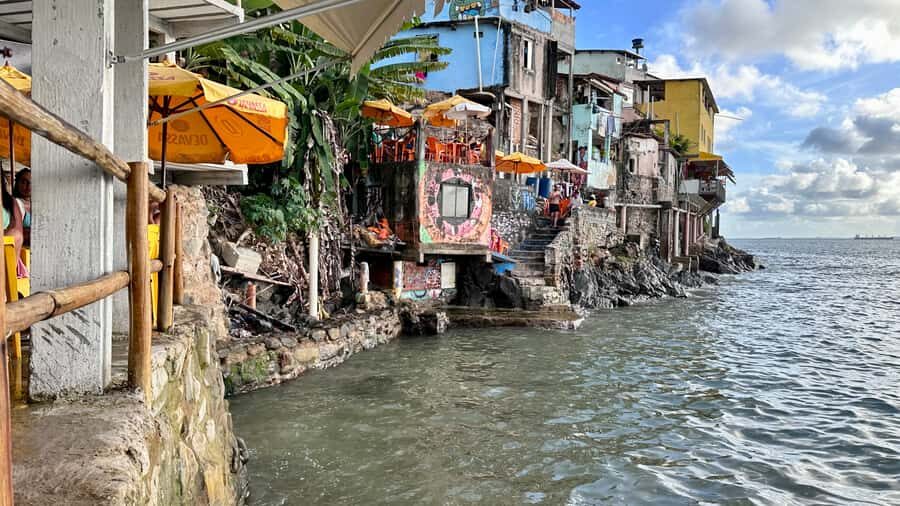
- Yemayá at Rio Vermelho: an altar kept alive by fishermen, right by the waterfront
- Dique do Tororó photo stops: African monuments in a place with real atmosphere and history
- São Joaquim Fair flavors: market browsing that turns into actual tasting and sensory learning
- Candomblé in the Ewe Fon tradition: a visit that treats beliefs with seriousness and room for questions
- Seaside favela lunch: ocean panorama plus free time, with strict photography boundaries
Salvador’s Afro-Brazilian Roots: Why this tour feels different
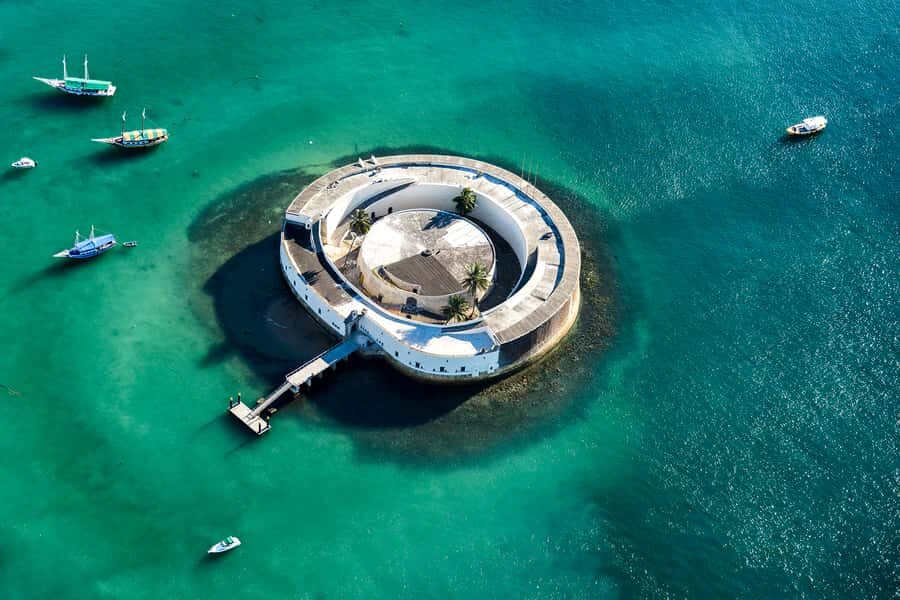
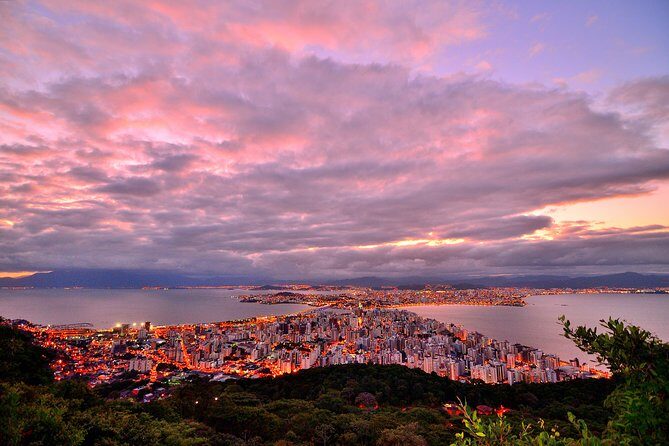
Salvador can look like a postcard at first glance. Bright colors, music in the air, and that Caribbean-sun energy. But this experience pushes past the surface fast. You’ll be tracing how Afro-Brazilian faith, ancestry, and community traditions shaped the city over time, and how they still guide daily life today.
A big reason I think this route works is the teaching style. Guides running this tour in the real world often bring heavy context. In past tours, I’ve seen people mention guides like Wilson (described as a PhD historian), Vagner, Ronaldo, Mônia, Leandro, and Fernando. That matters, because you’re not just getting facts dumped on you. You’re getting explanations that connect places to beliefs, and beliefs to real behavior, food, and community identity.
Also, this is a private format. That’s not a tiny detail. It means your pace can match your curiosity. If you care about how faith traditions developed, or you want more depth on African heritage, you can ask and get answers in real time.
You can also read our reviews of more city tours in Salvador Brazil

Pickup, private car comfort, and a day that runs on time
The day starts with pickup in Salvador. You meet your guide at your hotel lobby and wait about 10 minutes before pickup. It’s a small instruction, but it prevents that classic travel stress moment of wondering if the driver is outside right now.
You’ll travel in a private car. Even for a six-hour day, that keeps things easier than bouncing between multiple taxis or crowding into public transit. One review mentioned the private car as especially comfortable, and that aligns with the overall design here: this tour wants you focused on the stops, not logistics.
Time-wise, you’re looking at short guided periods with photo moments scattered in. That matters if you like movement, but don’t want a nonstop hike. You’ll have enough structure to know what you’re seeing, and enough gaps to slow down and take in the neighborhood rhythm.
One extra practical detail: there’s a separate entrance to help you skip the line where that applies. You may still have some waiting at places, but it reduces the chance you’ll lose time to queues.
Rio Vermelho and the Yemayá altar by the water
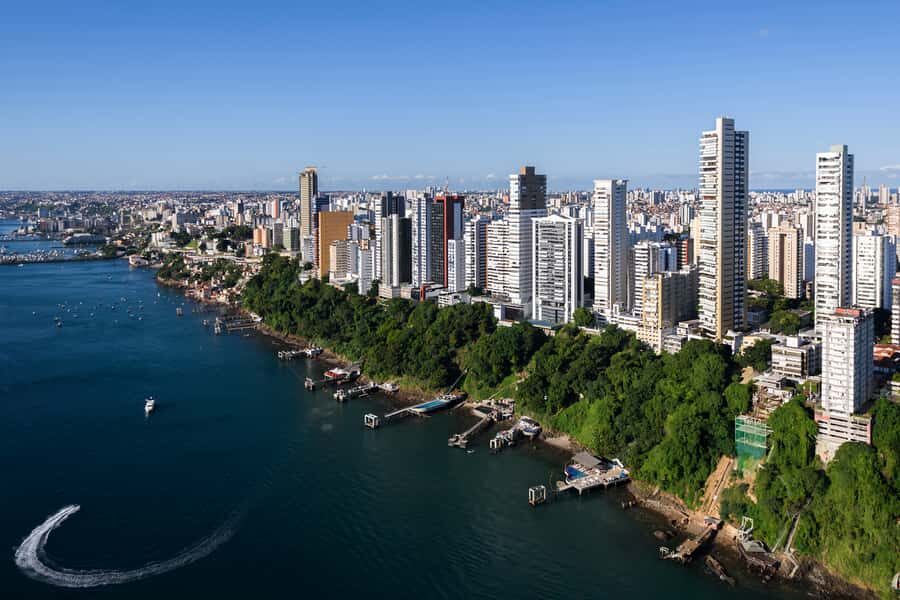
The morning begins at Rio Vermelho, a waterfront area where the city’s spiritual life is visible in a very direct way. Your first big moment is the sacred altar of the African deity Yemayá, maintained by local fishermen.
This stop is one of those “don’t treat it like a photo prop” locations. You’re seeing a working spiritual practice tied to the sea. The guide’s job here is to explain what you’re looking at, why it matters, and how it fits into Afro-Brazilian culture in Bahia.
If you’re the type who wants to understand the meaning behind what you’re seeing, you’ll probably enjoy this part most. You’ll be given context, and you’ll likely come away with a clearer sense of why the ocean is not just scenery in this city.
Practical tip: wear shoes that can handle uneven sidewalks. This is not the kind of place where you can assume perfectly flat ground.
Dique do Tororó: monuments, mystery, and sharp photo angles
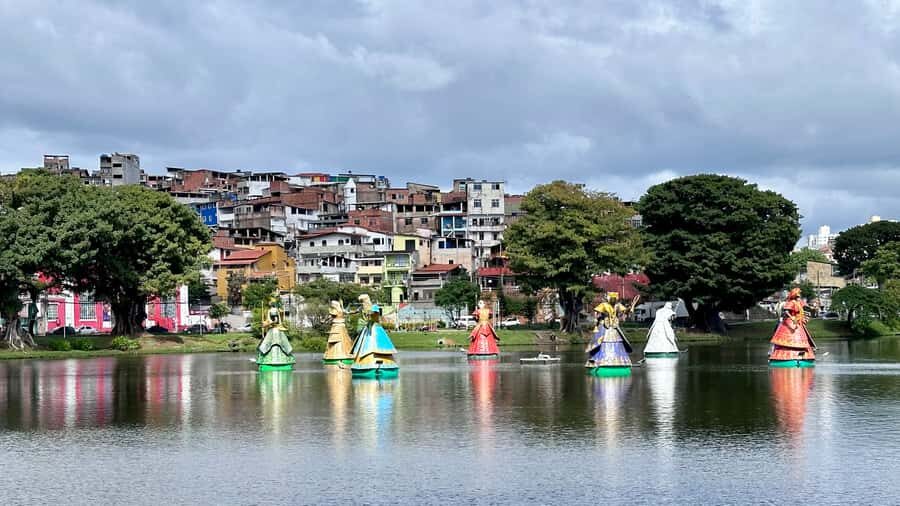
Next comes Dique do Tororó, another stop built around photos and explanation. The area is known for imposing African monuments, and your guide will help you read the symbolism instead of just snapping pictures.
Even if you think you know Salvador’s story, monuments like these often change the way you see the city. They feel like reminders: faith and heritage did not vanish. They were carried, adapted, protected, and made visible.
You’ll have time here for guided touring and a photo stop. The best photos tend to come when you slow down and frame monuments with the surrounding space. Your guide can often suggest where the angles feel most respectful and where the background makes sense.
São Joaquim Fair: food smells, local produce, and everyday heritage
After the monuments, you head toward São Joaquim Fair, described as Salvador’s intangible heritage. Translation: it’s not just a place to shop. It’s a living cultural routine.
This is where the day starts to taste more clearly. You’ll stroll through stores lined with exotic fruits, fresh vegetables, and typical dishes. The best way to experience a market like this is to let the guide point out what to notice, then let your senses do the rest.
This is also a smart pacing choice. Salvador’s spiritual stops can feel heavy in a good way. The fair gives your brain a breather while still keeping the cultural thread going. You’ll understand that food isn’t separate from belief systems here. It’s part of identity.
If you’re hungry (you will be), remind yourself: you’re not guessing. The tour includes food moments, so you don’t need to overbuy snacks just to fill time.


Acarajé tasting and why Bahian food is more than fuel
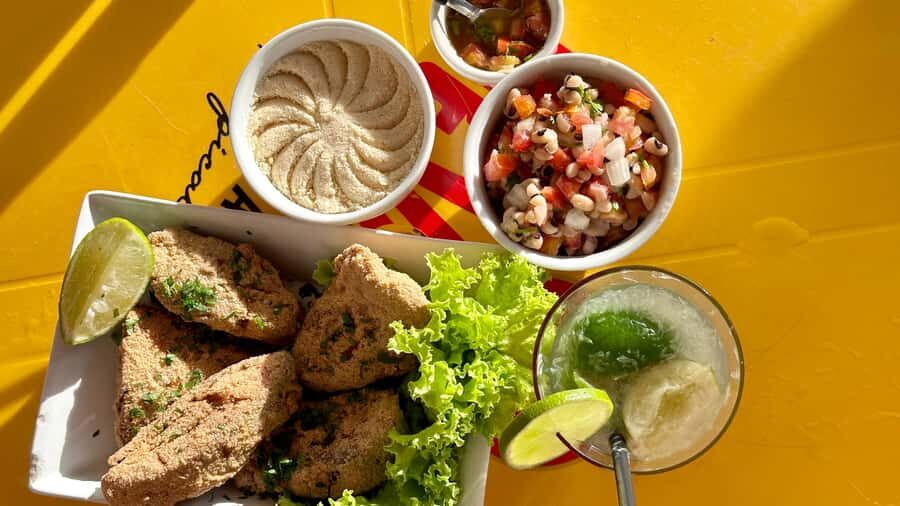
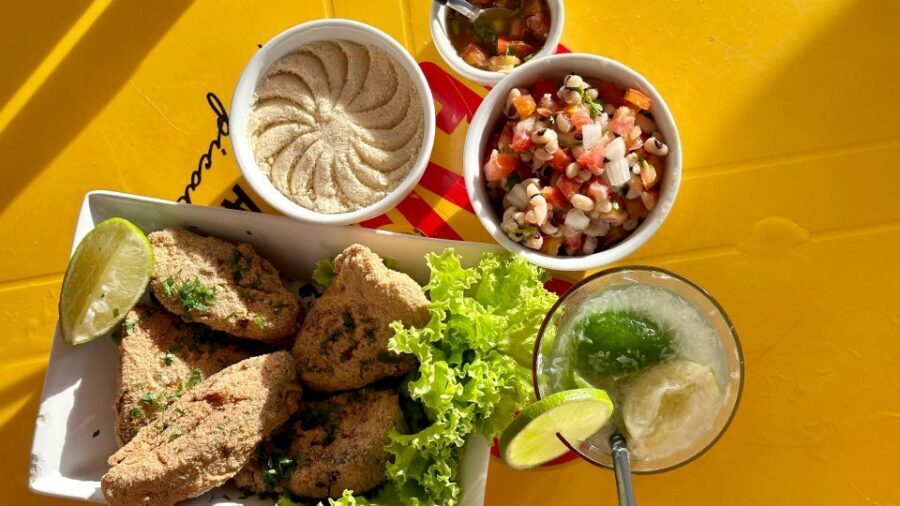
Midway through the market area, you’ll do an acarajé tasting. Acarajé is one of those dishes that shows up in Afro-Brazilian cultural conversations, and on this tour it’s treated like more than street food you grab quickly.
The guide’s explanations can help connect flavors to traditions and to the broader cultural roots you’ve been tracking all day. Even if you don’t go deep on the religious side, you’ll still likely enjoy this portion because it gives your day a “taste memory” you can recall later.
Then, later on, lunch rounds out the food experience. If you love eating on the road, you’ll appreciate that lunch isn’t an afterthought here. One review mentioned a sea-view lunch at the end of the day, and that matches the design: the tour closes with a calm setting so you can actually enjoy your meal.
Drinks aren’t included, so plan on paying for water or soft drinks separately. The good news: you won’t be forced to buy a full drink package to make lunch work.
Candomblé temple visit in the Ewe Fon tradition
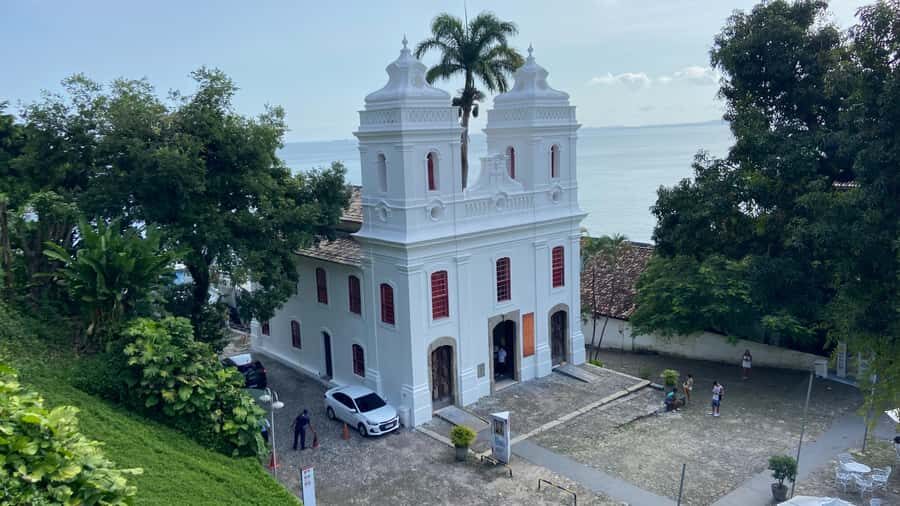
The heart of this experience is the visit to a Candomblé temple in the Ewe Fon tradition. This is not a performance meant for tourists. It’s a sacred space. Your guide should set expectations for how to behave, what you can ask, and how to be respectful.
What I like about tours that handle spiritual visits well is that they don’t pretend the temple is a museum. You’re there to learn, and learning means understanding rules. That includes volume, movement, and the tone of your questions.
In past experiences tied to this tour, people described conversations with house leaders and a deeper sense of how rituals stay alive in community life. You may also hear more about African heritage through the guide’s explanations. One reviewer mentioned their wife being Yoruba and enjoying discussion tied to Yoruba culture and traditions, which suggests some guides can make additional connections depending on your questions and your background.
If you want a day that’s more intellectual than playful, this fits. The point is meaning, not carnival energy.
Seaside favela lunch with panoramic views (and strict photo rules)
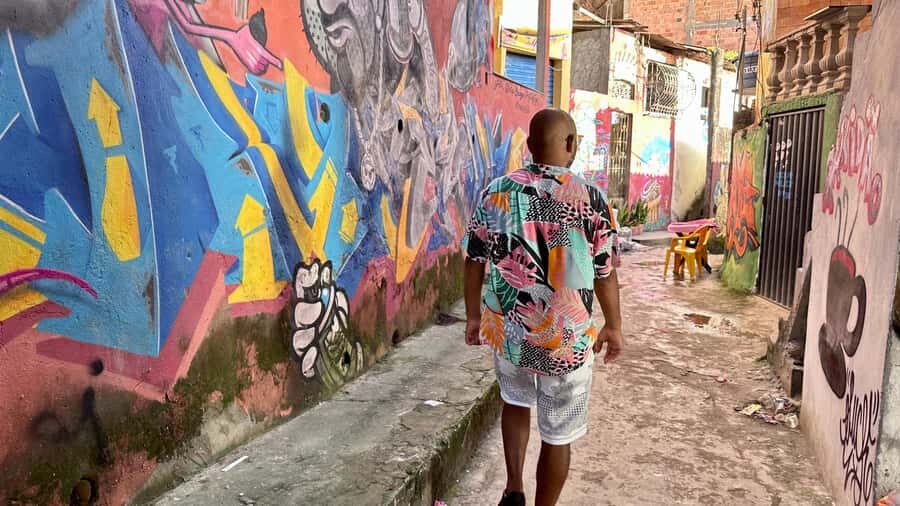
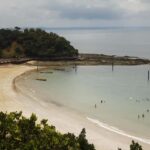
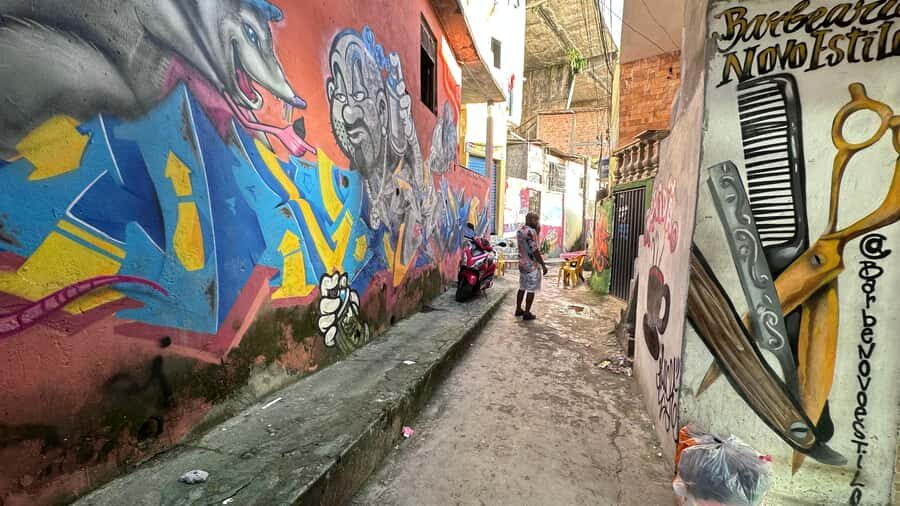
The tour ends at a seaside favela, with a lunch stop and about two hours of free time. The tone shifts here. You get a panoramic view of the shimmering sea, and the day becomes calmer and more personal.
This is also where you need to be extra careful. Photography isn’t authorized in some favela communities on this tour. That means you should assume your phone may need to stay down until your guide tells you otherwise. Follow their lead. It’s not just a rule. It’s respect for people who live there.
During the free time, you’re not forced into more structured walking. It’s a breather. Use it to eat slowly, take in the view, and recharge before heading back to your hotel.
Price and value: what you get for $150 per person
At $150 per person for a 6-hour private tour, the value comes from what’s bundled, not just the sites on the list.
You’re paying for:
- a live tour guide
- a private car
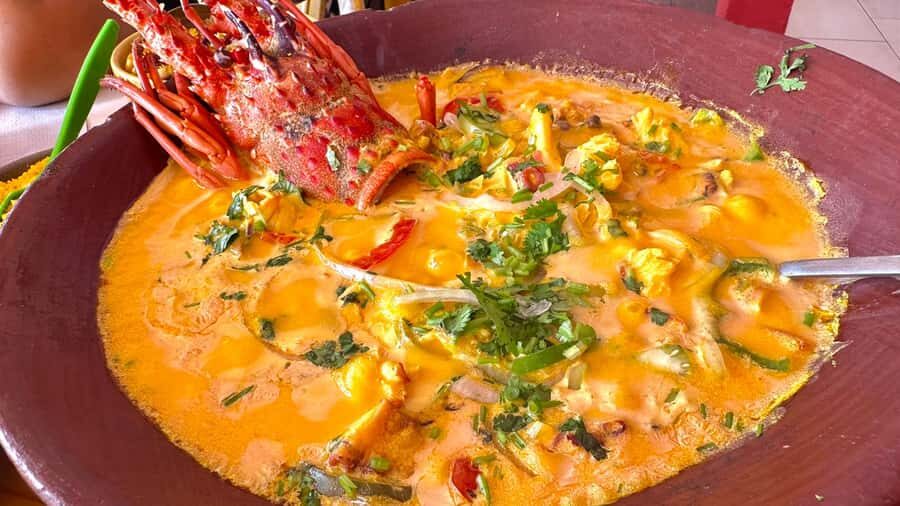
- lunch
- an acarajé tasting
- a donation included in the program
Those items matter because they reduce decision fatigue. You’re not arranging transport, hunting for a reliable lunch spot, or trying to coordinate food stops while staying on schedule.
The guide languages are also a value piece: the tour runs in Portuguese, Spanish, English, and French. That can make a big difference if you want accurate explanations, not just basic summaries.
What’s not included is simple: drinks. Plan for that and you won’t feel surprised.
My practical take: if you care about cultural context, spiritual traditions, and the everyday neighborhoods of Salvador, this price can feel fair. If you mainly want quick photos and short stops, you might find some of the learning-heavy moments less your style.
Who this tour suits best (and who should skip it)
This tour is a strong match if you:
- want Afro-Brazilian faith and heritage explained in plain terms
- like food experiences tied to culture, not random snacks
- prefer off-the-tourist-track neighborhoods
- enjoy asking questions and getting detailed answers
One note from the vibe: some people describe the experience as more of a thinking-and-understanding day. So if you want games, loud entertainment, and constant action, you may want to adjust expectations.
Also, it’s not suitable for wheelchair users, so if mobility is an issue, you’ll need a different plan.
Should you book Afro-Brazilian Roots in Salvador?
I’d book this tour if you want your Salvador trip to feel like you understand the city’s identity, not just its scenery. The combination of Yemayá, Candomblé, market tasting, and a sea-view lunch in a local community creates a day with meaning and payoff.
Do book it with the right mindset: respect the photography limits, wear comfortable shoes, and lean into the learning. If you’re excited by history, food, and faith as lived culture, you’ll likely come away with a stronger connection to Bahia.
If you want mostly postcard views and minimal walking, this won’t be the best fit. But if you’re here to learn Salvador’s deeper story, this is one of the better-structured options.
FAQ
How long is the Afro-Brazilian Roots Private City Tour in Salvador?
The tour lasts 6 hours.
What does the tour cost?
The price is $150 per person.
Is pickup included?
Yes. Pickup is included in Salvador. You should wait in the hotel lobby about 10 minutes before the scheduled pickup time.
What’s included in the price?
The tour includes a tour guide, lunch, acarajé tasting, a private car, and a donation.
Are drinks included with lunch?
No. Drinks are not included in general.
What languages are available for the guide?
The live guide is available in Portuguese, Spanish, English, and French.
Is this a private group?
Yes, it’s a private group.
Are there any photography restrictions?
Yes. The tour includes visits to favela communities where photography is not authorized.
Do I need comfortable shoes?
Yes. The tour guidance specifically says to use comfortable shoes since you’ll be walking during the day.
Is the tour wheelchair accessible?
No. It is not suitable for wheelchair users.