REVIEW · SALVADOR BRAZIL
Salvador de Bahia African Culture Tour
Book on GetYourGuide →Operated by Tour by Foot · Bookable on GetYourGuide
One street, then another story. This private walking tour in Salvador de Bahia connects African heritage to the city’s most important historic corners, from Terreiro de Jesus to Olodum. You’ll leave with a clearer sense of how African culture shaped religion, music, community, and even Carnival energy—without turning it into a textbook.
I especially like the way the guides bring local history and Brazilian history together, with real names and real context—people like Eduardo, Sayuri, and Aldison come up often for their depth and their friendly way of answering questions. I also love how the tour doesn’t dodge hard subjects; slavery and the black Brazilian experience are treated directly but respectfully.
One thing to keep in mind: it’s a short, walking-based visit, and one review flagged that the guide ended closer to two hours than the promised three. So, if you’re working with tight timing, it’s worth being clear on pacing with your guide.
In This Review
- Key things to know before you go
- Starting at the Cathedral: where your bearings matter
- Terreiro de Jesus: Jesuits, Portuguese rule, and African fingerprints
- Cross of São Francisco: a landmark with a liberation story
- Samba and capoeira on city streets: more than music trivia
- Escola do Olodum: Carnival culture with education behind it
- Afro-Brazilian Mass: a listed highlight to look out for
- How long it really takes, and what the pacing feels like
- The guides are the big differentiator
- Price and value: what you’re paying for (and what could feel off)
- Who this tour is best for
- Ending at the Cross of São Francisco: a satisfying finish point
- Should you book it?
- FAQ
- FAQ
- Where does the tour meet?
- How long is the Salvador de Bahia African Culture Tour?
- What languages are available for the live guide?
- Is this a private group tour?
- What are the main stops during the walk?
- Where does the tour end?
Key things to know before you go
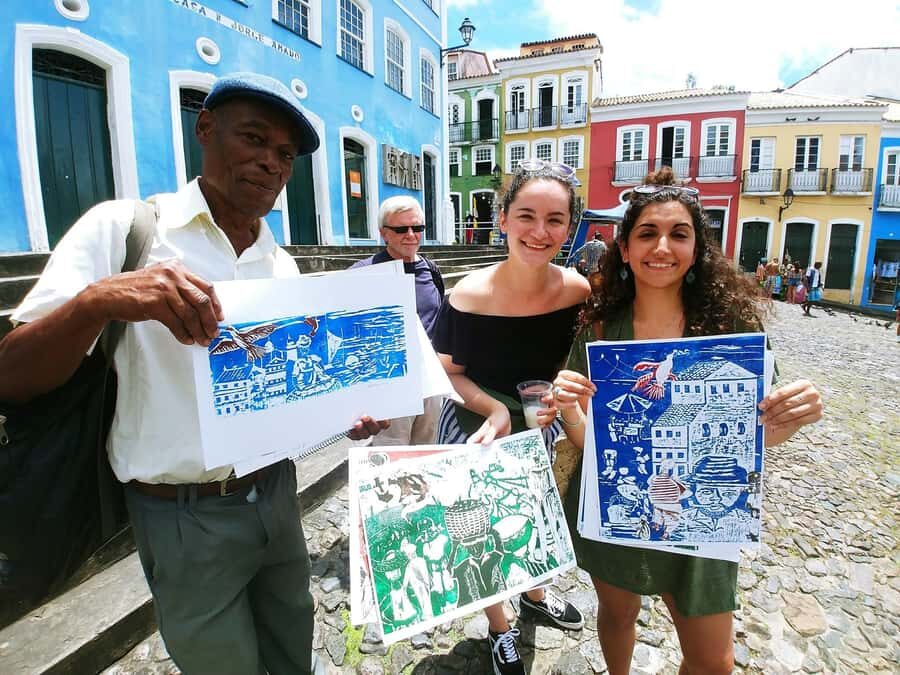
- Meet at the Cathedral Basilica area in the historic center, a smart starting point for orientation.
- Terreiro de Jesus connects Jesuit missions and Portuguese colonization to African influence still felt today.
- Cross of São Francisco is more than a landmark; it’s tied to 19th-century Black liberation efforts.
- Olodum and Escola do Olodum show how culture and education connect, especially around Carnival.
- Music and movement come up in the form of samba and capoeira, not just as trivia.
- Sensitive topics are handled with care, but you should expect honest discussion around slavery and related realities.
Starting at the Cathedral: where your bearings matter
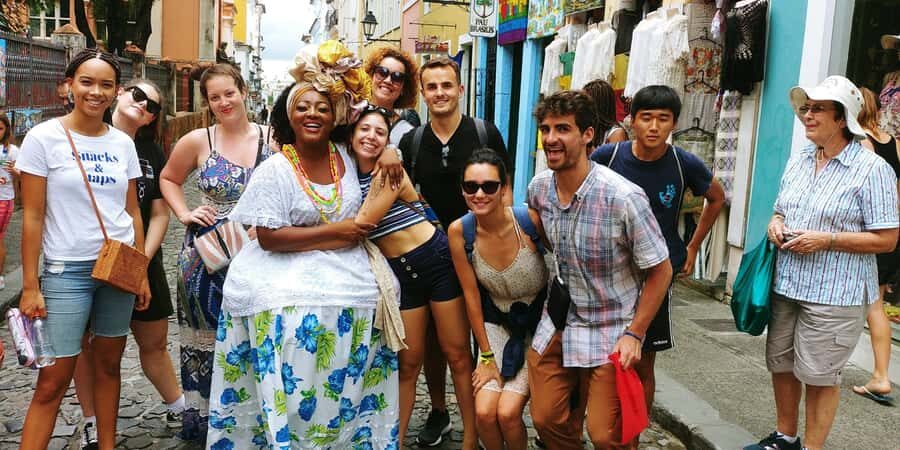
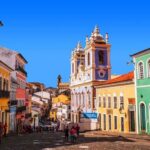
You meet at 2:00 pm in front of the Cathedral Basilica of San Salvador, right in the thick of Salvador’s historic center. That location matters because it puts you near the places that anchor the story of colonization, religion, and public life—so the tour feels like a walk through ideas, not random stops.
This is a private group with a live guide speaking Spanish, Portuguese, and English. In practical terms, that means you can ask questions as you go and steer the conversation toward what you care about—history, religion, music, or Carnival culture.
You can also read our reviews of more tours and experiences in Salvador Brazil.


Terreiro de Jesus: Jesuits, Portuguese rule, and African fingerprints
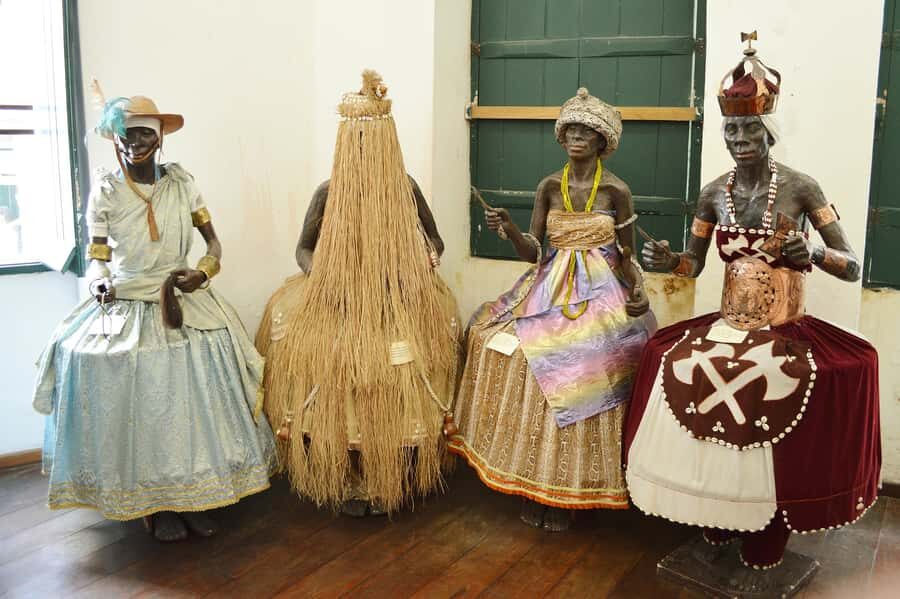
The first big stop is Terreiro de Jesus, and the focus is how the area’s early power structures were built—and how African culture continued to survive and shape daily life. You’ll learn about Jesuit Missions and Portuguese colonization, and how those forces affected what people practiced, believed, and passed down.
What I like about starting here is the cause-and-effect feeling. You don’t just hear facts; you see why Salvador’s cultural mix is not accidental. The guide also brings in stories of African celebrities connected to Salvador—an approach that makes the subject human instead of only institutional.
Expect the tour to connect religion and public space in a way that feels very Salvador. It’s one thing to know the city has African heritage. It’s another to hear how that heritage is tied to real historic processes happening in the same streets you’re standing on.
Cross of São Francisco: a landmark with a liberation story
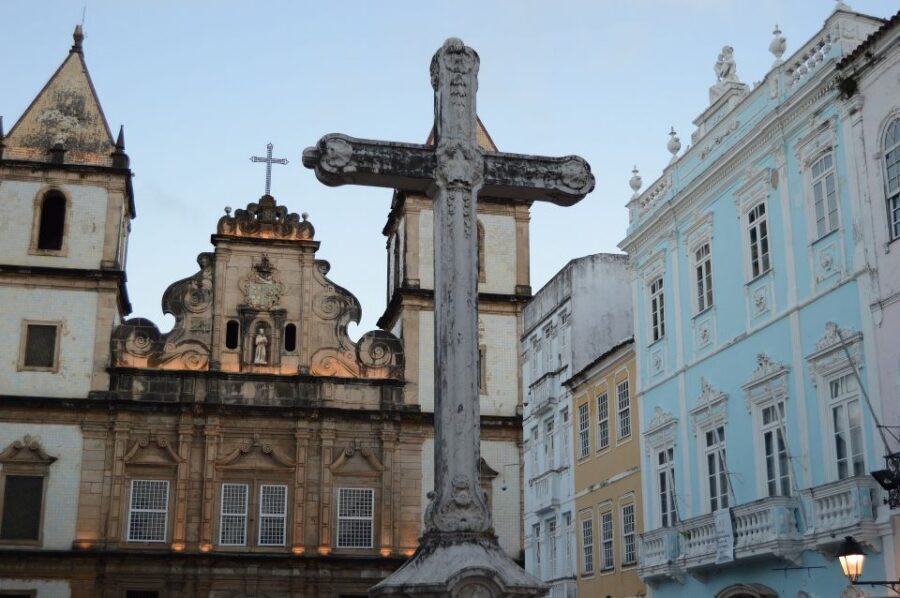
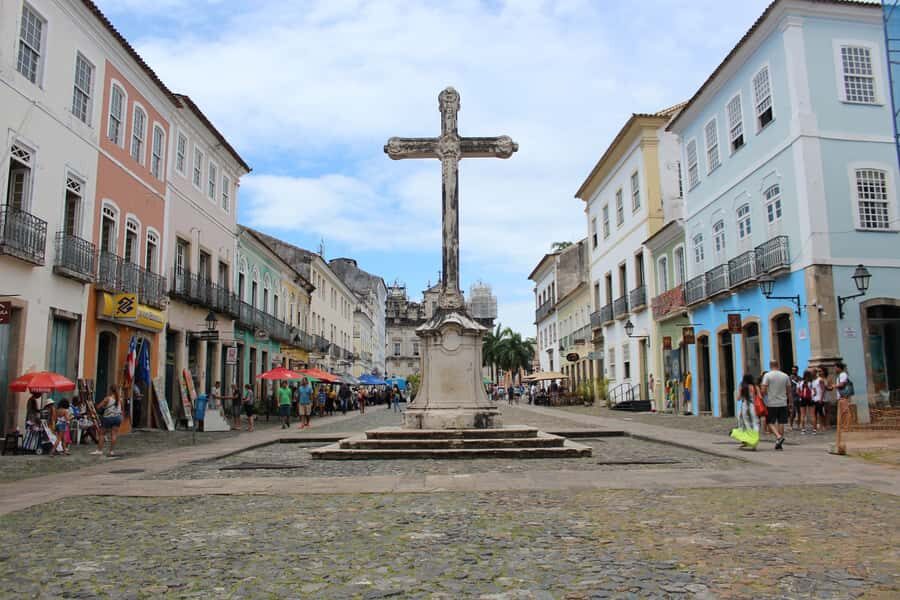
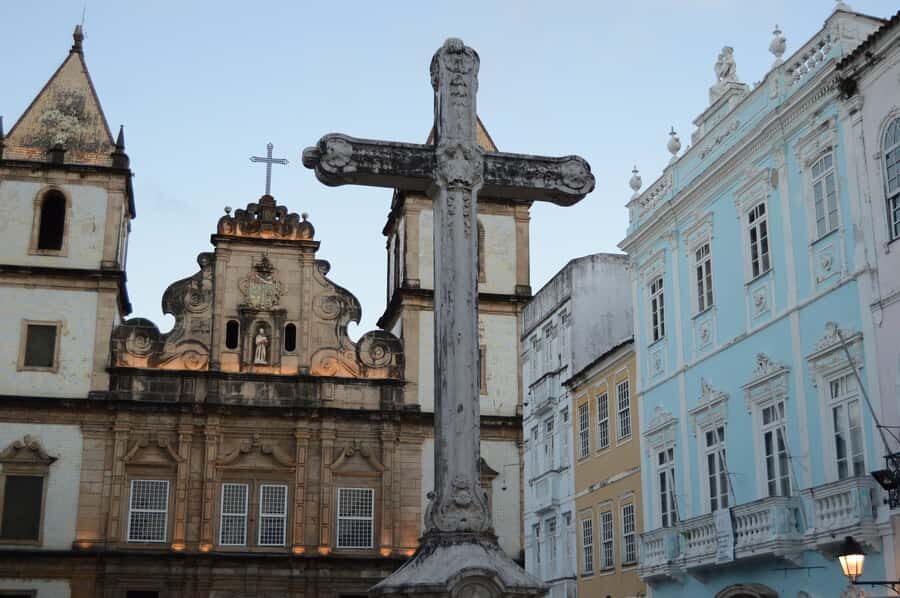
After Terreiro de Jesus, you move toward the Cross of São Francisco. This stop is presented as something more than an old monument: it’s tied to the rise, in the 19th century, of a men’s organization aimed at helping the Black community in their struggle for liberation.
That’s a powerful shift in tone. The tour moves from colonial systems to community response—how people organized, supported one another, and pushed back. You’ll also hear about other pillars of African culture in Salvador, including samba and capoeira, presented as cultural tools and expressions, not just entertainment.
One reason this portion works is that it ties culture to civic life. Samba and capoeira show up as rhythmic force and identity, tied to how communities gathered, celebrated, and resisted.
Samba and capoeira on city streets: more than music trivia
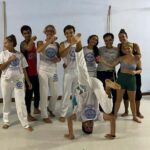
This is where the tour starts to feel physical. The guide doesn’t treat samba and capoeira as facts to memorize; you get a sense of the rhythms and the social meaning behind them. Even if you’re not a dancer, you’ll feel the logic: music and movement can carry memory, status, and solidarity.
If you’ve ever wondered why these forms are so central to Salvador’s cultural identity, this is the part that answers it. You see how African-influenced rhythm becomes public language—played, practiced, and recognized in the city’s everyday flow.
Practical tip: wear shoes you can walk in comfortably. This part of the tour is still a walking tour, but it’s also where you’ll probably want to pause, watch, and absorb. Give yourself the ability to do that.
Escola do Olodum: Carnival culture with education behind it
Next comes Escola do Olodum, a cultural and educational center of African descent. The tour connects it directly to Carnival, emphasizing that Carnival isn’t only costumes and noise—it also supports institutions, training, identity, and community pride.
I find this stop especially valuable because it gives the context people often miss. Carnival is easy to experience as spectacle. Escola do Olodum helps you understand how that spectacle is built through education and cultural work that happens year-round.
You’ll also come away with a sense of why Olodum matters in Salvador’s modern cultural map. It’s not a side project. It’s part of how African heritage remains visible and active—culturally, socially, and educationally.


Afro-Brazilian Mass: a listed highlight to look out for
The tour’s highlights include an Afro Brazilian Mass. The details of how and when that fits into your exact visit aren’t spelled out in the information you provided, so you should treat it like a possible moment depending on scheduling during your time in the city.
Still, it’s worth knowing the name in advance, because it signals the tour’s focus on African-influenced religious practice and spiritual life—not only music and history. If your guide mentions it during your route, ask how that tradition connects to Salvador’s wider African heritage story.
How long it really takes, and what the pacing feels like
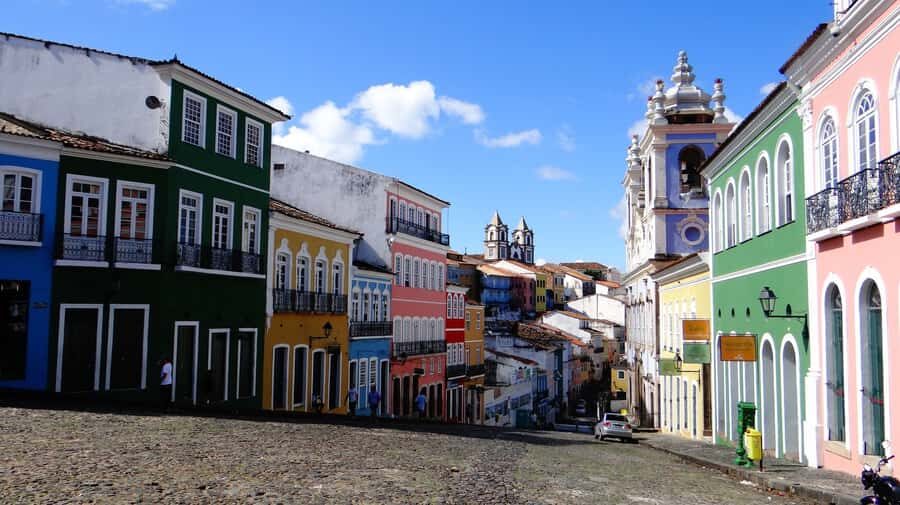
The tour is advertised as 3 hours and it’s a walking tour through the center. In this kind of format, pacing matters: you want time to actually hear explanations at each stop, not just walk past plaques.
There’s a small caution based on real feedback: one review complained the tour ended around two hours, even though it was booked as three. So if you’re hoping to squeeze another activity right after, I’d build in buffer time, or confirm timing expectations early with your guide.
On balance, most guide performance in the reviews points to interaction and flexibility. Several people mention guides who answer questions, adapt to interests, and take the time to make the experience feel personal rather than rushed.
The guides are the big differentiator
This kind of tour lives or dies by the guide. And based on repeated guest impressions, the best versions of this experience come from guides who are both historical and approachable.
You’ll see names like Eduardo, Sayuri/Sayurin, Aldison, Adilson, and Nilza showing up in excellent reviews. The common threads are practical: guides who explain clearly, respond to your questions, and handle difficult parts of Salvador’s past with care.
One review also highlighted that the guide checked in at the start to learn what the group wanted to focus on, which is exactly how you make a walking tour feel tailored instead of generic. If you have specific interests—Carnival planning, capoeira, colonial history—bring them up at the start.
Price and value: what you’re paying for (and what could feel off)
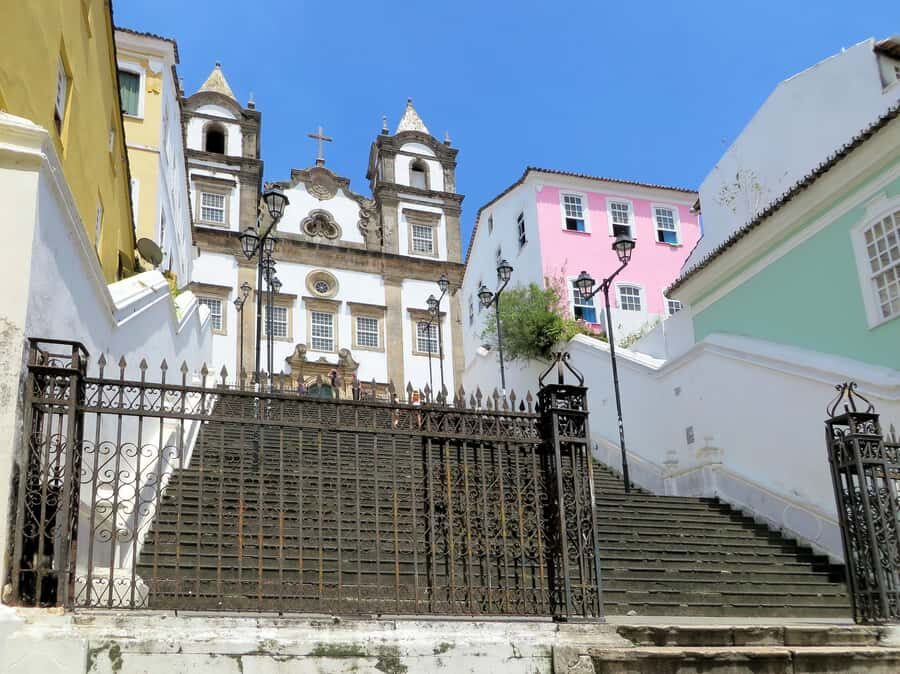
You’re paying for a private, guided walk with cultural stops tied to specific places: Terreiro de Jesus, Cross of São Francisco, and Escola do Olodum. That’s real value if you want context and interpretation, because these aren’t random city points; they’re selected for what they represent.
But I’ll also be straight with you about the one value complaint that shows up: someone felt the tour was expensive for a walking visit, especially if much of the experience felt like museums or areas with free access. Another issue mentioned was the shorter-than-advertised time.
So here’s how I’d judge value for yourself: if your goal is a guided narrative with explanations and Q&A, this tour makes sense. If your goal is mostly sightseeing at your own pace, you might prefer cheaper independent exploring. For culture-focused travelers who want the story behind the stones, the guided part is the product.
Who this tour is best for
This is a great fit if you:
- want African heritage in Salvador de Bahia explained through real locations
- like walking tours with frequent stops and conversation
- care about how culture connects to religion, community organization, and Carnival
- don’t mind learning about slavery and the black Brazilian experience in a direct, respectful way
It may be less satisfying if you prefer passive sightseeing only, or if you’re not interested in history and social context. The tour is built around understanding, not just photos.
Ending at the Cross of São Francisco: a satisfying finish point
After about three hours of sightseeing, the guided tour ends at the Cross of São Francisco. Ending here works because it’s a second chance to absorb the stop’s meaning after you’ve learned the surrounding context—colonization, community response, cultural expression, and education.
It’s also a practical finish. This area gives you a clear place to regroup, take photos, and decide what to do next.
Should you book it?
If you’re choosing between options in Salvador, I’d lean toward booking this one when you want a guided, culturally grounded walk through the center. The biggest strength is how the tour connects African heritage to Salvador’s institutions and traditions—especially through stops like Terreiro de Jesus and Escola do Olodum.
I’d reconsider if timing is extremely tight or if you strongly dislike the idea of a guided experience that may run a bit short. Also, if you hate historical discussion about slavery and social hardship, know that this tour includes those topics and aims to handle them respectfully.
FAQ
FAQ
Where does the tour meet?
The tour meets at 2:00 pm in front of the Cathedral Basilica of San Salvador (coordinates: -12.972854614257812, -38.50970458984375).
How long is the Salvador de Bahia African Culture Tour?
It’s listed as a 3-hour walking tour.
What languages are available for the live guide?
The guide is available in Spanish, Portuguese, and English.
Is this a private group tour?
Yes, it’s described as a private group tour.
What are the main stops during the walk?
Key highlights include Terreiro de Jesus, the Cross of São Francisco, Olumdum/Escola do Olodum, and an Afro Brazilian Mass.
Where does the tour end?
The tour ends at the Cross of San Francisco.