REVIEW · SALVADOR BRAZIL
Salvador Historic Walking Tour – Pelourinho
Book on GetYourGuide →Operated by Tour by Foot · Bookable on GetYourGuide
Pelourinho tells Salvador’s story in layers. This small-group walking tour strings together the city’s biggest landmarks with the streets of Pelourinho, where 17th- and 18th-century architecture meets Afro-Brazilian culture and faith.
I especially like how the guides bring the place to life—names like Maria, Eduardo, Aldison, and Lara show up often for a reason: they explain what you’re seeing, answer questions, and sometimes tailor the route to what you care about. One potential catch: at 2.5 hours, it’s not a frantic, sight-every-30-seconds sprint, so if you want maximum quantity of stops for your time, you might wish it moved faster or covered a few more.
In This Review
- Key highlights worth your attention
- Getting your bearings fast: Cine Metha and the start of the walk
- Rio Branco Palace and Lacerda Elevator: seeing Salvador’s power in motion
- Praça da Cruz Caída: ocean views that reset your perspective
- Largo do Pelourinho and the São Francisco church: where architecture meets faith
- Pelourinho’s 17th- and 18th-century streets: charm you can measure with your feet
- Why UNESCO matters here: culture, belief, and an old urban fabric
- The cultural stops that feel human, not staged
- Pace and practical expectations for a 2.5-hour walking tour
- Value for money: what you’re paying for (and what decides if it’s worth it)
- Who this tour suits best
- Should you book the Salvador Historic Walking Tour to Pelourinho?
- FAQ
- What is the duration of the Salvador Historic Walking Tour – Pelourinho?
- Where does the tour meet?
- Is this a walking tour?
- How many people are in the group?
- What languages are available?
- What is the cancellation policy?
Key highlights worth your attention
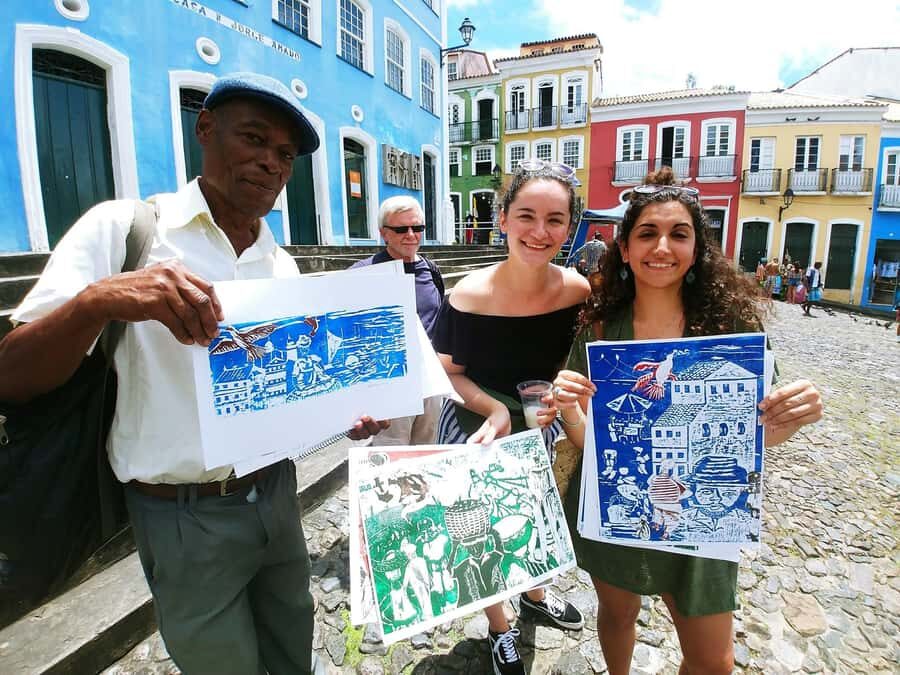
- Rio Branco Palace + Lacerda Elevator in the first stretch, so you get context fast
- Small group (max 10), which makes it easier to ask questions and hear the guide
- Praça da Cruz Caída for ocean views that give you a quick reality check on the city’s coastline
- Largo do Pelourinho and the baroque São Francisco church as your spiritual and architectural anchor
- A route that connects Salvador’s ethnic mix, culture, and beliefs to what Pelourinho looks like today
- A stop where you can recognize streets tied to the Michael Jackson video They Don’t Care About Us
Getting your bearings fast: Cine Metha and the start of the walk
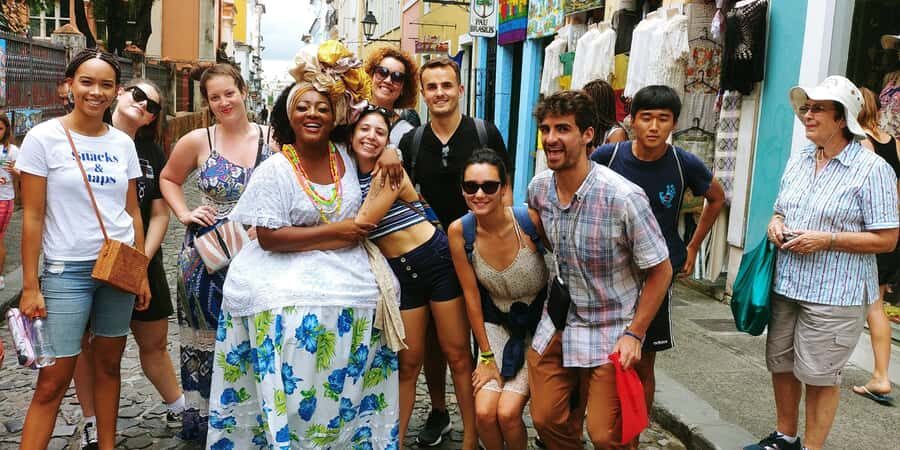
The tour begins in front of Cine Metha (Praça Castro Alves). That location matters because it’s the kind of central starting point where you’ll feel you’re actually in Salvador, not just being led between disconnected photos.
I like the way the early minutes help you orient yourself. With a live guide working in English, Spanish, or Portuguese, you’re less likely to miss the meaning of what’s around you—especially in a city where different eras and cultural influences overlap so closely.
If you’re looking for an easy win on a tight schedule, this is it: 2.5 hours on foot that doesn’t feel like a rushed museum loop.
You can also read our reviews of more walking tours in Salvador Brazil


Rio Branco Palace and Lacerda Elevator: seeing Salvador’s power in motion
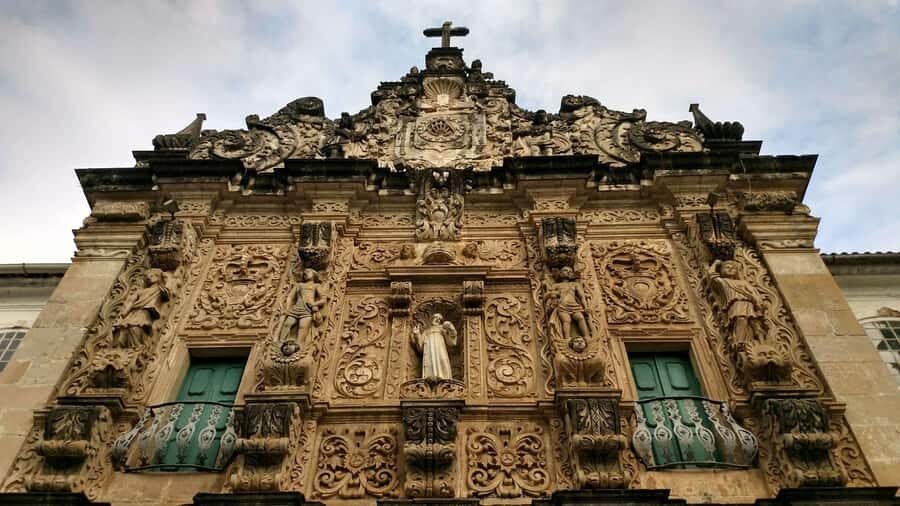
After you meet up, the walk heads toward two of Salvador’s best-known icons: the Rio Branco Palace and the Lacerda Elevator. Even if you’ve only seen them in passing photos, they make a strong first act because they show how the city connects government, daily life, and dramatic elevation.
What I like about this part is that it sets up Pelourinho without you needing a lecture. The elevator, in particular, is a physical clue: Salvador is built with steep drops and rises, and your route across the city starts to make practical sense. You understand why certain neighborhoods feel high, exposed, or tucked away.
By the time you reach the later squares in Pelourinho, you’re not just admiring buildings. You’re also understanding how the city’s layout shaped who lived where, how people moved, and why the viewpoints matter.
Praça da Cruz Caída: ocean views that reset your perspective
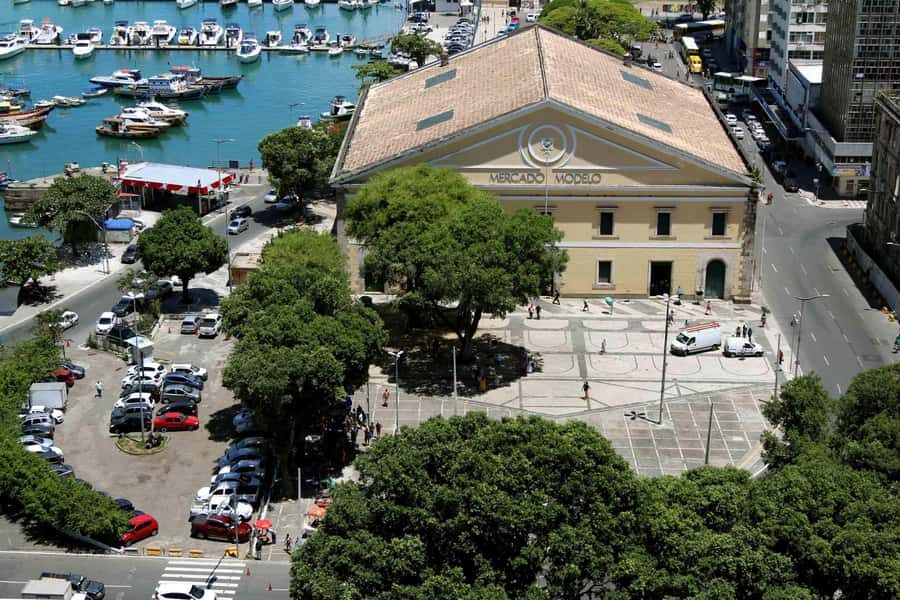
Next comes Praça da Cruz Caída, a square with incredible ocean views. This stop is more than a photo break. It changes how the rest of the walk feels.
Salvador is a coastal city, and Pelourinho can feel like a world of old streets and old walls. The view at Praça da Cruz Caída brings you back to the waterline, reminding you that this culture developed with the sea as a constant backdrop—through trade, fishing, migration, and the day-to-day rhythm of a harbor city.
If you’re the kind of traveler who gets lost in details, this is the moment to take a breath. You’ll see how the coastline frames the story you’re walking through.
Largo do Pelourinho and the São Francisco church: where architecture meets faith
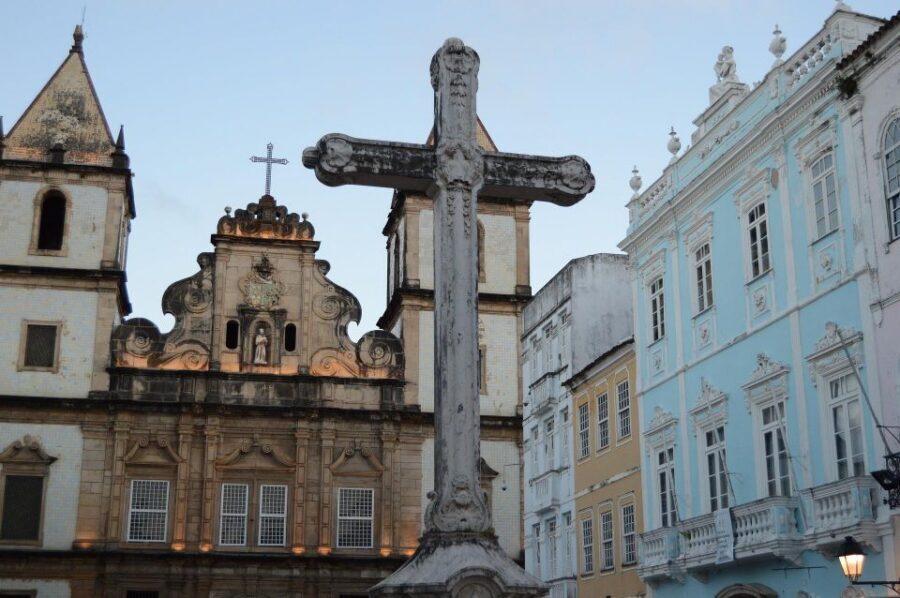
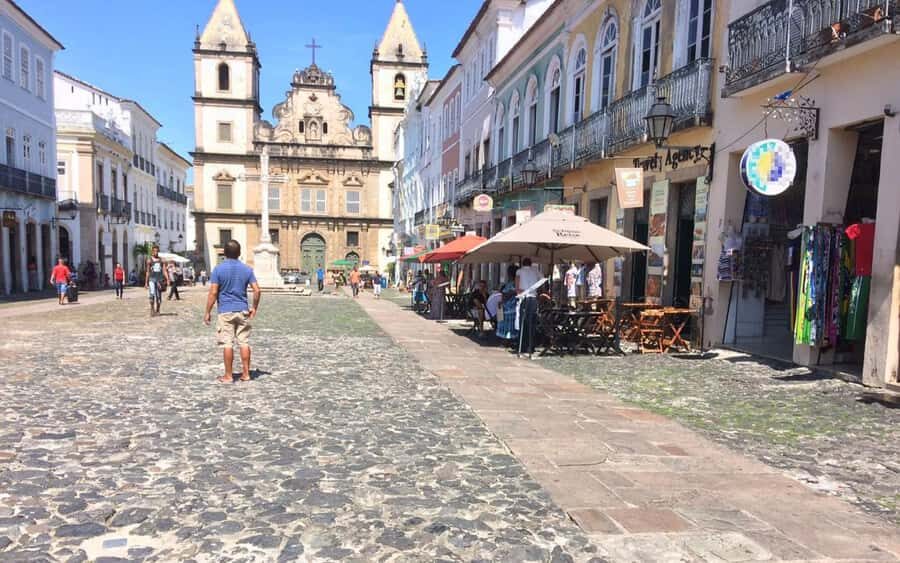
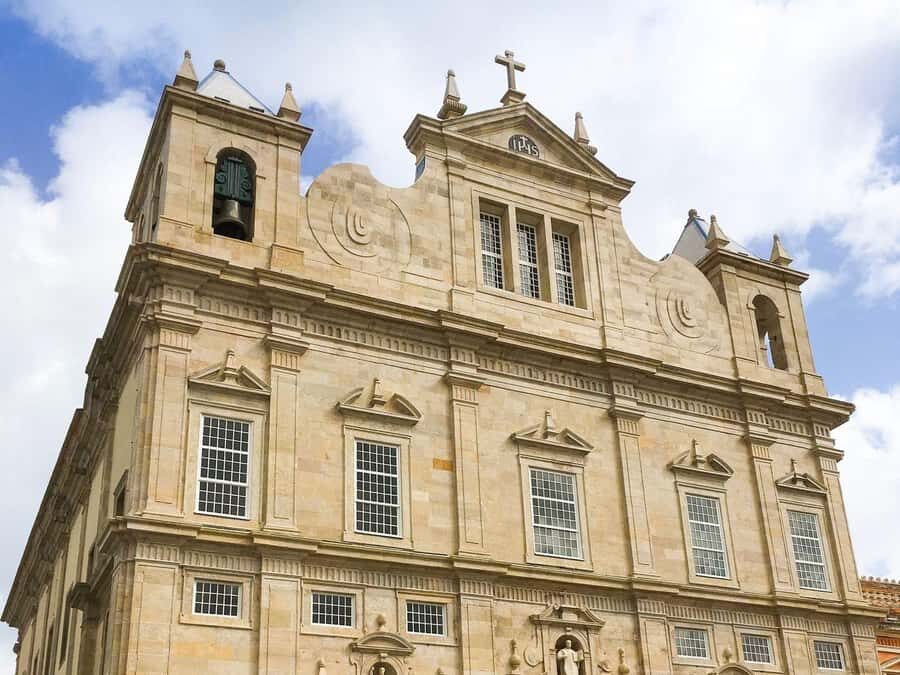
Then you shift fully into Pelourinho with Largo do Pelourinho as a key moment. This square is a natural entry point because it’s where the neighborhood’s “stage” starts to show: the streets tighten, the buildings turn into landmarks, and the atmosphere becomes more ceremonial.
From there, you’ll encounter the beautiful baroque São Francisco church. This is one of the points I’d call an emotional anchor. Baroque churches aren’t just pretty; they’re built to communicate power and belief through shape, ornament, and presence. Even if religious art isn’t usually your thing, you’ll likely understand why the area became so important and why it’s still central to how people identify with Salvador.
Also, this is the part where the guide’s storytelling really pays off. The most praised guides—people like Eduardo or Maria—are the ones who don’t just point at the church. They connect it to the neighborhood around it and to the cultural mix you’re walking through.
Pelourinho’s 17th- and 18th-century streets: charm you can measure with your feet
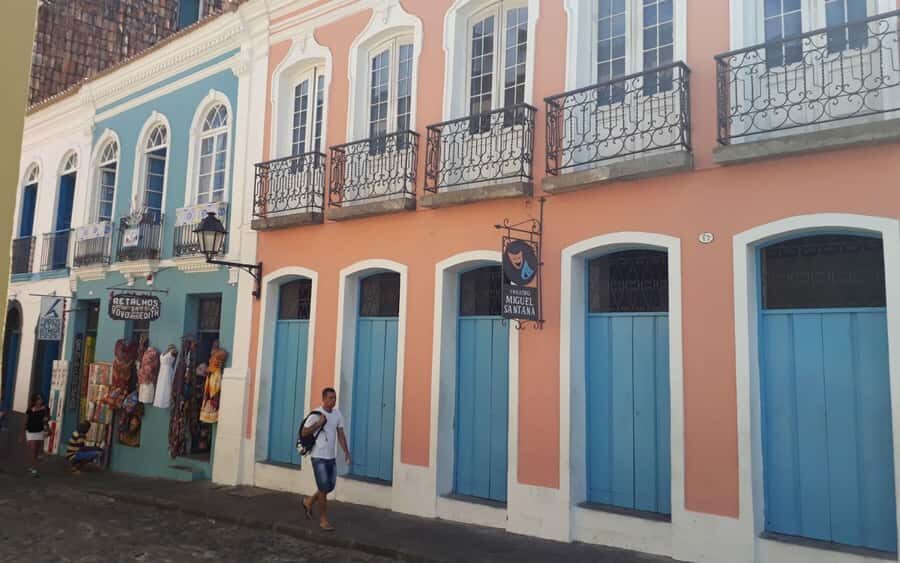
Pelourinho is famous for a reason, but the walking tour format is what makes it click. The neighborhood is lined with 17th- and 18th-century mansions, and when you’re on foot, you can actually judge scale—door heights, balcony rhythm, street slope, and the way sunlight hits stone.
I like that the route doesn’t treat Pelourinho like one single postcard. The streets change character block by block, and you start to notice how architecture reflects social life: what looks imposing, what feels intimate, and what seems meant for public gatherings.
This is also where you may recognize streets from Michael Jackson’s They Don’t Care About Us. It’s a fun pop-culture connection, but the best guides use it as a bridge to deeper understanding—how global attention can collide with local identity, and how the neighborhood keeps living its own life after the cameras move on.
You can also read our reviews of more historical tours in Salvador Brazil


Why UNESCO matters here: culture, belief, and an old urban fabric
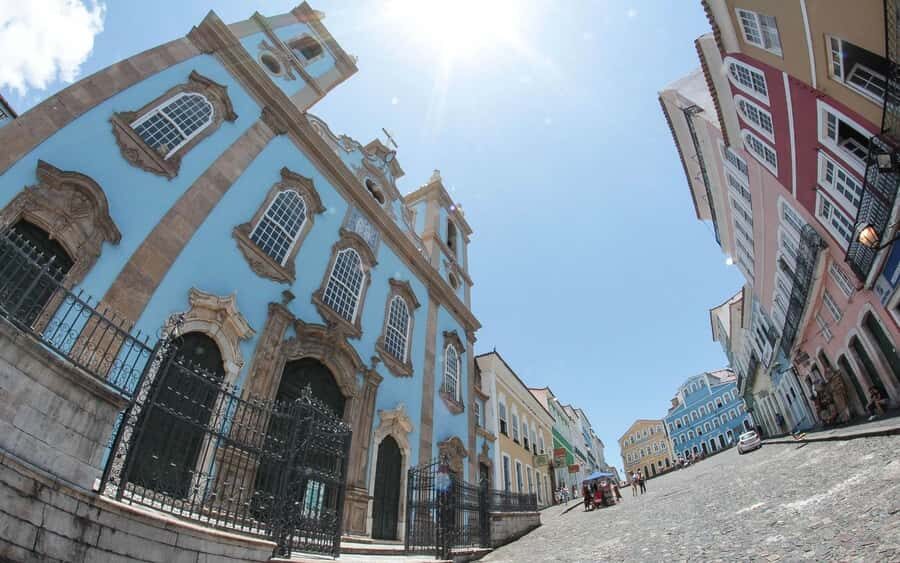
Pelourinho’s UNESCO status isn’t presented as trivia on this tour. You’ll discover why the area earned that World Heritage Site designation, and the clues are built into what you’re seeing: preserved old architecture, plus the ethnic mix, culture, and beliefs that shaped everyday life.
That’s the real value for you. UNESCO can sound abstract until you walk through places where heritage is still visible in buildings and still carried by living traditions. Here, you’re not just touring the past—you’re seeing how the past is part of how people identify now.
If you care about authenticity (and not just Instagram angles), this section is the payoff. You start to understand the neighborhood as a system: architecture, faith, community, and the city’s cultural crossroads all reinforcing each other.
The cultural stops that feel human, not staged
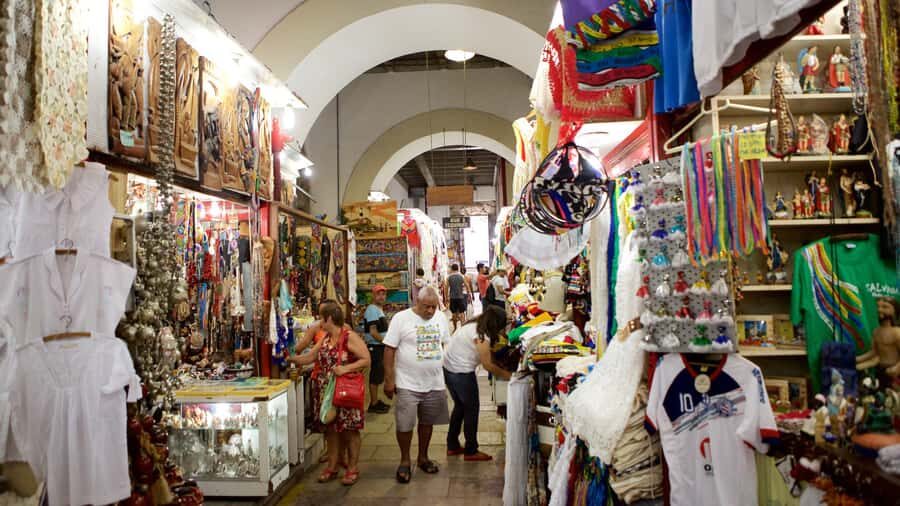
One of the most consistent positives from recent experiences is how the guides make the tour feel interactive and sensory. Some guides build in tasting moments—meals or drinks—so you’re not only seeing Pelourinho but also picking up small signals of how it tastes and how it’s lived.
That matters because cultural tourism can go off the rails when it becomes only surfaces. When you add taste and personal stories, you remember the experience as something you participated in, not just something you walked past.
You’ll also get a stronger sense of how religion and cultural beliefs intersect in Salvador. Pelourinho is often discussed as an artistic neighborhood, but the tour frames it as a place where beliefs and identity shape the street level of life. That’s exactly the kind of context that helps your time in Salvador feel more meaningful.
Pace and practical expectations for a 2.5-hour walking tour
A 2.5-hour walking tour is short enough to stay energetic, but long enough to get beyond the first wow moment. You’re looking at a route that moves in two main phases: landmarks first, Pelourinho second.
In real-world terms, this means:
- You’ll spend enough time in Pelourinho to feel the neighborhood texture
- You’ll see major markers like the Lacerda Elevator and key squares, rather than only one church and a few street corners
- The group size is capped at 10 participants, so the guide can keep things understandable without racing everyone
The one consideration is pacing. Some visitors who want a heavier “checklist” might feel the walk is leisurely. If your ideal tour is high-speed and stop-dense, you may want to compare options. If your ideal tour is story-dense with good explanations and a calmer rhythm, you should feel right at home.
Value for money: what you’re paying for (and what decides if it’s worth it)
Price is always personal, and the tour duration (2.5 hours) sets a clear expectation: you’re paying for guided context, not a private driver or a half-day of touring.
So what makes it worth it for many people?
- A strong guide who can connect landmarks, church architecture, and cultural meaning
- The chance to hit big Pelourinho anchor points without getting lost
- A format that stays small, which usually improves the quality of explanations
What can make it feel overpriced?
- If you expect an unusually large number of sights for the time you have
- If you mainly want photo stops and don’t plan to lean into the guide’s storytelling
My advice: treat this as a cultural orientation walk. If you already know Salvador’s broad outline and you’re chasing quantity of locations, you might be disappointed. If you want to understand what you’re seeing—and leave with clearer mental maps—this tends to deliver.
Who this tour suits best
This is a good match if you:
- Want an efficient first introduction to Salvador de Bahia and Pelourinho
- Enjoy guides who tailor or respond to your interests (people like Eduardo and Maria are singled out for exactly that kind of attention)
- Like walking tours that connect architecture to lived culture, not just facts
It may be less ideal if you:
- Prefer a long, slow neighborhood immersion with lots of free time to wander alone
- Want a more extensive route with more stops packed into the 2.5-hour window
Should you book the Salvador Historic Walking Tour to Pelourinho?
Yes, if you want a structured but human walk through Salvador that helps you understand Pelourinho beyond its postcards. The strongest version of this tour is guided storytelling that connects landmarks like the Lacerda Elevator with squares and churches, then anchors it all in why UNESCO recognizes the area and how cultural beliefs shape daily life.
If your travel style is checklist-first, slow down your expectations and consider whether a 2.5-hour walk fits your goal. For many people, the value comes from the guide quality and the way the route links the city’s big symbols to the Pelourinho streets you’ll remember.
If you can, book it early in your Salvador stay. Getting your bearings at the start makes everything that comes after easier—especially if you’re planning to explore on your own.
FAQ
What is the duration of the Salvador Historic Walking Tour – Pelourinho?
It lasts 2.5 hours.
Where does the tour meet?
Meet in front of Cine Metha at Praça Castro Alves (coordinates: -12.977218627929688, -38.51432800292969).
Is this a walking tour?
Yes. It’s a tour by foot.
How many people are in the group?
It’s a small group limited to 10 participants.
What languages are available?
The live guide offers tours in English, Spanish, and Portuguese.
What is the cancellation policy?
Free cancellation is available up to 24 hours in advance for a full refund.