REVIEW · MANAUS
From Manuas: Full-Day River Tour
Book on GetYourGuide →Operated by Amazon Private Tours · Bookable on GetYourGuide
Pink dolphins, two rivers, one long day. On this 9-hour Amazon circuit, I love the chance to get close to pink river dolphins (including optional water time) and the mind-bending moment of the two rivers running side by side without mixing. You also get a rare mix of wildlife, culture, and river life in one day, with a small-group pace that doesn’t feel rushed.
The biggest drawback to plan around: the lake stop for water lilies can be affected by season—one November experience reported lily access was limited—so keep your expectations flexible if you travel then. If you’re lucky with a guide like Denis, David, Leonardo, or Fabio, the day tends to feel well run and easy to follow, with explanations in English (and often other languages too).
In This Review
- Key highlights worth waking up for
- A 9-hour Amazon loop from Manaus: how the day flows
- Indigenous tribe ritual: respectful curiosity, practical expectations
- Pink river dolphins research base: swimming in the wild (not a pool)
- The beach-and-lunch reset: white sand, then floating comfort
- Water lilies lake + flooded forest ride: photos with seasonal reality
- Villages on stilts and floating homes: how the Amazon gets built
- Pirarucu fish farm + try-your-luck fishing
- The meeting of rivers: side-by-side without mixing
- Price and value: what $100 means in real-world terms
- What to bring (and how not to get cranky on a boat)
- Who this tour fits best (and who should think twice)
- Should you book this full-day river tour from Manaus?
- FAQ
- FAQ
- How long is the full-day river tour?
- Where do you get picked up in Manaus?
- How big is the group?
- What languages are the guides?
- What’s included in the price?
- Is lunch provided?
- Do I need to bring swimwear?
- Will I get wet on the tour?
- What activities are part of the tour?
- Is there free cancellation?
Key highlights worth waking up for
- Pink dolphins research base with real river interaction (swimming is optional)
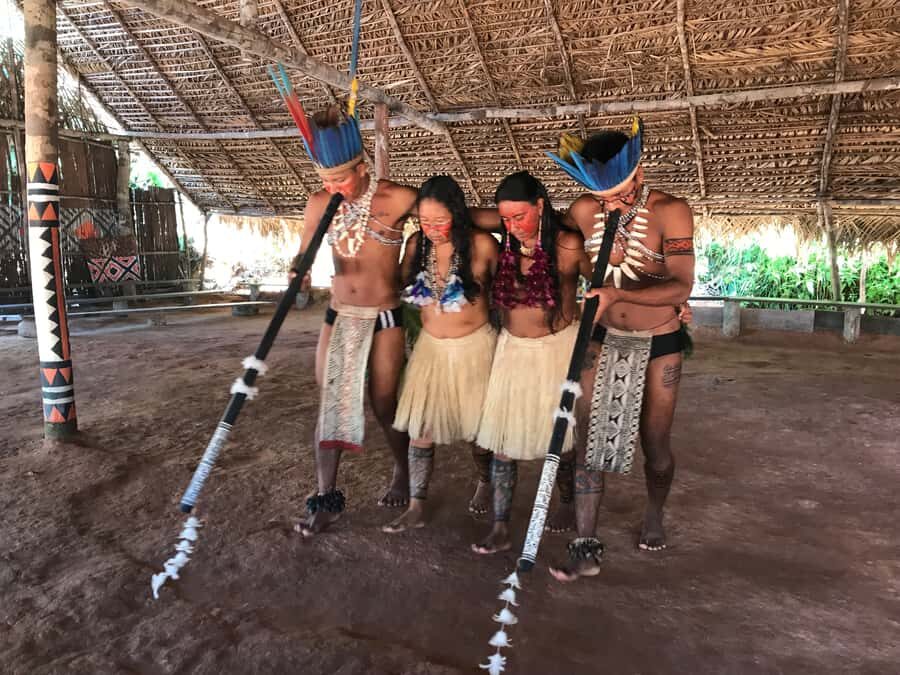
- Indigenous tribe visit with a traditional ritual performance
- Meeting of the rivers—a true natural spectacle, not a quick photo stop
- Floating village life + stilt village viewpoints
- Pirarucu fish farm and a try-at-fishing moment with the world’s largest freshwater fish
A 9-hour Amazon loop from Manaus: how the day flows
Your morning starts with pickup around 8am from your hotel in Manaus. If your hotel isn’t on their list, you’ll meet them near the Amazonas Theater downtown Manaus at the same time. Either way, you’re heading west toward a boat that becomes your moving base for the day.
This is built like a “river day,” not a marathon of checkboxes. You’ll travel by speedboat between stops, pause often enough to reset, and still pack in a lot. The rhythm goes: culture → dolphins → beach + lunch → lake + forest → villages → pirarucu + fishing → the meeting of rivers → back to your hotel around 5pm.
Small group size (up to 12 participants) matters more than you’d think. It helps keep boat time calmer, makes it easier to hear your English-speaking guide, and usually avoids that feeling of being shuffled around like luggage. You’ll also get what the operator calls skip-the-line access through a separate entrance, which can save you stress when there’s any bottleneck.
A few more Manaus tours and experiences worth a look
Indigenous tribe ritual: respectful curiosity, practical expectations
The first big human stop is an indigenous tribe visit where you’ll see a traditional ritual performance. This isn’t framed like a theme-park show; it’s presented as cultural sharing. The value here is that you’re seeing people in the Amazon cultural context, not just reading about it later.
That said, go in with a good head and open eyes. One experience mentioned the performance can feel dated by modern North American expectations, and another felt the indigenous segment was a bit staged. Translation: it may still be worthwhile, but don’t expect it to feel exactly like a private, unscripted moment. Treat it as a window into tradition presented for visitors, and you’ll get more out of it.
What I like for you: the ritual and exchange set the tone for the rest of the day. After that, dolphins and forests feel less like random “nature stuff” and more like part of how the region lives.
Pink river dolphins research base: swimming in the wild (not a pool)
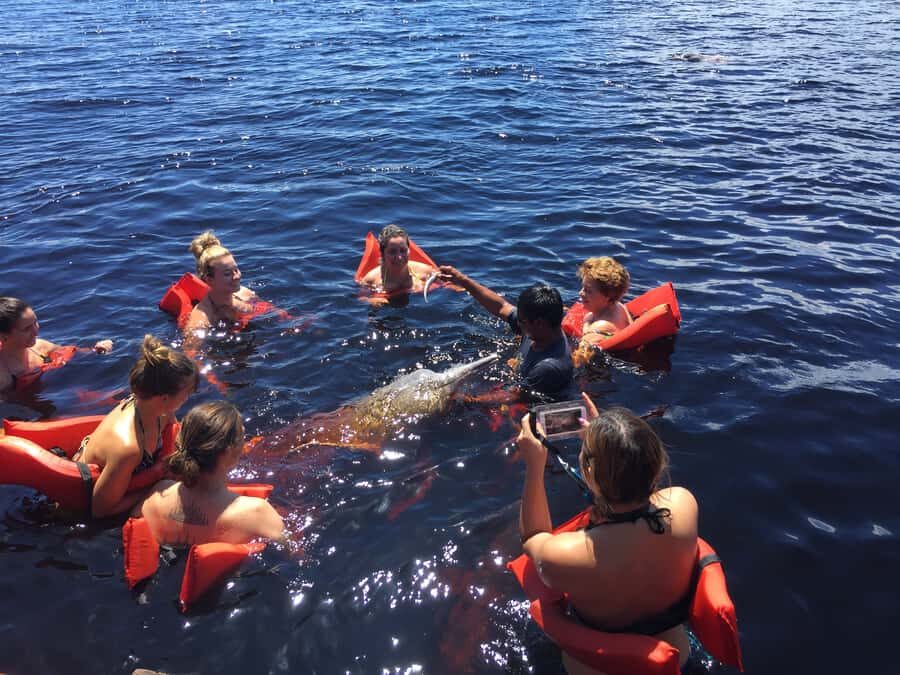
Next comes the pink river dolphins conservation project. This is one of the most praised parts of the day, and it’s easy to see why. You’re not just watching dolphins from a distance. You learn about conservation efforts for these friendly, iconic animals, and you may even get the chance to enter the water to interact with them.
One thing you’ll want to know ahead of time: some experiences describe dolphins being fed while you stand on an underwater platform, with swimming optional. That can change what you actually see. If you choose to swim, you’re still doing it in open water rather than an enclosed pool—but you might not have the same view as someone positioned closer to the platform.
The practical benefit is control. You’re with a guide, there’s a structured moment for dolphin interaction, and the day’s pace keeps you from feeling like you’re being yanked from one thing to the next.
The beach-and-lunch reset: white sand, then floating comfort
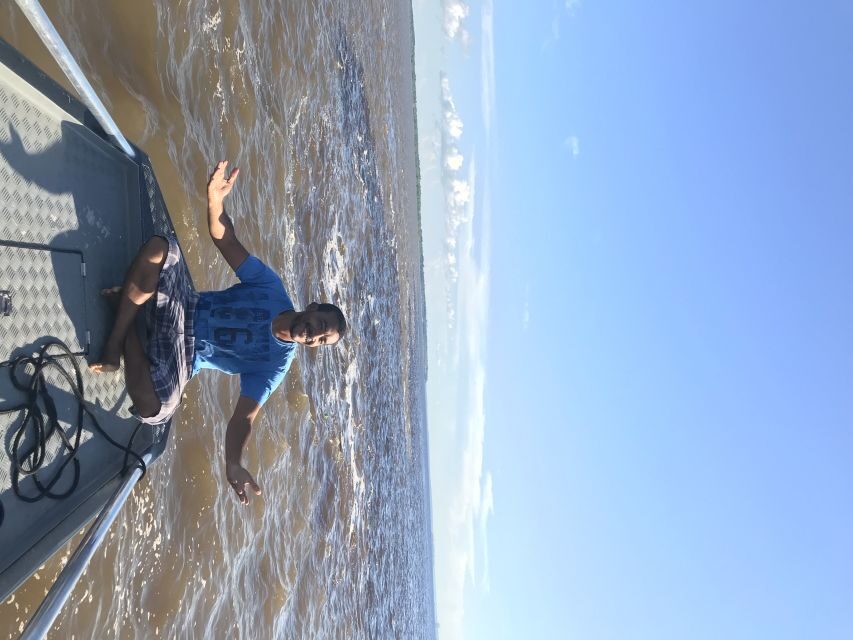
After the dolphin time, you’ll stop at a white-sand beach with warm water. This is a real break in a day that would otherwise blur together. It’s also a good chance to rinse off, change into dry clothes if you brought extras, and take in the river-breeze calm before the afternoon.
Lunch is served at a floating restaurant with a buffet and natural juice. It’s included, along with mineral water. Most people consider the lunch a solid part of the value because it keeps you from hunting for food while you’re deep on the river.
Do note: not every meal will hit the same for everyone. One person described lunch as mediocre. In other words, treat it as included fuel on a long day—not as a gourmet highlight.
Water lilies lake + flooded forest ride: photos with seasonal reality
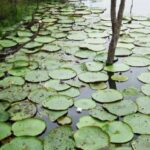
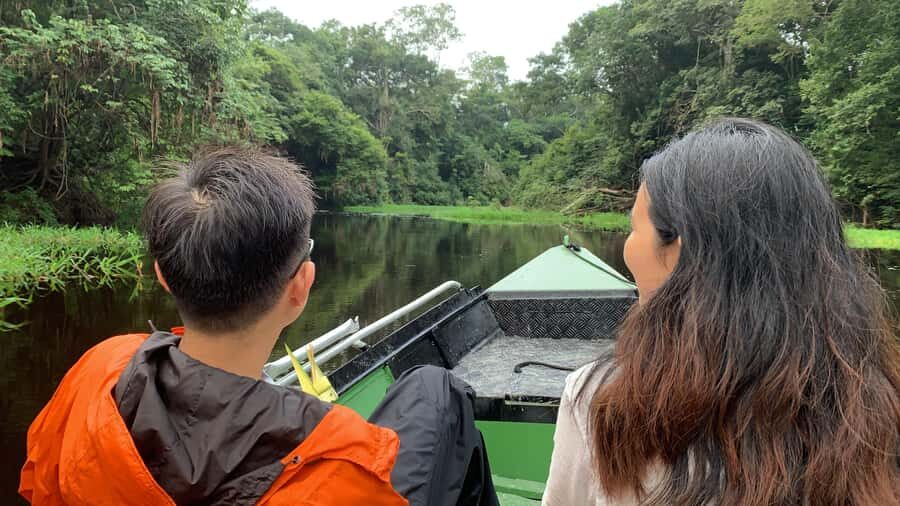
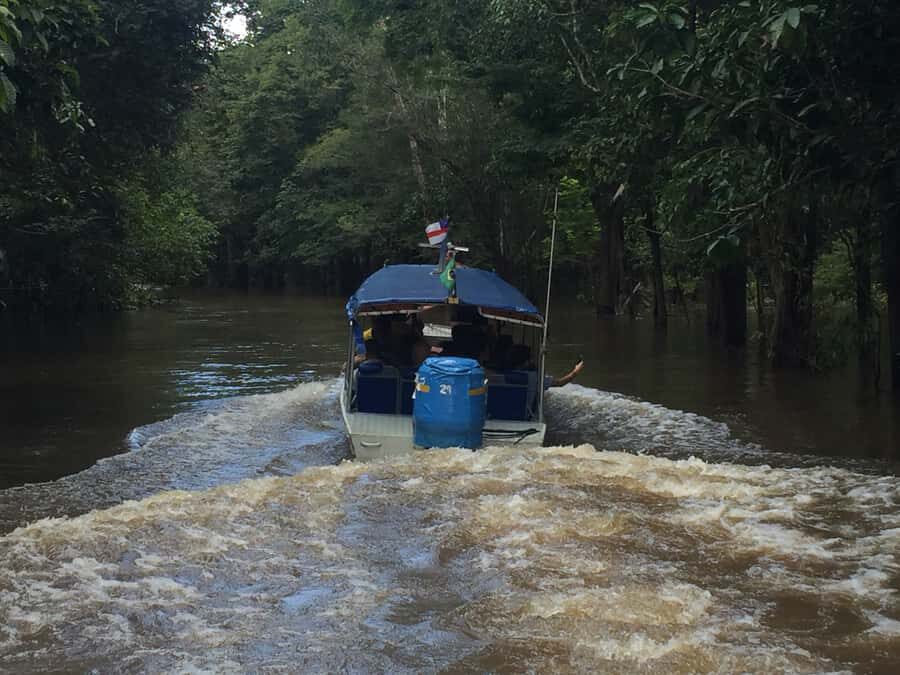
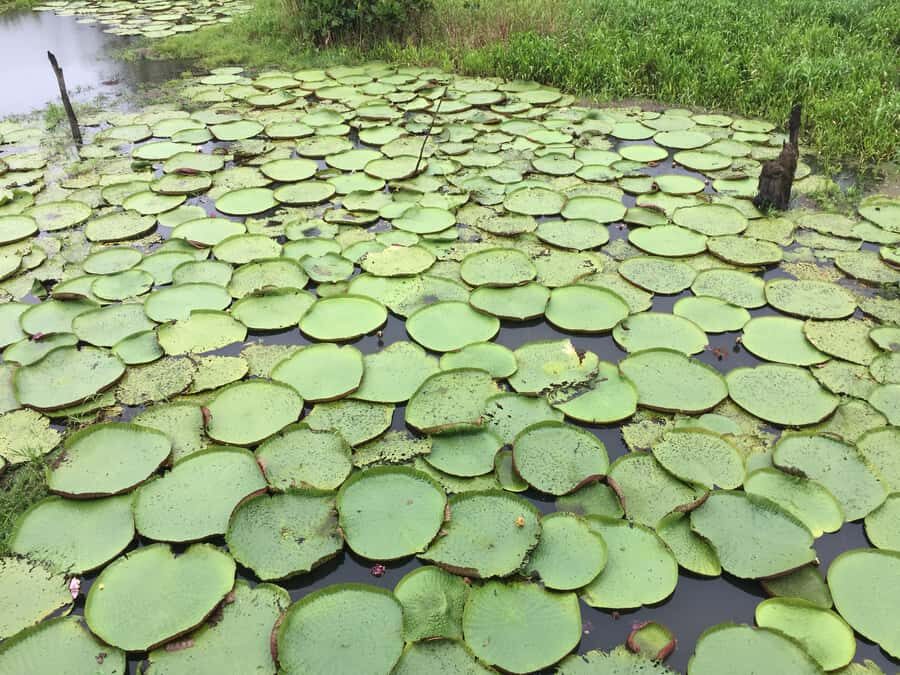
After lunch, the itinerary shifts to scenery and photos. You’ll go to a lake full of water lilies for fantastic picture opportunities, and you may get a ride through the flooded forest.
Here’s the key planning point: season affects lily visibility. One November experience reported the lake being dry with lily access limited, and the description wasn’t updated right before departure. If you’re traveling outside ideal water levels, don’t assume you’ll get full-on lily coverage.
Still, even when lilies are reduced, the flooded-forest element can be visually striking. You’ll be on the water in the Amazon’s seasonal world—where “wet jungle” is the real look of the region.

Villages on stilts and floating homes: how the Amazon gets built
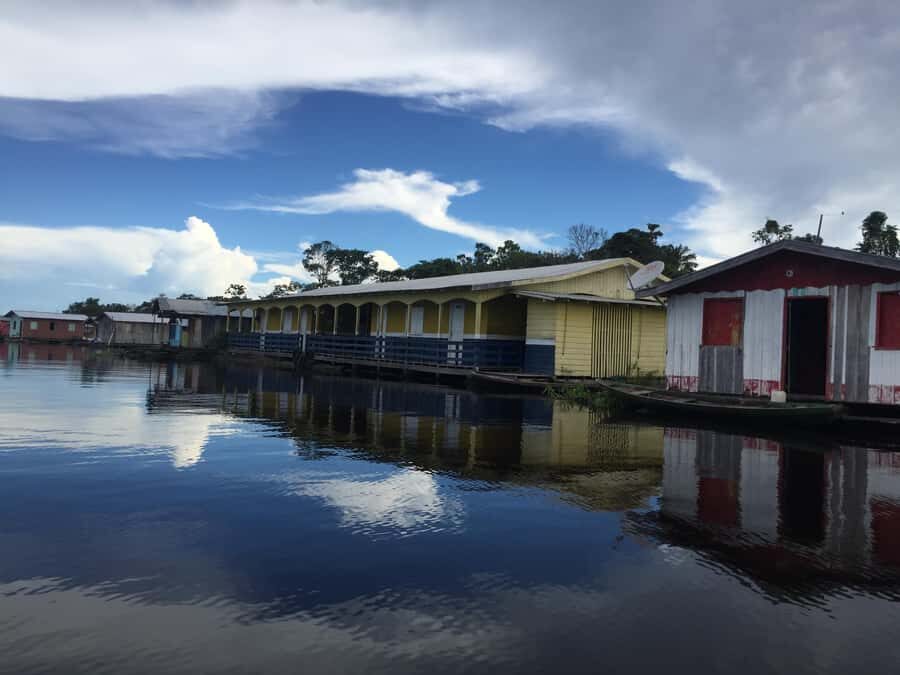
Next, you’ll explore Amazon-style living with a stop at a village on stilts. This is a construction method that makes sense in a place where water levels can change dramatically. You’ll also visit a floating village, where daily life is literally adapted to the river’s rhythm.
Why this part is worth your time: it ties together everything else you’ll see. Dolphins and lilies are nature. Villages are people. Together, you get a more complete sense of what the Amazon is like when you’re not just passing through on a day tour.
This is also where small-group benefits show up again. On a larger tour, these village moments can become quick photo grabs. With a group capped at 12, you’re more likely to move through at a pace that lets you look closely.
Pirarucu fish farm + try-your-luck fishing
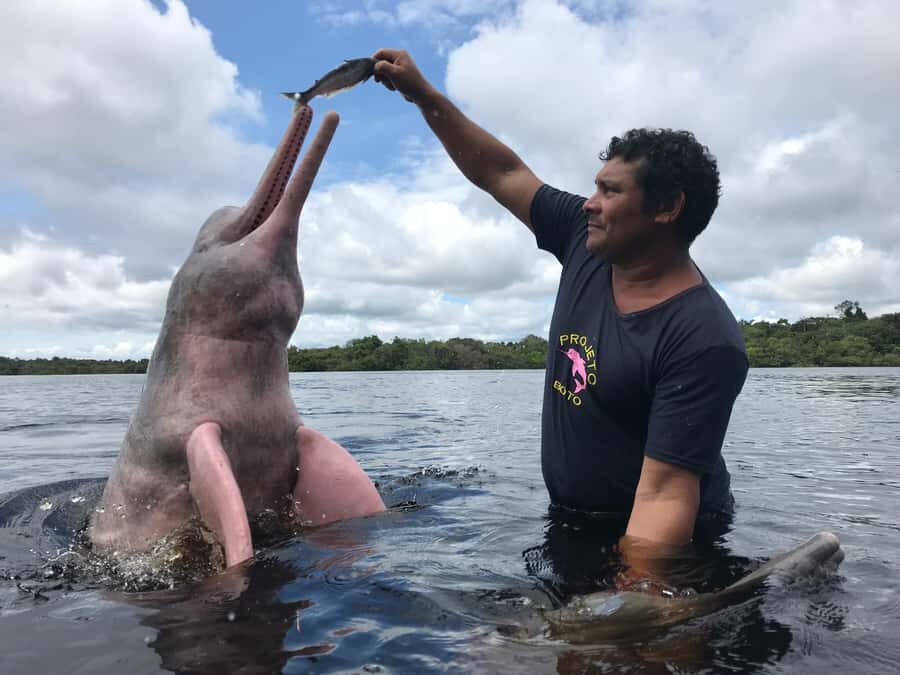
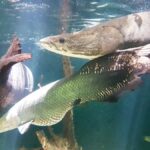
The afternoon continues with a pirarucu fish farm. Pirarucu are widely described as the largest freshwater fish in the world, and the farm stop is built around that fact. You’ll see how they’re raised and learn about the fish’s role in this ecosystem.
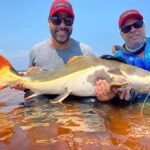
Then comes the hands-on moment: you can try your luck at catching these giant fish. I like this because it’s not just sightseeing. It’s a participatory experience, even if you don’t land a fish (that part is always uncertain anywhere outdoors).
A practical note from experience descriptions: this segment can feel event-like. Expect instructions and short windows rather than open-ended fishing time. If you’re the type who wants long, calm angling sessions, this is not that. But if you want one memorable try tied to a fascinating species, it fits the day well.
The meeting of rivers: side-by-side without mixing
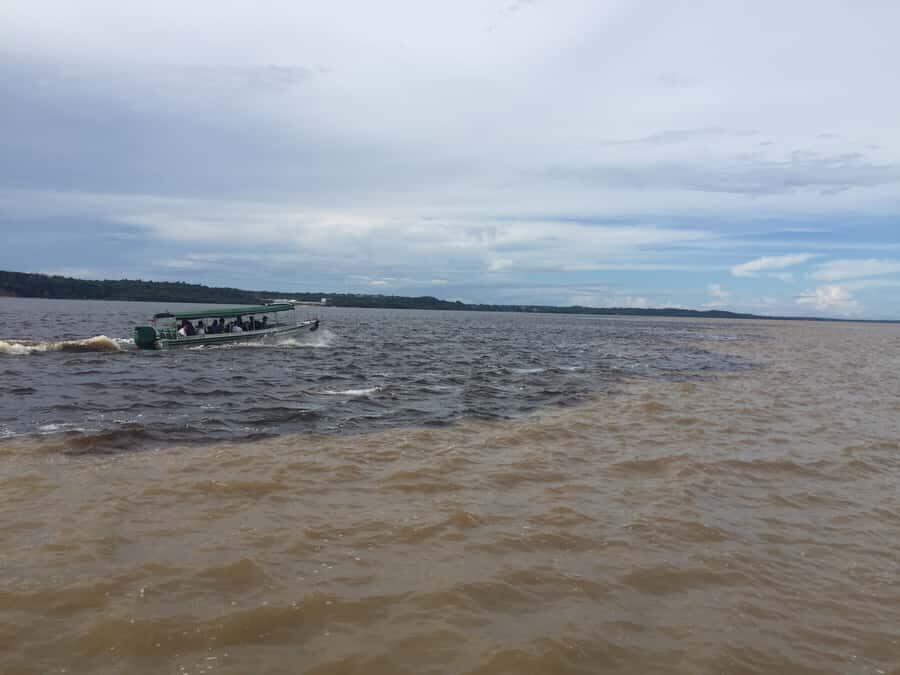
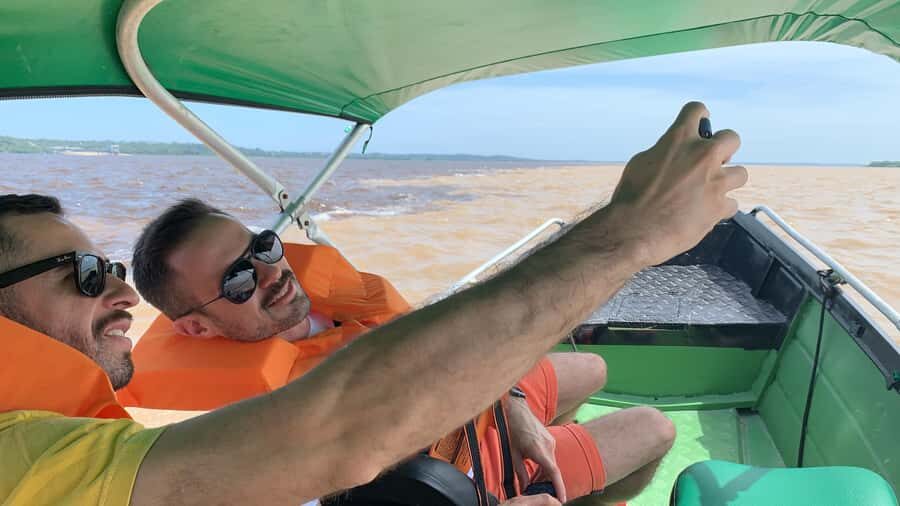
One of the most unforgettable stops is the meeting of two rivers phenomenon—where water flows side by side without mixing. It’s dramatic to see in person, and it’s the kind of natural event that turns “Amazon photos” into something you’ll actually remember.
This is also a good moment to slow down mentally. You’ve already done culture and wildlife. Now your job is simple: watch the water boundary, notice the movement, and let the guide’s explanation give you a framework for what you’re seeing.
From the way people describe this highlight, it’s often a top “wow” point because it’s both visually obvious and scientifically interesting without being lecture-heavy.
Price and value: what $100 means in real-world terms
The tour is listed around $100 per person, but one important reality check: some bookings reportedly came out closer to $200. So don’t rely only on the headline. Check what you’re actually being charged during checkout and whether any seasonal changes or scheduling affect pricing.
Now, the value argument. If the day runs smoothly, you get:
- Hotel pickup/drop-off
- Air-conditioned vehicle for the drive
- A speedboat between multiple stops
- An English-speaking guide
- Entrance fees
- Buffet lunch plus natural juice
- Mineral water
- Multiple “headline” experiences: dolphins, indigenous ritual, villages, pirarucu, and the meeting of rivers
For that kind of all-in structure, the tour can be good value—especially with a small group and dolphin access that feels more interactive than typical river sightseeing. But if your final price lands near $200, it’s still potentially worth it, just be honest about what you care about most. If dolphins and the meeting of rivers are your top priorities, you’ll likely feel it. If you’re mostly after a long, relaxed jungle cruise, you might find the schedule full.
What to bring (and how not to get cranky on a boat)
This trip is on water most of the day, so plan for you to get wet. If the river is choppy, expect splash. Pack for comfort, not for staying dry.
Bring:
- Passport or ID card
- Swimwear
- Towel
- Sunscreen
- Rain gear
- Insect repellent
I also recommend you bring dry socks and a small plastic bag for electronics. You’ll thank yourself when you’ve got damp breeze-cool moments after the beach and dolphin time.
One more practical tip: keep an eye on pickup communication. The operator requests your WhatsApp number so they can coordinate your pickup.
Who this tour fits best (and who should think twice)
This day tour is best if you want a lot of Amazon variety without needing to stay overnight. You’ll likely enjoy it if you’re:
- A wildlife-first traveler who wants pink dolphins plus pira curu and river scenery
- Someone curious about how culture and daily life connect to the river
- Traveling solo or with friends who appreciate a small-group pace
You might think twice if:
- You get annoyed by a packed schedule (this day is full)
- You dislike anything that feels even slightly staged or performance-oriented
- You’re traveling in a season when water-lily stops may be limited (especially if your dates are flexible, choose timing wisely)
Should you book this full-day river tour from Manaus?
If your ideal day in the Amazon includes pink dolphins, the meeting of two rivers, and at least a couple of hands-on moments (like water interaction and trying fishing), then yes—this is the kind of tour that can genuinely hit. The small group size, structured guide time, and multiple included elements make it feel efficient.
My one “pause and check” recommendation: confirm the actual total price you’ll pay and keep seasonal expectations realistic for the water lilies stop. If you go in knowing the river can change the timetable’s look, you’ll have a much better time.
FAQ
FAQ
How long is the full-day river tour?
It runs for about 9 hours, with hotel pickup around 8am and return around 5pm.
Where do you get picked up in Manaus?
Pickup is included from your hotel in Manaus if your hotel is on their list. If not, you’ll meet at 8am in front of the Amazonas Theater downtown.
How big is the group?
The tour is a small group limited to up to 12 participants.
What languages are the guides?
The tour guide provides live interpretation in English, Spanish, and Portuguese.
What’s included in the price?
Included are hotel pickup and drop-off, transportation in an air-conditioned vehicle, speedboat transfers between activities, an English-speaking tour guide, entrance fees, buffet lunch, and mineral water.
Is lunch provided?
Yes. You’ll have buffet lunch at a floating restaurant, plus natural juice.
Do I need to bring swimwear?
Yes, bring swimwear and a towel. Because it’s a boat day and dolphins interaction includes optional water time, it’s smart to be ready.
Will I get wet on the tour?
You may get wet if the river is choppy, since much of the day is spent on the boat.
What activities are part of the tour?
You’ll include an indigenous tribe ritual, a pink river dolphin conservation base with interaction time, a beach stop, a water lilies lake photo stop (plus a flooded forest ride), village visits (including stilt and floating areas), a pirarucu fish farm with fishing attempts, and the meeting of two rivers.
Is there free cancellation?
Yes. You can cancel up to 24 hours in advance for a full refund. The tour also offers a reserve-now option where you can book without paying immediately.