REVIEW · MANAUS
Manaus: 2-Day River Tour With Overnight Stay
Book on GetYourGuide →Operated by Amazon Private Tours · Bookable on GetYourGuide
Two days in the Amazon can feel like a switch flips. I like that this itinerary hits pink dolphins and night cayman spotting, not just sightseeing from a boat; it also gives you real practical time on the river with trekking, paddling, and survival-style learning. The main drawback is comfort: it’s a true adventure, with simple lodging and lots of insects—so plan accordingly.
I also appreciate the small group setup (limited to 12) and the guide-led rhythm, with English-speaking support plus other languages on the team. You’ll be moving early and often, sleeping basic, and spending time in the water—so it’s less for lounging and more for people who want the Amazon up close.
In This Review
- Key highlights that make this tour worth it
- Day 1 in Manaus: Canoes, Jungle Steps, and Big-World Nature
- A quick reality check on the pace
- Trekking for Flora and Fauna: Survival Skills You Can Actually Use
- The insect factor is real
- Pink Dolphins: Close Contact, Not a Drive-By
- What to pack for the dolphin part
- River Paddling and Piranha Fishing at Sunset
- Night Excursion for Caymans: Dark Hours, Flashlight Eyes
- Overnight: simple room, real jungle sleep
- Sunrise and Indigenous Culture: Speedboat, Tribe Visit, and Calm Moments
- Seasonal beach swim possibility
- January Lake and Catalão: Floating Life and a Giant Fish Moment
- The Pirarucu farm: why it’s worth your attention
- The Meeting of the Waters: Rio Negro and Amazon Side by Side
- Price and value: what $301 covers (and why it can still be fair)
- What to pack (and what to assume about comfort)
- Who should book this Manaus 2-Day River Tour—and who should skip
- Should you book this tour?
- FAQ
- FAQ
- How long is the Manaus 2-day river tour?
- Is hotel pickup included?
- What group size is this tour?
- What languages are the guides?
- What meals are included?
- Are entrance fees covered?
- What wildlife experiences are included?
- Is swimming with pink dolphins part of the tour?
- What should I bring for the tour?
- Is the canoe covered?
- Is this tour suitable for people with mobility impairments?
Key highlights that make this tour worth it
- Meeting of the waters, Rio Negro and Amazon: see the rivers run side by side without mixing colors
- Pink dolphin swim time: get close enough for it to actually feel real
- Night excursion for caymans: head out after dark with a guide who reads the forest
- Jungle survival techniques + 3-hour trek: learn skills that match the environment
- January Lake + Catalão + Pirarucu farm: adds variety beyond just river cruising
- Simple overnight guest room: bed, mosquito net, and private toilet, no luxury expectations
Day 1 in Manaus: Canoes, Jungle Steps, and Big-World Nature
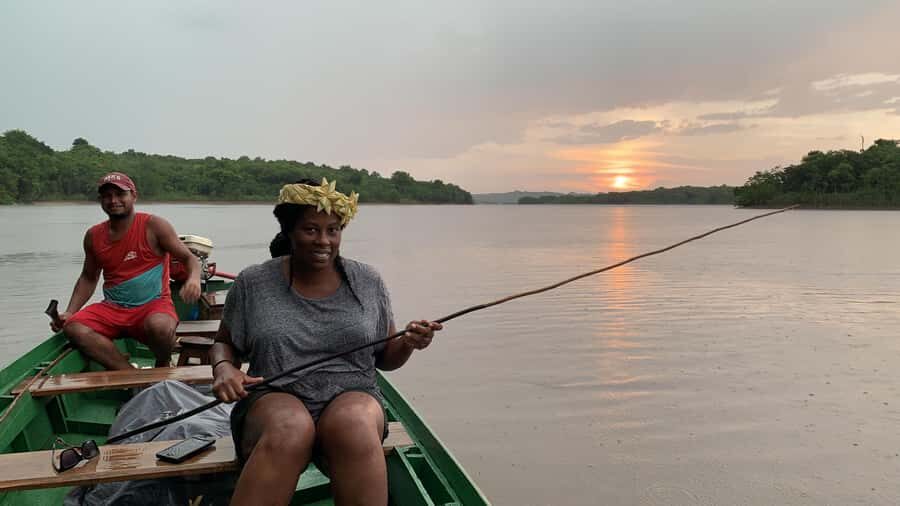
This tour works because it refuses to stay “one note.” In two days you get a blend of jungle walking, river travel, water-based wildlife time, and nighttime searching. That mix matters in the Amazon, where the best moments usually aren’t the ones you can schedule neatly—they’re the ones you catch while moving through the right places.
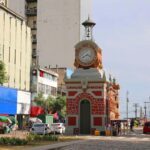
You start with hotel pickup in Manaus. The transfer is included, but it’s not a door-to-door taxi service everywhere; if your hotel isn’t in the listed range, you’ll need to Uber and meet near the Amazonas Theater downtown Manaus at 8am. Once you’re with the group, you’ll keep things efficient and head into the jungle.
You’ll spend a lot of time on a canoe or small boat. That changes the whole feel: the water is closer to you, you hear more, and the guide can stop where it counts. For some people that’s the “wow” part of the trip; for others it’s tiring. Either way, this is not a sit-and-wait itinerary.
You can also read our reviews of more tours and experiences in Manaus.
A quick reality check on the pace
The first day includes trekking for about 3 hours, then multiple river segments (paddle/canoe time), plus piranha fishing near sunset, then a dark outing for caymans and nocturnal creatures. That’s a lot of motion in one day, and it’s exactly why the second day feels calmer only because it starts early and ends before 5pm.
If you like schedules that feel tight but purposeful, you’ll be happy here. If you prefer downtime, you might find yourself wishing for a slower pace after the night excursion.
Trekking for Flora and Fauna: Survival Skills You Can Actually Use
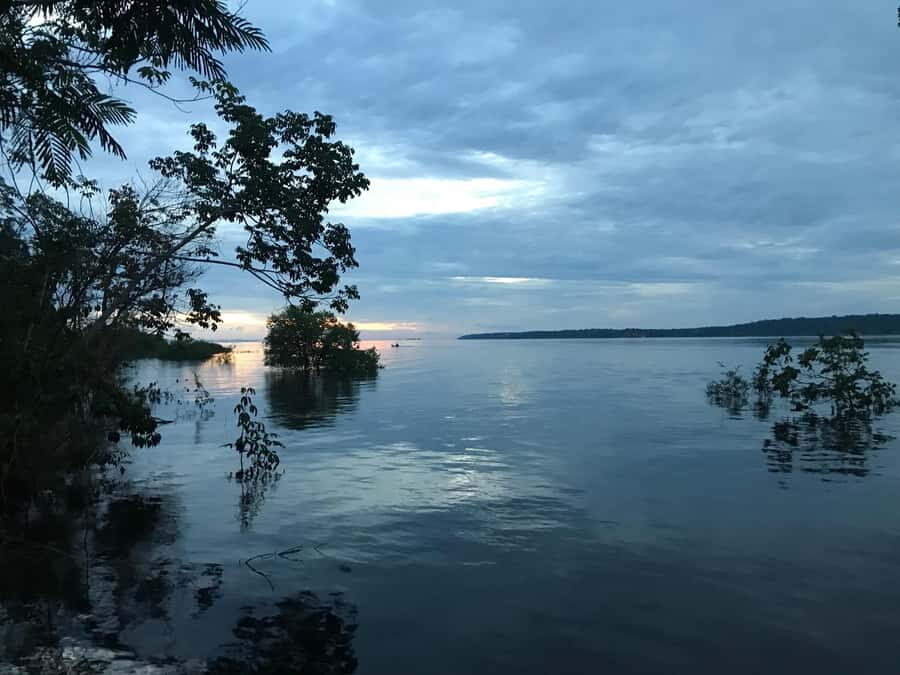
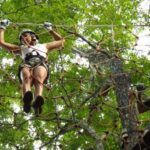
The heart of Day 1 begins in the jungle with a 3-hour trek. This is where the tour earns its “authentic Amazon” promise: you’re walking, looking, and learning how people survive and move in this environment.
You’ll discover local plants and animals with your guide, and you’ll also get jungle survival techniques. The exact details vary by what’s around you, but the takeaway is consistent: you learn how to read the area instead of just passing through it.
This kind of learning matters because the Amazon can feel overwhelming if you’re only watching from a boat. On foot, you notice everything—leaf textures, bird calls, the way light changes under the canopy. Even when you don’t spot a huge animal, you still understand the forest better afterward.
The insect factor is real
One practical thing you should plan for: insects. You’re in the jungle, and you’ll also be outside at night. If you’re seriously bothered by insects (or have a spider phobia), take precautions seriously—long sleeves, insect repellent, and mindset help. The tour can’t make nature disappear, and that’s part of the experience.
Pink Dolphins: Close Contact, Not a Drive-By
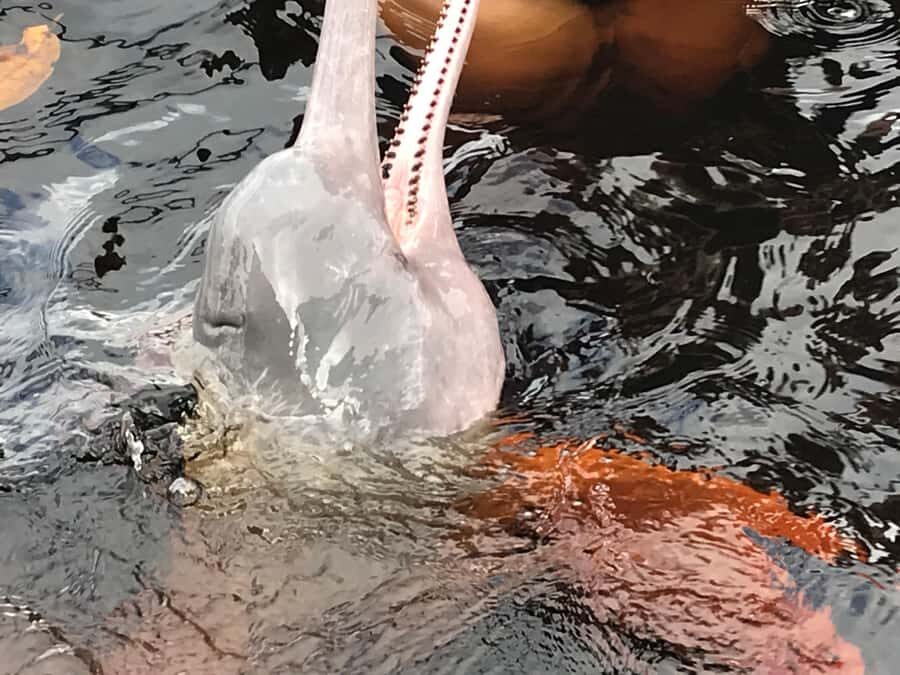
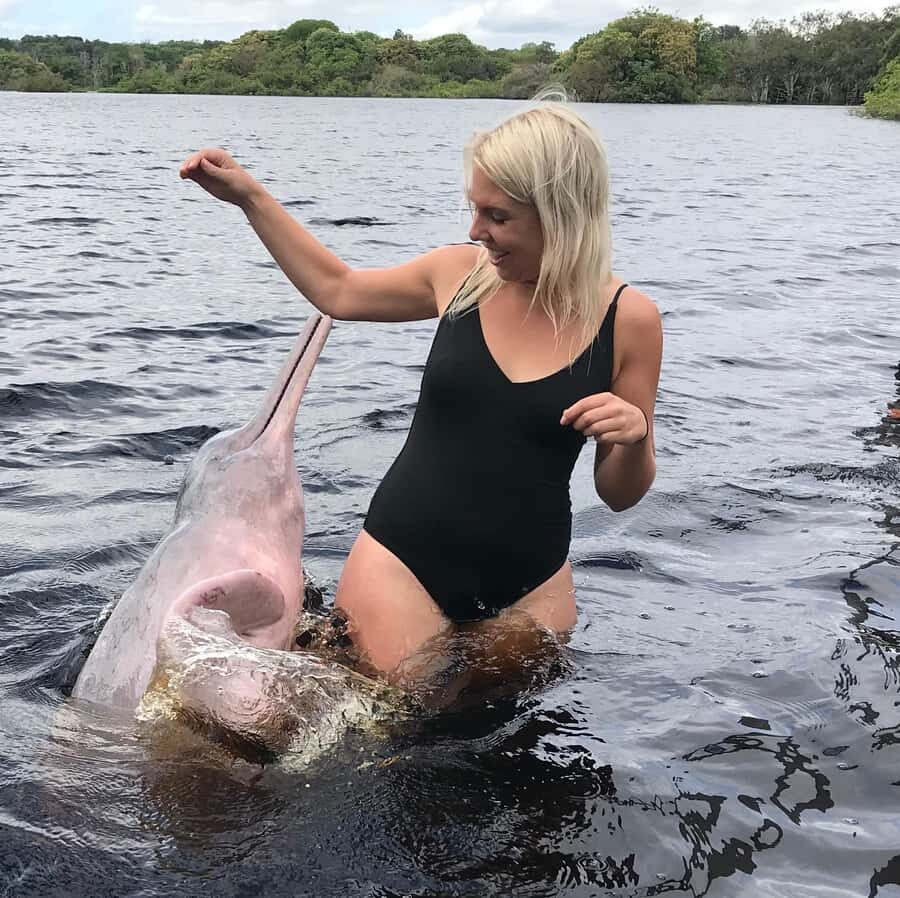
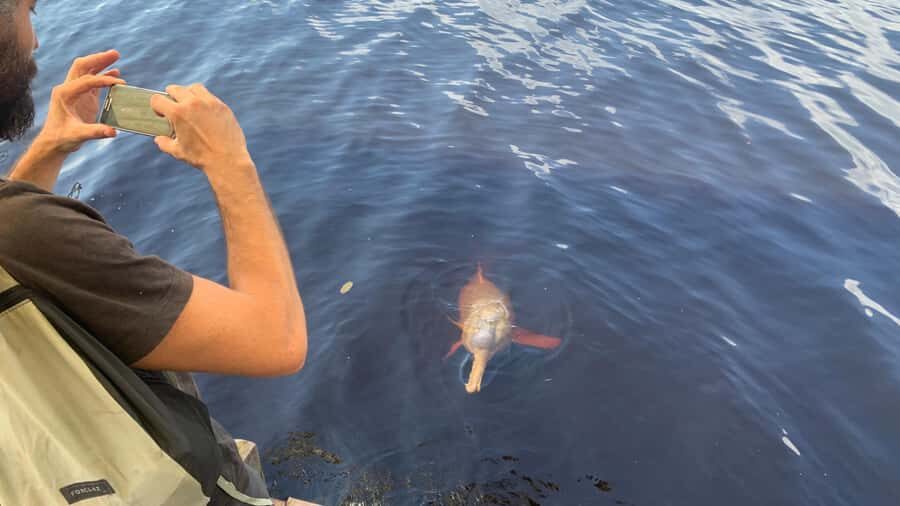
After trekking and survival learning, the itinerary shifts toward river wildlife, including pink river dolphins. You’ll see them and then enter the water to swim and get up close.
This is one of the most memorable parts of the trip because it’s not just “watch them from far away.” When you’re in the water, you’re sharing the same space the animal uses—so the moment feels personal and immediate. It also helps you understand how the river landscape works: depth, current, and how the guides choose where to go.
Two notes for your expectations. First, you’re dealing with real river conditions. Bring your swimwear and towel, and treat this as a swim day, not a lounge day. Second, canoe/river travel is part of the experience, so you’ll want to be comfortable getting wet and staying flexible.
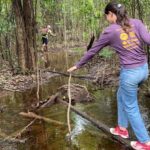

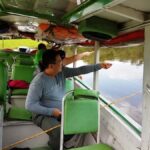
What to pack for the dolphin part
You’ll want:
- Swimwear and a towel
- Insect repellent (yes, even when you think you’re moving toward water time)
- Sunscreen (the sun can be strong during daylight river segments)
River Paddling and Piranha Fishing at Sunset
After lunch—described as a simple meal with juice or soda—Day 1 continues with paddling and canoe time along the river. This segment helps connect the dots between jungle trekking and wildlife viewing. You’re traveling differently now, gliding through calmer zones where the guide can watch for signs of animals.
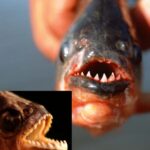
Then comes piranha fishing before sunset. Even if you’re not a fishing person, this is a useful reality check: it shows how the river provides food and how locals approach it. It’s also a perfect time of day because daylight softens, the sky changes, and the mood turns from active to observational.
A heads-up: the tour notes that it can’t provide special meals like vegetarian food. Lunch is simple, so if you have dietary restrictions beyond what the meal can accommodate, you should plan to manage that in advance.
Night Excursion for Caymans: Dark Hours, Flashlight Eyes
When evening hits, the tour switches gears. You go out in the dark and search for caymans and other nocturnal jungle creatures with your guide.
This is where good guiding matters. In daylight, animals are easier to spot. At night, you need someone who can read traces, movement, and the river/forest cues that most people would miss. A strong guide doesn’t just point—they help you understand what you’re looking at.
And yes, this part can be intense if you dislike being in the dark with insects around. It’s part of the deal. If you’re going, go prepared: long sleeves, repellent, and a calm attitude help you enjoy it instead of fighting it.
Overnight: simple room, real jungle sleep
After the night outing, you sleep in a guest room with:
- a bed
- a mosquito net
- a private toilet
It’s very simple, and the tour is clear about that. I see this as a tradeoff: you’re paying for two full days of access and guidance, not for a resort night. If you can accept basic accommodations, you’ll likely be grateful for the early morning power-up.
Sunrise and Indigenous Culture: Speedboat, Tribe Visit, and Calm Moments
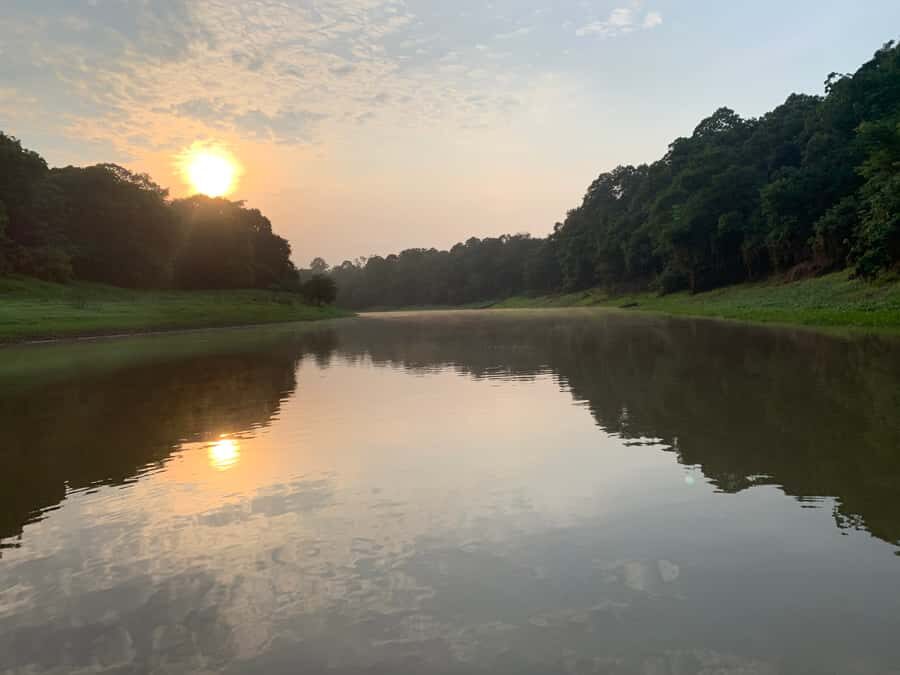
Day 2 starts early to watch sunrise. In the Amazon, sunrise isn’t just a pretty view—it’s a shift in animal activity and light patterns. Even without spotting something dramatic, you feel the jungle waking up.
After breakfast, you take a speedboat to visit an indigenous tribe. You’ll learn about history and culture, which adds a crucial human context to all the wildlife time. It reminds you that the rainforest isn’t a theme park; it’s lived in and shaped by people.
You may also buy souvenirs there if you like. That option is there, but it’s not the center of the day—your time is mostly about understanding how the community connects with the environment.
Seasonal beach swim possibility
Depending on the season, you might ride to a local sandy beach for a swim. This is a nice break from jungle and river surfaces, but it’s conditional—so don’t build your day entirely on it.
January Lake and Catalão: Floating Life and a Giant Fish Moment
Next stop: January Lake. You’ll have lunch at a floating restaurant, which is exactly the kind of “it makes sense here” travel detail that turns a long day into something memorable.
Then you visit:
- the floating village of Catalão
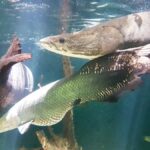
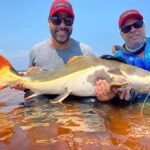
- the Pirarucu fish farm, where you can see the biggest freshwater fish with scales on Earth
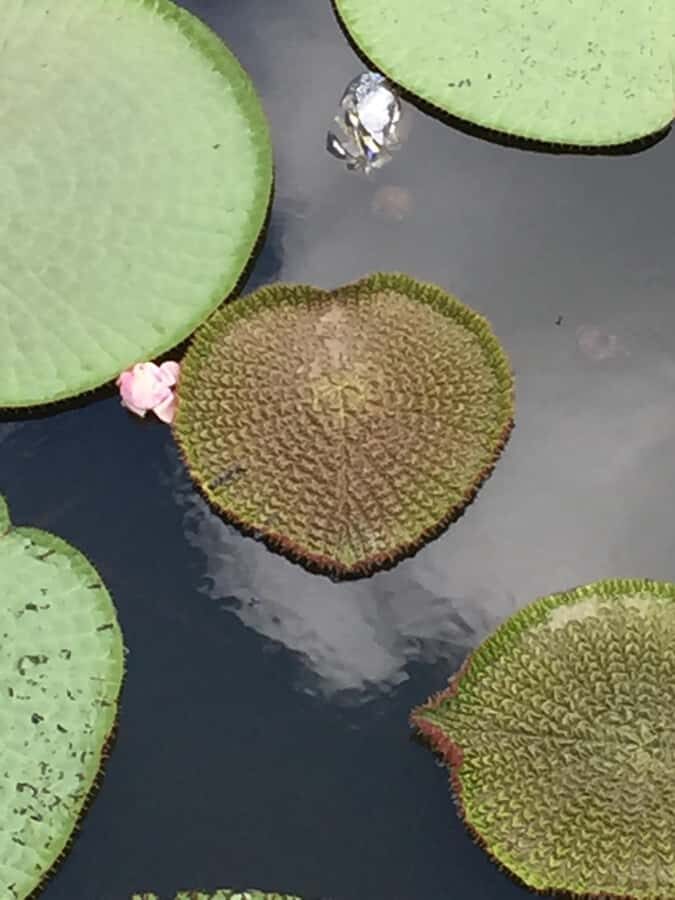
- water lilies on the lake
- and, depending on the season, rides through flooded forests
This section matters because it adds structure to the broader Amazon story. You go beyond wildlife encounters and into how communities farm, live, and adapt to seasonal flooding.
The Pirarucu farm: why it’s worth your attention
The Pirarucu (big freshwater fish) is highlighted as having the biggest freshwater scales on Earth—an eye-catching detail, and the farm setting makes it easier to understand the scale and importance of the species. Even if you’re not a fish person, it’s a concrete, showable stop rather than “maybe we’ll see something.”
The Meeting of the Waters: Rio Negro and Amazon Side by Side
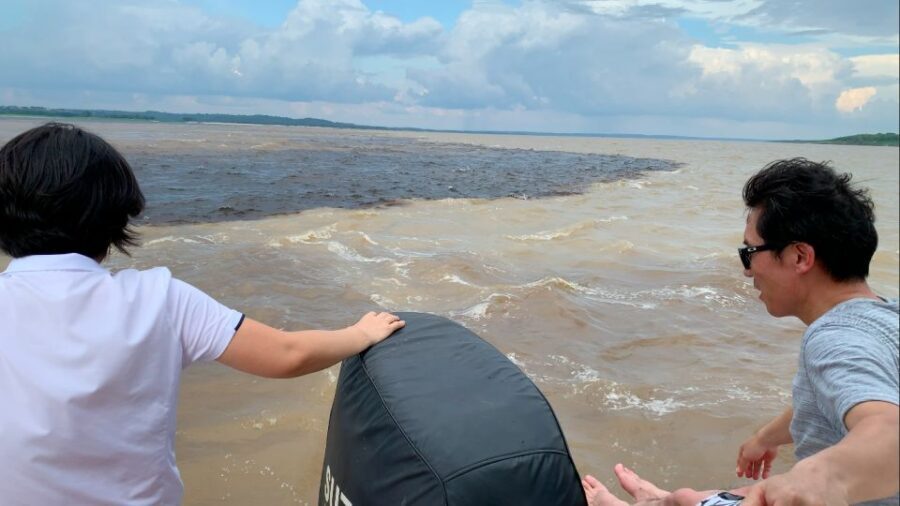
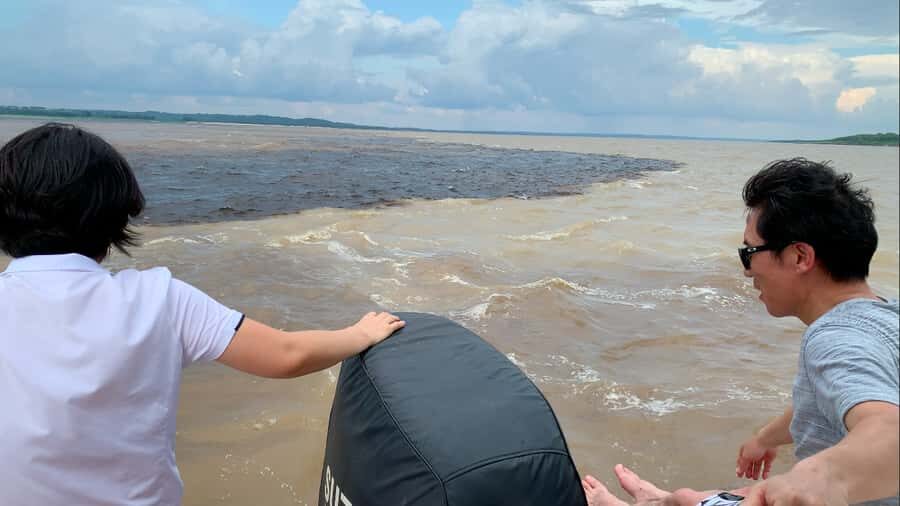
Your last big highlight is the phenomenon of the meeting of the waters—watching the Rio Negro and Amazon rivers run side by side without mixing their colors.
This is one of those natural events that people write about often, but the real value is how it lands on you at the end of the trip. After two days of jungle sounds, canoe movement, and night darkness, this feels like a calm finale—two worlds flowing next to each other.
When you finish, you’ll return to your hotel around 5pm. That timing is practical: you still have time to get cleaned up and decompress in Manaus without the tour eating your whole next day.
Price and value: what $301 covers (and why it can still be fair)
At about $301 per person for a two-day experience, the price has to be viewed as a package, not an itemized list.
What you’re getting includes:
- all transportation
- entrance fees
- mineral water
- an English-speaking tour guide (plus Spanish/Portuguese support)
- meals with juice or soda
On top of that, the itinerary includes several “logistically hard” components for a region like this: multi-stop river travel, overnight sleeping arrangements, guided trekking, and night searching. In the Amazon, the expensive part is usually not the ticket—it’s access, time, and the human skills needed to safely guide you through changing environments.
Where the value becomes strongest is the small group size (limited to 12). Fewer people means more flexibility for stops and more chance you actually get what you came for, like dolphin time and night animal searching.
What to pack (and what to assume about comfort)
The tour is pretty direct about what you should bring:
- hat
- swimwear
- towel
- sunscreen
- rain gear
- insect repellent
- closed-toe shoes
That list fits the itinerary. The trek needs solid footing. The canoe and river segments mean rain can happen fast. And the night excursion plus jungle walking means insects are part of your travel weather.
Two extra details to plan around:
- The canoe for the Negro river part has no cover, so expect exposure (sun and weather).
- The overnight lodging is simple. You’ll be comfortable enough to sleep, but don’t expect a hotel experience.
If you like comfort, aim for “prepared comfort,” not “luxury comfort.” Bring what you need, take the simple lodging for what it is, and focus on the moments you can’t replicate elsewhere.
Who should book this Manaus 2-Day River Tour—and who should skip
This tour is best for you if:
- you want real Amazon activities rather than a short highlight cruise
- you’re excited about wildlife, including pink dolphins and night cayman searching
- you don’t mind insects and want to learn how to handle the environment
- you like small group guiding and active days
You might want to skip it if:
- you have mobility impairments (the tour isn’t suitable for that)
- you’re uncomfortable with being wet, outdoors, and exposed during canoe time
- you strongly dislike insect presence, especially at night
Should you book this tour?
I’d book it if you’re in Manaus for a short window and you want a two-day plan that actually touches the Amazon’s different moods: jungle morning, river wildlife, fishing at sunset, nighttime search, sunrise, lakeside floating life, and the meeting of the waters.
If you’re on the fence, use this rule: if “simple” and “active” don’t scare you, you’ll likely come away impressed. If you need hotel-level comfort, private vehicle convenience, and insect-free nights, look for a different style of trip.
FAQ
FAQ
How long is the Manaus 2-day river tour?
It lasts 2 days.
Is hotel pickup included?
Yes, pickup is included from Manaus hotels. If your hotel isn’t on the list, you’ll need to Uber and meet near the Amazonas Theater downtown Manaus at 8am.
What group size is this tour?
It’s a small group, limited to 12 participants.
What languages are the guides?
The tour offers live guidance in English, Spanish, and Portuguese.
What meals are included?
Meals are included with juice or soda. Lunch is described as simple, and the tour notes it cannot provide special meals like vegetarian food.
Are entrance fees covered?
Yes, all entrance fees are included.
What wildlife experiences are included?
You’ll see the phenomenon of the meeting of the waters, go on a nighttime excursion looking for caymans and nocturnal creatures, and you’ll also swim with pink river dolphins.
Is swimming with pink dolphins part of the tour?
Yes. After seeing the dolphins, you enter the water to get up close.
What should I bring for the tour?
Bring a hat, swimwear, towel, sunscreen, rain gear, insect repellent, and closed-toe shoes.
Is the canoe covered?
For the Negro river part, the canoe has no cover.
Is this tour suitable for people with mobility impairments?
No, it is not suitable for people with mobility impairments.