REVIEW · RIO DE JANEIRO
Rio de Janeiro: Flamengo Museum Ticket Entrance
Book on GetYourGuide →Operated by Mude Administração de Museus Esportivos · Bookable on GetYourGuide
Flamengo Museum turns fandom into a walk-through story. I like how it traces Clube de Regatas do Flamengo from 1895 sailing days to today’s football giant, and I love the four-floor trophy room plus 14 themed sections that use big visuals and hands-on storytelling. One thing to keep in mind: this is a museum entrance, not a full tour of Gávea or a built-in food stop.
You’ll visit at the club’s headquarters in Gávea, just south of Rio de Janeiro, so it feels like you’re stepping into the real home of the Rubro-Negro. Expect a ticketed experience that’s designed to be mostly self-paced, supported by a digital guide in English, Spanish, and Portuguese.
If you need help in another language, the museum team offers instruction in Spanish, English, and Portuguese. Just plan around the rules: cell phone silent/airplane mode, no flash photography, and no smoking inside.
In This Review
- Key things you’ll notice right away
- Flamengo Museum in Gávea: why this ticket beats a generic museum stop
- Four floors of trophies and 14 themed zones
- Screens, sensory rooms, and how the museum keeps your attention
- The club timeline from 1895 sailboats to modern legends
- How to pace your visit in 1 day (and what to plan around)
- Museum rules that affect what you can bring and how you record
- Price and value: $18 for a self-paced Rubro-Negro story
- Who this fits best: Flamengo fans and sports-museum nerds
- Should you book the Flamengo Museum ticket entrance?
Key things you’ll notice right away
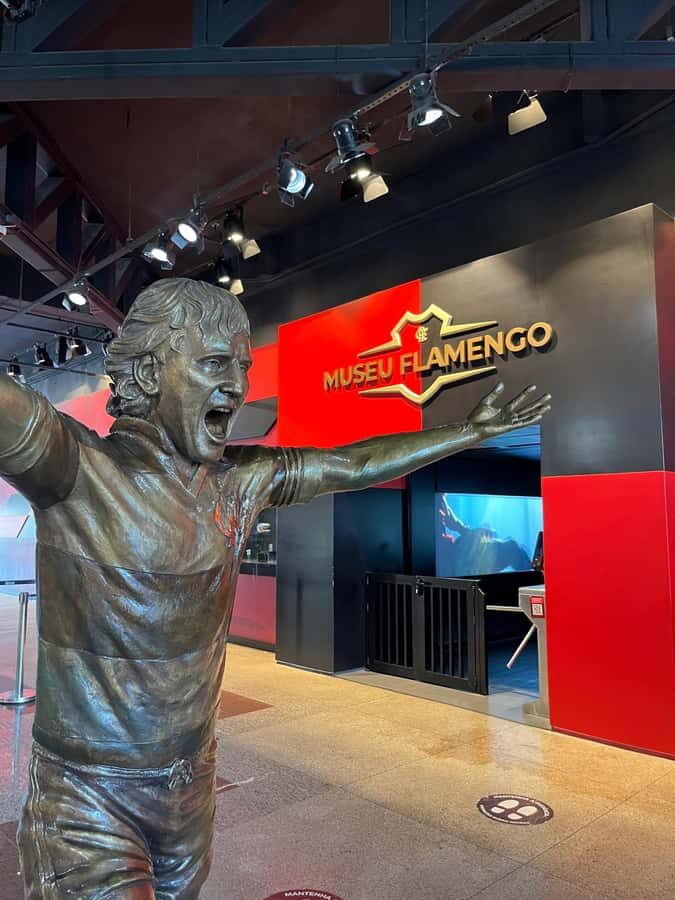
- Four floors of trophies laid out for a clear, story-like flow
- 14 themed areas mixing technology, interactivity, and emotion
- Big screens and sensory set pieces that put you in the middle of key moments
- A club timeline from 1895 onward, explained through sports artifacts and history
- A digital guide in English, Spanish, and Portuguese so you can go at your pace
- A museum built by a team used to top sports halls (River Plate, Boca Juniors, Juventus, Benfica)
Flamengo Museum in Gávea: why this ticket beats a generic museum stop
This isn’t just a collection of objects behind glass. The Flamengo Museum is built to make you feel the club’s size without needing a match ticket. Because it’s located at the Clube de Regatas do Flamengo headquarters in Gávea, the place has the atmosphere of a real sports institution, not an off-site exhibit.
What I like is the museum’s focus. It doesn’t try to be the whole history of Rio. It zeroes in on one story: how Flamengo grew from a sailing club into one of Brazil’s biggest sports brands, including football. That narrow focus is actually a benefit. You finish feeling like you understood the club’s identity, not just saw a lot of stuff.
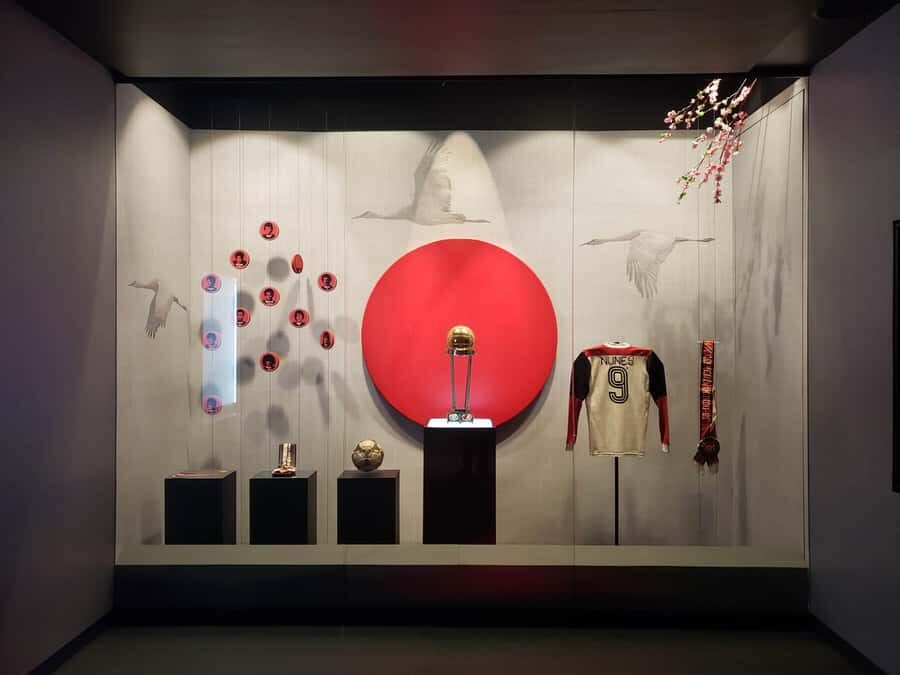
You also get a strong mix of formats. There are historical objects, idol-related displays across sports, and the kind of modern presentation—giant screens, sound-and-space effects, and interactive setups—that helps if you don’t love reading wall text for hours.
A few more Rio De Janeiro tours and experiences worth a look



Four floors of trophies and 14 themed zones
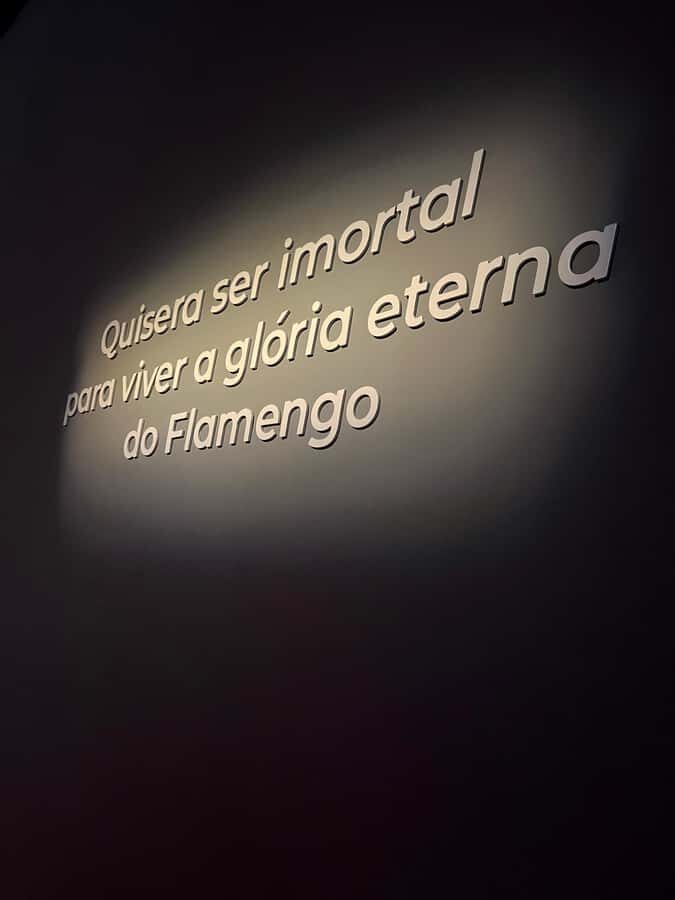
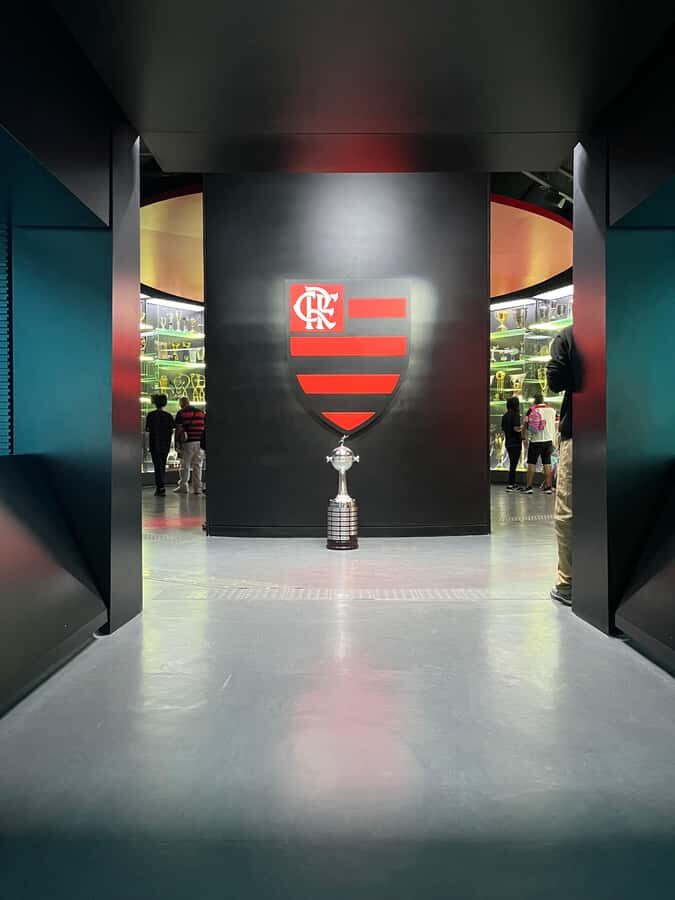
The museum’s layout is one of the smartest parts of the experience. You’re not wandering randomly; you’re moving through a trophy room spread across four floors. That alone gives you a sense of scale right away: this isn’t a small “corner trophy case” situation.
From there, you’ll encounter 14 themed sections. Each section ties into a moment or theme in Flamengo’s trajectory, and the museum uses technology and interactivity to keep those moments from feeling like static displays. If you’re the type who normally powers through museums quickly, the themed zones are helpful because each one gives you a new “chapter” to switch to.
The trophy room also changes your pace. On the lower floors, you often feel the club’s momentum; higher up, you get the sense of how the identity kept building over time. It’s a nice way to structure emotion: start with the foundations, then move toward the peaks.
Screens, sensory rooms, and how the museum keeps your attention
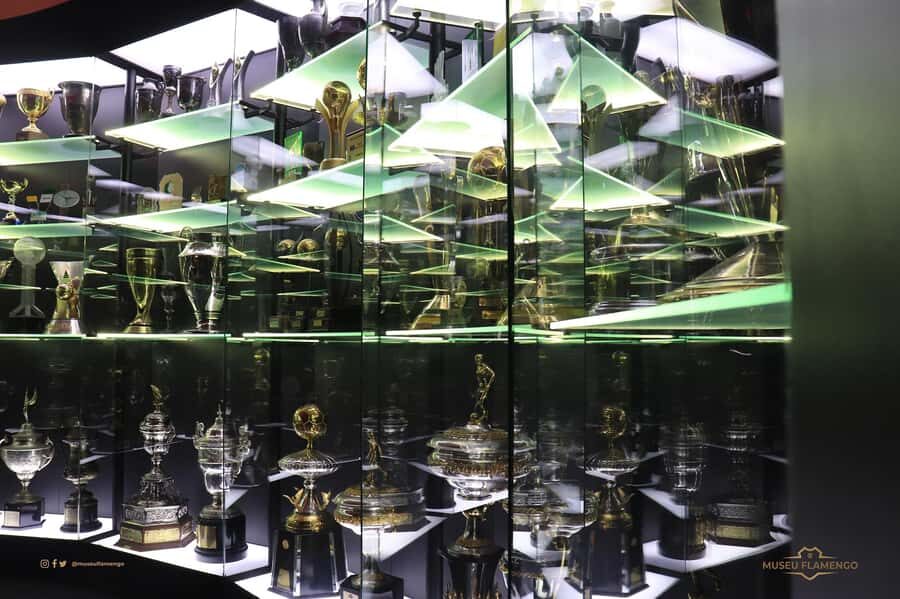
This museum leans into modern sports-museum design. Expect giant screens, sensory environments, and interactive spaces where you’re positioned as part of the moment being shown.
The practical value for you: if you’ve ever visited a museum where you spend ten minutes looking and the rest of the time trying to stay interested, this format helps. The exhibits are designed to change what you’re doing—look, listen, react, and move—so attention doesn’t depend entirely on your interest in sports history.
There’s also a clear emotional angle. The exhibits aren’t only about facts. They try to communicate why certain achievements mattered to the club and its supporters. That’s why the experience works even if you’re not the world’s biggest football superfan.
One more note: the museum rules matter here. You’ll want your phone ready for a digital guide, but you must keep it on airplane mode or silent, and you can’t take photos with flash (and filming isn’t allowed). So yes, you can enjoy the tech, but you’ll have to enjoy it without turning the whole visit into a photoshoot.
The club timeline from 1895 sailboats to modern legends
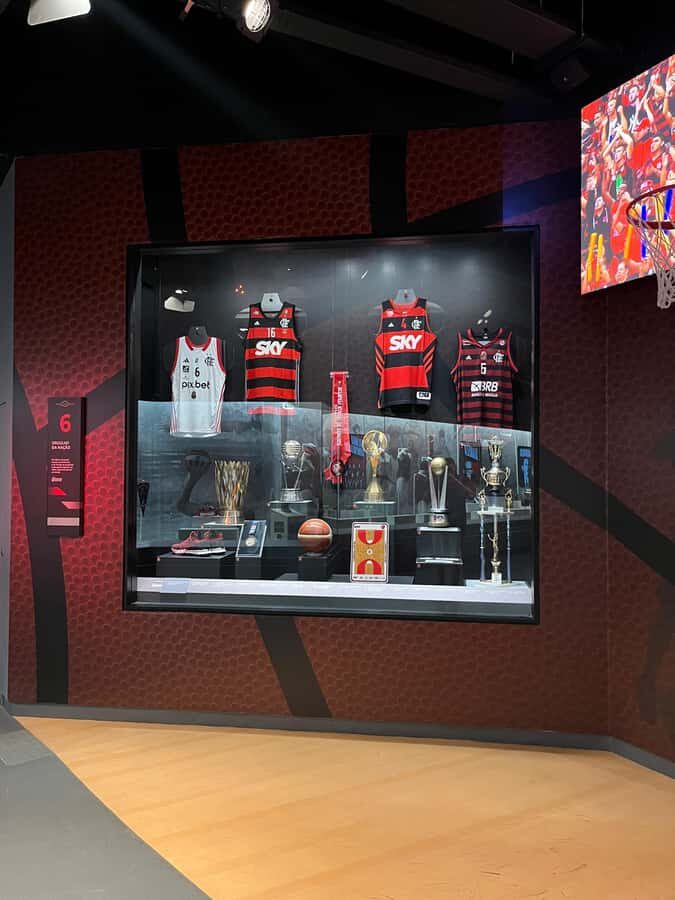
The Flamengo story starts in 1895, and the museum builds that timeline in a way that makes the club’s identity easier to grasp. You’ll learn how Flamengo began as a sailing club and then grew into a multi-sport institution with football becoming a major force.
I think this part is valuable because it gives context. A lot of sports fandom gets explained as if it appeared overnight. Here, the museum shows that Flamengo’s rise had earlier roots, and those roots shape how the club is seen today.
You’ll also see historical objects and displays tied to idols across several sports. That matters because Flamengo isn’t only a football brand in this museum’s telling. It’s portrayed as a broader sports club with a long-running culture of competition and achievement.
The museum’s approach makes it feel less like you’re memorizing dates and more like you’re following a storyline. You walk through key eras and understand what changed, what stayed, and why the club became a magnet for the biggest emotions in Brazilian sport.
How to pace your visit in 1 day (and what to plan around)
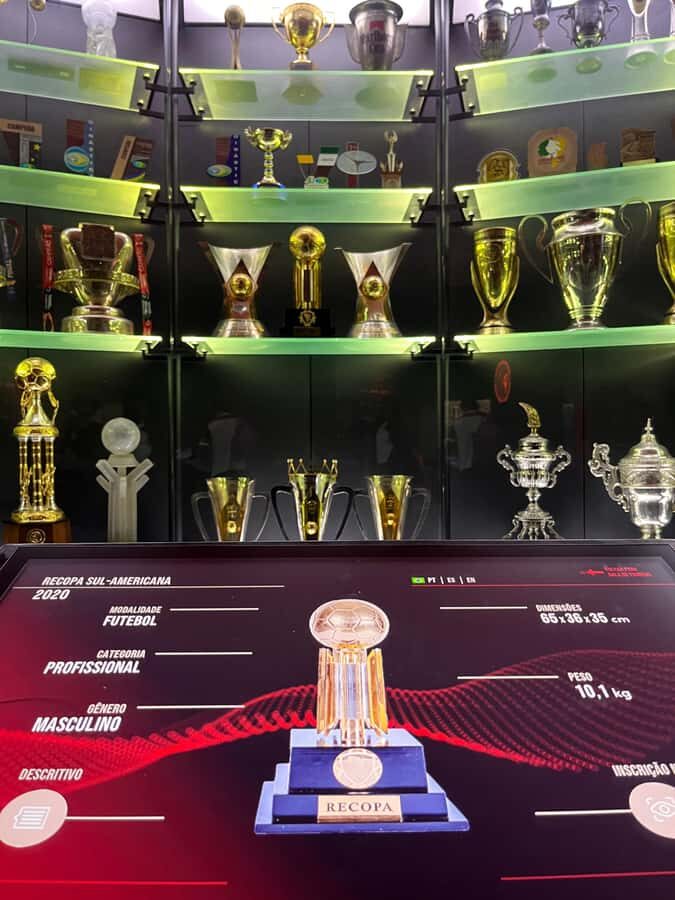
The ticket is valid for 1 day, and you can check availability to find starting times. That means you’re not locked into a single fixed “guided tour clock” like you might see with some attractions. For most people, that’s a plus.
Since the museum is designed across four floors and 14 themed sections, I’d plan enough time to avoid feeling rushed. You’ll want time for the trophy room on its own, plus breaks as you shift between themed areas.
Also, keep expectations realistic about what’s included. This is an entrance ticket experience. It does not include food and drinks, and it does not include a tour of Gávea. So if you want a longer day in the neighborhood, plan your meals and any extra sightseeing separately.
Language support is another pacing tool. You get a Digital Guide to Experience in English, Spanish, and Portuguese. That lets you keep moving without waiting for someone to translate every stop. If you’re going with a group, different people can use the same guide language or switch as needed without slowing the whole visit.
You can also read our reviews of more museum experiences in Rio De Janeiro





Museum rules that affect what you can bring and how you record
The museum has a pretty strict list of what’s not allowed. That’s normal for high-traffic indoor spaces, but you’ll save yourself stress by reviewing it before you show up.
Here’s what you should assume will impact you:
- No smoking in museum premises
- No flash photography
- No filming (the rule states that filming is not allowed)
- Your cell phone should be on airplane mode or silent
- No food or drinks (and drinks are also listed as not allowed)
- No vaping
- No sportswear
- No plastic bags, glass objects, or weapons/sharp objects
- No scooters
- Pets aren’t allowed (assistance dogs are allowed)
- No alcohol and drugs
- No making fire
- Unaccompanied minors aren’t allowed
The smart move: travel light. If you’re unsure whether something counts as sportswear or falls into a prohibited item category, err on the side of leaving it at your hotel.
Price and value: $18 for a self-paced Rubro-Negro story

At about $18 per person, this ticket is good value for what you’re getting: a multi-floor trophy room, 14 themed sections, and a full digital guide experience in multiple languages.
Where the value really shows is in the format. You’re not paying for a quick walk past a few display cases. You’re paying for a structured museum visit designed to last long enough to connect emotionally and historically. The technology and sensory rooms are part of the product, not a bonus extra.
It also helps that the museum design team has built similar sports museums for major clubs like River Plate, Boca Juniors, Juventus, and Benfica. You can feel that “pro museum” approach in the pacing and presentation style—clear sections, big screens, and enough variety to keep different types of visitors engaged.
One downside to mention honestly: because food and drinks aren’t included, you may need to handle meals outside the museum. If you’re the type who hates planning, bring your timing game. If you already plan your day around meals, this becomes a smooth, straightforward ticket stop.
Who this fits best: Flamengo fans and sports-museum nerds

This experience is tailor-made for Flamengo supporters. The museum is built around the Rubro-Negro identity, and it leans hard into the emotional language of the club’s most memorable moments.
It also makes sense for:
- People who enjoy sports history when it’s presented clearly and visually
- Fans of interactive museums (screens, sensory environments, interactivity)
- Travelers who want a one-day activity that feels connected to real local culture
- Anyone who appreciates context—especially the club’s shift from sailing roots to modern football prominence
It may be less ideal if you:
- Want a relaxing, quiet hour with minimal movement and minimal crowds
- Expect a guided walking tour around the broader neighborhood (there’s no included tour of Gávea)
- Need to eat or snack during the visit (food and drinks aren’t included and food/drinks aren’t allowed)
Should you book the Flamengo Museum ticket entrance?
Yes, if you want a smart, structured way to understand Clube de Regatas do Flamengo without needing a match day. For $18, you get a full museum experience: four floors of trophy material, 14 themed sections, and a digital guide in English, Spanish, and Portuguese.
Skip it only if you’re not interested in sports history presented through big, tech-forward exhibits. Otherwise, this is a standout Rio stop because it’s specific—Flamengo, from 1895 onward—and that specificity makes the time feel earned.
If your travel style is all about one focused cultural stop with real local identity, book it and plan to spend most of your day inside the museum rather than rushing through.