REVIEW · RIO DE JANEIRO
The Best Food Tour: Taste the Most Authentic Flavours of Rio
Book on GetYourGuide →Operated by Free Walker Tours · Bookable on GetYourGuide
Samba starts before you finish lunch, and you’ll eat your way there. This Rio de Janeiro food tour takes you through Little Africa and lands you at the classic samba circle around Pedra do Sal, so the rhythm and the food both feel like part of the same story.
I love the way the tastings cover Brazil’s regions, not just one style of eating. You’ll sample standout dishes like tacacá, angu, empadas, coxinha, and guarana-flavored favorites, with explanations that connect ingredients to where they come from.
One thing to plan around: the exact restaurants and dishes can change depending on availability, and one of the tastings includes homemade passion fruit cachaça. If you’re avoiding alcohol or you have strict dietary needs, you’ll want to ask your guide at the start.
In This Review
- Key things I’d circle on your Rio checklist
- Entering Little Africa through food first
- Tacacá do Norte Gourmet: start with a North-to-Rio flavor shock
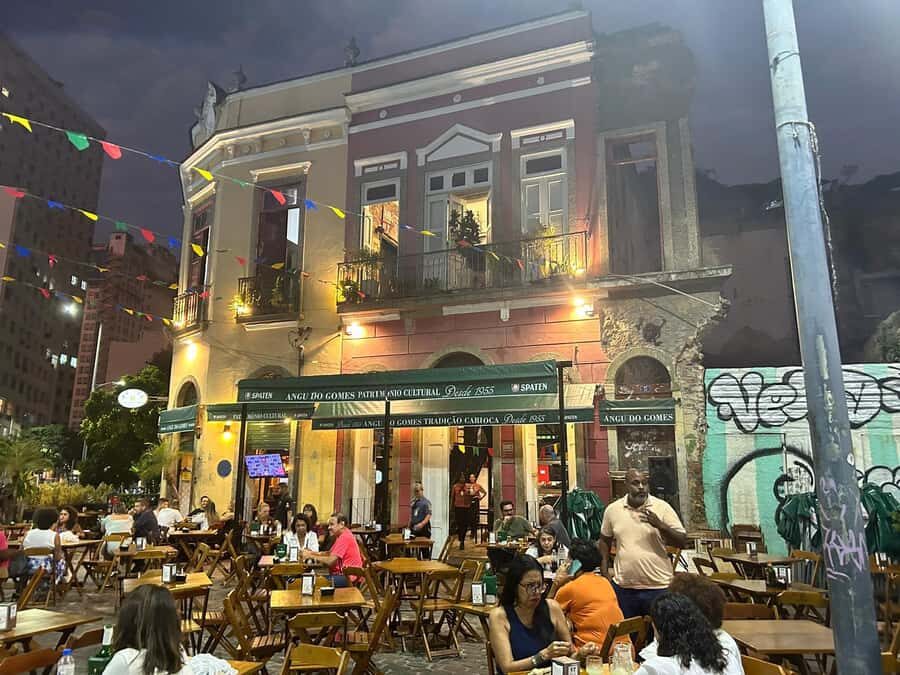
- Angu do Gomes: the comfort-food stop that explains regional identity
- Casa Porto: empadas, coxinha, and a cachaça moment
- The samba lead-in at Pedra do Sal
- What dishes you should be most excited to try
- Guides make or break the vibe
- Timing tips: choosing 12:30 vs 4:00
- Price and value: why $75 can actually make sense here
- Practical watch-outs before you go
- Who this tour fits best
- Should you book this Rio food tour?
- FAQ
- Where do I meet for the tour?
- How long is the tour?
- How much does it cost?
- What tastings are included?
- What are the typical dishes on the tour?
- Does the tour include samba?
- What time options are available?
- What languages is the guide available in?
- Is hotel pickup included?
- Is the tour wheelchair accessible?
Key things I’d circle on your Rio checklist
- 10+ tastings from across Brazil in a single 4-hour loop
- Little Africa neighborhood walk-through with a local-food focus
- Pedra do Sal samba circle plus extra bites on the outskirts
- Specific dish stops like Tacacá do Norte Gourmet and Casa Porto
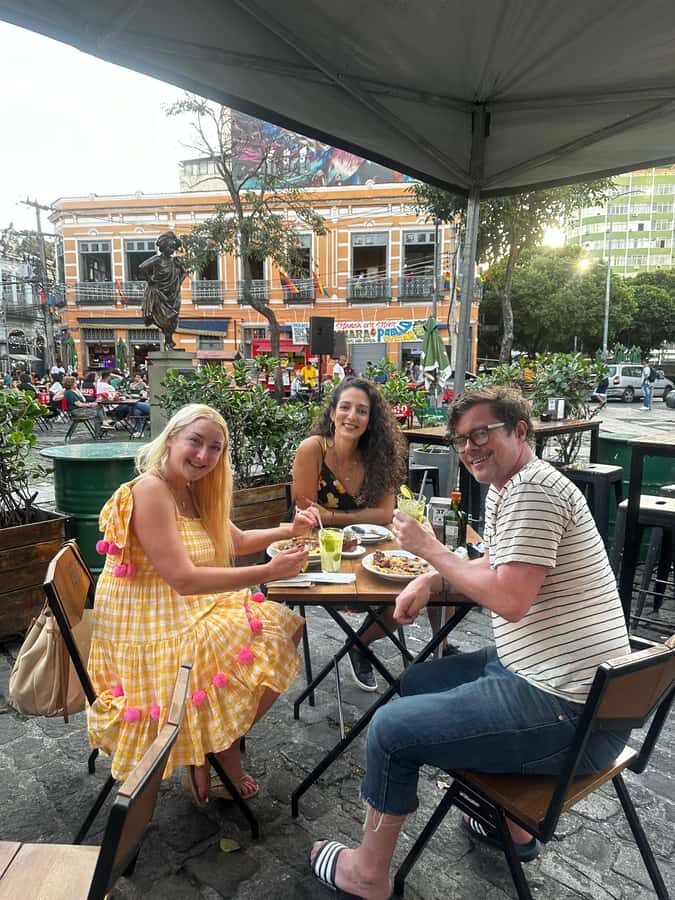
- Guides who bring food history to life, with names like Louis, Jurema, and Lia showing up on past departures
Entering Little Africa through food first
This kind of Rio experience works best when you let your stomach guide your curiosity. Instead of doing the usual sightseeing-first routine, you start right where people go for typical comfort foods, drinks, and snacks. That’s what makes this tour feel grounded: you’re not just looking at the city, you’re eating what the city actually eats.
The starting point matters too. You meet inside Tacacá do Norte Gourmet (number 35 O). There’s also a similarly named Tacacá do Norte, so slow down and make sure you’re at the right door.
The tour is about 4 hours, and it’s priced at $75 per person. For Rio, the value is in the combination: multiple tastings across restaurants, a live guide, and guided stops that connect food to neighborhoods and rhythms.
You can also read our reviews of more food & drink experiences in Rio De Janeiro



Tacacá do Norte Gourmet: start with a North-to-Rio flavor shock
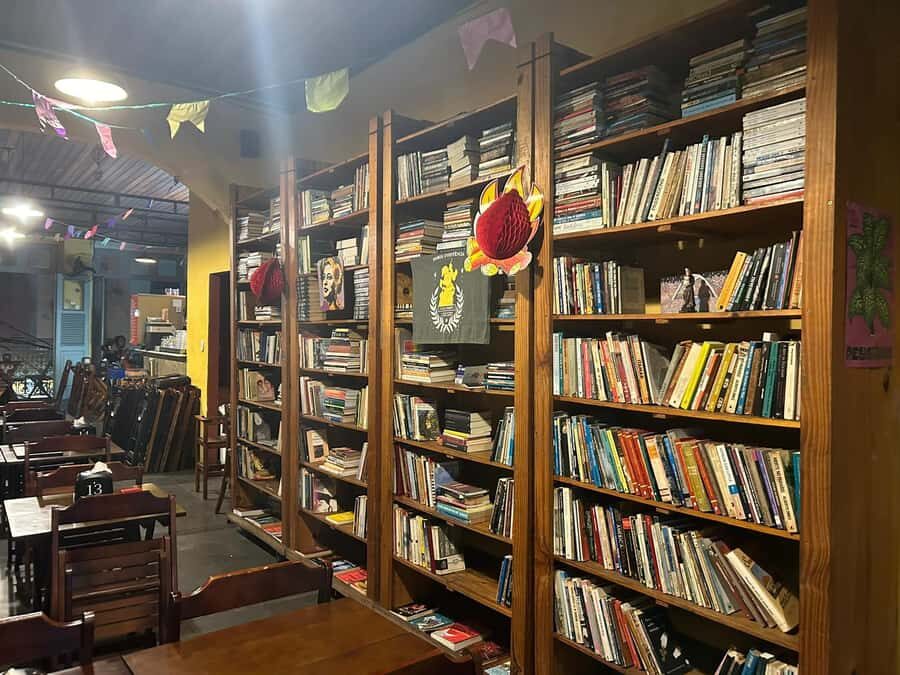
The first stop sets the tone: bold, tangy, and very Brazilian. Expect an opening tasting that can include tacacá (with or without shrimp), plus an açaí component from Brazil’s North. You may also try Guaraná Jesus, a classic Brazilian soft drink tied to the same universe of flavors.
Why this works on day one: tacacá isn’t subtle. If you’ve never had it, you’ll quickly understand why locals treat it like a real treat, not just street-food. The guide’s job here is helpful—pointing out what makes tacacá different from what you might expect from a soup or stew, and why ingredients travel the way they do.
This is also a good moment to set your pace. Tastings can be generous, and Rio food tours reward the smart approach: sip water between courses, and don’t force everything at once.
Angu do Gomes: the comfort-food stop that explains regional identity
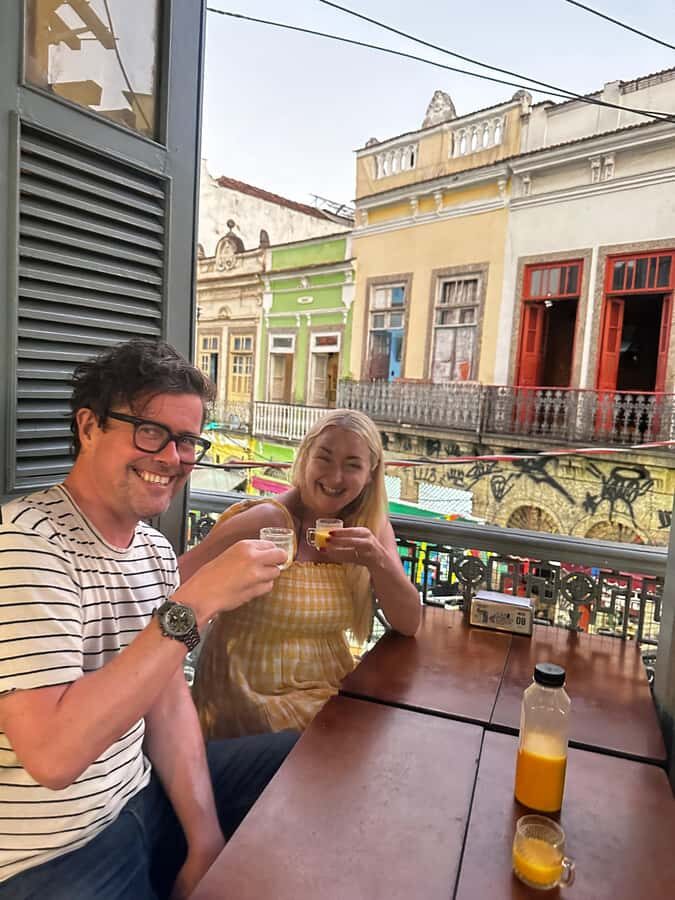
After the first taste, you take a short metro ride (about 10 minutes) to another local restaurant. This is where the tour’s focus on regional food really comes into view.
At Angu do Gomes, you’ll run into angu—a traditional corn-based dish. The tour can offer a traditional or vegetarian version, so you’re not forced into one path. Expect additional bites that might include a feijoada ball or fried cassava, depending on what’s available that day.
Here’s what I’d pay attention to: the guide’s context. The best part of these stops isn’t just eating; it’s understanding how corn dishes, bean-based flavors, and fried starches became common comfort foods in different parts of Brazil. That little bit of explanation changes how you taste everything afterward.
Practical note: if you’re the type who gets full fast, you’ll want to move calmly through this stop. Angu-style dishes can be filling.
Casa Porto: empadas, coxinha, and a cachaça moment
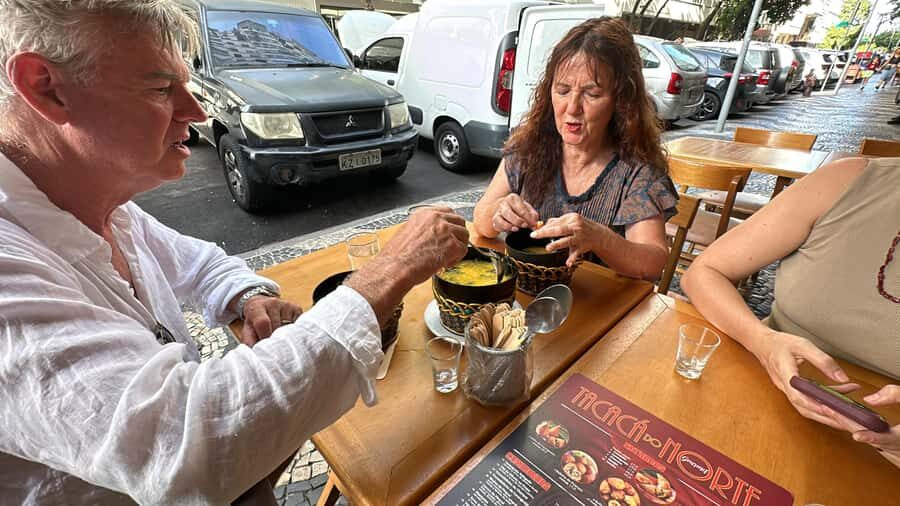
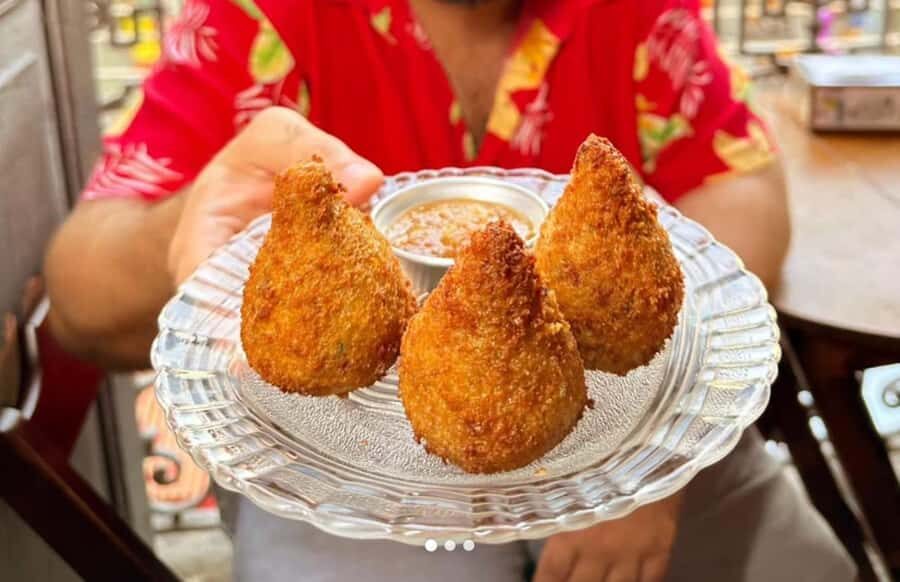
Next comes Casa Porto, one of those places built for eating slowly. You can expect empadas (including okra empada), plus two named variations: Romeo and Juliet empada and other regional choices depending on the day. You may also try coxinha de pernil without dough, which is a very “only in Brazil” kind of snack—comfort food with a form that’s easy to eat, but hard to forget.
Then there’s the drink moment: homemade passion fruit cachaça. If you drink alcohol, it’s a nice way to slow down between savory bites. If you don’t, you can still enjoy the flavor conversation without feeling pressured. Just know it’s on the tasting list.
What makes this stop valuable is the mix of textures. Empadas bring pastry layers and savory filling. Coxinha adds the familiar comfort shape, but the tour’s version keeps it distinct. You’re learning how Brazilian cuisine doesn’t just taste different—it feels different in your hands.
The samba lead-in at Pedra do Sal
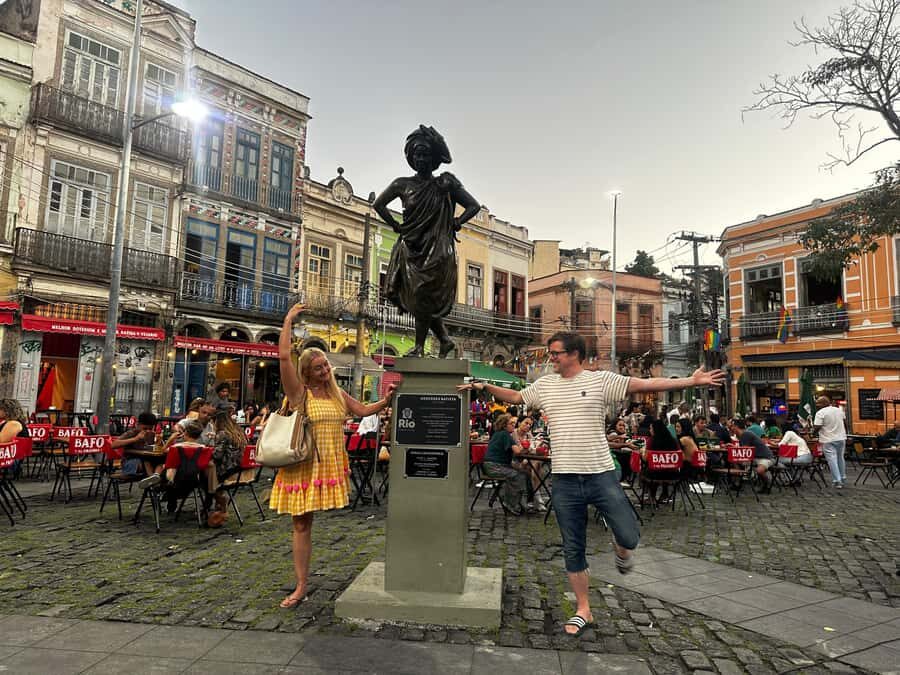
After the restaurant stops, the tour shifts gears from plates to pulse. You head toward Pedra do Sal, where you’ll experience samba in a traditional samba circle. The feeling here is the point: the music isn’t an optional add-on. It’s tied to the neighborhood you’ve been walking through.
The timing matters. The 12:30 PM tour is designed to fit lunchtime, with time to explore the area at your own pace until samba starts around 6 PM. The 4:00 PM tour is built so you can finish the eating portion and head straight into the samba scene.
On the outskirts of Pedra do Sal, you’ll also take in four more samples and discover local bars. This part is where the tour becomes more than a meal. It becomes a social lesson: how people gather, snack, and listen, all in the same space.
If you’re traveling with friends, this is the moment to point out what you’re noticing. Everyone starts comparing flavors out loud, and the samba gives you something to talk about besides food.
A few more Rio De Janeiro tours and experiences worth a look



What dishes you should be most excited to try
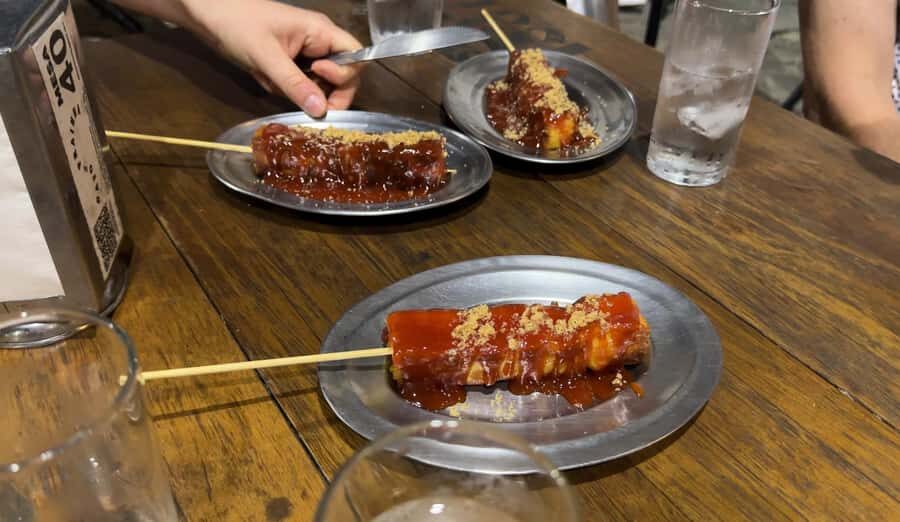
You’ll see a clear pattern: the tour is built around “recognizable Brazilian” foods, but it mixes in regional signatures and named variations. Based on the provided dish list, these are the standouts to watch for:
- Tacacá (with or without shrimp): a signature Northern Brazilian flavor experience, not a safe bland starter
- Açaí from the North: sweet, thick, and a contrast to savory bites
- Guaraná Jesus: a Brazilian classic that’s worth trying at least once
- Angu (traditional or vegetarian): corn-based comfort with regional roots
- Feijoada ball or fried cassava: snack-sized forms of bigger ideas
- Empadas, including okra empada and the named Romeo and Juliet style
- Coxinha de pernil without dough: classic shape, distinct presentation
- Homemade passion fruit cachaça: local drink culture wrapped into a tasting
- Pastry and bar food at the final flavor stop near the samba area
One smart strategy: don’t over-plan what you’ll eat. Let the guide’s explanations help you choose in the moment, especially because dishes can change without notice.
Guides make or break the vibe
The food matters, but the guide controls the pace and the meaning. This tour has been led by guides such as Louis, Jurema, and Lia, and their common thread is clear from their style: they connect food to place, and they’re friendly and easy to follow.
On some departures, you’ll hear history in a way that feels tied to what you’re seeing in front of you. One example from past departures is a strong explanation of the history around favelas, plus a look from a guide’s home with standout views. On other departures, the emphasis shifts to local Rio history and practical tips beyond the food stops.
So if you care about context—why an ingredient is used, what a dish represents, how a neighborhood earned its identity—this tour is set up for you. If you mostly want entertainment, the samba part also helps keep things lively.
Timing tips: choosing 12:30 vs 4:00
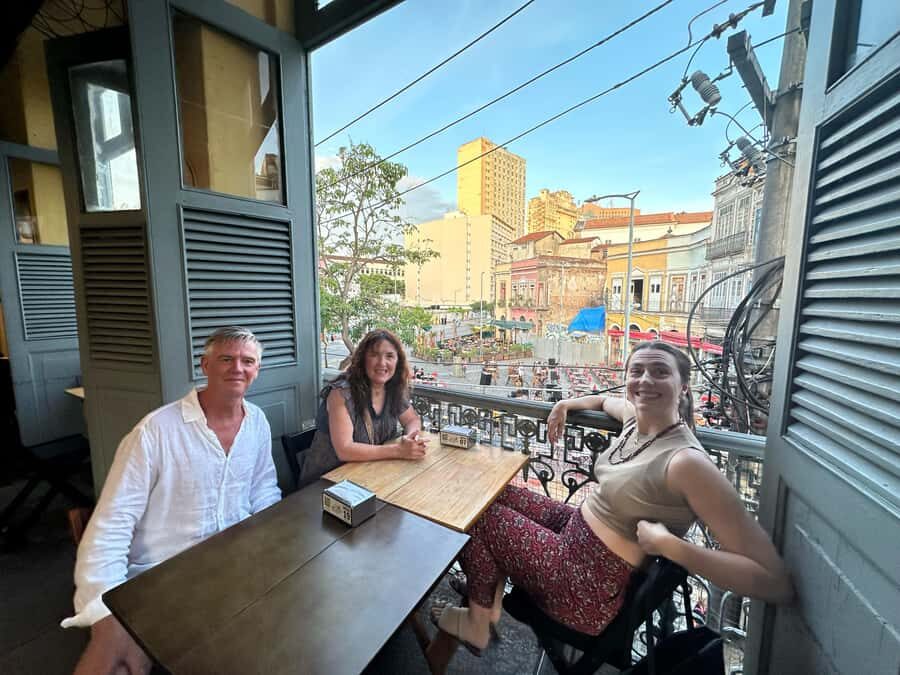
Pick your starting time based on how you want the day to unfold.
12:30 PM tour works if you want a solid lunchtime meal experience first, then freedom after. You’ll have the tour duration to eat and learn, then you can linger around the area until samba starts around 6 PM (or move on if you prefer).
4:00 PM tour is better if you want the food phase to be shorter and then jump into the evening energy. This option is built for people who plan to end the day around samba.
Either way, wear comfortable shoes. You’ll be moving between restaurants and then to the samba area.
Price and value: why $75 can actually make sense here
At $75 for 4 hours, the big question is what you truly get for your money. Here’s the value logic that makes this tour work:
- More than 10 tastings across multiple stops
- A guide who’s handling pacing and giving food-history context
- Food and drink included, not just samples you can barely taste
- Two big “experiential anchors”: eating across restaurants and experiencing samba at Pedra do Sal
If you tried to recreate this on your own, you’d likely spend similar money on multiple meals plus taxis plus the time needed to find places and understand what you’re ordering. The guide reduces that guesswork, and the samba stop gives you a cultural moment you might not stumble into on your own.
The only real trade-off is that you’re paying for structure. If you want total freedom to hop in and out of places, this tour-style format is less your thing.
Practical watch-outs before you go
A few things help you avoid common food-tour headaches:
- Dishes can change depending on availability. Don’t come expecting an exact menu order.
- There’s a cachaça tasting option in the provided dish list. If you skip alcohol, plan to pace yourself with water.
- This is a walking-and-stopping experience. If your mobility is limited, the good news is the tour is wheelchair accessible, but you should still consider how comfortable you are with short metro/walking segments.
- You’ll want an appetite that can handle multiple courses. This isn’t one plate and a goodbye.
Who this tour fits best
This Rio food tour is a great match if you want all of the following:
- You like food with context, not just random bites
- You want to explore Little Africa as a lived-in neighborhood, not a museum
- You’re excited by samba and want it tied to place and food
- You’d rather pay for guidance than spend half your day figuring out where to eat
It may be less ideal if you only want light snacks, if you have strict dietary restrictions you didn’t plan around, or if you prefer quiet, slow pacing with no live music focus.
Should you book this Rio food tour?
Yes, if you’re looking for a smart, fun way to experience Rio through Brazilian regional food plus samba. The $75 price is easier to justify because you’re not paying for one meal—you’re paying for multiple tastings, guided context, and a cultural anchor at Pedra do Sal.
If you’re very picky about alcohol, you need guaranteed exact dishes, or you hate any chance of menu variation, then message the operator before you go and consider whether the tasting format fits your style.
FAQ
Where do I meet for the tour?
You meet inside Tacacá do Norte Gourmet at number 35 O. Make sure you’re inside Tacacá do Norte Gourmet, not the similarly named Tacacá do Norte.
How long is the tour?
The experience runs for 4 hours.
How much does it cost?
It costs $75 per person.
What tastings are included?
Your reservation includes food and drink tastings, including more than 10 samples of different foods from different parts of Brazil. Specific dishes can vary by restaurant availability.
What are the typical dishes on the tour?
The listed dishes can include tacacá (with or without shrimp), açaí, Guaraná Jesus, angu (traditional or vegetarian), feijoada ball or fried cassava, okra empada, Romeo and Juliet empada, coxinha de pernil without dough, homemade passion fruit cachaça, pastry, and bar food.
Does the tour include samba?
Yes. You’ll visit Pedra do Sal for samba in a traditional samba circle, and then you’ll also taste additional samples near the area’s bars.
What time options are available?
You can choose a 12:30 PM tour or a 4:00 PM tour.
What languages is the guide available in?
The live tour guide is available in English, Portuguese, and Spanish.
Is hotel pickup included?
No. Hotel pickup and drop-off are not included.
Is the tour wheelchair accessible?
Yes, the tour is listed as wheelchair accessible.