REVIEW · RIO DE JANEIRO
The Best of Rio de Janeiro in a Private Guided Tour
Book on Viator →Operated by Carioca Tropical Tour Operator · Bookable on Viator
Rio is big. This tour gives you a plan.
You get an all-day feel for the city with a private guided itinerary in an 8-hour stretch, plus hotel pickup and drop-off so you’re not wasting mornings figuring out rides. It’s designed around what you care about, with your guide reaching out first to shape the day around your interests.
I love two things right away: the flexibility to build your own route, and the chance to see Rio’s “must-see” energy without spending half the day stuck in logistics. This can include icon views like Sugarloaf Mountain and Christ the Redeemer, plus plenty of cultural and neighborhood stops along the way. Guides like Victoria, Ederson, and Gabo are repeatedly praised for making the day feel personal, not like you’re herded between landmarks.
One drawback to keep in mind: tickets and entrance fees aren’t included (and some major sights are ticketed), so you’ll want to budget for those. Also, because the route can be packed with stops, you’ll get the best results if you pick a theme (food, history, sports, culture) and prioritize.
In This Review
- Key things you’ll notice on this Best of Rio private tour
- How the private itinerary gets built around your day
- Hotel pickup, private transport, and why $480 can make sense
- Tijuca National Park to Mirante Dona Marta: views that anchor the morning
- Sugarloaf Mountain: plan for ticket time, not just the view
- Botanical Garden and Museu de Arte Moderna: culture that isn’t just museum-brain
- Copacabana, Ipanema, São Conrado, and Barra: beaches as mood, not just photos
- Downtown culture: churches, squares, library power, and downtown calm
- Lapa and Santa Teresa: old Rio energy with tram-and-arches style
- Museums and waterfront architecture: Modern art and science when you need a change
- Carnival, football, and the big Rio stages: Maracana and Sambadrome
- The list of optional stops that round out a Best of Rio day
- Price and logistics: what you should budget and how to avoid surprises
- Should you book the Best of Rio private guided tour?
- FAQ
- What time does the tour start?
- How long is the private tour?
- What’s included in the price?
- Are entrance fees included?
- Can you customize the itinerary?
- What major sights are commonly included?
- Where does the tour end?
- How large is the group for this private tour?
Key things you’ll notice on this Best of Rio private tour

- Pre-trip planning call: your guide contacts you to shape a route that fits your pace and interests
- Private guide + driver: you get one group, one plan, and fewer “where do we go now?” moments
- Icon viewpoints are built in: Sugarloaf and Corcovado/Christ are common anchors for the day
- A smart mix of free stops and paid entries: many churches, squares, and viewpoints cost no ticket money
- Neighborhood texture matters: beaches, Lapa, Santa Teresa, and downtown culture show up on the route
- Your day can adapt to conditions: if fog or timing affects one viewpoint, your guide can steer you to another great outlook
How the private itinerary gets built around your day
This tour is built for people who hate two things: rigid schedules and guessing where to go next. Before you start, your guide reaches out to talk through what you want to focus on. That’s the key: you can build a day around food, sport, history, or culture, and then fit the biggest sights into that theme.
In practice, that means your route can lean toward scenic viewpoints and beaches if you’re chasing classic Rio photos—or toward museums, churches, and historic downtown if you want the city’s layers. Many people also like that the guide can adjust around timing: for example, if you care about doing Christ the Redeemer at the best time of day, an early plan can be part of the setup.
You’ll still have a full day. This isn’t a slow “wander and see what happens” approach. But it’s a full day where you choose what “happens” to your schedule.
You can also read our reviews of more guided tours in Rio de Janeiro



Hotel pickup, private transport, and why $480 can make sense
The headline price is $480 per group (up to 3), and the tour runs about 8 hours starting at 8:00 am. That sounds steep if you compare it to a bus tour. But you’re paying for three things that matter in Rio:
First, you’re not juggling transport between distant areas. Second, you have a guide who can explain what you’re seeing (and help you decide what’s worth your limited time). Third, you get real flexibility: the day can shift to fit your priorities instead of following a one-size-fits-all script.
Here’s the practical way to think about value. If your ideal Rio day includes Sugarloaf plus Christ the Redeemer, plus a handful of neighborhoods and cultural stops, a private day can actually be cost-competitive with buying tickets and then paying for separate guides or multiple taxis/rides. And because many stops on the route are free (more on that below), you’re not paying entry fees for every single stop.
Two small “check this before you go” notes. The included details say private service can be for up to 14 people, while the price summary says up to 3 per group. Make sure your booking voucher lines up with your headcount so you’re not surprised. Also, the tour includes a private vehicle and a driver, so you get fewer timing headaches than public transit days.
Tijuca National Park to Mirante Dona Marta: views that anchor the morning

One of the strongest “Rio in one day” anchors is Parque Nacional da Tijuca (urban rainforest). This stop is free, and it’s a rare break from the city’s built-up feel. The point here isn’t just a quick look—it’s the contrast. You’re in a rainforest ecosystem right inside the city, with hiking paths, waterfalls, and viewpoints that show how Rio can go from urban to green fast.
If you choose to lean into scenery, your route may also include Mirante Dona Marta, another free viewpoint stop. Many people like Mirante Dona Marta because it offers panoramas that can include Sugarloaf and Christ the Redeemer. It’s also a smart backup when weather or fog changes the visibility at Corcovado. Ask your guide about timing for the best light—sunrise and late morning tend to be the sweet spot for photos.
Why this matters for you: Tijuca-style stops make the day feel bigger than “just landmarks.” You’re not only checking boxes; you’re seeing the geography that makes Rio look like a postcard even without trying.
Sugarloaf Mountain: plan for ticket time, not just the view
Sugarloaf Mountain is one of the most iconic Rio experiences, and it’s a common stop on this tour. The cable car ride and admission are not included, so you’ll need to plan for the cost of entry. But you’re still buying something valuable here: time and decision-making.
Sugarloaf is especially worth prioritizing if you want wide views over Guanabara Bay. It also tends to be a great sunset or golden-hour pick—though your 8:00 am start means you’ll likely hit it earlier or time it based on your guide’s pacing.
One practical tip: if your guide offers a way to reduce waiting (for example, helping you purchase an expedited option or choosing a timing approach), take it seriously. A private guide gives you more control over when lines happen.
Possible drawback: because it’s a ticketed attraction, your total day cost can rise quickly if you also plan Corcovado/Christ that same day. Build your budget around the “paid big two” first, then let the rest of the route be a bonus.
Botanical Garden and Museu de Arte Moderna: culture that isn’t just museum-brain
If you want a break from sheer sightseeing, the route can include stops like the Botanical Garden (ticketed) and the Museu de Arte Moderna do Rio de Janeiro (MAM) (ticketed). The Botanical Garden is known for thousands of tropical and subtropical plant species, and it’s often a calmer stop when you need a breather from viewpoints and city driving.
The MAM is a modernist museum in Flamengo Park, and it’s interesting not only for what you might see inside, but for the building itself. This kind of stop works well if you’re traveling with someone who gets bored by “look, photo, next” days.
If you’re price-sensitive, here’s the way to choose: prioritize free cultural stops if you’d rather spend your ticket money on Sugarloaf and Corcovado. But if you’re a museum person, Botanical Garden + MAM can add variety without turning the whole day into indoor-only time.
You can also read our reviews of more private tours in Rio de Janeiro






Copacabana, Ipanema, São Conrado, and Barra: beaches as mood, not just photos
Rio’s beaches aren’t all the same, and this tour can cover several of the big names. Praia de São Conrado is scenic and known for hang gliding landings and surfing. It has a more adventurous local feel than some of the postcard beaches.
Then you hit Ipanema Beach, one of the most famous stretches in the world. It’s great for people-watching and sunset views—especially with Arpoador Rock in the conversation for sunset energy. This is where you slow down for a while, even if only briefly.
Barra da Tijuca Beach is the longer, more spread-out beach option. It’s often seen as a slightly more relaxed side of Rio compared to the crunchier feel near Ipanema/Copacabana. It’s also a good pick if you want beach sports and open space.
And if your plan includes Praia do Leblon, you’re in a quieter, more upscale zone next to Ipanema. The Two Brothers mountain (Morro Dois Irmãos) shapes the skyline here, which can make views feel more intimate.
Practical drawback: beaches eat time. If you want beaches plus major paid attractions, tell your guide how long you want to stop at each one. With private planning, you can prevent the day from turning into “we’re always stopping.”
Downtown culture: churches, squares, library power, and downtown calm
One of the smartest things about this tour is how it can mix big icons with city-center history. Depending on your interests, you might stop at:
- Mosteiro De Sao Bento (free): a 17th-century Benedictine monastery with Baroque interior details and Gregorian chants. Even if you don’t understand the words, the rhythm can be calming.
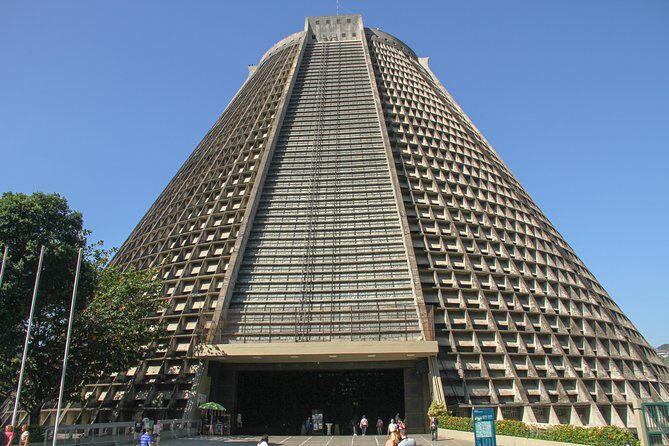
- The Metropolitan Cathedral of Saint Sebastian (free): a modernist cathedral often described by its striking pyramid-like form. Inside, the stained-glass panels create a huge sense of scale. It can feel like architecture you’re stepping inside.
- Biblioteca Nacional (free): Brazil’s largest library, with rare manuscripts and historical documents. If you like old papers, maps, and collections, this can be a surprisingly fun stop.
- Church of Our Lady of the Candelaria (free): a grand colonial church with a baroque façade and rich interior details.
- Cinelandia (free): a cultural square packed with historic theaters and museums, tied to Rio’s intellectual scene.
- Praca Quinze de Novembro (free): a historic square with colonial architecture and links to imperial-era power.
Why these are valuable: downtown stops are where Rio explains itself. Viewpoints and beaches show the surface. Churches, libraries, and squares show why the city looks the way it does, and how people built public life over time.
Possible drawback: some downtown walking can be unavoidable depending on the route and traffic. If you have mobility concerns, tell your guide early so they can choose the most efficient stops and parking points.
Lapa and Santa Teresa: old Rio energy with tram-and-arches style
If you want neighborhood vibe, this tour can include Arcos da Lapa and Santa Teresa. Arcos da Lapa is an 18th-century aqueduct now functioning as a bridge for the Santa Teresa tram system, and it’s also a classic nightlife area.
Santa Teresa adds the hilltop charm: winding streets, colonial mansions, and art studio spaces. It’s a good contrast to the more “straight line” feeling of major avenues.
And if you want a photo you’ll actually frame, Escadaria Selarón (free) is the colorful staircase created by artist Jorge Selarón. It’s the kind of stop that works even if you’re tired, because it’s visually loud in the best way.
Practical note: neighborhoods like Lapa and Santa Teresa depend heavily on time of day and traffic. Let your guide know whether you want a quick stop for photos or more time to wander.
Museums and waterfront architecture: Modern art and science when you need a change
If your group leans toward “see more inside,” your route can include:
- Centro Cultural Banco do Brasil (CCBB Rio de Janeiro) (free): a cultural space in a historic neoclassical building, often hosting exhibitions, theater, and cinema. It’s a good mid-day indoor option.
- Casa Franca-Brasil (free): a neoclassical building used as a cultural center tied to Brazil–France connections.
- Correios Cultural Centre (free): a former post office turned cultural venue for art, music, workshops, and events.
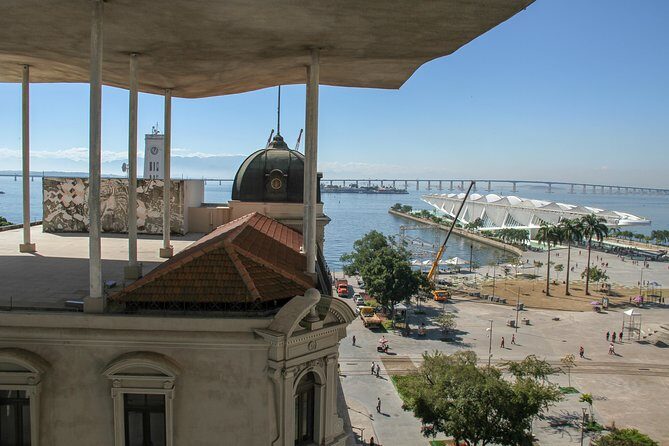
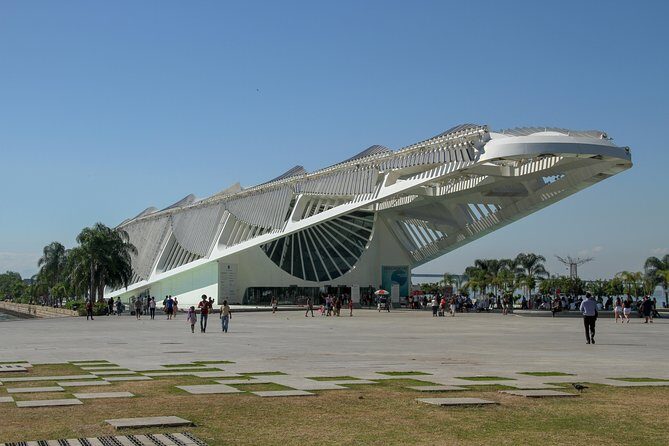
On the ticketed side, you might also see Museu de Arte do Rio (MAR) (not included), which explores art, history, and social evolution, located in Praça Mauá. Another ticketed waterfront stop can be Museu do Amanhã (not included), a futuristic science museum with sustainability and innovation themes, designed by Santiago Calatrava.
If you’re deciding what to pay for: you can often keep ticket costs under control by choosing either museum-heavy time or viewpoint-heavy time. When you go with a private guide, you get the advantage of that tradeoff instead of just paying for everything.
Carnival, football, and the big Rio stages: Maracana and Sambadrome
For sports lovers and people curious about Brazil’s pop culture, two major stops can be part of the day:
- Maracana (not included): the iconic football stadium that hosted FIFA World Cup finals. Even without a match day, it’s a reminder of how serious football is in Brazil.
- Sambadrome da Marques de Sapucaí (free): the heart of Rio Carnival parade competitions and samba-related festivities, designed by Oscar Niemeyer.
There’s a real benefit to including these. Rio can be overwhelming as a visitor because it has multiple identities at once—beach city, rainforest city, and a country with deep cultural rituals. Carnival and football are two huge “identity engines.”
The list of optional stops that round out a Best of Rio day
Depending on how you and your guide shape the day, you may also fit in some extra stops like:
- Arcos, Praca Quinze de Novembro, and Cinelandia (free): downtown flavor and classic architecture.
- Palacio Pedro Ernesto (free): a neoclassical civic building tied to the municipal chamber.
- Tiradentes Palace (free): the state legislative assembly and its historical murals.
- Santa Teresa and Escadaria Selarón (free): neighborhood charm plus that signature staircase photo.
- Museu de Arte Contemporanea de Niteroi (not included): an Oscar Niemeyer-designed museum overlooking Guanabara Bay in Niterói, known for its distinctive saucer-like shape and rotating exhibitions.
- Correios Cultural Centre (free) and Centro Cultural Banco do Brasil (free): culture stops that can break up long scenic segments.
A small caution: the full menu of possible stops is long. In an 8-hour day, you’ll feel the difference between a plan with clear priorities and one that tries to do everything. Tell your guide what matters most, and expect them to trim.
Price and logistics: what you should budget and how to avoid surprises
All entrance fees are at your own expense. Many stops on the route are free, which is great for value—beaches, churches, squares, and several museums/cultural centers have no ticket cost. But the ticketed anchors can add up fast if you stack them all.
Here’s a straightforward budget mindset:
- Decide whether Sugarloaf and Corcovado/Christ are both essential. Those are the most obvious ticketed icons on the route.
- Pick one “paid culture” option if you want museum time (for example, Botanical Garden or MAR or Museu do Amanhã).
- Use the rest of the day on free stops like beaches, churches, monasteries, and viewpoints you can enjoy without another ticket.
Also, because this is private, the day depends on your pacing. If you want long beach breaks and lots of photos, you’ll likely need fewer paid attractions. If you want “see everything famous” energy, you’ll likely spend more money and move quicker.
One more practical note: you’ll see in the provided data that scheduling mishaps have happened for a small number of bookings (late starts or last-minute changes). That’s not something you can fix from your side, but you can reduce stress by confirming the morning-of plan with your guide and building a bit of buffer into your day.
Should you book the Best of Rio private guided tour?
Book this if you want a custom, private day that hits Rio’s top icons (Sugarloaf and Christ), plus beaches, neighborhoods, and cultural stops, without the stress of planning each leg. It’s especially a good fit for couples, small families, and anyone who values a guide who can match a theme—food, sports, history, or culture.
Consider a different approach if your budget is tight and you’re allergic to ticket costs, since some of the biggest sights on this route are not included. Also, if you’re the kind of traveler who needs strict punctuality above all else, take five minutes to confirm timing and start instructions early so your day feels smooth.
If you do book, do this one thing: send your guide a clear priority list (top 3), and ask how they’ll structure the day to protect your main goals. That turns “a long list of Rio highlights” into a day that feels like your Rio.
FAQ
What time does the tour start?
The tour start time is 8:00 am.
How long is the private tour?
It lasts about 8 hours.
What’s included in the price?
You get a certified multilingual guide and driver, private vehicle transport, and hotel pickup and drop-off.
Are entrance fees included?
No. Entrance fees and tickets are at your own expense.
Can you customize the itinerary?
Yes. Your guide contacts you before the tour to discuss and tailor the route based on themes like food, sport, history, or culture.
What major sights are commonly included?
The tour can include highlights such as Sugarloaf Mountain, Christ the Redeemer, Copacabana-area beaches, Ipanema, and cultural or historic downtown stops like the Candelaria Church and the Metropolitan Cathedral.
Where does the tour end?
The tour concludes with drop-off at your Rio de Janeiro hotel.
How large is the group for this private tour?
It’s listed as private for up to 14 people, while the price summary specifies up to 3 people per group—check your booking details to confirm your exact group size.