REVIEW · RIO DE JANEIRO
A Walk in the Rocinha Favela: Women Leading the Way
Book on GetYourGuide →Operated by Malux.rio · Bookable on GetYourGuide
Rocinha hits different the moment you arrive. This tour puts you with a bilingual local guide and starts with a fun moto-taxi ride through the neighborhood. I like the way the guides share daily life and resilience through personal stories, including names like Malux, Larissa, Gabriela, and Lari showing up in past tour leadership. The one real drawback to plan for: you’re walking on steep, uneven ground and it runs rain or shine, so comfortable shoes and insect repellent matter.
What also makes this experience stand out is the small group size, capped at 10 participants, which keeps the pace human and the questions flowing. I also like the safety approach: the guides’ association and the residents’ association use real-time location tracking for support during the walk. Still, it helps to know it’s not a quick checklist of sights. It’s a community-focused visit, with stops that may include lively moments like youth dance or football.
Finally, you’re not just looking from the outside. You’ll stop in everyday places: local shops and markets, street art photo spots, and even a public library when it’s open. You might also have time for homemade black coffee and a visit connected to a social project where donations are welcome, with an optional local home or rooftop visit for an extra fee.
In This Review
- Key things I’d put on your must-know list
- Entering Rocinha: why this tour feels so personal
- The start at Av. Niemeyer and the first ride through the neighborhood
- Photo stops and street art: seeing Rocinha as a living gallery
- The main walk: narrow alleys, local shops, and the stories behind daily life
- Public library (when open): a quiet stop with serious weight
- Social project time and homemade black coffee
- A women-led highlight: dance or football with local youth
- Art and crafts market visit: buying ethically (if you want)
- Optional local home or rooftop visit: when it makes sense
- Timing, duration, and physical reality of the walk
- Price and value: what you get for about $42
- Safety and respect: how to make this tour work well for you
- Should you book this women-led Rocinha walking tour?
- FAQ
- Where is the meeting point for the tour?
- How long is the tour?
- How big is the group?
- What languages are the tours offered in?
- What does the price include, and is there extra cost for the moto-taxi?
- Is food included?
- Is the public library included?
- Are there opportunities to interact with local youth?
- What should I bring?
- Does the tour run in bad weather?
- Is there an optional home or rooftop visit?
- Can I cancel for a refund?
Key things I’d put on your must-know list
- Women-led, community-first storytelling: Guides who grew up there share what daily life really feels like.
- Moto-taxi start for quick context: You get a fast, fun introduction before the walking begins.
- Small group pace (max 10): Easier questions, less crowd pressure, better photo moments.
- Street art and local shops on the route: You see how creativity and commerce blend in daily life.
- Youth time: dance or football: A human, upbeat part of the tour, not a staged performance.
- Practical safety support: Real-time location tracking by local associations adds confidence.
Entering Rocinha: why this tour feels so personal
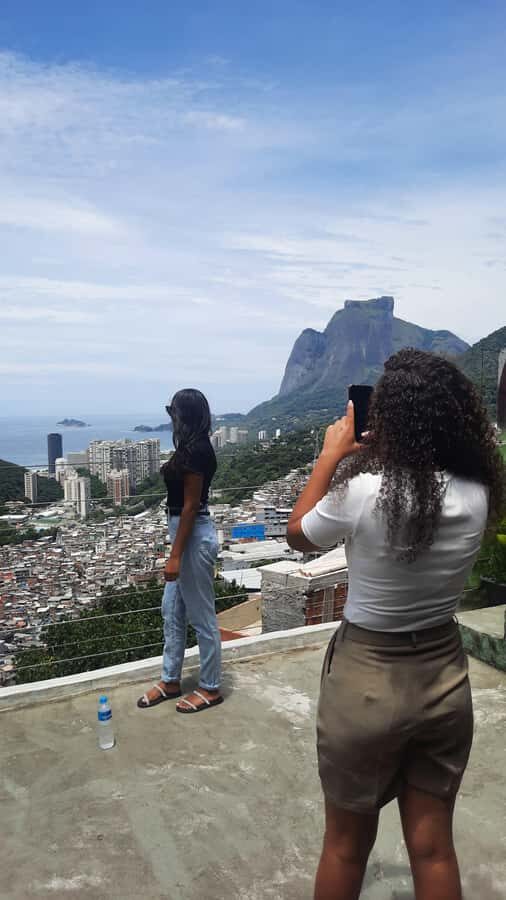
Rocinha is the biggest favela in Rio, and seeing it from the road is one thing. Walking through it with a local guide is another. This tour is built around everyday scenes—children playing, small shops, murals on walls—and the guide’s stories connect those moments to history and resilience in a grounded way.
I like that the guides are not generic narrators. Past leadership has included women such as Malux, Larissa, Gabriela, Gabi, and Lari, and that matters for this specific theme of women leading the way. Even when the names change, the approach tends to stay the same: explanations that come from lived experience, delivered in English, Portuguese, or Spanish depending on your group.
There’s also a clear effort to make the experience feel safer and more supported. Real-time location tracking by the local guides’ association and residents’ association gives you an extra layer of structure. You’re still in a real neighborhood—so you’ll stay alert—but you’re not left wandering on your own.
One more thing to expect: you’ll likely see both beautiful views and tough realities. The contrast is part of why the tour lands emotionally. It’s not about turning Rocinha into a theme park. It’s about helping you understand it as a place where people live, work, laugh, and keep moving forward.
You can also read our reviews of more walking tours in Rio De Janeiro



The start at Av. Niemeyer and the first ride through the neighborhood
Your day begins at Av. Niemeyer, 780, with the meeting point described as Exit A of the subway near the Universal Church. Arrive early—plan for 15 minutes—because the tour works as a coordinated group activity, not a loose meet-and-go.
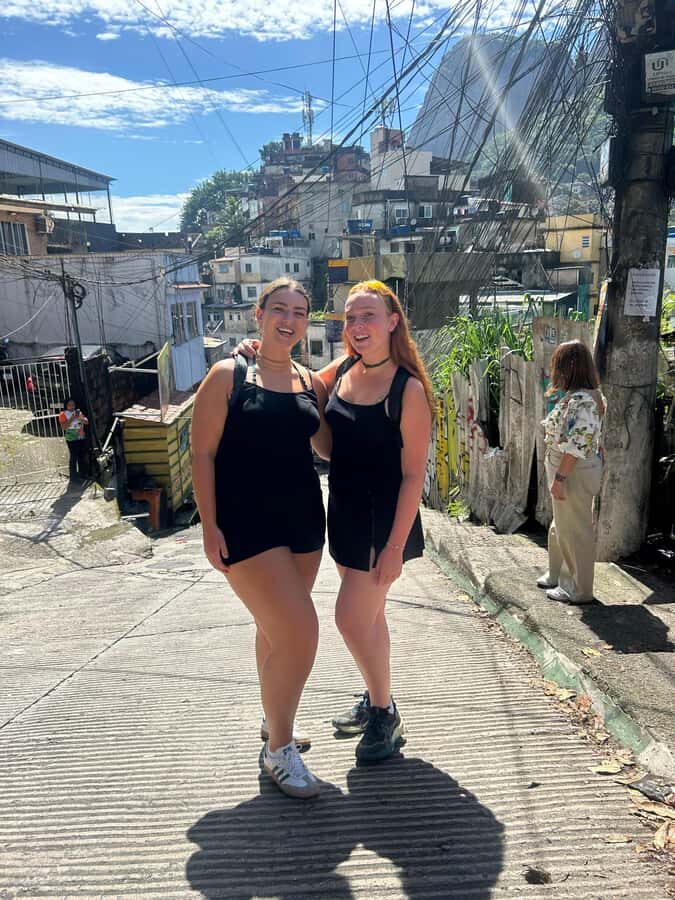
Once you’re together, you’ll head toward Rocinha using local transport, and the tour includes a moto-taxi ride to reach the first area where you’ll start your walk. This part tends to be a highlight. The ride up and into tight, lively streets gives you immediate orientation: you can feel the slope, the closeness of buildings, and the energy of the neighborhood.
From the way riders describe the ride, it’s fun, but not totally risk-free-feeling. If you’re nervous in cars or with steep roads, you might want to mentally prepare—especially if you get a seat where you feel the ascent the most. That said, the tour framework is designed to keep things moving with guides who know the route.
I also appreciate that the moto-taxi has a clear cost noted as R$10 per person in cash for transport to the first stop. That avoids surprises if you walk in assuming everything is folded into the posted price.
Photo stops and street art: seeing Rocinha as a living gallery
The walking portion starts with short photo stops and guided explanations—time is built in for you to take pictures without feeling rushed. You’ll see colorful streets with art and daily-life details, plus views of Rio that make your camera work harder than you planned.
This is where the “women leading the way” theme becomes more than a marketing line. Guides often explain murals and street art in a way that’s tied to identity, community messages, and local pride. The result: your photos feel like documentation, not just sightseeing.
It’s also practical. The tour is paced so you’re not sprinting between viewpoints. You’ll spend time in parts of Rocinha where you can actually observe—small storefronts, the rhythms of foot traffic, kids moving through the streets, and everyday objects that make the scene feel real.
Quick tip for photos: keep your camera accessible. The route includes multiple photo moments, not just one or two. If you wait until you feel like stopping, you’ll miss the best angles.
The main walk: narrow alleys, local shops, and the stories behind daily life
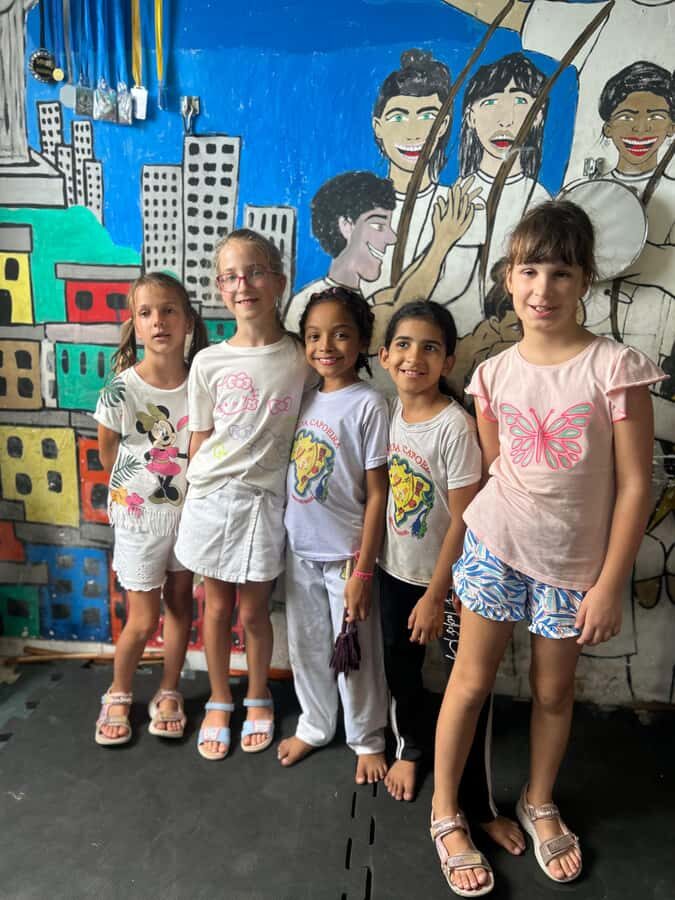
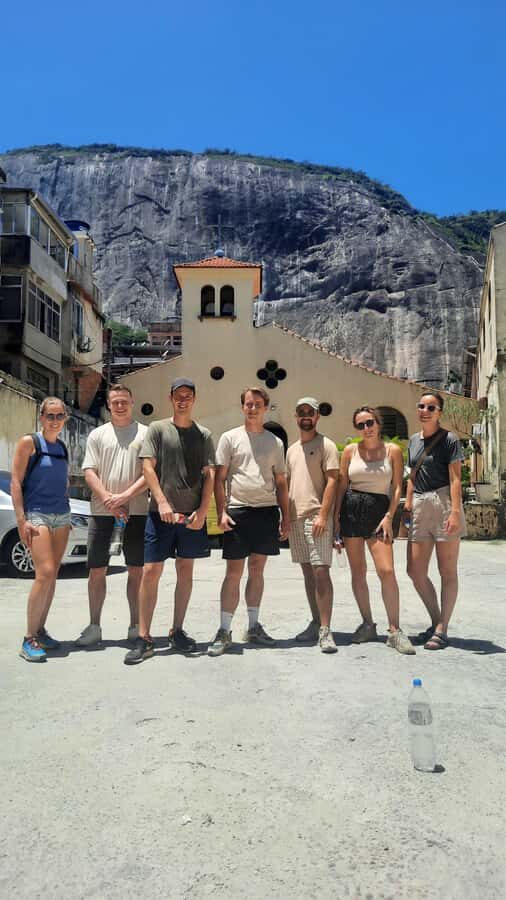
As you continue, you’ll walk through narrow alleys and community spaces with a bilingual guide who shares history and context. The goal here isn’t to overwhelm you with facts. It’s to connect what you’re seeing—shops, children playing, street-level conversations—to what it means to live in Rocinha.
Expect a mix of:
- guided walking segments where you hear the story
- short stops to photograph or rest
- time spent passing local places you can’t experience from a distance
The tour also includes stops at local shops and markets. This is a big part of why it feels authentic. You’re not just touring streets; you’re moving past the places people actually depend on. That’s also why the small group format matters: with up to 10 people, the guide can manage pace and keep the group respectful and attentive.
I’d bring a bit of cash for small purchases, even though food and drink are not included. Credit cards are accepted at shops and restaurants (per the info provided), but small vendors might be hit-or-miss depending on the place. If you want to try something along the route, having some notes makes life easier.
Public library (when open): a quiet stop with serious weight
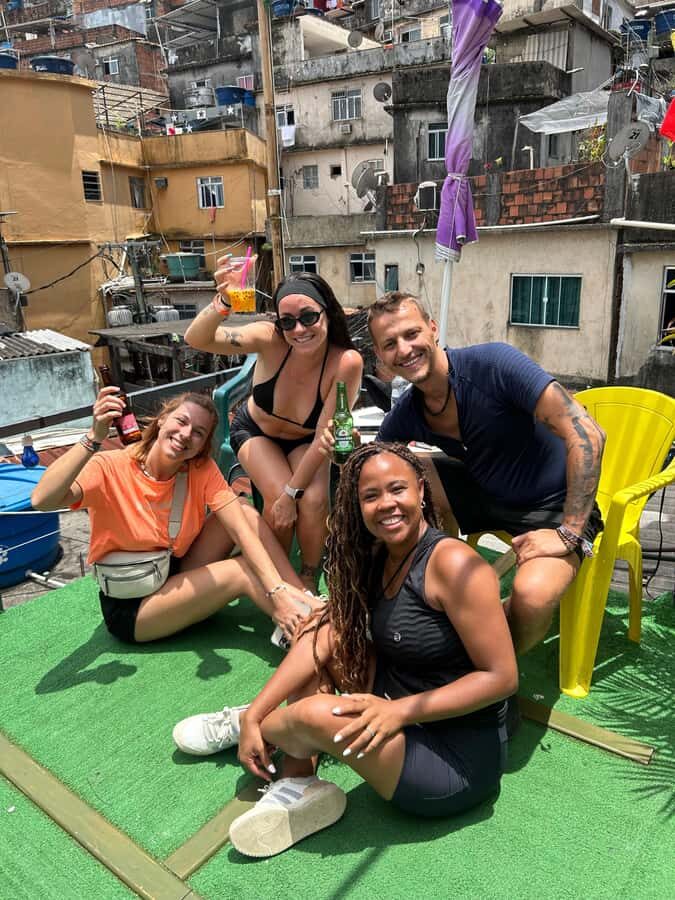
One of the more meaningful inclusions is the public library visit when it’s open. Even if you’re only there briefly, it changes the way you think about community spaces in Rocinha.
Libraries are not just buildings with books. They’re a signal that education, reading, and youth development are happening right where people live. When your guide explains it, you’ll likely see how the neighborhood supports learning beyond school.
The library timing depends on whether it’s open, so keep expectations flexible. If it’s closed, the tour still continues with other stops, but you might miss that particular quiet moment.





Social project time and homemade black coffee
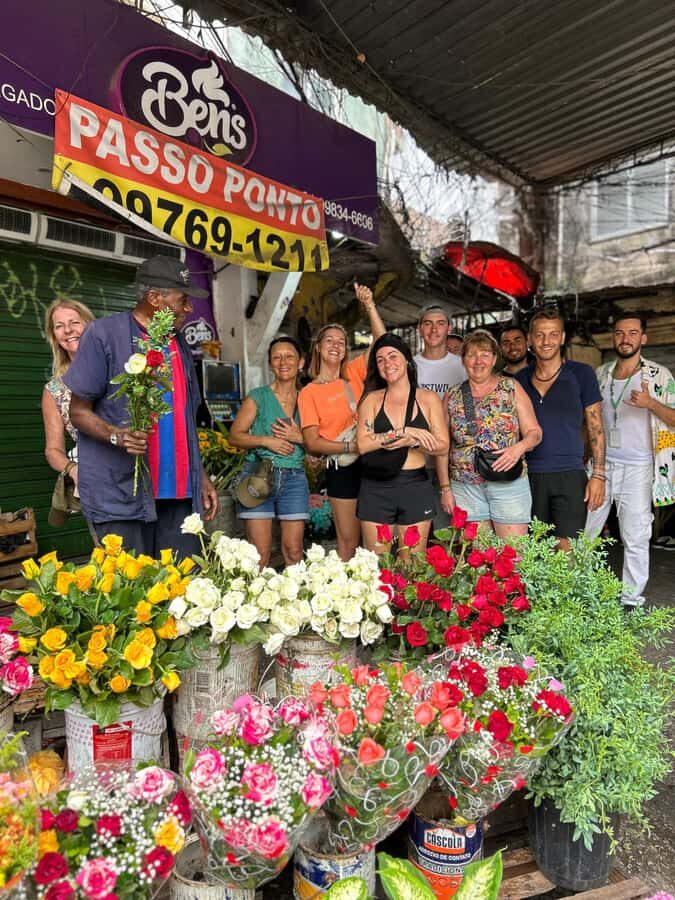
The tour includes a visit connected to a social project, with donations welcome. This isn’t framed as a mission trip, but it’s a chance to see community-driven work up close and to give if you want to.
If you like experiences that connect actions to local needs, this part usually lands well. It also gives you a way to contribute without needing to bring special supplies.
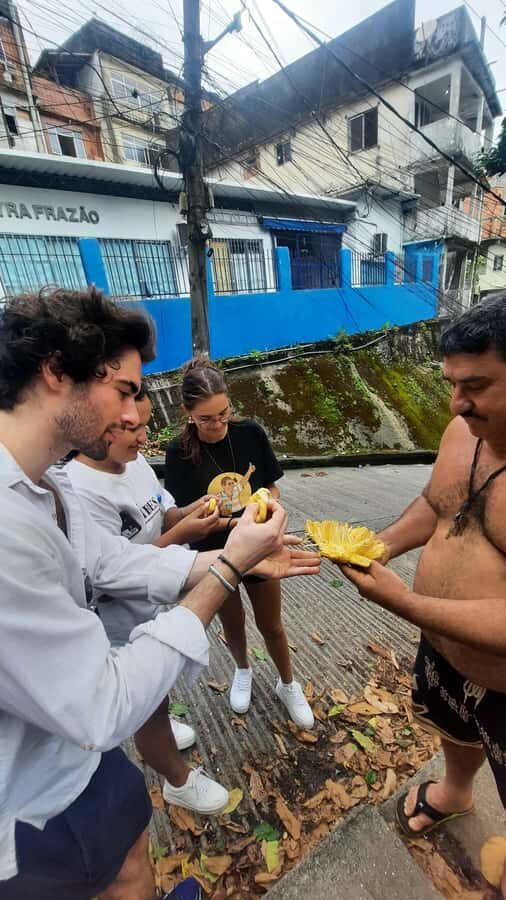
Another included touch: homemade black coffee. It’s one of those simple add-ons that feels genuine because it’s tied to local hospitality rather than a tourist café stop. Even if you’re not a coffee person, it’s a quick cultural break that helps reset your energy during the walk.
A women-led highlight: dance or football with local youth
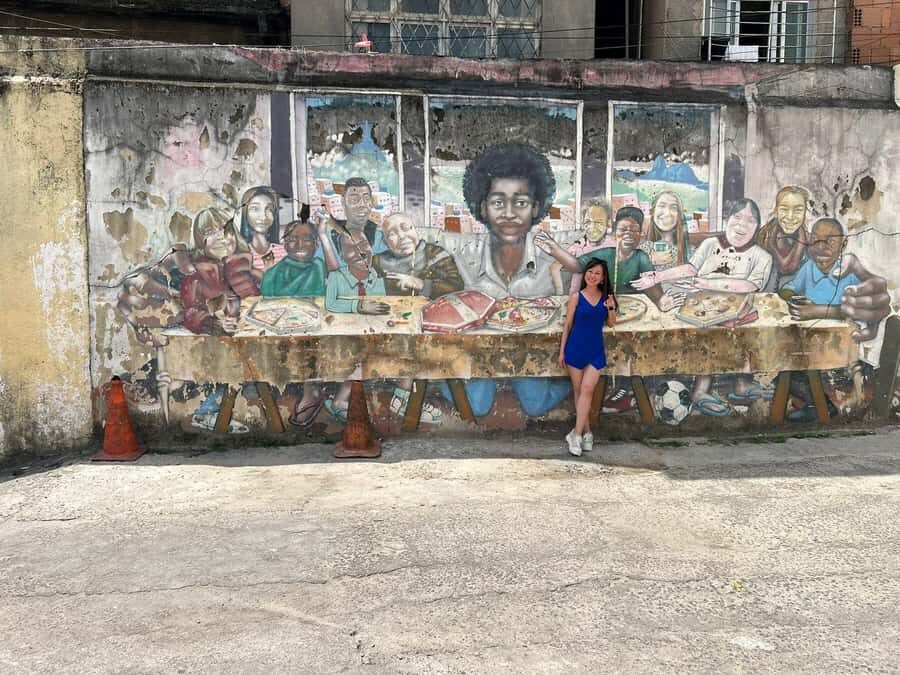
You’ll also spend friendly time with local youth, with opportunities to learn to dance or play football. This is not just entertainment. It’s a social exchange, and it tends to be one of the most memorable parts because it’s direct and upbeat.
From the way the tour is described, there’s a structured time for this interaction. That matters, because it gives the moments a respectful shape instead of turning it into awkward crowd attention.
If you’re traveling with kids or you just like hands-on cultural moments, this segment is a great match. Even if you’re not a dancer, the goal is to participate, smile, and learn a few steps or try a quick game.
Art and crafts market visit: buying ethically (if you want)
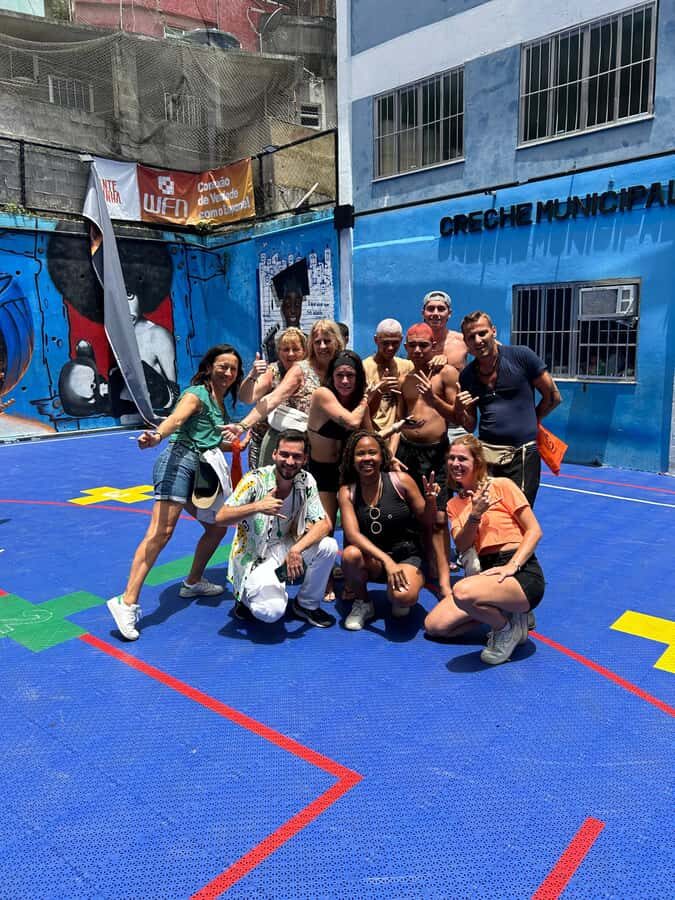
The route includes time for an arts & crafts market visit and additional stops at markets and local shops. This is where your photos turn into souvenirs, and where your money can directly support local creators.
Because the tour is designed for small groups and guided walking, you’ll have enough time to browse without feeling like you’re in someone’s way. If you want to buy something, ask questions. Guides are the best bridge between price, meaning, and materials.
Remember: food and drink are not included. The market stop can still be useful for snacks or water if you choose to buy them.
Optional local home or rooftop visit: when it makes sense
There’s an optional upgrade: a visit to a local home or rooftop for R$10 per person. If you’re curious about how people live day to day, this can add context that photos alone can’t. It’s also the type of add-on you should only accept if you feel comfortable and the guide advises it’s appropriate.
If your priority is street-level walking, views, and community storytelling, you can skip it and still get a full experience.
Timing, duration, and physical reality of the walk
The tour is listed at 2 hours, but the description also notes it runs about 2 hours 30 minutes. Either way, plan for a half-morning/half-afternoon block so you’re not rushing afterward.
This is a walking tour in an area with slopes and tight streets. The biggest practical consideration is comfort:
- light, comfortable clothes
- hat or cap
- insect repellent
- good walking shoes
Also, the tour runs rain or shine. If you hate wet fabric and slippery surfaces, bring a small rain layer or poncho. Better that than cutting the trip short.
Price and value: what you get for about $42
The tour price is $42 per person, and you should think of it as paying for guided access, small-group management, and community-based stops—not just a walk.
Your value stack includes:
- a bilingual local guide
- moto-taxi transport to the first stop (noted as R$10 cash per person)
- multiple guided photo and walk segments
- street art, local shop and market time
- library visit when open
- social project visit with donation option
- youth interaction (dance or football)
- homemade black coffee
- restrooms accessible along the way
- real-time location tracking support
Is it cheap? No, but it doesn’t feel overpriced for what’s included. You’re also paying for a guide who knows where to go, when to pause, and how to keep the group safe and respectful. If you’re deciding between a big bus tour and something more human, this is the type of choice that sticks with you longer.
Safety and respect: how to make this tour work well for you
You should treat Rocinha like a neighborhood, not a backdrop. That means listening to your guide, keeping to the group, and being mindful about photography.
The tour’s built-in support helps: real-time location tracking is part of the plan, and you’ll be accompanied by guides connected to local associations. Still, your attitude matters. If you act rushed, loud, or grabby with your camera, the experience won’t feel good for anyone.
If you want this to feel positive, do the simple things:
- keep your phone ready but not in people’s faces
- ask before filming closely
- dress for heat and bugs
- be open to talking, even if it’s just a few words
Should you book this women-led Rocinha walking tour?
Book it if you want Rio from the inside out—through stories, street art, community stops, and real interactions with local youth. The small group format (up to 10), the bilingual women guides, the moto-taxi start, and the combination of cultural moments (library when open, coffee, arts and crafts, dance or football) make it more than a walk. It’s a guided introduction to everyday Rocinha life.
Skip it if you can’t handle uneven, sloped walking or you’re looking only for famous viewpoints. This tour is about community experience, not just skyline photos. And if the idea of the moto-taxi ride makes you anxious, decide that before you commit so the day stays enjoyable.
FAQ
Where is the meeting point for the tour?
The meeting point is Exit A of the subway near the Universal Church. The starting location is listed as Av. Niemeyer, 780.
How long is the tour?
It’s listed as 2 hours, and the walk is described as running about 2 hours and 30 minutes.
How big is the group?
It’s a small group with a limit of 10 participants.
What languages are the tours offered in?
The live guide can speak English, Portuguese, and Spanish.
What does the price include, and is there extra cost for the moto-taxi?
The tour price is $42 per person. Moto-taxi transport to the first stop is noted as R$10 per person in cash.
Is food included?
No. Food and drink are not included.
Is the public library included?
Yes, a public library visit is included when it is open.
Are there opportunities to interact with local youth?
Yes. The tour includes a friendly time with local youth where you can learn to dance or play football.
What should I bring?
Bring a camera, light and comfortable clothes, a hat or cap, insect repellent, and cash for the moto-taxi (R$10 per person). Also, bring any funds you might want for optional stops.
Does the tour run in bad weather?
The tour runs rain or shine, so dress appropriately for the weather.
Is there an optional home or rooftop visit?
Yes. There is an optional local home or rooftop visit for R$10 per person.
Can I cancel for a refund?
Yes. Free cancellation is available up to 24 hours in advance for a full refund.