REVIEW · LIMON
Chocolate Experience by Bribri Indigenous Culture
Book on Viator →Operated by Caribe Auténtico · Bookable on Viator
Chocolate and culture here are tightly linked. This Bribri Indigenous Culture experience takes you into a village most people never see, then turns cacao into something you can actually make with your hands, not just taste. The day ends with a swim at Cataratas Bribri Talamanca, so you get both learning and a little play time.
I especially like the Bribri-led perspective—guides like Ariel and Tamara explain everyday life, language ideas, and their cosmovision in a way that feels grounded rather than staged. I also love the fact that it is not a passive demo: you follow the chocolate process step-by-step and get time to shape your own chocolate pieces.
The main consideration is the walk/hike part. One review calls the return climb a bit difficult, so wear real shoes and plan for some uneven terrain.
In This Review
- Key points to know before you go
- Why Bribri cacao and cosmovision feel different than a normal chocolate tour
- Getting to Limon’s Bribri territory with pickup and a small group
- Stop 1: Inside the Bribri village and the hands-on seed-to-chocolate lesson
- The plant lesson: medicinal uses, herbs, and what you might notice on the walk
- Stop 2: Cataratas Bribri Talamanca waterfall swim and those end-of-day photos
- The short hike and real-world comfort tips (shoes, bugs, and water)
- Price and value: is $95 for a 5–6 hour Bribri cultural day fair?
- Who this tour suits best (and who might want a different plan)
- Practical notes that can save your day
- Should you book Chocolate Experience by Bribri Indigenous Culture?
- FAQ
- How long is the Chocolate Experience by Bribri Indigenous Culture?
- Is pickup included?
- What do I do during the Bribri village portion?
- Can I swim at the waterfall?
- How many people are in the group?
- What if the weather is bad, or I need to cancel?
Key points to know before you go
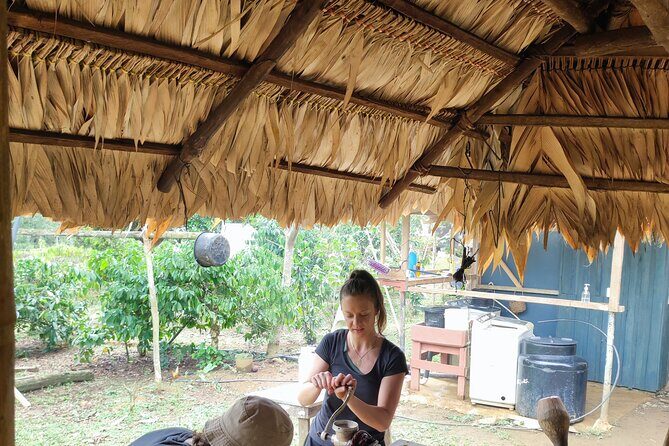
- Small group size (max 9) keeps questions flowing and the pacing comfortable.
- Hands-on cacao work: you make your own chocolate pieces, not just watch.
- Bribri culture beyond food: plants, medicinal uses, and cosmovision are part of the lesson.
- Village life includes real hospitality: you spend time in a family setting inside the community.
- Waterfall swim at Cataratas Bribri Talamanca gives you a cool-down and photo ops.
- Good weather matters since the day includes time outdoors and swimming.
Why Bribri cacao and cosmovision feel different than a normal chocolate tour
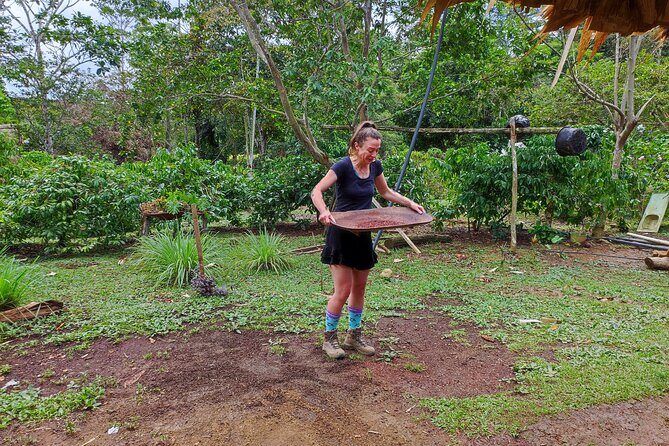
A lot of chocolate tours end at tasting. This one starts earlier, with the way the Bribri community connects cacao to daily life. You are not just learning about flavor. You’re learning about how people live with the land, use plants, and understand the world around them.
The big value is balance. You get science-like steps in the cacao-to-chocolate process, then you get the human side: the reasons behind practices, the role of herbs, and the worldview the Bribri share. That mix is what makes the experience more memorable than a checklist of attractions.
There is also a smart pacing choice. The day is built around two main blocks: a longer village visit where the chocolate is taught, then a shorter waterfall stop where you can cool off and move your body.
A few more Limon tours and experiences worth a look
Getting to Limon’s Bribri territory with pickup and a small group
This tour runs about 5 to 6 hours, and pickup is offered. That matters in Costa Rica, where moving between places can eat your day. With pickup, you spend less time negotiating rides and more time being present for the day’s learning.
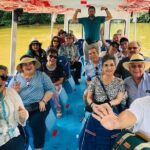
Group size is capped at 9 travelers, which helps in two ways. First, you are more likely to get answers to your questions about culture and plants. Second, the guide can keep a workable rhythm while you move through the village areas and the path connected to the cacao process.
If you care about an experience that feels personal rather than factory-like, this small-group format is a quiet selling point. It keeps attention on your guide and the family setting, which is the whole point of a cultural visit.
Stop 1: Inside the Bribri village and the hands-on seed-to-chocolate lesson
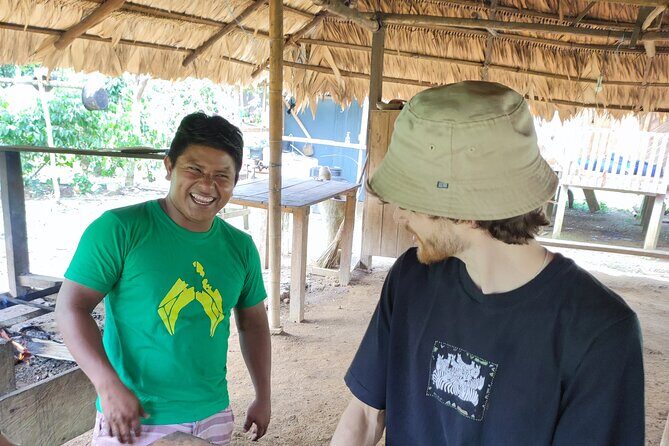
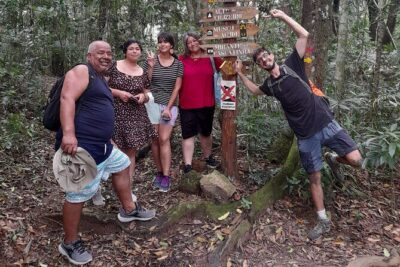
The village portion is about 3 hours and it is the heart of the day. You meet your local guide at the starting point and spend the time learning about Bribri culture, including their way of living and what life looks like when your community lives far from city centers.
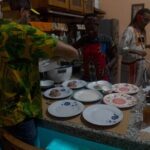
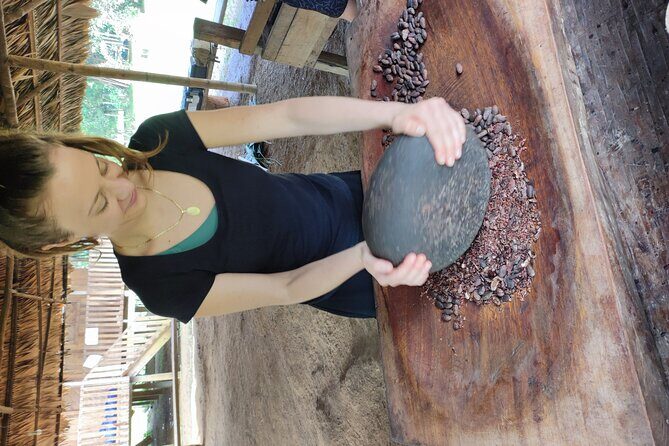
Then comes the main event: the chocolate-making process. You are shown the steps, and you also get a turn making your own chocolate pieces. That hands-on piece is what turns cacao from a concept into something you can picture in your mind later.
A few details from the way this is run stand out:
- The guide does more than explain ingredients. You get context about why things are done a certain way.
- You learn about Bribri cosmovision, not as a lecture at the end, but as part of how the community connects to nature.
- The session is interactive enough that you can ask questions as you go, rather than saving them for the last five minutes.
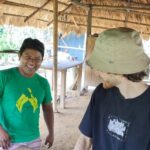
Guides such as Ariel have been highlighted for being friendly and very informative, with a pace that stays interactive. Tamara is also noted for pacing the experience well for small groups and matching the group’s tempo with the terrain.
The plant lesson: medicinal uses, herbs, and what you might notice on the walk
One of the most practical parts of this experience is the plant knowledge. You learn about medicinal plant use and how the Bribri community interacts with herbs and plants as part of everyday life. If you’ve ever wondered why cacao comes up alongside other forest plants, this is where the connection becomes clear.
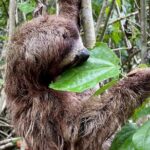
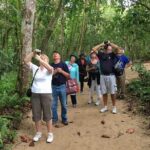
You may also spot the ecosystem in action as you move through the area. One review mentioned seeing a sloth on the walk. That doesn’t mean you’ll see wildlife every time, but the setting does provide a real chance. Bring a phone camera and good shoes, and you’ll be in the right mindset for small surprises.
A fun extra detail in the way the visit can unfold: you might learn practical cultural skills connected to the home, like leaf wrapping used on traditional house roofs. It’s the kind of detail you do not get from a quick tasting room.
Stop 2: Cataratas Bribri Talamanca waterfall swim and those end-of-day photos
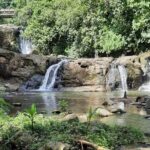
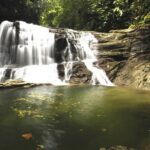
After the village and cacao lesson, the tour moves to Cataratas Bribri Talamanca for about 45 minutes. The standout here is simple: you can swim in the fresh natural pool of the waterfall.
This stop works as a reward for the walking and hands-on work earlier in the day. It also gives you the chance to take photos without feeling rushed. In Costa Rica, the difference between a pleasant waterfall stop and a miserable one can come down to weather and timing, so building in only a short window is a smart choice.
One key consideration: this part of the day depends on conditions. The experience requires good weather, and swimming is the kind of thing that changes quickly when conditions are rough. If you’re going in rainy season or shoulder season, keep an extra flexible attitude and don’t plan anything tight after.
Admission for the waterfall stop is included, which is one less thing to worry about when you’re budgeting time and money.
The short hike and real-world comfort tips (shoes, bugs, and water)
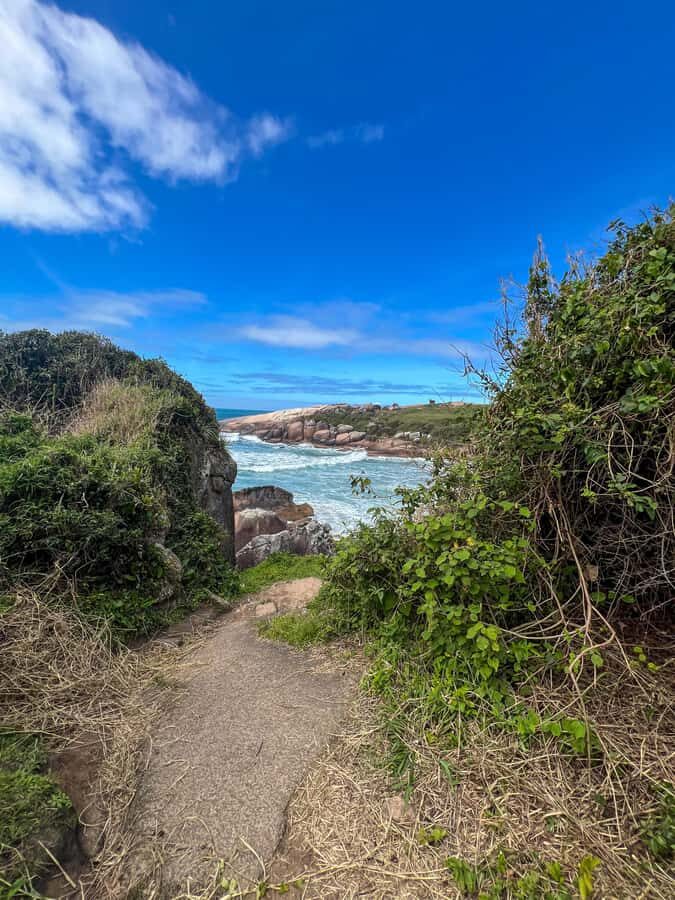
Even if you’re not a serious hiker, expect movement. The cacao farm connection includes a walk that some people find a bit tiring on the return. Plan for uneven footing and a climb back up.
Here is what I’d treat as your non-negotiables based on the practical advice people give:
- Good walking shoes with grip for the uphill return
- Mosquito repellent
- Swimsuit (since the waterfall pool is part of the experience)
- Water for hydration during the village portion
- Optional, thoughtful extras: one family setting mention notes bringing surprises for the host family
Also consider your clothing. You’ll likely get sweaty during parts of the day. Quick-dry clothes can make the switch from cacao work to waterfall swim feel easier.
If you prefer a tour where you mostly sit and snack, this may not be your best match. If you’re okay with walking and want a day that feels active and human, it’s a good fit.
Price and value: is $95 for a 5–6 hour Bribri cultural day fair?
At $95 per person, this sits in the “mid-range special experience” bucket. The value is not just the chocolate. It’s the combination of:
- a private-family style cultural visit inside a Bribri community setting
- hands-on chocolate-making time
- learning about medicinal plants and cosmovision
- a second included activity at a waterfall with swimming
The small group size (max 9) also helps justify the price. You’re paying for time and attention, not just ingredients.
You should also think about opportunity cost. If you’re staying in the Limon area and want one standout cultural outing, $95 for a half-day that feels different from standard tourist stops can be a solid trade. If your budget is tight and you want multiple attractions, you might compare this with other half-day tours. But if your goal is “culture + cacao + real nature time,” this price looks reasonable.
Who this tour suits best (and who might want a different plan)
This is ideal for:
- foodies who like their chocolate with context
- culture lovers who want to learn from a Bribri-led guide
- families with kids who can handle some walking and want a hands-on lesson
- anyone who wants nature time without committing to a full hiking day
It is less ideal if:
- you have very limited mobility or cannot manage uneven terrain
- you want zero physical effort
- you hate getting wet or dealing with outdoor conditions (because the waterfall swim is part of the experience)
If you’re the type who enjoys asking questions and you like seeing how people live, you’ll probably enjoy the pace. The day’s structure fits curiosity better than checklist tourism.
Practical notes that can save your day
A few things make the day go smoother:
- Bring patience. Cultural learning takes time, especially when it includes hands-on work.
- Plan for outdoors. The tour requires good weather, and it includes swimming.
- Use a mobile ticket. You’ll have it handy on your phone, which simplifies check-in.
- Expect a guided pace. The guide keeps the day moving, but also adjusts for the group.
Service animals are allowed, which can matter for planning if you travel with a companion animal.
The tour is provided by Caribe Auténtico, which helps explain why the overall flow is organized rather than random.
Should you book Chocolate Experience by Bribri Indigenous Culture?
If you want a Costa Rica chocolate day that feels like more than a snack, I think this is a strong booking choice. The hands-on cacao lesson plus Bribri cosmovision and medicinal plant knowledge gives you real learning, not just sweetness. Add the waterfall swim at Cataratas Bribri Talamanca, and you get a full half-day that wraps food, people, and nature into one plan.
Book it if you’re comfortable with some walking and you can line up your expectations with good weather. Skip it if you need a mostly flat, no-sweat outing.
FAQ
How long is the Chocolate Experience by Bribri Indigenous Culture?
The tour lasts about 5 to 6 hours total. The Bribri village portion is about 3 hours, and the waterfall stop is about 45 minutes.
Is pickup included?
Pickup is offered, and the tour uses a mobile ticket.
What do I do during the Bribri village portion?
You meet your guide, learn about Bribri culture and their way of living, study the chocolate-making process, and you get the chance to make your own chocolate pieces. Your guide also explains Bribri cosmovision.
Can I swim at the waterfall?
Yes. At Cataratas Bribri Talamanca, you can swim in the natural pool of the waterfall, and it is described as a refreshing shower.
How many people are in the group?
This experience has a maximum group size of 9 travelers.
What if the weather is bad, or I need to cancel?
The experience requires good weather. If it is canceled due to poor weather, you’ll be offered a different date or a full refund. If you cancel, the experience is non-refundable and cannot be changed for any reason.