REVIEW · LIMON
Explore the Dark Side of Nature: Manzanillo Refuge Night Walk
Book on Viator →Operated by Travel Adrian CR · Bookable on Viator
Night jungle turns the tables. It’s the Manzanillo Wildlife Refuge after dark, guided by Adrian with flashlights as you hunt for animals that only move when the sun quits. I love how the experience balances wildlife spotting with real jungle atmosphere—sounds everywhere, plus moon and stars overhead when you pause.
Two things I especially like about this tour: you get help finding the small stuff that’s easy to miss in daylight (frogs, geckos, tarantulas, snakes, and lots of insects), and you hear stories tied to local life as well as animal behavior. The guide’s skill shows in how quickly you start noticing motion and patterns you’d otherwise walk right past.
One possible drawback: this is a hike in the dark. If you’re hoping for constant big sightings, the forest can feel like you’re mostly watching your footing. You’ll be happier if you come ready for closed shoes and the reality that wildlife sightings are always a bit hit-or-miss.
In This Review
- Key Highlights Worth Planning For
- Manzanillo Refuge at 6:00 pm: why the timing matters in Limon
- Small-group setup: max 10, private transport, flashlights included
- The 4-hour arc: how the walk feels from start to finish
- Gandoca to Manzanillo: what you’re actually looking for at night
- A reality check: wildlife sightings vary
- Guide Adrian’s role: spotting skill plus local animal stories
- What to expect to see: examples of the night’s possible highlights
- What to pack (and what to skip) for a dark rainforest hike
- Price and value: is $70 worth it for a night hike?
- Who should book this night walk—and who may prefer something else
- Quick practical notes before you go
- Should you book the Manzanillo Refuge Night Walk?
- FAQ
- What time does the Manzanillo Refuge night walk start?
- How long is the tour?
- How much does it cost?
- What’s included in the price?
- What should I bring since bottled water is not included?
- Is pickup included?
- How many people are in the group?
- What kind of wildlife might I see?
- What happens if weather is bad?
- Is free cancellation available?
- Is the tour suitable for most travelers?
Key Highlights Worth Planning For
- Manzanillo Wildlife Refuge at night: a different world once the jungle goes quiet (and then loud again)
- Small group size (max 10): easier spotting, less noise, and more time with your guide
- Flashlights + admission included: you’re not scrambling for gear or paying extra entry fees
- Guide Adrian’s animal spotting: you’ll likely notice more frogs, snakes, tarantulas, sloths, and creepy-crawlies than you expected
- Stargazing moments: the moon and stars pop when you get off the busiest tourist path
Manzanillo Refuge at 6:00 pm: why the timing matters in Limon
The tour starts at 6:00 pm, which is prime time for night activity in the Costa Rican rainforest. Early evening means light is fading, then the jungle fully switches into nocturnal mode. That switch is part of the fun. One minute you’re orienting yourself; the next, you’re listening to a whole soundtrack you never noticed in daytime.
I like that the timing supports the kind of wildlife you’re hoping to see. Frogs and insects often get more active after dusk, and predators and scavengers tend to move under cover of darkness. If you’re the type who wants the night to feel like an event, not just a dark walk, the 6 pm start helps.
Also, you’re not only “doing darkness.” You get a chance to look up—moon and stars are visible between stops. It’s a welcome break from flashlight-only vision, and it makes the night feel bigger than the path in front of you.
You can also read our reviews of more walking tours in Limon
Small-group setup: max 10, private transport, flashlights included
This is capped at a maximum of 10 travelers, which matters more than it sounds. In a place like Manzanillo, you want people spaced out enough to spot animals without everyone shining lights at the same spot. With a small group, the guide can move you along at a natural pace and still stop frequently.
You also get private transportation, plus flashlights. That’s a practical win. You don’t have to hunt down gear before you arrive, and you can focus on the experience instead of logistics. Admission is included too, so you’re not piecing together extra entry costs once you get there.
One small note: bottled water isn’t included. I’d plan to bring your own bottle and sip along the way, especially if you’re wearing long sleeves and long pants. In humid rainforest conditions, you’ll get warm and thirsty faster than you expect.
The 4-hour arc: how the walk feels from start to finish
The full experience runs about 4 hours. Inside that window, you’ll spend roughly 3 hours in the main stretch of the night search. The tour is paced like a guided hunt: you move, stop, shine your light carefully, and learn what you’re looking at.
That structure matters. If it’s too rushed, night wildlife becomes a blur of quick flashes. If it’s too slow, you can lose the thrill and start thinking about dinner. Here, the pacing seems built to keep you engaged while still giving time for the slow-moving things (geckos, sloths, and many insects) to show themselves.
You should also plan for the physical reality of a rainforest trail. Even with a guide helping you move safely, you’ll be walking on uneven ground. Mud and slip spots are part of the story. The tour is manageable for most people, but you’ll enjoy it more with proper footwear and a calm, careful step.
Gandoca to Manzanillo: what you’re actually looking for at night
The focus is on the Gandoca – Manzanillo Wildlife Refuge area, where your guide leads you through jungle trails at night with flashlights. The goal isn’t to “race through.” It’s to read the rainforest at night—movement, sounds, and silhouettes.
Here are the kinds of animals you could spot:
- Frogs (small, often easier to notice once your guide points out eye shine or movement)
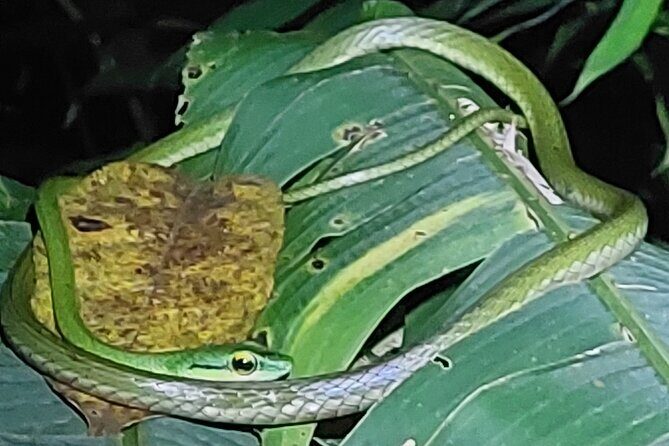
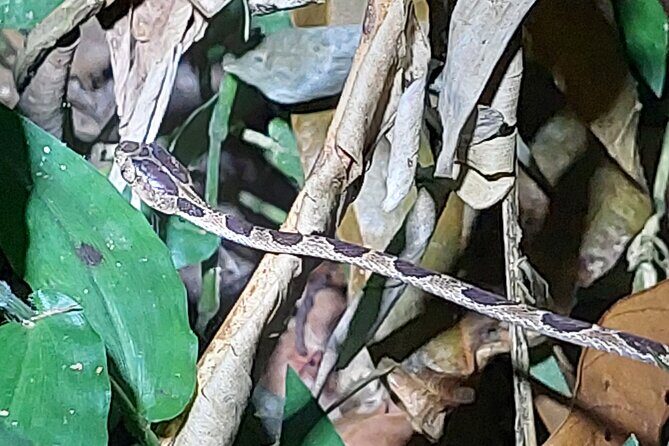
- Snakes (sometimes seen more by shape and motion than by a long stare)
- Tarantulas and other spiders (some you might see on the ground or low on vegetation)
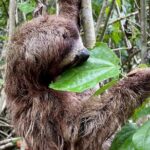
- Sloths (if you catch them awake and positioned for viewing)
- Insects and other critters like centipedes and millipedes
- Night birds and even things like bats, depending on conditions
The best part is that night makes even “ordinary” jungle features feel dramatic. Leaf litter turns into a stage for slow hunters. Tree trunks become search points for camouflage. And the trail edges often hold the most activity, because that’s where animals travel, feed, or pause.
You’ll also get a lot of listening time. Howler monkey calls can roll through the trees in the dark, and animal sounds help you understand what you’re seeing—or not seeing—at any given moment.
A reality check: wildlife sightings vary
One review summed up a common mismatch: you can do everything right, and still not get nonstop action. That’s not the tour failing; it’s the forest doing what it does. Some nights will feel packed with sightings. Other nights will be quieter.
If you’re prepared for that, you’ll enjoy the experience more. Think of it as guided access to nocturnal life—not a guarantee of a specific animal lineup.


Guide Adrian’s role: spotting skill plus local animal stories
A big reason people rate this tour so highly is the guide, Adrian. His job isn’t just holding a flashlight. He spots motion, chooses safe places to pause, and points out what most visitors would never notice on their own.
From what’s shared about the experience, Adrian tends to call out:
- How nocturnal animals adapt (why they move when they do)
- What to look for in the moment (eye shine, silhouettes, web structures, or movement patterns)
- Local context tied to the animals and the wider region
You’ll likely hear mention of the kinds of creatures that make Manzanillo special, including tarantulas and rare-feeling finds like golden orb weaver spiders, geckos, and snake species. You may also hear about insects like bullet ants and the long, marching lines of leafcutter and army ants—two insect groups that are often easier to understand when someone shows you the behavior in real time.
A calm, attentive guide also helps your comfort level. Walking in the dark can feel intense until you trust the pace and the process. Multiple people note feeling safe throughout, and that confidence makes it easier to focus on wildlife instead of worrying about the trail.
What to expect to see: examples of the night’s possible highlights
I can’t promise every stop will produce every creature, but the variety described gives you a sense of what this tour can deliver when the forest decides to cooperate.
You might come away with sightings like:
- Multiple tarantulas and spiders, including colorful web-builders such as golden orb weavers
- Several snake sightings (including coral snake mentions, plus other types like pit vipers in the reported mix)
- Sloths spotted during nighttime movement
- A turnip-tailed gecko or other small lizards
- Fruit bats at dusk-to-dark transitions
- Caïman sightings in the broader range of what some people reported
- Leafcutter and army ants traveling in long lines
- Even tiny birds in nests, depending on what your guide clocks
Even when you don’t spot the “big headline” animals, you still get the value of learning what’s active after dark. The rainforest isn’t empty at night. It’s just harder to see—and easier to understand once someone points out the clues.
What to pack (and what to skip) for a dark rainforest hike
This is the part that can make or break your comfort. Based on how the hike is described and what people commonly recommend, here’s a smart packing list:
Bring:
- Closed-toe hiking shoes with traction (mud and slip spots happen)
- Long pants and long sleeves (for comfort and insect protection)
- Bug spray
- Your own bottle of water
- Camera if you want to document what you find (flashlight lighting can help, but expect some trial shots)
Optional:
- If you prefer extra light control, you can bring your own small flashlight—but the tour provides flashlights, so you don’t have to overbuy gear.
Skip:
- Anything that makes it hard to walk carefully. The whole point is to move slowly enough to spot details, not sprint through the dark.
Simple tip: don’t wear shoes you’d hate to get muddy. You’re going into a rainforest at night; a little grime is part of the bargain.
Price and value: is $70 worth it for a night hike?
$70 per person is not cheap, but it’s not out of line for a guided, small-group wildlife night walk with admission and flashlights included. The value comes from three places:
- Access and entry included (you’re not paying separately for the refuge)
- A small group and a real guide who helps you see what matters
- Private transportation, which saves time and reduces stress versus piecing together your own ride
That said, this tour isn’t a zoo-style experience. If you judge value only by guaranteed animal sightings, you may feel disappointed. If you judge it by the overall night experience—the thrill, the listening, the flashlight work, and the guide’s ability to spot life—then $70 can feel fair.
Here’s the mental model I’d use: you’re paying for guided interpretation of a wild ecosystem, not a guaranteed list of animals. If you’re the sort of traveler who enjoys learning what’s going on in the dark, you’ll feel like it’s money well spent.
Who should book this night walk—and who may prefer something else
This tour is a strong fit for:
- Nature lovers who like insects, reptiles, and “not just the big mammals”
- Couples and small groups who want a shared adventure without a crowded herd
- People who enjoy guided learning tied to behavior, not just facts on a sign
- Travelers staying near Puerto Viejo who want an easy-to-fit evening plan
You might reconsider if:
- You hate hiking on uneven, potentially muddy trails in low light
- You want constant big sightings and find silence or darkness frustrating
- You’re hoping for a relaxing stroll. This is more active than it looks, and the flashlight attention keeps you engaged.
For the right mood, this feels like a switch flips in your brain. You start seeing the jungle as a living machine with rhythms. And once you notice that, it’s hard to un-notice it.
Quick practical notes before you go
- Start time is 6:00 pm, and the full experience is about 4 hours.
- Flashlights and admission are included.
- Bring water. Bottled water isn’t provided.
- Pickup outside Puerto Viejo costs an extra $15.
- The group is kept small (up to 10 travelers).
- The experience depends on good weather, so be ready for a reschedule if conditions are poor.
Those details are small, but they help you show up prepared.
Should you book the Manzanillo Refuge Night Walk?
If you want a guided evening where your senses matter—hearing first, looking second—and you’re excited by frogs, snakes, tarantulas, sloths, and the night’s smaller creatures, I think you should book it. This is the kind of tour that changes how you read the rainforest, even if you don’t see the exact animal you hoped for.
If you’re unsure because you dislike dark hikes or you need guaranteed sightings, you might be happier with a daytime wildlife outing. The night walk rewards patience, good shoes, and the willingness to let the jungle set the pace.
FAQ
What time does the Manzanillo Refuge night walk start?
The start time is 6:00 pm.
How long is the tour?
It runs about 4 hours (with around 3 hours of the main night walk).
How much does it cost?
The price is $70.00 per person.
What’s included in the price?
Flashlights, private transportation, and an admission ticket are included.
What should I bring since bottled water is not included?
Bring your own bottle of water. It’s also smart to wear closed shoes and use bug spray.
Is pickup included?
Private transportation is included, but pickup outside Puerto Viejo costs an extra $15.
How many people are in the group?
The tour has a maximum of 10 travelers.
What kind of wildlife might I see?
You may see frogs, snakes, tarantulas, sloths, and many other nocturnal creatures such as insects and spiders.
What happens if weather is bad?
The experience requires good weather. If it’s canceled due to poor weather, you’ll be offered a different date or a full refund.
Is free cancellation available?
Yes. You can cancel for a full refund up to 24 hours before the experience starts.
Is the tour suitable for most travelers?
Most travelers can participate. The walk is in a rainforest at night, so comfortable footwear and careful steps are important.