REVIEW · LIMON
Puerto Viejo hands on chocolate making class. From bean to bar, get chocolatey!
Book on Viator →Operated by Talamanca Chocolate · Bookable on Viator
Chocolate starts with a tree, not a bar. This Puerto Viejo class shows the bean-to-bar process up close, with plenty of tastings along the way. You’ll learn how cacao becomes the chocolate you buy, step by step.
I love two things most: first, the chance to see the cacao tree and hear the story behind it, including cultural and medicinal uses. Second, you get real hands-on time making chocolate, then leave with roasted beans and finished chocolate you made yourself. One drawback to consider is that it’s a farm setting with animals and insects around, and a couple reviews mention the class can feel very talk-heavy before the hands-on portion, depending on the group.
In This Review
- Key takeaways at a glance
- From cacao tree to chocolate bar: what you’ll actually do
- The cacao tree stop: history, culture, and medicinal uses
- Back at the facility: fermentation and the alchemy of flavor
- Your hands-on bar: from roasted beans to something you made
- Sampling like a chocolate tasting: truffles and bars
- Meeting point and timing: a morning plan that fits Puerto Viejo
- Price and value: why $47 feels fair here
- Who should book this class (and who should think twice)
- Tips to get the most from your 2-hour class
- Should you book Puerto Viejo hands-on chocolate making?
- FAQ
- Where is the chocolate making class located?
- What time does the experience start?
- How long is the experience?
- How many people are in the group?
- What do we do at the start of the class?
- What happens after the cacao tree visit?
- What do I take home?
- What types of chocolate are included for tasting?
- Does the tour depend on weather?
- Can I get a full refund if I cancel?
Key takeaways at a glance
- From cacao tree to finished bar: you follow the process end to end, not just a tasting.
- History with context: cacao’s cultural and medicinal role is part of the lesson, not an afterthought.
- Hands-on, not just watching: you make a bar using beans from the farm.
- Many chocolate samples: expect multiple styles, including truffles and bars.
- Small group size: limited to 18 travelers, so questions don’t get lost.
- Take-home results: you leave with roasted beans and fine chocolate, plus what you made.
From cacao tree to chocolate bar: what you’ll actually do
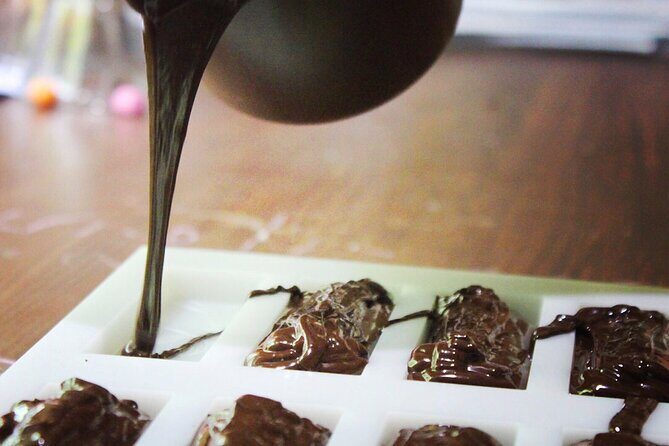
This is built like a real cacao-to-chocolate workflow, not a demo. You start with a visit to the cacao tree, then head back to the chocolate making facility for the process that matters most: fermentation, roasting, grinding, and turning it into a bar.
The vibe is educational and practical. You’re moving through stages, tasting as you go, and learning what each step changes in the final flavor and texture.
The class is about 2 hours 15 minutes (approx.), and the group is capped at 18 people. That matters here because the host needs to guide everyone through hands-on steps without turning it into a crowded factory tour.
You can also read our reviews of more tours and experiences in Limon.

The cacao tree stop: history, culture, and medicinal uses
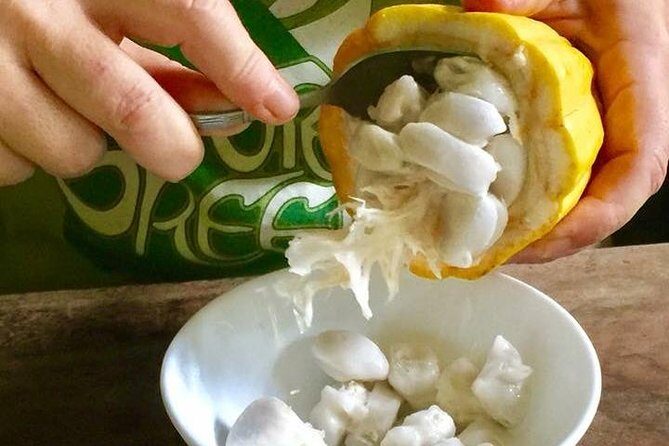
The first part begins on the cacao side of the story. You’ll see the cacao tree and learn what cacao fruit looks like in real life, not just as a concept.
What I like is that the lesson doesn’t stop at botany. You’ll get the history and culture around cacao in the region, and you’ll hear about medicinal uses tied to cacao. That framing helps you understand why people have valued cacao long before it became a mass-market “sweet.”
A small note for your expectations: one reason this tour gets such strong feedback is that the host is clearly passionate about the topic. If you like lots of explanation early, you’ll probably enjoy the pacing. If you hate “standing and listening,” you may want to bring a patient mindset for the first portion.
Back at the facility: fermentation and the alchemy of flavor
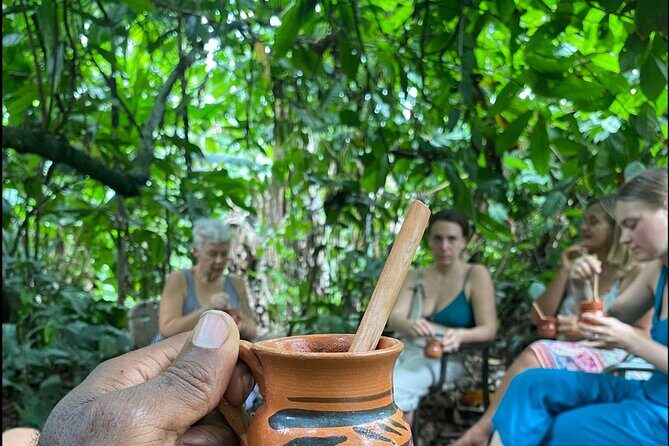
Once you return to the chocolate making facility, the class moves into the key transformation stage: fermentation. This is the step that turns cacao from simply bitter and raw into something with depth and character.
You’ll learn how the seed is processed in the right order, and how each phase affects the end result. The tour is very much about “this is why” and “this is what it becomes,” so it’s easier to remember than a slideshow.
This is also where your hands-on work starts to take shape. The goal is not just to explain cacao chemistry in abstract terms, but to connect the steps to the chocolate you’ll taste and take home.
Your hands-on bar: from roasted beans to something you made
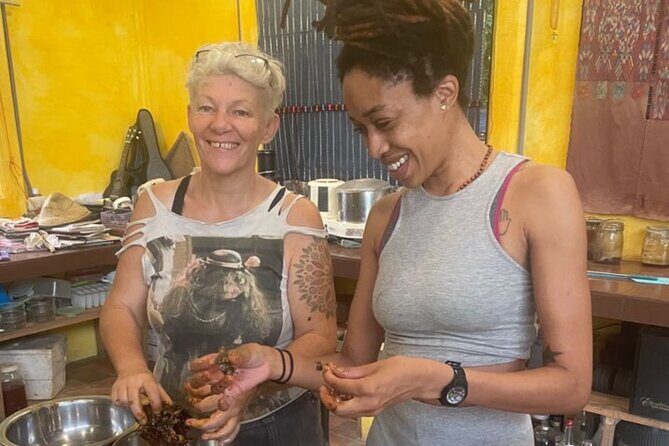
The highlight for most people is the making part. You’ll make a chocolate bar from beans coming from the farm, following the everyday process the facility uses to produce their chocolate.
Depending on the timing and group flow, you can expect tasks that go beyond cracking open a bean. Reviews describe doing steps like grinding cacao and working with powdered beans during the class, which is exactly what you want for a bean-to-bar style experience.
When you leave, you don’t just walk away with knowledge. You’ll take roasted beans and fine chocolate from the process you took part in. That’s part of the value: you’re buying ingredients and a craft outcome, not only an educational talk.
Sampling like a chocolate tasting: truffles and bars
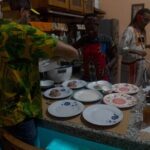
Tasting is built into the experience, and it’s not limited to one flat “this is chocolate” moment. You’ll sample many types of chocolate, including truffles and bars.
This is smart for two reasons. First, tasting different preparations shows how fermentation, roasting, and processing translate into real flavor changes. Second, it helps you learn what you like, so your next chocolate purchase back home makes more sense.
One practical expectation: the chocolate in this class appears to lean dark. Some participants specifically noted that they expected milk chocolate and found the class focuses on dark. If milk is your default, plan on tasting cacao-forward flavors instead of a sweet, milky profile.
A few more Limon tours and experiences worth a look
Meeting point and timing: a morning plan that fits Puerto Viejo
The tour starts at 10:00 am. The meeting point is listed as M64V+GM6, Limón Province, Puerto Viejo de Talamanca, 70403, Costa Rica, and the activity ends back at the meeting point.
At roughly 2 hours 15 minutes, it’s a great slot for the morning. It also pairs well with Puerto Viejo afternoons, when the heat tends to build and you’d rather not schedule something that involves standing outside for too long.
A couple details to plan around:
- The class may run longer if questions and conversation pick up.
- Because it involves farm time and a cacao tree visit, you’ll want to wear clothes and shoes you don’t mind getting a little farm-dusty.
Price and value: why $47 feels fair here
At about $47.37 per person, this is not a “cheap snack tour.” But it also isn’t only a tasting. You’re paying for a guided, step-by-step lesson and an experience outcome—roasted beans and chocolate you helped make.
Here’s the value math that matters most:
- You get hands-on time with the process, not just observation.
- You get multiple chocolate samples, including truffles and bars.
- You leave with product you made, which is more satisfying than walking out with a receipt and a few photos.
If you’re the kind of traveler who buys souvenirs because they look nice, this might feel less worth it. If you like skills, food craft, and learning how ingredients become something you can taste, it’s a solid value.
Who should book this class (and who should think twice)
This is a great fit for:
- Families and mixed-age groups, since it’s explicitly educational and hands-on.
- Adults who want something more meaningful than a standard food tasting.
- Anyone curious about where chocolate actually comes from.
It may feel less comfortable if:
- You dislike outdoor farm environments. Reviews mention insects, cats, and dogs around the working areas. If animals make you tense, go in prepared.
- You want a class where the practical portion starts immediately. A few people found the early explanation long before hands-on time.
- You expect a sweeter, milk-chocolate style experience. The class appears to focus on dark cacao products.
My take: if you can handle a “real farm” setting and you’re okay with learning before you make, you’ll likely have a great time.
Tips to get the most from your 2-hour class
A few small moves will help you enjoy this more:
- Ask questions early and don’t be shy. The host clearly enjoys teaching, and the group is small enough to make that work.
- Pay attention to the order of steps. The class is built around fermentation, roasting, and processing sequence—understanding that order is the whole point.
- If you’re sensitive to bites or insects, consider bringing bug spray. It’s an outdoor farm environment with visible insects in at least some past experiences.
Also, bring the mindset that chocolate-making is part science, part craft, and part patience. You’re learning something you can later try again at home, even if you adapt the method to your kitchen tools.
Should you book Puerto Viejo hands-on chocolate making?
Yes—if you want a real bean-to-bar experience with hands-on work and tastings, this is one of the better ways to spend a morning in Puerto Viejo. The small group size and the fact that you leave with roasted beans and fine chocolate you helped make are strong reasons to choose it.
I’d think twice only if you’re uncomfortable around farm animals and insects, or if you’re very short on patience for early talking. In that case, you might prefer a simpler tasting format with less outdoor movement.
If you’re on the fence, choose this when you’re in the mood to learn and snack at the same time. It’s the kind of class that turns chocolate from a product into a story you can taste.
FAQ
Where is the chocolate making class located?
It’s in the Limon Province area of Puerto Viejo de Talamanca, with the meeting point listed as M64V+GM6.
What time does the experience start?
The start time is 10:00 am.
How long is the experience?
It runs about 2 hours 15 minutes, approximately.
How many people are in the group?
The experience has a maximum of 18 travelers.
What do we do at the start of the class?
You visit a cacao tree and learn about cacao history, culture, and medicinal uses.
What happens after the cacao tree visit?
You return to the chocolate making facility to learn about fermentation and the process of turning cacao seeds into chocolate. You also make a bar following the facility’s method.
What do I take home?
You leave with roasted beans and fine chocolate.
What types of chocolate are included for tasting?
You sample many types of chocolate, including truffles and bars.
Does the tour depend on weather?
Yes. The experience requires good weather, and if it’s canceled due to poor weather you’ll be offered another date or a full refund.
Can I get a full refund if I cancel?
Yes. Cancellation is free up to 24 hours in advance for a full refund. If you cancel within 24 hours of the start time, the amount paid isn’t refunded.