REVIEW · LIMON
Private Native Caribbean Cooking in Puerto Viejo de Talamanca
Book on Viator →Bookable on Viator
Dinner here comes with backstory.
This private Puerto Viejo cooking class focuses on an ancestral Afro-Caribbean meal you can actually recreate later: you’ll learn how to make fresh coconut milk and prepare rice, beans, chicken in a Caribbean-style sauce, with ripped plantains and a green salad. I also like that the meal is wrapped in personal history, not just food facts, and one possible drawback is that it can lean more toward watching and tasting than hands-on cooking all the way through.
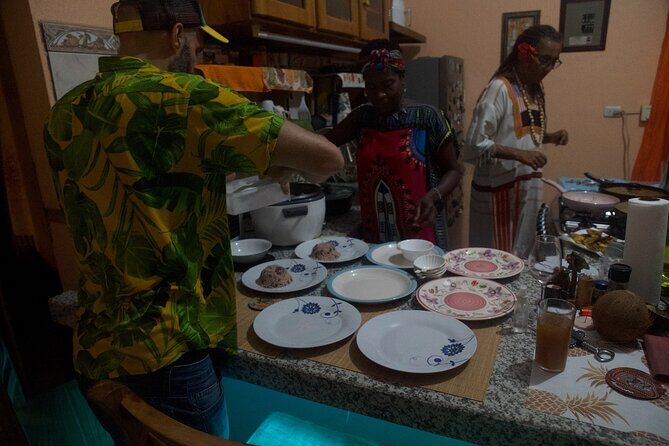
The setting matters. This happens inside Josefina’s home, so the vibe is cozy and community-like instead of classroom-stiff. You’ll also get a traditional drink tied to local history, and yes, there are cats that may wander over for attention.
If you’re short on time, the timing works well: it starts at 5:00 pm and runs about 2 hours 30 minutes, ending back at the meeting point near public transport. It’s also private—only your group—so questions and conversation feel easy.
In This Review
- Quick hits before you book
- The 5:00 pm Puerto Viejo evening that feels like a visit
- Where you start: Soda Shekina and getting oriented fast
- What you cook: coconut milk from scratch (and why it matters)
- The main meal: rice & beans with chicken in a Caribbean sauce
- Sides that make it feel like a real meal: ripped plantains and green salad
- The traditional drink: history in a cup
- Josefina’s storytelling: Puerto Viejo history through family experience
- How hands-on is it, really?
- Dietary needs and accommodation: what you should ask for
- The vibe: cozy, intimate, and slightly chaotic in a cute way
- Price and value: is $45 a good deal?
- Timing tips: how to fit this into your trip
- Who should book this class (and who might not love it)
- A practical wrap-up: what you leave with
- Should you book this Puerto Viejo Caribbean cooking experience?
- FAQ
- What is the duration of the private cooking experience?
- How much does the tour cost?
- Where do we meet, and what time does it start?
- Is this a private tour?
- What will we learn to cook during the class?
- Is there a drink included?
- Will there be cultural or historical information?
- Can the host accommodate allergies or dietary restrictions?
- What is the cancellation policy?
Quick hits before you book
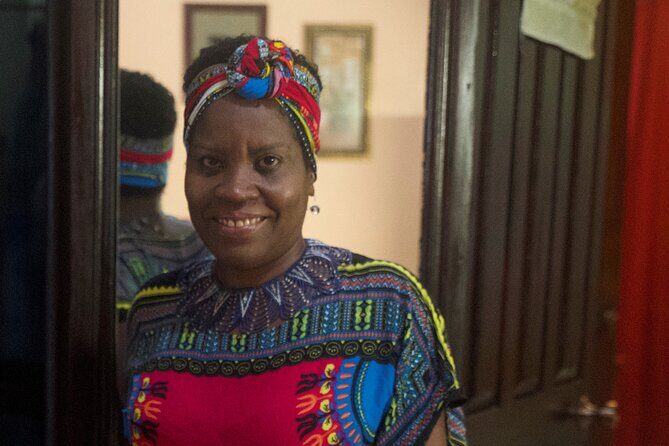
- Home-based, private experience in Josefina’s own space, just for your group
- Fresh coconut milk lesson, made with locally produced ingredients
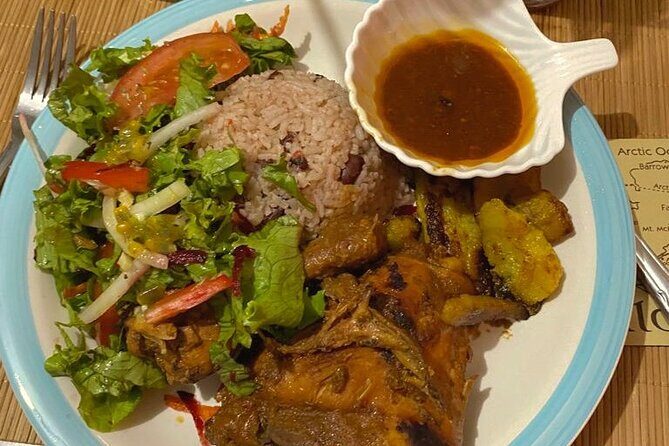
- A full Caribbean plate: rice & beans with chicken in Caribbean sauce, ripped plantains, green salad
- A traditional drink that comes with cultural context
- Puerto Viejo and Afro-Caribbean stories tied to family and local beginnings
- Dietary accommodation is possible (one group reported gluten and dairy allergy support)
The 5:00 pm Puerto Viejo evening that feels like a visit
This is the kind of activity that fits naturally into an afternoon: you start at 5:00 pm and you’re eating, talking, and learning by the time daylight is fading. The total time is about 2 hours 30 minutes, which is long enough to feel like a proper dinner plus a lesson, but not so long that it eats your whole night.
Because it’s private and hosted in a home, the pacing tends to be relaxed. You’ll have time to ask questions as Josefina cooks and explains. If your idea of a good trip includes real people and real routines, this format tends to land well.
One practical detail: you begin at Soda ShekinaC, C. 213, Limón, Puerto Viejo de Talamanca and you end back at the same meeting point. That makes it easy to pair with dinner plans before or after, without worrying you’ll be stranded across town.
You can also read our reviews of more private tours in Limon

Where you start: Soda Shekina and getting oriented fast
The meeting point is at Soda ShekinaC on C. 213 in Puerto Viejo. It’s also noted as being near public transportation, and the activity is described as easy and convenient for everyone, which matters in a place where schedules and routes can be hit-or-miss.
I like that the logistics are simple: one clear starting location, and you return there at the end. For you, that means less time coordinating and more time doing the fun part—learning a meal and listening to the stories behind it.
Also, because it’s private, you won’t be trying to hear cooking explanations through a crowd. You can speak up, ask follow-ups, and get details you’d normally miss on a bus-style tour.
What you cook: coconut milk from scratch (and why it matters)
The class centers on an ancestral recipe taught across generations, and a big piece of that is making fresh coconut milk. This isn’t just a garnish lesson. Coconut milk is the backbone of many Caribbean flavors, and learning how it’s prepared helps you understand why the food tastes the way it does—smooth, fragrant, and satisfying.
What I appreciate here is the emphasis on locally produced ingredients. That’s how you move past generic cooking instructions and into flavors that match the region you’re actually visiting. You get the idea that the recipe isn’t floating in space; it’s connected to what grows nearby and what families have used for years.
Even if you don’t plan to cook coconut milk at home often, the technique is still useful. It helps you adjust recipes later, and it teaches you to taste as you go—salt, depth, and richness are part of the process, not just the end result.
The main meal: rice & beans with chicken in a Caribbean sauce
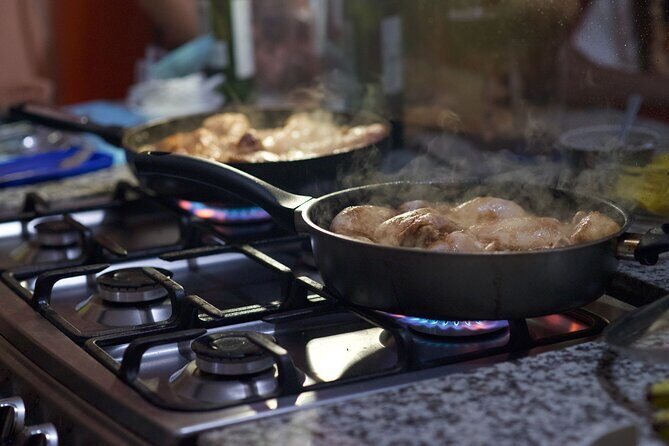
This is the heart of the menu. You’ll prepare rice and beans with chicken in a Caribbean sauce, then serve it as your full dinner. This matters because it’s not a small snack. It’s a complete plate you can use as a reference meal when you recreate it later.
From what you can expect in the home setting, Josefina explains what’s happening as she cooks. You’ll likely see how the sauce builds flavor and how the chicken gets tender and deeply seasoned. One of the most praised parts of the experience is that the chicken is flavorful and falls into that tender, spoon-friendly texture people remember days later.
For you, this means two things:
1) you leave full, not just entertained, and
2) you get a clearer sense of how Caribbean comfort food balances richness with bright, fresh sides.
Sides that make it feel like a real meal: ripped plantains and green salad
No Caribbean dinner worth its salt is just one component. Here, you also make ripped plantains and a green salad. The plantains add sweetness and depth, while the salad brings contrast—crisp, fresh, and a break from the heavier, saucier parts of the plate.
I like that the menu is varied in texture. Rice and beans are comforting and filling. The plantains add chew and caramel-like flavor. The salad keeps everything from feeling heavy. Together, they make the meal feel like something you’d serve to family, not something built for photos.
If you’re picky about sides, this is also a practical lesson: you see how the meal comes together as a system, not as separate dishes with no connection.



The traditional drink: history in a cup
Food is part of the story here, but so is drink. You’ll prepare a drink that’s described as part of the region’s history, and it’s meant to be refreshing as you learn.
I find this detail important because it stops the experience from feeling like a cooking demonstration only. You’re getting a fuller view of how everyday life in Puerto Viejo connects to Afro-Caribbean influence—through what people cook, what they drink, and how those choices reflect ancestry and community.
In practice, you’ll get the drink and then the conversation tends to flow while cooking and tasting continues. It’s one of those small moments that helps the evening feel human instead of scripted.
Josefina’s storytelling: Puerto Viejo history through family experience
One of the top reasons people rate this so highly is the talk—history mixed with personal perspective. Josefina shares insights about Puerto Viejo history, Afro-Caribbean culture, and cultural highlights tied to the first habitants of these lands.
What I like about this approach is that it doesn’t feel like a lecture. It lands as oral history, the kind you can’t replicate from a brochure. It also gives your dinner context. When you understand why certain ingredients and dishes mattered to families, the food stops being just delicious and starts being meaningful.
You’ll also get personal touches—stories about long-standing Caribbean influence in Costa Rica and how the town developed over time. It’s the sort of background that helps you walk around Puerto Viejo afterward with better bearings fast.
How hands-on is it, really?
This is one place where expectations can trip you up. The format is private and hosted in a home, and many parts revolve around Josefina cooking while you watch from close by. Some guests described wanting a more hands-on role, so you should go in knowing it may be more of a private cultural experience than a kitchen workout.
At the same time, you’re not locked out. One description notes you have the option to cook with Josefina if you choose. So if you want to actively participate—stir, prep, taste, ask—bring that energy early.
My advice: treat the hands-on part as flexible. You’ll still learn the processes because Josefina explains step by step. If you want to do more physical work, say so at the start and follow her lead.
Dietary needs and accommodation: what you should ask for
Food is also where fairness matters. One recent group said Josefina accommodated a gluten and dairy allergy, which is a big deal if you travel with restrictions.
The safest move for you is simple: tell the host about your needs when you book, and repeat it at the start of the evening. You’ll get the best chance of success when information is clear upfront.
If you don’t have allergies, you’re still set, because the meal is built around locally used ingredients and classic Caribbean comfort-food components—rice and beans, chicken, plantains, and salad—so it’s generally straightforward.
The vibe: cozy, intimate, and slightly chaotic in a cute way
The home setting is a major part of the appeal. People describe it as cozy and intimate, like visiting a friend who knows everyone’s names. You’re seated where you can see what’s going on, and conversation stays relaxed.
Also: cats. Several people mention Josefina has cats that wander over. It’s not a distraction so much as part of the normal rhythm of a lived-in home. If you love animals, it can add a warm, memorable touch. If you’re not a cat person, just let your comfort level be known and you’ll still be fine.
The overall result is that the evening doesn’t feel like a scripted performance. It feels like community food and stories sharing the same table.
Price and value: is $45 a good deal?
At $45 per person for about 2 hours 30 minutes, the value comes from what’s included. You’re paying for a private, home-based cooking experience plus a full dinner—rice and beans with chicken, plantains, salad, and a traditional drink—along with cultural context as part of the same experience.
Where it often beats the usual “dinner plus a show” is that you’re not just watching. You’re learning techniques (like coconut milk), understanding ingredient roles, and leaving with a story-rich view of Puerto Viejo’s Afro-Caribbean roots.
One more practical point: the price is per person, but it’s private for your group. So if you’re traveling as a family or couple, the cost tends to feel less “tour price” and more like a personalized meal lesson.
Also, since it’s commonly booked about 22 days in advance on average, I’d plan ahead. If you wait until the last minute, you might miss your preferred evening slot.
Timing tips: how to fit this into your trip
The start time is 5:00 pm, so think about what you’ll do before and after:
- Before: keep your day flexible. You don’t want a long hike or a stressful schedule right before a cooking dinner where you’ll be standing, tasting, and talking.
- After: you’ll likely leave comfortably full, so plan lighter activities for the evening. This is your main meal moment.
My favorite strategy is to book one of these cooking experiences earlier in your trip. It gives you more than dinner—you get flavor references for later restaurant choices, plus a better sense of what to look for when you talk with locals.
Who should book this class (and who might not love it)
This is a strong fit for:
- couples who want a meaningful dinner and conversation
- families with kids and teens who enjoy watching someone cook in a real home setting
- solo travelers who want a friendly, social atmosphere without joining a big group
- anyone who likes Afro-Caribbean culture and wants history through lived stories
It may not be ideal if:
- you expect a fully hands-on cooking workshop where you do most steps yourself
- you prefer food-only experiences with minimal conversation
- you dislike home-based settings where cats might appear
If you fall in the middle—curious, social, and open to watching as well as tasting—you’re probably going to have a great night.
A practical wrap-up: what you leave with
By the end, you’re not just leaving with a full stomach. You should come away with a clearer understanding of how the meal pieces work together: coconut milk flavors the Caribbean sauce, rice and beans carry the comfort-food base, plantains bring sweetness and texture, and the green salad adds contrast.
You also get recipe support after the session. Multiple people mention that the recipe was shared afterward, so you can try cooking it at home and remember what you learned.
And of course, you leave with stories: the kind that help you understand Puerto Viejo beyond beaches and sunsets.
Should you book this Puerto Viejo Caribbean cooking experience?
If you want a dinner that teaches you something real—technique, ingredients, and local culture—yes, book it. The private home setting, the coconut milk lesson, and the blend of food with Afro-Caribbean history are the big wins here. The price also feels fair for a full meal plus a personal cultural exchange.
I’d book especially if:
- you like learning through conversation as much as cooking
- you travel with dietary needs and want to ask about accommodations
- you want a memorable evening that feels local, not generic
If you’re the type who needs to do every step yourself, message ahead about participation. Otherwise, go in with the right expectation: it’s a warm, guided meal experience where you watch, taste, learn, and then leave with a recipe you can actually use.
FAQ
What is the duration of the private cooking experience?
It lasts about 2 hours 30 minutes.
How much does the tour cost?
The price is $45.00 per person.
Where do we meet, and what time does it start?
You start at Soda Shekina, C. 213, Limón, Puerto Viejo de Talamanca, Costa Rica, at 5:00 pm. The activity ends back at the meeting point.
Is this a private tour?
Yes. It’s private, so only your group participates.
What will we learn to cook during the class?
You’ll prepare fresh coconut milk and then cook rice and beans with chicken in a Caribbean sauce, plus ripped plantains and a green salad.
Is there a drink included?
Yes. You’ll prepare a drink that is part of the region’s history, and it’s included in the experience.
Will there be cultural or historical information?
Yes. You’ll get insights into Puerto Viejo history and Afro-Caribbean culture, including highlights about the first habitants of these lands.
Can the host accommodate allergies or dietary restrictions?
One group reported that Josefina accommodated a gluten and dairy allergy. It’s best to ask when booking and confirm at the start of the evening.
What is the cancellation policy?
Free cancellation is available. You can cancel up to 24 hours in advance for a full refund; cancellations made less than 24 hours before the start time are not refunded.