REVIEW · RIO DE JANEIRO
Garganta do Céu and Waterfall hike in Pedra da Gávea
Book on Viator →Bookable on Viator
Some hikes just feel like a secret.
This one pairs Garganta do Céu viewpoint drama with a real, refreshing waterfall moment on the way back, with Christ the Redeemer and Rio’s southern beaches spread out below. I especially like the combo of a tough-but-doable climb and the payoff views, plus the fact that an accredited guide stays on top of pace and safety (names that come up in feedback include Ron Beulah, Vagner, and Ricardo). The main drawback to plan for: it’s rugged and rocky, so if you’re not comfortable hiking uphill for about two hours, this can be more than you want.
Expect about 4 hours total, a small group (maximum 10 people), and a route that stays in and around Tijuca National Park. If weather turns, the tour needs good conditions and may be rescheduled or refunded, so you’ll want flexibility.
In This Review
- Key highlights you’ll actually feel
- Rio’s Tijuca side: why Pedra da Gávea feels special
- What the hike is like on your legs (and why guides matter)
- Floresta da Tijuca to the coast: how the early stops set you up
- Pedra da Gávea and Garganta do Céu: the main event
- Sorimã Waterfall: the cool payoff after effort
- Photos, videos, and the drone question
- Price and value: what $58.66 buys you here
- Logistics that matter: timing, group size, and weather
- Who should book this hike (and who should sit this one out)
- Should you book Garganta do Céu and Pedra da Gávea with Sorimã Waterfall?
- FAQ
- How long is the Garganta do Céu and Sorimã Waterfall hike?
- What is the starting meeting point?
- Is transportation included?
- Is bottled water included?
- What should I bring for the hike?
- How physically demanding is it?
- What viewpoints and landmarks will I see?
- How big is the group?
- What happens if the weather is poor?
Key highlights you’ll actually feel
- Garganta do Céu viewpoint with a surreal Rio panorama, including Christ the Redeemer and the Stone of Gávea
- A tough rocky climb that takes roughly two hours up, then focuses on getting you back down safely
- Sorimã Waterfall cooling stop in the forest, a calm counterbalance to the effort
- Small group size (up to 10 people) that helps the guide manage the trail
- Guide-led photo and video moments, with optional drone talk if you ask the guide
- Tijuca National Park real nature time, not just roadside sightseeing
Rio’s Tijuca side: why Pedra da Gávea feels special
Most Rio viewpoints give you a postcard. This hike leans into the other side of the city: thick forest, steep trail, and a “you earned this” look out over the urban sprawl.
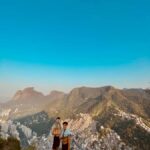
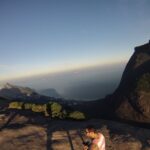
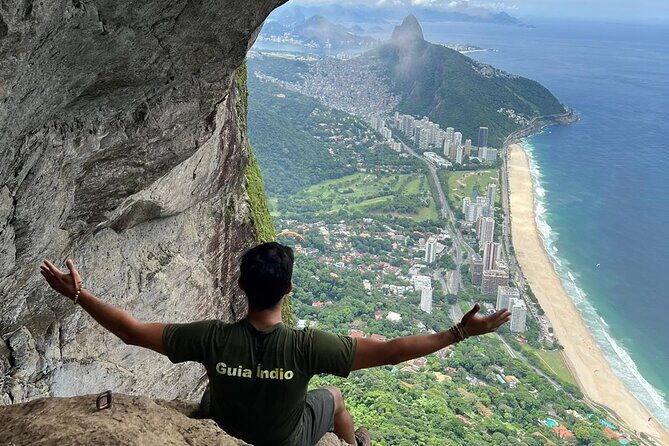
The big name here is Pedra da Gávea, but the experience really hinges on the move from forest trail to Garganta do Céu. When you reach that high viewpoint, the city spreads out like a map: Christ the Redeemer in view, the Stone of Gávea nearby, and the southern beaches laid out at your feet. It’s the kind of sight that makes you slow down and stare, not snap and move on.
And because this sits in Tijuca National Park, the atmosphere changes as you walk. You get shade and forest air on the climbing sections, then the open viewpoint hits you like a switch. That contrast is a big part of why the hike feels worth the effort.
You can also read our reviews of more hiking tours in Rio de Janeiro


What the hike is like on your legs (and why guides matter)
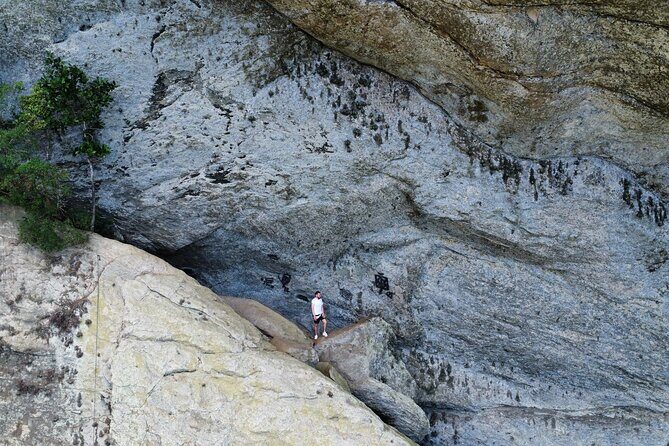
This isn’t a flat walk. The climb is described as about 2 hours uphill, and the terrain is rocky. One fit-hiker caution stands out: for people who are out of shape or have major health issues, this is not the day to test limits. Even on guided hikes, your body has to handle uneven footing and steep grades.
Two things help you succeed here:
First, the route is paced to be “easy to accommodate” at the tour’s difficulty level, but rugged terrain still makes it feel challenging. Think of it as: manageable in theory, demanding in practice.
Second, the accredited guide focus shows in how people talk about getting up and down without incidents. Guide names praised for that kind of hands-on support include Ron Beulah, plus Vagner and Ricardo. That matters because the hard part often isn’t only the climb; it’s the descent, when fatigue turns rocks into obstacles.
So here’s my practical take: if you can comfortably handle uphill walking with rocky footing, you’ll likely enjoy this. If not, don’t “power through” just because Rio views sound too good to miss. Get a guide, but choose a route your legs can respect.
Floresta da Tijuca to the coast: how the early stops set you up
The day starts back at the meeting point in Barra da Tijuca, at Estr. Sorimã, 932 (Point da Meire). From there, you move into Floresta da Tijuca territory.
That matters because the early part of the hike is about building a rhythm. Forest walking in Tijuca means your footing and pace matter more than speed. You’re also getting your bearings, and it helps when the climb steepens later.
Then you get coastal context with stops tied to Rio’s scenery:
- Praia de São Conrado gives you that immediate “I’m in Rio” coastal reference.
- Morro Dois Irmãos adds a dramatic landmark to the skyline picture.
Even if you’re there for the Garganta do Céu view, these earlier stops are useful. They put the viewpoint into perspective, so when you finally look down at the city and beaches, it feels connected—not random.
The possible drawback with these early viewpoints is simple: the experience is weather-dependent. If clouds roll in or visibility is poor, you’ll still walk in the forest, but the signature lookouts can lose some punch.
Pedra da Gávea and Garganta do Céu: the main event
This is where the hike earns its reputation.
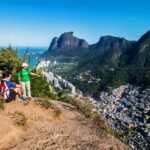
From above Garganta do Céu, the description is vivid for a reason: it’s not just a high point. It’s a “surreal view” moment where multiple Rio icons line up in one frame. You’re looking out with Christ the Redeemer visible, the Stone of Gávea nearby, and the beaches of Rio’s southern zone sitting at your feet.
If you love views that feel like you can point at neighborhoods and landmarks, this one delivers. If you care more about quiet nature, you still get a satisfying balance: you arrive at that viewpoint after moving through forest, not after hopping off a bus.
What to consider: because the climb is rocky and steep in places, you’ll want to be mentally ready for the effort. A key piece from the practical feedback: bring enough hydration. One fit-hiker advice was clear—plan on at least 2 liters of water and bring snacks. Since bottled water isn’t included, this becomes non-negotiable for comfort.
Also, if you’re a person who gets anxious when footing is uneven, this hike will still work better with a calm guide. This is exactly where having an accredited guide in a small group helps.
Sorimã Waterfall: the cool payoff after effort
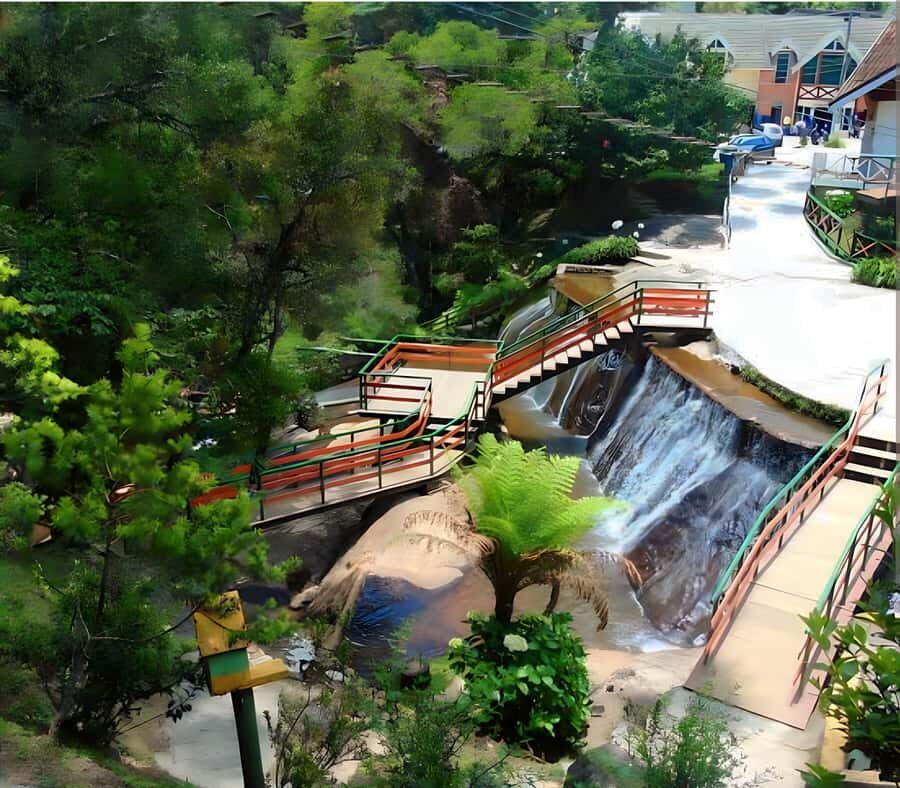
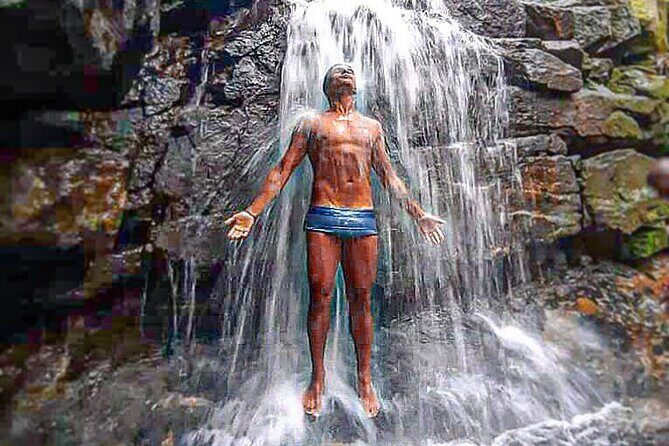
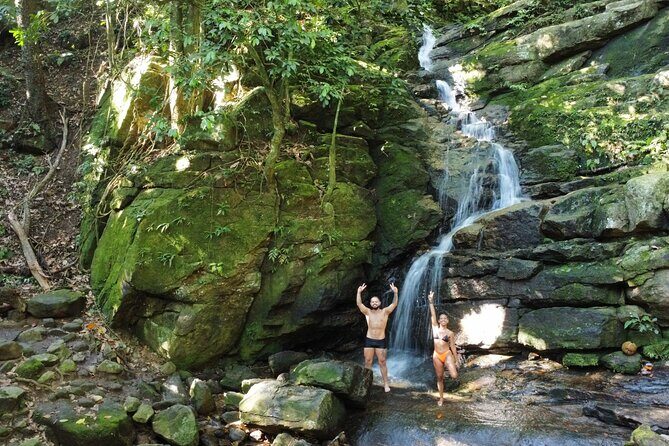
After you’ve done the steep work, the route transitions into the soothing reward. Sorimã Waterfall is described as a refreshingly guarded spot in the forest—meaning it’s not just a quick roadside splash.
This stop is one of the most praised parts of the experience because it changes your mood. The viewpoint demands attention and stamina. The waterfall asks for the opposite: slow down, cool off, and let your body reset.
You’ll also appreciate that this isn’t just scenery. It’s a physical relief point. When you’ve been climbing for about two hours, even a simple cooling break can make the return feel far more manageable.
There’s another reason this stop lands well: it’s described as “deep in the woods” in the feedback, which usually means fewer crowds and more real forest atmosphere. That’s the kind of travel moment that feels like Rio beyond the obvious.






Photos, videos, and the drone question
One practical advantage: photos and videos are included throughout the experience. That’s not a small detail. On a hike like this, you can spend less time juggling your phone and more time actually moving and taking in the views.
A second option: a drone is mentioned, but it’s not included in the price. The note is straightforward—ask the guide if you want that extra footage. Since that’s guide-dependent, you’ll get the best answer by asking early rather than waiting at the viewpoint.
My advice: treat the “included media” as part of the value. This is the kind of hike where your best photos happen while you’re looking at Garganta do Céu, and included capture removes the stress of trying to do it all yourself.
Price and value: what $58.66 buys you here
At $58.66 per person for about 4 hours, the cost can look modest compared to fancy private tours. But the value comes from what’s included and what isn’t.
Included:
- Accredited guide
- First aid
- Photos and videos during the walk
- Media support across the route
Not included:
- Private transportation
- Meals
- Bottled water
That pricing makes sense for an experience where the main “product” is guided time on a tough trail with a real viewpoint and waterfall payoff. If you already have a way to reach the meeting point (and the tour is near public transportation), you’re not paying extra for logistics you’d handle anyway.
Where the value gets strongest is on the guide + safety + capture side. If you’re going for Pedra da Gávea and Garganta do Céu because you want the best chance at a safe, satisfying day in rugged terrain, paying for that guidance is part of what you’re actually buying.
Logistics that matter: timing, group size, and weather
This experience typically runs around 4 hours. It’s booked about 9 days in advance on average, which hints that good weather windows help. The route requires good weather, and if it’s canceled due to poor conditions, you’ll be offered a different date or a refund.
Group size is capped at 10 people. That’s huge on a narrow trail. Smaller groups mean fewer bottlenecks, and it’s easier for a guide to keep the hike moving at a pace that fits the terrain and your comfort.
Also, the hike is listed as near public transportation. That matters because private transportation isn’t included. If you plan to use taxis or transit, make sure you factor in time to arrive early and check in.
Who should book this hike (and who should sit this one out)
This hike suits hikers with moderate physical fitness who can handle a rocky climb. If you’re comfortable hiking uphill for about two hours and you don’t mind uneven ground, you’ll likely find the payoff worth it.
You should be cautious if:
- you’re currently out of shape,
- you have major health issues,
- or you know you struggle when footing turns rocky and steep.
That caution isn’t to scare you off; it’s to protect your experience. One detailed piece of feedback basically said it plainly: for fit hikers only, and don’t underestimate how rugged the terrain can feel.
Who gets the most out of it:
- people who want both forest nature and major Rio views in one day,
- hikers who like having a guide and not worrying about pacing,
- and anyone who values the switch from hard climb to cool waterfall.
Should you book Garganta do Céu and Pedra da Gávea with Sorimã Waterfall?
I’d book it if you want a Rio hike that feels like it belongs to Tijuca National Park, not just the city edges. The combination of Garganta do Céu panoramic payoff and the Sorimã Waterfall cooling stop is a strong match for people who like effort with a clear reward.
I wouldn’t book it if your hiking comfort level is more “flat stroll” than “rocky climb.” You can still enjoy Rio from safer, easier viewpoints, but this one asks your legs for a real conversation.
If you do book: come prepared with at least 2 liters of water and snacks, expect rocky terrain, and give your guide permission to set a steady pace. With the right mindset, you’ll end the day with a view you’ll remember and a forest moment you won’t find from the street.
FAQ
How long is the Garganta do Céu and Sorimã Waterfall hike?
The experience lasts about 4 hours.
What is the starting meeting point?
The start is at Point da Meire, Estr. Sorimã, 932 – Barra da Tijuca, Rio de Janeiro – RJ, 22611-030, Brazil.
Is transportation included?
No. Private transportation is not included.
Is bottled water included?
No. Bottled water is not included.
What should I bring for the hike?
Bring enough water and snacks. Feedback specifically suggests at least 2 liters of water.
How physically demanding is it?
It requires moderate physical fitness, with a rocky, rugged climb of about 2 hours uphill.
What viewpoints and landmarks will I see?
You’ll reach Garganta do Céu for views of Christ the Redeemer, the Stone of Gávea, and the southern beaches. You’ll also make stops tied to Praia de São Conrado and Morro Dois Irmãos.
How big is the group?
The group size is capped at a maximum of 10 people.
What happens if the weather is poor?
The activity requires good weather. If it’s canceled due to poor weather, you’ll be offered a different date or a full refund.