REVIEW · RIO DE JANEIRO
Pedra do Telégrafo Hike and Beach Full-Day Tour
Book on GetYourGuide →Operated by S2 Rio - Tours Rio de Janeiro · Bookable on GetYourGuide
A short, steep hike with big rewards. Pedra do Telégrafo puts you on a 350-meter summit above Rio, with views that make the effort feel worth it fast, and you get an organized push to arrive early so photo time doesn’t turn into a wait. I especially love the climb’s built-in rhythm: start at Guaratiba Beach, hit the famous viewpoint of Pedra da Bigorna, then earn the panoramic top views. The one drawback to plan for is the ascent: it’s not technical, but it is steep, and heat/humidity can make it feel harder than the distance.
I also like how the tour balances effort with recovery. After the hike, you’re not just dropped back at the city—you get time to relax on Grumari or Prainha, which is exactly the kind of post-hike reward you want. Guides like Dayvision, Nicolas, Felipe, and Erick tend to keep the group moving at a pace that works, and they’ll help you nail the best angles for pictures. Consider that meals and drinks are not included, so you’ll want a simple snack plan so you don’t run on empty energy.
In This Review
- Key things to know before you go
- Where Pedra do Telégrafo fits in your Rio plan
- Climbing from Guaratiba Beach to the summit (and what makes it manageable)
- The viewpoint payoff: what you’ll actually see at the top
- Grumari or Prainha after the hike: why this ending matters
- The guides and photo help: where the tour quality shows
- Timing, transport, and the reality of the drive from Rio
- What to bring (and what trips people up)
- Price and value: why $56 can be a smart use of time
- Who should book this Pedra do Telégrafo hike, and who should skip
- Should you book this Pedra do Telégrafo and beach full-day tour?
- FAQ
- How long is the Pedra do Telégrafo hike and beach tour?
- Where does the hike start?
- Is the hike technical or does it require climbing?
- Do I get time for photos at the summit rock?
- What beach do we visit after the hike?
- What should I bring, and is there anything I can’t bring?
Key things to know before you go
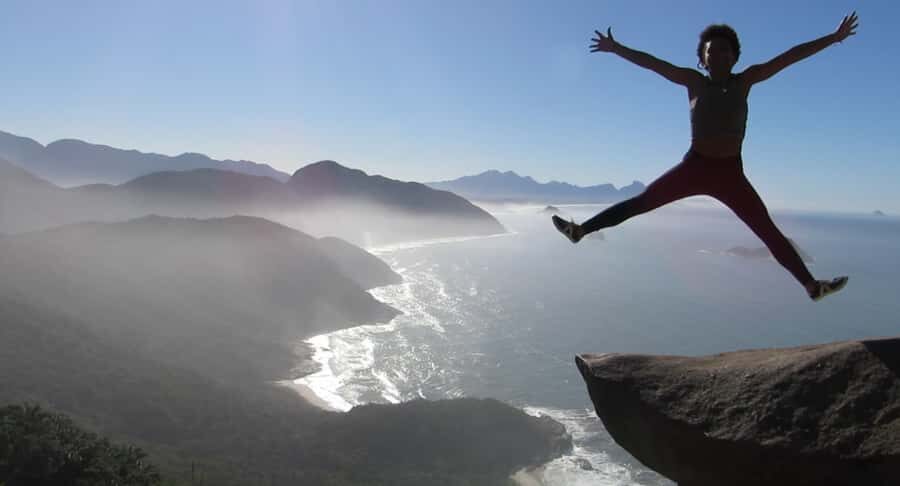
- Early arrival helps with photo lines at the Pedra do Telégrafo rock
- Steep but straightforward hike: no climbing required, just a solid uphill push
- Multiple viewpoints en route, with Pedra da Bigorna as the star stop
- Summit views you can orient yourself with, from sandbanks to nearby beaches
- Beach time is part of the payoff, not an afterthought at the end
- Bring the right footwear: open-toed shoes aren’t allowed on the hike
Where Pedra do Telégrafo fits in your Rio plan
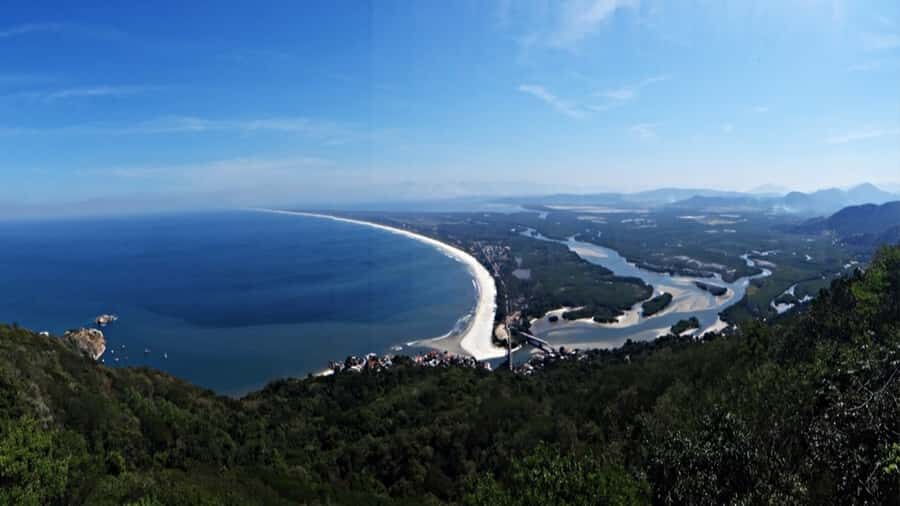
Pedra do Telégrafo sits in Pedra Branca State Park, on top of Guaratiba Hill. The setting matters, because you’re moving through natural terrain with a real sense of leaving the city behind—even though you’re still in Greater Rio.
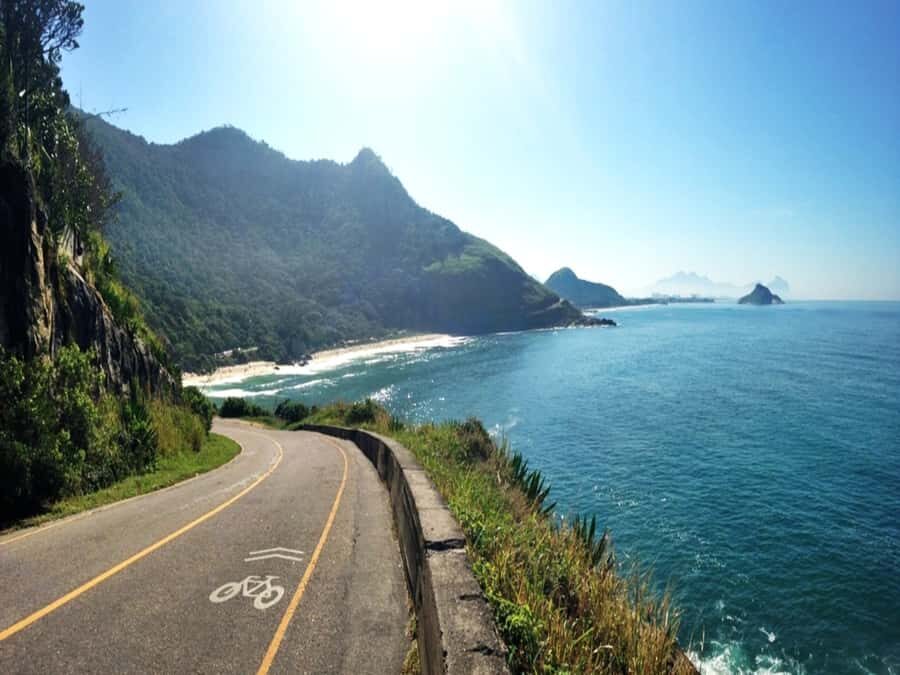
If you’re trying to choose between scenic viewpoints in Rio, this one plays a smart game: you trade a little time and sweat for a view that feels earned. From the top, you look out toward the Restinga da Marambaia sandbank, the wild stretches of coastline, and recognizable nearby features like Pedra do Pontal and Grumari Beach. You’ll see enough landmarks that the panorama doesn’t feel random.
The other “why this tour” factor is timing. The tour team prioritizes being early at the rock so you can photograph without spending your energy stuck waiting. That’s not a small detail in Rio, where popular viewpoints can turn into photo bottlenecks.
You can also read our reviews of more hiking tours in Rio De Janeiro


Climbing from Guaratiba Beach to the summit (and what makes it manageable)
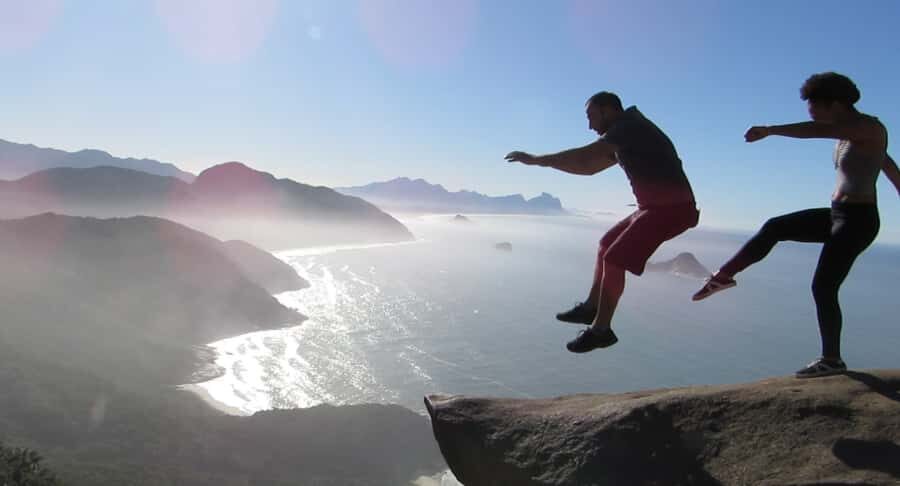
The day starts with a walk along the beach to the trailhead, then the ascent begins from Guaratiba Beach. The hike to the summit is about an hour, though your pace will decide how that hour feels—some people move fast, others take more breaks to steady breathing and enjoy the viewpoints.
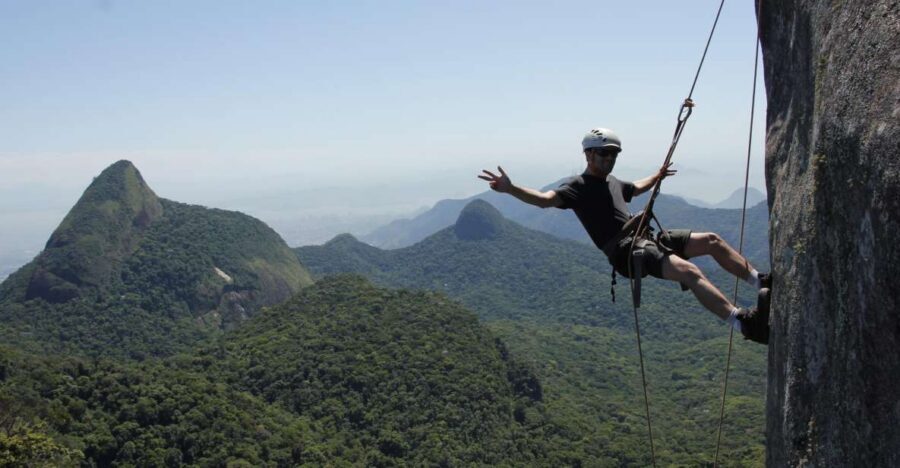
Along the way, you’ll pass several lookouts. The most famous stop is Pedra da Bigorna, a sharp rock that’s easy to remember once you see it. These pauses do more than add scenery; they give you micro-resets so you don’t blow through the climb too quickly.
Is it hard? It’s steep incline, so your legs will know it. The good news is that it’s not described as technical climbing, and multiple guides (including Leonel, Miguel, and Luiz in different groups) are known for keeping everyone safe and included. If you’re a beginner hiker, think of this as cardio + smart pacing, not a skills test.
Two practical tips that make the climb feel better:
- Start slower than you think you need to. Saving energy for the last stretch is what turns a tough climb into a doable one.
- Use “stop-and-go” on your own terms. Even when the group wants to keep moving, the guide typically adjusts for comfort and photo moments.
The viewpoint payoff: what you’ll actually see at the top
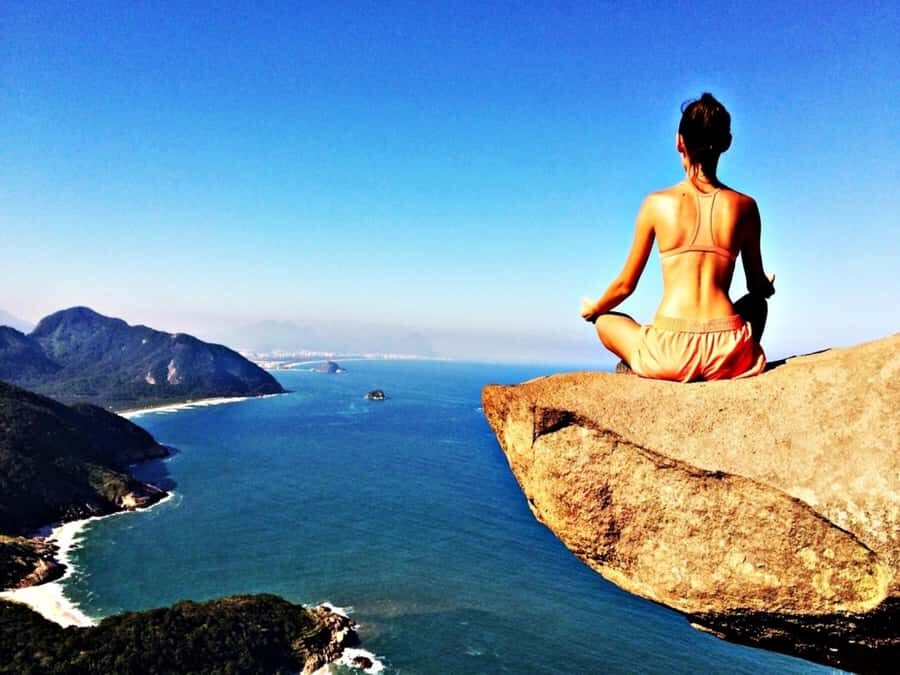
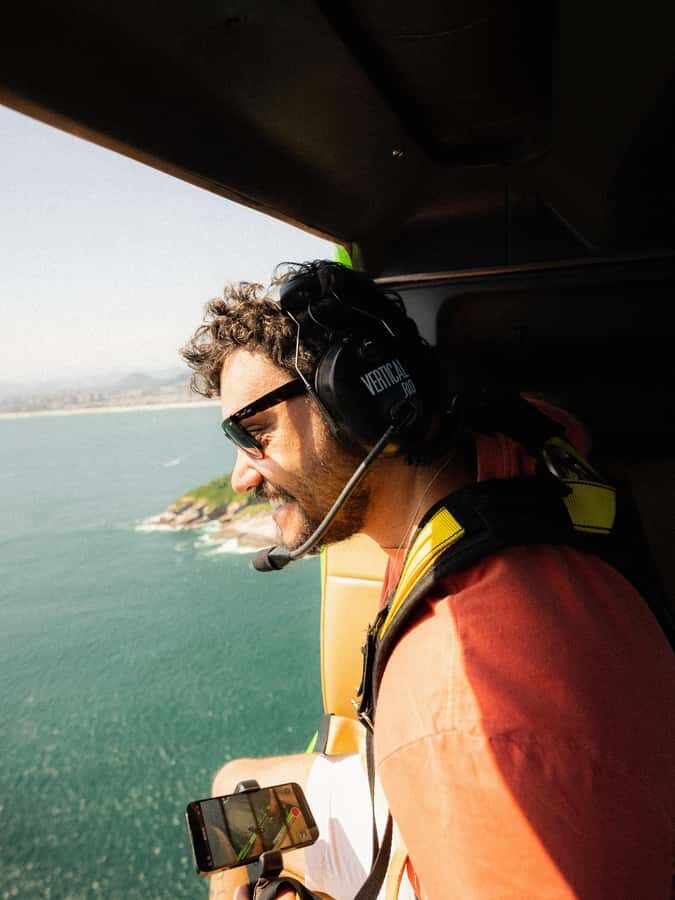
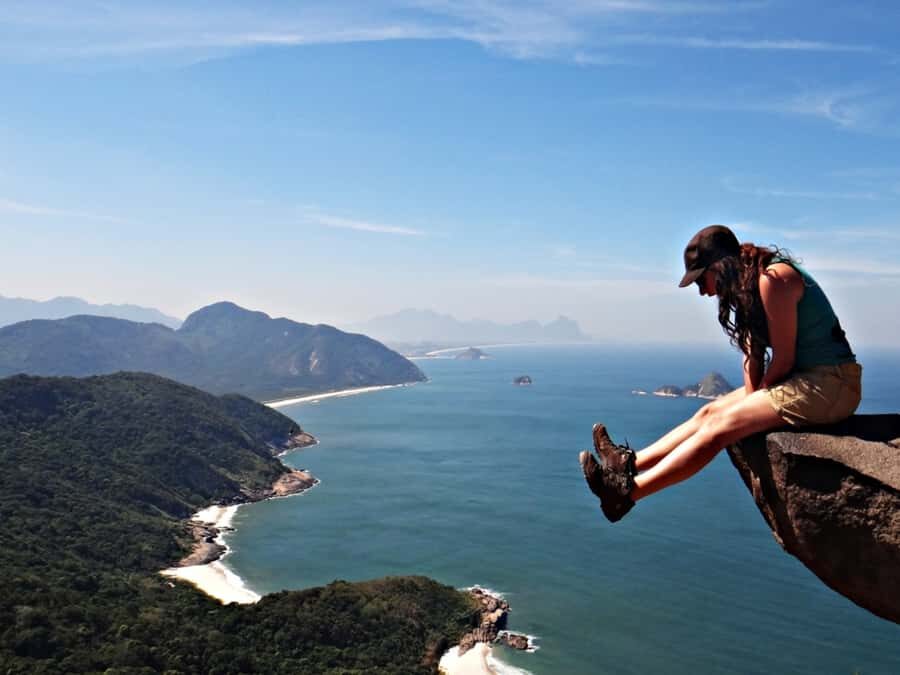
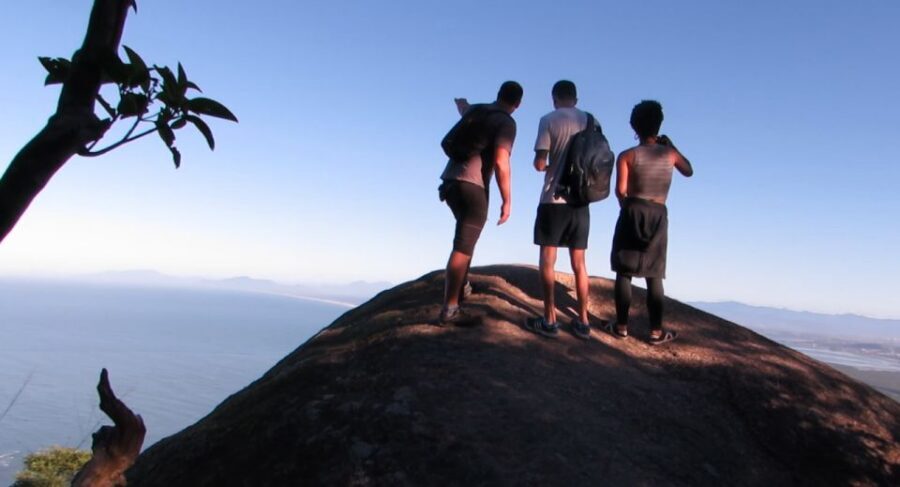
Reaching Pedra do Telégrafo is the moment the tour earns its name. From the summit, you’re high above the shoreline, with wide angles that stretch along Rio’s coast.
You’ll take in:
- The Restinga da Marambaia sandbank (a long, sandy pattern that looks very different from typical beaches)
- Wild, less-developed coastline sections around Rio
- Pedra do Pontal in the distance
- Grumari Beach from above, which helps you understand the geography of the area you’ll visit later
This is one of those lookouts where orientation matters. Because you’ll see multiple coastal features from one spot, you can connect the dots and feel like you’re viewing Rio with a map in your head. That makes the summit more satisfying than just snapping photos and moving on.
Also, bring patience for photos—at the top, you’ll likely have time to capture your own shots and also consider the help of a professional photographer. Several people highlight the value of using the pro option at the rock, calling the photos “worth it” and noting it’s relatively inexpensive. Even if you skip that, you’ll still want a few minutes to slow down and let the panorama sink in.
Grumari or Prainha after the hike: why this ending matters
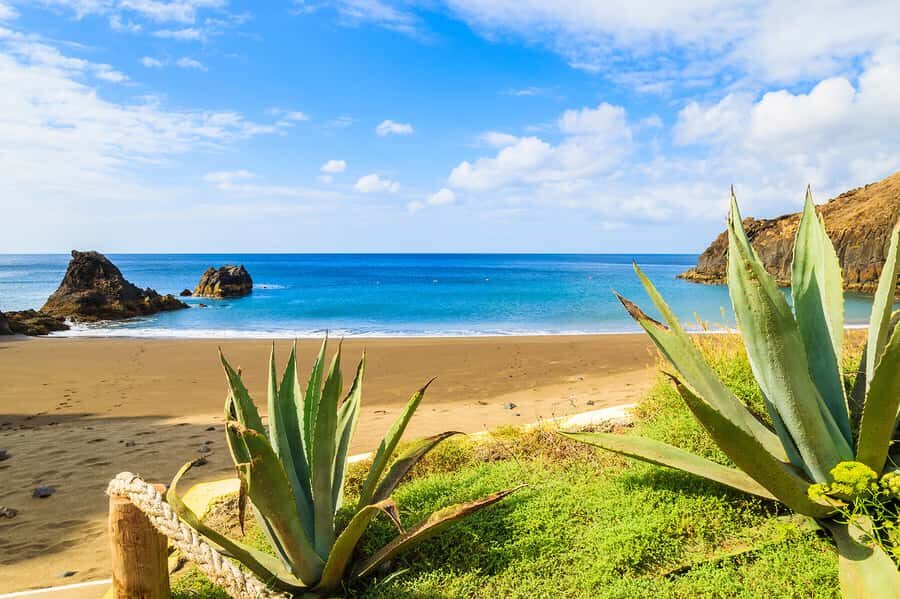
After the climb, the tour shifts gears to relaxation on the beach. You’ll head to Grumari or Prainha, which is a big part of why this feels like a full experience instead of a “hit the viewpoint, then rush back” outing.
Here’s why the beach stop is more valuable than it sounds:
- It’s a real cooldown after a steep hike. Your legs get a break, and you can rinse off the day with a swim or just a long sit.
- The beaches in this area feel calmer than the most famous Rio postcards, so you’re not trading sweat for another crowd marathon.
Grumari and Prainha also change the mood of your day. At the summit you’re high and wide; at the beach you’re low and local. That contrast is the whole point of booking a hike + beach combo.
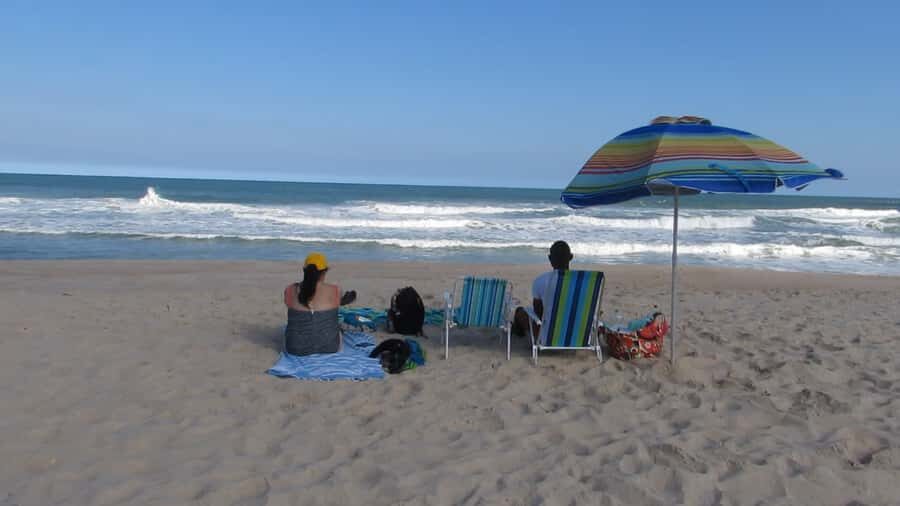
One thing to plan: meals aren’t included. That means you’ll want to arrive with water and a snack mindset, then decide on simple beach food when you get there. Açaí or cool drinks show up as a common post-hike treat in this region, and it’s usually the kind of refreshing payoff your body will crave.
The guides and photo help: where the tour quality shows
A hike is only half the experience. The other half is how your guide handles pacing, safety, and photo moments.
From the groups that went out, names keep popping up: Dayvision is praised for being patient on the climb and for taking amazing photos at the summit rock. Nicolas is noted for attention to detail and for helping the group take photos without feeling rushed. Erick shows up in feedback for guiding with care and being an active photographer. Mauricio is also specifically mentioned as a strong guide, and Felipe/Leonel/Miguel are repeatedly tied to a friendly, organized day.
What that tells you as a traveler: this tour doesn’t just “show up and point.” The guide support tends to matter most in three places:
- Adjusting pace for hikers who need more breaks
- Keeping the group together while still allowing stop-and-photo moments
- Helping you frame the rock so you get the classic Pedra do Telégrafo angles
Even the little operational behaviors get mentioned. People describe pickup coordination as prompt and clear, and they like that you’re not left guessing. In a city with narrow streets, that kind of planning reduces stress.
A few more Rio De Janeiro tours and experiences worth a look



Timing, transport, and the reality of the drive from Rio
The tour includes air-conditioned transportation, plus an accredited tour guide and personal accident insurance. That matters because the drive time to reach this part of the park can feel like a lot if you’ve never tried crossing Rio’s neighborhoods.
Pickup is optional, and it’s offered across many areas like Lapa, Cinelândia, Catete, Flamengo, Botafogo Praia Shopping, Copacabana, Ipanema, and parts of Barra da Tijuca seafront. You wait at the hotel lobby, and if narrow streets block vehicle access, you’ll get a closest meeting point.
A good strategy is to treat pickup as part of your hike prep. If you’re later than planned, you might lose that early-arrival advantage that helps avoid summit photo lines. The tour team’s approach is basically: get you out early enough that the rock feels spacious rather than jammed.
Duration is listed as 4 hours up to 390 minutes depending on starting times and how long you linger at the viewpoints and beach. Translation: plan for a half-day that can run longer than you expect if the scenery keeps you smiling and you’re taking your time.
What to bring (and what trips people up)
This hike is short, but it’s not a “show up in sandals and wing it” activity. You’ll be in sun, you’ll be moving uphill, and you’ll want to feel comfortable switching from trail mode to beach mode.
Bring:
- Water (non-negotiable for a steep, sweaty climb)
- Sunscreen and sunglasses
- Sun hat
- Hiking shoes with a good grip
- Snacks, especially if you’re someone who gets hungry while exercising
- Insect repellent
- Change of clothes
- Towel
- Swimwear
- Flip-flops for the beach (you’re allowed them for off-trail use)
Not allowed:
- Pets
- Oversize luggage / large bags
- Open-toed shoes
That open-toed shoe rule is a key detail. If you want beach time, pack flip-flops for after the hike, not for the trail.
One more pacing note that matches how guides behave in real life: most people do best when they treat the climb as “steady effort,” not a race. Even reviews mention the hike can be tiring because it’s steep, and hot humid weather can make it feel tougher. The good guides won’t abandon slow hikers; they build in patience and breaks so you stay part of the group.
Price and value: why $56 can be a smart use of time
At $56 per person, this tour isn’t the cheapest thing you can do, but it’s also not trying to sell you a luxury fantasy. You’re paying for three things that add real value:
1) Guided, early access to the summit
The early arrival priority reduces your time stuck in lines, and it improves the overall vibe at the rock.
2) Transportation and logistics
An AC ride, pickup options in multiple Rio areas, and help with meeting points makes this easier than trying to piece it together on your own.
3) A real day structure
You get the full arc: climb, viewpoints, summit photos, then beach time. Meals are not included, so you can decide what you want to eat rather than paying for set meals that may not fit your taste.
If your Rio itinerary includes big-ticket viewpoints that take time and cost money, this hike-and-beach combo can feel like good value because you get both exertion and reward in a single organized block.
Who should book this Pedra do Telégrafo hike, and who should skip
This is a great pick if you like:
- Scenic hikes with a clear payoff
- Outdoor time plus beach downtime
- Being out early to beat crowds
- A guide who handles photos and pacing so you don’t get left behind
It’s less ideal if:
- You need wheelchair access (the tour is not suitable for wheelchair users)
- You’re not comfortable with a steep uphill climb, even if it’s short
If you’re unsure, think about what you can handle: the ascent is about an hour, but the incline is the real challenge. You don’t need mountaineering skills, just steady legs, good footwear, and enough water.
Should you book this Pedra do Telégrafo and beach full-day tour?
Yes, I’d book it if your goal is a memorable Rio viewpoint that you earn with your own legs, then celebrate with a calmer beach stop like Grumari or Prainha. The strongest reasons are the early start, the multiple viewpoints on the way up, and the fact that the guide support shows up in real ways (pacing, patience, and help with photos—often mentioned with names like Dayvision, Nicolas, Felipe, and Erick).
If you’re chasing an activity that is mostly relaxing with zero physical effort, this isn’t that. But if you want a short, steep hike with skyline-level views and a beach landing after, it’s one of the more satisfying half-day choices in Rio.
FAQ
How long is the Pedra do Telégrafo hike and beach tour?
The tour is listed as 4 hours up to 390 minutes, depending on the starting time and how much time you spend on the hike, at viewpoints, and on the beach.
Where does the hike start?
The ascent begins at Guaratiba Beach, after a walk along the beach to the trail starting point.
Is the hike technical or does it require climbing?
The hike is described as a steep incline, but there’s no mention of technical climbing. You should still expect it to be tiring, especially in warm, humid conditions.
Do I get time for photos at the summit rock?
Yes. The tour prioritizes arriving early so you can take pictures with less waiting, and many guides are known for helping with photos at the summit.
What beach do we visit after the hike?
After the hike, you relax on Grumari or Prainha (your tour experience will choose one of these).
What should I bring, and is there anything I can’t bring?
Bring water, sunscreen, sunglasses, a sun hat, insect repellent, hiking shoes with grip, swimwear, slippers/flip-flops for the beach, a towel, and snacks. Pets, oversize luggage, and open-toed shoes are not allowed.