REVIEW · RIO DE JANEIRO
Rio: Tijuca Forest Small Group Hike to Caves and Waterfalls
Book on GetYourGuide →Operated by Jungle Me · Bookable on GetYourGuide
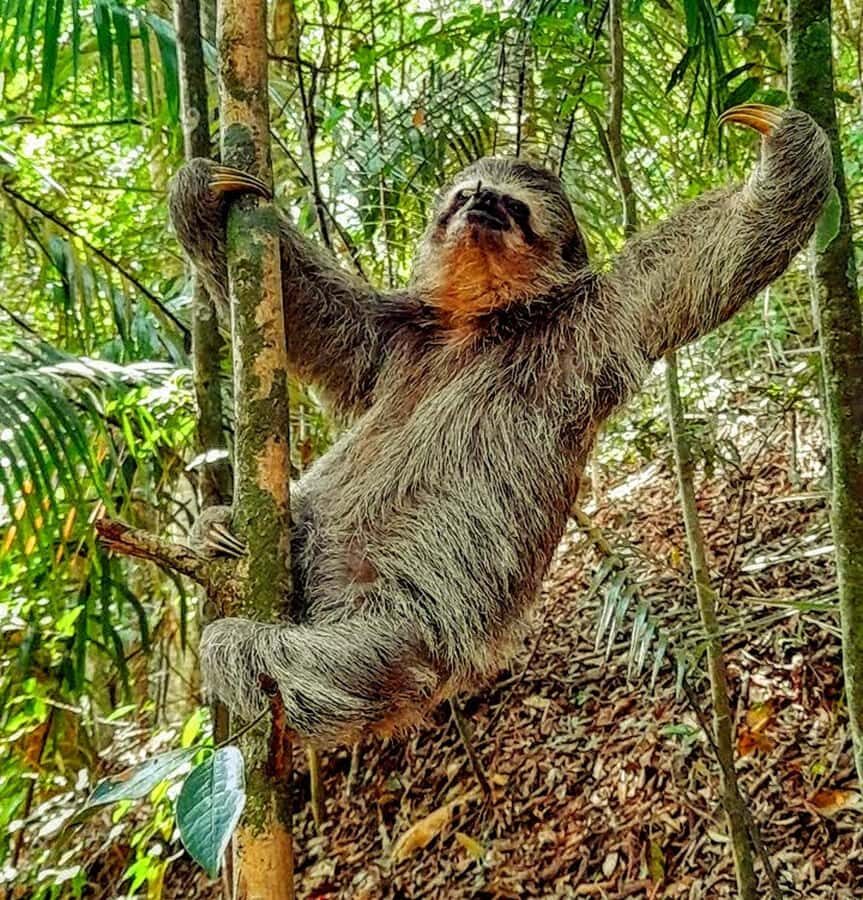
One rainforest walk in Rio can change how you see the city. This small-group hike through Tijuca Forest National Park mixes waterfalls, caves, and 19th-century plantation history into one solid half-day. I especially like the moderate-but-real workout (6.2 km with a 448 m climb) and the chance to cool off under the waterfall shower at Baronesa Cascade. One thing to weigh: wildlife sightings aren’t guaranteed, so the day rewards you most if you enjoy plants, geology, and the story of how this forest came back.
You’ll also get a lot of context as you go. The route is paced for a 2.5–3 hour hike but still leaves time for short stops at chapel ruins, viewpoints, and historic stonework—plus an included history-and-geography lesson from your bilingual guide (English/Portuguese). If you get motion-sick easily or hate tight seating, keep in mind that the transport can be cramped for taller people.
In This Review
- Key points before you go
- Why Tijuca Forest caves-and-waterfalls feels different from a typical Rio day
- Hotel pickup in Rio: the real convenience factor
- The hike math: 6.2 km, 448 m climb, and how it actually feels
- Cascatinha Taunay and Mayrink Chapel: coffee-era trails meet waterfall power
- The suspension bridge, eucalyptus forest, and Morcego’s Grotto
- Baronesa Cascade waterfall shower: the part you’ll remember
- Returning through history details: Barão’s residence, Wallace Fountain, and viewpoints
- Your guide makes the difference: the names to remember
- Price and value: is $69 worth it for what you get?
- Who should book this Tijuca Forest hike (and who should skip it)
- FAQ
- How long is the tour, and how long is the hike?
- What elevation gain should I expect?
- Is hotel pickup included, and from where?
- Are food and drinks included?
- What languages does the guide speak?
- Who is this hike not suitable for?
- What should I bring, and what isn’t allowed?
- Should you book this Tijuca Forest Small Group Hike?
Key points before you go
- Small-group hiking focused on specific stops, not just a long walk in the trees
- Waterfall time twice: the biggest park fall and a cool shower at Baronesa Cascade
- Old-growth story: trails from the 1800s tied to coffee plantations and reforestation
- Caves and geology: Morcego’s Grotto and the Bat Cave add variety beyond waterfalls
- Hotel pickup from Rio’s South Zone so you spend less time planning and more time outside
Why Tijuca Forest caves-and-waterfalls feels different from a typical Rio day
Rio’s postcard version is all beaches and city views. This is the opposite angle: a hike inside the world’s largest replanted urban forest, where the rainforest feels close enough to brush your shoulder. And unlike a straight nature stroll, this circuit has built-in variety—waterfall, suspension bridge, chapel, caves, ruins, and viewpoints—so you don’t get bored halfway through.
What really works for me is that the day is “story first, scenery second,” in a good way. You’ll hear how the area shifted from coffee plantations back to forest, and how that history shaped the trail network you’re walking. Even if you’re not the type to read plaques, your guide’s walk-and-talk style helps the place click.
You can also read our reviews of more hiking tours in Rio De Janeiro

Hotel pickup in Rio: the real convenience factor
The tour includes transportation from designated hotels in the South Zone. That covers areas like Copacabana, Ipanema, Leblon, Leme, Flamengo, Santa Teresa, Gloria, Catete, and also Urca and Praia de Botafogo. If your hotel isn’t on the pickup list, you’ll be directed to a nearby meeting point.
This matters because Tijuca is not a “hop on the metro and wander over” kind of place. With pickup and drop-off handled, you just show up with your shoes and water. It also makes it easier to join solo without juggling taxis across traffic.
One small reality check: because this is done in a small-vehicle group, some people find the ride a bit tight. If you’re tall or broad-shouldered, you’ll likely want to sit in a spot where you can stretch your legs a little.
The hike math: 6.2 km, 448 m climb, and how it actually feels
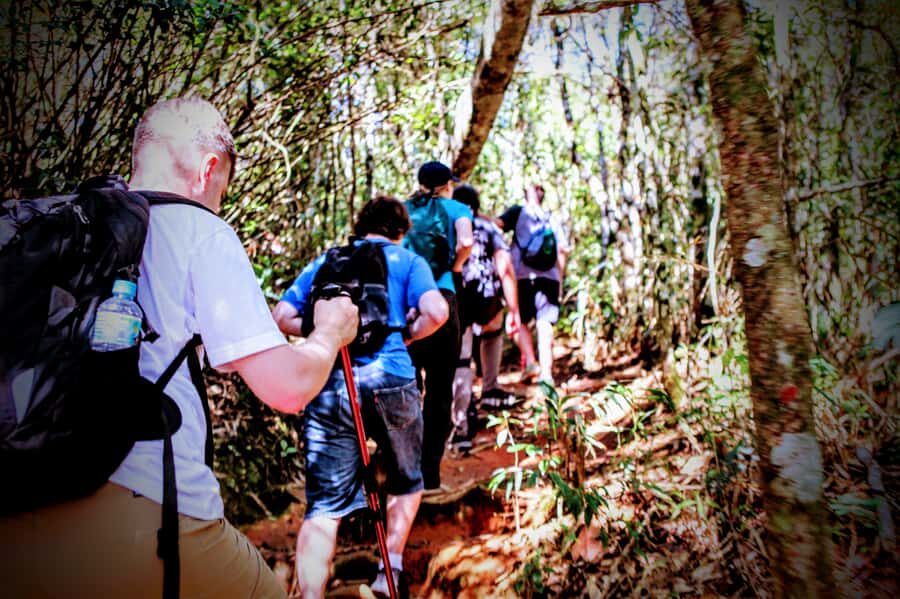
The hike portion is moderate: about 6.2 km (3.8 miles), with roughly 448 m (1,469 ft) of elevation gain. The hiking time is listed as 2.5–3 hours, but the full day runs around 6 hours with stops and transfers.
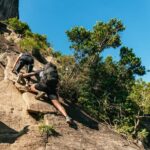
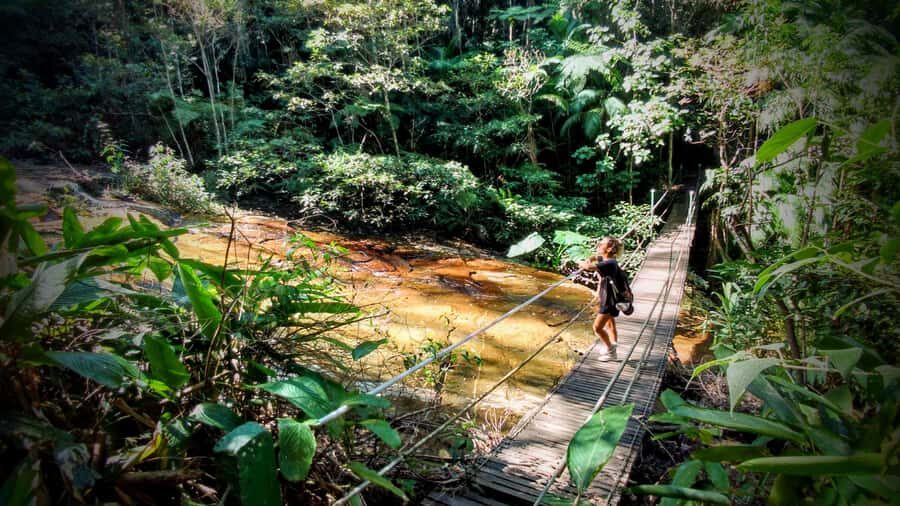
This is the type of hike where you’ll get winded on climbs but recover on flat stretches. Expect up-and-down sections on rough terrain in the rainforest, not manicured paths. Good sports shoes are essential, especially if it rained earlier or the trail looks slick.
And go in with the right mindset: you’re hiking in a protected forest, not a theme park. That’s why this hike is best if you enjoy steady walking, short climbs, and frequent pauses to look at what’s around you.
Not everyone should try this. It isn’t suitable for people with heart problems, and it’s not set up for wheelchair users.
Cascatinha Taunay and Mayrink Chapel: coffee-era trails meet waterfall power
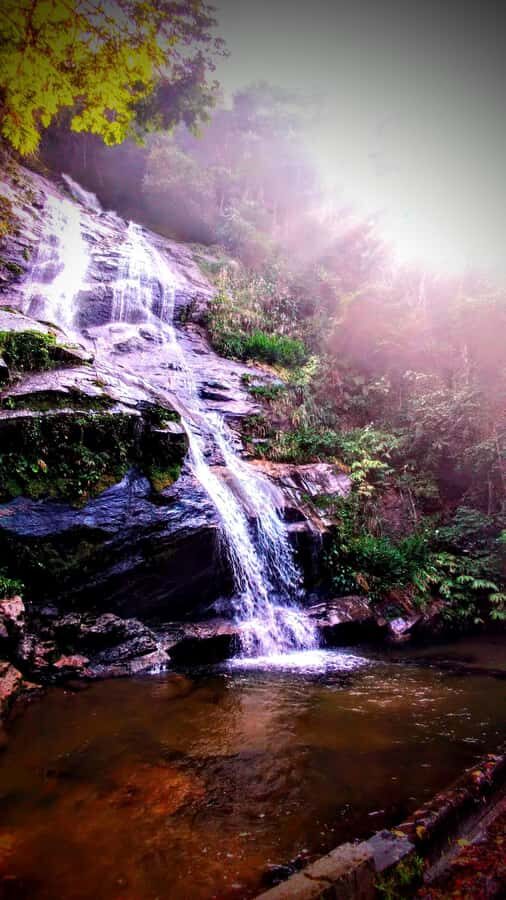
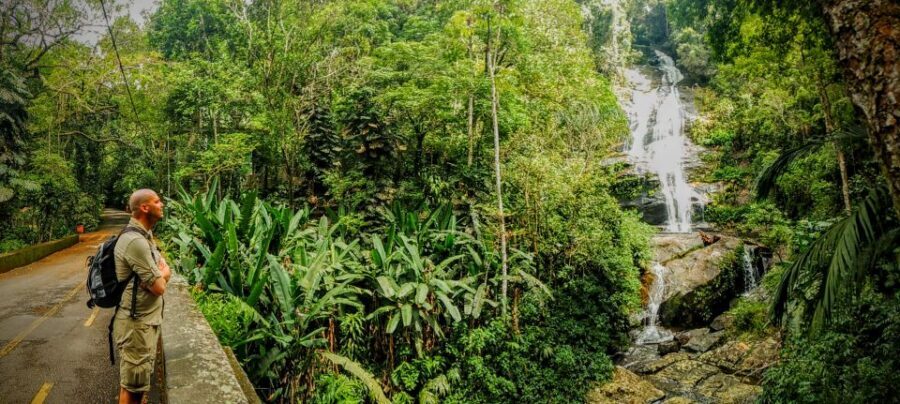
The circuit starts with a guided look at Cascatinha Taunay, which the route describes as the largest waterfall in the national park. Even if you’ve seen waterfalls in other countries, this one hits differently because it’s inside a working urban forest—so the sound is powerful, but the setting feels intimate.
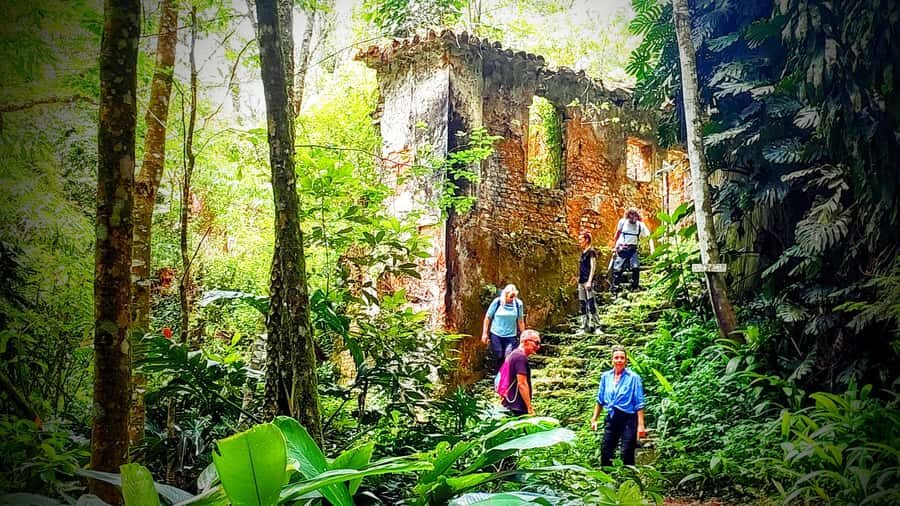
From there, you’ll move through the park’s history points with short timed stops. One highlight is the Mayrink Chapel (from 1850). It’s not just a photo stop; the chapel connects the dots between the plantation era and the forest recovery effort. If you like the “how did this place become what it is now?” angle, this part of the route makes sense.
Also pay attention to how trails are laid out. The route follows paths made in the 19th century, when this area was occupied by coffee plantations. Walking those alignments in the rainforest gives you a sense of how people moved through the land long before modern roads.
The suspension bridge, eucalyptus forest, and Morcego’s Grotto
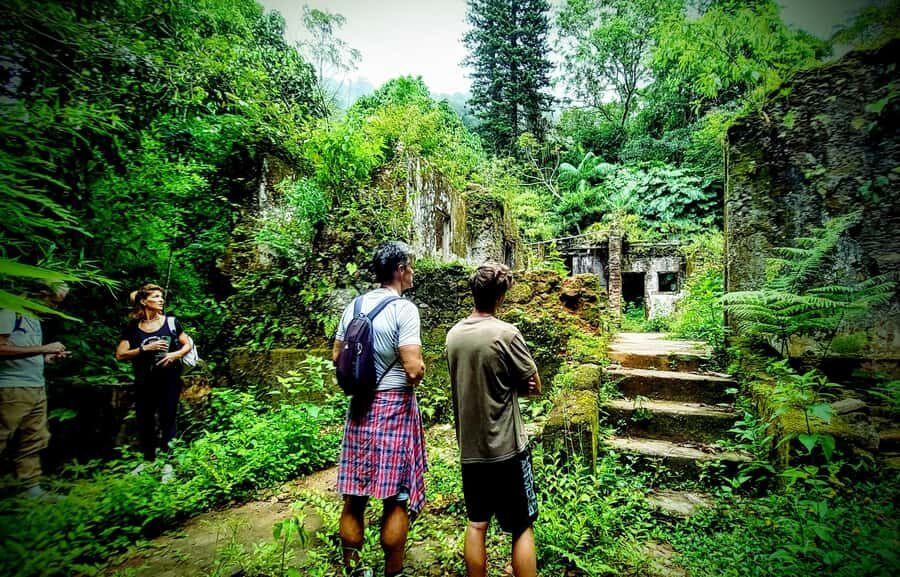
This is where the hike gets more hands-on in a way that’s hard to replicate on your own. You’ll pass the Cova da Onça Suspension Bridge for a quick stop and short guided moment. Suspension bridges always feel exciting, but here it also functions as a way to shift your perspective—suddenly you’re higher up, looking through layers of forest growth.
Next comes the Eucalyptus Forest, tied to an old slave cemetery. This isn’t a long, theatrical segment, but it’s important context. It adds weight to the day, reminding you the rainforest story in Brazil includes suffering and forced labor, not only romantic nature recovery.
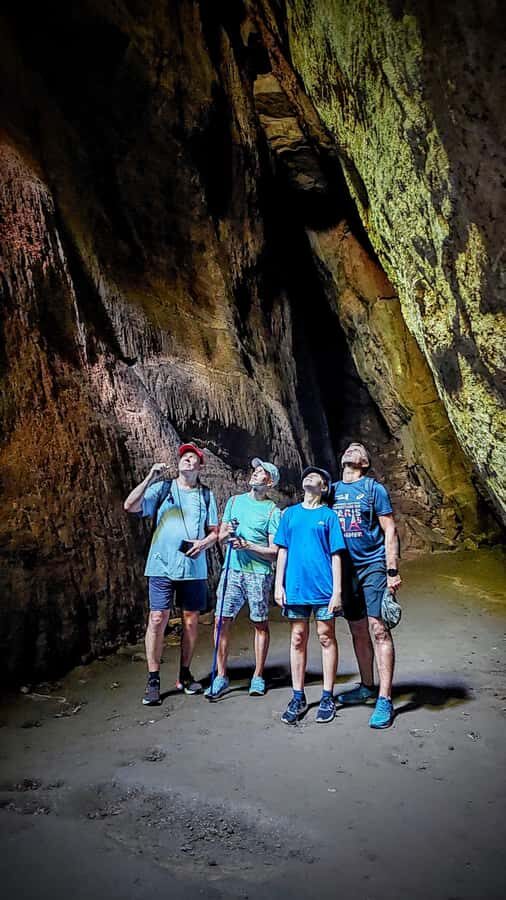
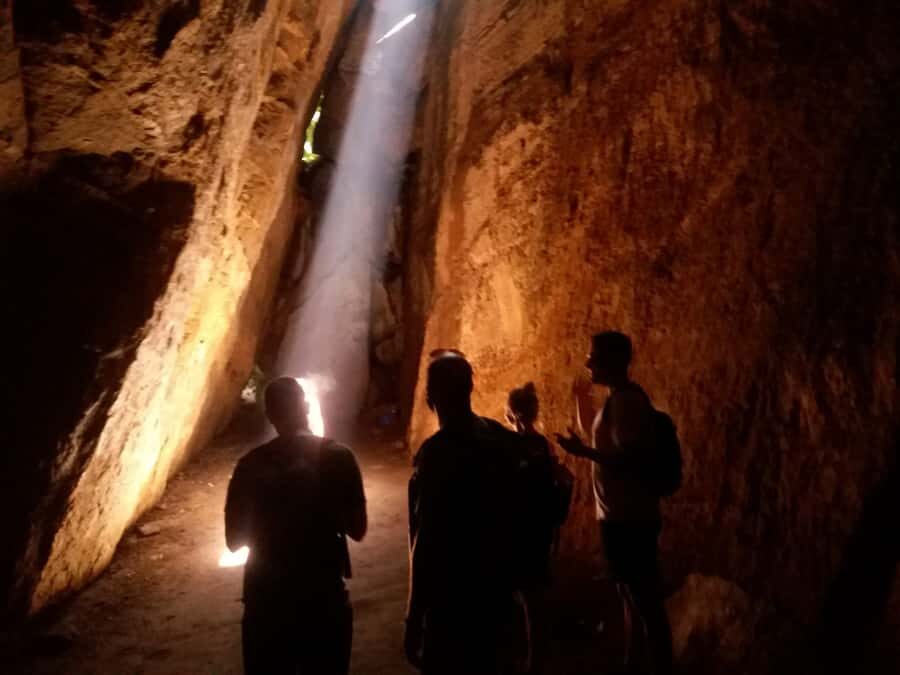
Then there’s Morcego’s Grotto, described as the largest gneiss cave in Brazil. Even without a dramatic entrance, caves do something waterfalls can’t: they change the air, the acoustics, and the way light hits the rock. If you’re the type who likes geology or “what’s under the surface,” this stop is a strong reason to book.






Baronesa Cascade waterfall shower: the part you’ll remember
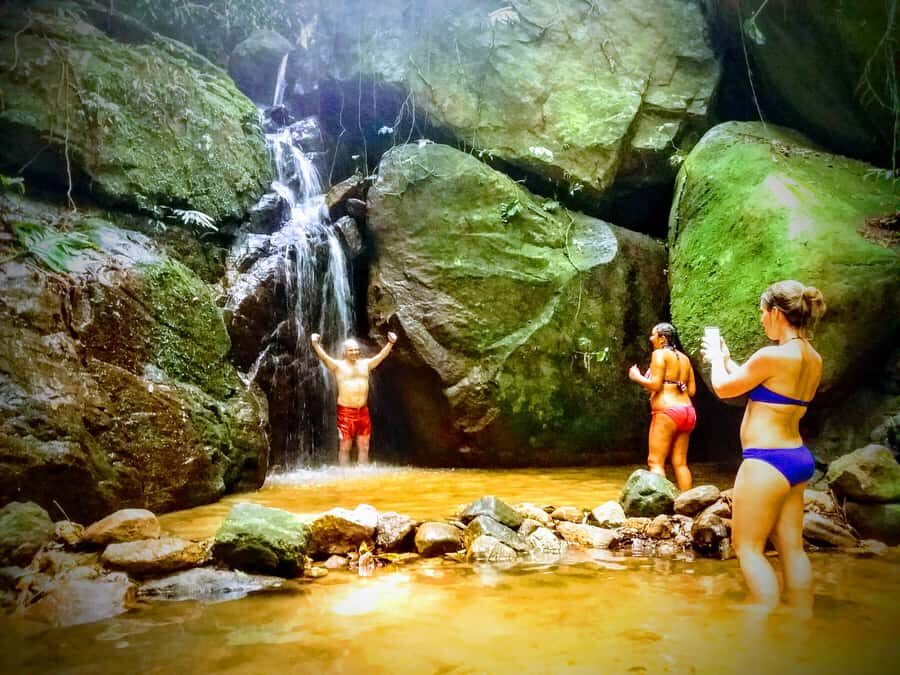
At some point, you’ll stop being a hiker and start being a person who wants a quick rinse. The route includes Cascata da Baronesa (Baronesa Cascade), where you can cool off during the visit—part of the appeal is the waterfall shower experience.
This is one of the best payoff moments because it doesn’t just mean seeing water. It means you feel it. The rainforest can be warm, so the mix of shade, humidity, and then the cooling spray is a genuine reset—especially near the later part of the walk.
If the weather is wet, conditions can change. Trails may feel slippery and the day may move a bit slower, but rain can also make the forest atmosphere feel more alive. One guide on a rainy day reportedly carried ponchos, which is a nice sign of how guides tend to handle changes, even if you shouldn’t assume that every time.
Returning through history details: Barão’s residence, Wallace Fountain, and viewpoints
The circuit doesn’t just throw landmarks at you. It builds a return route through different kinds of interest: historic architecture, sculpted monuments, and scanning views back toward the city.
On the way back, you’ll pass the former residence of Barão d’Escragnolle, now linked to The Esquilos restaurant. That stop matters because it reinforces that Tijuca wasn’t always “untouched nature.” People lived here, worked here, and managed the forest—then the priorities changed again.
You’ll also see the Wallace Fountain, which the tour notes was a gift from English philanthropist Richard Wallace to Brazil and produced in France in 1870. The route describes a sculpture theme focused on goodness, charity, sobriety, and simplicity. Even if fountains aren’t your thing, it’s an interesting link between Rio’s rainforest setting and international influence on the city’s public spaces.
Finally, expect a couple of viewpoint moments—like stops connected to Mirante da Palmira—where you can pause, breathe, and get scale. You’re close to Rio, but the day makes it feel like you’ve stepped into a different world.
Your guide makes the difference: the names to remember
This tour leans heavily on the guide’s storytelling. Across the best outings, I’d call out one consistent theme: the hike becomes much more enjoyable when the guide has real passion for the forest and can translate it into clear, human explanations.
You’ll see guides like Pietro, Vinnie, Riccardo/Richie, Renata, Tito, Gustavo, Luiza, and Fernando mentioned for turning the walk into a history-and-nature lesson. People often highlight that guides point things out you’d miss—plants, wildlife signs, and the “why” behind the landscape.
If you care about getting meaning from the day, choose this tour when you want a guide who treats Tijuca like a living subject, not just a list of stops.
Price and value: is $69 worth it for what you get?
At $69 per person, you’re paying for a specific mix: a guided circuit inside Tijuca, multiple named stops (waterfalls, chapel, bridge, caves), and hotel pickup and drop-off from much of Rio’s South Zone. You’re also getting insurance included, plus a bilingual guide.
What you’re not paying for is food and drinks. That’s the big “hidden in plain sight” part of the value equation. Plan to bring snacks and water yourself. The hike is long enough that you’ll feel it if you arrive hungry, and the rainforest makes hydration matter.
So the real test is simple:
- If you want a guided, structured hike with history plus waterfalls and caves, $69 starts to feel fair.
- If you’re mainly chasing wildlife and plan to rely on it, you may feel like the day could’ve been cheaper, because animal sightings can be hit-or-miss.
Who should book this Tijuca Forest hike (and who should skip it)
I’d book this when you’re:
- A moderate hiker who can handle up-and-down trail sections in rough rainforest terrain
- Interested in history tied to the landscape, especially the coffee-era-to-reforestation story
- Excited by variety: waterfall shower + caves + chapels + suspension bridge + viewpoints
- Staying in or near Copacabana, Ipanema, Leblon, Leme, Flamengo, Santa Teresa, or Botafogo-area hotels, so pickup is easy
I’d skip or reconsider if:
- You have heart problems or you’re unsure about elevation and effort
- You’re counting on guaranteed wildlife sightings
- You’re sensitive to tight transport seating
FAQ
How long is the tour, and how long is the hike?
The full experience runs about 6 hours. The hiking portion is typically 2.5 to 3 hours, covering 6.2 km (3.85 miles).
What elevation gain should I expect?
You’ll gain about 448 m (1,469 ft) during the hike, with up-and-down sections on rainforest rough terrain.
Is hotel pickup included, and from where?
Yes. Pickup and drop-off are included from designated hotels in Rio’s South Zone, including neighborhoods such as Copacabana, Ipanema, Leblon, Leme, Flamengo, Santa Teresa, Gloria, Catete, Urca, and Praia de Botafogo. If pickup isn’t available at your hotel, a nearby meeting point is provided.
Are food and drinks included?
No. Food and drinks are not included, so you’ll want to bring your own snacks and water.
What languages does the guide speak?
The tour guide provides live commentary in English and Portuguese.
Who is this hike not suitable for?
It is not suitable for people with heart problems, and it is not suitable for wheelchair users.
What should I bring, and what isn’t allowed?
Bring food and drinks, snacks, sunscreen, water, insect repellent, sports shoes, sportswear, and a daypack. Pets, luggage or large bags, alcohol and drugs, and bare feet are not allowed.
Should you book this Tijuca Forest Small Group Hike?
If you want a well-structured rainforest day with waterfalls, caves, and real history, this hike is a strong choice. The $69 price makes sense when you factor in the guided circuit plus South Zone pickup, but plan to bring your own snacks and water. Book it if you’re comfortable with a moderate climb in rough terrain—and go in expecting the forest to be the main character, not guaranteed wildlife.