REVIEW · RIO DE JANEIRO
Little Africa – Walking tour from the passed to the future
Book on GetYourGuide →Operated by Viajecom Io Turismo Viagem e Intercâmbio · Bookable on GetYourGuide
A few blocks can hold centuries. Little Africa is a walking tour in Rio that takes African heritage seriously, showing how the city’s Black history took shape right in this area. You’ll move through old alleys and key historical spaces that once functioned as a gateway for people arriving from the African continent.
What I really like is how the tour turns “history” into people and place. With guides such as Larissa, the storytelling is energized and personal, so you’re not just reading about slavery-era Rio—you’re seeing where daily life happened.
My only caution: English quality can vary by guide, and you may want to plan around that if you’re choosing the English option. One English-speaking experience was reported as hard to follow, so for the smoothest visit, consider Portuguese or Spanish if possible.
In This Review
- Key things I’d watch for on this Little Africa tour
- Little Africa: Why this part of Rio hits harder than you expect
- The 3-hour rhythm and what you’ll do during the walk
- Walking the remains: market, stores, houses, and graveyards
- The art and culture thread: why the future part isn’t just a tagline
- Your guide matters: Larissa, Gabriela, Luana, Rafael, and Danielo
- Price and value: US$32 now plus R$160 to the guide
- Who this walking tour suits best (and who should reconsider)
- Getting the most from it: respectful curiosity beats rushing
- Should you book Little Africa from the past to the future?
- FAQ
- What is the duration of the Little Africa walking tour?
- Where does the tour start?
- How much does it cost?
- What’s included in the price?
- Are food or transportation included?
- What languages are available?
Key things I’d watch for on this Little Africa tour
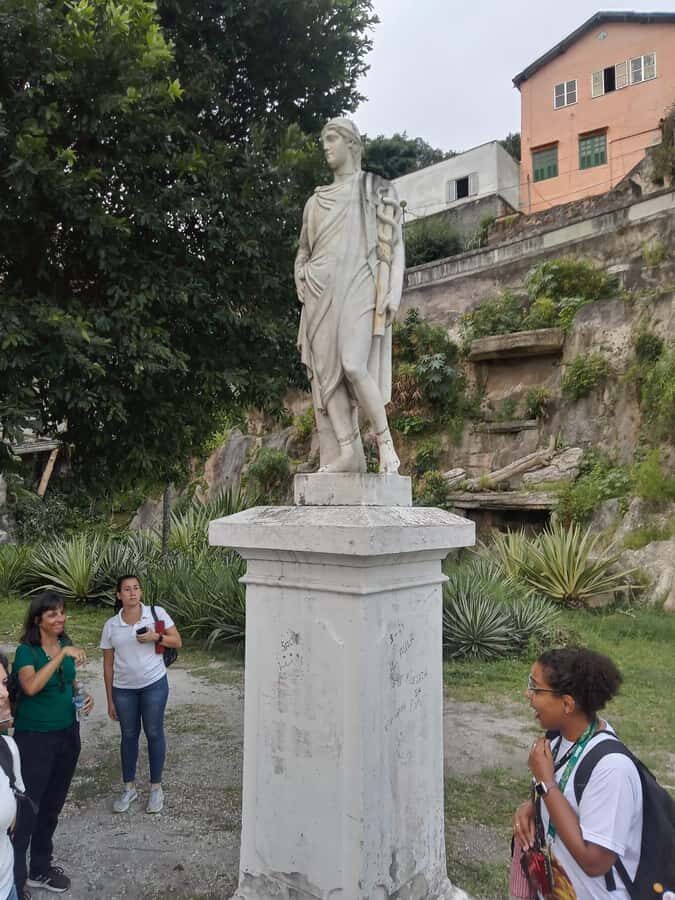
- Entrance-point history in Rio: You’ll learn how this zone functioned as a first stop for many arrivals from Africa.
- Slave-era landmarks you can still recognize: Market spaces, stores, houses, and graveyards are part of what the guide points out.
- Art, culture, and the future connection: The tour doesn’t stop at the past; it links heritage to what comes next.
- Guide energy matters: Several guides (like Gabriela, Luana, Rafael, and Danielo) are highlighted for different strengths.
- Know the price structure upfront: US$32 online plus an additional cash/card payment to the guide.
Little Africa: Why this part of Rio hits harder than you expect
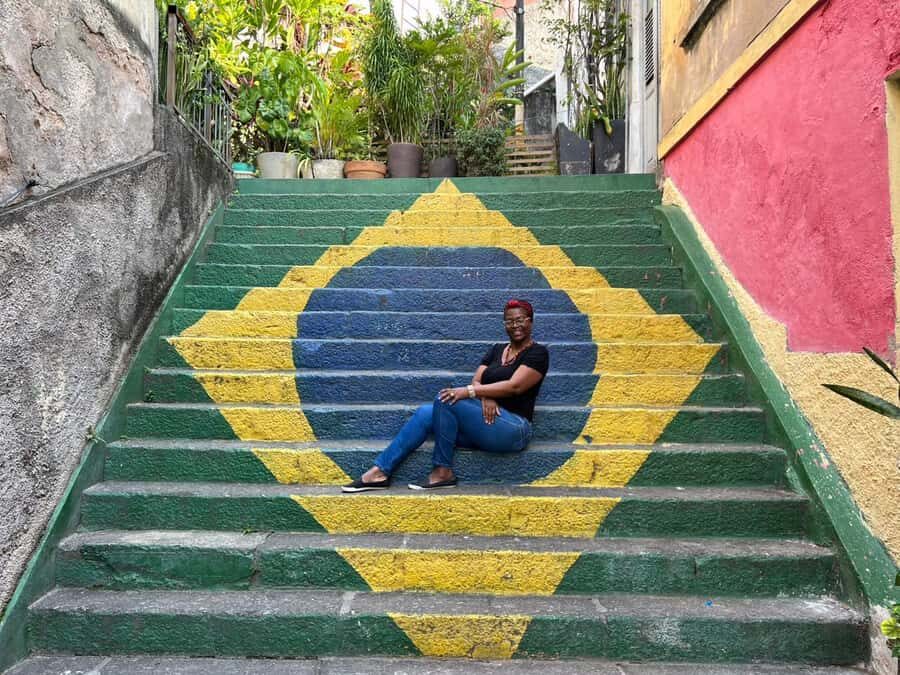
Rio’s center can look like any other city grid—streets, storefronts, daily life. Then your guide starts mapping the area to a different timeline. Little Africa is described as a large zone that once included a slave open market, stores, houses, and graveyards. That’s not background color. It’s the core setting for how a major chapter of Brazilian history played out locally.
What makes this tour compelling is the way it treats heritage as something you can walk to and stand in front of. As the guide talks, you’re guided to pay attention to remarks about the places you pass, not just the facts. That’s why many people get emotional during the walk—because the story is tied to real ground, not a distant museum wall.
And then there’s the “past to the future” angle. The highlights explicitly point to Art, culture, and Future, which matters because it frames Black history as living influence, not only tragedy. Even if some stops are hard to process, the tour’s goal is to leave you with context for today and ideas about what communities build next.
You can also read our reviews of more walking tours in Rio De Janeiro



The 3-hour rhythm and what you’ll do during the walk
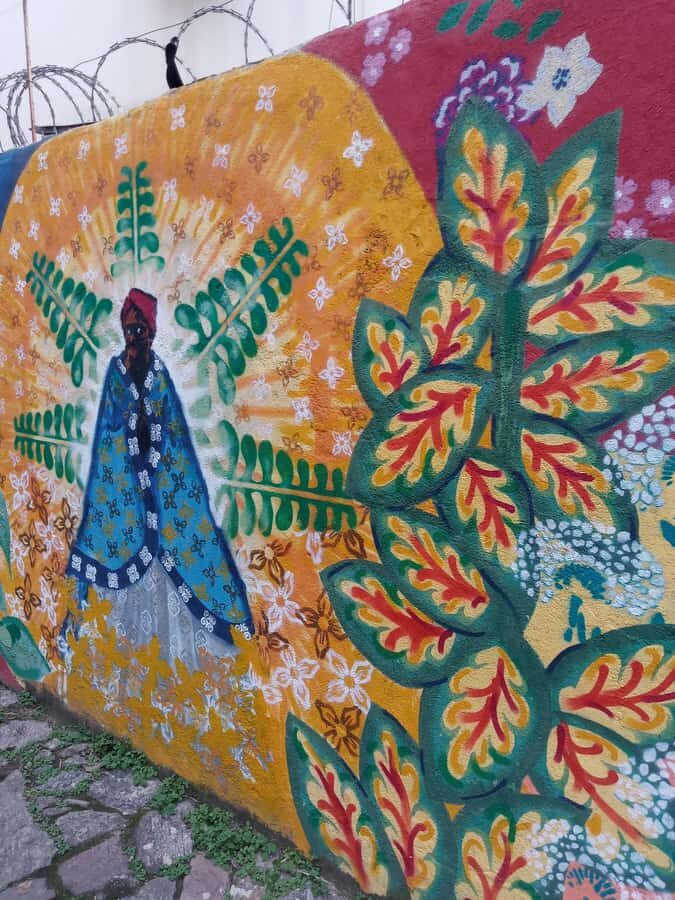
This is a 3-hour walking tour. You’ll meet in downtown Rio de Janeiro, and the plan is built around walking through the alleys and visiting multiple historical points inside the Little Africa area.
Here’s what that means for your experience:
- You’ll be moving at a human pace, focused on interpretation. The tour is designed for paying attention—listening for the guide’s cues about each historical place you reach.
- You’ll get a guided sequence across different types of spaces: entry-point context (how the area connected to arrivals from the African continent), then the everyday economic and domestic spaces (market, stores, houses), and finally the graveyard dimension.
- Expect emotional moments. The tour’s structure is meant to help you understand what happened here, and that often lands with a strong emotional punch.
One practical upside of a 3-hour format: you get serious context without needing a full day. You can work this into a sightseeing mix in Rio’s central area, then return later to other neighborhoods with a better sense of what you’re seeing.
Walking the remains: market, stores, houses, and graveyards
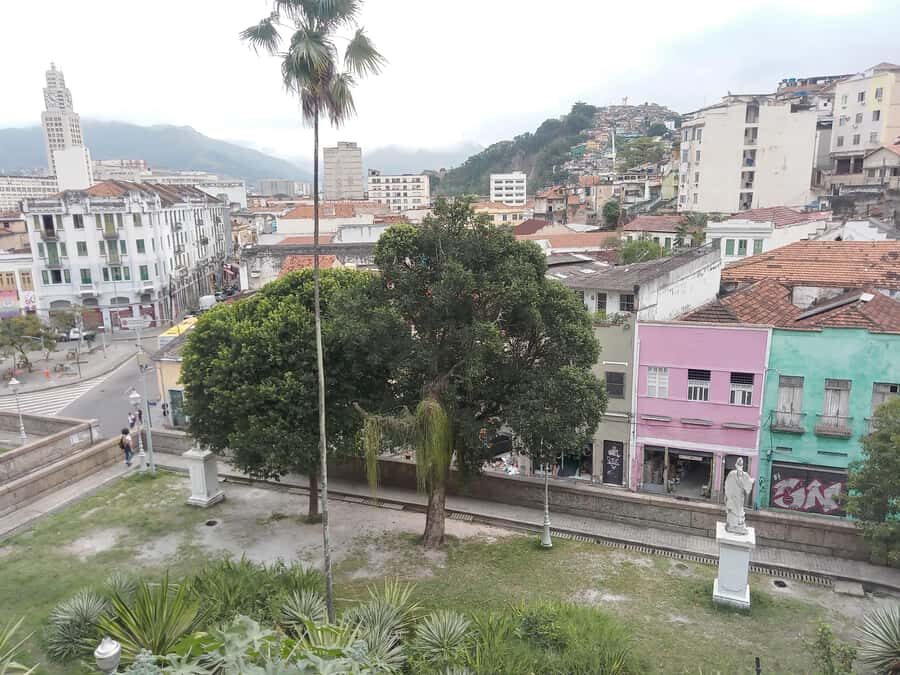
The heart of Little Africa is that it was an entrance zone in Rio for men, women, and children coming from the African continent. The tour emphasizes that this was not one building—it was a whole area with an operating slave open market, along with stores and houses. It also includes graveyards, which is often the part that makes the tour feel most immediate and heavy.
What I’d encourage you to do is approach each stop with two lenses:
- How this place worked. The market and the stores connect to commerce, forced displacement, and the brutal reality of how people were handled.
- How human life persisted anyway. Houses and community-linked spaces remind you that survival, family, and culture weren’t erased by history—they shaped what came after.
As you walk the alleys, the guide’s role is to help you connect the dots. You’re not just learning isolated facts. You’re building an understanding of why this zone mattered and how it shaped identities in Brazil.
If you prefer tours that are strictly dates and timelines, you might find this one more reflective than that. The value here is grounded context: where things happened and why those spaces still matter.
The art and culture thread: why the future part isn’t just a tagline
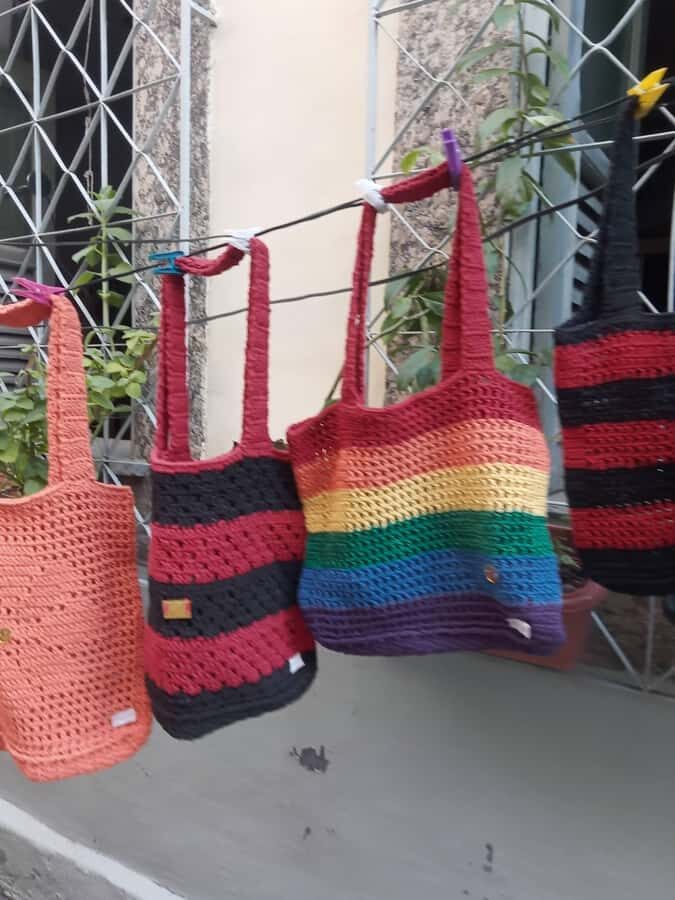
The tour highlights include Black history, heritage, plus Art, culture, and Future. That future element is important because it prevents the story from ending in grief.
From the way the tour is framed, you’re meant to understand the past as something that continues through culture. In Brazil, Black heritage doesn’t live only in records; it shows up in music, visual culture, language patterns, community practices, and ongoing debates about representation and rights. A walking tour that explicitly calls out “future” is aiming to connect historic heritage to the present-day cultural reality.
Now, a quick caution: the tour data doesn’t spell out specific art stops or named exhibits. So instead of expecting a checklist of galleries, think of this as a guided conversation across street-level space and cultural meaning—guided by your tour leader’s interpretation.
If you like tours where the guide makes the past feel relevant to modern life, this “future” framing should resonate.
Your guide matters: Larissa, Gabriela, Luana, Rafael, and Danielo
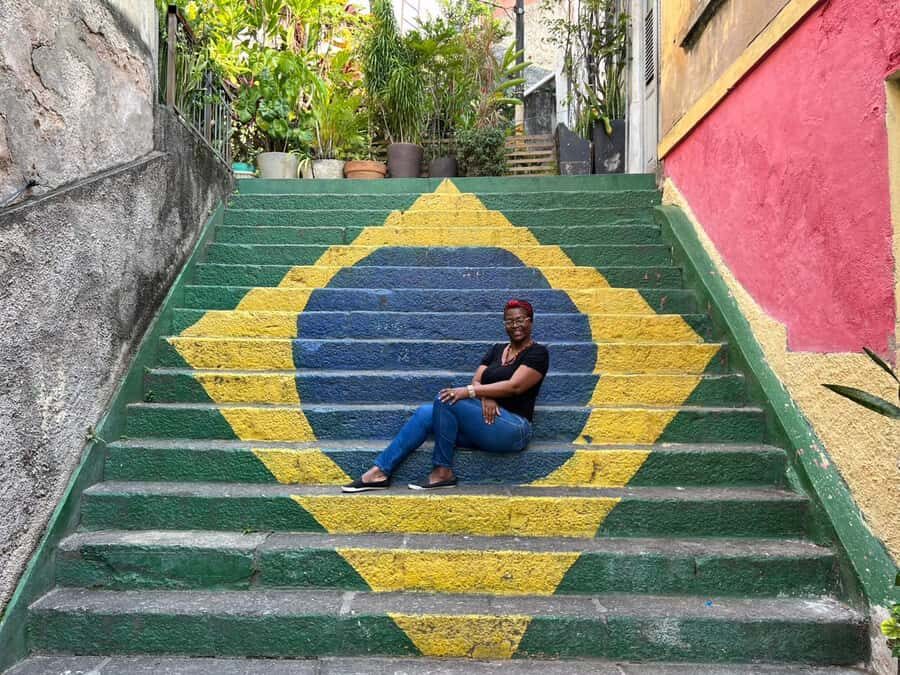
The people leading the tour seem to be a major part of the success. Different guides bring different strengths, and the language ability can affect your comfort level.
Here are some guide names connected to standout experiences:
- Larissa: praised for passion for history and a storytelling style that helps you visualize the moment.
- Gabriela: noted for being knowledgeable and personable, and for providing a strong foundation for experiencing Brazil’s rich cultural history.
- Luana: highlighted for being informative, plus kindness and thoughtfulness.
- Rafael: mentioned as great, and the company was accommodating when a flight delay caused a missed time, with an alternate arrangement.
There’s also a cautionary note tied to Danielo, where English articulation was described as poor enough that the group struggled to understand. That doesn’t mean the tour is bad—just that the language experience can vary.
My practical takeaway: if you’re choosing between languages, and you’re comfortable with Portuguese or Spanish, consider picking that option. If you must go English, be prepared to communicate politely with the guide if something feels unclear. A good guide can still help, but you shouldn’t have to work harder than necessary.





Price and value: US$32 now plus R$160 to the guide
Let’s talk money clearly, because this tour has a two-part structure.
- The online reservation payment is US$32 per person (through the GetYourGuide website/app).
- Then there’s an additional payment directly to the tour guide of R$160 per person.
- The total payment listed is R$310,00 each passenger.
- Payment by credit or debit card is possible, but there’s 5% of taxes applied.
- Children pricing: 50% discount for ages 05 to 10, and ages 00 to 04 are free on the parent’s lap.
So is it worth it? In my view, it can be—if you want guided, place-based history that covers multiple themes (Black heritage, market life, graveyard context, and a cultural-to-future connection). You’re not paying for a single landmark photo op. You’re paying for interpretation and time with a guide over a focused area.
Where it can feel less satisfying is if you expected a museum ticket included, or if you prefer very structured, compartmentalized content. The tour includes tour guide service, but it does not include food, transportation, or souvenirs. If you’re hungry, plan to handle meals outside the tour window.
Also note the minimum group size: the minimum of customers is 2. If you’re traveling solo, the provider says to contact them before reserving. That’s a real factor for value—single travelers should confirm the format works for you.
Who this walking tour suits best (and who should reconsider)
This experience is a great fit if you:
- Care about Black history and heritage in Brazil and want context tied to physical places.
- Like cultural tours where the guide helps you interpret what you see, not just read facts off a sign.
- Are okay with emotional subject matter and want respectful framing.
It’s especially interesting if you’re also curious about the “future” connection—meaning you want history that connects to present-day identity and culture, not only the past.
Who might rethink it:
- If your top priority is an English-language lecture with polished articulation, language variation is a real risk. Choose accordingly (Portuguese or Spanish may be smoother).
- If you dislike walking tours or prefer minimal emotional content, this one could feel heavy. It’s designed to get under your skin, in a respectful way.
For families: children 5–10 get a discount, and 0–4 are free on a parent’s lap. That suggests the tour is not automatically a no-go for kids, but because the subject matter is serious, you’ll want to judge your child’s readiness.
Getting the most from it: respectful curiosity beats rushing
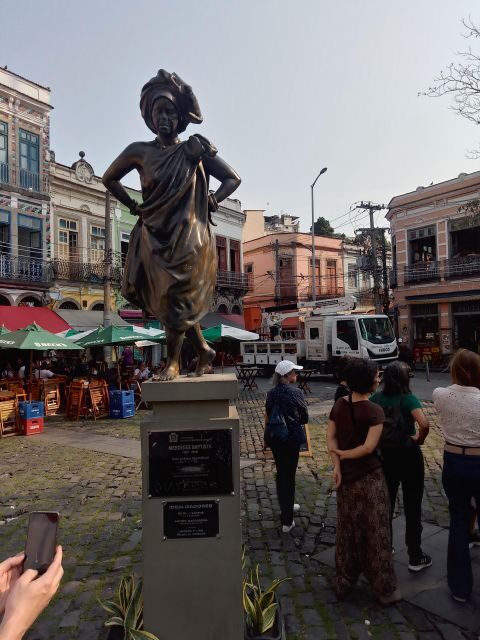
Tours like this work best when you slow down mentally. You’re walking through an area where history wasn’t abstract. The guide asks you to pay attention to remarks, so do yourself a favor: don’t treat it like a checklist of stops you can speed through.
A simple approach:
- Listen first, then look. If you catch a key phrase from the guide, pause and let it connect to the spot you’re standing near.
- Ask questions if something feels unclear, especially about heritage, culture, or the future thread.
- If you feel emotional, that’s not a failure. This tour is built for that reaction because the material is human.
And one practical reminder: bring your ID (or a copy). It’s mandatory.
Should you book Little Africa from the past to the future?
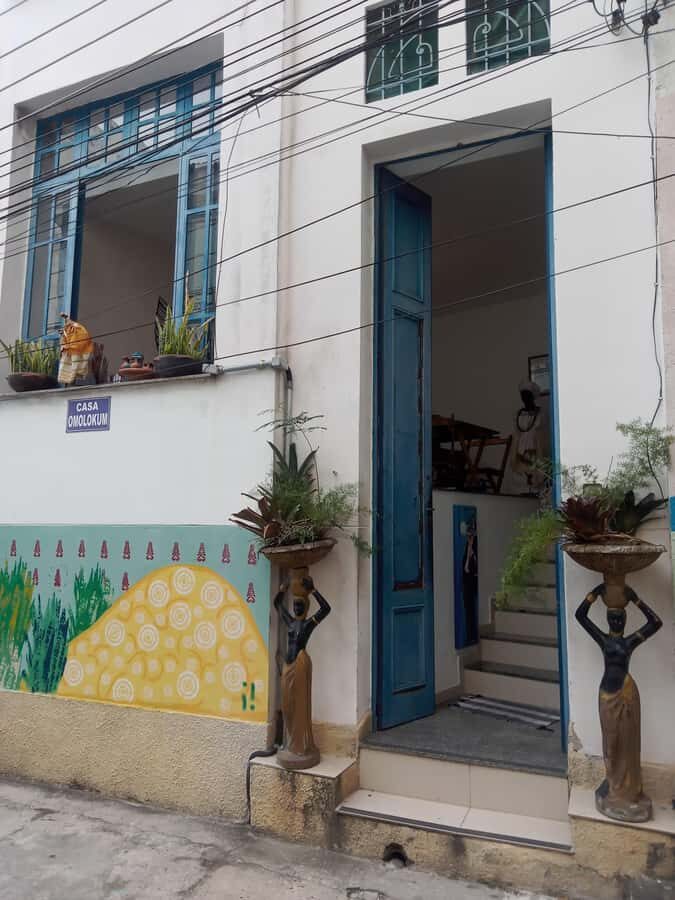
I’d book this tour if you want Rio context that feels grounded and meaningful. The combination of Black history, heritage, and the explicit link to art, culture, and future makes it more than a standard city walk. Plus, when the guide is strong (think Larissa, Gabriela, Luana, Rafael), the experience can feel like history becomes visible.
I would hesitate only if:
- English is non-negotiable and you’re worried about understanding every word.
- You’re looking for a light, entertainment-first experience. This one has emotional weight by design.
If you’re curious and open-minded, this is a solid value option for a focused 3-hour time slot in Rio’s downtown area—especially if you choose the language you’ll understand best.
FAQ
What is the duration of the Little Africa walking tour?
The tour lasts 3 hours.
Where does the tour start?
The meeting point is downtown of Rio de Janeiro.
How much does it cost?
The reservation payment is US$32 per person, and there is an additional R$160 per person paid directly with the tour guide. The total payment listed is R$310,00 per passenger.
What’s included in the price?
You get online service and a tour guide service.
Are food or transportation included?
No. Food and beverage, transportation, and souvenirs are not included.
What languages are available?
The live tour guide offers English, Portuguese, and Spanish.